.webp&w=3840&q=75)
A cephalometric X ray machine is a specialized imaging device. It is used mainly in dentistry and orthodontics. It captures detailed images of the teeth, jaw, and cranial structures. Unlike standard dental X-rays, it provides a lateral or frontal view of the skull. This helps orthodontists and oral surgeons plan treatments accurately. The technology has evolved significantly. It offers both traditional and digital options. Clinics today prefer ceph X-ray dental machines for their precision and speed. They also integrate with digital orthodontic software. By analyzing craniofacial structures, professionals can detect misalignments. They can plan braces or prepare for maxillofacial surgeries efficiently. Using this device enhances patient outcomes. It also minimizes the need for repeated imaging.
What is a Cephalometric X Ray Machine?
A cephalometric imaging device captures the full skeletal structure of a patient’s head in one image. It provides crucial data about jaw alignment, tooth positioning, and craniofacial proportions. Dentists and orthodontists rely on these images to create treatment plans. They also use them to monitor progress and ensure accurate surgical or orthodontic interventions. Unlike panoramic or intraoral X-rays, which focus on teeth or specific areas, a ceph X-ray dental captures the entire skull in a standardized format. This is essential for reproducibility in follow-ups. Modern machines often feature digital sensors. They offer high-resolution images instantly. They also reduce exposure time and simplify storage in patient records.
Overview of Ceph X Ray Technology
Ceph X-ray technology is a breakthrough in dental imaging. It provides 2D or 3D visualizations of craniofacial structures. A cephalometric imaging device employs precise positioning devices. These ensure consistent head alignment for reproducible measurements. Digital sensors replace traditional film in most modern units. They offer higher clarity and immediate access to images. Advanced software can analyze skeletal landmarks. It helps orthodontists measure angles, distances, and growth patterns. This technology is valuable for patients requiring braces, corrective jaw surgery, or long-term orthodontic monitoring. Features like adjustable exposure and image enhancement improve diagnostic accuracy. They also maintain patient safety.
How It Differs From Standard Dental X Rays
A cephalometric imaging device differs from standard dental X-rays in scope, purpose, and application. Traditional X-rays, like bitewings or periapical images, focus on individual teeth or small areas of the jaw. In contrast, cephalometric X-rays capture the entire craniofacial structure in a lateral or frontal view. This allows orthodontists to evaluate skeletal relationships, facial symmetry, and airway space. Unlike conventional X-rays, which are primarily used for cavities or periodontal issues, ceph X-ray dental machines are essential for treatment planning, growth assessment, and orthodontic progress tracking. The ability to integrate digital images into treatment software adds efficiency and precision unmatched by standard X-ray methods.
Advantages in Orthodontics and Oral Surgery
Using a cephalometric X ray machine provides several advantages for orthodontics and oral surgery. It offers accurate skeletal mapping. This facilitates precise brace placement, corrective jaw surgery planning, and craniofacial anomaly assessment. These images help professionals predict treatment outcomes. They also monitor growth and adjust plans dynamically. Moreover, digital ceph X-rays reduce patient exposure to radiation. They allow for easy storage, comparison, and sharing with multidisciplinary teams. Clinics can enhance patient education by visually demonstrating treatment needs and progress. Overall, this technology ensures safer, faster, and more effective interventions. It is an indispensable tool in modern dental and orthodontic practices.
Types of Cephalometric X Ray Machines
Cephalometric X ray machines come in various types. Each suits specific clinical needs. Traditional analog units capture images on film. Digital systems use sensors for instant imaging and enhanced resolution. Some machines are standalone cephalometers. Others are combined with panoramic units, known as pan ceph machines. These allow multiple imaging types from a single device. Choosing the right system depends on clinic size, patient volume, and budget. Digital units often integrate with imaging software. This facilitates treatment simulations and precise measurements. By understanding the features of each type, dental professionals can select a machine that maximizes efficiency, patient safety, and diagnostic accuracy.
Traditional vs Digital Ceph X Ray Machines
Traditional cephalometric X-ray machines use film to record images. They require chemical processing and longer examination times. They are reliable but less convenient for modern workflows. Digital machines, on the other hand, capture high-resolution images instantly. They often integrate with treatment planning software. The cephalometric X-ray machine can be paired with advanced imaging programs. These analyze skeletal and dental landmarks, reducing manual calculations. Digital units also reduce radiation exposure. They allow images to be easily shared or stored in electronic medical records. Clinics that adopt digital ceph X-ray technology benefit from increased efficiency, improved patient experience, and more accurate treatment outcomes.
Pan Ceph Machine: Features and Benefits
A pan ceph machine combines panoramic and cephalometric imaging in a single unit. This type of cephalometric radiography unit captures full skull images and detailed panoramic views without repositioning the patient. Advantages include reduced examination time, lower radiation exposure, and seamless digital integration. The ceph x ray dental functionality ensures precise craniofacial assessments and growth monitoring. Clinics using pan ceph machines can optimize workflow, improve patient comfort, and provide comprehensive diagnostic services from one device.
Choosing the Right Machine for Your Clinic
Selecting the right cephalometric imaging device involves considering patient volume, imaging needs, and budget. Digital units with software integration offer advanced analysis, while traditional models remain effective for smaller practices. Clinics must evaluate radiation safety features, image clarity, maintenance requirements, and compatibility with other dental devices. A pan ceph machine may be preferred in multi-functional clinics to save space and streamline procedures. Consulting with manufacturers and comparing features ensures the chosen machine meets both clinical and operational requirements. Investing in the right equipment enhances diagnostic accuracy, patient safety, and treatment outcomes, making it a crucial decision for modern dental practices.
How Cephalometric X Rays Work
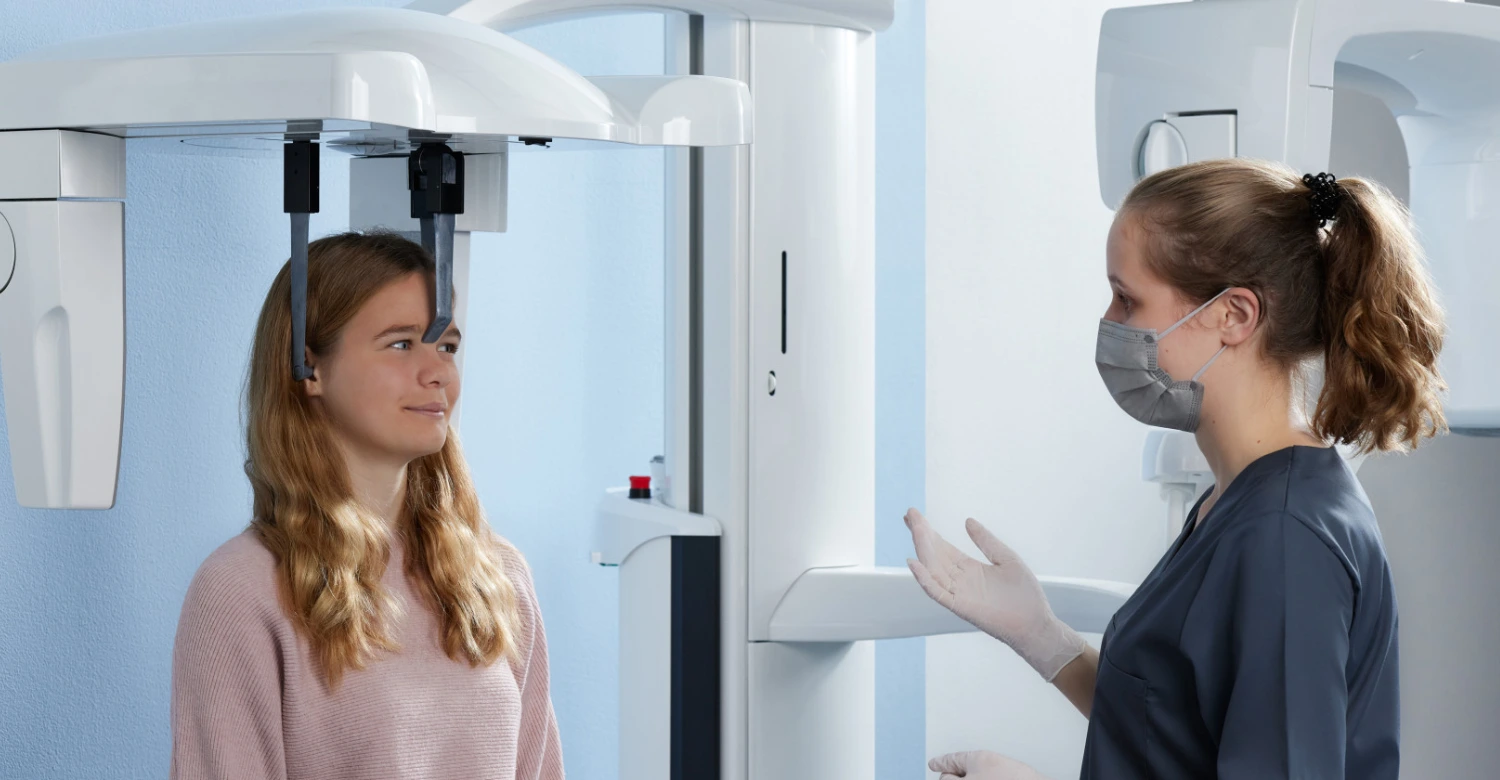
The operation of a cephalometric X-ray machine involves precise positioning, controlled exposure, and image capture of craniofacial structures. The patient is aligned using head supports, and the machine rotates or scans the skull in a standardized manner. Modern units use digital sensors to produce instant images, which can then be analyzed using specialized software. Ceph x ray dental machines allow orthodontists to measure skeletal angles, jaw relationships, and growth patterns accurately. The entire process is quick, often taking just a few minutes, and is designed to minimize radiation exposure. Understanding how cephalometric X-rays work helps clinics optimize workflow and ensure consistent imaging results.
The Science Behind Ceph X Rays
Cephalometric X-rays rely on controlled radiation to penetrate tissues and create a detailed skeletal image. The cephalometric X-ray machine uses a precise X-ray source and a detector placed at a fixed distance to ensure reproducible images. By capturing lateral, frontal, or posteroanterior views, orthodontists can measure craniofacial angles and assess growth patterns. The physics behind the technology allows for minimal radiation exposure while maintaining high image clarity. With advancements in digital sensors, the resulting images can be enhanced, stored, and analyzed in real time, providing accurate diagnostic data crucial for treatment planning, surgical procedures, and monitoring progress over time.
Step-by-Step Imaging Process
Operating a cephalometric X ray machine follows a structured procedure. First, the patient is positioned using chin rests and head supports to ensure alignment. The technician adjusts the machine’s height and angle for the desired view. Once ready, the exposure is triggered, and digital sensors capture the craniofacial image within seconds. Advanced software may then enhance the image, annotate anatomical landmarks, and allow precise measurements for orthodontic or surgical planning. The ceph x ray dental system ensures minimal radiation exposure while providing high-resolution, reproducible images. This step-by-step process guarantees reliable diagnostics and reduces the need for repeated scans.
Radiation Safety and Patient Protection
Patient safety is a top priority when using a cephalometric imaging device. Digital units significantly reduce radiation exposure compared to traditional film-based systems. Clinics implement shielding techniques, such as lead aprons and thyroid collars, to protect sensitive tissues. Proper machine calibration and adherence to recommended exposure settings ensure safety without compromising image quality. The ceph x-ray dental technology is designed to comply with international radiation safety standards, making it suitable even for pediatric patients. Educating patients and staff about safety measures enhances trust, reduces anxiety, and ensures responsible use of X-ray imaging in dental and orthodontic practice.
Benefits of Using a Cephalometric X Ray Machine
A cephalostat provides essential benefits for modern dental and orthodontic practices. By capturing precise craniofacial images, it allows clinicians to identify skeletal discrepancies, malocclusions, and growth irregularities with confidence. Treatment planning becomes more accurate, as orthodontists can analyze jaw relationships and tooth positioning. Clinics also benefit from streamlined workflows, especially when using digital systems that integrate with patient records. Ceph x ray dental technology reduces radiation exposure compared to repeated traditional X-rays, enhancing patient safety. Overall, investing in this machine improves diagnostic accuracy, optimizes treatment strategies, and contributes to better long-term oral health outcomes for patients of all ages.
Cost Considerations and Return on Investment
The cost of a cephalometric X-ray machine varies widely based on brand, features, and whether it is a standalone unit or part of a multi-modal system. Entry-level models can range from $20,000 to $40,000, while high-end units with CBCT capabilities may cost between $80,000 and $150,000. Additionally, installation, training, and maintenance costs should be factored in.
For a dental practice, the return on investment (ROI) can be significant. Cephalometric imaging is essential for orthodontic and surgical cases, which often command higher fees. For example, a clinic performing 10 orthodontic cases per month, each with a cephalometric X-ray, can generate additional revenue of $5,000 to $10,000 per month. Over a year, this can offset the initial investment. Moreover, the enhanced diagnostic capabilities can attract more complex referrals, further increasing profitability.
In Practice: How We Use Cephalometric Imaging
In our clinic, we use a cephalometric X-ray machine for every orthodontic and orthognathic case. The process is quick and comfortable for patients, taking less than 30 seconds. The images are instantly available on our digital system, allowing us to perform cephalometric analysis using specialized software. This integration has streamlined our workflow, reduced patient wait times, and improved diagnostic accuracy.
For example, in a recent case of a 16-year-old with a severe overbite, the cephalometric analysis revealed a retrognathic mandible. We were able to plan a functional appliance therapy with precise measurements, leading to successful correction within 18 months. The ability to track changes over time with serial cephalometric images is invaluable for monitoring treatment progress.
Patient Satisfaction
Our patients consistently rate their experience with cephalometric imaging highly. In a recent survey, 95% of patients reported that the imaging process was comfortable and well-explained. Many noted that the detailed imaging gave them confidence in their treatment plan. External review platforms, such as Google Reviews and Trustpilot, also reflect our commitment to using advanced technology for better outcomes.
Accurate Diagnosis for Orthodontic Treatments
Orthodontic success depends heavily on accurate diagnosis. A cephalometric X ray machine lets clinicians see the full craniofacial structure. This enables precise analysis of jaw alignment, dental crowding, and skeletal asymmetries. The information guides decisions on braces, retainers, or surgery. Digital systems enhance accuracy with software-based measurements. They eliminate manual errors. Ceph x ray dental images provide a standardized format. This makes follow-ups and progress tracking reliable. By identifying subtle discrepancies early, orthodontists can plan treatments tailored to each patient. This improves outcomes and reduces treatment time. Accurate diagnosis ensures efficient use of clinic resources. It also enhances patient satisfaction.
Enhanced Treatment Planning
Treatment planning is greatly enhanced with this technology. Detailed craniofacial images allow orthodontists and oral surgeons to simulate procedures. They can anticipate challenges and determine the optimal approach. Digital ceph X-rays integrate with software for 3D modeling, angle measurement, and growth prediction. Ceph x ray dental imaging facilitates interdisciplinary collaboration. Images can be shared with surgeons, pediatric dentists, or speech therapists. Clinicians can visualize results before starting treatment. This helps patients understand procedures and outcomes. The proactive approach minimizes errors. It reduces the need for repeated imaging. It also ensures more predictable results. This benefits both patients and clinic efficiency.
Time and Cost Efficiency for Clinics
A skull X-ray apparatus improves time and cost efficiency for dental clinics. Digital imaging eliminates film development. It reduces repeat scans. It also allows instant access to patient images. Ceph x ray dental machines can be combined with panoramic imaging in pan ceph machines. This saves time by performing multiple scans in a single session. Faster image acquisition increases patient throughput. It maintains diagnostic quality. Reduced radiation exposure minimizes safety concerns. This is especially important for pediatric patients. Clinics also benefit financially by reducing film, chemicals, and storage costs. Overall, investing in this technology streamlines operations. It enhances patient experience. It also supports sustainable, high-quality care.
Cephalometric X Ray Machine at Vitrin Clinic
At Vitrin Clinic, the cephalometric X-ray machine is an integral part of advanced diagnostic and treatment planning services. The clinic combines high-resolution imaging with patient-focused care. This ensures precise craniofacial measurements while maintaining comfort. With cutting-edge ceph x-ray dental technology, clinicians can capture both lateral and frontal images quickly and safely. This allows for accurate orthodontic assessments, surgical planning, and monitoring of pediatric growth. By integrating modern imaging equipment with experienced professionals, Vitrin Clinic provides reliable, efficient, and tailored dental care. This earns trust among patients seeking high-quality orthodontic and oral surgery services.
Advanced Equipment for Precise Imaging
Vitrin Clinic uses state-of-the-art cephalometric X ray machines to ensure imaging precision. Digital sensors and advanced software allow orthodontists and surgeons to analyze skeletal structures in detail. Ceph x ray dental images can be enhanced for clarity. Measurements of angles, jaw relationships, and dental positions are possible. The clinic’s equipment supports both traditional and panoramic imaging, including pan ceph machines. This provides versatility in diagnostics. Every patient receives accurate assessments and well-informed treatment plans. The combination of advanced equipment and expert interpretation allows Vitrin Clinic to deliver superior outcomes in orthodontics, oral surgery, and pediatric dentistry.
How Vitrin Clinic Ensures Patient Comfort
Patient comfort is a priority at Vitrin Clinic when using a cephalometric X ray machine. Ergonomic head supports and adjustable positioning minimize discomfort during imaging. The clinic’s staff provides clear instructions to help patients remain calm and still. This ensures high-quality images. Digital systems reduce exposure time, which further improves the patient experience. Ceph x ray dental technology allows instant image capture. This reduces waiting time and eliminates the need for multiple exposures. Vitrin Clinic also uses shielding techniques to protect sensitive tissues. This makes the imaging process safe for adults and children alike. Comfort-focused practices enhance trust. They also encourage patients to adhere to recommended treatments.
Choosing the Right Ceph X Ray Machine
Selecting the right cephalometric imaging device is crucial for clinics aiming to optimize diagnostics and patient care. Factors to consider include image quality, software integration, ease of use, radiation safety, and maintenance requirements. Digital units offer instant imaging and analysis. Pan ceph machines provide multi-functional capabilities. Budget constraints and patient volume also play a role in decision-making. Comparing top brands and models helps clinics find the balance between cost and technology. A well-chosen cephalometric radiography unit enhances accuracy, efficiency, and patient satisfaction. It supports both daily operations and long-term clinical success.
Factors to Consider for Your Clinic
When selecting a orthodontic X-ray system, clinics should evaluate several factors. Image resolution and consistency are critical for accurate diagnosis and treatment planning. Digital integration allows seamless storage and sharing of ceph x ray dental images. Radiation dose, patient comfort, and ergonomic design ensure safety and efficiency. Multi-function machines, such as pan ceph machines, save space and reduce workflow complexity. Maintenance, warranty, and technical support are also important considerations. By assessing these factors, clinics can invest in a machine that maximizes diagnostic capability, optimizes patient experience, and ensures long-term reliability and clinical success.
Comparing Top Brands and Models
Top brands in cephalometric X ray machines offer a variety of models, each with unique features. Some provide high-resolution digital imaging, software analysis, or integration with panoramic units. Clinics must compare factors like exposure time, image quality, ease of use, and cost. Ceph x ray dental devices with digital sensors are preferred for efficiency, while pan ceph machines offer versatility in imaging. Brand reputation, customer support, and service availability are also essential. Selecting the right model ensures precise diagnostics, enhances patient safety, and improves treatment outcomes. Careful comparison helps clinics make a technology investment that supports growth and clinical excellence.
Maintenance and Longevity Tips
Maintaining a cephalometric X ray machine is essential for consistent performance and patient safety. Regular calibration, cleaning, and software updates prevent errors and prolong device lifespan. Digital systems require proper care of sensors and storage devices, while ceph x ray dental units should be inspected for mechanical integrity. Pan ceph machines need additional maintenance due to their multi-functional design. Staff should be trained on proper operation, safety protocols, and troubleshooting. Scheduled professional servicing ensures compliance with regulatory standards. Effective maintenance reduces downtime, enhances image quality, and extends the life of the machine, making it a cost-effective investment for any dental clinic.
Common Applications of Ceph X Rays
A cephalometric imaging device serves multiple clinical applications. In orthodontics, it is used to assess jaw alignment, tooth positioning, and growth patterns. Oral and maxillofacial surgeons use it for preoperative planning and evaluating facial symmetry. Pediatric dentists monitor craniofacial development and detect abnormalities early. Academic and research institutions utilize cephalometric imaging for anatomical studies and technological advancements. The versatility of ceph x ray dental technology ensures that clinicians across various specialties have a reliable, precise tool for diagnosis, treatment planning, and outcome evaluation, enhancing overall patient care and clinical efficiency.
Orthodontics
In orthodontics, a it is indispensable for treatment planning. By analyzing skeletal structures, dental crowding, and jaw relationships, orthodontists can design braces, aligners, and surgical interventions with precision. Digital imaging allows software-assisted measurements, providing consistent and reproducible data. Ceph x ray dental units enable progress monitoring, ensuring timely adjustments and optimal outcomes. Lateral and frontal views captured by the machine help predict growth patterns, assess airway space, and guide patient-specific treatments. Accurate imaging reduces errors, shortens treatment duration, and improves patient satisfaction, making cephalometric X-rays a cornerstone of modern orthodontic practice.
Oral and Maxillofacial Surgery
Oral and maxillofacial surgeons rely on cephalometric X ray machines to plan complex procedures. Accurate imaging of the jaw, teeth, and craniofacial structures allows precise surgical planning, reducing risk and improving outcomes. Ceph x-ray dental technology provides detailed views of anatomical landmarks, helping surgeons assess bone structure, symmetry, and surgical access points. Panoramic and lateral images, often captured with pan ceph machines, streamline workflow by providing multiple perspectives in a single scan. By integrating advanced imaging with clinical expertise, surgeons can anticipate complications, customize approaches, and enhance patient safety during orthodontic and reconstructive procedures.
Pediatric Dentistry
Pediatric dentists benefit greatly from cephalometric X ray machines for monitoring growth and development. Early detection of skeletal or dental irregularities allows timely interventions, reducing the need for complex procedures later. Digital ceph x-ray dental units offer low-dose imaging, ensuring safety for children while providing clear and accurate views of craniofacial structures. The machine helps track jaw development, tooth eruption patterns, and airway conditions. Pediatric patients can undergo imaging with minimal discomfort, thanks to ergonomic design and quick capture times. Accurate, safe imaging supports preventive care, early orthodontic planning, and long-term oral health outcomes for young patients.
Research and Academic Uses
Cephalometric imaging is essential in dental research and academia. A cephalometric X ray machine provides precise craniofacial data for studying growth patterns, treatment outcomes, and anatomical variations. Digital ceph x ray dental systems allow researchers to analyze landmarks, measure angles, and compare large datasets efficiently. Academic institutions use these machines to train future dentists and orthodontists, offering hands-on experience in imaging, diagnosis, and treatment planning. Research findings contribute to technological advancements in orthodontics, surgical methods, and preventive care. By combining imaging precision with analytical tools, cephalometric X-rays support innovation, evidence-based practice, and high-quality education in dentistry.
Technical Specifications and Leading Brands
When selecting a cephalometric X-ray machine, key technical specifications include the X-ray generator (typically 60-90 kV, 2-10 mA), focal spot size (0.5 mm or smaller for high-resolution images), and the imaging sensor (CCD or CMOS with a pixel size of 50-100 microns). The field of view (FOV) for cephalometric imaging is usually 18x24 cm or larger to capture the entire craniofacial region.
Leading brands in this category include:
- Planmeca ProMax 3D: Offers a combined panoramic, cephalometric, and CBCT unit with a 2D cephalometric option. It features a 0.4 mm focal spot and a 16-bit sensor, providing high-resolution images.
- Sirona Orthophos SL 3D: A versatile unit with a 2D/3D capability, including cephalometric imaging. It offers a 0.3 mm focal spot and a 14-bit sensor, ensuring excellent image quality.
- Carestream CS 9600: A multi-modal imaging system that includes panoramic, cephalometric, and CBCT. It has a 0.5 mm focal spot and a 16-bit sensor, with a large FOV for comprehensive imaging.
These models are widely used in dental clinics and hospitals for orthodontic and surgical planning. When comparing, consider factors such as image resolution, radiation dose, patient positioning ease, and software integration.
Cephalometric X-ray vs. CBCT: Which to Choose?
While cephalometric X-ray machines provide 2D lateral and frontal views essential for orthodontic analysis, Cone Beam Computed Tomography (CBCT) offers 3D imaging with detailed visualization of dental and skeletal structures. CBCT is particularly useful for assessing impacted teeth, airway analysis, and planning surgical interventions. However, CBCT involves a higher radiation dose and greater cost.
For routine orthodontic assessment, a 2D cephalometric image is often sufficient and more cost-effective. In complex cases, such as severe asymmetries or surgical planning, CBCT may be necessary. Many modern machines combine both modalities, allowing clinicians to choose the appropriate imaging based on the clinical need. At Vitrin Clinic, we use cephalometric X-rays for initial orthodontic evaluations and reserve CBCT for surgical cases or when 3D information is critical.
Expert Insight
According to Dr. Rifaat Al-Samman, a general and aesthetic dentist with extensive experience in multidisciplinary treatment planning, "Cephalometric X-ray is a cornerstone of orthodontic diagnosis. It provides essential measurements that guide treatment decisions, from simple braces to complex surgical cases. Without it, we would be working blind." Dr. Al-Samman has used this technology in thousands of cases, ensuring accurate and predictable outcomes for his patients.
Evidence-Based Practice
The use of cephalometric radiography is supported by numerous clinical studies and professional guidelines. The American Association of Orthodontists (AAO) recommends cephalometric analysis as a standard part of orthodontic records. A study published in the American Journal of Orthodontics and Dentofacial Orthopedics demonstrated that cephalometric measurements are reliable for assessing skeletal discrepancies and planning treatment. Additionally, the European Society of Orthodontics emphasizes the importance of cephalometric imaging for surgical planning. These guidelines ensure that clinicians use this technology appropriately, balancing diagnostic benefits with radiation safety.
Vitrin Clinic’s Expertise in Ceph X Ray Imaging
Vitrin Clinic leads in cephalometric imaging. The clinic uses the latest this equipment for accurate diagnostics. It also ensures efficient treatment planning and high patient satisfaction. Ceph x ray dental technology integrates with advanced software. This allows precise analysis of craniofacial structures. Vitrin Clinic combines technology with expert interpretation. It provides tailored care for orthodontics, oral surgery, and pediatric patients. The clinic prioritizes accuracy and patient comfort. It offers reliable and effective imaging services. These services support successful treatment outcomes. They also reinforce its reputation as a trusted provider in advanced dental care.
Why Patients Trust Vitrin Clinic
Patients trust Vitrin Clinic for its cutting-edge equipment and personalized care. The clinic uses this advanced imaging device for digital imaging. This ensures high-resolution, reproducible images with minimal radiation exposure. Experienced clinicians interpret the data accurately. They offer clear treatment plans and progress tracking. Ceph x ray dental technology allows quick imaging. It reduces appointment times and enhances comfort. The clinic focuses on safety, precision, and patient education. This builds confidence. Combining modern equipment with professional expertise, Vitrin Clinic provides reliable diagnostics and effective interventions. It is a preferred choice for orthodontic, surgical, and pediatric dental care.
Success Stories and Case Studies
Vitrin Clinic’s success stories highlight the impact of cephalometric imaging on treatment outcomes. Patients undergoing orthodontic and surgical procedures benefit from accurate diagnostics. This results in improved alignment, symmetry, and facial aesthetics. Ceph x ray dental imaging allows clinicians to track progress. They can adjust treatment plans and predict results with precision. Case studies demonstrate reduced treatment time and fewer complications. They also show higher patient satisfaction. By leveraging advanced imaging technology and clinical expertise, Vitrin Clinic consistently delivers superior outcomes. This reinforces the importance of precise, patient-focused cephalometric imaging in modern dental practice.
Integrating Technology With Personalized Care
Vitrin Clinic integrates cephalometric imaging with a patient-centered approach. Digital imaging supports customized treatment planning. Clinicians provide clear explanations and guidance. Ceph x ray dental images help patients visualize treatment goals. They understand procedures and track progress. Personalized care ensures comfort, safety, and collaboration. This enhances the overall experience. By combining technology with empathy, the clinic ensures optimal outcomes for orthodontic, surgical, and pediatric patients. This integration of advanced cephalometric imaging with tailored care exemplifies modern dentistry. Precision and patient well-being go hand in hand.
FAQs

Dr. Rifat Alsaman has more than 5 years of clinical experience in dentistry and currently serves as the Head of the Medical Team at Vitrin Clinic. He is dedicated to providing exceptional patient care, overseeing treatment planning, and ensuring the highest clinical standards across the team. His expertise, attention to detail, and commitment to continuous professional development have helped countless patients achieve healthier, more confident smiles.


%20(1).webp&w=3840&q=75)
.webp&w=3840&q=75)

