Pedodontics
April 28, 2026
Child Tooth Decay: How Can You Prevent Tooth Decay in Children?
 Dr. Rifat Alsaman
Tooth health during childhood plays a crucial role in long-term oral wellness. Child Tooth Decay is one of the most common dental problems affecting young children worldwide. Many parents assume baby teeth are temporary and therefore less important, but the truth is that these early teeth guide permanent tooth development and support speech, chewing, and jaw growth.
When tooth decay develops early, it can quickly spread and cause discomfort, infections, and long-term dental complications. Preventing dental issues requires a combination of daily oral hygiene, healthy eating habits, regular dental visits, and early awareness of warning signs.
Parents who understand how Child Tooth Decay develops are better equipped to protect their children’s smiles. By recognizing risk factors and establishing healthy habits early, families can significantly reduce the chances of cavities and support lifelong dental health.
What Is Child Tooth Decay and Why Is It So Common?
Dental decay occurs when bacteria in the mouth produce acids that gradually damage tooth enamel. In children, this process can progress quickly because their enamel is thinner and less mineralized than adult teeth. When sugar from food and drinks mixes with oral bacteria, acid forms and begins to break down the protective surface of the teeth.
The condition often develops silently at first, meaning parents may not notice early damage until cavities become visible or painful. Poor brushing habits, frequent sugary snacks, and inadequate dental visits are among the most common contributing factors.
Because many children consume sweet foods and beverages regularly, Child Tooth Decay has become one of the most widespread childhood health concerns. Education and prevention strategies are essential to reduce its prevalence and protect children from avoidable dental complications.
Understanding Tooth Decay in a Child’s Teeth
Children’s teeth are more vulnerable to damage because the enamel layer is thinner than in adult teeth. Once bacteria start producing acid, the enamel can weaken rapidly, allowing decay to reach deeper layers of the tooth.
Early childhood habits also play an important role in oral health. Many children are still learning proper brushing techniques and may not clean all areas of their mouth effectively. In addition, sugary snacks and drinks often remain on the tooth surface longer when oral hygiene is inconsistent.
Understanding the biological process behind Child Tooth Decay helps parents recognize how quickly cavities can develop. Bacteria feed on sugars from food and produce acids that gradually dissolve the tooth structure. Over time, this leads to small cavities that can grow larger if not treated early.
Why Child Tooth Decay Develops Faster Than in Adults
The rate at which cavities progress in children is often faster than in adults. This occurs because the outer protective layer of a child’s tooth is still developing and may not be as strong or resistant to acid attacks.
Children also tend to snack more frequently throughout the day. Each time sugar enters the mouth, bacteria produce acid for about 20 minutes. When snacks occur repeatedly, the teeth remain under constant acid exposure.
Another factor is developing oral hygiene skills. Many young children require supervision while brushing and flossing to ensure all surfaces are cleaned effectively. Without proper guidance, plaque accumulates easily and contributes to Child Tooth Decay, making early prevention and parental involvement essential.
Early Signs Parents Should Never Ignore
Recognizing early warning signs allows parents to seek dental care before cavities worsen. The first indication of decay is often a chalky white spot on the tooth surface, which signals mineral loss in the enamel.
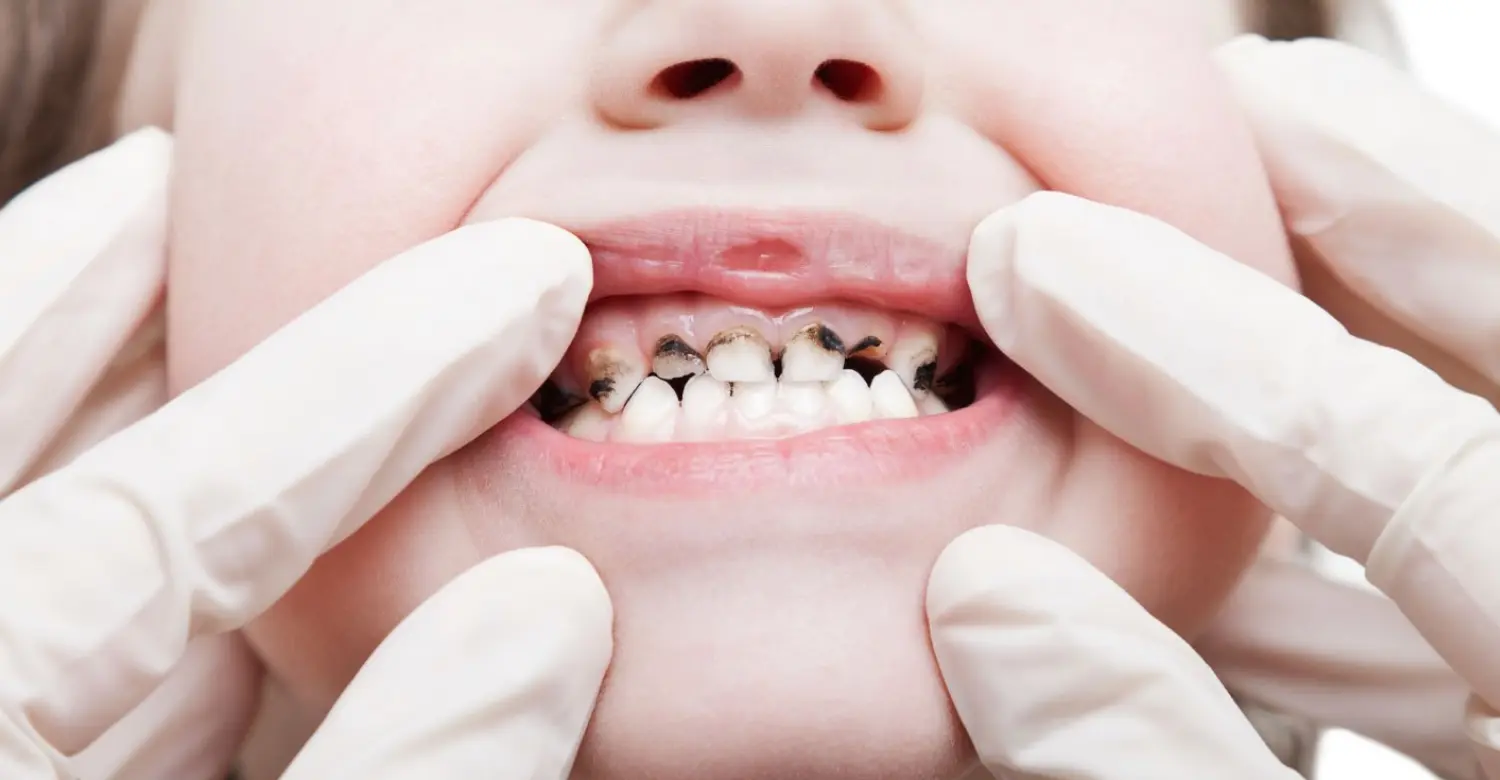
As the condition progresses, teeth may develop brown or dark discoloration. Children may also begin to complain about sensitivity when eating sweets, hot foods, or cold drinks. In some cases, mild pain may occur while chewing.
Ignoring these signs can allow Child Tooth Decay to spread deeper into the tooth structure, potentially leading to infection or abscess formation. Regular dental checkups and careful observation at home help detect problems early and ensure timely treatment.
What Causes Child Tooth Decay?
Many factors contribute to dental cavities in children, and understanding them is key to prevention. Tooth decay is rarely caused by a single issue; instead, it results from a combination of diet, oral bacteria, and hygiene habits.
Children who frequently consume sugary snacks, juice, or sweetened drinks are at greater risk of developing cavities. Poor brushing habits allow plaque to remain on the teeth, creating an ideal environment for harmful bacteria.
In addition, genetics, saliva production, and overall health can influence susceptibility to cavities. When these factors combine with inconsistent dental care, Child Tooth Decay can develop quickly and affect multiple teeth.
Sugar, Bacteria, and Poor Oral Hygiene
The relationship between sugar and oral bacteria is the primary cause of cavities. Bacteria in the mouth naturally feed on sugars and carbohydrates from food. When this process occurs, acid is produced as a byproduct.
This acid attacks the tooth’s enamel and gradually weakens it. If brushing and flossing are not performed regularly, plaque accumulates and allows bacteria to remain active for longer periods.
Without effective oral hygiene habits, the acid attacks become more frequent and intense, increasing the likelihood of Child Tooth Decay. Teaching children proper brushing techniques and limiting sugary snacks are essential strategies for protecting their teeth.
How Is Tooth Decay Diagnosed in a Child?
Early child tooth decay is not always visible to parents because cavities often begin beneath the enamel or between teeth. Dentists diagnose tooth decay in children through a combination of a clinical examination, medical history, and digital imaging when needed. Detecting cavities early allows treatment before the decay reaches the inner layers of the tooth and causes pain or infection. At Vitrin Clinic, our pediatric dental assessments are designed to identify even the smallest signs of enamel demineralization, helping children avoid more complex procedures while protecting their developing smiles.
How Diet Affects Tooth Decay in a Child
Diet plays a major role in dental health, particularly for young children. Foods that contain high levels of sugar or refined carbohydrates provide fuel for harmful oral bacteria. Sticky snacks like candy, cookies, and dried fruit tend to cling to teeth longer, increasing the risk of acid damage.
Frequent consumption of sweet beverages such as soda, fruit juice, and flavored milk can also expose teeth to prolonged sugar contact. Even foods marketed as healthy may contain hidden sugars that contribute to cavity development.
A balanced diet rich in fruits, vegetables, dairy products, and water supports stronger teeth and reduces the chances of Child Tooth Decay developing over time.
Hidden Sugars That Increase Child Tooth Decay Risk
Many foods that appear healthy may contain significant amounts of hidden sugar. Breakfast cereals, flavored yogurt, packaged fruit snacks, and granola bars often contain added sweeteners that can contribute to dental damage.
Parents may unknowingly provide these foods daily, believing they are nutritious options for children. However, repeated exposure to sugar creates a favorable environment for harmful bacteria.
Reading nutrition labels and limiting processed foods can significantly reduce the risk of Child Tooth Decay. Choosing whole foods and encouraging water instead of sugary drinks helps protect enamel and maintain healthier teeth.
Clinical Oral Examinations and Pediatric Dental X-Rays
A pediatric dentist begins by examining every tooth for changes in color, texture, plaque accumulation, and soft spots that may indicate early decay. Bitewing or digital X-rays may also be recommended to detect cavities hidden between teeth or underneath existing fillings. These images expose very low radiation levels while providing valuable information that cannot be seen during a visual examination alone. At Vitrin Clinic, modern digital diagnostic technology helps our team create accurate treatment plans and detect child tooth decay before it progresses into painful infections or affects permanent teeth.
Child Tooth Decay in Young Kids
Young children are especially vulnerable to dental problems because their teeth are still developing and their oral hygiene habits are often inconsistent. When parents are not aware of early risk factors, dental issues may progress rapidly. At this stage of life, many children consume sweet snacks, juices, and milk frequently throughout the day. Combined with inadequate brushing, this environment allows harmful bacteria to thrive.
Another challenge is that young children may not yet understand the importance of oral hygiene or how to brush effectively. This means parents must supervise daily dental routines to ensure proper cleaning. Early preventive care and education can significantly reduce the likelihood of Child Tooth Decay affecting toddlers and preschoolers.
4 Year Old Child Tooth Decay: Why It Happens Early
Many parents are surprised when cavities appear in children as young as four years old. At this age, baby teeth are fully erupted, and dietary habits become more diverse. Frequent exposure to sugary foods and drinks increases the risk of bacterial growth in the mouth.
Young children also tend to snack frequently rather than eating structured meals. This pattern allows acid to attack the teeth repeatedly throughout the day. Without proper brushing habits, plaque accumulates quickly and weakens the enamel.
When preventive dental care is delayed, early cavities may go unnoticed. Regular dental checkups and consistent hygiene routines help reduce the chances of Child Tooth Decay appearing during the preschool years.
Risk Factors for Tooth Decay in a Child
Several factors increase the likelihood that a child will develop cavities. Genetics can play a role, as some children naturally have weaker enamel or lower saliva production, which reduces the mouth’s ability to neutralize acid.
Another common risk factor is frequent consumption of sugary snacks or drinks. When sugar remains on the tooth surface, bacteria can produce acids that slowly erode the enamel. In addition, irregular brushing habits and lack of parental supervision can allow plaque to accumulate.
Environmental factors such as limited access to dental care or lack of fluoride exposure may also contribute to Child Tooth Decay, making preventive education essential for parents.
The Impact of Feeding Habits and Bedtime Bottles
Feeding practices during infancy and early childhood can significantly influence oral health. Many toddlers fall asleep while drinking milk or juice from a bottle. When this occurs, the liquid remains around the teeth for long periods, allowing bacteria to feed on the sugars overnight.
This condition is often called “baby bottle decay,” and it frequently affects the upper front teeth first. Over time, the enamel becomes weakened and cavities begin to form.
Parents can reduce the risk by avoiding bedtime bottles containing sweet liquids and encouraging children to drink water instead. These simple changes can greatly lower the chances of Child Tooth Decay developing during the early years.
Special Dental Concerns for Certain Children
Some children face additional challenges when it comes to oral health. Medical conditions, developmental differences, and certain medications can increase susceptibility to dental problems. These factors may affect a child’s ability to brush properly, produce adequate saliva, or maintain consistent hygiene habits.
Children with special needs often require more support from parents and dental professionals. Specialized dental care can help address these challenges and ensure that preventive strategies are tailored to each child’s unique situation.
By understanding these additional risk factors, families and healthcare providers can work together to reduce the likelihood of Child Tooth Decay and support long-term oral health.
Autistic Child Tooth Decay: Unique Challenges
Children with autism spectrum disorder may experience sensory sensitivities that make dental care more difficult. The texture of toothpaste, the sound of a toothbrush, or the feeling of flossing may cause discomfort or resistance.
Because of these sensory challenges, brushing routines may be inconsistent or incomplete. Some children may also prefer certain foods that are higher in sugar or carbohydrates, which increases cavity risk.
Supportive strategies such as visual schedules, specialized toothbrushes, and gradual desensitization techniques can help improve oral hygiene habits. With the right support, families can significantly reduce the likelihood of Child Tooth Decay while creating a positive dental care experience.
Medical Factors That May Affect Tooth Decay
Certain medical conditions and medications can influence oral health. Some medications reduce saliva production, which is important because saliva helps neutralize acids and wash away food particles.
Children who frequently take liquid medications may also be exposed to sugars that remain on the teeth for extended periods. Chronic illnesses that require long-term medication can therefore increase cavity risk.
When these medical factors combine with limited oral hygiene or dietary challenges, the chances of Child Tooth Decay may increase. Regular dental checkups and communication between dentists and healthcare providers help ensure proper preventive care.
Ampicillin in Infancy and Tooth Decay in Child: Is There a Link?
Some parents worry about the possible connection between antibiotics and dental health. Ampicillin, commonly used during infancy to treat infections, has occasionally been discussed in relation to enamel development.
Current research suggests that antibiotics themselves are not a direct cause of cavities. However, frequent antibiotic use during early childhood may influence oral bacteria or enamel formation in some cases.
More importantly, illness requiring medication can disrupt normal feeding patterns and hygiene routines. Maintaining consistent dental care and regular dental visits helps minimize the risk of Child Tooth Decay, regardless of medication history.
Warning Signs of Severe Child Tooth Decay
When cavities progress without treatment, they can eventually reach the deeper layers of the tooth. At this stage, symptoms become more noticeable and may cause discomfort or pain. Children may begin avoiding certain foods, chewing on one side of the mouth, or complaining about tooth sensitivity.
Visible damage such as holes, discoloration, or chipped enamel may also appear. In severe cases, infection can develop within the tooth or surrounding tissues.
Recognizing these warning signs early allows parents to seek professional care before complications arise. Timely treatment can stop the progression of Child Tooth Decay and protect the affected teeth.
Pain, Sensitivity, and Visible Damage
Pain is often one of the first clear indicators that dental decay has progressed beyond the enamel. When cavities reach the dentin layer, the tooth becomes more sensitive to temperature changes and sugary foods.
Children may also experience discomfort while brushing or chewing. Visible signs such as brown spots, cracks, or small holes in the tooth surface may indicate more advanced decay.
If these symptoms appear, it is important to schedule a dental examination as soon as possible. Early treatment can prevent Child Tooth Decay from reaching the inner pulp of the tooth and causing more serious complications.
Abscessed Tooth in Child Tooth Decay: When It Becomes Serious
An abscess is a painful infection that develops when bacteria reach the inner pulp of a tooth. This condition may cause swelling of the gums, severe tooth pain, fever, or a small pimple-like bump on the gum near the affected tooth.
Dental abscesses require immediate professional treatment to prevent the infection from spreading. In some cases, the dentist may recommend draining the infection, performing pulp therapy, or extracting the damaged tooth.
Prompt care is essential because untreated infections related to Child Tooth Decay can lead to more serious health complications if bacteria spread beyond the tooth.
When to Seek Emergency Dental Care
Parents should seek urgent dental care if a child experiences severe tooth pain, facial swelling, fever, or difficulty eating due to dental discomfort. These symptoms may indicate a serious infection or advanced cavity.
Emergency treatment helps relieve pain and prevent the infection from spreading to surrounding tissues. Dentists may provide antibiotics, drainage procedures, or restorative treatments depending on the severity of the condition.
Addressing dental emergencies quickly is crucial for protecting a child’s health and stopping Child Tooth Decay from causing long-term damage to developing teeth.
Child Tooth Decay Treatment Options
When cavities appear in children, early treatment is essential to protect the tooth and prevent further damage. Dental professionals evaluate the severity of the problem before recommending the most suitable treatment. In many cases, minor cavities can be treated quickly and painlessly if detected early.
Dentists typically begin by removing the damaged portion of the tooth and restoring it with safe dental materials designed for children. For more advanced cases, additional treatments may be necessary to restore function and eliminate infection.
Parents should understand that timely treatment not only preserves the affected tooth but also prevents complications that could impact speech development, chewing ability, and the alignment of permanent teeth.
Early Stage Child Tooth Decay Treatment
When decay is detected at an early stage, treatment is often simple and minimally invasive. Dentists may recommend fluoride treatments to strengthen the enamel and slow the progression of small cavities. Fluoride helps remineralize weakened areas and can sometimes stop early damage from worsening.
Another preventive approach includes dental sealants. These thin protective coatings are applied to the chewing surfaces of molars to block bacteria and food particles from accumulating in deep grooves. Sealants are especially helpful for children who are still developing consistent brushing habits.
Early professional care allows dentists to manage dental problems before they become painful or require more complex procedures.
Professional Child Tooth Decay Treatment Options
If a cavity becomes larger, professional restorative procedures are required. Pediatric dentists use materials specifically designed to restore strength and appearance while maintaining comfort for the child.
Fillings are one of the most common solutions. The dentist removes the decayed portion and fills the space with tooth-colored materials that restore function. In situations where damage is extensive, crowns may be recommended to protect the remaining structure of the tooth.
These treatments help maintain proper spacing in the mouth and ensure that permanent teeth develop correctly without complications.
Fillings, Crowns, and Pulp Therapy
Fillings are typically used for moderate cavities and involve removing the decayed tissue before restoring the tooth with composite materials. These fillings blend naturally with the tooth and provide durable protection.
When a cavity affects a larger portion of the tooth, a stainless-steel crown may be placed over the entire tooth. Crowns protect weakened teeth and restore normal chewing ability.
In severe cases where infection reaches the pulp, pulp therapy may be necessary. This procedure removes infected tissue from inside the tooth while preserving the outer structure so the tooth can remain functional until it naturally falls out.
Best Ways to Prevent Child Tooth Decay
Prevention is the most effective strategy for maintaining healthy teeth during childhood. Establishing strong oral hygiene routines early helps children develop lifelong habits that protect their smiles.
Parents play a critical role in guiding daily brushing and flossing routines while encouraging healthy dietary choices. Limiting sugary snacks and beverages significantly reduces the amount of acid produced by bacteria in the mouth.
Regular dental visits are also essential. Professional cleanings remove plaque buildup that may not be eliminated through brushing alone. Early checkups allow dentists to identify potential problems before they progress.
Best Advice to Prevent Tooth Decay in Child
One of the most effective preventive strategies is supervising brushing twice a day using fluoride toothpaste. Young children often need guidance to ensure that every tooth surface is properly cleaned.
Parents should also limit frequent snacking and encourage structured meal times. Drinking water after meals can help rinse away food particles and neutralize acids in the mouth.
Another helpful habit is scheduling routine dental visits every six months. These appointments allow dental professionals to monitor oral health and provide preventive treatments when necessary.
Daily Oral Hygiene Habits for Children
Healthy dental habits should begin as soon as the first tooth appears. Parents can start by gently cleaning the baby’s teeth with a soft cloth or small toothbrush. As children grow, they should learn to brush for at least two minutes twice each day.
Flossing becomes important once teeth begin touching each other. Removing food particles from between the teeth prevents bacteria from forming plaque in difficult-to-reach areas.
Encouraging children to view oral hygiene as a normal part of their daily routine helps them maintain strong teeth and gums throughout childhood and beyond.
Healthy Snack Alternatives
Replacing sugary snacks with healthier options can significantly reduce the risk of cavities. Fresh fruits, vegetables, cheese, yogurt, and nuts provide important nutrients without feeding harmful bacteria in the mouth.
Crunchy foods such as apples and carrots can also stimulate saliva production, which naturally cleanses the mouth and neutralizes acid.
Parents should aim to reduce sticky snacks like caramel, gummies, and candies that cling to teeth for long periods. Choosing balanced snacks helps maintain stronger enamel and supports overall oral health.
Choosing the Right Dental Products
Selecting appropriate dental products for children can make daily oral care more effective and enjoyable. Many toothbrushes and toothpastes are specifically designed for young users with softer bristles and mild flavors.
Parents should choose products recommended by dental professionals and approved by reputable dental associations. These products are tested for safety and effectiveness in maintaining oral health.
Using the correct tools not only improves cleaning efficiency but also encourages children to develop positive brushing habits from an early age.
Best Toothpaste for Child Tooth Decay
Children’s toothpaste should contain fluoride because this mineral helps strengthen enamel and protect against cavities. Fluoride works by remineralizing weakened areas of the tooth and making the enamel more resistant to acid attacks.
When selecting toothpaste, parents should look for formulas specifically created for children, as these products contain appropriate fluoride levels and child-friendly flavors.
Encouraging children to brush consistently with the right toothpaste can make a significant difference in maintaining strong, healthy teeth throughout their development.
Fluoride and Children’s Dental Health
Fluoride plays a vital role in protecting teeth from cavity formation. It strengthens enamel and supports the natural process of remineralization that repairs early damage caused by acids.
Dentists may recommend additional fluoride treatments during routine checkups, particularly for children who are at higher risk of cavities. These professional applications provide extra protection and help prevent enamel erosion.
When used appropriately, fluoride is one of the most effective tools for maintaining healthy teeth during childhood.
How Much Toothpaste Children Should Use
Using the correct amount of toothpaste is important for both safety and effectiveness. For children under three years old, dentists typically recommend a smear-sized amount of toothpaste, roughly the size of a grain of rice.
Children aged three to six should use a pea-sized amount of fluoride toothpaste while brushing. Parents should supervise brushing to ensure the child spits out the toothpaste rather than swallowing it.
Teaching children the proper brushing technique and toothpaste amount helps establish safe and effective oral hygiene habits.
Can Tooth Decay in Children Be Reversed?
The earliest stage of child tooth decay may be reversible if the enamel has not yet developed a cavity. White spot lesions caused by mineral loss can often be repaired through fluoride treatments, improved oral hygiene, and reducing sugary foods and drinks. Once a physical hole forms in the tooth, however, professional dental treatment becomes necessary. At Vitrin Clinic, our dentists evaluate each child individually to determine whether preventive therapies are sufficient or whether restorative treatment is needed to preserve healthy tooth structure.
When Early Decay Can Be Stopped
If tooth decay is detected during its earliest stage, strengthening the enamel may prevent the need for fillings. Daily fluoride toothpaste, fluoride varnish applications, healthy nutrition, and regular dental visits all support natural remineralization. Parents should also encourage consistent brushing and flossing habits to reduce bacterial plaque. Early intervention is the key to preventing more advanced tooth decay in children and maintaining healthy primary teeth until they naturally fall out.
When Dental Treatment Is Necessary
Once decay penetrates the enamel and creates a cavity, the damaged tissue cannot regenerate naturally. Depending on the severity, treatment may include tooth-colored fillings, pediatric crowns, pulp therapy, or in rare situations, extraction. At Vitrin Clinic, treatment plans are designed to restore both function and appearance while ensuring children remain comfortable throughout every procedure. Prompt treatment prevents infections, protects neighboring teeth, and supports proper speech and chewing development.
Why Parents Choose Vitrin Clinic for Child Tooth Decay Treatment
Choosing the right dental clinic can make a significant difference in a child’s dental experience. Pediatric dental care requires a combination of clinical expertise and a compassionate approach that helps young patients feel comfortable.
Vitrin Clinic focuses on providing specialized dental services designed specifically for children. The clinic environment is welcoming and supportive, helping children feel relaxed during their appointments.
Parents appreciate clinics that combine advanced technology with gentle care, ensuring that treatments are both effective and stress-free for young patients.
Advanced Pediatric Dentistry at Vitrin Clinic
Modern pediatric dentistry uses advanced techniques to diagnose and treat dental problems quickly and accurately. Digital imaging, preventive treatments, and minimally invasive procedures allow dentists to provide high-quality care while maintaining comfort for children.
At Vitrin Clinic, pediatric specialists focus on early detection and prevention. Regular examinations help identify dental issues before they become severe, allowing for simpler treatments and better long-term outcomes.
This proactive approach ensures that children receive the highest level of care while maintaining healthy smiles.
Comfortable and Child-Friendly Dental Care
A positive dental experience during childhood can influence lifelong attitudes toward oral health. Pediatric clinics are designed with child-friendly environments, colorful decor, and gentle communication to help reduce anxiety.
Dentists and staff are trained to work patiently with children, explaining procedures in simple language and providing reassurance throughout the visit. This supportive approach helps children feel safe and cooperative during treatment.
Creating a comfortable environment ensures that dental appointments become a positive part of a child’s routine healthcare.
Personalized Treatment Plans for Every Child
Every child has unique dental needs based on age, oral health history, and lifestyle factors. Personalized treatment plans allow dentists to address these individual differences effectively.
During an examination, the dentist evaluates the condition of each tooth, assesses oral hygiene habits, and discusses dietary factors that may affect dental health.
Based on this evaluation, a customized care plan is created to maintain healthy teeth and prevent future problems.
Child Tooth Decay Treatment at Vitrin Clinic
Professional treatment combined with preventive care provides the best results for maintaining healthy teeth. Clinics that specialize in pediatric dentistry offer services tailored specifically to children’s dental development.
Early diagnosis is particularly important because many dental problems can be treated quickly when detected in their initial stages. Preventive care, combined with modern treatment methods, helps protect both baby teeth and developing permanent teeth.
Dr. Rifat Alsaman's Clinical Perspective
According to Dr. Rifat Alsaman, Head of the Medical Team at Vitrin Clinic and an experienced cosmetic dentist, early diagnosis is the most effective way to preserve children's natural teeth. Dr. Rifat Alsaman explains that many cavities develop without noticeable pain, which is why routine dental examinations every six months are essential. He also emphasizes that modern diagnostic tools allow dentists to treat very small lesions before they require extensive restorations, reducing discomfort and helping children build positive experiences with dental care from an early age.
Early Diagnosis and Modern Treatment Options
Routine dental visits allow dentists to detect early signs of cavities before they become painful or severe. Advanced diagnostic tools such as digital X-rays help identify hidden dental problems that may not be visible during a basic examination.
Modern treatment techniques focus on preserving as much natural tooth structure as possible while eliminating decay and restoring function.
These methods ensure that children receive effective treatment with minimal discomfort.
Preventive Programs for Long-Term Dental Health
Preventive programs help children maintain strong teeth and healthy gums throughout their development. These programs may include fluoride applications, dental sealants, professional cleanings, and oral hygiene education.
Parents are also guided on proper brushing techniques, dietary choices, and habits that support healthy teeth.
Consistent preventive care significantly reduces the risk of cavities and supports long-term oral wellness.
Helping Children Build Healthy Dental Habits
Teaching children the importance of oral hygiene from a young age encourages lifelong healthy habits. Parents can make brushing fun by using colorful toothbrushes, songs, or reward charts to motivate consistent routines.
Dentists also play an important role in educating children about dental care through friendly demonstrations and positive reinforcement.
When children learn that dental care is a normal and beneficial part of their daily routine, they are more likely to maintain healthy smiles as they grow.
Why Are Baby Teeth Important Even If They Fall Out?
Many parents assume that baby teeth are temporary and therefore less important, but they play a vital role in a child's overall development. Healthy primary teeth help children chew properly, speak clearly, maintain facial development, and preserve the space needed for permanent teeth to erupt correctly. Losing baby teeth too early because of child tooth decay can lead to crowding, bite problems, and future orthodontic complications. At Vitrin Clinic, we focus on preserving primary teeth whenever possible because protecting them contributes directly to healthier permanent teeth and long-term oral development.
Dr. Rifat Alsaman's Advice for Parents
According to Dr. Rifat Alsaman, Head of the Medical Team at Vitrin Clinic and a cosmetic dentist, parents should never ignore decay in baby teeth simply because they will eventually be replaced. Dr. Rifat Alsaman explains that untreated cavities can cause pain, infection, difficulty eating, and may even affect the development of the permanent teeth beneath them. Regular dental checkups, early preventive care, and prompt treatment are the best ways to protect a child's oral health and establish positive dental habits for life.
Key Points About Childhood Cavities: Summary for Parents
Childhood cavities are largely preventable with early dental care, healthy eating habits, fluoride exposure, and regular professional checkups. Parents should watch for warning signs such as white spots, discoloration, sensitivity, or complaints of tooth pain, while remembering that many cavities cause no symptoms initially. Early diagnosis allows conservative treatment and better long-term oral health outcomes. At Vitrin Clinic, our team works closely with families to provide preventive care, early detection, and personalized treatment plans that help children develop healthy smiles that last into adulthood.
Reference
Child Tooth Decay is one of the most common childhood oral health conditions, occurring when bacteria and acids damage the tooth enamel and create cavities. Early diagnosis and treatment are essential to prevent pain, infection, and complications that may affect a child's oral health, speech, nutrition, and the development of permanent teeth. The following references provide more information about the causes, risk factors, prevention strategies, treatment options, and long-term effects of child tooth decay:
FAQs
Dr. Rifat Alsaman has more than 5 years of clinical experience in dentistry and currently serves as the Head of the Medical Team at Vitrin Clinic. He is dedicated to providing exceptional patient care, overseeing treatment planning, and ensuring the highest clinical standards across the team. His expertise, attention to detail, and commitment to continuous professional development have helped countless patients achieve healthier, more confident smiles.


