Endodontie
June 4, 2026
Was ist eine Wurzelspitzenresektion und wie kann sie Ihren Zahn retten?
 Dr. Rifat Alsaman
Wenn eine hartnäckige Infektion einen wurzelbehandelten Zahn bedroht, befürchten Patienten oft eine Extraktion. Glücklicherweise bietet die moderne endodontische Chirurgie eine wirksame Alternative. Eine Wurzelspitzenresektion ist eine kleine chirurgische Behandlung. Sie zielt auf die Zahnwurzelspitze ab, entfernt infiziertes Gewebe und versiegelt den Bereich, um Bakterien zu stoppen. Das Verständnis dafür, was eine Wurzelspitzenresektion ist, hilft Patienten, verlässliche Entscheidungen zu treffen. Anstatt einen Zahn zu verlieren, finden viele Patienten durch diese Behandlung dauerhafte Linderung. Dieser umfassende Leitfaden deckt alles ab, was Sie wissen müssen.
Was ist ein Wurzelspitzenresektions-Eingriff
Der Wurzelspitzenresektions-Eingriff ist eine gezielte chirurgische Intervention. Ein zahnärztlicher Spezialist führt ihn durch, wenn eine Wurzelkanalbehandlung eine Infektion nicht heilen kann. Während der Behandlung verschafft sich der Zahnarzt Zugang zum Knochen nahe der Wurzel. Er entfernt die infizierte Wurzelspitze (Apex) und versiegelt das Ende mit biokompatiblem Material. Allgemein als Wurzelspitzenresektion bekannt, erhält dieser Eingriff Zähne, die andernfalls gezogen werden müssten. Das Verfahren nutzt eine Lokalanästhesie, um den Komfort des Patienten zu gewährleisten. Es findet gewöhnlich in einer spezialisierten endodontischen Praxis statt.
Definition der Wurzelspitzenresektion
Um die Wurzelspitzenresektion klar zu definieren: Es handelt sich um einen endodontischen chirurgischen Eingriff. Er behandelt hartnäckige Infektionen der Wurzelspitze, wenn nicht-chirurgische Behandlungen fehlschlagen. Die chirurgische Wurzelkanalbehandlung geht über die Standardtherapie hinaus, indem sie direkt auf das periapikale Gewebe zugreift. Im Gegensatz zu einer konventionellen Wurzelkanalbehandlung, die von der Krone nach unten arbeitet, erfolgt diese Behandlung durch einen kleinen Zahnfleischeinschnitt. Dieser Ansatz ist bei komplexen Fällen, wie kalzifizierten oder übersehenen Kanälen, hochwirksam. Das Verständnis dieses Verfahrens hilft Patienten, diese zahnrettende Technik zu schätzen.
Häufige Gründe, warum eine Wurzelspitzenresektion erforderlich ist
Eine chirurgische Wurzelspitzenresektion ist ein sorgfältig abgewogener Behandlungsschritt. Zahnärzte führen sie durch, wenn andere Eingriffe unzureichend sind. Das Verständnis der klinischen Gründe hilft Patienten zu entscheiden, ob ein chirurgischer Eingriff das Richtige für sie ist. Zahnärzte beurteilen die Zähne vor der Empfehlung einer Operation mithilfe von digitalen Röntgenaufnahmen und 3D-DVT-Bildgebung. Die Durchführung einer Resektion zeigt das Engagement zur Erhaltung des natürlichen Zahns. Das Wissen um diese Gründe hilft Patienten, Optionen zuversichtlich mit ihrem Praxisteam zu besprechen.
Persistierende Infektion nach einer Wurzelkanalbehandlung
Eine anhaltende Infektion nach einer Wurzelbehandlung ist ein Hauptgrund für einen chirurgischen Eingriff. Bakterien können tief in Kanalverzweigungen überleben, die Standardinstrumente nicht erreichen können. Diese verbleibende Infektion verursacht wiederkehrende Schmerzen, Schwellungen oder Abszessbildungen. Die Wurzelspitzenresektion entfernt direkt die infizierte Wurzelspitze und das umliegende Gewebe. Dies beseitigt die bakterielle Ursache, die bei der konservativen Pflege übersehen wurde. Patienten mit wiederkehrenden Entzündungen sind oft ideale Kandidaten für diesen gezielten Eingriff.
Anatomische Herausforderungen des Zahns
Manche Zähne weisen ungewöhnlich gekrümmte, enge oder kalzifizierte Wurzelkanäle auf. Diese strukturellen Herausforderungen machen eine konventionelle Wurzelkanalbehandlung schwierig oder unmöglich. In diesen Fällen bietet die chirurgische Wurzelspitzenresektion eine wirksame Alternative. Unter Umgehung innerer Barrieren verschafft sich der Chirurg über einen kleinen Zahnfleischeinschnitt Zugang zur Wurzelspitze. Dies macht die Behandlung wertvoll für Patienten, denen ein Behandlungsfehlschlag oder Zahnverlust droht.
Trauma oder Verletzung des Zahns
Ein Zahntrauma durch Sport, Unfälle oder Stürze kann die Wurzelspitze schädigen. Unbehandelt kann es zu Zysten, Abszessen oder fortschreitendem Knochenabbau führen. In solchen Fällen ist ein chirurgischer Eingriff erforderlich, um geschädigtes Gewebe zu entfernen. Die Wurzelspitzenresektion behandelt den spezifischen Bereich, während die gesunde Zahnstruktur erhalten bleibt. Diese Präzision ist ideal, wenn der restliche Zahn stark und erhaltenswert bleibt.
Schritt-für-Schritt-Anleitung zur Wurzelspitzenresektion
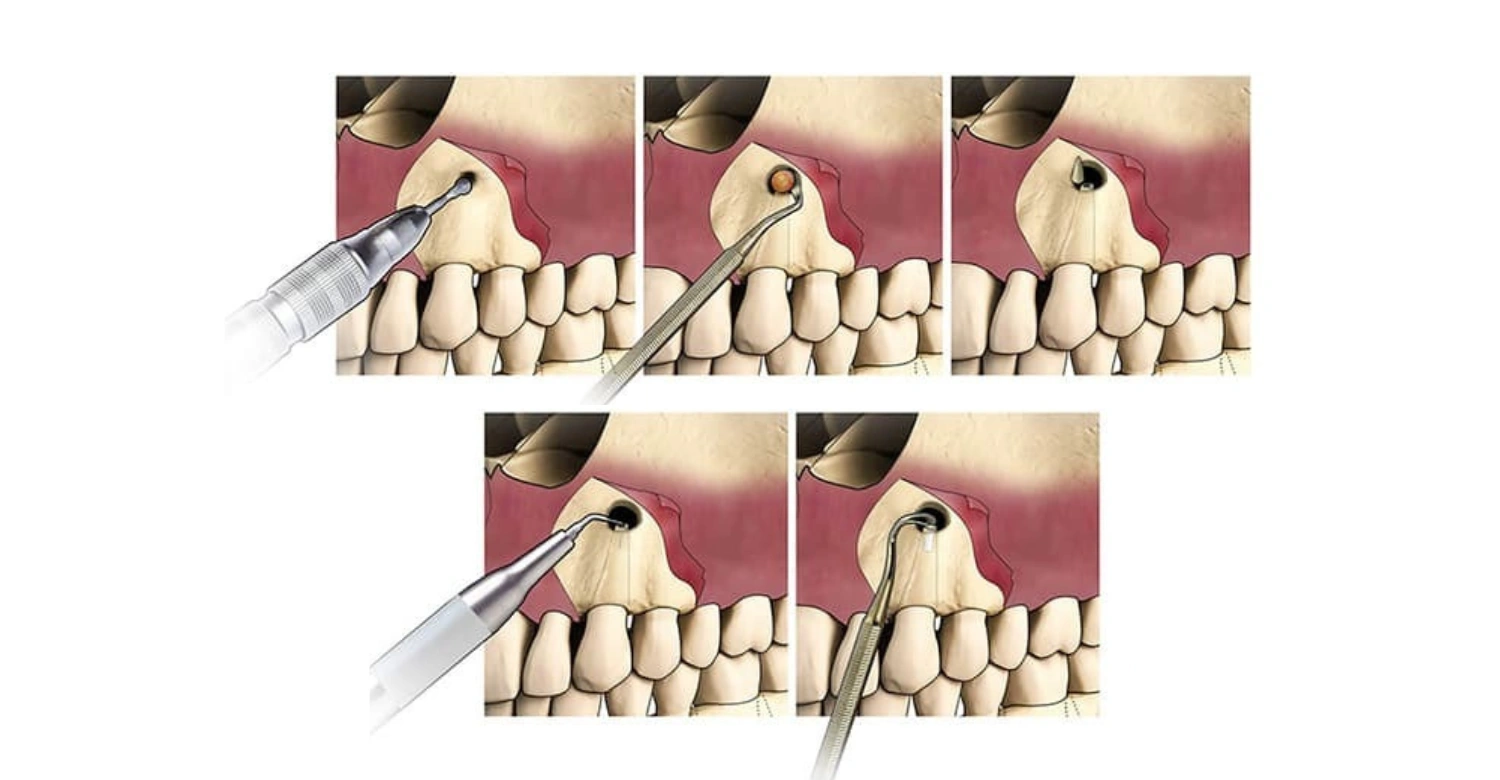
Das Verständnis des Ablaufs einer Wurzelspitzenresektion hilft, Ängste bei Patienten abzubauen. Ein Endodontologe oder Oralchirurg führt die chirurgische Behandlung in der Regel durch. Er verwendet eine Lokalanästhesie und moderne mikrochirurgische Techniken, um Beschwerden zu minimieren. Jeder Schritt folgt einem klaren Protokoll, das Sicherheit, Genauigkeit und langfristigen Erfolg priorisiert. Patienten sollten vor ihrem Termin Fragen stellen, um ein reibungsloses und gut betreutes Erlebnis zu gewährleisten.
Vorbereitung auf Ihre Wurzelspitzenresektion
Eine ordnungsgemäße Vorbereitung ist essenziell für eine erfolgreiche Wurzelspitzenresektion. Ihr Praxisteam wird Ihre Krankengeschichte, Bildgebung und aktuelle Medikamente überprüfen. Zahnärzte können vor der Operation Antibiotika oder entzündungshemmende Medikamente verschreiben. Die Organisation des Rücktransports wird empfohlen, da die Lokalanästhesie die Koordination vorübergehend beeinträchtigen kann. Nehmen Sie vorher eine leichte Mahlzeit zu sich, sofern nicht anders angewiesen. Eine gute Nachtruhe trägt zu einem reibungslosen Behandlungsablauf bei.
Der Ablauf der Operation erklärt
Der Eingriff beginnt mit einer Lokalanästhesie, um vollständige Schmerzfreiheit zu gewährleisten. Sobald der Bereich betäubt ist, setzt der Chirurg einen kleinen, präzisen Schnitt im Zahnfleisch. Er entfernt vorsichtig ein winziges Stück Knochen, um Zugang zur Wurzelspitze zu erhalten. Der Chirurg kürzt die infizierte Wurzelspitze und entfernt erkranktes Gewebe. Als Nächstes wird das Kanalende mit Ultraschallinstrumenten gereinigt und mit biokompatiblem Material versiegelt. Schließlich wird der Zahnfleischeinschnitt vernäht. Die Operation dauert in der Regel 30 bis 90 Minuten.
Genesungsverlauf und Nachsorge
Die Genesung nach einer Wurzelspitzenresektion verläuft im Allgemeinen schnell und unkompliziert. Leichte Schwellungen und Beschwerden sind für 3 bis 5 Tage normal. Sie können diese Symptome leicht mit verschriebenen oder rezeptfreien Medikamenten lindern. Das Anlegen einer kalten Kompresse in den ersten 24 Stunden reduziert Schwellungen erheblich. Patienten sollten während der ersten Heilungsphase weiche Nahrung zu sich nehmen und anstrengende Aktivitäten vermeiden. Ein Nachsorgetermin wird nach 1 bis 2 Wochen vereinbart, um die Heilung zu überwachen. Die vollständige Knochenregeneration kann mehrere Monate dauern.
Vorteile und erwartete Ergebnisse der Wurzelspitzenresektion
Die Vorteile einer Wurzelspitzenresektion gehen über die Beseitigung der Infektion hinaus. Diese Behandlung stellt das Wohlbefinden wieder her und erhält den natürlichen Zahn für viele Jahre. Wenn der Eingriff von einem Spezialisten durchgeführt wird, vermeiden Patienten eine Extraktion sowie teure Implantate oder Brücken. Klinische Studien belegen hohe Erfolgsquoten für diese Mikrochirurgie. Zu den Vorteilen gehören eine verbesserte Lebensqualität und erhebliche langfristige Kosteneinsparungen.
Erhaltung natürlicher Zähne vs. Extraktion
Der Erhalt des natürlichen Zahns ist ein wesentlicher Vorteil der Wurzelspitzenresektion. Natürliche Zähne bewahren die Kieferknochendichte und halten benachbarte Zähne in Ausrichtung. Sie bieten zudem lebenslang eine hervorragende Kaufunktion. Die Behandlung entfernt nur die erkrankte Wurzelspitze, sodass der Zahn intakt bleibt. Im Vergleich zu Implantaten ist dieses Verfahren oft eine schnellere und kostengünstigere Lösung.
Schmerzlinderung und Infektionskontrolle
Chronische Zahnschmerzen und wiederkehrende Infektionen beeinträchtigen das tägliche Leben erheblich. Der chirurgische Eingriff beseitigt die zugrunde liegende Ursache durch Entfernen von infiziertem Gewebe. Das Wurzelkanalende wird versiegelt, um eine Reinfektion zu verhindern. Im Gegensatz zu vorübergehenden Medikamenten packt die Resektion das Problem direkt an der Wurzel. Die meisten Patienten sind nach der Abheilung vollständig schmerzfrei. Eine gute Mundhygiene sorgt für eine dauerhafte Infektionskontrolle.
Vorher und Nachher: Was Patienten erwarten können
Vor der Operation leiden Patienten häufig unter stechenden Schmerzen oder Zahnfleischschwellungen. Röntgenbilder zeigen typischerweise einen dunklen Schatten an der Wurzelspitze, der auf Knochenabbau hinweist. Nach einer erfolgreichen Wurzelspitzenresektion bessern sich die Symptome rasch. Die Patienten genießen wieder eine volle Kaufunktion und Beschwerdefreiheit. Nachfolgende Röntgenaufnahmen nach 6 bis 12 Monaten bestätigen in der Regel eine gesunde Knochenregeneration um die Wurzel.
Pflege nach der Wurzelspitzenresektion und präventive Ratschläge
Eine sorgfältige Pflege nach der Operation ist essenziell für den langfristigen Behandlungserfolg. Der chirurgische Eingriff beseitigt die Infektion, aber nachhaltige Gesundheit erfordert gute Gewohnheiten. Die Zeitinvestition in die postoperative Pflege führt zu besseren Langzeitergebnissen. Präventive Empfehlungen kombinieren tägliche Zahnpflege zu Hause mit regelmäßigen Kontrolluntersuchungen. Diese Schritte schützen Ihr Ergebnis und senken das Risiko künftiger Komplikationen.
Mundhygiene nach der Operation aufrechterhalten
Eine sorgfältige Mundhygiene nach einer Wurzelspitzenresektion unterstützt eine schnelle Heilung. Vermeiden Sie in den ersten Tagen das direkte Putzen über den Nähten. Spülen Sie stattdessen sanft mit einer antiseptischen oder warmen Kochsalzlösung. Nach einer Woche können Sie das sanfte Putzen mit einer weichen Zahnbürste wieder aufnehmen. Eine antibakterielle Mundspülung hilft, den Bereich sauber zu halten. Richtige Hygiene sichert den langfristigen Erfolg Ihrer Behandlung.
Ernährung und Gewohnheiten zur Unterstützung der Heilung
Die Ernährung beeinflusst die Genesung nach der Operation direkt. Wählen Sie weiche, nährstoffreiche Lebensmittel wie Joghurt, Suppen, Eier und Smoothies. Vitamin C fördert die Zahnfleischheilung, während Vitamin D und Kalzium die Knochenstärke unterstützen. Verzichten Sie vollständig auf das Rauchen, da es die Durchblutung einschränkt und das Infektionsrisiko erhöht. Vermeiden Sie Alkohol während der Genesung, insbesondere bei der Einnahme von Antibiotika.
Regelmäßige zahnärztliche Kontrollen und Überwachung
Nachkontrollen nach der Operation sind unerlässlich. Der erste Termin findet 1 bis 2 Wochen nach dem Eingriff statt, um die Heilung zu überprüfen und Fäden zu entfernen. Termine nach 6 und 12 Monaten beurteilen die Knochenregeneration mittels Röntgenbildern oder DVT-Scans. Eine regelmäßige Überwachung ermöglicht die frühe Erkennung potenzieller Probleme. Fortlaufende Kontrollen sichern die langfristige Stabilität und die allgemeine Mundgesundheit.
Warum Expertenkliniken für die Wurzelspitzenresektion wählen
Klinikqualität und die Expertise des Chirurgen beeinflussen den Behandlungserfolg direkt. Nicht alle Praxen verfügen über die für eine Präzisionsoperation erforderliche Spezialausrüstung. Eine von einem erfahrenen Endodontologen durchgeführte Wurzelspitzenresektion liefert vorhersagbare Ergebnisse. Bewerten Sie Kliniken nach Erfahrung, Bildgebungstechnologie und Sicherheitsstandards. Die Wahl des richtigen Spezialisten ist entscheidend für eine erfolgreiche Genesung.
Die Rolle der Technologie bei präzisen Wurzelspitzenresektionen
Fortschrittliche Technologie hat die moderne Wurzelchirurgie verändert. DVT-Bildgebung liefert vor der Operation klare 3D-Ansichten der Wurzeln und des umliegenden Knochens. Leistungsstarke Operationsmikroskope ermöglichen dem Chirurgen ein hochpräzises Arbeiten. Ultraschallinstrumente gewährleisten eine exakte Aufbereitung der Wurzelspitze bei minimalem Gewebetrauma. Diese Werkzeuge steigern die Erfolgsquoten und verkürzen die Erholungszeit der Patienten.
Erfahrene Zahnchirurgen und spezialisierte Versorgung
Das Können des Chirurgen ist ein entscheidender Faktor für den Erfolg endodontischer Eingriffe. Endodontologen absolvieren eine Spezialausbildung mit Schwerpunkt auf Wurzelpathologie und Mikrochirurgie. Sie verstehen komplexe Wurzelanatomien, biokompatible Materialien und chirurgische Protokolle. Diese Expertise führt zu präzisen Behandlungen und geringeren Komplikationsraten. Die Wahl eines Spezialisten gegenüber einem Allgemeinzahnarzt sichert eine erstklassige Versorgung.
Fallstudien und Erfolgsgeschichten von Patienten
Praxisergebnisse unterstreichen die Wirksamkeit der Wurzelspitzenresektion. Dokumentierte Fallstudien zeigen, wie Patienten Zähne erhielten, die verloren schienen. Nachfolgende Bildgebungen bestätigen häufig die vollständige Knochenregeneration und Beschwerdefreiheit. Viele Patienten holten Zweitmeinungen ein, bevor sie sich für die Operation statt einer Extraktion entschieden. Diese Erfolgsgeschichten geben Vertrauen für ähnliche Entscheidungen.
Im Fokus: Die Vitrin Clinic
Die Vitrin Clinic ist eine erstklassige Adresse für fachgerechte Wurzelspitzenresektionen in der Türkei. Die Klinik betreut sowohl einheimische Patienten als auch internationale Medizintouristen. Mit erfahrenen Endodontologen bietet die Vitrin Clinic fortschrittliche diagnostische Bildgebung und mikrochirurgische Versorgung. Jeder Patient erhält einen maßgeschneiderten Behandlungsplan von der Beratung bis zur Genesung. Das Engagement der Vitrin Clinic für Exzellenz macht sie zu einer vertrauenswürdigen Anlaufstelle für Zahnmedizin.
Fortschrittliche Wurzelspitzenresektion bei Vitrin
In der Vitrin Clinic führen endodontische Spezialisten jede Wurzelbehandlung durch. Die Klinik nutzt Dentalmikroskope, 3D-DVT-Bildgebung und Ultraschallwerkzeuge. Jeder Behandlungsplan wird individuell an die Zahnanatomie und die Schwere der Infektion angepasst. Dieser personalisierte klinische Ansatz gewährleistet erstklassige Ergebnisse, die internationale Standards übertreffen.
Modernste Ausstattungen und internationale Expertise
Die Vitrin Clinic verfügt über moderne Einrichtungen, die für fortschrittliche Wurzelspitzenresektionen ausgestattet sind. Digitale Bildgebung bietet hohe diagnostische Klarheit in sterilen OP-Umgebungen. Die Klinik zieht weltweit Patienten an, indem sie erstklassige Versorgung zu wettbewerbsfähigen Preisen bietet. Internationale Koordinatoren unterstützen bei Reiselogistik, Übersetzung und Terminplanung. Die Vitrin Clinic bietet ein nahtloses Erlebnis für Patienten im Medizintourismus.
Patientenfreundliche Betreuung und individuelle Pflege
Die Vitrin Clinic stellt sicher, dass sich Patienten während der gesamten Behandlung wohl und informiert fühlen. Spezialisten erklären jeden Schritt der Wurzelspitzenresektion verständlich. Mehrsprachige Mitarbeiter unterstützen internationale Besucher auf Schritt und Tritt. Maßegefertigte Nachsorgepläne begleiten Patienten durch eine reibungslose Genesung. In der Vitrin Clinic hat das Wohlbefinden der Patienten höchste Priorität.
Wurzelspitzenresektion vs. Zahnimplantate: Optionen nach missglückter Wurzelkanalbehandlung
Wenn eine Wurzelkanalbehandlung fehlschlägt, wählen Patienten zwischen einer Resektion oder einem Implantat. Die Wahl des richtigen Weges hängt von der Zahnstruktur und dem Knochenverlust ab. Eine Wurzelspitzenresektion erhält Ihre natürliche Wurzel und bietet eine schnelle Genesung. Im Gegensatz dazu sind Implantate besser für schwer frakturierte Zähne geeignet.
Vergleich der langfristigen Erfolgsquoten
Sowohl die Wurzelspitzenresektion als auch Zahnimplantate weisen hohe Erfolgsquoten auf (85–95%). Die beste Wahl hängt von Ihrer spezifischen klinischen Situation ab.
Was tun, wenn die Wurzelbehandlung fehlschlägt: Nächste Schritte
Wenn eine Wurzelkanalbehandlung fehlschlägt, vereinbaren Sie umgehend eine DVT-Beurteilung. Eine frühzeitige Intervention erhält mehr Behandlungsoptionen für Ihren Zahn.
Wann wird eine Wurzelspitzenresektion nicht empfohlen?
Die chirurgische Behandlung ist wirksam, aber nicht für jeden geeignet. Das Wissen um Gegenanzeigen hilft, realistische Behandlungserwartungen zu setzen.
Lokale und strukturelle Kontraindikationen
Eine Wurzelspitzenresektion wird bei schwer frakturierten Wurzeln oder unzureichender Knochensubstanz nicht empfohlen. Begrenzter chirurgischer Zugang in Nervennähe kann diesen Eingriff ebenfalls ausschließen.
Systemische gesundheitliche Erwägungen
Unkontrollierter Diabetes oder eine Strahlentherapie können ein Verschieben der Operation erfordern. Eine detaillierte diagnostische Abklärung bestätigt, ob Sie ein geeigneter Kandidat sind.
Materialien zur Versiegelung des Wurzelendes
Ein kritischer Schritt bei der Resektion ist das Einbringen einer retrograden Wurzelfüllung. Moderne Füllungsmaterialien haben die Erfolgsquoten des Eingriffs erheblich verbessert.
MTA und Biokeramik-Sealer
MTA ist ein weit verbreitetes Material, das für die Unterstützung der Knochenregeneration bekannt ist. Biokeramik-Sealer bieten eine ähnliche Biokompatibilität mit schnelleren Erhärtungszeiten.
Warum die Materialwahl für den Langzeiterfolg wichtig ist
Moderne MTA- und Biokeramik-Materialien haben ältere Stoffe wie Amalgam ersetzt. Eine hochwertige Materialauswahl sichert die langfristige Haltbarkeit der Behandlung.
Vitrin Clinic: Eine vertrauenswürdige Adresse für Wurzelspitzenresektionen
Die Vitrin Clinic konzentriert sich auf minimalinvasive endodontische Mikrochirurgie. Jeder Fall erhält eine individuelle Beurteilung, gestützt auf fortschrittliche Bildgebung.
Klinische Standards in der Vitrin Clinic
In der Vitrin Clinic folgen Wurzelspitzenresektionen strengen chirurgischen Protokollen. Dies gewährleistet eine hohe Vorhersagbarkeit und Sicherheit für alle Patienten.
Diagnostische und chirurgische Technologie
Die Klinik nutzt DVT-Scans, Mikroskope und Ultraschallinstrumente. Diese Technologie ermöglicht eine präzise Behandlung komplexer Fälle.
Was wir klinisch beobachten
Laut Dr. Rifat Alsaman bestimmt die verbleibende Zahnstruktur die Durchführbarkeit der Behandlung. Der Erhalt gesunder Knochensubstanz ist vor einer Operation essenziell.
Einblicke vom Ärzteteam der Vitrin Clinic
„Patienten profitieren am meisten, wenn sie frühzeitig Behandlung suchen“, stellt Dr. Rifat Alsaman fest. Eine gründliche Diagnostik leitet jede klinische Entscheidung in der Vitrin Clinic.
Klinischer Hinweis
Jeder Fall ist einzigartig. Faktoren wie Knochendichte und Gesundheit beeinflussen das Endergebnis. Individuelle Beurteilungen gewährleisten eine optimale Behandlungsplanung.
Tipps für Patienten
Einfache Pflegeschritte vor und nach der Operation sorgen für eine reibungslose Genesung.
Vor Ihrer Wurzelspitzenresektion
Teilen Sie Ihrem Praxisteam Ihre vollständige Krankengeschichte mit.
Fragen Sie, ob Ihr Fall für eine Wurzelspitzenresektion geeignet ist.
Organisieren Sie eine Transportmöglichkeit nach Ihrem Termin.
Nehmen Sie vorher eine leichte Mahlzeit zu sich, sofern nicht anders angewiesen.
Nach Ihrer Wurzelspitzenresektion
Vermeiden Sie anfänglich direktes Putzen über der Operationsstelle.
Essen Sie in der ersten Erholungsphase weiche, nährstoffreiche Lebensmittel.
Vermeiden Sie Rauchen und Alkohol, während Sie Medikamente einnehmen.
Nehmen Sie alle vereinbarten Nachsorgetermine wahr.
Referenzen
Die Wurzelspitzenresektion ist eine wichtige Option zum Zahnerhalt. PMC-Studien betonen eine ordnungsgemäße Planung zur Unterstützung der natürlichen Zahnheilung.
https://pmc.ncbi.nlm.nih.gov/articles/PMC11175566/
FAQs
Dr. Rifat Alsaman verfügt über mehr als 5 Jahre klinische Erfahrung in der Zahnmedizin und ist derzeit Leiter des medizinischen Teams der Vitrin Clinic. Er setzt sich dafür ein, eine hervorragende Patientenversorgung zu gewährleisten, Behandlungspläne zu koordinieren und die höchsten klinischen Standards im gesamten Team sicherzustellen. Seine Fachkompetenz, seine Liebe zum Detail und sein Engagement für kontinuierliche Weiterbildung haben zahlreichen Patienten zu einem gesünderen und selbstbewussteren Lächeln verholfen.


