Cosmetic Dentistry
July 8, 2026
Are No Prep Veneers Right for You?

Choosing a smile makeover treatment can feel overwhelming, especially with so many veneer options available today. No prep veneers offer a conservative alternative to traditional veneers, preserving your natural enamel while still delivering a bright, uniform smile. At Vitrin Clinic, patients are guided through a careful evaluation process to determine whether prepless veneers suit their dental structure and goals. This blog breaks down everything you need to know from the procedure steps to recovery, lifespan, and how No-Prep Veneers compare to other cosmetic dentistry options available today.
What Are No Prep Veneers and Why Are They Becoming So Popular?
No-Prep Veneers are ultra-thin shells bonded directly onto teeth with little to no enamel removal, making them a minimally invasive alternative to traditional veneers. Their popularity has grown because patients want cosmetic improvements without permanently altering their natural teeth. Vitrin Clinic has seen increasing demand for this enamel-preserving approach among patients seeking subtle, reversible enhancements. The appeal lies in combining aesthetic results with a conservative treatment philosophy, giving patients confidence that their natural tooth structure remains largely intact throughout the process.
Understanding Prepless Veneers and Ultra-Thin Veneers
Prepless veneers rely on advanced ceramic materials thin enough to bond directly onto the tooth surface without grinding down enamel first. Ultra-thin veneers, often less than half a millimeter, allow for this precision while still masking discoloration, gaps, or minor misalignment. Vitrin Clinic uses these thin, durable materials to create natural-looking results. Because so little tooth structure is altered, patients often describe the process as far less invasive than they expected compared to traditional veneer treatments.
Who Invented the Concept of Veneers Without Shaving Teeth?
Veneers without shaving teeth emerged as dental ceramics and bonding technology advanced enough to create shells thin yet strong enough to skip enamel reduction. Early veneer techniques required significant tooth preparation, but material science breakthroughs allowed for prepless alternatives. Vitrin Clinic has followed this evolution closely, adopting techniques that prioritize enamel preservation. Today, this innovation gives patients a way to transform their smile while keeping treatment as conservative and reversible as possible.
No Prep Veneers vs Traditional Veneers: Which Option Fits Your Smile?
Deciding between No-Prep Veneers and traditional veneers depends on your existing tooth structure, alignment, and cosmetic goals. No-Prep Veneers preserve more natural enamel, while traditional veneers may better address significant shape or alignment issues. Vitrin Clinic recommends a personalized consultation to compare both approaches before deciding. Each option carries distinct advantages, and understanding these differences helps patients choose the treatment that best matches their dental health and desired outcome.
No-Prep Veneers vs Traditional Veneers
The core difference lies in enamel removal; no prep veneers require minimal to no reduction, while traditional veneers need a thin enamel layer removed for proper fit. This makes No-Prep Veneers more conservative and often reversible, whereas traditional veneers are considered a permanent commitment. Vitrin Clinic helps patients understand which structural changes each option requires, ensuring the decision aligns with both cosmetic expectations and long-term dental health considerations.
No Prep Veneers vs Lumineers
No prep veneers and Lumineers share similarities as ultra-thin, minimally invasive options, though Lumineers refer to a specific branded product line. Both approaches prioritize enamel preservation and reversible treatment philosophy. Vitrin Clinic evaluates material thickness, durability, and aesthetic goals when helping patients understand how these options compare. The right choice often comes down to individual tooth condition and the specific results a patient wants to achieve.
No-Prep Veneers vs Composite Veneers
Composite veneers are built up directly on the tooth using resin, while no prep veneers are pre-fabricated ceramic shells bonded into place. Composite options may cost less initially but often wear faster than ceramic No-Prep Veneers. Vitrin Clinic guides patients through this comparison, weighing durability, appearance, and longevity. For patients seeking a longer-lasting, more stain-resistant result, No-Prep Veneers frequently offer a stronger long-term investment.
No Prep Veneers vs Porcelain Veneers
Porcelain veneers, in their traditional form, require enamel reduction for proper fit and bonding. No prep veneers use thinner porcelain or ceramic material that eliminates this need in many cases. Vitrin Clinic assesses which porcelain-based option suits each patient's enamel thickness and smile goals. Both deliver excellent aesthetics, but the treatment approach and reversibility differ significantly between these two paths.
Are You a Good Candidate for Minimal Prep Veneers?
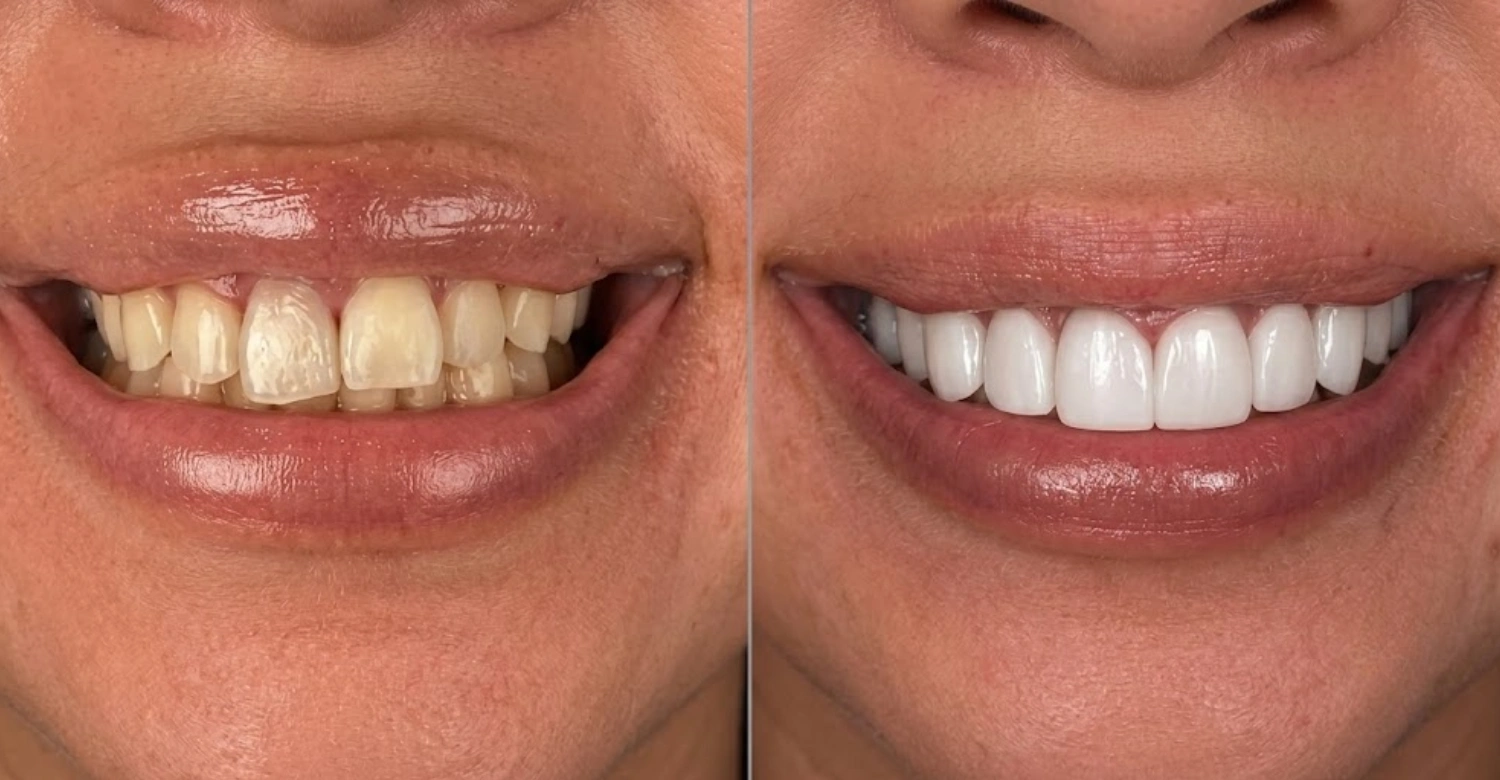
Not every patient is automatically suited for minimal prep veneers, as candidacy depends on enamel health, tooth alignment, and existing spacing. Vitrin Clinic conducts a thorough evaluation, including digital imaging, to determine suitability. Patients with relatively healthy, well-positioned teeth tend to see the best results. Understanding your candidacy upfront helps set realistic expectations and ensures the chosen veneer type will deliver a durable, natural-looking outcome.
Smile conditions that work best with no prep veneers
No prep veneers work particularly well for patients with minor discoloration, small gaps, slightly uneven edges, or subtle shape irregularities. Because little enamel is removed, this option suits smiles that don't require major structural correction. Vitrin Clinic often recommends No-Prep Veneers for patients seeking enhancement rather than dramatic transformation, ensuring the conservative approach still delivers the polished, symmetrical look patients are hoping for.
When traditional veneers may still be the better choice
Patients with significant misalignment, heavily discolored teeth, or structural damage may need traditional veneers instead, since they allow more room for correction. Vitrin Clinic evaluates each case individually, sometimes recommending traditional veneers when minimal prep options wouldn't achieve the desired result. This honest, case-by-case assessment ensures patients receive the treatment best suited to their specific dental condition rather than a one-size-fits-all approach.
Inside the No Prep Veneers Procedure Steps
Understanding the no prep veneers procedure steps helps patients feel prepared before treatment begins. The process typically involves digital planning, minimal to no tooth preparation, and precise bonding of the ultra-thin shells. Vitrin Clinic follows a structured, patient-friendly workflow designed to minimize discomfort and maximize predictability. Each step is carefully documented so patients know exactly what to expect from consultation through final placement.
Digital smile assessment and treatment planning
Treatment begins with a digital smile assessment, mapping tooth shape, shade, and alignment to design veneers tailored to each patient. This planning stage allows patients to preview expected results before any treatment starts. Vitrin Clinic uses this technology to ensure precise, personalized outcomes. Careful planning at this stage reduces surprises later and helps confirm whether no prep veneers are the right fit for the smile goals discussed.
Tooth preparationor the lack of it
One of the biggest advantages of this treatment is minimal or absent tooth preparation, distinguishing it clearly from traditional veneer methods. In many cases, no enamel is removed at all, preserving the tooth's natural structure. Vitrin Clinic prioritizes this conservative step whenever clinically appropriate. This is what makes veneers without shaving teeth possible, offering patients a less invasive path to cosmetic improvement.
Bonding ultra-thin veneers
Once fabricated, the ultra-thin veneers are carefully bonded to the tooth surface using strong adhesive technology designed for long-term durability. Precision during bonding ensures a natural fit and appearance. Vitrin Clinic's process focuses on accurate placement and shade matching during this final step. Proper bonding technique is essential to the veneer's longevity, stain resistance, and overall aesthetic success.
How Long Do No Prep Veneers Take From Consultation to Final Smile?
Patients often ask how long do no prep veneers take from start to finish, and the answer depends on case complexity and number of teeth treated. Generally, treatment involves an initial consultation followed by a fabrication period before final bonding. Vitrin Clinic aims to streamline this timeline as much as possible. Most patients complete treatment within a few appointments spread across a few weeks.
First consultation and smile design
The first consultation includes a full evaluation of oral health, discussion of aesthetic goals, and initial smile design planning. This stage sets the foundation for the entire treatment journey. Vitrin Clinic ensures patients leave this appointment with a clear understanding of the proposed plan. Digital previews may be shared here, helping patients visualize their future smile before any physical treatment begins.
Laboratory fabrication and fitting appointment
After the consultation, veneers are fabricated in a lab based on the agreed design specifications, which typically takes one to two weeks. Once ready, a fitting appointment allows for final adjustments and bonding. Vitrin Clinic coordinates this process closely to minimize delays. This stage is where the smile transformation becomes visible, as the custom-made veneers are placed and polished to match the patient's natural teeth.
Recovery After No-Prep Veneers
Recovery after no prep veneers is typically quick and comfortable compared to more invasive dental procedures. Because little to no enamel is removed, patients often resume normal activities almost immediately. Vitrin Clinic provides clear aftercare instructions to support a smooth transition. Understanding what to expect during recovery helps patients feel confident and prepared as they adjust to their new smile.
No Prep Veneers Recovery Time
No-Prep Veneers recovery time is generally minimal, with most patients experiencing little to no downtime after the bonding appointment. Some mild sensitivity may occur briefly but usually resolves within a few days. Vitrin Clinic monitors patients closely during this period to address any concerns. This short recovery window is one of the key reasons patients are drawn to this conservative veneer option.
Returning to eating, speaking, and daily activities
Most patients can return to eating and speaking normally within a short time after treatment, though it's wise to avoid extremely hard or sticky foods initially. Vitrin Clinic advises easing back into regular habits gradually. Daily activities are rarely disrupted, and any adjustment period tends to be brief. This quick return to normalcy reflects the minimally invasive nature of the treatment overall.
No-Prep Veneers Pros and Cons You Should Know Before Deciding
Weighing no prep veneers pros and cons helps patients make an informed decision before committing to treatment. Benefits include enamel preservation and reversibility, while limitations may involve suitability restrictions for certain smile conditions. Vitrin Clinic presents both sides transparently during consultations. A balanced understanding ensures patients choose a treatment path aligned with their expectations, dental health, and long-term cosmetic goals.
The biggest advantages of enamel-preserving veneers
Enamel-preserving veneers offer a conservative path to smile enhancement, maintaining more of the tooth's natural structure than traditional alternatives. This approach reduces sensitivity risk and keeps future treatment options open. Vitrin Clinic values this reversible, low-risk quality when discussing treatment plans with patients. For many, the ability to achieve a beautiful smile without permanent alteration is the deciding factor in choosing this option.
The possible limitations and compromises
Despite the benefits, No-Prep Veneers aren't suitable for every case, particularly where significant correction or discoloration exists. Thinner material may also mean slightly less coverage for severe imperfections. Vitrin Clinic addresses these limitations honestly, ensuring patients understand tradeoffs before proceeding. Recognizing these compromises upfront helps avoid mismatched expectations and supports a more satisfying long-term outcome.
Do No Prep Veneers Look Natural?
A common question patients ask is whether no prep veneers look natural, and the answer largely depends on material quality and design precision. Modern ceramics mimic tooth translucency and texture closely. Vitrin Clinic focuses on shade matching and contour detail to achieve realistic results. When properly planned, these veneers blend seamlessly with surrounding teeth, giving patients confidence in both appearance and function.
The science behind natural translucency
Natural-looking veneers rely on materials that replicate the way light passes through real enamel, creating subtle translucency rather than a flat, opaque appearance. Advanced ceramics used in no prep veneers are engineered for this effect. Vitrin Clinic selects materials specifically for their ability to mimic natural tooth optics. This scientific approach to material selection is central to achieving results that look convincingly real.
Design factors that determine realistic results
Beyond material choice, factors like tooth shape, proportion, and alignment with neighboring teeth influence how natural the final smile appears. Skilled digital planning ensures veneers complement facial features rather than looking uniform or artificial. Vitrin Clinic incorporates these design considerations from the earliest planning stages. Attention to these details is what separates a convincing smile makeover from one that looks obviously enhanced.
No Prep Veneers Lifespan and Long-Term Maintenance
Understanding no prep veneers lifespan helps set realistic expectations for long-term satisfaction with treatment. With proper care, these veneers can last many years, though durability depends on material quality and daily habits. Vitrin Clinic provides guidance on maintaining results over time. Long-term maintenance plays a significant role in maximizing the investment patients make in their smile transformation.
How long do No-Prep Veneers last?
With good oral hygiene and regular checkups, no prep veneers typically last several years before replacement may be needed. Lifespan varies based on material, bonding technique, and lifestyle habits such as diet and grinding tendencies. Vitrin Clinic monitors veneer condition during routine visits to catch any issues early. This proactive approach helps extend the functional and aesthetic life of the veneers.
Caring for No-Prep Veneers
Caring for no prep veneers involves consistent brushing, flossing, and avoiding excessive force on the bonded surfaces, such as biting extremely hard foods. Routine dental visits also help monitor their condition over time. Vitrin Clinic recommends a simple, consistent care routine to protect the investment. Good daily habits significantly influence how long the veneers maintain their appearance and structural integrity.
No Prep Veneers Side Effects and Common Misconceptions
Like any dental treatment, no prep veneers side effects can occur, though they're typically mild and temporary. Common misconceptions include assuming the process is entirely risk-free or universally reversible. Vitrin Clinic addresses these misunderstandings directly during consultations. Clear communication about realistic outcomes helps patients approach treatment with accurate expectations rather than relying on assumptions.
Temporary sensitivity, bonding issues, and expectations
Some patients experience mild, temporary sensitivity following bonding, which usually resolves within a short period. Rarely, bonding issues may require minor adjustments. Vitrin Clinic monitors patients closely after treatment to address any concerns quickly. Setting realistic expectations from the start helps patients feel prepared for the minor, short-term effects that can sometimes accompany this type of treatment.
Are reversible veneers truly reversible?
While often marketed as reversible, no prep veneers still involve some level of bonding that isn't always completely undone without professional intervention. The term "reversible" mainly refers to minimal enamel alteration rather than an entirely undoable process. Vitrin Clinic clarifies this distinction clearly with patients. Understanding this nuance helps avoid confusion about what reversibility truly means in a clinical context.
Smile Makeover With No-Prep Veneers
A smile makeover with no prep veneers often extends beyond the veneers themselves, incorporating complementary treatments for a fuller transformation. This holistic approach addresses shade, shape, and overall smile symmetry together. Vitrin Clinic frequently designs comprehensive treatment plans that combine multiple elements. This broader perspective helps patients achieve a cohesive, natural-looking result rather than an isolated cosmetic fix.
Combining No-Prep Veneers with whitening and gum contouring
Pairing no prep veneers with teeth whitening or gum contouring can enhance overall smile aesthetics by addressing color and gum line symmetry alongside tooth shape. This combined approach often produces more balanced, harmonious results. Vitrin Clinic evaluates whether additional treatments would benefit each patient's specific smile goals. Considering these complementary options during planning helps maximize the overall impact of the smile makeover.
What We Notice Clinically
Clinically, enamel preservation tends to correlate with fewer long-term complications and more predictable outcomes across various patient cases. Dr. Rifat Alsaman, Head of the Medical Team at Vitrin Clinic, emphasizes this conservative philosophy in treatment planning. Vitrin Clinic's clinical observations consistently support prioritizing minimal intervention whenever a patient's dental condition allows for it, reinforcing the value of this treatment approach.
Why preserving enamel often leads to more predictable long-term outcomes
Preserving enamel reduces the risk of sensitivity, structural weakening, and complications that can arise from more invasive preparation methods. Dr. Rifat Alsaman notes that this conservative approach tends to support more stable, long-term results. Vitrin Clinic's clinical experience reflects this pattern across many treated cases. This predictability is a key reason enamel-preserving methods are increasingly favored in cosmetic dentistry planning.
The most common reason patients are unsuitable for no prep veneers
The most frequent reason patients aren't suitable candidates involves significant misalignment or excessive existing tooth wear that requires more substantial correction. Dr. Rifat Alsaman explains that these cases often need traditional veneers instead. Vitrin Clinic's evaluation process is designed to catch these factors early, ensuring patients are guided toward the treatment option most appropriate for their specific dental condition.
Dr. Rifat Alsaman, Head of the Medical Team at Vitrin Clinic and a cosmetic dentist
Dr. Rifat Alsaman, Head of the Medical Team at Vitrin Clinic, brings extensive clinical insight to every treatment plan involving no prep veneers. As a cosmetic dentist, Dr. Rifat Alsaman prioritizes conservative, enamel-preserving techniques whenever clinically appropriate. His oversight at Vitrin Clinic ensures consistency and precision across every case, reinforcing the clinic's commitment to predictable, natural-looking results for patients considering this treatment option.
Why Patients Choose Vitrin Clinic for No-Prep Veneers Istanbul
Patients seeking no prep veneers Istanbul often choose Vitrin Clinic for its structured, conservative treatment philosophy and international patient experience. The clinic combines digital planning technology with careful case evaluation. Vitrin Clinic's reputation for transparent communication and predictable outcomes has made it a trusted option for patients traveling specifically for this treatment.
A conservative approach to smile transformation
Vitrin Clinic's conservative approach prioritizes preserving natural tooth structure whenever possible, aligning with the philosophy behind no prep veneers. This careful, minimally invasive mindset shapes every stage of treatment planning. Patients appreciate knowing their smile transformation won't come at the unnecessary cost of healthy enamel, making this approach a defining feature of the clinic's overall treatment style.
Dental Veneers Turkey No Prep for International Patients
International patients researching dental veneers Turkey no prep often seek a combination of quality care, modern technology, and efficient treatment timelines. Vitrin Clinic accommodates these needs with organized scheduling and clear communication throughout the process. This structured support makes it easier for traveling patients to complete treatment confidently within a condensed timeframe suited to international visits.
References:
FAQs

Dr. Rifat Alsaman has more than 5 years of clinical experience in dentistry and currently serves as the Head of the Medical Team at Vitrin Clinic. He is dedicated to providing exceptional patient care, overseeing treatment planning, and ensuring the highest clinical standards across the team. His expertise, attention to detail, and commitment to continuous professional development have helped countless patients achieve healthier, more confident smiles.


