Dental Implant
December 29, 2025
Peri-Implantitis: Causes, Symptoms, and Treatment for Dental Implant Infection
 Dr. Rifat Alsaman
Peri-implantitis is a destructive inflammatory condition affecting tissues surrounding dental implants, causing bone loss and potential implant failure. This peri implantitis dental implant infection results from bacterial accumulation, poor oral hygiene, and various risk factors. Understanding peri implantitis symptoms, peri implantitis causes, and available peri implantitis treatment options helps patients protect their dental implant investments and maintain long-term oral health through proper prevention strategies and timely intervention.
Understanding Peri-Implantitis
Peri-Implantitis is a progressive inflammatory disease affecting bone and soft tissues surrounding dental implants. This peri-implant infection involves bacterial colonization causing tissue destruction and bone resorption. Understanding what causes peri implantitis and recognizing symptoms early enables effective intervention. Without proper treatment, peri implantitis progresses through several stages, ultimately threatening implant stability and survival. Comprehensive knowledge about prevention helps patients maintain healthy implants long-term.
What Is Peri-Implantitis?
Peri-Implantitis is a pathological condition characterized by inflammation of soft tissues around dental implants accompanied by progressive bone loss. This dental implant infection occurs when bacteria accumulate on implant surfaces, triggering immune responses that destroy supporting bone. Unlike reversible peri-implant mucositis, peri implantitis involves irreversible bone damage requiring immediate professional treatment. The condition affects 10-20% of implants, making understanding causes and prevention crucial for implant success.
How Peri-Implantitis Affects Dental Implants
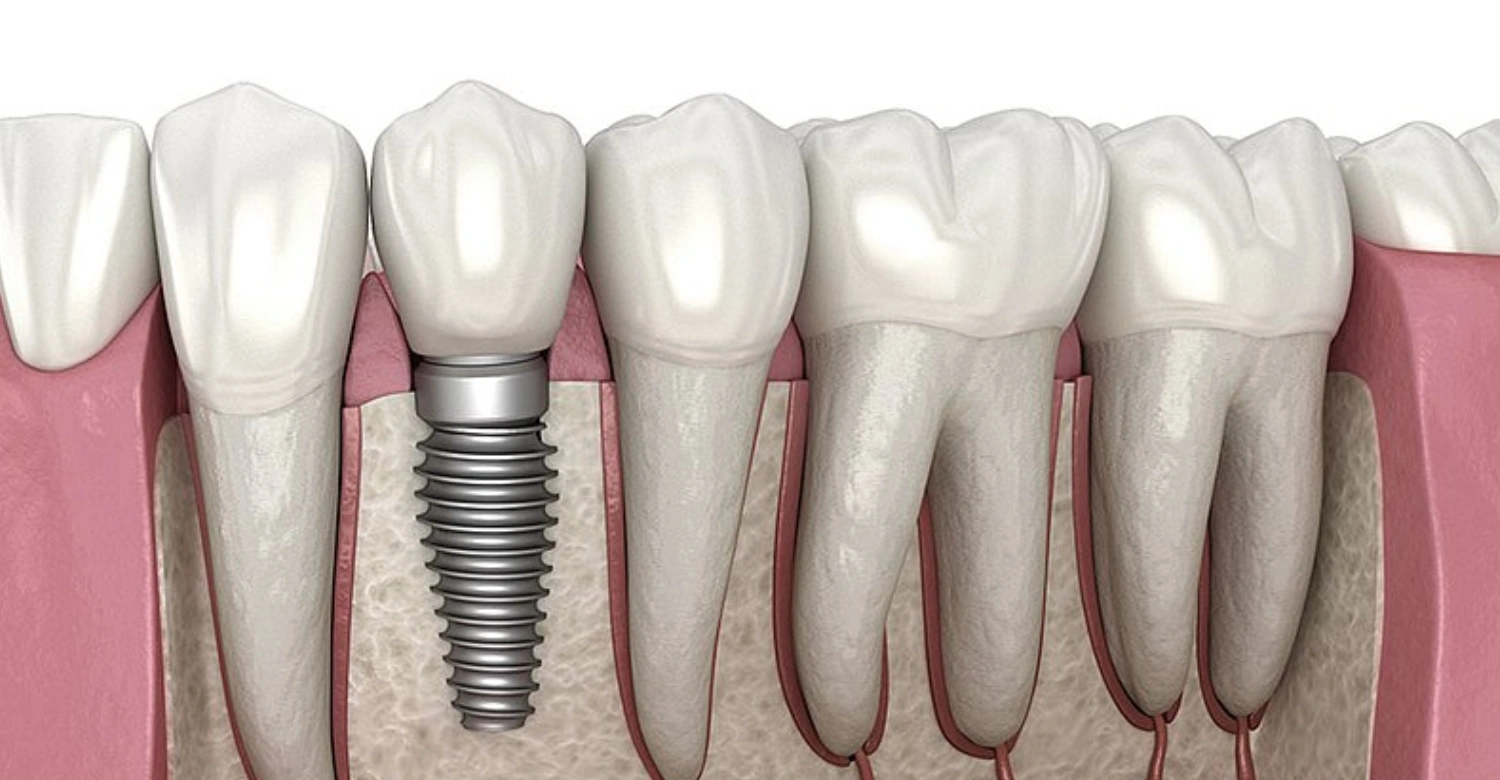
Peri-Implantitis affects dental implants by destroying surrounding bone that provides support and stability for implant fixtures. The dental implant infection creates pockets between implant and tissue, harboring bacteria and inflammation. Progressive bone loss through stages of peri implantitis weakens implant anchorage, causing mobility and eventual failure. Untreated symptoms worsen over time, requiring increasingly invasive treatment approaches. Understanding how peri implantitis develops emphasizes the importance of prevention and regular maintenance.
Peri-Implantitis vs Peri-Implant Mucositis
The distinction between conditions represents a crucial difference in implant complications, particularly regarding bone involvement and reversibility. Peri-implant mucositis affects only soft tissues without bone loss, remaining reversible with proper treatment. Conversely, Peri-Implantitis involves progressive bone destruction, requiring more aggressive treatment interventions. Recognizing differences between conditions enables appropriate responses to symptoms. Early detection prevents progression from mucositis to peri implantitis, emphasizing the importance of prevention and regular professional monitoring.
Key Differences Between Peri-Implantitis and Mucositis
Key differences include bone loss presence and disease reversibility:
Peri-implant Mucositis: Shows inflammation, bleeding, and swelling without bone destruction, responding well to improved hygiene.
peri implantitis: Demonstrates these symptoms plus progressive bone loss visible on radiographs, requiring professional treatment.
While mucositis remains reversible, peri implantitis causes permanent bone damage. Understanding stages of peri implantitis helps differentiate conditions, guiding appropriate intervention and emphasizing prevention importance.
Why Early Detection Matters for Peri-Implantitis
Early detection matters because initial stages of peri implantitis respond better to non-surgical treatment with higher success rates. Recognizing early symptoms enables intervention before extensive bone loss occurs, improving prognosis significantly. Delayed treatment allows progression through advanced stages of peri implantitis, requiring surgical intervention or implant removal. Regular monitoring identifies dental implant infection early, reducing treatment cost and preserving implants. Proper prevention includes scheduled professional evaluations detecting problems promptly.
Causes and Risk Factors for Peri-Implantitis
Causes of Peri-Implantitis include bacterial biofilm accumulation, poor oral hygiene, smoking, diabetes, and history of periodontal disease. Understanding what triggers dental implant infection helps patients avoid risk factors through effective prevention strategies. Multiple factors often combine, accelerating progression through stages of peri implantitis. Identifying individual causes enables personalized prevention approaches and appropriate treatment planning. Addressing underlying causes improves treatment outcomes and reduces recurrence risk significantly.
Common Risk Factors
Smoking: Reduces blood flow and immune response, increasing infection susceptibility.
Diabetes: Impairs healing and infection resistance, elevating dental implant infection risk.
Previous Periodontal Disease: Indicates bacterial susceptibility, making patients prone to Peri-Implantitis causes.
Poor Oral Hygiene: Allows biofilm accumulation triggering inflammation.
Excess Cement Residue: Harbors bacteria contributing to symptoms.
Anatomical Factors: Genetic factors and inadequate keratinized tissue also influence development.
How Poor Oral Hygiene and Systemic Conditions Contribute
Poor oral hygiene contributes to Peri-Implantitis by allowing bacterial plaque accumulation on implant surfaces, initiating dental implant infection. Inadequate cleaning creates biofilms triggering inflammatory responses that progress through stages of disease. Systemic conditions like diabetes compromise immune function, reducing the ability to control bacteria causing symptoms. Cardiovascular disease and osteoporosis affect bone metabolism, influencing how to treat peri implantitis effectively. Combined local and systemic causes require comprehensive approaches addressing both oral hygiene and medical management.
Clinical Notes
Early cavities and peri-implant issues frequently cause no pain or visible change, so they are missed during self-checks at home. A dental examination with X-rays detects decay between teeth, under enamel, and early bone changes around implants before reaching advanced stages.
Advanced Etiology and Iatrogenic Risk Indicators
Beyond hygiene and systemic risk, iatrogenic factors and mechanical stress play a real role in causes of disease. Errors introduced during planning, placement, or restoration can trigger tissue breakdown independent of bacterial load. Understanding these advanced etiology and iatrogenic risk indicators, including titanium particles in dental implants, gives a fuller picture of what triggers dental implant infection.
Iatrogenic Factors and Mechanical Occlusal Overload
Iatrogenic factors, such as poor implant positioning, inadequate primary stability, or an ill-fitting prosthesis, can start peri-implant tissue breakdown before bacteria ever become the primary cause. Occlusal overload from excessive biting forces places mechanical strain on the bone-implant interface. Over time, this stress triggers micro-fractures and inflammatory bone resorption resembling Peri-Implantitis symptoms. Correcting occlusion and refining surgical technique addresses these iatrogenic contributors directly, reducing risk without relying solely on antimicrobial treatment.
Titanium Microparticles and Peri-Implant Tissue Breakdown
Titanium microparticles can detach from implant surfaces during placement or through corrosion over time. These particles embed in surrounding soft tissue, triggering a foreign-body inflammatory response. Research suggests this titanium-driven inflammation may accelerate bone loss independently of bacterial biofilm, contributing to dental implant infection. Detecting titanium particles in dental implants can change the treatment approach, since standard antimicrobial protocols alone may not resolve a foreign-body-driven reaction.
Symptoms and Clinical Signs
Symptoms include bleeding on probing, gum inflammation, suppuration, increased pocket depths, and progressive bone loss around implants. Recognizing early symptoms enables timely intervention before advanced stages develop. Patients may notice swelling, redness, pain, or implant mobility indicating dental implant infection. Understanding these warning signs facilitates prompt treatment, improving success rates. Regular monitoring detects subtle symptoms before severe complications occur, emphasizing the importance of professional maintenance and prevention strategies.
Stage | Bone Loss Depth | Common Symptoms & Indicators |
Early Stage | 1–3 mm | Bleeding, swelling, pockets |
Moderate Stage | 3–5 mm | Increased inflammation, pus |
Advanced Stage | Exceeding 5 mm | Severe destruction, mobility |
Early Warning Signs of Peri-Implant Disease
Early warning signs include bleeding when brushing or flossing around implants, indicating initial inflammation. Gum redness and swelling around implant crowns suggest developing symptoms requiring evaluation. Mild discomfort or sensitivity indicates possible dental implant infection beginning. Increased pocket depths detected during professional examinations reveal early stages of Peri-Implantitis. These subtle signs warrant immediate attention for non-surgical treatment, preventing progression to advanced disease requiring surgical intervention and reducing overall treatment cost.
Advanced Symptoms and Implant Complications
Advanced symptoms include visible pus discharge, severe gum recession exposing implant threads, and significant implant mobility. Patients experience persistent pain, difficulty chewing, and foul taste indicating severe dental implant infection. Radiographs reveal extensive bone loss characterizing advanced stages of Peri-Implantitis. Tissue inflammation becomes pronounced with deep periodontal pockets around implants. These complications necessitate aggressive treatment approaches including surgical intervention. Without treatment, advanced peri implantitis causes implant failure requiring removal, emphasizing the critical importance of prevention.
Stages and Disease Progression
Stages progress from early inflammation with minimal bone loss to moderate disease with increasing bone destruction, culminating in advanced stages threatening implant survival. Understanding progression helps determine appropriate treatment approaches and prognosis. Early stages respond well to non-surgical treatment, while advanced cases require surgical intervention. Recognizing which stage the patient presents guides how to treat effectively. Regular monitoring prevents progression through stages, emphasizing prevention importance in maintaining implant health.
Early, Moderate, and Advanced Stages Explained
Early Stage: Shows initial bone loss (1-3mm) with bleeding, swelling, and pocket formation, responding well to non-surgical treatment.
Moderate Stage: Demonstrates 3-5mm bone loss with increased inflammation and symptoms including suppuration.
Advanced Stage: Involves severe bone destruction exceeding 5mm, implant mobility, and extensive tissue damage requiring surgical treatment.
Each stage represents progression of dental implant infection severity, directly affecting prognosis and determining appropriate intervention approaches.
How Disease Progression Affects Implant Stability
Disease progression through stages directly compromises implant stability by destroying supporting bone tissue surrounding fixtures. Early stages cause minimal stability loss, remaining manageable with conservative treatment. Moderate progression reduces bone-to-implant contact significantly, affecting load distribution and causing discomfort. Advanced Peri-Implantitis symptoms include noticeable mobility, pain during function, and potential implant failure. Progressive bone loss from dental implant infection eliminates anchorage, making implant removal necessary. Understanding how progression affects stability emphasizes the critical importance of early intervention and prevention.
Pathological Manifestations and Mimicking Conditions
The condition does not always present in one uniform pattern. Some cases show pathological manifestations reaching beyond crestal bone loss, while other oral conditions closely mimic symptoms and complicate diagnosis. Recognizing these variations helps clinicians avoid misdiagnosis and choose the correct treatment path. Understanding periapical issues and oral mucosal lesions that resemble the disease supports faster, more accurate intervention.
Periapical Peri-Implantitis: Characteristics and Root-Level Anomalies
Periapical Peri-Implantitis is a less common variant affecting the apical region of the implant rather than the crest. It often develops from residual infection at the osteotomy site or contamination introduced during placement. Patients may show localized radiolucency at the implant apex despite healthy crestal bone. Symptoms include tenderness on percussion and occasional swelling. This anomaly needs targeted radiographic evaluation, since standard probing around the implant neck can miss it entirely. Early identification prevents progression toward implant failure.
Differential Diagnosis: Oral-Mucosal Lesions Mimicking Disease
Several oral mucosal lesions closely mimic symptoms, including lichen planus, allergic reactions to titanium, and residual cement-induced inflammation. These conditions can cause redness, swelling, and bleeding without true bacterial peri-implant infection. Biopsy and careful clinical examination differentiate genuine dental implant infection from these mimicking lesions. Misdiagnosis leads to unnecessary or delayed treatment. A thorough differential diagnosis protects patients from inappropriate interventions and ensures the correct condition gets the right management.
Tips for Patients
Use a toothpaste with 1,450 ppm fluoride, and after brushing spit rather than rinse with water, so the fluoride stays on the teeth longer.
If you snack on something sugary, have it with a meal instead of spreading sweets across the day, since it is the frequency of acid attacks, not the total amount, that drives tooth cavities and oral inflammation.
Treatment Approaches
How to treat depends on disease severity, ranging from non-surgical treatment in early cases to surgical intervention for advanced stages. Effective treatment requires comprehensive diagnosis, risk factor control, and appropriate therapeutic approaches based on stages of Peri-Implantitis. Treatment goals include eliminating dental implant infection, resolving inflammation, and arresting bone loss. Understanding available options helps patients make informed decisions about treatment approaches. Success rates vary with disease severity, emphasizing the importance of addressing symptoms early.
Diagnosis and Treatment Planning
Diagnosis involves clinical examination assessing symptoms including bleeding, suppuration, and increased probing depths around implants. Radiographic evaluation reveals bone loss extent, determining stages. Comprehensive assessment identifies causes including risk factors requiring management. Treatment planning considers disease severity, patient health, and implant characteristics. Proper diagnosis guides selection between non-surgical treatment versus surgical approaches, affecting overall treatment cost and expected outcomes significantly.
When Immediate Treatment Is Necessary
Immediate treatment becomes necessary when patients present with acute symptoms including severe pain, extensive swelling, or purulent discharge from dental implant infection. Rapid bone loss progression through stages requires urgent intervention preventing implant failure. Systemic symptoms like fever indicate serious infection demanding immediate attention. Implant mobility signals advanced disease necessitating prompt evaluation of how to treat the condition. Delaying treatment allows progression and causes additional bone destruction, reducing success rates and potentially requiring implant removal.
Non-Surgical Treatment Strategies
Non-surgical treatment effectively manages early stages through mechanical debridement, antimicrobial therapy, and improved oral hygiene protocols. This conservative approach removes bacterial biofilms causing dental implant infection without surgical intervention. Treatment includes professional cleaning, laser therapy, and chemical decontamination of implant surfaces. Non-surgical treatment proves most effective when addressing initial symptoms before extensive bone loss occurs, offering lower treatment cost and faster recovery compared to surgical approaches.
Deep Cleaning and Implant Surface Decontamination
Deep cleaning involves mechanical debridement removing bacterial biofilms and calculus from implant surfaces causing dental implant infection. Specialized instruments including plastic curettes, ultrasonic scalers, and air-abrasive devices decontaminate without damaging implant threads. Laser therapy provides additional antimicrobial benefits in non-surgical treatment. Chemical agents like chlorhexidine or hydrogen peroxide further disinfect surfaces. This approach effectively addresses early symptoms, controlling inflammation and arresting progression through stages when combined with improved hygiene.
Medications and Antimicrobial Therapies
Medications for treatment include systemic antibiotics targeting bacteria causing dental implant infection when systemic involvement exists. Local antimicrobial agents applied directly into pockets provide concentrated therapy for non-surgical treatment. Chlorhexidine rinses control bacterial populations reducing symptoms. Anti-inflammatory medications manage tissue response. Probiotic therapy shows promise in supporting prevention. While medications support how to treat the infection, they supplement rather than replace mechanical debridement, working synergistically for optimal outcomes in managing causes.
Surgical Interventions and Implant Removal
Surgical treatment addresses moderate to advanced stages when non-surgical treatment proves insufficient. Surgical approaches include access flap surgery for thorough decontamination, resective procedures removing damaged tissue, and regenerative techniques attempting bone regrowth. Advanced symptoms requiring surgical intervention indicate significant bone loss and deep pocket formation. Surgical treatment provides direct visualization and access for complete biofilm removal from dental implant infection, improving outcomes in severe cases despite higher treatment cost.
Treatment Type | Ideal Disease Stage | Key Methods / Procedures |
Non-Surgical | Early Stages | Debridement, lasers, rinses |
Surgical | Moderate to Advanced | Flap access, bone grafts |
Removal (Explantation) | Severe / Failed Stability | Implant extraction, cleaning |
Surgical Cleaning and Bone Regeneration
Surgical cleaning involves flap elevation providing direct access to contaminated implant surfaces for thorough decontamination. Granulation tissue removal eliminates infection reservoirs in dental implant infection. Implant surface treatment using mechanical, chemical, or laser methods removes biofilms. Bone regeneration attempts using grafts and membranes aim to restore lost bone in stages of the disease. While regenerative outcomes remain unpredictable, resective surgery creating maintainable contours shows more reliable results in managing advanced symptoms.
When Implant Removal Becomes Necessary
Implant removal becomes necessary when severe bone loss prevents successful treatment or implant mobility compromises function. Advanced stages with progressive destruction despite aggressive treatment warrant explantation. Persistent symptoms including pain, suppuration, and infection unresponsive to surgical intervention indicate removal necessity. Implant fracture, severe positioning problems, or patient health concerns may necessitate extraction. While removal represents treatment failure, it prevents continued bone loss, allowing future implant placement after adequate healing and addressing underlying causes.
Systemic Consequences and Biological Burden
The infection is not always confined to the mouth. Emerging evidence links chronic peri-implant infection to systemic consequences reaching well beyond the implant site. Recognizing the systemic burden helps explain why untreated symptoms carry consequences that go far past oral tissue.
Breaching of the Implant-Peri-Implant Mucosa Barrier
The peri-implant mucosa normally acts as a protective seal against bacterial entry. In disease states, chronic inflammation breaches this barrier, giving bacteria and their byproducts direct access to underlying tissue and circulation. This breach marks a critical turning point, turning a localized dental implant infection into a source of systemic exposure. Restoring barrier integrity is a central goal of effective treatment. This process reflects the deeper link between crestal bone loss and inflammation driving the disease forward.
Dissemination of Pro-Inflammatory Mediators
Once the mucosal barrier is compromised, pro-inflammatory mediators and microbial byproducts enter the bloodstream continuously. This chronic release keeps systemic inflammation elevated, even when symptoms appear locally mild. Cytokines and bacterial endotoxins circulating from the peri-implant pocket can influence distant organ systems. Addressing this dissemination reinforces why early treatment matters beyond preserving the implant itself.
Metabolic Disturbances and Neuroinflammation Linkages
Persistent low-grade inflammation has been associated with metabolic disturbances, including impaired insulin sensitivity. Some research also explores neuroinflammation and cognitive decline, suggesting chronic oral inflammatory burden may feed broader inflammatory pathways over time. While research continues, these findings support treating dental implant infection as a systemic health priority, not only a localized dental concern.
Interrelation Between Infection and Systemic Malignancies
Chronic inflammation is a recognized contributor to several disease processes, and researchers are exploring the interrelation between chronic peri-implant inflammation and systemic malignancies. The hypothesis centers on sustained inflammatory signaling possibly influencing cellular processes elsewhere in the body. Evidence remains preliminary, but it reinforces the importance of resolving symptoms promptly rather than letting chronic inflammation persist untreated.
Comprehensive Impacts of Treatment on Systemic Health
Professional treatment does more than protect the implant. Removing the source of chronic inflammation lowers circulating inflammatory markers, supporting broader systemic health. Patients who receive effective treatment often show reduced systemic inflammatory burden alongside resolved symptoms. This reinforces why timely intervention benefits far more than the implant site itself.
Cost Considerations
Treatment cost varies significantly based on disease severity, chosen treatment approach, and geographic location. Non-surgical treatment typically costs $500-$1,500 per implant for mechanical debridement and antimicrobial therapy. Surgical treatment ranges $1,500-$5,000 depending on complexity and regenerative procedures used. Understanding factors affecting treatment cost helps patients budget appropriately. International options like Vitrin Clinic in Turkey offer comprehensive treatment at 60-70% reduced costs while maintaining quality standards, making advanced care accessible for managing dental implant infection.
Average Cost Breakdown
Average treatment cost ranges $500-$1,500 for non-surgical treatment including professional debridement and antimicrobial therapy per implant. Surgical intervention for how to treat the condition costs $1,500-$3,000 for access surgery and decontamination. Regenerative procedures attempting bone restoration increase treatment cost to $2,500-$5,000 per implant. Multiple implants with symptoms require proportionally higher investment. Implant removal and replacement exceed $5,000 total. Turkey offers comprehensive treatment addressing dental implant infection at significantly reduced prices while maintaining international standards.
Factors That Influence Pricing
Factors influencing treatment cost include:
Disease Severity: Advanced stages require more complex, expensive interventions than early disease.
Surgical vs. Non-Surgical: Surgical procedures naturally incur higher costs.
Geographic Location: Location impacts fees substantially.
Specialist Experience: Specialist level and clinic technology influence costs.
Number of Implants: Multiple affected implants multiply overall expenses.
Materials Used: Regenerative materials for bone grafting increase costs.
Follow-up Care: Ongoing maintenance programs add to long-term costs.
Underlying Health Management: Addressing causes like smoking cessation or diabetes management may require additional investments.
Prevention and Daily Care
Prevention involves meticulous daily oral hygiene, regular professional maintenance, and risk factor management to prevent dental implant infection development. Effective prevention strategies reduce incidence of symptoms and progression through stages. Proper cleaning techniques, specialized tools, and consistent professional monitoring maintain implant health long-term. Understanding causes targeted prevention approaches. Investment in prevention proves more cost-effective than managing established disease requiring extensive treatment. Comprehensive prevention programs support implant longevity and patient satisfaction.
Daily Oral Care Tips for Implant Health
Daily oral care for prevention includes brushing implant crowns and surrounding tissues twice daily using soft-bristled toothbrushes or electric brushes. Interdental cleaning with floss, interdental brushes, or water flossers removes plaque preventing dental implant infection. Antimicrobial mouth rinses provide additional protection against bacteria causing symptoms. Non-abrasive toothpaste prevents surface damage. Proper technique ensures thorough cleaning without traumatizing tissues. Consistent home care represents primary defense against causes, significantly reducing risk of disease development and need for treatment interventions.
Importance of Regular Dental Implant Maintenance
Regular dental implant maintenance proves critical for prevention through professional monitoring detecting early symptoms before extensive damage occurs. Scheduled cleanings remove calculus and biofilms patients cannot eliminate, preventing dental implant infection. Professional evaluations assess tissue health, probing depths, and bone levels, identifying progression through stages. Maintenance visits enable risk factor assessment and modification addressing causes. Frequency typically ranges 3-6 months depending on individual risk. Consistent professional care dramatically reduces disease incidence, avoiding extensive non-surgical treatment or surgical interventions.
What We Notice Clinically
Dr. Rifat Alsaman, Head of the Medical Team at Vitrin Clinic and a cosmetic dentist, notes that patients rarely connect symptoms to anything beyond the implant itself. Dr. Rifat Alsaman explains that in clinical practice, cases involving titanium microparticle exposure or occlusal overload often get mistaken for simple hygiene failures. Dr. Rifat Alsaman emphasizes that a thorough differential diagnosis, rather than a quick visual check, consistently changes the treatment plan and improves outcomes for patients at Vitrin Clinic.
Expert Care at Vitrin Clinic
Vitrin Clinic in Istanbul, Turkey offers comprehensive treatment combining advanced diagnostics, experienced specialists, and proven protocols for managing dental implant infection. Our team excels in both non-surgical treatment and surgical interventions for advanced stages. We provide personalized approaches based on individual causes and symptoms. Vitrin Clinic delivers international-quality care at significantly reduced treatment cost, making advanced implant infection management accessible. Our focus on prevention and long-term maintenance ensures optimal implant health and patient satisfaction.
Advanced Diagnostics and Management at Vitrin Clinic
Vitrin Clinic utilizes advanced 3D CBCT imaging for precise evaluation of bone loss and stages, enabling accurate diagnosis of dental implant infection. Comprehensive assessment identifies specific causes requiring management. Our diagnostic protocols detect subtle symptoms early, allowing conservative non-surgical treatment with higher success rates. State-of-the-art equipment supports both surgical and non-surgical approaches to how to treat the condition. Digital planning optimizes treatment outcomes while minimizing invasiveness. Advanced diagnostics at Vitrin Clinic ensure appropriate, effective interventions for managing infections at reasonable treatment cost.
Experienced Specialists Focused on Saving Dental Implants
Vitrin Clinic's experienced specialists focus on implant preservation through evidence-based treatment protocols addressing dental implant infection effectively. Our periodontists and implantologists have extensive training in managing all stages using both non-surgical treatment and advanced surgical techniques. We emphasize conservative approaches when possible, reserving invasive procedures for severe cases. Our team addresses underlying causes including patient education for prevention. Comprehensive care at Vitrin Clinic maximizes implant salvage rates while providing affordable treatment cost, helping patients preserve their dental implant investments successfully.
About Vitrin Clinic
Vitrin Clinic is an internationally focused dental clinic based in Istanbul, Turkey, serving patients from around the world. The clinic combines advanced diagnostic technology with experienced specialists across implantology, periodontics, and cosmetic dentistry. Vitrin Clinic's team, led by Dr. Rifat Alsaman as Head of the Medical Team, prioritizes personalized treatment planning for every patient. From initial consultation through post-treatment follow-up, Vitrin Clinic provides comprehensive support, making advanced treatment and broader dental care accessible without compromising on quality or safety standards.
Early Treatment at Vitrin Clinic Can Help Save Your Dental Implant
Early treatment at Vitrin Clinic maximizes chances of saving affected dental implants through prompt intervention addressing dental implant infection. Our specialists identify symptoms early, implementing appropriate non-surgical treatment before extensive bone loss occurs. We address underlying causes and provide comprehensive prevention education. Advanced diagnostics guide optimal approaches for how to treat at each stage. Accessible treatment cost at Vitrin Clinic makes quality care affordable. Contact us today to protect your dental implant investment through expert management and prevention strategies.
References:
FAQs
Dr. Rifat Alsaman has more than 5 years of clinical experience in dentistry and currently serves as the Head of the Medical Team at Vitrin Clinic. He is dedicated to providing exceptional patient care, overseeing treatment planning, and ensuring the highest clinical standards across the team. His expertise, attention to detail, and commitment to continuous professional development have helped countless patients achieve healthier, more confident smiles.


