Veneers
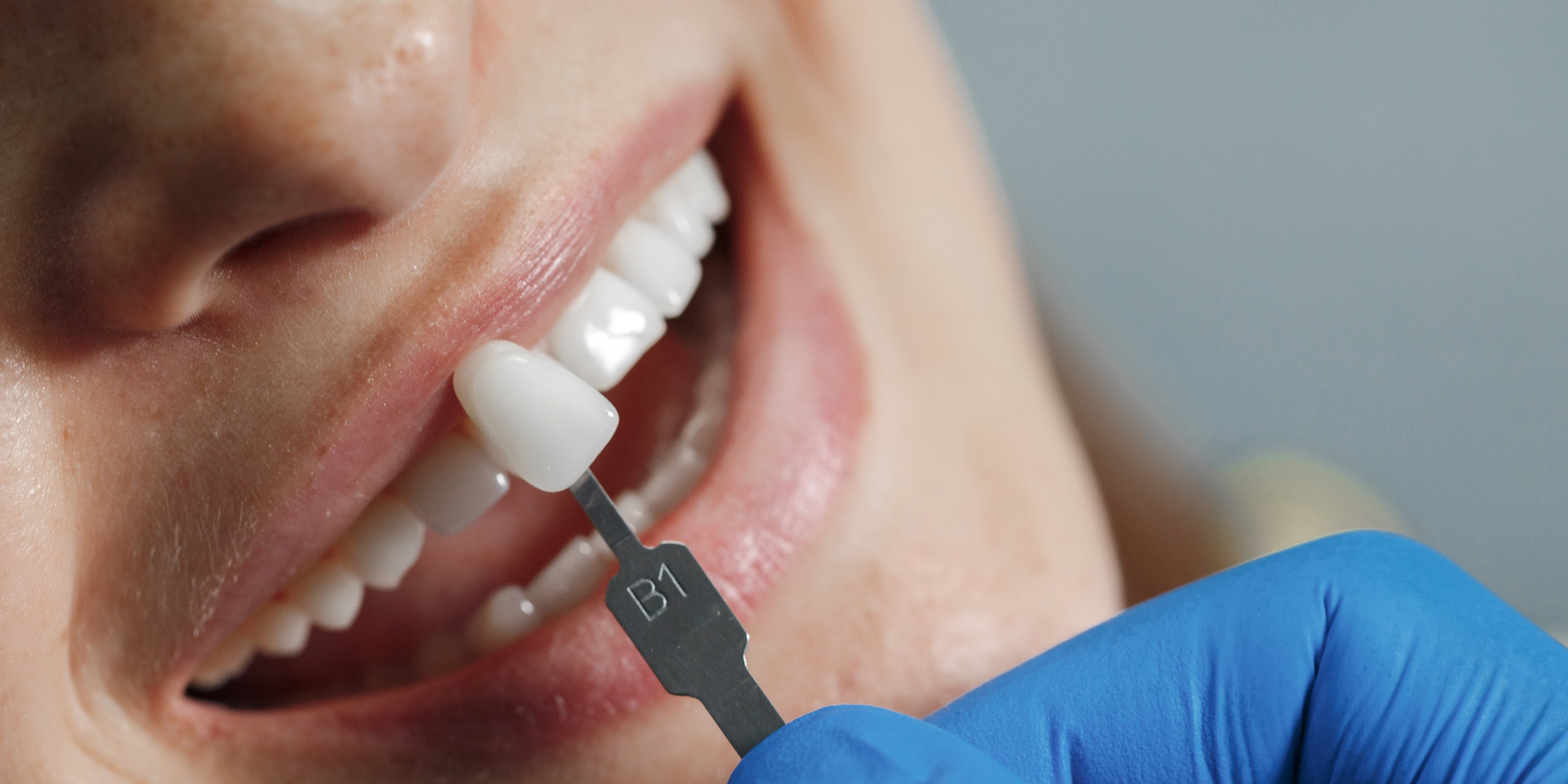
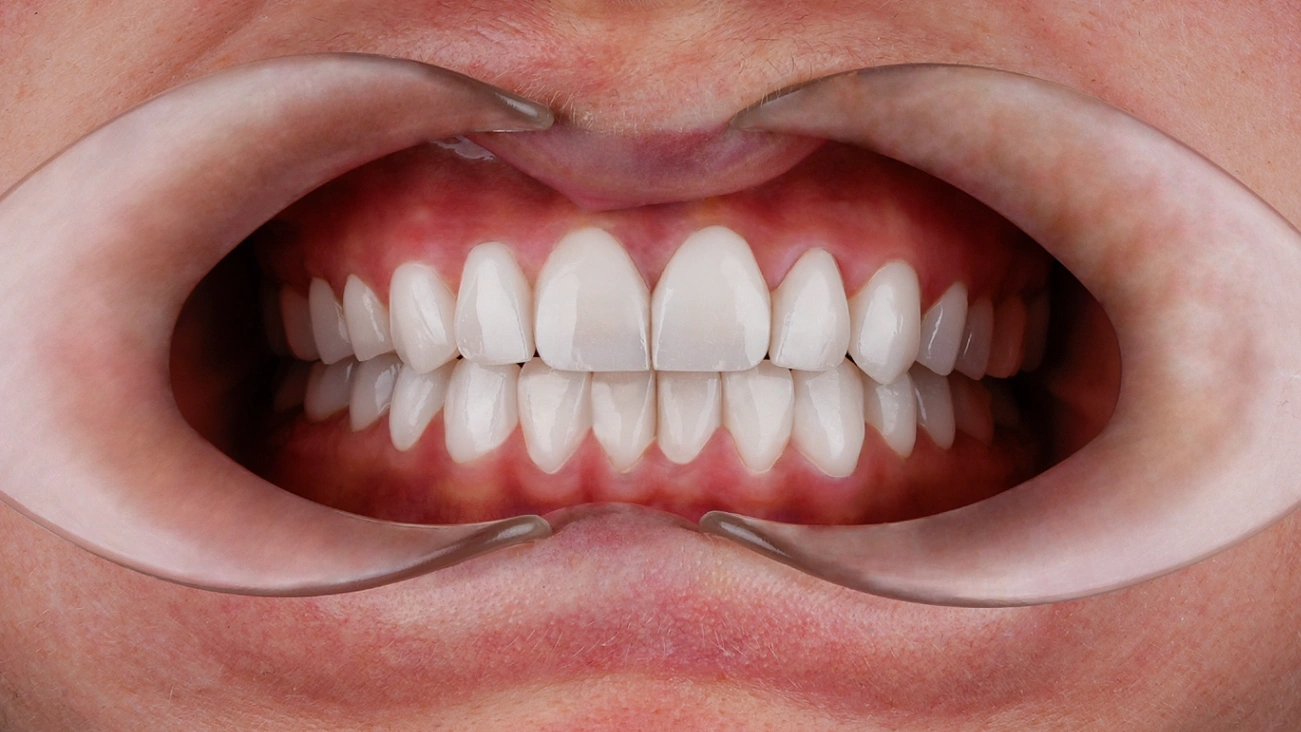
What are veneers? They are ultra-thin shells of ceramic or resin bonded to the front of your teeth to transform their appearance. We select the best material for your case from porcelain veneers and composite veneers to snap on veneers and no-prep options.
Treatment Process
A clear step-by-step overview of how the treatment is planned and performed, from the initial consultation to the final results, ensuring comfort, safety, and predictable outcomes.
01
Digital Smile Design Consultation
We photograph and analyze your smile, face shape, and lip line using Digital Smile Design (DSD) technology to digitally design your ideal outcome. You see and approve your new smile before any treatment begins.
02
Tooth Preparation
A minimal amount of enamel is gently removed from the front surface under local anaesthesia. Temporary veneers are placed to protect your teeth while permanent ones are crafted.
03
Digital Impressions & Lab Fabrication
Precise intraoral scanners capture a detailed 3D impression , no messy putty molds. Our expert ceramists hand-craft your porcelain veneers to exact specifications.
04
Veneer Try-In
Before permanent bonding, your veneers are placed temporarily so you can evaluate their look, feel, and fit. Any final adjustments to shape, length, or shade are made at this stage.
05
Permanent Bonding
Once you're fully satisfied, your teeth are cleaned, etched, and conditioned. The veneers are permanently cemented using high-strength dental adhesive and cured with a special light. Final bite checks ensure perfect comfort.
06
Aftercare & Follow-Up
We provide full aftercare instructions and schedule a follow-up to check your healing, bite, and satisfaction. Our team remains available for any questions during your recovery.
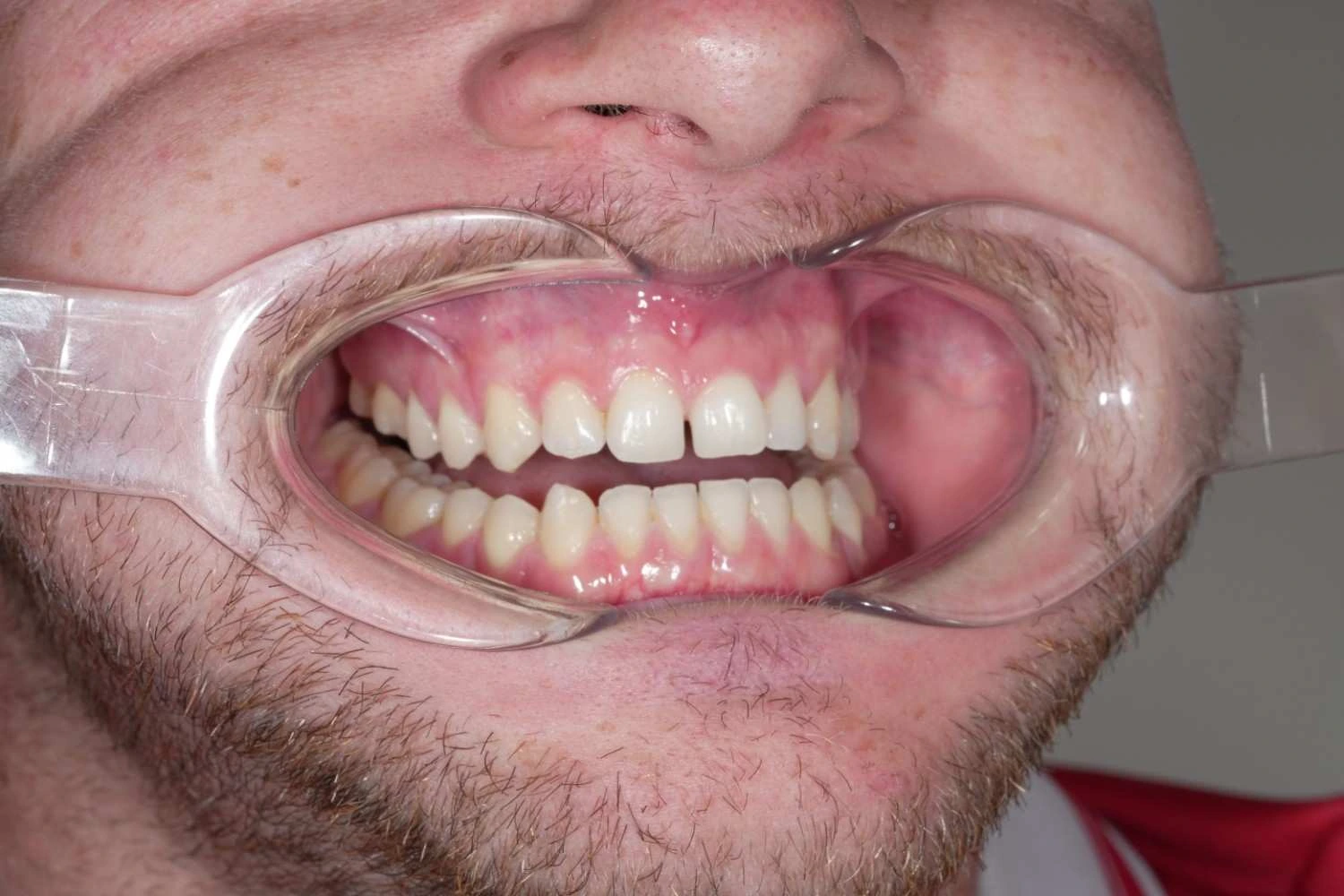
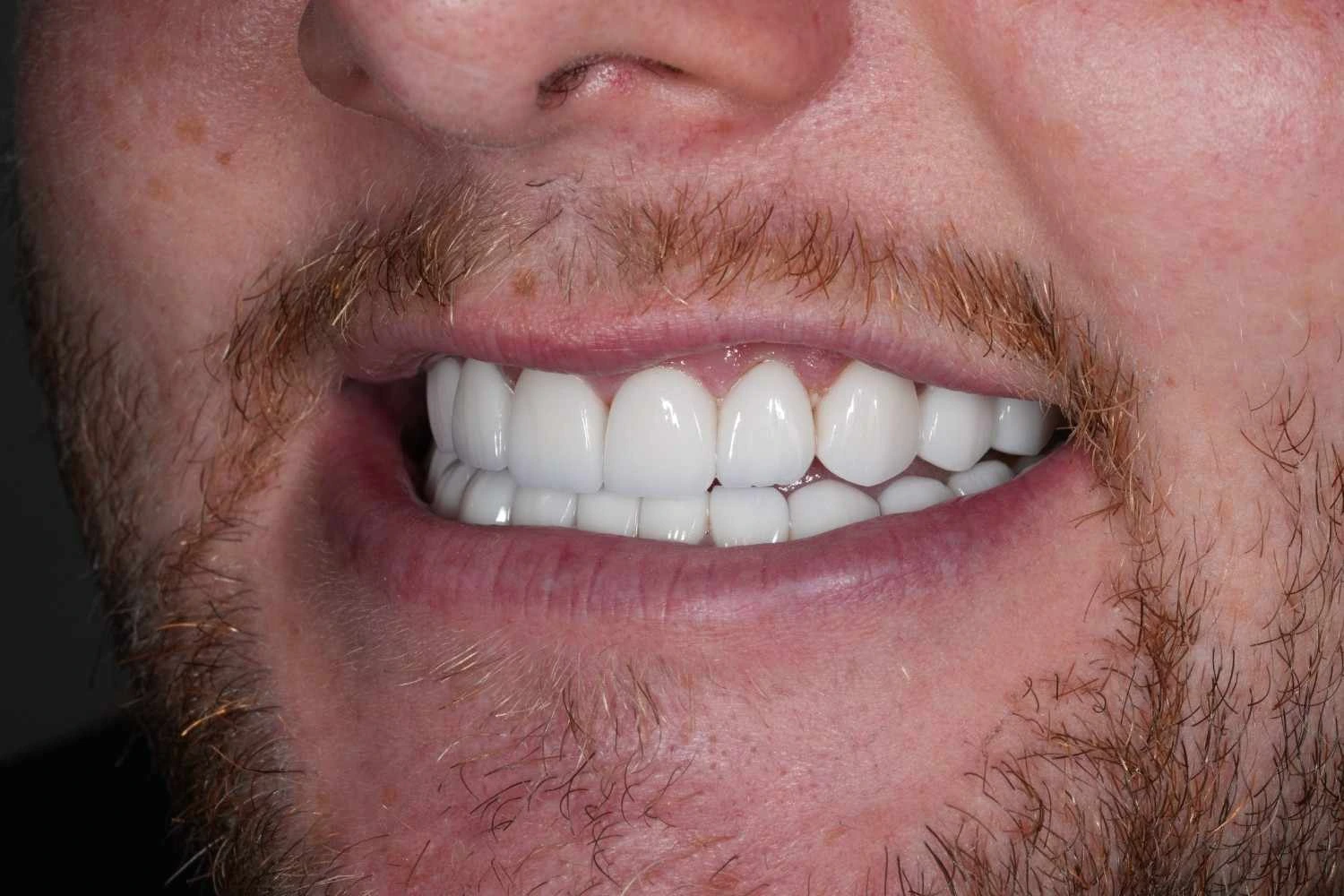
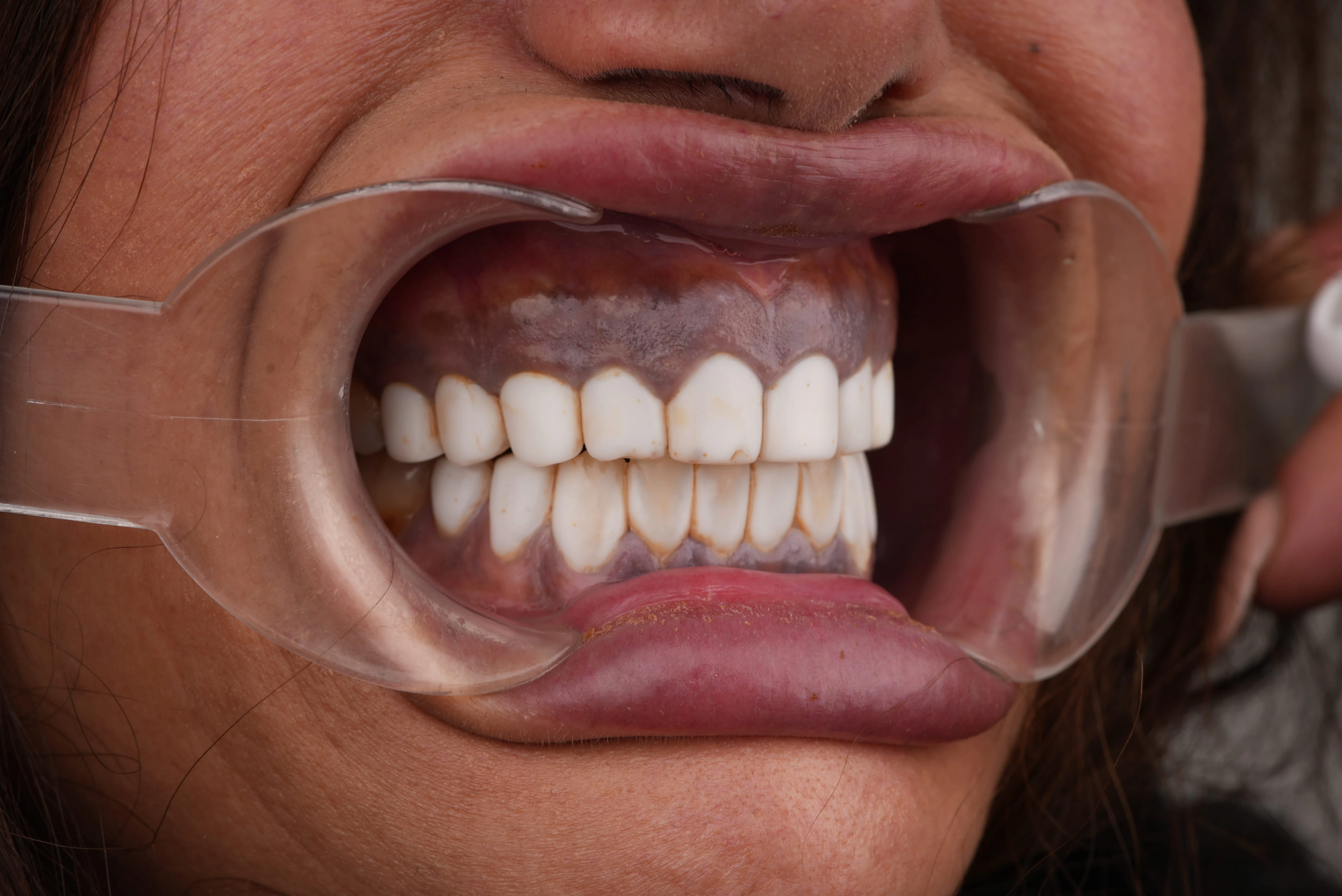
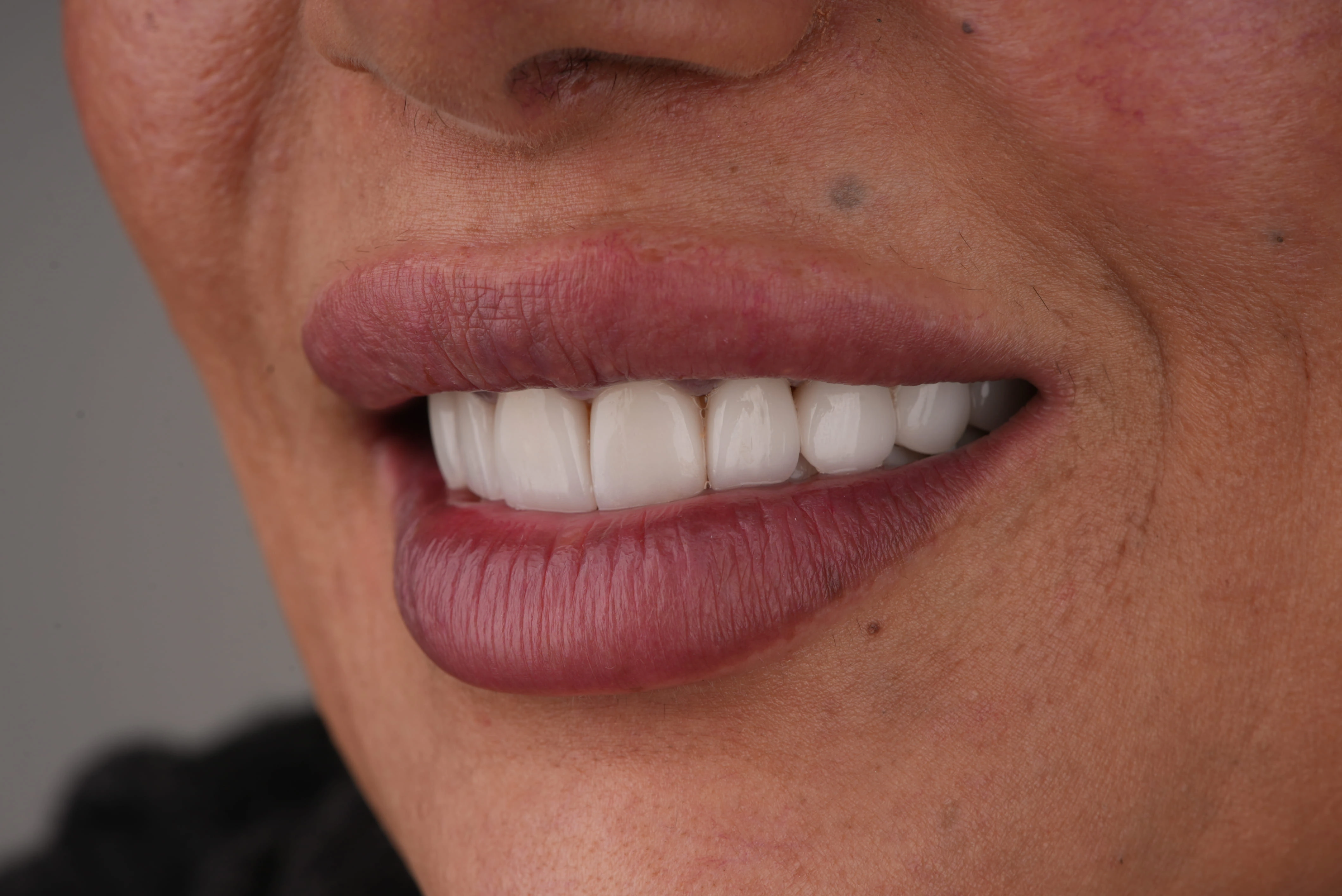
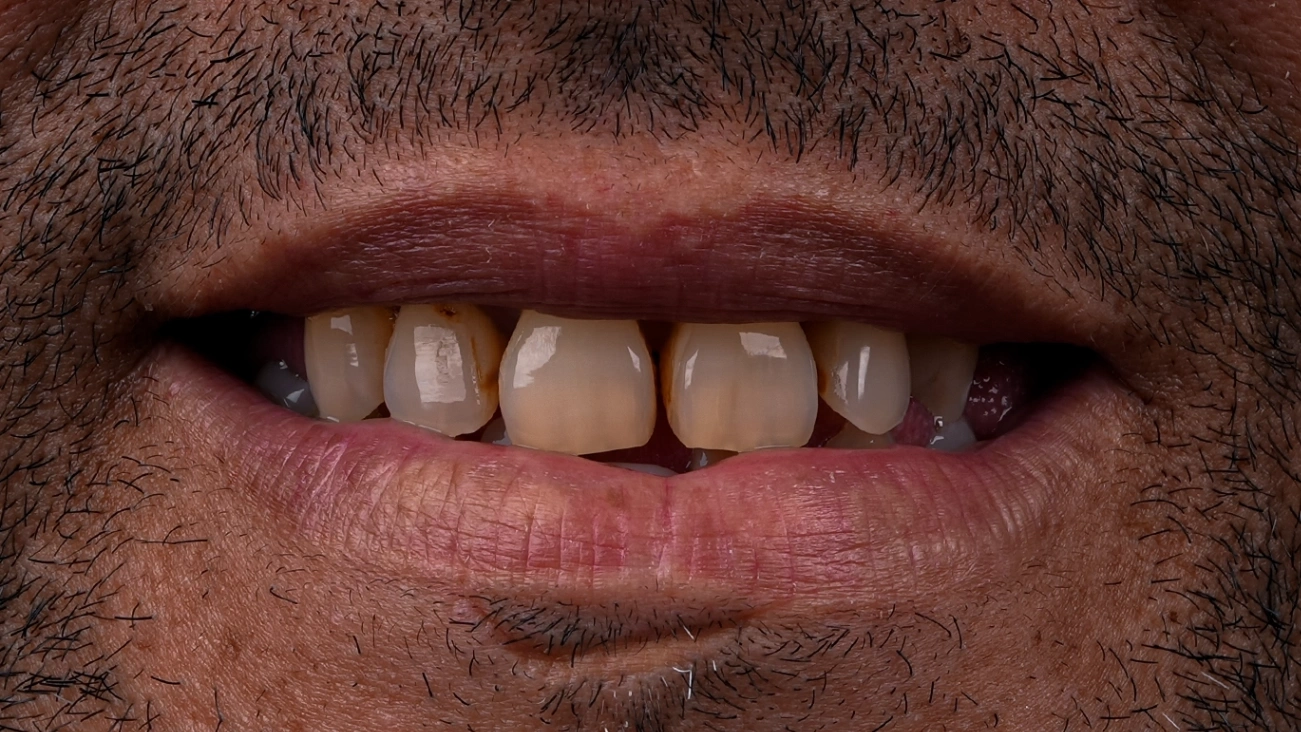
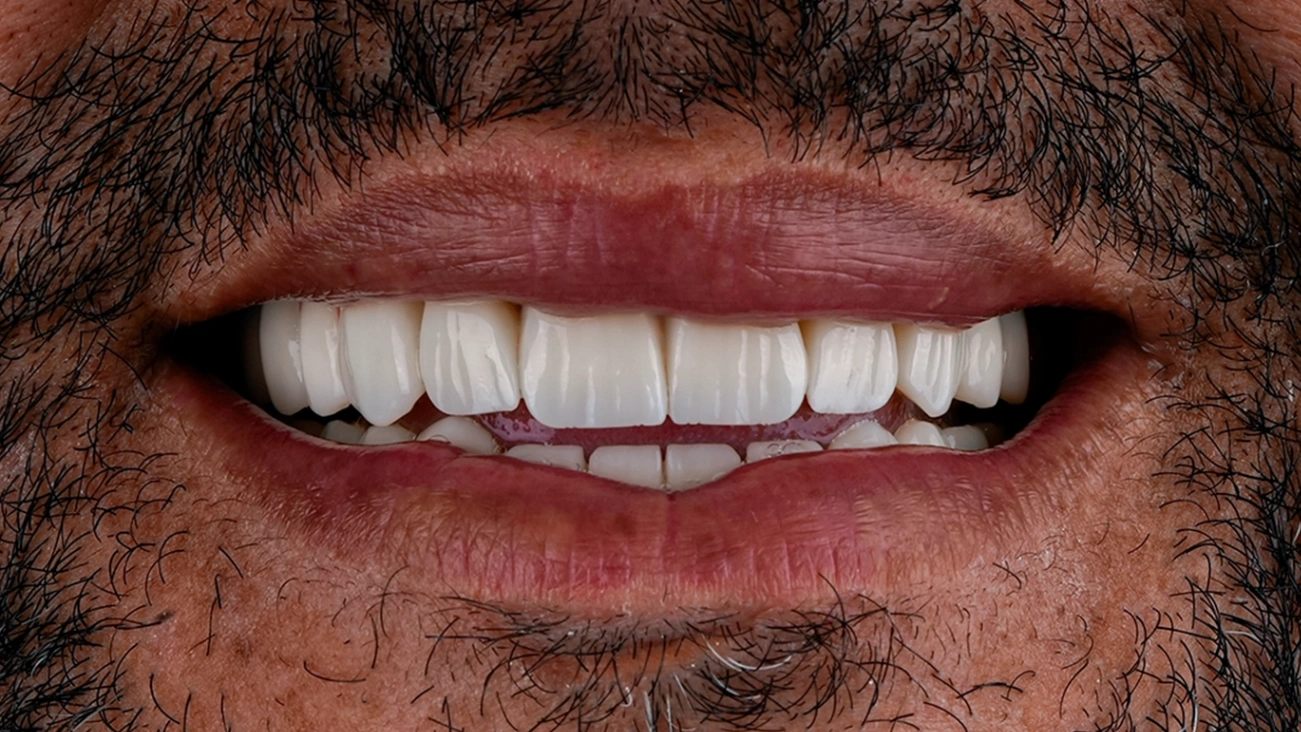
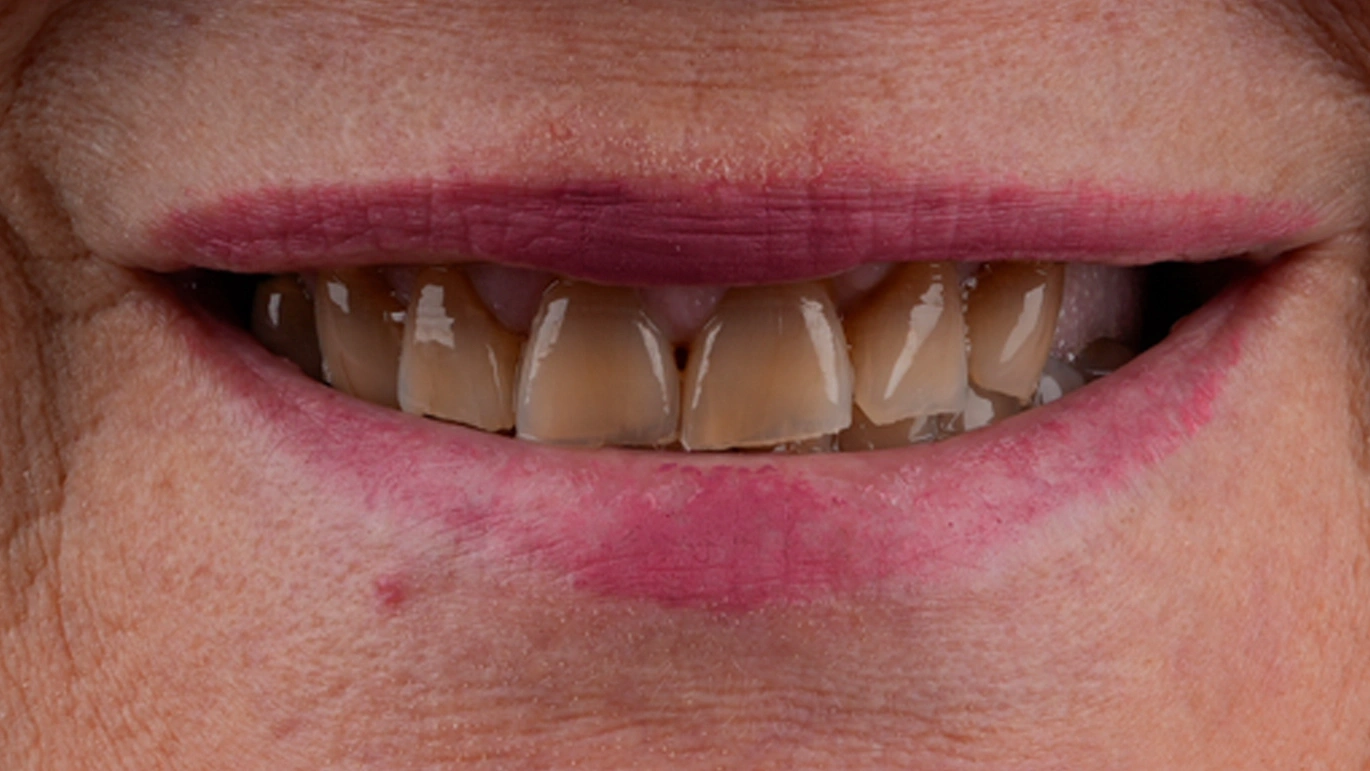
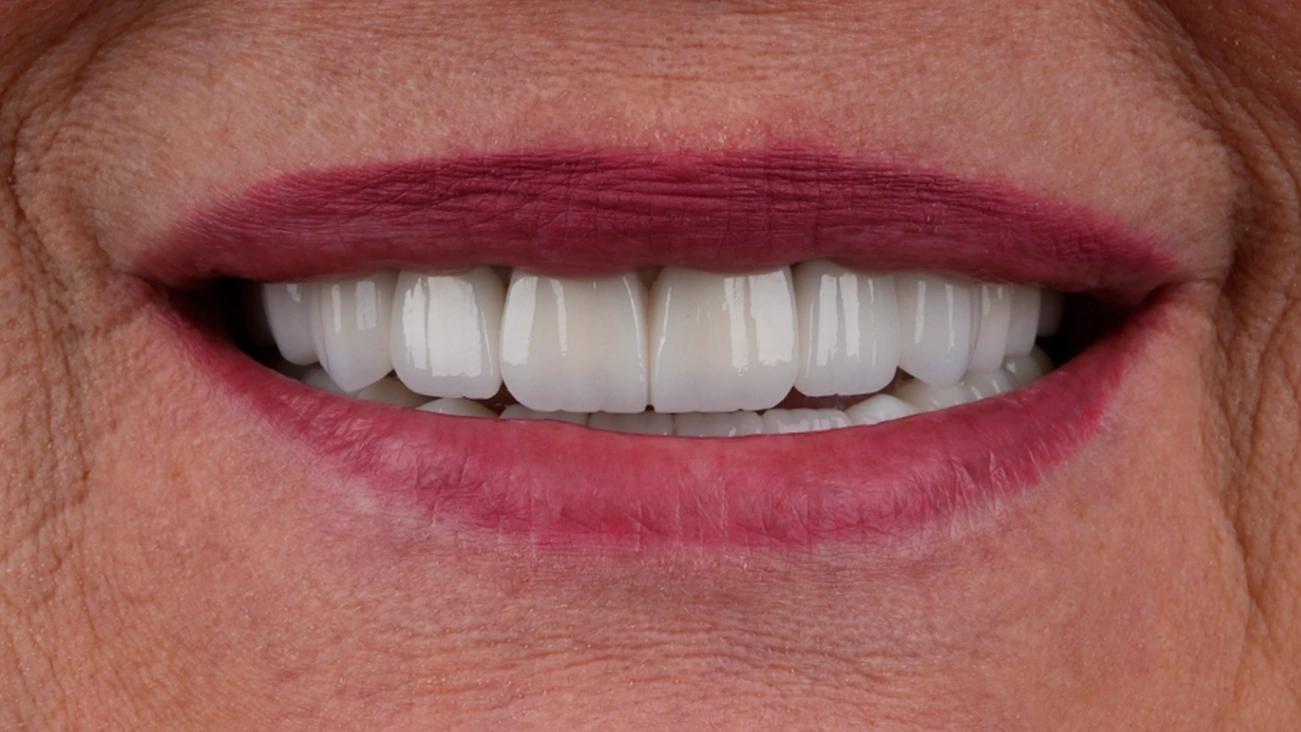
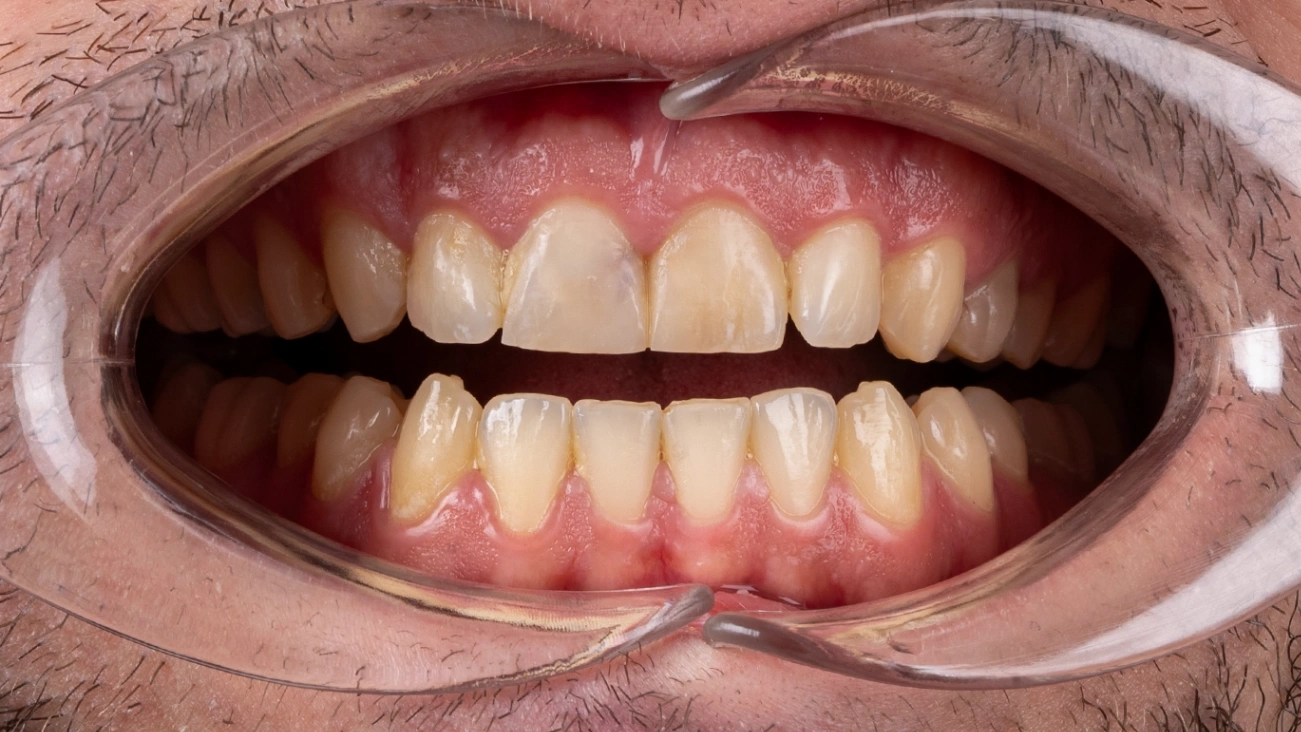
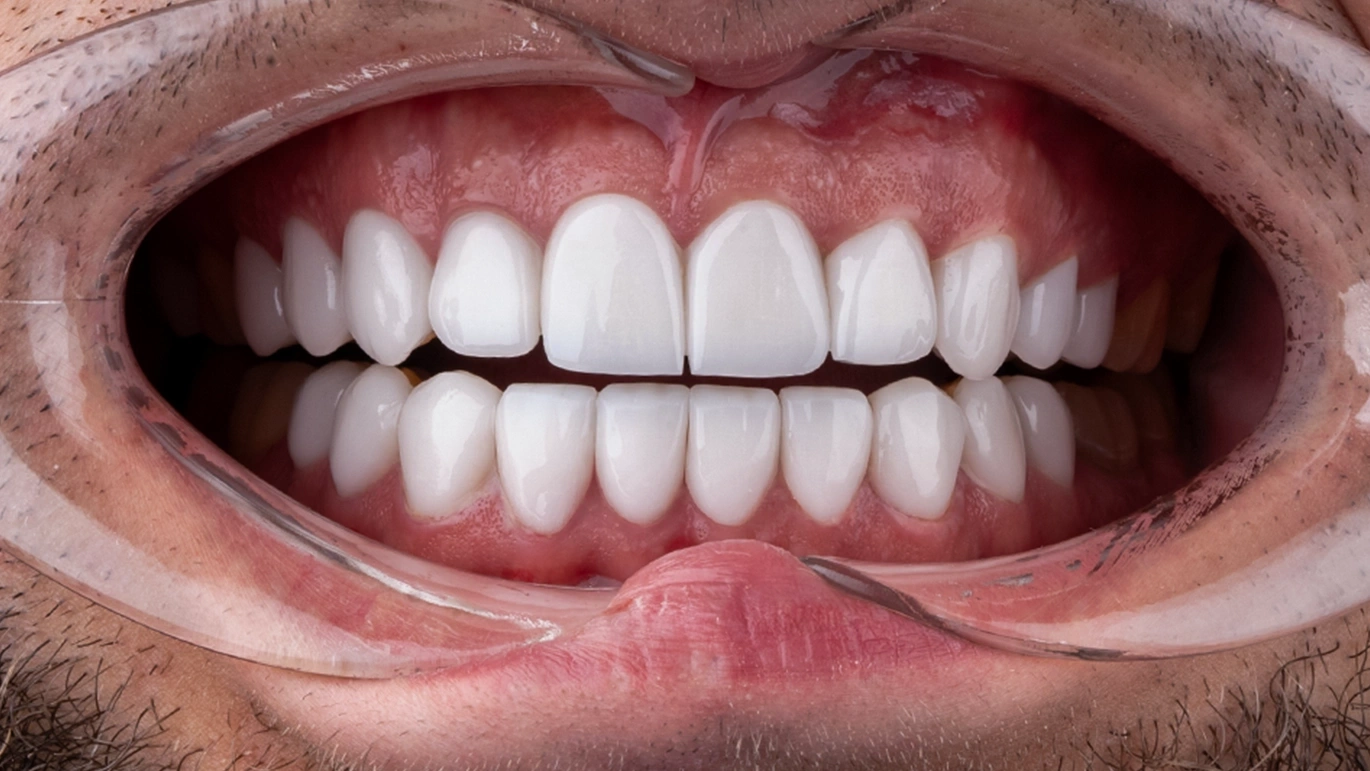
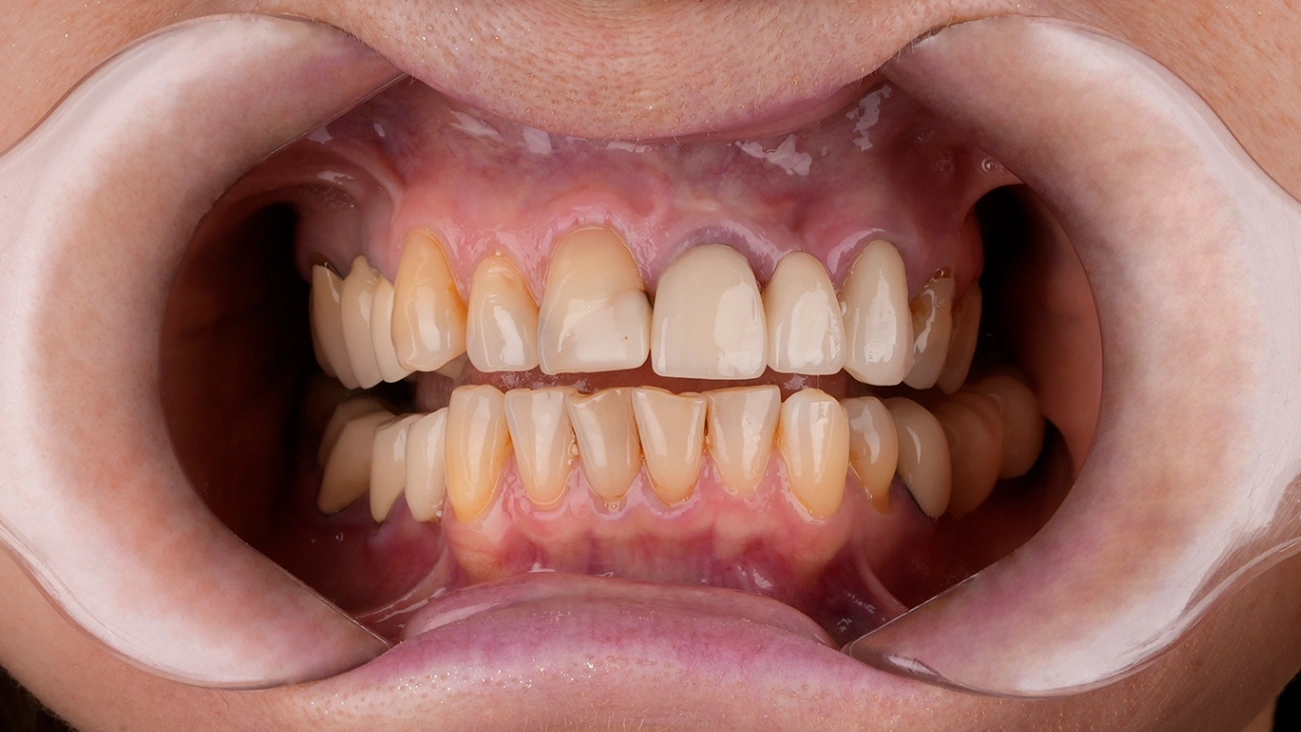
Before & After Results
Real patient transformations showcasing the quality, precision, and care behind our dental treatments. Results are personalized to each patient's needs and goals.
Patient Experiences with Veneers
Real reviews from patients who chose Veneers at Vitrin Clinic.
.jpg&w=3840&q=75)
Peter Rodger
Patient
2 implants and 23 veneers carried out with no fuss. Professional, streamlined, and clean. All staff very polite and friendly. Best coffee in Turkey.
GoogleWhat Are Veneers?
veneers clinically referred to an ultra-thin ceramic shells custom-fabricated and bonded to the front surface of teeth to permanently alter their shape, length, colour, and overall appearance. They are the most established and evidence-supported treatment in aesthetic restorative dentistry, with a clinical history spanning over four decades and a peer-reviewed literature base that is among the most comprehensive of any cosmetic dental procedure.
Unlike full crowns, which require removal of tooth structure from all surfaces, veneers are a conserving restoration preparation is limited to the facial surface, and in many cases can be performed at minimal or no depth into enamel. The bonding process creates a structural unit between the ceramic and the remaining enamel, producing a restoration that is strong, stable, and indistinguishable from a natural tooth in both appearance and light behaviour.
95.5% 10-Year Survival Rate | 0.3–0.7 mm Thickness | 15+ Years Longevity | 6–10 Teeth Typically Treated |
|---|---|---|---|
What Conditions Do Veneers Address?
veneers are indicated for a wide range of aesthetic and mild structural concerns affecting the anterior teeth. They are not a treatment for damaged tooth structure requiring mechanical reinforcement that is the role of crowns but they are unsurpassed for cosmetic correction of the smile zone where tooth integrity is intact.
Conditions routinely corrected with veneers include permanent tooth discolouration that does not respond to whitening including tetracycline staining, fluorosis, and intrinsic discolouration from trauma or root canal treatment.
Veneers also correct worn, chipped, or fractured incisal edges; disproportionate tooth size or irregular shape; minor spacing and diastemas; and mild rotations or misalignments where the deviation is within the range correctable through veneer geometry without significant orthodontic preparation.
It is important to distinguish between what veneers can and cannot achieve. They do not correct significant malocclusion, deep bite issues, or structural compromise from large carious lesions or repeated fracture these cases require orthodontic or full-coverage prosthetic solutions. A thorough pre-treatment assessment at Vitrin Clinic determines candidacy on a tooth-by-tooth and case-by-case basis.
Veneer Materials: What Is the Difference?
The material from which a veneer is fabricated determines its optical properties, strength characteristics, minimum preparation depth, and long-term performance. At Vitrin Clinic, material selection is made on clinical grounds matching the restoration to the patient's specific aesthetic requirements and tooth anatomy, not to a single preferred system.
E.Max
Lithium disilicate is the current clinical benchmark for anterior veneer restorations. It combines high flexural strength (approximately 400 MPa) with exceptional translucency, producing a natural light response that closely mimics enamel. Its optical depth allows layering of characterisation effects internal staining, halo effects, and incisal translucency that are not achievable with opaque ceramic systems. It is indicated for the majority of veneer cases at Vitrin Clinic.
Thickness: 0.3–0.7 mm
Strength: 400 MPa flexural
Translucency: High , enamel-like
Prep requiredMinimal to moderate
Porcelain
Feldspathic porcelain is the original veneer ceramic the material for which the bonded veneer technique was developed in the 1980s. It is the most translucent ceramic available, offering unparalleled optical naturalism for cases where the shade and vitality of the underlying tooth are assets to be preserved rather than masked. It requires meticulous bonding technique and is more technique-sensitive than lithium disilicate, but in expert hands produces results that are clinically undetectable from natural enamel.
Thickness:0.2–0.5 mm
Strength:60–70 MPa flexural
Translucency:Very high , most natural
Prep required:Minimal to non
Zirconia Ceramic
Zirconia-reinforced ceramic veneers are indicated where parafunctional habits bruxism, clenching or unfavourable occlusal loading make fracture risk a primary concern.
Zirconia's exceptional flexural strength (900–1,200 MPa) substantially reduces fracture risk in demanding clinical situations.
Monolithic zirconia veneers have historically been considered less aesthetic than lithium disilicate, though advances in translucent zirconia formulations have narrowed this gap considerably in recent years.
Thickness:0.5–1.0 mm
Strength:900–1,200 MPa
Translucency:Moderate
Prep required:Moderate
Veneers vs. Alternatives
The choice between veneers and full ceramic crowns depends on the extent of aesthetic change required, the condition of the underlying tooth, and the patient's long-term expectations.
The comparison below is compiled from peer-reviewed systematic reviews and clinical outcome studies.
Criterion | Veneers | Full Ceramic Crown |
|---|---|---|
Tooth Structure Preserved | High, facial surface only, 0.3–0.7 mm removal | Lowest , full circumferential reduction required |
Aesthetic Quality | Excellent , ceramic mimics enamel translucency | Excellent , full control of shape and shade |
Longevity | 15+ years , 95.5% survival at 10 years (meta-analysis) | 15–20+ years with adequate tooth structure |
Stain Resistance | Permanent , ceramic is non-porous | Permanent, ceramic surface |
Reversibility | Partially irreversible , enamel preparation made | Irreversible, extensive preparation required |
Indication for Structural Damage | Moderate , suitable for intact or minimally damaged teeth | Yes, indicated where significant structure is lost |
Treatment Duration | 2 visits over 5–7 days | 2 visits over 5–7 days |
Shade Correction Range | Full range ,including tetracycline and fluorosis | Full range, opaque base available |
Gum Tissue Compatibility | Excellent , ceramic is biocompatible, low plaque retention | Excellent, ceramic subgingival margin well tolerated |
Compiled from: Malmö University / Qassim University — Long-Term Survival of PLVs, PMC7961608 (2021) · Taibah University / Mansoura University — Clinical Survival of Ceramic Veneers Bonded to Different Substrates, J Prosthet Dent 2025 · The Success of Dental Veneers According to Preparation Design and Material Type, PMC6311473.
Why Clinical Approach Matters
Porcelain veneers are among the most technically demanding restorations in dentistry.
The margin for error is microscopic and visible. A veneer that is 0.3 mm too long disrupts the smile line.
A shade prescription that fails to account for underlying tooth colour produces a mismatched result under natural light.
A preparation that inadvertently enters dentine significantly increases post-operative sensitivity and compromises the enamel-bonding substrate on which long-term veneer survival depends.
What the research shows
99% | 95.5% | 95% |
|---|---|---|
Survival rate of ceramic veneers bonded exclusively to enamel substrate the highest recorded in peer-reviewed veneer literature. Drops measurably when bonded to composite or dentine. | 10-year cumulative survival rate of porcelain laminate veneers across 6,500 restorations in 25 studies systematic review with PRISMA methodology using the NIH Quality Assessment Tool. | 10-year survival rate of feldspathic porcelain veneers when bonded to enamel substrate meta-analysis of Cochrane Library, MEDLINE, Embase, and Web of Knowledge studies. |
Taibah University / Mansoura University Journal of Prosthetic Dentistry, 2025 · DOI: 10.1016/j.prosdent.2024.03.019 | Malmö University / Qassim University Journal of Clinical Medicine, 2021 · PMC7961608 | Systematic Review and Meta-Analysis — Feldspathic Porcelain Veneers Over 5 and 10 Years · PubMed PMID 23101039 |
Vitrin Clinic Standard
You see the result before we prepare your teeth
A physical mock-up of your planned veneers is placed in your mouth before any preparation begins. You approve the shape, length, and smile line or we adjust until you do.
Preparation limited to what the design requires
We do not over-prepare. Every preparation is guided by the mock-up and performed with the explicit goal of preserving as much enamel as the case allows directly protecting your long-term veneer survival rate.
Material selected on clinical grounds, not preference
Lithium disilicate, feldspathic porcelain, or zirconia-reinforced ceramic is selected based on your shade correction requirements, occlusal loading, and tooth anatomy not on what is easiest to fabricate.
Provisional veneers from day one
You leave your preparation appointment with provisional veneers in place shaped to the approved design so you are never without an aesthetic result during the laboratory fabrication period.
Veneer Cost: Vitrin Clinic vs. UK vs. USA
The cost of dental veneers varies depending on the material selected, the number of teeth treated, and the country of treatment. The following table provides a transparent comparison of average costs by veneer type across the United Kingdom, United States, and Vitrin Clinic in Istanbul allowing patients to evaluate their options with accurate financial context before their consultation.
Veneer type | 🇬🇧 UK | 🇺🇸 USA | 🇹🇷 Turkey |
|---|---|---|---|
E.max veneer Lithium disilicate, premium aesthetics per tooth | $950 – $2,300 | $1,200 – $2,500 | From $250 / tooth |
Feldspathic porcelain veneer Most natural translucency per tooth | $1,270 – $2,540 | $900 – $2,500 | From $220 / tooth |
Zirconia veneer Maximum strength, bruxism cases per tooth | $890 – $2,030 | $1,500 – $3,500 | From $200 / tooth |
Full smile set (8–10 teeth) E.max, upper anterior smile zone | $7,600 – $18,300 | $9,600 – $20,000 | $2,000 – $3,000 |
Digital Smile Design (DSD) | Charged separately | Charged separately | Included |
Consultation & scans | Charged separately | Charged separately | Free & included |
Estimated saving | — | — | Up to 70% less |
* Prices are averages for reference only and may vary based on individual case requirements, number of teeth treated, material selection, and treatment complexity. A personalised quote is provided following your free consultation.
Clinical Evidence & References
Malmö University, Faculty of Odontology & Qassim University College of Dentistry
Long-Term Survival and Complication Rates of Porcelain Laminate Veneers Systematic Review of 6,500 Restorations
Journal of Clinical Medicine · March 2021Alenezi A, Alsweed M, Alsidrani S, Chrcanovic BR · DOI: 10.3390/jcm10051074 · PMC7961608
Key finding: 10-year cumulative survival rate of 95.5% across 6,500 PLVs in 25 studies. Veneers with incisal coverage outperformed those without. Non-feldspathic ceramics demonstrated superior survival compared to feldspathic materials.
Taibah University, Al Madinah, Saudi Arabia & Mansoura University Faculty of Dentistry, Egypt
Clinical Survival and Complication Rate of Ceramic Veneers Bonded to Different Substrates Systematic Review and Meta-Analysis
Journal of Prosthetic Dentistry · October 2025Alqutaibi AY, Saker S et al. · DOI: 10.1016/j.prosdent.2024.03.019
Key finding: Enamel-bonded ceramic veneers achieved near-perfect survival (99%) and success (99%) rates. Veneers bonded to composite resin or surfaces with minimal dentine exposure showed measurably lower survival confirming enamel preservation as the primary determinant of long-term veneer success.
Have a question about this treatment?
Send us your questions or photos. Our doctors and patient coordinators reply every day of the week with a personal treatment plan.
Frequently Asked Questions
Answers to common questions about the treatment, including suitability, procedure details, recovery, and long-term care — helping you feel informed and confident before moving forward.
Brush twice daily with a soft toothbrush and non-abrasive toothpaste, floss daily, attend regular check-ups every 6 months, avoid biting hard objects directly on veneers, and wear a nightguard if you grind. With proper care, your veneers will remain beautiful for 15–20 years.
