

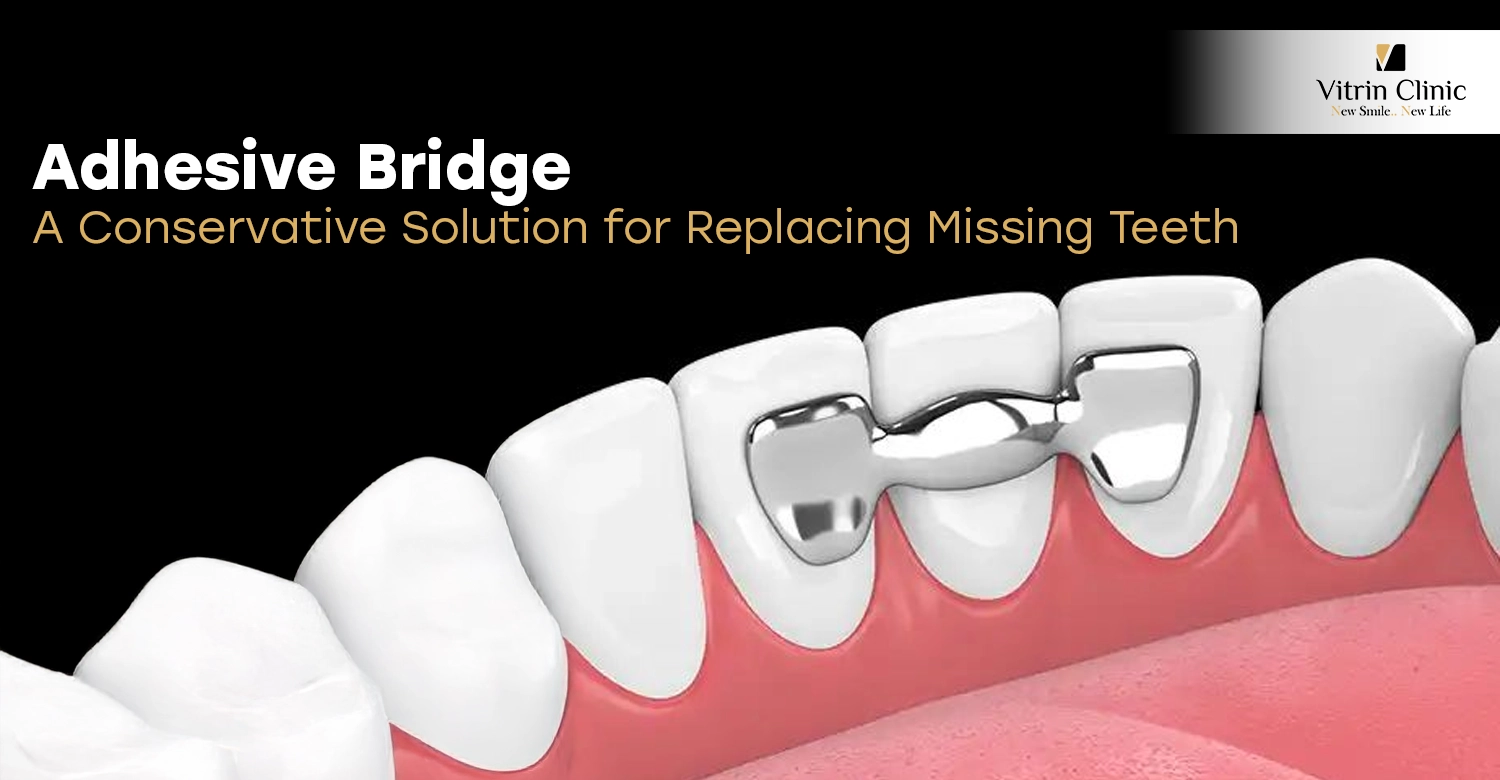
An adhesive bridge offers a minimally invasive approach to replacing missing teeth, making it an excellent choice for patients seeking conservative dental restoration. Unlike traditional bridges that require extensive tooth preparation, this innovative solution preserves natural tooth structure while effectively filling gaps in your smile. The procedure involves bonding an artificial tooth to adjacent healthy teeth using advanced dental adhesives, providing both functional and aesthetic benefits without the need for crowns or invasive surgery.
What Is an Adhesive Bridge in Dentistry?
This dental restoration represents a modern, conservative approach to tooth replacement that prioritizes preservation of natural tooth structure. This fixed prosthetic solution uses specialized bonding materials to secure an artificial tooth to the backs of neighboring teeth. The technique has revolutionized restorative dentistry by offering patients a minimally invasive alternative to traditional bridges and implants, making it particularly appealing for those hesitant about extensive dental procedures or surgery.
Definition of an Adhesive Bridge
An adhesive bridge is a minimally invasive fixed dental restoration specifically designed to replace one or more missing teeth without significant alteration to adjacent healthy teeth. This conservative solution utilizes a pontic (artificial tooth) that is bonded to neighboring teeth using high-strength dental adhesive materials. The restoration preserves natural tooth enamel while providing a stable, functional replacement that restores both aesthetics and chewing ability in the affected area.
How an Adhesive Bridge Works
The restoration functions through an artificial tooth supported by thin metal or ceramic wings that bond to the back surfaces of adjacent natural teeth. These wings are precisely crafted to fit the lingual (tongue-side) surface of supporting teeth, requiring no or minimal tooth preparation. The system relies on advanced bonding agents that create a strong chemical and mechanical bond, allowing the prosthetic to withstand normal biting forces while maintaining the integrity of healthy tooth structure.
Types of Adhesive Bridges
Various designs are available to meet different aesthetic and functional needs, each offering unique advantages depending on the location of the missing tooth and patient preferences. Understanding these options helps patients and dentists select the most appropriate solution. From traditional metal-supported designs to modern all-ceramic options, the choice depends on factors including tooth position, bite forces, aesthetic requirements, and budget considerations for optimal restoration outcomes.
Maryland Adhesive Bridge
The Maryland design features metal or ceramic wings that bond to adjacent teeth, representing the most common and well-established type. This design typically uses a metal framework with porcelain fused to the front-facing surface for aesthetics. Maryland bridges are particularly popular for front teeth replacement where bite forces are moderate. The technique used with Maryland bridges has proven reliable over decades, offering predictable results for appropriate cases.
Zirconia Adhesive Bridge
Zirconia options provide a completely metal-free solution with exceptional strength and natural appearance, making them ideal for patients concerned about metal allergies or aesthetics. These all-ceramic bridges utilize high-strength zirconia material that bonds effectively to tooth enamel while matching the translucency of natural teeth. The restoration constructed from zirconia offers superior aesthetics compared to metal-framed alternatives, particularly important for visible front teeth where any gray shadowing from metal would be unacceptable.
Fiber-Reinforced Adhesive Bridge
Fiber-reinforced designs incorporate lightweight, flexible composite materials reinforced with glass or polyethylene fibers, creating a durable yet adaptable restoration. These bridges are particularly suitable as temporary or transitional solutions while patients await permanent restoration or implant healing. The approach using fiber reinforcement provides adequate strength for short to medium-term use while remaining more affordable than ceramic options, making them practical for specific clinical situations.
Feel the electric playmaking in Ja’Marr Chase’s Cincinnati Bengals smile
Step-by-Step Process of Getting an Adhesive Bridge
Understanding the procedure helps patients feel confident and prepared for their treatment journey. The process typically involves several carefully planned steps, each designed to ensure optimal fit, function, and aesthetics. From initial evaluation through final placement, your dentist at Vitrin Clinic follows precise protocols to deliver a restoration that meets the highest standards of quality and patient satisfaction throughout every phase of treatment.
Initial Consultation and Assessment
The process begins with a comprehensive evaluation where your dentist examines the missing tooth area, assesses the health and structure of supporting teeth, and analyzes your bite pattern. Digital X-rays and photographs document your current dental condition. Your dentist discusses your expectations, reviews treatment options, and determines whether this restoration represents the best solution for your specific situation. This thorough assessment ensures the treatment will deliver successful, long-lasting results.
Tooth Surface Preparation
Tooth surface preparation involves minimal or no enamel reduction, preserving natural tooth structure that would otherwise be lost with traditional bridges. Your dentist lightly etches the bonding surfaces to create microscopic irregularities that enhance adhesive retention. Impressions or digital scans capture precise tooth dimensions and relationships. This conservative preparation distinguishes the restoration from conventional bridges, protecting healthy enamel while ensuring adequate bonding surface area for stable, durable results.
Adhesive Bridge Placement
During placement, your dentist carefully positions the prosthetic wings against prepared tooth surfaces using advanced bonding protocols that ensure maximum adhesive strength. The teeth are isolated, cleaned, and treated with bonding agents before the restoration is precisely cemented into place. Your dentist checks your bite alignment, making necessary adjustments to ensure comfortable closure and proper force distribution. This meticulous placement process determines the long-term success and comfort of your restoration.
Final Polishing and Fit Check
The final phase involves thorough polishing of the margins and surfaces to create smooth transitions between the prosthetic and natural teeth, preventing plaque accumulation and ensuring patient comfort. Your dentist tests your bite from multiple angles, confirms that the artificial tooth looks natural, and verifies that you can floss easily around the restoration. This quality control step ensures your new tooth feels comfortable, functions properly, and delivers the natural-looking aesthetic results you expect.
Witness the sheer force of Derrick Henry’s Baltimore Ravens smile transformation
Key Differences Between Adhesive Bridges and Traditional Dental Bridges
Understanding the distinctions between these restoration types helps patients make informed decisions about their tooth replacement options. These differences span multiple important factors including invasiveness, durability, reversibility, and cost. While both solutions effectively replace missing teeth, the adhesive bridge dental approach offers unique advantages that make it preferable for specific situations, particularly when preserving healthy tooth structure is a priority for the patient and dentist.
Tooth Preparation
Treatment requires minimal tooth preparation, typically involving only light surface etching of adjacent teeth without removing significant enamel structure. In contrast, traditional bridges demand substantial enamel reduction on supporting teeth to accommodate full-coverage crowns. This fundamental difference means the restoration preserves healthy tooth structure, reducing the risk of sensitivity and maintaining natural tooth strength. The conservative nature of preparation makes it reversible and less invasive overall.
Durability and Strength
The restoration provides suitable strength for light to moderate biting forces, making it ideal for front teeth and premolars where chewing forces are less intense. Traditional bridges, however, offer superior strength and durability for back teeth that endure heavy grinding and chewing pressure. The metal or ceramic crowns used in traditional bridges provide more robust support for pontics. While this works excellently for appropriate cases, traditional bridges remain preferable for high-stress posterior tooth replacement situations.
Reversibility
One significant advantage is that it can often be removed without causing permanent damage to supporting teeth, since minimal or no enamel was removed during preparation. Traditional bridges, however, are essentially permanent because supporting teeth have been significantly reduced to accommodate crowns and cannot return to their original form. This reversibility makes the option particularly attractive for younger patients or those who may want future treatment alternatives.
Cost Comparison
These restorations are generally more affordable than traditional bridges because they require less tooth preparation, fewer dental visits, and less laboratory work in their construction. Traditional bridges involve more complex procedures including crown fabrication for multiple teeth, extensive lab work, and additional chairtime. The restoration typically costs thirty to fifty percent less than conventional bridges. This cost-effectiveness makes the solution accessible to more patients while still delivering excellent functional and aesthetic results.
See the defensive dominance in Myles Garrett’s Cleveland Browns smile journey
Benefits of an Adhesive Bridge
The restoration offers numerous compelling advantages that make it an attractive option for appropriate candidates seeking tooth replacement. These benefits extend beyond the clinical aspects to include practical considerations like treatment time and affordability. Understanding these advantages helps patients appreciate why this conservative approach has become increasingly popular in modern restorative dentistry. From preserving healthy teeth to delivering natural aesthetics, this solution provides value across multiple dimensions.
Conservative and Minimally Invasive
The restoration preserves healthy adjacent teeth by requiring little to no enamel removal, representing the most conservative fixed tooth replacement option available. Unlike traditional bridges that necessitate crowning healthy teeth, this approach respects natural tooth structure and maintains optimal dental health. The minimally invasive nature reduces treatment anxiety for many patients while eliminating the need for anesthesia in some cases, making the experience more comfortable and less stressful overall.
Faster Treatment Time
The procedure can often be completed in just one or two dental visits, significantly faster than traditional bridges or dental implants that may require multiple appointments over several months. The simplified preparation process and straightforward placement protocol reduce chairtime considerably. This efficiency makes the solution ideal for patients needing quick tooth replacement or those with busy schedules. The streamlined treatment timeline doesn’t compromise quality while offering the convenience that modern patients increasingly value.
Aesthetic Results
The restoration blends naturally with surrounding teeth through careful shade matching and contouring that creates seamless integration with your existing smile. Modern materials and techniques allow the pontic to mimic the translucency, texture, and color variations found in natural teeth. The solution is especially effective for front teeth replacement where aesthetics are paramount. The thin wings remain hidden behind teeth, eliminating the visible metal margins sometimes seen with traditional bridges near the gumline.
Cost-Effective Tooth Replacement
This provides an economical alternative to implants and traditional bridges while still delivering excellent functional and aesthetic outcomes for appropriate cases. The lower material costs, reduced labor requirements, and simplified procedure make this restoration more accessible to patients with budget constraints. The option offers outstanding value, particularly for younger patients or those seeking a transitional solution. This affordability doesn’t mean compromised quality when performed by skilled dentists using premium materials.
Discover the record-setting talent behind Justin Jefferson’s Minnesota Vikings smile
Limitations of Adhesive Bridges
While this restoration offers numerous benefits, understanding its limitations ensures realistic expectations and appropriate case selection. Not every missing tooth scenario is ideally suited for this conservative restoration approach. Being aware of these constraints helps patients and dentists determine whether this represents the optimal solution or whether alternative treatments might better serve long-term dental health goals. Honest discussion of limitations prevents disappointment and supports informed treatment planning.
Not Ideal for All Cases
The restoration works best for replacing single missing teeth in areas with light to moderate bite forces, particularly incisors and canines. This solution is less suitable for molars where heavy grinding forces could stress the adhesive bond and cause debonding. Multiple missing teeth generally cannot be replaced with a single restoration due to span limitations and stability concerns. The approach requires careful case selection to ensure long-term success and patient satisfaction.
Bonding Strength Considerations
The restoration relies entirely on chemical and mechanical bonding to tooth enamel, which can potentially loosen under excessive or repetitive heavy bite forces over time. Unlike traditional bridges with full crown retention, this depends on maintaining intact bonding at the wing-tooth interface. Patients who grind their teeth (bruxism) may experience higher failure rates. Proper case selection considering bite forces, tooth position, and patient habits is essential for ensuring the restoration remains stable.
Lifespan Expectations
The restoration typically lasts five to ten years with proper care and maintenance, which is generally shorter than traditional bridges or implants that may last fifteen to twenty-five years or longer. The resin bond can degrade over time with exposure to oral fluids, temperature changes, and mechanical stress. However, when replacement becomes necessary, the conservative nature of the original preparation means the procedure can often be repeated without additional tooth structure loss.
See the lockdown artistry in Patrick Surtain II’s Denver Broncos smile story
Who Is a Good Candidate for an Adhesive Bridge?
Determining candidacy involves evaluating multiple factors including the location of the missing tooth, the health of adjacent teeth, bite characteristics, and patient habits. The ideal candidate possesses specific attributes that maximize the likelihood of long-term success with this conservative restoration. Understanding these criteria helps patients assess whether the solution aligns with their particular situation and supports collaborative decision-making between patient and dentist for optimal treatment outcomes.
Ideal Candidates
Ideal candidates include patients missing one tooth, particularly in the front of the mouth where bite forces are lighter and aesthetics are important. Adjacent teeth should be healthy, undamaged, and have sufficient enamel for bonding. Good oral hygiene habits are essential since the restoration requires careful maintenance to prevent decay at margins. Younger patients seeking conservative treatment and those who want to avoid implant surgery often make excellent candidates for this approach.
When Adhesive Bridges May Not Be Recommended
The restoration may not be recommended for patients with heavy grinding or clenching habits (bruxism) that could stress and debond the prosthetic prematurely. Multiple missing teeth typically require more substantial restoration approaches than this can provide. Poor enamel quality due to developmental defects, heavy fluorosis, or significant restorations in adjacent teeth may compromise bonding effectiveness. Patients with extremely heavy bite forces or those missing posterior molars should consider alternative treatments like implants or traditional bridges.
Witness the pass-rush fury of Trey Hendrickson’s Cincinnati Bengals smile.
Why to Choose an Adhesive Bridge?
Selecting this restoration involves weighing multiple compelling factors that make this treatment approach attractive for appropriate candidates. Beyond the technical and clinical advantages, patients choose this option for practical reasons related to comfort, convenience, and oral health philosophy. The solution represents a modern approach to tooth replacement that respects natural tooth structure while delivering excellent results. Understanding these motivations helps clarify whether this restoration aligns with your personal dental values.
Minimally Invasive Tooth Replacement
Choosing this restoration means preserving your natural enamel structure, which cannot be replaced once removed during crown preparation for traditional bridges. This minimally invasive approach aligns with conservative dentistry principles that prioritize maintaining natural tooth substance whenever possible. The solution represents an ethical treatment choice for patients who value conservative care and want to avoid irreversible tooth reduction. This philosophy resonates particularly strongly with younger patients concerned about long-term dental health.
Fast and Comfortable Treatment
The procedure is usually completed in just one or two dental visits without requiring surgery or extended healing periods that characterize implant treatment. The simplified procedure involves minimal discomfort, often requiring little or no anesthesia since extensive tooth preparation is unnecessary. This comfortable treatment experience reduces dental anxiety while delivering results quickly. The process respects your time while providing a fixed tooth replacement solution that restores your smile functionality without prolonged treatment timelines.
Natural Aesthetic Results
The restoration is carefully designed to blend seamlessly with your surrounding teeth through expert shade matching, contouring, and attention to subtle details like surface texture and translucency. Modern ceramic and composite materials mimic natural tooth characteristics convincingly. This solution proves especially suitable for front and visible teeth where any aesthetic compromise would be unacceptable. The restoration delivers a clean, natural-looking smile that allows you to feel confident in professional and social situations without others detecting your dental work.
Reversible and Flexible Option
Unlike traditional bridges that permanently alter supporting teeth through extensive reduction, this restoration can often be removed without causing significant damage to adjacent teeth since minimal enamel was removed. This reversibility provides flexibility for future treatment options if your needs change. The solution serves effectively as either a transitional option while planning long-term treatment or as a definitive restoration for many years. This flexibility appeals to patients who value keeping future options open.
Ideal for Specific Dental Needs
The restoration perfectly addresses the challenge of replacing a single missing tooth without the invasiveness of implant surgery or the irreversible tooth modification required for traditional bridges. This solution is particularly suitable when adjacent teeth are healthy and unblemished, making it wasteful to crown them unnecessarily. The treatment shines in situations requiring conservative care, quick results, and excellent aesthetics, making it an intelligent choice for the right patient profile and clinical circumstances.
Feel the defensive heartbeat in Fred Warner’s San Francisco 49ers smile journey
Common Questions About Adhesive Bridges
Patients considering this restoration naturally have questions about appearance, function, reliability, and longevity. Addressing these common concerns helps set realistic expectations and builds confidence in treatment decisions. Understanding practical aspects of living with this restoration enables patients to make informed choices. The following questions and answers cover the most frequent inquiries that arise during consultations, providing clarity about this conservative tooth replacement option.
Do adhesive bridges look natural?
Yes, these restorations are specifically designed to match your natural tooth color, shape, and translucency characteristics, ensuring seamless integration with your existing smile. Skilled dental ceramists use layering techniques and shade customization to replicate the subtle color variations found in real teeth. The thin wings remain hidden behind adjacent teeth where they’re invisible. When properly crafted and placed, the restoration is virtually indistinguishable from natural teeth, even under close inspection.
Can I eat normally with an adhesive bridge?
Yes, you can eat normally with this restoration, though reasonable precautions regarding extremely hard or sticky foods are advisable to prevent stressing the adhesive bond. Most patients comfortably consume their regular diet without restrictions after a brief adjustment period. Chewing forces are distributed across the bonded wings to adjacent teeth, providing stability. The restoration functions effectively for biting and chewing typical foods, though avoiding habits like ice chewing or opening packages with teeth protects your investment.
Can an adhesive bridge fall off?
Debonding is rare when proper bonding protocols are followed and the case is appropriately selected, though it remains a possibility with this restoration type. Modern adhesive systems create strong chemical and mechanical bonds that resist normal oral forces. If debonding occurs, it typically happens relatively early or results from excessive forces. Most restorations remain securely bonded for many years. If debonding does occur, your dentist can often rebond the prosthetic successfully.
Is an adhesive bridge permanent?
The restoration is considered semi-permanent rather than truly permanent, providing durable tooth replacement that typically lasts five to ten years or longer with proper care and maintenance. Unlike dental implants fused to bone or traditional bridges cemented to crowned teeth, this can potentially be removed and replaced if necessary. This characteristic offers flexibility while still providing fixed, stable tooth replacement during daily function. The restoration serves as a long-term solution for many patients.
Why Choose Vitrin Clinic for Adhesive Bridge Dental Treatment
Selecting the right dental clinic for your treatment significantly impacts both the immediate results and long-term success of your restoration. Vitrin Clinic offers specialized expertise, advanced technology, and personalized care that ensures optimal outcomes for patients seeking conservative tooth replacement. Understanding what distinguishes Vitrin Clinic helps patients feel confident in their treatment choice. From skilled practitioners to comprehensive follow-up care, Vitrin Clinic delivers excellence throughout the treatment journey.
Expertise in Minimally Invasive Dentistry
Vitrin Clinic’s skilled cosmetic and restorative dentists specialize in conservative treatment approaches that preserve natural tooth structure while delivering exceptional aesthetic and functional results. Our team has extensive experience placing these restorations using precision-driven techniques that maximize bonding strength and longevity. We stay current with the latest advances in adhesive dentistry through continuing education and incorporate evidence-based protocols. This expertise ensures your restoration receives the meticulous attention to detail required for successful outcomes.
Custom Aesthetic Smile Design
At Vitrin Clinic, every restoration is custom-designed to achieve natural color matching and seamless integration with your existing teeth, ensuring results that exceed your expectations. We use advanced shade-taking techniques and communicate precise specifications to our dental laboratory. The pontic is carefully contoured to replicate the size, shape, and surface characteristics of your natural tooth. This commitment to aesthetic excellence means your restoration will look completely natural and complement your smile beautifully.
Personalized Care and Long-Term Support
Vitrin Clinic provides personalized care beginning with careful case selection to ensure this restoration represents the optimal treatment for your specific situation, considering your bite, habits, and aesthetic goals. We don’t recommend this solution unless we’re confident it will serve you well long-term. Our commitment extends beyond placement with ongoing follow-up appointments and maintenance support. This comprehensive approach to care ensures your restoration continues functioning optimally and addresses any concerns promptly.
Conclusion
This restoration represents an innovative, conservative approach to tooth replacement that offers compelling benefits for appropriately selected patients seeking minimally invasive dental solutions. Throughout this comprehensive guide, we’ve explored the definition, types, procedures, benefits, and limitations of this treatment. Understanding these aspects empowers you to make informed decisions about whether this restoration aligns with your dental needs, values, and goals for long-term oral health and smile aesthetics.
Key Takeaways About Adhesive Bridges
This restoration provides conservative, non-invasive tooth replacement that preserves healthy enamel structure on adjacent teeth, distinguishing it from traditional bridges requiring extensive tooth preparation. The solution is particularly ideal for front teeth replacement and filling single gaps where bite forces are moderate. It offers excellent aesthetics, reasonable durability, faster treatment timelines, and cost advantages compared to implants or traditional bridges, making it an intelligent choice for the right candidate seeking value and conservative care.
Book Your Consultation at Vitrin Clinic
Schedule your personalized evaluation at Vitrin Clinic to discover whether this conservative restoration represents the ideal solution for your missing tooth concerns and aesthetic goals. Our experienced team will thoroughly assess your dental condition, discuss your treatment preferences, and provide honest recommendations tailored to your unique situation. We’ll answer all your questions and create a customized treatment plan. Contact Vitrin Clinic today to begin your journey toward a complete, beautiful smile.
FAQs
What is an adhesive bridge?
An adhesive bridge is a minimally invasive dental restoration used to replace missing teeth by bonding an artificial tooth to the backs of adjacent natural teeth using specialized dental adhesives. Unlike traditional bridges that require significant tooth preparation and crowns, this restoration preserves natural tooth structure through conservative bonding techniques. The prosthetic consists of a pontic (replacement tooth) supported by thin wings that attach to neighboring teeth with minimal or no enamel removal required.
What is an adhesive bridge dental solution?
The adhesive bridge dental solution is a fixed prosthetic tooth replacement approach that uses advanced bonding materials to secure an artificial tooth without the need for invasive tooth preparation or surgery. This treatment option represents a conservative alternative to traditional bridges and implants, particularly suitable for replacing single front teeth. The technique has evolved significantly with modern adhesive technologies, offering patients a reliable, aesthetic, and tooth-structure-preserving method for restoring missing teeth with predictable long-term results.
How long does an adhesive bridge last?
The restoration typically lasts between five to ten years with proper care, maintenance, and regular dental checkups, though some function successfully for longer periods. Longevity depends on factors including bite forces, tooth location, bonding quality, and patient habits like teeth grinding. Front tooth restorations generally last longer than those replacing teeth subjected to heavier chewing forces. With good oral hygiene and avoiding excessive stress on the prosthetic, many patients enjoy years of successful function from their restoration.
Is an adhesive bridge better than an implant?
Whether this restoration is better than an implant depends entirely on individual circumstances, preferences, and clinical factors rather than one being universally superior to the other. This option offers faster treatment, lower cost, no surgery, and preservation of adjacent tooth structure. Implants provide superior longevity, don’t rely on neighboring teeth, and preserve jawbone density. The restoration works excellently for appropriate candidates seeking conservative care, while implants suit patients wanting the most durable standalone replacement despite higher cost and surgical requirements.
Can adhesive bridges be removed?
Yes, these restorations can often be removed by a dentist without causing significant permanent damage to the supporting teeth, particularly since minimal tooth preparation was performed during initial placement. This reversibility distinguishes them from traditional bridges where supporting teeth have been extensively reduced and cannot return to their original form. If removal becomes necessary due to debonding, damage, or patient preference for alternative treatment, the procedure is relatively straightforward and preserves future treatment options.
Are adhesive bridges suitable for front teeth?
Yes, these restorations are particularly well-suited for replacing missing front teeth where aesthetics are paramount and biting forces are lighter compared to posterior teeth. The thinner tooth structure and reduced chewing stress in anterior regions make this area ideal for placement. Front tooth applications showcase the aesthetic advantages since modern materials blend seamlessly with natural enamel. The hidden wing design ensures no visible metal or framework compromises your smile appearance during close conversation or photography.
Do adhesive bridges damage natural teeth?
No, these restorations do not damage natural teeth when properly placed, since they require minimal to no enamel removal and rely on bonding rather than extensive tooth preparation. The conservative nature preserves healthy tooth structure on adjacent teeth. Unlike traditional bridges that necessitate significant enamel reduction for crown placement, potentially weakening teeth, this restoration maintains natural tooth strength. Proper oral hygiene around the prosthetic prevents decay, ensuring supporting teeth remain healthy throughout the lifespan of your restoration.
What affects the adhesive bridge cost?
Cost is influenced by several factors including materials used (metal framework, zirconia, or fiber-reinforced composites), geographic location of the dental practice, dentist expertise and reputation, laboratory fees, and complexity of your specific case. All-ceramic versions typically cost more than metal-framework designs due to premium materials and fabrication requirements. Additional factors include the number of teeth being replaced and whether preliminary treatments like orthodontics or gum therapy are needed. Vitrin Clinic provides transparent pricing during consultation.
Is adhesive bridge dental treatment painful?
No, treatment is typically not painful since the procedure involves minimal tooth preparation, often requiring little or no anesthesia depending on individual sensitivity. Most patients experience only mild pressure during tooth surface preparation and impression taking. The bonding process itself is completely painless. Some patients report minor sensitivity in supporting teeth for a few days after placement as they adjust to the restoration, but this discomfort is temporary and easily managed with over-the-counter pain relievers if needed.
Why choose Vitrin Clinic for adhesive bridge dental treatment?
Choose Vitrin Clinic because we offer specialized expertise in minimally invasive dentistry, using precision techniques and premium materials to ensure optimal bonding strength and natural aesthetics. Our experienced team provides personalized care through thorough case evaluation, honest treatment recommendations, and meticulous attention to detail during every procedure phase. We’re committed to conservative dentistry principles that preserve your natural tooth structure. Vitrin Clinic delivers exceptional results with comprehensive follow-up support, ensuring your satisfaction and restoration longevity.


