All About Endosteal Implants represents the gold standard in modern tooth replacement, offering patients a permanent solution that looks and functions like natural teeth. Understanding what makes an endosteal implant the most popular choice helps patients make informed decisions about their oral health. This comprehensive guide covers everything from the basic endosteal implant definition to recovery expectations, ensuring you’re fully prepared for your treatment journey.
What is All About Endosteal Implants and How Does It Work?
An endosteal implant is a titanium post surgically inserted directly into the jawbone to replace missing tooth roots. Unlike other implant types, the endosteal implant anchors within the bone itself, creating exceptional stability. Over several months, bone tissue fuses with the endosteal implant through osseointegration. This biological process makes the endosteal implant as strong as natural tooth roots, capable of supporting crowns, bridges, or dentures permanently.
Definition of Endosteal Implants
The endosteal implant is the most widely used dental implant type, accounting for over 95% of all implant procedures worldwide. The term “endosteal” means “in the bone,” describing how this endosteal implant is placed directly into jawbone tissue. Typically cylindrical or tapered in shape, the endosteal implant comes in various sizes to accommodate different anatomical situations and tooth positions throughout the mouth.
Most common type of dental implant: Dentists prefer the endosteal implant due to its proven track record and versatility in treating various tooth loss scenarios. Whether replacing a single tooth or supporting full-arch restorations, the endosteal implant adapts to diverse clinical situations. Advanced manufacturing techniques ensure each endosteal implant meets rigorous quality standards for biocompatibility and strength, contributing to exceptional long-term success rates.
Placed directly into the jawbone: Unlike alternative implant designs, the endosteal implant is surgically embedded within the jawbone structure itself. This direct placement allows the endosteal implant to distribute chewing forces naturally throughout the bone. The surgical procedure involves creating a precise channel in the jawbone where the endosteal implant is carefully positioned. This intimate bone contact is essential for the integration process that makes the endosteal implant permanently stable.
How Endosteal Implants Function
The endosteal implant functions by replacing the natural tooth root that was lost. Once integrated with bone, the endosteal implant provides a stable foundation for various dental restorations. A connecting piece called an abutment attaches to the top of the endosteal implant, protruding through the gum tissue. This abutment then supports crowns, bridges, or dentures, completing the functional restoration. The endosteal implant transmits biting forces to the jawbone, maintaining bone health.
Anchoring crowns, bridges, or dentures: A single endosteal implant can support an individual crown to replace one missing tooth. Multiple endosteal implant units can anchor fixed bridges spanning several missing teeth. For patients missing all teeth, strategic endosteal implant placement supports complete dentures securely. This versatility makes the endosteal implant suitable for virtually any tooth replacement scenario, from single-tooth gaps to full-mouth rehabilitation.
Integration with the bone (osseointegration): Osseointegration is the biological process where bone cells grow directly onto the endosteal implant surface. During the months following placement, the endosteal implant becomes permanently fused with surrounding bone tissue. This integration creates a bond stronger than the original tooth-bone connection. Successful osseointegration is what makes the endosteal implant a permanent, stable tooth replacement rather than a removable prosthetic device.
Know when you need an emergency dental implant consultation
Endosteal Implant vs Subperiosteal Implant: Key Differences
Understanding the endosteal implant vs subperiosteal implant distinction helps patients comprehend their treatment options. While both serve to replace missing teeth, these implant types differ fundamentally in placement method and applications. The endosteal implant has largely replaced subperiosteal designs due to superior outcomes and versatility. However, knowing when each type might be appropriate ensures patients receive optimal treatment recommendations for their specific situations.
Key Differences
The primary difference between endosteal implant and subperiosteal designs lies in their relationship with the jawbone. An endosteal implant is placed within the bone itself, while subperiosteal implants sit on top of the bone beneath the gum. The endosteal implant requires adequate bone height and width for placement, whereas subperiosteal implants were historically used when insufficient bone existed for an endosteal implant.
Placement method: The endosteal implant placement involves drilling into the jawbone and inserting the titanium post directly into the bone tissue. In contrast, subperiosteal implants use a metal framework that rests on the bone surface under the gum. Modern endosteal implant techniques have evolved to accommodate various bone conditions. With bone grafting options, most patients now qualify for endosteal implant treatment even with compromised bone volume.
Bone requirements: An endosteal implant traditionally required substantial bone volume for successful placement and integration. Patients lacking adequate bone previously couldn’t receive an endosteal implant without grafting procedures. Subperiosteal implants were developed for these situations, though they’re rarely used today. Advanced endosteal implant designs and bone augmentation techniques now allow placement in previously unsuitable cases, expanding treatment availability significantly.
Suitability for different patients: Today, the endosteal implant is suitable for the vast majority of dental implant candidates. Patients with good bone quality are ideal candidates for endosteal implant treatment. Those with bone loss can receive grafting to support an endosteal implant. Subperiosteal implants have become obsolete as endosteal implant technology advanced. Almost all modern implant dentistry centers around the versatile, reliable endosteal implant approach.
Advantages of Endosteal Implants
The endosteal implant offers numerous advantages over alternative tooth replacement methods. Superior longevity distinguishes the endosteal implant from bridges and dentures that require periodic replacement. The bone-integration characteristic of an endosteal implant preserves jawbone structure, preventing the facial collapse associated with tooth loss. Additionally, the endosteal implant doesn’t require altering adjacent teeth, unlike traditional bridges that necessitate grinding down healthy tooth structure.
Higher success rate: Modern endosteal implant procedures boast success rates exceeding 95% when performed by experienced clinicians. This exceptional reliability stems from decades of research refining endosteal implant design and surgical protocols. The predictable osseointegration of an endosteal implant creates permanent stability. Improvements in surface treatments enhance how quickly bone bonds with the endosteal implant. These factors combine to make the endosteal implant the most dependable tooth replacement option.
Long-term durability: An endosteal implant can last decades or even a lifetime with proper care and maintenance. Unlike dentures requiring replacement every 5-7 years, the endosteal implant becomes a permanent part of your jaw. The crown attached to an endosteal implant may need replacement after 10-15 years, but the implant itself typically remains stable indefinitely. This longevity makes the endosteal implant cost-effective despite higher initial investment compared to other options.
Explore the transformative solution of full mouth dental implants
Step-by-Step Endosteal Implant Procedure Explained
The endosteal implant procedure follows a systematic approach ensuring optimal outcomes and patient comfort. Understanding each phase of endosteal implant treatment helps patients prepare mentally and physically. While the complete endosteal implant procedure spans several months, individual appointments are straightforward and well-tolerated. Modern techniques make the endosteal implant placement process more comfortable and predictable than ever before, with most patients experiencing minimal disruption to daily activities.
Initial Consultation and Assessment
Your endosteal implant journey begins with comprehensive evaluation of your oral health and treatment needs. The dentist examines your teeth, gums, and jawbone condition to determine endosteal implant suitability. This initial assessment identifies any preparatory work needed before endosteal implant placement. Understanding your medical history, medications, and aesthetic goals allows creation of a personalized endosteal implant treatment plan tailored specifically to your unique circumstances.
Oral examination and imaging: Advanced imaging including X-rays and CT scans reveals bone quality and quantity available for endosteal implant placement. These images show the exact position of nerves, sinuses, and other anatomical structures that must be avoided during endosteal implant surgery. Digital planning software allows virtual placement of your endosteal implant before the actual procedure. This precision planning ensures optimal endosteal implant positioning for both function and aesthetics.
Customized treatment planning: Based on diagnostic findings, your dentist creates a detailed endosteal implant treatment roadmap. This plan specifies the number, size, and location of each endosteal implant needed. If bone grafting or other preparatory procedures are necessary before endosteal implant placement, they’re scheduled appropriately. The timeline from first consultation to completed endosteal implant restoration is outlined with realistic expectations. Cost estimates cover all phases of your endosteal implant treatment.
Tooth Extraction and Bone Preparation (if needed)
When replacing a damaged tooth with an endosteal implant, extraction typically occurs first. Sometimes the endosteal implant can be placed immediately following extraction in the same appointment. Other cases require healing time before endosteal implant placement. If your jawbone lacks adequate volume for an endosteal implant, bone grafting procedures add necessary support. These preparatory steps ensure the best possible foundation for your endosteal implant.
Preparing the jawbone for implant placement: Bone grafting builds up areas with insufficient bone to support an endosteal implant. Graft material is placed in deficient areas and allowed to integrate over 3-6 months. This creates the volume needed for successful endosteal implant placement. Ridge preservation following tooth extraction maintains bone dimensions for future endosteal implant treatment. Sinus lift procedures create space for endosteal implant placement in the upper posterior jaw.
Be aware of potential dental implant complications
Implant Placement Surgery
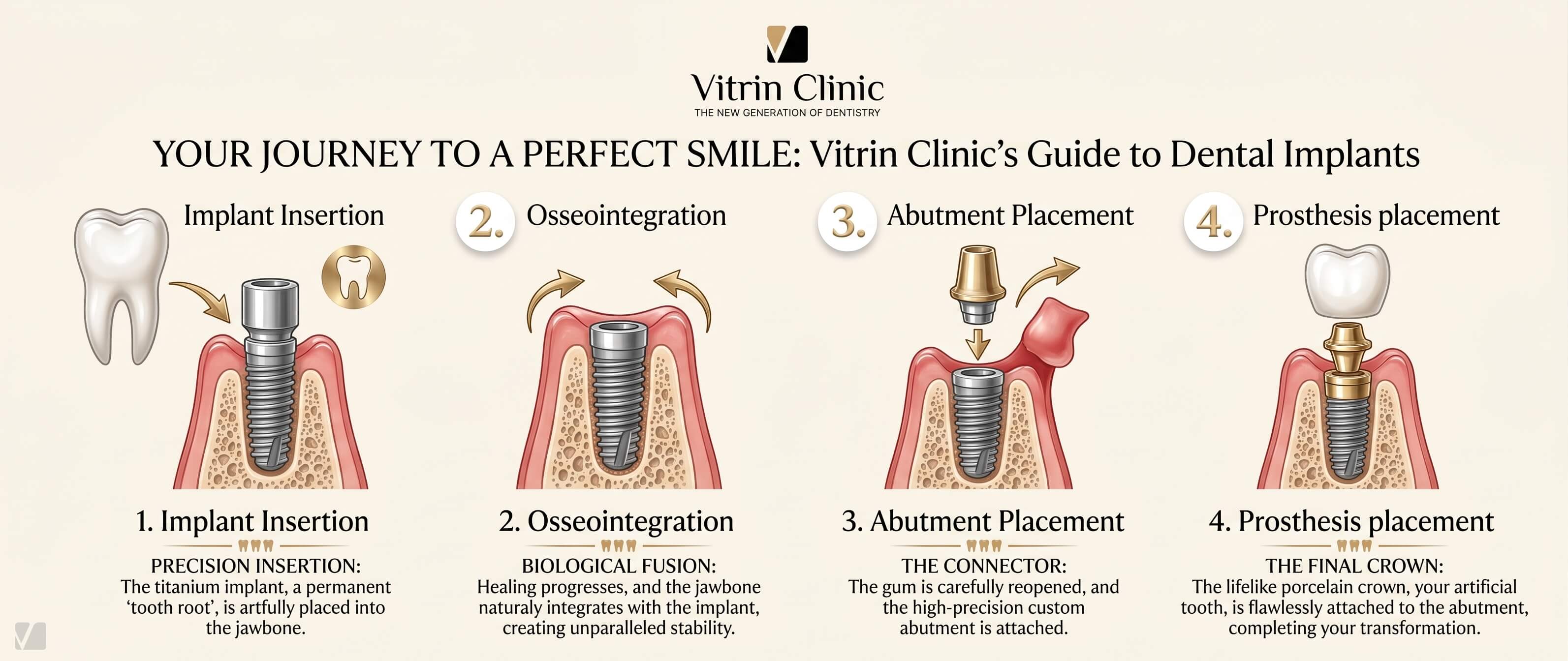
The core endosteal implant procedure involves surgically inserting the titanium post into your jawbone. Under local anesthesia, the dentist makes a small incision in the gum tissue to expose the bone. A precise channel is created in the bone using specialized drills. The endosteal implant is carefully threaded or pressed into this prepared site. The gum is then sutured, either covering the endosteal implant or leaving it exposed depending on the treatment approach chosen.
Inserting the implant into the jawbone: The surgical placement of an endosteal implant typically takes 30-60 minutes per implant. The dentist follows the pre-planned specifications for depth, angle, and position. Sterile techniques prevent infection during endosteal implant placement. Most patients experience only mild pressure during the procedure with no pain due to effective anesthesia. Advanced surgical guides derived from digital planning ensure accurate endosteal implant positioning matching the treatment plan precisely.
Ensuring stability: Primary stability—the initial mechanical fit of the endosteal implant in bone—is crucial for successful integration. The dentist verifies adequate endosteal implant stability before completing surgery. Sometimes immediate temporary crowns can be placed on the endosteal implant if stability is excellent. More commonly, the endosteal implant is left to heal undisturbed for 3-6 months. During this healing period, osseointegration transforms primary stability into permanent biological stability.
Abutment and Crown Placement
Once the endosteal implant has integrated with bone, the restoration phase begins. A connector piece called an abutment is attached to the endosteal implant. This abutment protrudes through the gum, providing the attachment point for your crown or other restoration. Impressions are taken to fabricate a custom crown matching your natural teeth. The final crown is secured to the abutment, completing your endosteal implant restoration with a beautiful, functional tooth.
Connecting the implant to the prosthetic: The abutment serves as the link between your endosteal implant and the visible crown portion. Custom abutments can be fabricated to optimize aesthetics in the visible areas of your smile. The abutment is either screwed or cemented onto the endosteal implant depending on the case specifics. Gum tissue is shaped around the abutment to create natural contours. This attention to detail ensures your completed endosteal implant restoration looks indistinguishable from natural teeth.
Checking aesthetics and bite: Before finalizing your endosteal implant restoration, the dentist verifies proper fit, color, and contour. The bite is carefully adjusted so the crown doesn’t interfere with chewing or jaw movement. The completed endosteal implant should feel comfortable and natural in your mouth. Color and shape are matched to surrounding teeth for seamless integration. Any necessary refinements are made to ensure complete satisfaction with your endosteal implant restoration.
Benefits of Endosteal Implants for Tooth Replacement
The endosteal implant offers comprehensive benefits that make it the premier tooth replacement option. Unlike removable dentures, an endosteal implant feels and functions exactly like your natural teeth. The permanent nature of an endosteal implant eliminates embarrassing slippage or clicking sounds. Furthermore, the endosteal implant preserves your facial structure and jawbone health in ways other replacements cannot. These combined advantages explain why millions choose the endosteal implant annually.
Natural Look and Function
The completed endosteal implant restoration is virtually indistinguishable from natural teeth in appearance. Custom crowns are color-matched and shaped to blend seamlessly with your smile. Because the endosteal implant is anchored in bone, it provides the same stability as natural tooth roots. This allows you to eat, speak, and smile with complete confidence. An endosteal implant doesn’t require special cleaning routines or removal, making it feel like your own tooth.
Restores chewing and speaking: The solid foundation provided by an endosteal implant allows full chewing force without pain or movement. You can enjoy all your favorite foods without restriction after your endosteal implant heals. Speech clarity is maintained or improved with an endosteal implant, as there’s no bulky prosthetic affecting tongue movement. The stability of an endosteal implant prevents the slurred speech sometimes associated with loose dentures. Full oral function returns as though you never lost teeth.
Aesthetically pleasing: Modern endosteal implant restorations achieve exceptional aesthetic results through careful planning and execution. The crown attached to your endosteal implant can be customized to improve upon your original tooth’s appearance. Gum tissue around an endosteal implant can be shaped to create natural contours and height. In the smile zone, the endosteal implant restoration often looks better than the tooth it replaced. No one will know you have an endosteal implant unless you tell them.
Learn about the conservative adhesive bridge option
Long-Term Durability
An endosteal implant is designed to be a permanent solution for tooth loss. Clinical studies show endosteal implant success rates remain above 95% even decades after placement. The titanium used in an endosteal implant is biocompatible and extremely corrosion-resistant. While the crown may need replacement after 10-15 years, the endosteal implant itself typically lasts a lifetime. This longevity makes an endosteal implant the most cost-effective solution when considering long-term value.
High success rates: Modern endosteal implant procedures have been refined through decades of research and clinical experience. When placed by experienced clinicians in appropriate candidates, endosteal implant failure is rare. Most endosteal implant complications occur within the first year if at all. After successful osseointegration, an endosteal implant has excellent long-term prognosis. Proper oral hygiene and regular dental visits ensure your endosteal implant remains healthy and functional for decades.
Can last decades with proper care: With diligent oral hygiene and professional maintenance, an endosteal implant can function for 25 years or longer. Many patients with an endosteal implant placed decades ago still have their original implants functioning perfectly. The crown on an endosteal implant may need replacement due to wear, but the implant itself rarely fails once integrated. This exceptional longevity distinguishes the endosteal implant from bridges and dentures requiring periodic replacement throughout your lifetime.
Preservation of Jawbone
One unique advantage of an endosteal implant is its ability to preserve and stimulate jawbone tissue. Natural tooth roots transmit chewing forces to bone, stimulating it to maintain density. When teeth are lost, this stimulation disappears and bone gradually dissolves. An endosteal implant replicates this natural stimulation, preventing bone loss. This preservation maintains facial structure and prevents the sunken appearance associated with extensive tooth loss and denture wear.
Prevents bone loss after tooth extraction: Unlike bridges or dentures, an endosteal implant actively maintains bone volume in the area of tooth loss. The mechanical loading of an endosteal implant during chewing stimulates bone remodeling and preservation. Areas without an endosteal implant can lose 25% of bone width within the first year after tooth loss. Placing an endosteal implant soon after extraction prevents this deterioration. The bone-preserving property of an endosteal implant protects long-term facial aesthetics and oral health.
Endosteal Implant Recovery: What to Expect
Understanding the endosteal implant recovery process helps patients prepare appropriately and know what’s normal. The recovery from endosteal implant surgery occurs in two distinct phases. Immediate surgical recovery lasts about one week, during which you’ll experience some swelling and minor discomfort. Long-term healing involves the osseointegration of your endosteal implant with bone, occurring over 3-6 months without symptoms. Both phases are essential for successful endosteal implant treatment.
Immediate Post-Operative Care
The first few days after endosteal implant placement require some special attention and care. You’ll experience mild to moderate swelling and possibly minor bruising. Discomfort is typically well-controlled with prescribed or over-the-counter pain medications. Following post-operative instructions carefully ensures your endosteal implant heals properly without complications. Most patients return to normal activities within 2-3 days after endosteal implant surgery, though strenuous exercise should be avoided for about one week.
Swelling, pain, and diet recommendations: Expect facial swelling that peaks around day two or three after endosteal implant placement. Apply ice packs during the first 24 hours to minimize swelling around your new endosteal implant. Pain is usually mild and manageable with medication prescribed by your dentist. Stick to soft foods for the first few days, avoiding chewing near the endosteal implant site. Hot liquids, alcohol, and smoking should be avoided during initial endosteal implant recovery.
Long-Term Healing
After initial surgical recovery, the critical phase of endosteal implant integration begins. During the next 3-6 months, bone tissue grows directly onto the endosteal implant surface. This osseointegration process occurs without symptoms—you won’t feel it happening. During this time, the endosteal implant should be protected from excessive forces. Temporary restorations may be provided for aesthetics and function. Regular checkups monitor how your endosteal implant is integrating with bone.
Osseointegration: This biological fusion between your endosteal implant and jawbone is the foundation of successful treatment. Bone cells migrate to the endosteal implant surface and directly attach to it. The titanium surface of an endosteal implant is specially treated to encourage this bone bonding. Lower jaw endosteal implant sites typically integrate in 3-4 months, while upper jaw requires 5-6 months. Smoking, diabetes, and poor oral hygiene can interfere with endosteal implant osseointegration.
Regular follow-ups: Your dentist will schedule periodic appointments to monitor endosteal implant healing and integration. These checkups ensure the endosteal implant is stable and healing progresses normally. X-rays may be taken to verify bone growth around the endosteal implant. Any concerns about pain, mobility, or infection are addressed during these visits. Once the endosteal implant has fully integrated, you’ll proceed to the restoration phase with abutment and crown placement.
Top Reasons Dentists Recommend Endosteal Implants
Dental professionals overwhelmingly favor the endosteal implant for tooth replacement due to its proven track record. Decades of research and clinical experience have established the endosteal implant as the gold standard. The versatility of an endosteal implant allows treatment of virtually any tooth loss scenario. Predictable outcomes and high patient satisfaction make the endosteal implant the first choice for discerning dentists. Understanding why professionals prefer the endosteal implant helps patients feel confident in this treatment option.
Suitable for Most Patients
The endosteal implant can be used in a wide variety of clinical situations and patient types. Whether replacing a single front tooth or multiple back teeth, the endosteal implant adapts perfectly. Patients from young adulthood through senior years can receive an endosteal implant successfully. Even those with bone loss can often receive an endosteal implant after grafting procedures. This broad applicability makes the endosteal implant the standard solution for tooth replacement.
Standard option for single and multiple teeth: A single endosteal implant replacing one tooth is the most conservative, tooth-preserving option available. Multiple endosteal implant units can support bridges replacing several consecutive missing teeth. Strategic endosteal implant placement throughout the jaw can support a complete fixed denture. From one tooth to full-mouth reconstruction, the endosteal implant provides consistent, reliable results. This scalability makes the endosteal implant suitable regardless of how many teeth need replacement.
High Success Rate and Reliability
The exceptional success rate of endosteal implant treatment gives both patients and dentists confidence. Long-term studies tracking endosteal implant patients for decades show sustained success above 95%. This reliability stems from the biological compatibility of titanium with human bone. The proven osseointegration of an endosteal implant creates permanent stability. Refinements in endosteal implant design and surgical technique continue improving already excellent outcomes. Few dental procedures can match the endosteal implant’s predictability.
Can Support Various Dental Restorations
The versatility of an endosteal implant extends to the types of restorations it can support. Individual crowns on an endosteal implant replace single missing teeth. Fixed bridges can be anchored by multiple endosteal implant units. Removable dentures gain tremendous stability when attached to endosteal implant anchors. This flexibility allows dentists to customize treatment using the endosteal implant platform. Whether you need fixed or removable, single or multiple, the endosteal implant accommodates your specific restoration needs.
Crowns, bridges, and dentures: A crown on an endosteal implant provides the most natural single-tooth replacement available. An endosteal implant-supported bridge doesn’t require grinding adjacent healthy teeth like traditional bridges. Dentures attached to endosteal implant anchors eliminate slipping and improve chewing efficiency dramatically. Full-arch fixed prosthetics on endosteal implant foundations function like natural teeth. The endosteal implant truly revolutionizes all forms of tooth replacement from single teeth to complete rehabilitations.
Endosteal Implant Cost: What You Should Know
Understanding endosteal implant cost helps patients plan financially for this valuable investment in oral health. The price of an endosteal implant reflects the advanced materials, specialized training, and multi-stage process involved. While the initial endosteal implant cost exceeds other options, the long-term value becomes apparent. Unlike dentures requiring replacement every few years, an endosteal implant is a one-time investment lasting decades. Transparent pricing allows informed decisions about your endosteal implant treatment.
Average Cost Range
The total endosteal implant cost includes the surgical placement, abutment, and crown restoration. A single complete endosteal implant typically ranges from $3,000 to $6,000 in Western countries. Multiple endosteal implant units for bridges or full-arch restorations increase total investment proportionally. At Vitrin Clinic, endosteal implant treatment costs 60-70% less than these Western prices without compromising quality. The endosteal implant cost varies based on complexity, materials selected, and geographic location.
Single vs multiple implants: One endosteal implant with crown represents the baseline cost for implant treatment. Replacing multiple adjacent teeth with individual endosteal implant crowns multiplies this expense accordingly. However, an endosteal implant-supported bridge can replace several teeth using fewer implants, reducing overall cost. Full-mouth rehabilitation with endosteal implant prosthetics requires significant investment but transforms quality of life. The endosteal implant cost per tooth decreases when treating multiple teeth simultaneously.
Factors Affecting Cost
Several variables influence the final endosteal implant cost for your specific treatment. Surgeon experience and expertise command higher fees but often deliver superior results. The endosteal implant brand and quality level affect both cost and longevity. Geographic location significantly impacts pricing, with major cities typically more expensive. Necessary bone grafting or other preparatory procedures add to total endosteal implant cost. Complex cases requiring specialized techniques naturally cost more than straightforward endosteal implant placements.
Surgeon experience, materials, and location: Highly trained specialists with extensive endosteal implant experience may charge premium fees. Premium endosteal implant systems from leading manufacturers cost more than budget alternatives. The same endosteal implant procedure costs substantially more in Western Europe or North America compared to Turkey. Vitrin Clinic offers internationally trained specialists using premium endosteal implant systems at highly competitive rates. Geographic arbitrage allows significant savings on endosteal implant treatment without quality compromise.
Cost vs Benefits Analysis
When evaluating endosteal implant cost, consider the long-term value proposition carefully. A bridge might cost less initially but requires replacement every 10-15 years. Dentures need relining and eventual replacement every 5-7 years with ongoing costs. An endosteal implant typically lasts 25+ years with only the crown needing occasional replacement. The endosteal implant also preserves bone and protects adjacent teeth from damage. This superior longevity and health preservation justify the higher initial endosteal implant cost.
Long-term durability and functional restoration: The endosteal implant investment pays dividends over decades through avoided replacement costs and superior function. Being able to eat all foods comfortably has immeasurable quality-of-life value. The confidence from a beautiful, stable smile is priceless for many patients. Prevention of bone loss protects facial aesthetics and future dental treatment options. When amortized over 25+ years, the annual endosteal implant cost becomes quite reasonable compared to alternatives requiring frequent replacement.
Endosteal Implant Complications and How to Prevent Them
While endosteal implant success rates are excellent, understanding potential complications helps patients recognize problems early. Most endosteal implant complications are preventable through proper surgical technique and patient compliance. Early intervention when problems arise often prevents endosteal implant failure. Knowing risk factors and warning signs empowers patients to protect their investment. With appropriate care, the vast majority of endosteal implant patients never experience significant complications throughout decades of use.
Common Complications
The most frequent endosteal implant complication is peri-implantitis, an inflammatory condition affecting surrounding tissues. This resembles gum disease and can lead to bone loss around the endosteal implant. Infection immediately following endosteal implant placement is rare but potentially serious. Mechanical complications like abutment loosening or crown fracture occasionally occur with an endosteal implant. Nerve damage during endosteal implant placement is uncommon but can cause numbness. Failed osseointegration results in endosteal implant loosening and loss.
Infection: Infection around an endosteal implant can occur during initial healing or develop years later. Signs include pain, swelling, pus discharge, and bad taste. Early endosteal implant infections typically respond well to antibiotics and improved hygiene. Chronic infections may require endosteal implant removal and replacement after healing. Maintaining excellent oral hygiene significantly reduces infection risk throughout the life of your endosteal implant.
Implant loosening: A properly integrated endosteal implant should never move or feel loose when touched. Loosening indicates failed osseointegration or advanced bone loss from peri-implantitis. Early endosteal implant mobility usually means integration never occurred and requires removal. Late loosening after years suggests bone loss from infection or excessive force. A loose endosteal implant cannot be salvaged and must be removed, though replacement is often possible after healing.
Bone loss: Progressive bone loss around an endosteal implant threatens long-term stability and success. Peri-implantitis is the primary cause of bone loss affecting an integrated endosteal implant. Poor oral hygiene allows bacterial accumulation triggering inflammatory bone destruction. Excessive biting forces can cause bone loss around an overloaded endosteal implant. Regular dental checkups with X-rays detect early bone loss around your endosteal implant before significant damage occurs.
Prevention Strategies
Preventing endosteal implant complications begins with proper treatment planning and surgical execution. Choosing an experienced surgeon significantly reduces complication risk for your endosteal implant. Following all pre-operative and post-operative instructions is crucial for endosteal implant success. Excellent long-term oral hygiene prevents the peri-implantitis that threatens endosteal implant health. Regular professional maintenance allows early detection and intervention for any developing endosteal implant problems.
Proper surgical planning: Comprehensive evaluation and precise treatment planning prevent most endosteal implant complications. 3D imaging reveals anatomical structures that must be avoided during endosteal implant placement. Digital surgical guides ensure accurate positioning according to the planned endosteal implant specifications. Adequate bone volume through grafting when necessary supports successful endosteal implant integration. Experienced surgeons recognize challenging anatomy and modify the endosteal implant approach accordingly.
Good oral hygiene: Daily brushing and flossing around your endosteal implant prevents bacterial buildup and inflammation. Use soft-bristled brushes and non-abrasive toothpaste near the endosteal implant. Interdental brushes or water flossers effectively clean around endosteal implant restorations. Antimicrobial mouth rinses can supplement mechanical cleaning of your endosteal implant. Maintaining the same meticulous hygiene as natural teeth ensures your endosteal implant remains healthy for decades.
Regular dental checkups: Professional examination and cleaning every 6 months monitors endosteal implant health. Your dentist checks for signs of inflammation, bone loss, or mechanical problems with your endosteal implant. Professional cleaning removes calculus buildup that home care misses around the endosteal implant. Radiographs periodically verify stable bone levels surrounding your endosteal implant. Early detection of problems allows conservative treatment preventing endosteal implant loss.
Why Choose Vitrin Clinic for Endosteal Implants
Selecting the right provider for your endosteal implant treatment significantly impacts outcomes and experience. Vitrin Clinic combines internationally trained specialists with advanced technology for superior endosteal implant results. Our patient-centered approach ensures comfortable, transparent treatment from consultation through final restoration. The endosteal implant procedures at our Istanbul facility meet the highest international standards. We offer the same quality endosteal implant systems used in Western clinics at substantially lower costs.
Experienced Implant Dentists and Advanced Technology
Our dental team includes specialists who have placed thousands of endosteal implant units with exceptional success rates. Continuing education keeps our clinicians current with the latest endosteal implant techniques and innovations. We use premium endosteal implant systems from world-leading manufacturers for reliability and longevity. Advanced imaging and digital planning ensure precise endosteal implant placement every time. This combination of expertise and technology delivers predictable, beautiful endosteal implant results.
Precise planning with 3D imaging: Every endosteal implant case begins with comprehensive 3D cone beam CT imaging of your jaws. This reveals exact bone dimensions, nerve positions, and anatomical considerations for endosteal implant planning. Digital software allows virtual placement of your endosteal implant before actual surgery. Custom surgical guides manufactured from these plans ensure your endosteal implant is positioned exactly as planned. This precision minimizes risks and optimizes both function and aesthetics of your endosteal implant restoration.
High-quality implant systems: Vitrin Clinic exclusively uses premium endosteal implant systems with decades of clinical research supporting their reliability. These leading endosteal implant brands offer proven osseointegration and long-term success. We never compromise quality to reduce costs—our endosteal implant materials match those used in the most prestigious Western clinics. Advanced surface treatments on our endosteal implant systems promote rapid, strong bone integration. Quality materials ensure your endosteal implant investment lasts for decades.
Personalized Patient Care
Every endosteal implant patient receives individualized attention and customized treatment planning at Vitrin Clinic. We take time to understand your goals, concerns, and expectations for endosteal implant treatment. Your unique anatomy and clinical situation guide our endosteal implant recommendations and approach. Communication in your language ensures complete understanding throughout your endosteal implant journey. From initial consultation through final follow-up, you’re treated as a valued individual, not just another endosteal implant case.
Customized treatment plans: No two patients are identical, so we tailor every endosteal implant treatment to individual circumstances. Your personalized plan considers aesthetic goals, budget constraints, and timeline preferences. We present options when multiple endosteal implant approaches could work for your situation. Alternative solutions are explained honestly when an endosteal implant may not be the best choice. This customization ensures your endosteal implant treatment aligns perfectly with your needs and expectations.
Transparent cost estimates: Before beginning treatment, you’ll receive detailed pricing covering all phases of your endosteal implant procedure. Our estimates include the endosteal implant, abutment, crown, and any necessary preparatory work. No hidden fees surprise you during treatment—the quoted endosteal implant cost is what you’ll pay. We explain what’s included so you understand the value of your endosteal implant investment. Vitrin Clinic’s competitive rates make premium endosteal implant treatment accessible without sacrificing quality or service.
Conclusion
The endosteal implant represents the most advanced, reliable tooth replacement available in modern dentistry. Understanding the procedure, benefits, and care requirements helps patients make confident treatment decisions. While the endosteal implant process requires several months and significant investment, the results justify both the time and cost. An endosteal implant offers unmatched longevity, function, and aesthetics compared to all alternatives. Choosing an experienced provider ensures your endosteal implant treatment achieves optimal outcomes and lasting satisfaction.
Key Takeaways About Endosteal Implants
The endosteal implant is a titanium post placed directly into the jawbone to replace missing tooth roots. Through osseointegration, bone fuses with the endosteal implant creating permanent stability. The procedure involves multiple stages spanning 3-6 months from placement to final restoration. An endosteal implant can last decades with proper care, making it cost-effective long-term. Excellent success rates and patient satisfaction make the endosteal implant the gold standard for tooth replacement.
Procedure, benefits, and risks summarized: Endosteal implant treatment begins with comprehensive planning using 3D imaging and digital design. Surgical placement of the endosteal implant is followed by months of healing. Abutment and crown placement complete the endosteal implant restoration with natural appearance. Benefits include superior function, aesthetics, bone preservation, and longevity. Risks are minimal with experienced surgeons and include infection, nerve damage, or failed osseointegration. Proper patient selection and careful technique minimize endosteal implant complications.
Schedule a Consultation at Vitrin Clinic
Ready to restore your smile with endosteal implant treatment? Contact Vitrin Clinic today to schedule a comprehensive consultation. Our specialists will evaluate your suitability for an endosteal implant and create a personalized treatment plan. Discover how our combination of expertise, technology, and competitive pricing delivers exceptional endosteal implant results. Don’t let missing teeth compromise your confidence and quality of life. Begin your endosteal implant journey now and experience the life-changing benefits of permanent tooth replacement.
Strong call to action: Transform your smile with premium endosteal implant treatment at Vitrin Clinic in Istanbul. Our experienced specialists deliver superior results using advanced technology and world-class endosteal implant systems. Enjoy 60-70% savings compared to Western countries without compromising quality or care. The endosteal implant restoration you receive will function and appear exactly like natural teeth. Contact us today for a consultation and take the first step toward your perfect, permanent smile with endosteal implant treatment.
FAQs
What is an endosteal implant?
An endosteal implant is a titanium post surgically placed directly into the jawbone to replace missing tooth roots. The term “endosteal” means “in the bone,” distinguishing this endosteal implant type from alternatives that sit on top of bone. After placement, bone tissue fuses with the endosteal implant through osseointegration over 3-6 months. This creates permanent stability allowing the endosteal implant to support crowns, bridges, or dentures just like natural tooth roots would.
How does an endosteal implant work?
An endosteal implant works by replacing the natural tooth root that was lost. The titanium post is inserted into the jawbone where it integrates through osseointegration. Once fused with bone, the endosteal implant provides a stable foundation for dental restorations. A connector piece called an abutment attaches to the endosteal implant and protrudes through the gum. This supports the crown, bridge, or denture, completing the functional tooth replacement the endosteal implant provides.
How is an endosteal implant different from a subperiosteal implant?
An endosteal implant is placed within the jawbone itself, while a subperiosteal implant sits on top of the bone beneath the gum. The endosteal implant integrates with bone through osseointegration, creating permanent stability. Subperiosteal implants use a metal framework resting on the bone surface without integration. The endosteal implant has largely replaced subperiosteal designs due to superior success rates and longevity. Modern bone grafting techniques allow most patients to receive an endosteal implant even with limited bone.
What is the procedure for getting an endosteal implant?
The endosteal implant procedure begins with comprehensive evaluation and treatment planning using 3D imaging. During surgery, the endosteal implant is inserted into the prepared jawbone under local anesthesia. After placement, the endosteal implant heals for 3-6 months while osseointegration occurs. Once integrated, an abutment is attached to the endosteal implant. Finally, a custom crown is placed on the abutment, completing the endosteal implant restoration with natural appearance and function.
How long does recovery take after an endosteal implant?
Initial surgical recovery after endosteal implant placement takes about one week with mild swelling and discomfort. However, complete healing of an endosteal implant requires 3-6 months for osseointegration to occur. During this time, the endosteal implant integrates with bone without symptoms. Most patients return to normal activities within a few days after endosteal implant surgery. The full endosteal implant treatment from placement to final crown typically spans 4-8 months including all healing phases.
What are the benefits of endosteal implants?
Endosteal implant benefits include natural appearance, superior function, and exceptional longevity compared to alternatives. An endosteal implant preserves jawbone and prevents the facial collapse associated with tooth loss. Unlike bridges, an endosteal implant doesn’t require altering adjacent healthy teeth. The stability of an endosteal implant allows normal eating and speaking without slippage. With proper care, an endosteal implant can last decades or even a lifetime, making it highly cost-effective long-term.
How much does an endosteal implant cost?
Endosteal implant cost typically ranges from $3,000 to $6,000 for a complete single-tooth replacement in Western countries. This endosteal implant price includes surgical placement, abutment, and crown restoration. Multiple endosteal implant units increase total investment proportionally. At Vitrin Clinic, endosteal implant treatment costs 60-70% less than Western prices while maintaining premium quality. Factors affecting endosteal implant cost include surgeon experience, implant brand, necessary bone grafting, and geographic location of treatment.
What are the risks or complications of endosteal implants?
Endosteal implant complications are rare but can include infection, nerve damage, sinus problems, or failed osseointegration. Peri-implantitis, an inflammatory condition similar to gum disease, can develop around an endosteal implant. Mechanical issues like abutment loosening or crown fracture occasionally occur. Overall endosteal implant failure rates are below 5% when performed by experienced surgeons. Smoking, diabetes, and poor oral hygiene increase complication risk with an endosteal implant. Proper surgical technique and patient compliance minimize these risks significantly.
How can I prevent complications after an endosteal implant?
Preventing endosteal implant complications starts with choosing an experienced surgeon for proper placement and planning. Following all post-operative instructions carefully supports optimal endosteal implant healing. Maintaining excellent oral hygiene with daily brushing and flossing prevents infection around your endosteal implant. Avoid smoking as it significantly impairs endosteal implant osseointegration and long-term success. Regular dental checkups every six months allow early detection and treatment of any developing endosteal implant problems before they become serious.
Why should I choose Vitrin Clinic for endosteal implants?
Vitrin Clinic offers premium endosteal implant treatment using world-class systems and internationally trained specialists. Our advanced 3D imaging and digital planning ensure precise endosteal implant placement for optimal results. You’ll receive personalized care with treatment plans customized to your specific endosteal implant needs. Our Istanbul location provides 60-70% cost savings compared to Western countries without quality compromise. The combination of expertise, technology, and value makes Vitrin Clinic an excellent choice for your endosteal implant treatment.