


Can you get dental implants with bone loss? Yes, modern dentistry offers multiple solutions for patients with insufficient jawbone density. Advanced techniques including bone grafting, sinus lifts, and specialized implant systems make tooth replacement possible even with significant bone deterioration. Understanding your options helps determine the best treatment approach.
Understanding Dental Implants and Bone Loss
Can you get dental implants with bone loss? Understanding the relationship between jawbone health and implant success is crucial. Bone deterioration occurs after tooth loss, affecting implant candidacy. However, dental implants with bone loss remain achievable through various treatment methods. Advanced imaging and proper evaluation determine the most effective approach for each patient.
How Dental Implants Work
Dental implants function as titanium posts surgically placed into the jawbone, replacing missing tooth roots. Through osseointegration, the implant fuses with surrounding bone tissue, creating a stable foundation. A custom crown attaches to the implant, restoring function and aesthetics. This permanent solution preserves jawbone density and prevents further deterioration.
What Causes Jawbone Loss?
Jawbone loss results from tooth extraction, periodontal disease, trauma, or prolonged denture wear. Without tooth roots stimulating the bone, resorption occurs naturally. Infections, systemic conditions, and aging accelerate bone deterioration. Understanding these causes helps prevent further loss and guides treatment planning for dental implants with bone loss and successful restoration outcomes.
Can You Get Dental Implants With Bone Loss?
Can you get dental implants with bone loss? Absolutely. While sufficient bone density is essential for traditional implants, advanced techniques and bone augmentation procedures make implantation possible for most patients. Comprehensive evaluation determines bone quality, quantity, and the need for preparatory treatments. Modern solutions ensure successful outcomes despite bone deterioration challenges.
Are Dental Implants Possible With Bone Deterioration?
Are dental implants possible with bone deterioration? Yes, specialized techniques address insufficient bone density effectively. Bone grafting, ridge augmentation, and alternative implant systems like zygomatic implants provide solutions. Advanced imaging technology assesses bone structure precisely, enabling customized treatment plans. Can you get dental implants with bone loss? Professional evaluation determines your candidacy.
How Much Bone Is Needed for Dental Implants?
How much bone is needed for dental implants depends on implant type and location. Traditional implants require approximately 10mm height and 6mm width of healthy bone. Advanced dental implant techniques accommodate reduced bone volume through shorter implants or tilted placements. CBCT scans measure bone dimensions accurately, determining if augmentation procedures are necessary.

Dental Implant Options for Patients With Jawbone Loss
Jawbone loss dental implant options include various solutions tailored to individual bone conditions. From traditional implants with bone grafting to specialized systems like zygomatic or pterygoid implants, patients have multiple pathways to tooth replacement. Can you get dental implants with bone loss? Advanced techniques ensure most patients qualify for successful implant treatment.
Traditional Implants vs Specialized Implant Solutions
Traditional implants require adequate bone density and height for placement. Specialized solutions include short implants, narrow-diameter implants, and zygomatic implants anchored in cheekbone. All-on-4 or All-on-6 systems utilize angled placements, maximizing existing bone. Selecting between traditional and specialized approaches depends on bone quality, patient health, and treatment goals for optimal outcomes.
Advanced Dental Implant Techniques for Low Bone Density
Advanced dental implant techniques for low bone density include computer-guided surgery, tilted implant placement, and immediate loading protocols. Zygomatic implants bypass atrophied maxillary bone entirely. Subperiosteal implants rest atop bone rather than within it. These innovations expand treatment possibilities, making dental implants with bone loss achievable without extensive augmentation procedures for many patients.
Regain full dental function and confidence with a complete set of full mouth dental implants
Bone Grafting for Dental Implants
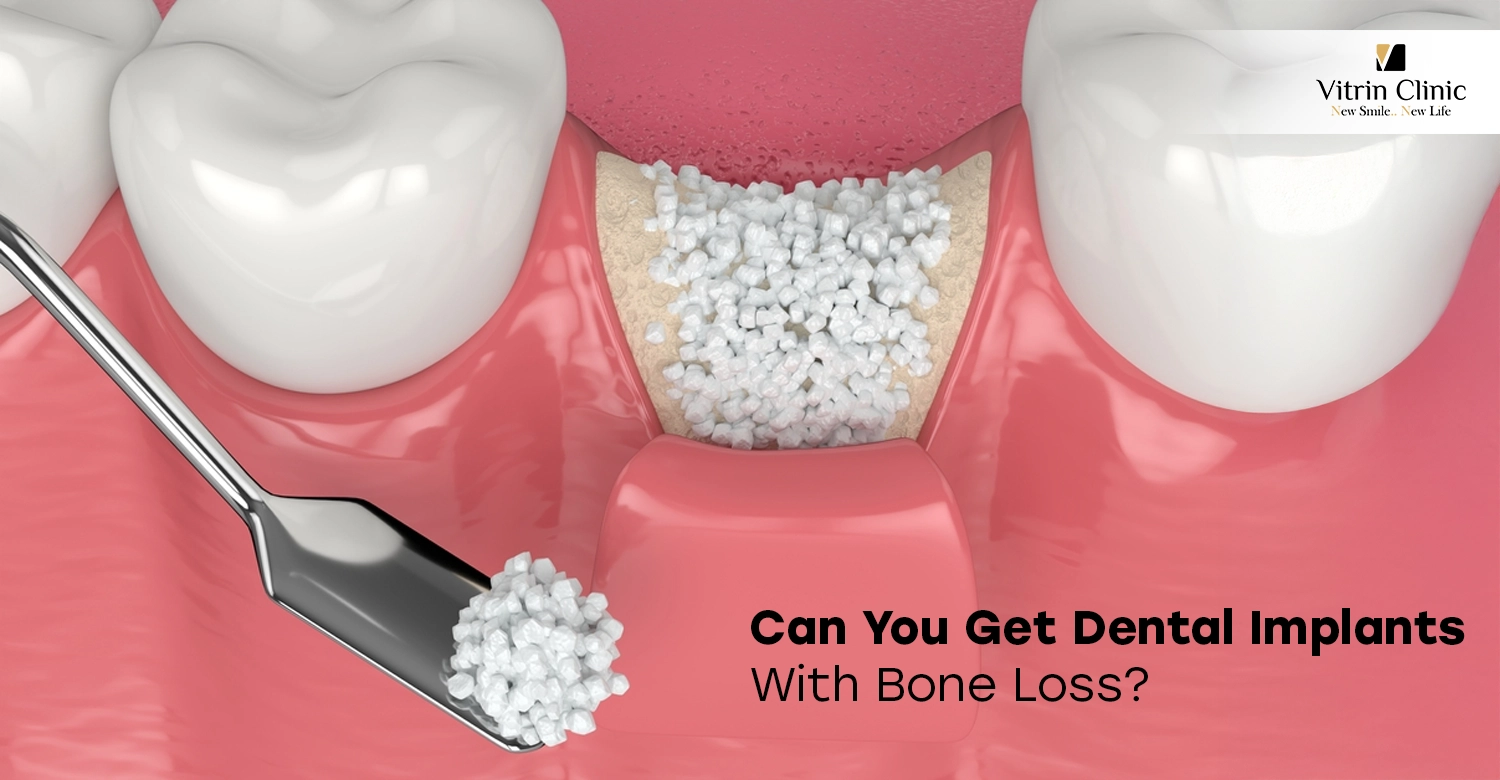
Bone grafting for dental implants rebuilds insufficient jawbone structure, creating adequate foundation for implant placement. This preparatory procedure uses natural or synthetic materials to stimulate new bone growth. Can you get dental implants with bone loss? Bone grafting makes implantation possible by restoring lost volume and density, ensuring long-term implant stability and success.
What Is a Dental Bone Graft?
A dental bone graft is a surgical procedure adding bone material to deficient jaw areas. The graft acts as a scaffold, encouraging natural bone regeneration. Materials include autografts from your body, allografts from donors, xenografts from animal sources, or synthetic alternatives. Successful grafting enables dental implants with bone loss placement months later.
Types of Bone Grafts Used Before Implant Placement
Types of bone grafts include socket preservation grafts placed immediately after extraction, ridge augmentation for width restoration, sinus lifts for upper jaw height, and block grafts for severe deficiencies. Each addresses specific bone loss patterns. Bone grafting for dental implants selection depends on defect location, size, and planned implant positioning for optimal results.
As the most common type used today, it’s important to know all about endosteal implants
Sinus Lift and Other Bone Augmentation Procedures
Sinus lift for dental implants and related augmentation procedures address upper jaw bone deficiency. These techniques create adequate space and density for implant placement in challenging anatomical areas. Can you get dental implants with bone loss in the upper jaw? Sinus lifts and augmentation procedures successfully prepare the foundation for implantation.
When Is a Sinus Lift Necessary?
A sinus lift becomes necessary when upper back jaw bone height measures less than 4-6mm due to sinus proximity and bone resorption. This procedure elevates the sinus membrane, creating space for bone graft material. Sinus lift for dental implants enables successful placement in areas previously unsuitable, expanding treatment possibilities significantly.
Healing Timeline After Bone Augmentation
Healing timeline after bone augmentation typically requires 4-9 months before implant placement. Minor grafts heal within 3-4 months, while extensive augmentation needs 6-9 months for complete ossification. Sinus lifts generally require 6-8 months. Individual healing varies based on graft type, patient health, and bone regeneration capacity affecting dental implant bone graft recovery duration.
Dental Implant Bone Graft Recovery
Dental implant bone graft recovery involves specific healing stages requiring patient compliance and proper care. Understanding recovery expectations helps patients prepare for the bone grafting for dental implants process. Can you get dental implants with bone loss successfully? Following post-operative instructions ensures optimal healing, graft integration, and readiness for subsequent implant placement procedures.
Recovery Time After Bone Grafting
Recovery time after bone grafting varies by procedure complexity. Initial healing occurs within 7-14 days, with suture removal around day 10. Complete bone maturation takes 4-9 months before dental implant bone graft recovery allows implant placement. Patients experience swelling for 3-5 days, with discomfort managed through prescribed medications and proper post-operative care.
Tips to Ensure Proper Healing and Implant Success
Ensure proper healing by following soft food diets for 2-3 weeks, avoiding smoking, maintaining gentle oral hygiene, and taking prescribed antibiotics. Avoid disturbing the surgical site, apply ice packs initially, and attend follow-up appointments. These practices optimize dental implant bone graft recovery, promote graft integration, and increase long-term implant success rates significantly.
From consultation to final crown, follow each step of the dental implant process.
Bone Loss and Dental Implant Success Rates
Bone loss and dental implant success rates demonstrate high outcomes when proper treatment protocols are followed. Studies show 90-95% success rates for dental implants with bone loss after bone grafting procedures. Can you get dental implants with bone loss successfully? Advanced techniques and experienced practitioners ensure predictable, long-lasting results despite initial bone deficiency.
Factors That Affect Implant Success With Bone Loss
Factors affecting bone loss and dental implant success include bone quality and quantity, graft type, patient health conditions, smoking status, oral hygiene, and surgical technique. Systemic diseases like diabetes, osteoporosis, or autoimmune disorders influence outcomes. Proper treatment planning, experienced surgeons, and patient compliance with aftercare protocols significantly improve success rates for dental implants with bone loss.
Long-Term Outcomes After Bone Grafting and Implants
Long-term outcomes after bone grafting for dental implants show excellent stability with proper maintenance. Five-year success rates exceed 92%, with ten-year outcomes remaining above 88%. Grafted bone integrates permanently, supporting implants comparably to natural bone. Regular dental visits, proper hygiene, and lifestyle modifications ensure continued success. Can you get dental implants with bone loss permanently? Absolutely.
Alternatives to Dental Implants With Bone Loss
Alternatives to dental implants with bone loss exist for patients unsuitable for grafting procedures or preferring different solutions. These options provide functional tooth replacement without bone augmentation requirements. Understanding available alternatives helps patients make informed decisions. Can you get dental implants with bone loss if grafting isn’t feasible? Alternative treatments offer viable solutions.
Implant-Supported Dentures
Implant-supported dentures combine implant stability with denture affordability and simplicity. All-on-4 or All-on-6 systems use minimal implants placed in available bone, avoiding extensive grafting. These solutions provide superior retention compared to traditional dentures. As alternatives to dental implants with bone loss, implant-supported dentures offer functional, aesthetic results with reduced treatment complexity.
Bridges and Other Tooth Replacement Options
Bridges anchor replacement teeth to adjacent natural teeth without requiring bone grafting for dental implants. Removable partial dentures offer economical solutions for multiple missing teeth. Resin-bonded bridges provide conservative alternatives for single-tooth replacement. While lacking implants’ bone-preservation benefits, these alternatives to dental implants with bone loss restore function and aesthetics when implantation isn’t feasible.
Don’t wait if you suspect a problem; seek an emergency dental implant evaluation immediately
Choosing the Right Clinic for Dental Implants With Bone Loss
Choosing the right clinic for dental implants with bone loss ensures optimal outcomes through experienced professionals and advanced technology. Can you get dental implants with bone loss successfully? Selecting Vitrin clinic with specialized expertise in complex cases, comprehensive treatment planning, and proven track records significantly improves success rates and patient satisfaction with implant procedures.
Importance of Advanced Imaging and Treatment Planning
Advanced imaging technology like CBCT scans provides three-dimensional bone assessment, revealing density, volume, and anatomical structures. Digital treatment planning enables precise implant positioning, minimizing complications. Accurate evaluation determines bone grafting for dental implants necessity and approach. Can you get dental implants with bone loss safely? Comprehensive imaging ensures predictable, successful outcomes through detailed preparation.
How Expert Care Improves Implant Outcomes
Expert care improves dental implants with bone loss outcomes through specialized training, experience with complex cases, and utilization of advanced dental implant techniques. Skilled practitioners customize treatment plans, perform precise surgeries, and manage complications effectively. Choosing experienced professionals for jawbone loss dental implant options ensures higher success rates, reduced risks, and optimal long-term implant stability.
Conclusion
Can you get dental implants with bone loss? Modern dentistry provides comprehensive solutions making implantation achievable for most patients. Through bone grafting, advanced techniques, and alternative systems, jawbone deficiency no longer prevents successful tooth replacement. Consulting experienced professionals, understanding options, and following treatment protocols ensure predictable outcomes despite bone loss challenges. Restoration is possible.
Key Takeaways About Dental Implants and Bone Loss
Key takeaways include: dental implants with bone loss are achievable through bone grafting for dental implants and specialized techniques. Success rates remain high with proper planning. Multiple jawbone loss dental implant options exist. Can you get dental implants with bone loss? Yes, comprehensive evaluation and appropriate treatment protocols enable successful implantation despite bone deficiency.
Why Bone Loss Doesn’t Mean You’re Not a Candidate
Bone loss doesn’t eliminate candidacy because advanced dental implant techniques, bone grafting procedures, and alternative implant systems address deficiencies effectively. Can you get dental implants with bone loss? Absolutely. Modern solutions including sinus lift for dental implants, grafting, and specialized placements enable successful treatment. Professional evaluation determines your personalized pathway to restoration.
FAQs
Can you get dental implants with severe bone loss?
Can you get dental implants with severe bone loss? Yes, extensive bone grafting for dental implants, zygomatic implants, or pterygoid implants enable placement despite significant deterioration. Complex cases require specialized expertise and comprehensive treatment planning. Alternatives to dental implants with bone loss like implant-supported dentures also provide solutions. Professional evaluation determines feasibility and optimal approach.
Is bone grafting always required for dental implants?
Bone grafting for dental implants isn’t always required. Patients with adequate bone density and volume can receive immediate implant placement. However, many patients experience bone deterioration requiring augmentation. Advanced dental implant techniques like tilted placements or All-on-4 systems minimize grafting needs. Can you get dental implants with bone loss without grafting? Sometimes, depending on severity.
How long does bone grafting take before implants?
Bone grafting takes 4-9 months before dental implant bone graft recovery allows implant placement. Minor grafts heal within 3-4 months, while extensive augmentation requires 6-9 months for complete ossification. Sinus lift for dental implants typically needs 6-8 months healing. Timeline varies based on graft extent, materials used, and individual healing capacity.
What is the success rate of dental implants with bone loss?
The success rate of bone loss and dental implant success reaches 90-95% when bone grafting for dental implants is performed properly. Can you get dental implants with bone loss successfully? Statistics confirm high predictability. Five-year success rates exceed 92%, demonstrating that dental implants with bone loss achieve comparable outcomes to standard implant placements.
Are dental implants painful after bone grafting?
Dental implant bone graft recovery involves manageable discomfort controlled through prescribed pain medications. Patients experience moderate pain for 3-5 days post-surgery, gradually subsiding over two weeks. Swelling peaks around day three. Are dental implants possible with bone deterioration comfortably? With proper pain management, ice application, and rest, recovery remains tolerable for most patients.
What happens if I don’t have enough bone for implants?
Without sufficient bone, jawbone loss dental implant options include bone grafting for dental implants, sinus lift procedures, or specialized implant systems requiring less bone. Alternatives to dental implants with bone loss like bridges or dentures provide tooth replacement. Can you get dental implants with bone loss? Augmentation procedures create adequate foundation enabling successful implantation.
Can sinus lift procedures make implants possible?
Can sinus lift for dental implants make placement possible? Absolutely. This bone augmentation procedure creates adequate height in the upper posterior jaw where bone loss is common. Sinus lifts enable dental implants with bone loss by elevating the sinus membrane and placing graft material. Success rates exceed 95%, making upper implants achievable.
Are there alternatives if I can’t get bone grafting?
Alternatives to dental implants with bone loss without grafting include zygomatic implants anchored in cheekbone, All-on-4 systems maximizing existing bone, implant-supported dentures with minimal implants, traditional dentures, or dental bridges. Can you get dental implants with bone loss without grafting? Advanced dental implant techniques provide options even when bone augmentation isn’t feasible.


