

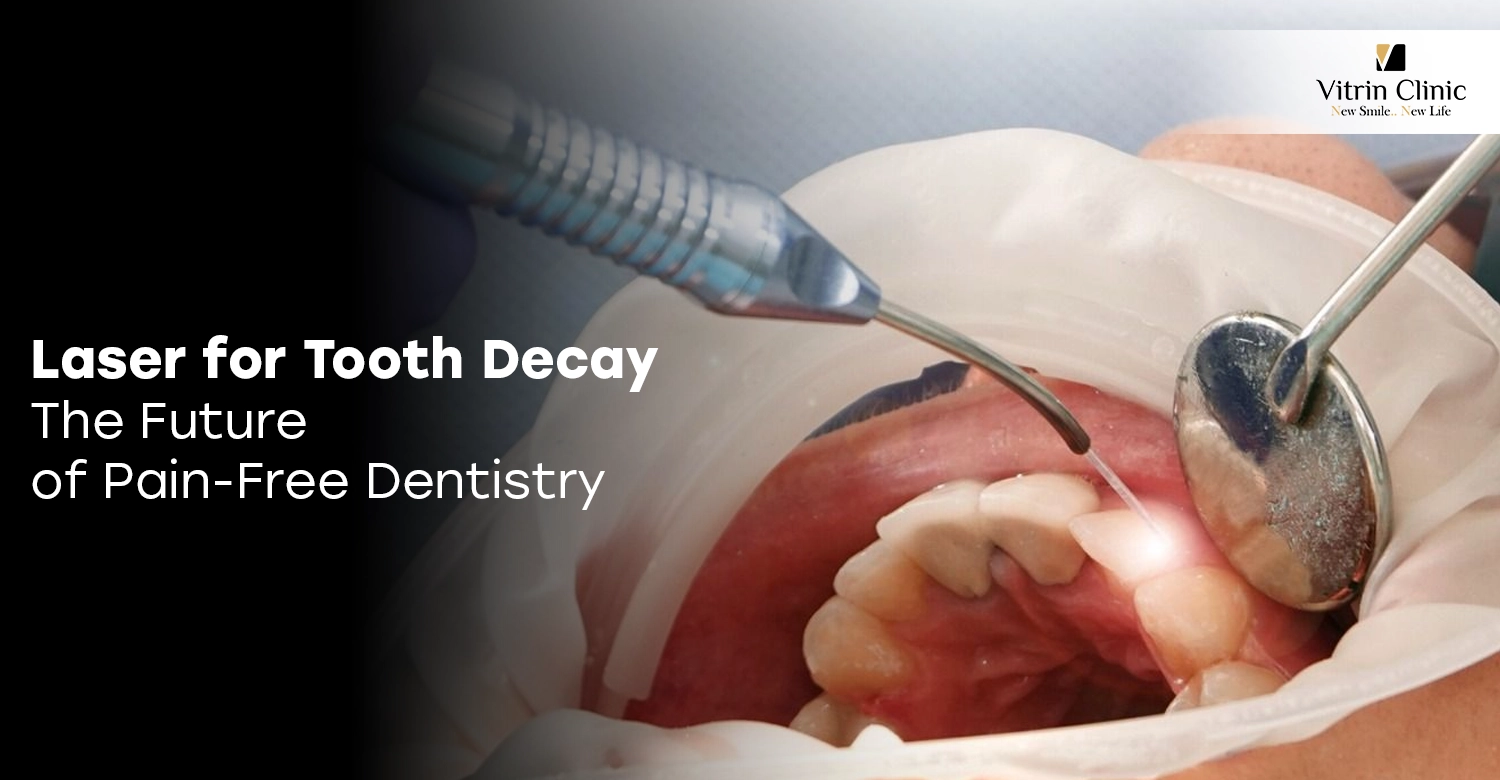
The world of dentistry is transforming rapidly, and laser for tooth decay is leading this exciting global revolution. Gone are the days when treating a cavity meant enduring the dreaded sound of a drill and the discomfort that follows. Today, laser treatment for tooth decay offers a precise, efficient, and virtually pain-free alternative. This breakthrough technology is reshaping patient expectations and making dental care something to genuinely look forward to.
Why Traditional Methods Are Losing Ground
For decades, dental drills have been the standard tool for treating cavities. However, as laser for tooth decay technology continues to advance, more patients and professionals are questioning whether traditional approaches still make sense. From patient discomfort and anxiety to the real risk of damaging surrounding healthy tissue, conventional methods have clear limitations. Understanding why these techniques are falling short helps explain the growing global adoption of laser-based dental care.
The Limits of Drills and Fillings
Traditional drills create vibrations, heat, and noise that cause significant patient anxiety. They often remove more healthy tooth structure than necessary and may cause micro-fractures over time. Standard fillings can shrink, crack, or fail, leading to repeated procedures. For patients already nervous about dental visits, these limitations make the experience even more stressful. The shortcomings of conventional tools have driven the urgent search for better alternatives like laser for tooth decay.
Rise of Laser Technology in Dentistry
The rise of laser technology in dentistry marks a fundamental shift in how oral health is approached. Laser for tooth decay solutions were first introduced in the 1990s and have since become increasingly sophisticated. Today’s dental lasers can detect, remove, and treat decayed tissue with incredible accuracy. As more dental clinics worldwide adopt this technology, patients are benefiting from faster recovery times, reduced pain levels, and superior long-term treatment results.
Understanding Laser Treatment for Tooth Decay
Understanding how laser treatment for tooth decay works is key to appreciating its many advantages. Unlike traditional drills, lasers use concentrated light energy to target and remove only the infected tissue while preserving healthy enamel. This makes laser for tooth decay an exceptionally precise option for patients. Most report minimal discomfort, little to no need for anesthesia in many cases, and noticeably faster healing times, resulting in a genuinely different dental experience.
How Lasers Detect Decay
Lasers can detect tooth decay in its earliest stages, even before it becomes visible on an X-ray. A diagnostic laser emits light that causes different fluorescent responses in healthy versus decayed tissue. The device measures these responses and alerts the dentist to areas of concern. This early detection capability means laser for tooth decay can prevent minor cavities from developing into serious structural damage, ultimately saving patients significant time and money.
How Lasers Treat Decay
Once decay is identified, lasers treat it with remarkable precision. The laser energy vaporizes decayed tissue without touching surrounding healthy enamel. Because there is no drilling, vibration, or friction, patients experience significantly less discomfort. Laser treatment for tooth decay also sterilizes the area as it works, reducing the risk of post-procedure infection. The cavity is then filled with composite material, completing the restoration with minimal disruption to the patient’s natural tooth structure.
The Science Behind Laser Efficiency
Dental lasers operate on specific wavelengths selectively absorbed by water and hydroxyapatite in decayed tissue. This selective absorption is precisely why laser for tooth decay is so accurate, it targets only what needs to be removed. The thermal energy generated effectively kills bacteria in real time, sterilizing the cavity as treatment progresses. This powerful dual action of removal and sterilization makes lasers uniquely efficient compared to traditional methods, delivering consistently superior clinical outcomes for every patient.
Myths, Scams, and Misunderstandings
With any emerging technology, myths and misconceptions inevitably follow, and laser for tooth decay is no exception. Some patients have encountered misleading claims, questionable devices, and overpromised results that have created broader skepticism about laser dentistry. It is essential for patients to clearly distinguish between clinically validated laser treatment for tooth decay and unverified consumer gadgets. Education remains the most powerful tool for separating legitimate dental innovation from misleading marketing practices.
Laser Light to Check for Tooth Decay Scam: What You Should Know
The laser light to check for tooth decay scam refers to the misuse or misrepresentation of diagnostic laser tools. Some unethical providers use these devices to falsely diagnose decay in healthy teeth, recommending unnecessary and costly treatments. This does not mean the technology itself is fraudulent, it means patients must seek qualified, reputable dental professionals. Always verify credentials, request a second opinion, and choose clinics with transparent treatment protocols to stay fully protected.
Separating Hype from Reality
Not every laser device on the market delivers equal results, and marketing language can sometimes obscure the truth. Legitimate laser for tooth decay technology is backed by clinical research, regulatory approvals, and proven outcomes. Patients should look for dentists trained in laser procedures and clinics using professionally certified equipment. Ask questions, request documented evidence, and avoid offers that seem too good to be true. Informed patients consistently make safer and smarter dental decisions every time.
New Technology Laser for Tooth Decay: What’s Next
The future of new technology laser for tooth decay is incredibly promising. Researchers and developers are continuously refining laser systems to make them faster, more accurate, and more accessible to patients worldwide. As these innovations reach dental clinics globally, more people will benefit from the precision and comfort that laser dentistry offers. What was once available only in specialty clinics is rapidly becoming the new standard for modern, effective dental care everywhere.
Advances in Laser Precision
Modern advances in laser precision are actively pushing the boundaries of effective cavity treatment. New generations of dental lasers can detect and treat decay at microscopic levels, minimizing the amount of healthy tissue removed. Real-time imaging integration allows dentists to monitor the treatment area with extraordinary clarity. These exciting developments in new technology laser for tooth decay mean better outcomes, shorter appointments, and a significantly reduced need for repeat procedures.
Patient-Centric Benefits
The shift toward new technology laser for tooth decay is fundamentally driven by patient experience. Modern laser systems dramatically reduce dental anxiety by eliminating drills and minimizing the need for injections. Recovery is faster, post-treatment sensitivity is lower, and overall comfort is greatly improved. Patients with dental phobia find laser procedures far more manageable. As technology evolves, the benefits keep growing, making dentistry more accessible and less intimidating for absolutely everyone.
Laser Treatments at Vitrin Clinic
Vitrin Clinic stands at the forefront of modern dental care, offering advanced laser for tooth decay solutions to both local and international patients. With a firm commitment to innovation, comfort, and excellence, Vitrin Clinic has established itself as a leading destination for those seeking laser treatment for tooth decay. Patients from across Europe, the Middle East, and beyond choose Vitrin Clinic for exceptional results, affordable pricing, and a world-class patient-centered approach.
International Standard Dental Care
At Vitrin Clinic, every laser for tooth decay procedure is performed using state-of-the-art equipment meeting the highest international dental standards. The clinic’s protocols are built on evidence-based practices, ensuring each patient receives safe, effective, and medically sound treatment. Whether patients arrive for a routine checkup or complex restorative work, Vitrin Clinic’s laser dentistry services consistently deliver outcomes that exceed expectations and reflect a genuine, unwavering commitment to outstanding quality care.
Patient Journey and Experience
From the moment patients arrive at Vitrin Clinic, they are welcomed into an environment designed for comfort and confidence. The patient journey begins with a thorough consultation, followed by personalized treatment planning tailored to individual dental needs. Laser for tooth decay procedures are performed in a calm, modern setting with attentive care at every stage. Post-treatment support, follow-up guidance, and multilingual staff ensure every patient leaves satisfied, informed, and eager to return.
FAQs
Is laser treatment for tooth decay painful?
One of the greatest advantages of laser treatment for tooth decay is its minimal discomfort. Most patients report that the procedure feels far less invasive than traditional drilling. In many cases, the laser completely eliminates the need for local anesthesia. The precision of the laser means only the affected tissue is targeted, significantly reducing nerve stimulation. Patients who previously feared dental visits often describe their laser for tooth decay experience as surprisingly comfortable and entirely stress-free.
Can lasers replace traditional fillings entirely?
While lasers have revolutionized how decay is removed, fillings are still typically used to restore tooth structure after treatment. The key difference is that laser for tooth decay creates a cleaner, more sterile cavity, allowing composite fillings to bond far more effectively. In the future, continued advances may reduce or eliminate the need for traditional restorative materials. For now, laser dentistry and modern fillings work together to deliver stronger, longer-lasting results for every patient.
How long does a laser procedure take compared to conventional methods?
Laser treatment for tooth decay is generally faster than traditional drilling, especially for small to medium-sized cavities. Because lasers are highly precise and often eliminate the time required for anesthesia application, appointments can be significantly shorter. Most patients are in and out in under 45 minutes. The efficiency of laser for tooth decay means less time in the chair, fewer follow-up visits, and a streamlined experience perfectly suited to modern patients’ busy lifestyles.
Is laser treatment safe for children?
Laser for tooth decay is widely considered safe for pediatric patients and is often the preferred option for treating children. The absence of loud drilling sounds and the reduced need for injections make the experience far less frightening for young patients. Laser procedures are gentle, precise, and cause minimal trauma to delicate developing teeth. Many parents specifically request laser treatment for their children to help establish positive dental experiences from the earliest possible age.
How do I know if a “laser light for tooth decay” device is a scam?
The laser light to check for tooth decay scam typically involves unregulated consumer devices or unethical providers exaggerating diagnostic findings. To protect yourself, always seek treatment from licensed professionals using certified equipment. Verify that the clinic’s laser tools carry recognized regulatory approvals and ask how all results are documented. Transparency, verified credentials, and second opinions are your best defenses against misleading practices in the expanding world of laser for tooth decay.
Are there any side effects of laser treatment for tooth decay?
Laser for tooth decay is a safe and well-tolerated procedure with minimal side effects. Some patients may experience mild sensitivity in the treated area for a short time after the procedure, which typically resolves within a few days. Temporary gum tenderness can occur if tissue near the treated tooth was involved. Serious complications are rare when treatment is performed by a qualified professional using properly certified equipment and following established clinical guidelines throughout.
Does insurance cover laser treatment for cavities?
Insurance coverage for laser treatment for tooth decay varies depending on the provider, plan type, and country. Some policies cover laser procedures at the same rate as conventional drilling, while others may classify it as an elective upgrade. Patients are encouraged to contact their insurance provider directly to clarify coverage details before scheduling treatment. At Vitrin Clinic, the team assists with documentation and detailed cost breakdowns to help patients effectively navigate all available insurance options.
How can I book a consultation at Vitrin Clinic for laser decay treatment?
Booking a consultation at Vitrin Clinic for laser for tooth decay treatment is a simple and straightforward process. Patients can reach the clinic through its official website, contact form, or direct phone line to schedule an appointment. The multilingual support team is available to assist patients from all backgrounds. During the initial consultation, a comprehensive dental evaluation determines the most appropriate laser treatment for tooth decay plan tailored to each patient’s unique individual needs.


