Dental Tourism in Turkey
September 16, 2025
Tratamento de Canal Essencial: Por que a Turquia é a Escolha Inteligente em 2026?
 Dr. Rifat Alsaman
O tratamento de canal, também conhecido como tratamento endodôntico, é um procedimento odontológico projetado para tratar infecções ou inflamações na polpa do dente. Ele permite que os pacientes mantenham seus dentes naturais ao remover o tecido infectado ou danificado e selar o espaço para evitar futuras infecções.
Por que o Tratamento de Canal é Realizado?
O tratamento de canal é necessário quando a polpa — o tecido mole no interior do dente que contém nervos e vasos sanguíneos — fica infectada ou danificada devido a cáries profundas, traumas ou procedimentos odontológicos repetidos.
Visão Geral Clínica: Quais São Alguns Fatos Importantes Sobre o Tratamento de Canal?
O tratamento de canal é um dos procedimentos mais bem-sucedidos da odontologia moderna, com taxas de sucesso que superam os 90% quando realizado corretamente e acompanhado de uma restauração adequada. O tratamento é projetado para remover a polpa dentária infectada ou inflamada, preservando a estrutura natural do dente. Ao contrário da crença popular, o canal serve para eliminar a dor — não para causá-la — e a anestesia moderna torna o procedimento confortável para a maioria dos pacientes. Na Vitrin Clinic, nossos especialistas utilizam imagens digitais avançadas e técnicas endodônticas de precisão para melhorar a exatidão do tratamento, reduzir complicações e ajudar os pacientes a manterem seus dentes naturais por muitos anos.
A Divisão Biológica: Esmalte, Dentina e a Camada da Polpa Dentária
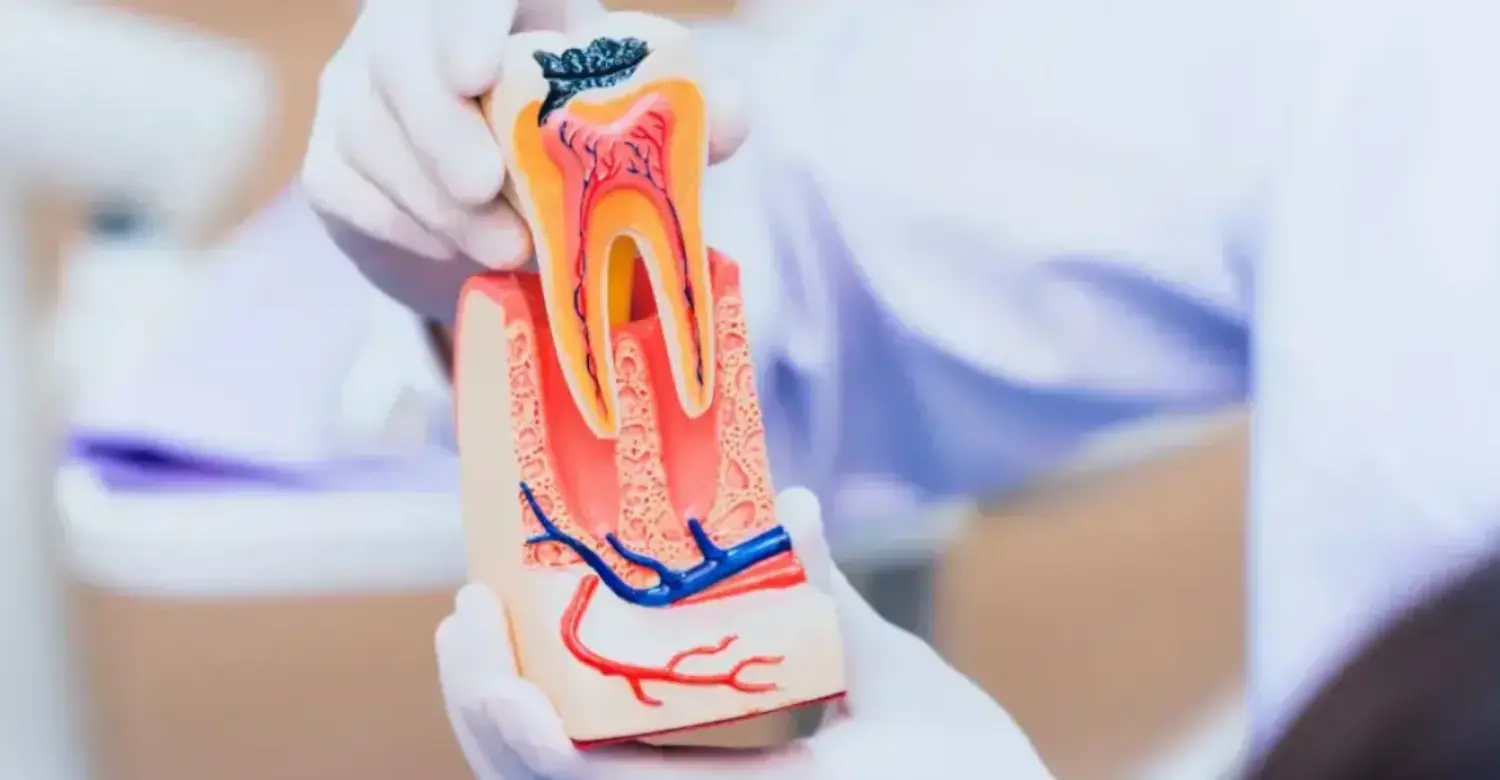
Compreender a anatomia do dente ajuda a explicar por que o tratamento de canal se torna necessário. O esmalte externo é o tecido mais duro do corpo e protege o dente do desgaste diário. Abaixo dele fica a dentina, uma camada porosa que contém túbulos microscópicos que podem transmitir sensibilidade quando expostos. No centro está a polpa dentária, que contém nervos, vasos sanguíneos e tecido conjuntivo responsável por nutrir o dente durante o seu desenvolvimento. Assim que as bactérias atingem a polpa através de cáries profundas, rachaduras ou traumas, a inflamação e a infecção podem se desenvolver. Na Vitrin Clinic, preservar o máximo possível de esmalte e dentina saudáveis é sempre uma prioridade, enquanto tratamos com segurança o tecido pulpar infectado.
O que Acontece Dentro do Dente Durante o Tratamento de Canal?
Durante o procedimento, a polpa infectada é removida. O interior do dente é então limpo, desinfetado, modelado e preenchido com um material biocompatível chamado gutapercha. Por fim, o dente é selado e restaurado com uma restauração ou coroa.
Como o Tratamento de Canal Salva o Dente?
Ao remover o tecido infectado e selar o dente, o tratamento de canal elimina a dor e a infecção enquanto preserva a estrutura natural. Isso ajuda a manter a mordida do paciente, a capacidade de mastigação e a aparência natural.
Quais São as Principais Etapas do Tratamento de Canal?
O tratamento de canal envolve o diagnóstico, a limpeza e modelagem dos canais, o selamento e a restauração.
Como o Dente é Diagnosticado Antes do Procedimento?
Radiografias e testes clínicos são usados para avaliar a condição da polpa e do osso circundante. O seu dentista determinará se a polpa está infectada ou inflamada e se o tratamento de canal é o tratamento correto.
O que Acontece Durante a Limpeza e Modelagem dos Canais Radiculares?
Após anestesiar a área, o dentista abre o dente para acessar os canais, remove o tecido infectado e modela os canais para o preenchimento.
Como o Canal Radicular é Selado e Restaurado?
Uma vez limpos, os canais são preenchidos e selados para evitar uma nova infecção. O dente é então restaurado com uma restauração ou coroa para recuperar a funcionalidade e a aparência completas.
Quem Precisa de Tratamento de Canal e Quando Ele é Recomendado?
O tratamento de canal é recomendado para pacientes que apresentam sinais de infecção na polpa ou quando a integridade do dente foi comprometida.
Quais São os Sintomas Comuns que Indicam a Necessidade de Canal?
Dor de dente persistente, sensibilidade ao quente ou frio, inchaço e o escurecimento do dente são sintomas comuns.
Como a Sensibilidade Dentária Pode Sinalizar Problemas no Canal?
Uma sensibilidade prolongada — especialmente ao calor — pode indicar uma polpa inflamada ou infectada, exigindo tratamento de canal.
Dor de Dente Persistente Significa que o Tratamento de Canal é Necessário?
Sim, a dor contínua pode sinalizar uma infecção profunda ou danos nos nervos, especialmente se os analgésicos comuns trouxerem pouco alívio. Metal, porcelana ou zircônia? Encontre o material certo para as suas necessidades. Saiba mais sobre os tipos de coroas dentárias.
Quais Condições Odontológicas Normalmente Levam ao Tratamento de Canal?
Várias condições podem causar danos à polpa.
Como as Cáries Profundas Resultam em Infecções de Canal?
Se uma cárie atingir a polpa, as bactérias podem causar uma infecção, levando a dores intensas e à formação de abscessos.
Por que um Trauma Dentário Pode Exigir Tratamento de Canal?
Um impacto físico, mesmo sem rachaduras visíveis, pode danificar o nervo do dente e exigir tratamento de canal.
Como os Procedimentos Odontológicos Repetidos Afetam o Nervo do Dente?
Múltiplas restaurações ou procedimentos podem irritar a polpa e, eventualmente, levar a uma inflamação ou infecção.
Como o Tratamento de Canal é Realizado na Turquia?
Etapa | O que Acontece |
|---|---|
1. Exame e Diagnóstico | Radiografias / panorâmicas / imagens 3D para visualizar a infecção, a anatomia da raiz, etc. O seu dentista/endodontista verificará se o canal é necessário. |
2. Anestesia Local | A área ao redor do dente afetado é anestesiada; você não deve sentir dor durante o procedimento, embora possa sentir pressão. |
3. Isolamento do Dente | Uso de um dique de borracha para manter o dente seco e evitar a contaminação por saliva. Nem todas as clínicas mencionam isso explicitamente, mas muitas o fazem. |
4. Abertura de Acesso | O dentista perfura a coroa do dente para alcançar a câmara pulpar. |
5. Remoção da Polpa Infectada / Limpeza e Modelagem dos Canais | A polpa é removida; os canais são limpos, modelados e alargados. Soluções irrigantes (líquidos antissépticos) são utilizadas para desinfetar, removendo bactérias e resíduos. |
6. Possível Medicamento Entre Consultas | Se a infecção for grave, eles podem colocar uma medicação temporária para ajudar a desinfetar antes de concluir o tratamento em uma visita posterior. |
7. Obturação (Preenchimento) e Selamento | Assim que o canal estiver limpo e seco, ele é preenchido com um material biocompatível (frequentemente gutapercha) e selado para evitar novas infecções. |
8. Restauração do Dente | Após o canal, como o dente pode se tornar frágil, uma restauração é feita; frequentemente recomenda-se uma coroa para proteger e restaurar a função. |
9. Cuidados Pós-Procedimento e Acompanhamento | Dor / sensibilidade por alguns dias é normal. A clínica deve fornecer instruções, analgésicos se necessário e possivelmente antibióticos. Consultas de retorno servem para checar a cicatrização e garantir que não haja nova infecção. |
O que Torna o Tratamento de Canal na Turquia Diferente?
A Turquia oferece tecnologia moderna, especialistas experientes e preços competitivos em clínicas de última geração.
Por que Tantos Pacientes Internacionais Escolhem a Turquia para o Tratamento de Canal?
Custos acessíveis, altos padrões de atendimento, equipes que falam inglês e serviços integrados de turismo médico tornam a Turquia um destino preferido.
Como as Clínicas Avançadas na Turquia Melhoram as Taxas de Sucesso?
As clínicas na Turquia utilizam imagens 3D, instrumentos rotatórios e limpeza assistida por laser para maior precisão e maiores taxas de sucesso. Um procedimento microcirúrgico para remover a infecção na ponta da raiz e salvar o seu dente. Saiba mais sobre a cirurgia de apicectomia.
Qual é o Cronograma Típico do Procedimento nas Clínicas Turcas?
O cronograma típico do procedimento nas clínicas odontológicas turcas é projetado para eficiência e conforto do paciente. Primeiro, os pacientes passam por uma consulta inicial e exames de imagem digital para avaliar suas necessidades.
O planejamento do tratamento vem a seguir, com os detalhes de custos e procedimentos explicados claramente. Dependendo do tratamento — como design de sorriso, implantes ou lumineers —, as etapas preparatórias como limpeza, moldagens ou pequenos ajustes podem levar de um a dois dias. O procedimento principal geralmente é concluído em poucas sessões, muitas vezes ao longo de uma semana.
As visitas de acompanhamento garantem a cicatrização adequada e os ajustes finais. Esse processo simplificado torna a Turquia um destino popular para pacientes internacionais.
Quantas Visitas São Necessárias para o Tratamento de Canal?
A maioria dos casos é concluída em 1 a 2 visitas, dependendo da gravidade da infecção e das necessidades de restauração.
Quanto Tempo Costuma Durar Cada Consulta?
As consultas normalmente duram entre 60 a 90 minutos por sessão.
Qual é o Custo do Tratamento de Canal na Turquia?
Custo do tratamento de canal na Vitrin Clinic:
Tipo de Dente | Complexidade | Custo Estimado (USD) | Custo Estimado (EUR) |
|---|---|---|---|
Dente Frontal | Simples (1 canal) | $80 – $150 | €75 – €140 |
Prémolar | Moderado (1–2 canais) | $150 – $250 | €140 – €230 |
Molar (Dente de Trás) | Complexo (3+ canais) | $200 – $350 | €190 – €330 |
Retratamento | Tratado anteriormente | $250 – $400+ | €230 – €380+ |
Coroa Opcional | Após Canal (zircônia/porcelana) | $150 – $300+ | €140 – €280+ |
Como o Preço se Compara com a Europa ou os EUA?
O tratamento de canal na Turquia pode ser de 50 a 70% mais em conta do que nos países ocidentais, sem abrir mão da qualidade.
Quais Fatores Influenciam o Custo do Tratamento de Canal?
A localização do dente, a complexidade, o número de canais e a necessidade de uma coroa podem afetar o custo total.
Otimização Financeira: Opções de Cobertura de Seguro Odontológico Explicadas
A cobertura do seguro odontológico para o tratamento de canal varia dependendo do provedor, do país e da apólice individual. Muitos planos de seguro cobrem parcialmente o tratamento endodôntico clinicamente necessário, enquanto procedimentos estéticos costumam ser excluídos. Pacientes que viajam internacionalmente também devem verificar se o atendimento odontológico no exterior é elegível para reembolso. Na Vitrin Clinic, nossos coordenadores de tratamento fornecem estimativas transparentes de custos e ajudam os pacientes internacionais a preparar a documentação necessária para as reivindicações de seguro sempre que aplicável.
Quais São os Benefícios do Tratamento de Canal?
Salva o seu dente natural – Evita a necessidade de extração.
Custo-benefício a longo prazo – Menos dispendioso do que a extração dentária + implante/ponte.
Restaura a mastigação e mordida normais – Você pode comer confortavelmente novamente.
Elimina a infecção e a dor – Remove a fonte da inflamação ou do abscesso.
Mantém a aparência natural – Mantém o seu sorriso intacto.
Previne a propagação da infecção – Impede que as bactérias atinjam outros dentes ou a corrente sanguínea.
Procedimento indolor – As técnicas modernas tornam o processo praticamente indolor (semelhante a uma restauração comum).
Favorece a saúde do osso maxilar – Preserva a estrutura óssea mantendo a raiz no lugar.
Resultados duradouros – Um canal bem executado pode durar décadas, especialmente com uma coroa.
Evita problemas dentários repetidos – Interrompe problemas recorrentes, como abscessos ou inchaço.
Dor constante? Pode ser sinal de infecção ou de um tratamento de canal malsucedido. Saiba mais sobre dor de dente persistente.
Desmistificando os Mitos Endodônticos: Concepções Errôneas Comuns Sobre o Canal
Apesar de décadas de pesquisas que comprovam a segurança e a eficácia do tratamento de canal, vários mitos continuam a desestimular os pacientes a buscar tratamento. A endodontia moderna baseia-se em evidências científicas, tecnologia avançada e técnicas minimamente invasivas. Compreender os fatos pode ajudar os pacientes a tomar decisões informadas e evitar extrações dentárias desnecessárias. Na Vitrin Clinic, a educação do paciente é uma parte importante de cada plano de tratamento.
Mito: O Tratamento de Canal Remove Toda a Raiz do Dente
Esta é uma das concepções errôneas mais comuns. O tratamento de canal não remove as raízes do dente. Em vez disso, o dentista limpa a polpa infectada de dentro dos canais radiculares, deixando as raízes naturais fixadas com segurança no osso maxilar. A preservação dessas raízes permite que o dente continue funcionando normalmente após a restauração com uma restauração ou coroa.
Mito: O Tratamento Endodôntico Pode Causar Doenças Sistêmicas ou Enfermidades
A pesquisa científica não encontrou nenhuma evidência confiável de que o tratamento de canal realizado corretamente cause doenças sistêmicas. Esse mito originou-se de pesquisas desatualizadas que há muito foram refutadas. Os protocolos modernos de controle de infecção tornam o tratamento de canal um procedimento seguro e previsível para a preservação dos dentes naturais.
Mito: Um Dente que Passou por Tratamento de Canal Eventualmente Vai Cair
Um dente tratado com um canal bem-sucedido pode permanecer saudável por décadas quando restaurado e mantido adequadamente. Colocar uma coroa protetora quando recomendado, manter uma excelente higiene bucal e comparecer às consultas odontológicas de rotina aumentam significativamente o sucesso a longo prazo. Na Vitrin Clinic, os pacientes recebem cuidados de acompanhamento individualizados para maximizar a longevidade do tratamento.
Como o Tratamento de Canal Alivia a Dor?
Ao remover a polpa infectada e selar o canal, a dor é eliminada quase imediatamente após o tratamento.
Como Ele Evita a Perda Dentária e Preserva os Dentes Naturais?
Ele salva a estrutura original do dente, o que ajuda a manter a saúde do osso maxilar e evita a necessidade de extração ou implantes.
Como Ele Melhora a Saúde Bucal e a Estética Geral?
Um dente tratado e coroado devolve o aspecto natural e a total funcionalidade, contribuindo para um sorriso saudável.
Compreendendo por que os Antibióticos Sozinhos Não Podem Curar Infecções Dentárias Graves
Muitos pacientes presumem que os antibióticos podem substituir o tratamento de canal, mas isso raramente é possível. Uma vez que a polpa dentro do dente fica infectada e perde o seu suprimento de sangue, os antibióticos não conseguem alcançar com eficácia as bactérias presas no sistema de canais radiculares. A medicação pode reduzir temporariamente o inchaço ou ajudar a controlar a infecção nos tecidos circundantes, mas não pode eliminar as bactérias dentro do próprio dente. A única solução previsível é remover a polpa infectada e desinfetar os canais. Na Vitrin Clinic, os antibióticos são prescritos apenas quando clinicamente apropriados e nunca são considerados substitutos para o tratamento endodôntico adequado.
A Realidade Oculta: Por que o Fim da Dor Não Significa que a Infecção Foi Curada
Uma redução repentina na dor de dente pode parecer uma boa notícia, mas na verdade pode indicar que o nervo dentro do dente morreu. Embora o desconforto possa desaparecer temporariamente, as bactérias podem continuar se espalhando silenciosamente para o osso ao redor, aumentando o risco de formação de abscessos e perda do dente. Adiar o tratamento costuma tornar os cuidados futuros mais complicados e caros. Na Vitrin Clinic, os exames digitais ajudam a detectar infecções ocultas antes que se tornem graves, permitindo que os pacientes recebam tratamento oportuno e aumentando as chances de salvar o dente natural.
Quais Riscos ou Complicações Podem Ocorrer Após o Tratamento de Canal?
Infecção ou nova infecção
Se as bactérias não forem totalmente removidas ou o dente não for devidamente selado, a infecção pode voltar.
Fratura dentária
O dente pode se tornar mais quebradiço com o tempo, especialmente sem uma coroa protetora.
Dor ou sensibilidade pós-tratamento
Algum desconforto é normal por alguns dias, mas uma dor prolongada ou intensa pode indicar um problema.
Inchaço ou inflamação
O inchaço temporário é comum, mas se persistir, pode sinalizar infecção ou irritação tecidual.
Limpeza incompleta dos canais radiculares
Estruturas de raízes complexas podem ser difíceis de limpar totalmente, especialmente nos molares.
Quebra de instrumentos
Pequenas ferramentas odontológicas podem quebrar dentro de um canal (raro, mas possível).
Danos aos tecidos circundantes
Soluções irrigantes ou instrumentos podem irritar a mandíbula ou os tecidos moles se não forem manuseados corretamente.
Necessidade de retratamento ou cirurgia
Se o canal falhar, pode ser necessário um retratamento ou uma apicectomia (cirurgia na ponta da raiz).
Descoloração dentária
O dente tratado pode escurecer com o tempo, especialmente se nenhuma coroa for colocada.
Uma segunda chance para salvar um dente quando o canal falha. Saiba mais sobre o retratamento endodôntico.
Quais São os Efeitos Colaterais de Curto Prazo do Tratamento de Canal?
Leve desconforto, inchaço ou sensibilidade são comuns, mas costumam desaparecer em poucos dias.
Quão Comuns São as Falhas no Tratamento de Canal?
As falhas são raras, mas possíveis.
O que Causa a Falha do Tratamento de Canal?
Limpeza incompleta, canais não localizados ou nova infecção podem levar à falha.
Como um Canal Malsucedido é Retratado?
O retratamento envolve a reabertura do dente, a remoção do material obturador anterior, a limpeza dos canais novamente e o novo selamento.
Preservação Estrutural: O Papel Técnico das Membranas Dentárias
In certos casos complexos, materiais regenerativos e membranas dentárias especializadas podem ser usados durante procedimentos endodônticos cirúrgicos para estimular a cicatrização adequada do osso e dos tecidos moles circundantes. Embora não sejam necessários para o tratamento de canal rotineiro, esses materiais podem melhorar a recuperação em casos selecionados que envolvem cirurgia na ponta da raiz ou perda óssea extensa. Na Vitrin Clinic, os planos de tratamento são personalizados de acordo com a condição clínica de cada paciente para alcançar o melhor resultado possível.
Desafios Anatômicos: Como Canais Complexos ou Curvos Afetam a Eficiência do Tratamento
Nem todo dente possui canais retos e de fácil acesso. Alguns dentes contêm múltiplas ramificações, passagens estreitas ou canais acentuadamente curvos que tornam a limpeza e a modelagem tecnicamente mais exigentes. A magnificação avançada, os instrumentos rotatórios e as imagens tridimensionais permitem que os dentistas localizem canais ocultos e melhorem a precisão do tratamento. Na Vitrin Clinic, a tecnologia endodôntica moderna ajuda a gerenciar anatomias radiculares complexas, preservando a estrutura dentária saudável sempre que possível.
Como se Preparar para o Tratamento de Canal?
O que Fazer | Por que Ajuda |
|---|---|
Agende uma consulta gratuita previamente com o endodontista da Vitrin. | Para discutir o seu caso (qual dente, quantas raízes, presença de infecção) e receber instruções. |
Traga o seu histórico médico e odontológico (medicamentos, alergias, condições crônicas). | Para que a Vitrin possa ajustar a anestesia ou escolher os instrumentos com segurança. |
Faça uma refeição leve algumas horas antes da consulta. | A anestesia local pode causar náuseas; ter algum alimento no estômago ajuda. |
Evite álcool e tabaco pelo menos 12 a 24 horas antes. | Ajuda na cicatrização e reduz os riscos durante o procedimento. |
Certifique-se de ter alguém para acompanhá-lo ou ajudá-lo depois (caso seja necessária sedação ou deslocamento). | Ajuda no conforto e na logística. |
Traga quaisquer radiografias ou registros odontológicos que possuir. | Ajuda a reduzir exames repetidos e agiliza o planejamento. |
Faça perguntas com antecedência: quantas visitas serão necessárias, quais materiais usarão, se uma coroa será necessária. | Ajuda você a entender o custo, a duração e os cuidados posteriores. |
Use roupas confortáveis, evite joias na região da boca/pescoço. | Garante mais conforto e um procedimento mais fácil. |
Planeje os cuidados pós-tratamento: alimentos macios, analgésicos, consultas de retorno. | Você vai cicatrizar melhor e reduzir as complicações. |
O que os Pacientes Devem Esperar Antes do Procedimento?
Uma consulta, exames de imagem odontológica e uma revisão do histórico médico serão realizados. A anestesia local é utilizada durante o procedimento.
Existem Restrições Alimentares ou Médicas Antes do Canal?
Os pacientes podem ser aconselhados a se alimentar antes do procedimento e evitar certos medicamentos. Siga sempre as instruções do seu dentista.
Restaure um dente danificado com uma capa personalizada e durável em apenas 2-3 visitas. Saiba mais sobre o procedimento de colocação de coroa.
Como é o Processo de Recuperação Após o Tratamento de Canal?
Imediatamente Após o Tratamento
A anestesia dura algumas horas
Evite mastigar ou morder com o dente tratado até que o efeito da anestesia passe, para evitar lesões acidentais.
Leve desconforto ou sensibilidade
Você pode sentir uma certa sensibilidade ao redor do dente ou da gengiva, semelhante a uma dor de dente, mas geralmente menos intensa.
Primeiros Dias
Controle da dor e do inchaço
Analgésicos de venda livre (ibuprofeno ou paracetamol) costumam ajudar.
Use uma compressa fria se notar inchaço.
Evite alimentos duros ou pegajosos
Opte por alimentos macios, como sopas, iogurte ou purê de batatas para proteger o dente tratado.
Mantenha a higiene bucal
Continue com a escovação e o uso do fio dental de forma suave, mas evite escovar vigorosamente perto do dente tratado.
Cuidados de Acompanhamento
Retorno ao dentista
Você pode precisar de uma consulta de retorno para avaliar a cicatrização e colocar uma restauração definitiva ou coroa.
Restauração permanente
Uma coroa é frequentemente recomendada para proteger o dente e restaurar a sua total função.
Cuidados a Longo Prazo
Boa higiene bucal
Escove os dentes duas vezes ao dia e use o fio dental regularmente para evitar novas infecções.
Check-ups odontológicos regulares
Visite o seu dentista a cada 6 meses ou conforme recomendado.
Evite força excessiva no dente
Não o utilize para morder objetos muito duros ou abrir embalagens.
Quanto Tempo Leva para Cicatrizar Após o Tratamento de Canal?
A maioria dos pacientes se recupera em 2 a 5 dias. A dor diminui rapidamente e as atividades normais podem ser retomadas logo em seguida.
Quais Alimentos Devem Ser Evitados Após o Tratamento de Canal?
Evite alimentos duros, pegajosos ou difíceis de mastigar até que a restauração final seja colocada.
Quando os Pacientes Podem Retornar às Atividades Normais Após o Procedimento?
A maioria retorna às atividades diárias no dia seguinte. Atividades físicas intensas podem ser retomadas após um curto período de repouso.
Como o Tratamento de Canal se Compara às Alternativas?
Opção de Tratamento | Descrição | Prós | Contras |
|---|---|---|---|
Tratamento de Canal (RCT) | Remoção da polpa infectada, limpeza, selamento do dente | - Salva o seu dente natural- Alivia a dor- Mantém a função mastigatória- Evita a propagação da infecção | - Às vezes requer múltiplas visitas- Necessita de restauração (coroa)- Possíveis complicações |
Extração Dentária | Remoção completa do dente | - Solução rápida- Elimina a fonte da infecção- Às vezes é menos dispendioso inicialmente | - Perda do dente natural- Pode causar movimentação de outros dentes- Necessita de substituição (implante, ponte, prótese)- Tratamento geral mais longo e caro se for substituído |
Implante Dentário | Raiz artificial do dente colocada cirurgicamente + coroa | - Substituição permanente do dente- Preserva o osso maxilar melhor do que apenas a extração- Aparência e função naturais | - Custo mais elevado- Procedimento cirúrgico com tempo de cicatrização- Requer densidade óssea suficiente |
Ponte Dentária | Prótese fixa que preenche o espaço do dente ausente | - Menos invasiva que o implante- Restaura a função e a estética rapidamente | - Requer desgaste dos dentes adjacentes- Pode afetar a saúde dos dentes ao redor- Pode precisar de substituição após anos |
Espera Monitorada / Medicação | Gerenciamento temporário dos sintomas com analgésicos ou antibióticos | - Não invasivo- Pode adiar um tratamento invasivo | - Não resolve o problema subjacente- Risco de agravamento da infecção- Não é uma solução definitiva |
A Extração Dentária é uma Opção Melhor do que o Canal?
O tratamento de canal preserva o seu dente natural, o que geralmente é preferível em relação à extração.
Como o Tratamento de Canal se Compara aos Implantes Dentários?
Os implantes são excelentes, mas são mais invasivos e dispendiosos. O tratamento de canal é mais barato e rápido quando a preservação do dente é viável.
Uma Coroa Dentária Sozinha Pode Substituir o Tratamento de Canal?
Não, a coroa cobre o dente, mas não trata uma infecção interna. O tratamento de canal é necessário se a polpa estiver danificada.
Quais Tecnologias São Utilizadas no Tratamento de Canal Moderno?
Radiografias Digitais e Tomografia Computadorizada Cone Beam 3D (CBCT)
Fornecem imagens detalhadas da anatomia dentária e da estrutura da raiz para um diagnóstico e planejamento precisos do tratamento.
Microscópio Operatório
Aumenta a visibilidade dentro dos minúsculos canais radiculares, permitindo que os dentistas vejam detalhes invisíveis a olho nu.
Localizadores Apicais Eletrônicos
Medem com precisão o comprimento do canal radicular para garantir uma limpeza e preenchimento completos.
Limas Endodônticas Rotatórias (Instrumentos de Níquel-Titânio)
Limas flexíveis e motorizadas que limpam e modelam os canais radiculares de forma eficiente, com menor risco de quebra.
Instrumentos Ultrassônicos
Ajudam a remover detritos, materiais de obturação antigos ou infecções de forma mais eficaz em canais de difícil acesso.
Desinfecção Assistida por Laser
Utiliza lasers para eliminar bactérias dentro dos canais e melhorar a esterilização além dos métodos tradicionais.
Materiais de Obturação de Canal Biocompatíveis (ex: Gutapercha)
Materiais duráveis e seguros para selar os canais e evitar novas infecções.
Software de Planejamento de Tratamento Digital
Permite que os dentistas simulem e planejem as etapas do tratamento, melhorando a precisão e os resultados para o paciente.
Impressão 3D para Ferramentas ou Guias Personalizados (Emergente)
Utilizada em algumas clínicas avançadas para garantir precisão em casos complexos.
Como as Imagens Digitais Melhoram a Precisão do Canal?
As radiografias digitais e os exames de CBCT oferecem visões detalhadas para diagnósticos exatos e planejamentos de tratamento precisos.
Por que os Instrumentos Rotatórios São Preferíveis às Ferramentas Manuais?
Os instrumentos rotatórios permitem uma modelagem do canal mais rápida e eficaz, com menos complicações.
Como os Lasers Melhoram os Resultados do Tratamento de Canal?
A tecnologia a laser esteriliza os canais de forma mais eficaz e reduz a presença de bactérias, melhorando o sucesso a longo prazo.
O que os Pacientes Devem Saber Sobre o Tratamento de Canal na Turquia?
Visão Geral do Tratamento de Canal na Turquia
Procedimento: O tratamento de canal envolve a remoção da polpa infectada ou danificada de dentro do dente, a limpeza e desinfecção do canal e, em seguida, o seu selamento para evitar novas infecções.
Duração: Geralmente leva entre 1 a 2 horas por dente.
Anestesia: A anestesia local é usada para garantir que o procedimento seja indolor.
Recuperação: A maioria dos pacientes sente um leve desconforto por alguns dias, que pode ser controlado com analgésicos comuns.
Custo do Tratamento de Canal na Turquia
O custo varia dependendo da complexidade do caso e da localização da clínica:
Dente com Canal Único: Aproximadamente €75–€200.
Dentes com Múltiplos Canais: Os custos podem ser mais altos, dependendo do número de canais e da complexidade do procedimento.
Comparação: Em países como os EUA ou o Reino Unido, tratamentos semelhantes podem custar entre $700–$1.200, tornando a Turquia uma opção bem mais acessível.
Escolhendo uma Clínica
Ao selecionar uma clínica na Turquia:
Acreditação: Certifique-se de que a clínica seja credenciada pelas autoridades de saúde competentes.
Tecnologia: Opte por clínicas que utilizem equipamentos modernos, como radiografias digitais e ferramentas endodônticas rotatórias.
Avaliações: Verifique os depoimentos e avaliações dos pacientes para medir a reputação da clínica.
Consulta: Muitas clínicas oferecem consultas iniciais gratuitas.
Benefícios de Escolher a Turquia
Excelente Custo-Benefício: Economia significativa em comparação com os países ocidentais.
Atendimento de Qualidade: Muitos dentistas turcos possuem formação internacional e falam inglês.
Turismo Odontológico: Combine o seu tratamento com uma visita ao rico patrimônio cultural da Turquia.
Considerações e Riscos
Variações de Qualidade: Nem todas as clínicas mantêm os mesmos padrões.
Cuidados Posteriores: O suporte pós-tratamento pode ser limitado se você estiver viajando do exterior.
Complicações Potenciais: Como em qualquer procedimento médico, existe o risco de complicações.
Dicas Finais
Pesquise: Pesquise detalhadamente as clínicas e leia as avaliações dos pacientes.
Comunicação: Garanta uma comunicação clara em relação ao procedimento, custos e expectativas.
Pós-Tratamento: Compreenda as instruções de cuidados posteriores e certifique-se de que poderá segui-las durante a sua estadia.
Como os Dentistas Turcos Garantem um Tratamento Indolor?
Anestesia moderna, opções de sedação e técnicas avançadas garantem uma experiência confortável e livre de dor.
Quais Idiomas os Dentistas na Turquia Falam com os Pacientes Internacionais?
Muitos dentistas falam inglês, e as clínicas costumam contar com funcionários multilíngues para apoiar os pacientes vindos do exterior.
Como as Clínicas na Turquia Mantêm os Padrões de Esterilização e Segurança?
As clínicas seguem protocolos internacionais rígidos, incluindo instrumentos esterilizados, EPIs e sistemas de monitoramento de higiene.
Cicatrização Periapical: Como os Seladores Modernos Potencializam o Tratamento de Canal
A odontologia moderna foca intensamente em salvar os seus dentes naturais por meio de técnicas clínicas avançadas. Uma revisão sistemática publicada na BioMed Research International avaliou como diferentes seladores de canal radicular afetam a cicatrização dos tecidos ao redor da raiz do dente. O estudo concluiu que, embora todos os materiais modernos facilitem a cicatrização, os seladores bioativos e biocerâmicos avançados apresentam uma regeneração óssea significativamente mais rápida e completa. Na Vitrin Clinic, integramos essas descobertas científicas em nossos tratamentos diários para garantir que nossos pacientes recebam os resultados mais duradouros e bem-sucedidos.
O que Notamos Clinicamente
Na Vitrin Clinic, observamos clinicamente que a utilização de seladores biocompatíveis avançados no tratamento de canal acelera significativamente a cicatrização dos tecidos periapicais circundantes e das lesões ósseas. O Dr. Rifat Alsaman, chefe da equipe médica da Vitrin Clinic e um renomado dentista estético, observa que a densidade óssea ao redor da raiz tratada começa a apresentar uma melhora radiográfica notável em apenas algumas semanas. O Dr. Rifat Alsaman enfatiza que nossos pacientes experimentam uma redução quase imediata na dor e na sensibilidade pós-operatória, graças à excepcional biocompatibilidade dos materiais modernos que utilizamos. Sendo uma equipe médica especializada liderada pelo Dr. Rifat Alsaman, monitoramos cuidadosamente a regressão da inflamação por meio de radiografias digitais para garantir que a raiz do dente esteja completamente selada e protegida contra futuras atividades bacterianas. Essa cicatrização tecidual rápida e segura nos proporciona, na Vitrin Clinic, uma base óssea sólida e estável que nos permite colocar coroas estéticas ou lentes de contato dentárias com segurança e sem atrasos desnecessários. A integração dessas técnicas endodônticas de última geração não apenas garante o sucesso clínico da terapia interna da raiz, mas também oferece aos nossos pacientes um tratamento altamente confortável e livre de complicações.
Acreditamos piamente que a manutenção de raízes saudáveis e ossos maxilares fortes é o segredo supremo e o pilar fundamental por trás da sustentabilidade a longo prazo dos sorrisos lindos e radiantes que desenhamos.
A Perspectiva da Equipe Médica sobre a Regeneração Óssea
Na Vitrin Clinic, monitoramos cuidadosamente a recuperação dos nossos pacientes utilizando radiografias digitais para acompanhar a evolução da densidade óssea ao longo do tempo. O Dr. Rifat Alsaman, chefe da equipe médica da Vitrin Clinic e um renomado dentista estético, observa com frequência que os pacientes tratados com seladores biocerâmicos avançados passam por uma fase de cicatrização excepcionalmente mais tranquila. O Dr. Rifat Alsaman explica que esses materiais modernos imitam a estrutura natural do dente, permitindo que o osso ao redor se recupere muito mais rápido do que as alternativas tradicionais e antigas. De acordo com o Dr. Rifat Alsaman, chefe da equipe médica da Vitrin Clinic, essa recuperação acelerada é essencial antes que possamos iniciar qualquer trabalho estético. Ao utilizar esses seladores altamente biocompatíveis, a equipe médica garante que a base do seu sorriso esteja perfeitamente saudável e estável.
Por que Escolher a Vitrin Clinic para o seu Tratamento de Canal?
Escolher a Vitrin Clinic para o seu tratamento de canal garante que você receba um atendimento odontológico excepcional, que combina perfeitamente o tratamento biológico preciso com resultados estéticos bonitos e duradouros. Sob a orientação especializada do Dr. Rifat Alsaman, chefe da equipe médica da Vitrin Clinic e um renomado dentista estético, implementamos os mais recentes protocolos médicos internacionais para garantir um procedimento seguro, confortável e totalmente livre de dor. Na Vitrin Clinic, contamos com seladores biocompatíveis avançados que estimulam ativamente a regeneração óssea ao redor da raiz do dente e a protegem permanentemente contra quaisquer infecções bacterianas futuras. O Dr. Rifat Alsaman enfatiza que o tratamento de canal bem-sucedido não se trata apenas de aliviar a dor, mas de construir uma base interna sólida como uma rocha que sustente de forma confiável coroas estéticas e facetas por toda a vida. Graças à supervisão direta do Dr. Rifat Alsaman, os pacientes se beneficiam de diagnósticos altamente precisos usando imagens digitais de última geração que mapeiam até as anatomias de canais radiculares mais complexas. Além disso, a Vitrin Clinic oferece um ambiente estéril e relaxante que atende aos mais altos padrões globais, eliminando completamente a ansiedade tradicionalmente associada aos tratamentos de canal, ao mesmo tempo em que proporciona uma experiência ágil e agradável ao paciente. A combinação da ampla experiência clínica do Dr. Rifat Alsaman em odontologia estética com a biotecnologia avançada nos torna a principal escolha e o destino ideal para quem busca a máxima qualidade para o seu sorriso.
Otimização Financeira: Opções de Cobertura de Seguro Odontológico Explicadas
De acordo com o Dr. Rifat Alsaman, chefe da equipe médica da Vitrin Clinic e dentista estético, um dos padrões mais comuns vistos na prática clínica é que os pacientes esperam até que a dor se torne intensa antes de procurar tratamento. O Dr. Rifat Alsaman explica que muitos dentes infectados poderiam ser salvos com procedimentos mais simples se fossem diagnosticados precocemente. O Dr. Rifat Alsaman também nota que os pacientes muitas vezes se surpreendem ao descobrir que a dor desaparece após a morte do nervo, acreditando erroneamente que o problema foi resolvido. Na realidade, a infecção não tratada pode continuar se espalhando sob a superfície sem sintomas perceptíveis. O diagnóstico precoce, imagens precisas e o tratamento de canal oportuno continuam sendo as maneiras mais eficazes de preservar o dente natural e evitar procedimentos mais extensos.
Biomateriais Avançados e Excelência Estética
Selecionar a clínica odontológica certa significa escolher uma equipe que compreende como a cicatrização interna afeta diretamente o resultado final do seu sorriso. Sob a liderança especializada do dentista estético Dr. Rifat Alsaman, chefe da equipe médica da Vitrin Clinic, combinamos perfeitamente a saúde biológica com uma estética visual impressionante. Utilizamos seladores biocompatíveis de qualidade premium que promovem ativamente a regeneração tecidual, garantindo que o seu dente tratado permaneça forte e saudável por décadas. Nossa tecnologia de diagnóstico de última geração nos permite realizar tratamentos precisos e indolores que salvam seus dentes naturais e evitam complicações futuras. Confiar o seu sorriso ao Dr. Rifat Alsaman e à equipe especializada da Vitrin Clinic significa investir em uma base saudável, bonita e duradoura.
Fontes:
Em conclusão, o tratamento de canal é uma maneira altamente eficaz de eliminar infecções, preservar o dente natural e restaurar a função bucal a longo prazo. Apoiando isso, uma revisão sistemática descobriu que os seladores endodônticos modernos alcançam resultados de cicatrização periapical comparáveis quando o tratamento é realizado corretamente, destacando que a técnica adequada desempenha um papel maior do que a escolha do selador isoladamente.
https://pmc.ncbi.nlm.nih.gov/articles/PMC11950017/
https://pmc.ncbi.nlm.nih.gov/articles/PMC12239130/
https://pmc.ncbi.nlm.nih.gov/articles/PMC9286882/
FAQs
O Dr. Rifat Alsaman possui mais de 5 anos de experiência clínica em odontologia e atualmente atua como Chefe da Equipe Médica da Vitrin Clinic. Ele é dedicado a oferecer um atendimento de excelência aos pacientes, supervisionando os planos de tratamento e garantindo os mais altos padrões clínicos em toda a equipe. Sua experiência, atenção aos detalhes e compromisso com o desenvolvimento profissional contínuo têm ajudado inúmeros pacientes a conquistar sorrisos mais saudáveis e confiantes.


.webp&w=3840&q=75)
