Dental Implant
December 28, 2025
Side Effects of Dental Implants: Risks, Complications, and Long-Term Effects
 Dr. Rifat Alsaman
Dental implants have revolutionized modern dentistry, offering a permanent solution for missing teeth with remarkable success rates. Like any surgical procedure, dental implants come with potential side effects and complications. Patients should understand these before treatment. This comprehensive guide explores the side effects of dental implants, from common post-surgical symptoms to serious long-term complications. It is meant to help you make informed decisions about your oral health and implant care.
Understanding the Side Effects of Dental Implants
Understanding potential side effects of dental implants is crucial for setting realistic expectations and ensuring successful treatment outcomes. Dental implants boast high success rates exceeding 95%. Still, being informed about possible complications lets patients recognize warning signs early, seek timely intervention, and maintain optimal oral health throughout the healing process and beyond.
What Are Dental Implant Side Effects?
Side effects of dental implants refer to any unwanted symptoms, reactions, or complications that occur following implant placement surgery. These can range from temporary discomfort, like pain and swelling, to more serious issues such as infection, nerve damage, or implant failure. Side effects may appear immediately after surgery or develop months to years later. This depends on factors including surgical technique, patient health, and post-operative care habits.
Are Dental Implant Side Effects Common?
Most side effects of dental implants are mild, temporary, and occur during the initial healing phase following surgery. Common experiences include swelling, bruising, minor bleeding, and discomfort, which typically resolve within days to weeks. Serious complications like infection, nerve damage, or implant failure are relatively rare, occurring in approximately 5-10% of cases. The likelihood of experiencing side effects decreases significantly when implants are placed by experienced professionals using proper techniques.
Why Knowing the Risks of Dental Implants Matters
Understanding the risks of dental implants empowers patients to participate actively in their treatment planning and post-operative care. Knowledge of potential side effects helps you recognize abnormal symptoms requiring professional attention. It also helps you differentiate between normal healing and complications, and take preventive measures to minimize risks. This awareness facilitates realistic expectations and reduces anxiety. It also improves communication with your dental team, contributing to better outcomes and long-term implant success.
Common Side Effects of Dental Implants After Surgery
Following dental implant surgery, patients typically experience several common side effects as part of the normal healing process. These immediate post-operative symptoms are generally predictable and manageable with proper care. They resolve within days to weeks. Understanding what constitutes normal recovery helps patients distinguish between expected discomfort and signs of complications requiring professional intervention.
Follow the journey from start to finish with our guide to the dental implant process.
Dental Implant Pain After Surgery: What's Normal?
Dental implant pain after surgery is completely normal and expected. Your body is responding to the surgical trauma and beginning to heal. Most patients experience moderate discomfort peaking within 24-72 hours after the procedure, then gradually subsiding over the following week. This pain is typically manageable with prescribed or over-the-counter pain medications. However, pain that intensifies after the third day, becomes severe, or doesn't respond to medication may indicate complications requiring dental evaluation.
Swelling, Bruising, and Discomfort Explained
Swelling around the implant site is one of the most common side effects of dental implants. It usually peaks 2-3 days post-surgery before gradually decreasing. Bruising may appear on the gums, cheeks, or neck, particularly after multiple implant placements or bone grafting procedures. Mild discomfort when chewing or speaking is also normal during initial healing. These symptoms are your body's natural inflammatory response to surgery. They typically resolve completely within 7-14 days with proper ice application and rest.
Short-Term Dental Implant Problems to Expect
Short-term dental implant problems during the first few weeks include minor bleeding from the surgical site, especially within the first 24 hours. Sensitivity to temperature changes and difficulty opening your mouth fully due to muscle soreness are also common. Some patients notice temporary changes in sensation around the implant area, or slight implant mobility during the early healing phase. Mobility should stabilize as osseointegration progresses. These issues are generally self-limiting and resolve as healing advances.
Dental Implant Complications to Be Aware Of
While most side effects of dental implants are minor and temporary, certain complications require immediate attention to prevent serious consequences. These dental implant complications can jeopardize implant success, damage surrounding structures, or cause significant discomfort if left untreated. Recognizing the signs of infection, nerve damage, and bone loss early allows for prompt intervention. This can potentially save your implant and prevent further oral health deterioration.
Dental Implant Infection Signs and Symptoms
Dental implant infection signs include persistent throbbing pain at the implant site and increased swelling that worsens after the first few days. Redness, warmth, pus or unusual discharge, fever, and an unpleasant taste or odor are also warning signs. Infection can occur immediately after surgery or develop months later if bacteria penetrate the tissues surrounding the implant. Peri-implantitis, a serious infection affecting the bone and gums around the implant, requires immediate professional treatment to prevent implant failure.
Dental Implant Nerve Damage: Causes and Warning Signs
Dental implant nerve damage occurs when implant placement affects nearby nerves, particularly the inferior alveolar nerve in the lower jaw. Warning signs include prolonged numbness, tingling, or altered sensation in the lip, chin, tongue, or teeth. These sensations persist beyond normal post-surgical numbness. This complication may result from implants placed too deep, too close to nerve pathways, or from surgical trauma during placement. Minor nerve irritation often resolves spontaneously, but severe damage may cause permanent sensation changes.
Dental Implant Bone Loss and Implant Stability Issues
Dental implant bone loss represents a serious complication where the jawbone supporting the implant deteriorates, compromising implant stability. This can result from peri-implantitis, poor osseointegration, excessive bite forces, or systemic health conditions affecting bone density. Signs include implant mobility, gum recession exposing implant threads, discomfort when chewing, and visible changes in implant position. Progressive bone loss can ultimately lead to implant failure if not addressed through professional intervention.
Early vs. Long-Term Side Effects of Dental Implants
The side effects of dental implants manifest differently depending on the time elapsed since placement. Understanding the distinction between early and long-term complications helps patients maintain appropriate vigilance. Early side effects are typically related to surgical healing. Long-term effects often involve the implant-bone interface, surrounding tissues, and overall oral health dynamics, requiring ongoing monitoring and preventive care.
Early Side Effects of Dental Implants
Early side effects of dental implants occur during the first weeks following surgery and primarily relate to the healing process. These include surgical site pain typically lasting 3-7 days and swelling peaking around day three. Minor bleeding for 24-48 hours, bruising within 2-3 days, temporary difficulty eating hard foods, and sensitivity when touching the implant area are also common. Most early side effects resolve spontaneously within 2-4 weeks as tissues heal, requiring only symptomatic management and proper oral hygiene.
Plan your treatment by getting a clear picture of snap-in dentures cost.
Dental Implant Side Effects Long Term
Dental implant side effects long term can develop months or years after initial placement, even in previously successful implants. These include gradual bone resorption around the implant and gum recession exposing implant components. Mechanical complications like loose abutments or crown fractures, and chronic inflammation from bacterial accumulation, are also common. Long-term side effects often result from inadequate oral hygiene, changing health conditions, biomechanical stress, or natural aging processes affecting oral tissues and bone density.
Long-Term Effects of Dental Implants on Oral Health
Long-term effects of dental implants on oral health can be both positive and negative. Successfully integrated implants preserve jawbone density, maintain facial structure, and protect adjacent teeth from shifting. However, long-term complications may include peri-implant mucositis causing gum inflammation and progressive bone loss affecting implant stability. Changes in bite alignment and increased difficulty maintaining hygiene around implant-supported restorations are also possible. Regular dental check-ups and meticulous home care minimize negative long-term effects while maximizing benefits.
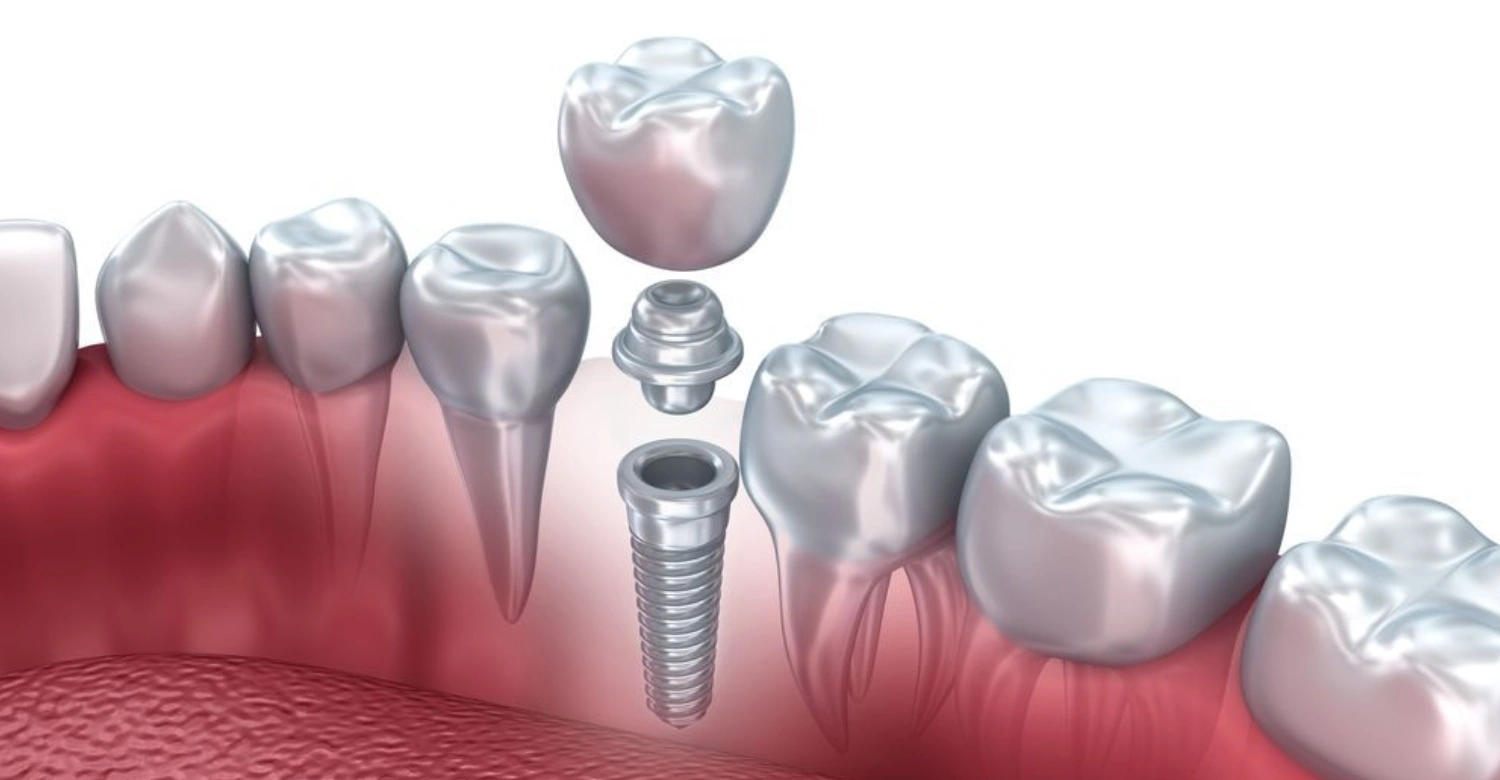
Serious Risks of Dental Implants
While uncommon, serious risks of dental implants can lead to implant failure, significant discomfort, or damage to surrounding oral structures. These complications require immediate professional attention and may necessitate implant removal or revision surgery. Understanding the warning signs of serious problems enables patients to seek timely treatment, potentially preventing irreversible damage. Certain patient characteristics and health conditions increase the likelihood of experiencing these severe complications.
Dental Implant Failure Symptoms Explained
Dental implant failure symptoms indicate the implant is not successfully integrating with the bone, or is losing stability after initial integration. Key signs include noticeable implant movement when touched and persistent pain unrelieved by medication. Severe swelling that doesn't improve, difficulty biting or chewing, visible implant exposure through the gums, and surrounding bone loss on X-rays are also signs. Implant failure can occur early during osseointegration or late after years of function, requiring professional evaluation.
When Dental Implant Problems Become Severe
Dental implant problems become severe when they threaten implant survival, cause significant pain, or risk damaging surrounding structures. Severe complications include advanced peri-implantitis with extensive bone destruction, and implant fracture or component breakage. Sinus perforation during upper jaw placement, severe infection, complete osseointegration failure, and significant nerve damage are also severe outcomes. These situations may require implant removal, bone grafting, antibiotic therapy, or other interventions to protect oral health.
Risk Factors That Increase Dental Implant Complications
Several risk factors increase the likelihood of experiencing dental implant complications. These include uncontrolled diabetes affecting healing and bone metabolism, and smoking, which reduces blood flow and osseointegration success. Poor oral hygiene, insufficient bone quantity or quality, radiation therapy to the head or neck, and immune disorders also raise the risk. Bruxism and certain medications like bisphosphonates affect bone remodeling too. Addressing modifiable risk factors before implant placement significantly improves outcomes.
Rare but Serious Surgical Risks and Structural Trauma
Most side effects of dental implants stay mild. But a small number of cases involve rare, serious surgical risks affecting nearby anatomical structures. These structural complications happen during placement itself. The drill or implant body can extend beyond the intended bone site. They are uncommon in experienced hands. Still, patients should understand what can go wrong and why. Awareness helps you ask the right questions during consultation and choose a provider who follows careful surgical protocols.
Sinus Perforation and Membrane Issues (Specific to Upper Jaw Implants)
Sinus perforation dental implant cases occur when an implant in the upper back jaw pushes through the thin bone floor into the maxillary sinus. This can tear the sinus membrane. It may cause sinus pressure, nasal discharge, or infection if untreated. The upper jaw naturally has less bone density near the sinus. That raises the risk during placement. Dentists lower this risk with careful measurement and imaging beforehand. Small perforations often heal on their own. Larger tears may need membrane repair or a sinus lift before the implant can proceed safely.
Injury to Nearby Blood Vessels and Adjacent Natural Teeth
Implant placement carries a small risk of injuring nearby blood vessels. This can cause bleeding or bruising beyond the surgical site. In rare cases, an implant drilled at the wrong angle can touch the root of an adjacent tooth. That contact can damage the tooth's nerve or structure. This type of injury is largely preventable. Pre-surgical imaging maps out vessel pathways and tooth positions before the first cut is made. Choosing a surgeon who reviews 3D scans in advance lowers the chance of this complication significantly.
Material Compatibility and Biological Reactions
Not every complication comes from surgical technique. Some patients react to the implant material itself, even when placement goes perfectly. Material compatibility and biological reactions are an important part of understanding side effects of dental implants. The body's response to a foreign material varies from person to person. Most implants integrate without issue. A small subset of patients develop sensitivity to specific metals. Recognizing these reactions early, and knowing which alternative materials exist, helps patients and dentists choose the right implant from the start.
Allergic Reactions to Metal Components (Titanium Sensitivity)
Titanium allergy dental implants are uncommon but documented. They affect a small percentage of patients. Symptoms can include persistent redness, itching, or swelling around the implant. Some patients notice a metallic taste that does not resolve with normal healing. True titanium sensitivity differs from simple postoperative inflammation. It is usually confirmed through allergy testing rather than assumed. Patients with a known history of metal allergies should mention this during consultation. The dental team can then evaluate whether a metal-free option fits better before surgery begins.
Zirconia Implants: A Metal-Free and Hypoallergenic Alternative
Zirconia metal free implants offer an alternative for patients concerned about titanium sensitivity. Some patients simply prefer a non-metal option. Zirconia is a ceramic material. It integrates with bone in a similar way to titanium, with a lower risk of allergic reaction. It also has a tooth-colored appearance. Many patients prefer this for aesthetic reasons in visible areas. Zirconia implants are typically placed in a single piece, which requires precise planning. They remain a reliable choice for patients seeking a hypoallergenic implant solution.
Clinical Note
Early cavities frequently cause no pain or visible change, so they are missed during self-checks at home. A dental examination with X-rays detects decay between teeth and under the enamel before it reaches a stage the patient would feel.
The Role of Cutting-Edge Technology in Risk Minimization
Advances in digital dentistry have meaningfully reduced the side effects of dental implants linked to surgical error. Computer guided implant surgery and detailed pre-surgical imaging let the dental team plan the exact position, angle, and depth of each implant before touching the patient. This shifts much of the risk assessment to the planning stage. Problems get caught and corrected on a screen, not during surgery. The result is a more predictable procedure with fewer surprises.
Computer-Guided Implant Surgery (Digital Implant Planning)
Computer guided implant surgery uses a digital plan built from the patient's own scans. This plan creates a physical surgical guide. The guide fits over the teeth or gums and directs the drill to the exact planned position, angle, and depth. It reduces the chance of the implant contacting a nerve, blood vessel, sinus cavity, or adjacent tooth root. Digital implant planning also shortens surgery time in many cases. The team executes a pre-verified plan rather than making judgment calls in real time.
Pre-Implant Biomechanical Testing via CBCT Scans
Cone beam computed tomography, or CBCT, gives a three-dimensional view of the jaw before any implant is placed. This imaging measures bone density and volume. It maps nerve and sinus locations. It also helps assess the biomechanical stress on implants a given site can safely support. Pre-implant biomechanical testing through CBCT lets the dental team select the right implant size, position, and angle for the patient's actual anatomy. This relies on real measurements instead of averages. It meaningfully lowers the risk of structural complications later.
Mechanical Complications and Long-Term Structural Maintenance
Beyond the healing period, dental implants function as mechanical structures under constant chewing forces. Long-term structural maintenance is part of what keeps an implant working for decades. Mechanical wear is a normal part of that lifespan. Understanding what can loosen or fracture over time helps patients spot early warning signs. Catching problems early means the repair stays small.
Issues with Loose Abutment Screws and Fractured Implant Crowns
Loose abutment screw symptoms include a feeling of movement when biting, or a clicking sound while chewing. Mild discomfort around the crown is another sign. This happens when the small screw connecting the crown to the implant post gradually loosens from repeated bite force. A fractured dental implant crown is different. It usually results from an especially hard bite, teeth grinding, or a manufacturing weak point. It often causes a sharp edge or a visible chip. Both issues are typically straightforward to repair chairside once identified. Neither usually affects the implant itself if addressed promptly.
How Dentists Diagnose Dental Implant Complications
Early diagnosis of dental implant complications is crucial for successful treatment and implant preservation. Dentists use clinical examination techniques, patient symptom reports, and advanced diagnostic imaging to identify problems affecting implant health. Regular follow-up appointments allow professionals to detect subtle changes before they progress to serious complications. Understanding the diagnostic process helps patients prepare for appointments and share useful information about their symptoms.
How Dental Implant Problems Are Detected
Dental implant problems are detected through comprehensive clinical examinations. These include visual inspection for inflammation, redness, or discharge around the implant, and probing to measure pocket depths indicating bone loss. Percussion testing assesses implant stability, while evaluation of the bite relationship and occlusal forces checks function. Assessment of surrounding soft tissue health and patient symptom reporting round out the exam. Experienced implant dentists can often identify early warning signs before patients notice significant symptoms.
Imaging and Tests Used to Identify Implant Issues
Advanced imaging techniques provide critical information about implant complications not visible during clinical examination. Periapical X-rays reveal bone levels around implants and detect early bone loss. Panoramic radiographs assess overall implant position and surrounding structures. Cone beam computed tomography (CBCT) provides three-dimensional visualization of bone quality and implant-nerve relationships. Microbiological testing identifies specific bacterial species causing peri-implantitis. These diagnostic tools enable precise problem identification and targeted treatment planning.
Signs That Require Immediate Dental Care
Certain signs indicate serious complications requiring immediate dental attention. Seek emergency care for severe, uncontrolled pain not responding to medication, or rapidly increasing swelling affecting breathing or swallowing. Fever above 101°F, heavy bleeding that doesn't stop with pressure, and sudden numbness persisting beyond anesthesia duration are also emergencies. Visible implant mobility or displacement and pus discharge round out the warning signs. Prompt professional intervention in these situations can prevent serious consequences and potentially save your implant.
Treatment Options for Dental Implant Side Effects
Effective treatment exists for most side effects of dental implants, ranging from conservative management of minor symptoms to surgical interventions for serious complications. Treatment approaches depend on the specific problem, its severity, and how long it has persisted. Early intervention typically allows for less invasive treatments and better outcomes. Understanding available treatment options helps patients make informed decisions and work collaboratively with their dental team toward resolution.
Managing Pain, Infection, and Inflammation
Managing pain, infection, and inflammation involves multiple therapeutic approaches tailored to symptom severity. Mild to moderate pain responds to over-the-counter NSAIDs like ibuprofen, while more severe discomfort may need prescribed medication. Bacterial infections require antibiotic therapy, often combined with professional cleaning of the implant surface and surrounding tissues. Persistent inflammation from peri-implantitis may need mechanical debridement, antimicrobial rinses, laser therapy, or localized antibiotic delivery systems.
Treating Dental Implant Bone Loss and Nerve Damage
Treating dental implant bone loss depends on the extent of deterioration. Minor bone loss may respond to improved oral hygiene, antimicrobial therapy, and surgical cleaning of contaminated implant surfaces. Advanced bone loss often requires bone grafting procedures to rebuild supporting structures, sometimes necessitating temporary implant removal. Dental implant nerve damage treatment focuses on symptom management with medications. Severe cases may require surgical nerve repair or decompression. Most minor nerve irritation resolves spontaneously within weeks to months.
Can Dental Implant Complications Be Reversed?
Many dental implant complications can be reversed or successfully managed with appropriate intervention. Outcomes depend on early detection and treatment. Infections typically resolve with proper antibiotic therapy and professional cleaning. Mild to moderate bone loss can be arrested and sometimes regenerated through surgical procedures and improved maintenance. However, severe nerve damage or complete osseointegration failure may be irreversible, potentially requiring implant removal. Early professional consultation maximizes the chances of successful complication reversal.
How to Reduce the Risks of Dental Implants
Reducing the risks of dental implants requires a comprehensive approach. It involves careful pre-operative planning, skilled surgical technique, and diligent post-operative care. Not all complications can be prevented. Still, patients can significantly minimize their risk through proper preparation, selecting experienced providers, and maintaining excellent oral hygiene. Understanding preventive strategies empowers patients to take active roles in ensuring successful implant outcomes.
How to Prevent Dental Implant Infection
Preventing dental implant infection begins before surgery with professional teeth cleaning to reduce oral bacterial load. It continues with sterile surgical techniques during the procedure, and extends through healing with prescribed antibiotics when indicated. After surgery, gentle rinsing with antimicrobial mouthwash and avoiding touching the surgical site help protect healing. Eating soft foods and attending all follow-up appointments for professional monitoring also significantly reduce infection risk.
Oral Hygiene Tips to Avoid Dental Implant Problems
Maintaining excellent oral hygiene is crucial for preventing long-term dental implant problems and ensuring implant longevity. Use soft-bristled toothbrushes or electric toothbrushes with implant-safe settings, and clean around implant crowns using gentle circular motions. Floss daily with implant-specific floss or interdental brushes, and consider water flossers to flush debris from hard-to-reach areas. Use non-abrasive toothpaste to avoid scratching implant surfaces. Schedule professional cleanings every 3-6 months for thorough plaque removal and early problem detection.
Health and Lifestyle Factors That Affect Implant Success
Several health and lifestyle factors significantly influence dental implant success rates. Smoking dramatically reduces blood flow and impairs healing, increasing failure risk by 200-300%, so smoking cessation is essential before implant surgery. Maintaining good glycemic control if diabetic supports proper healing and osseointegration. A balanced diet rich in vitamins and minerals, particularly vitamin D and calcium, promotes bone health. Managing stress, sleeping well, avoiding excessive alcohol, and addressing teeth grinding with protective nightguards also contribute to optimal outcomes.
Tips for the Patients
Use a toothpaste with 1,450 ppm fluoride. After brushing, spit rather than rinse with water, so the fluoride stays on the teeth longer. If you snack on something sugary, keep it to mealtimes rather than spreading it through the day. Frequent sugar exposure gives bacteria more chances to produce the acid that leads to decay.
Managing Dental Implant Side Effects at Vitrin Clinic
Vitrin Clinic in Istanbul, Turkey, specializes in comprehensive dental implant care, from initial placement through long-term maintenance and complication management. Our experienced team combines advanced technology, proven techniques, and personalized patient care to minimize side effects of dental implants. We address any complications promptly and effectively. We provide transparent communication about potential risks, thorough pre-operative planning, and ongoing support to ensure optimal implant outcomes.
Advanced Care for Dental Implant Complications at Vitrin Clinic
Vitrin Clinic offers comprehensive treatment for all dental implant complications using state-of-the-art diagnostic equipment and advanced therapeutic techniques. Our specialists expertly manage infections with targeted antimicrobial therapy, and address bone loss through regenerative procedures and bone grafting. We treat peri-implantitis using laser therapy and surgical intervention when necessary, and provide solutions for mechanical complications including component replacement. We prioritize implant preservation while maintaining your overall oral health and comfort.
Why Expert Implant Planning Reduces Side Effects
Expert implant planning at Vitrin Clinic significantly reduces the side effects of dental implants. This starts with comprehensive 3D imaging and digital treatment planning, and a precise assessment of bone quality and quantity before surgery. Careful evaluation of nerve pathways, customized surgical guides, and selection of appropriate implant sizes and types also matter. So does consideration of your medical history and risk factors. This meticulous planning minimizes complications and maximizes long-term implant success rates.
Conclusion
Understanding the side effects of dental implants empowers patients to make informed decisions about their oral health and maintain realistic expectations throughout treatment. Dental implants have proven to be highly successful tooth replacement options. Still, awareness of potential complications enables early detection and prompt intervention when problems arise. With proper planning, skilled execution, and diligent aftercare, most side effects remain mild and manageable.
Key Takeaways on Side Effects of Dental Implants
The side effects of dental implants range from common, temporary symptoms like pain and swelling to rare, serious complications including infection, nerve damage, and implant failure. Most patients experience only mild discomfort during the healing period. Serious complications occur in less than 10% of cases. Success rates exceed 95% when implants are placed by experienced professionals and patients maintain excellent oral hygiene. Understanding potential risks allows appropriate preventive measures and timely response to concerning symptoms.
Early Detection Minimizes Dental Implant Risks
Early detection of dental implant complications dramatically improves treatment outcomes and implant survival rates. Regular professional monitoring during healing and throughout the implant's lifetime allows identification of problems before they become severe. Patients should remain vigilant for warning signs, including persistent pain, unusual swelling, implant mobility, or changes in sensation. Contact your dental provider immediately when concerns arise. Prompt intervention can often reverse complications and preserve the implant.
Choose Vitrin Clinic for Safe and Reliable Implant Care
Vitrin Clinic provides exceptional dental implant care combining expert planning, advanced technology, and comprehensive complication management. This helps minimize side effects and maximize success. Our experienced team in Istanbul, Turkey, offers world-class implant treatment at 60-70% lower costs than Western countries, without compromising quality or safety. We prioritize transparent communication, thorough patient education, and ongoing support. Contact Vitrin Clinic today to schedule your consultation.
What We Notice Clinically
"In our clinical experience, most implant complications trace back to two things: incomplete pre-surgical imaging and inconsistent home care after placement," says Dr. Rifat Alsaman, Head of the Medical Team at Vitrin Clinic and a cosmetic dentist. Dr. Rifat Alsaman notes that patients who receive a CBCT scan and a digitally guided surgical plan rarely experience sinus perforation or nerve-related complications. The risk gets identified and managed before surgery, not during it.
Dr. Rifat Alsaman also observes that loose abutment screws are usually caught early at routine check-ups, well before a patient feels any discomfort. Consistent peri-implantitis management starts with these same small mechanical signs. That is why he recommends professional monitoring every six months for all implant patients.
About Vitrin Clinic
Vitrin Clinic is a cosmetic dental clinic based in Istanbul, Turkey. It serves patients from around the world who travel for high-quality, affordable dental care. The clinic's team, led by Dr. Rifat Alsaman as Head of the Medical Team, combines advanced technology such as CBCT imaging and computer guided implant surgery with personalized treatment planning. Vitrin Clinic offers a full range of implant options, including titanium and zirconia systems, alongside comprehensive aftercare to manage and prevent complications. Patients receive multilingual support throughout their treatment journey, from the initial consultation to long-term follow-up, making international dental travel straightforward.
References:
FAQs
Dr. Rifat Alsaman has more than 5 years of clinical experience in dentistry and currently serves as the Head of the Medical Team at Vitrin Clinic. He is dedicated to providing exceptional patient care, overseeing treatment planning, and ensuring the highest clinical standards across the team. His expertise, attention to detail, and commitment to continuous professional development have helped countless patients achieve healthier, more confident smiles.


