Teeth Whitening
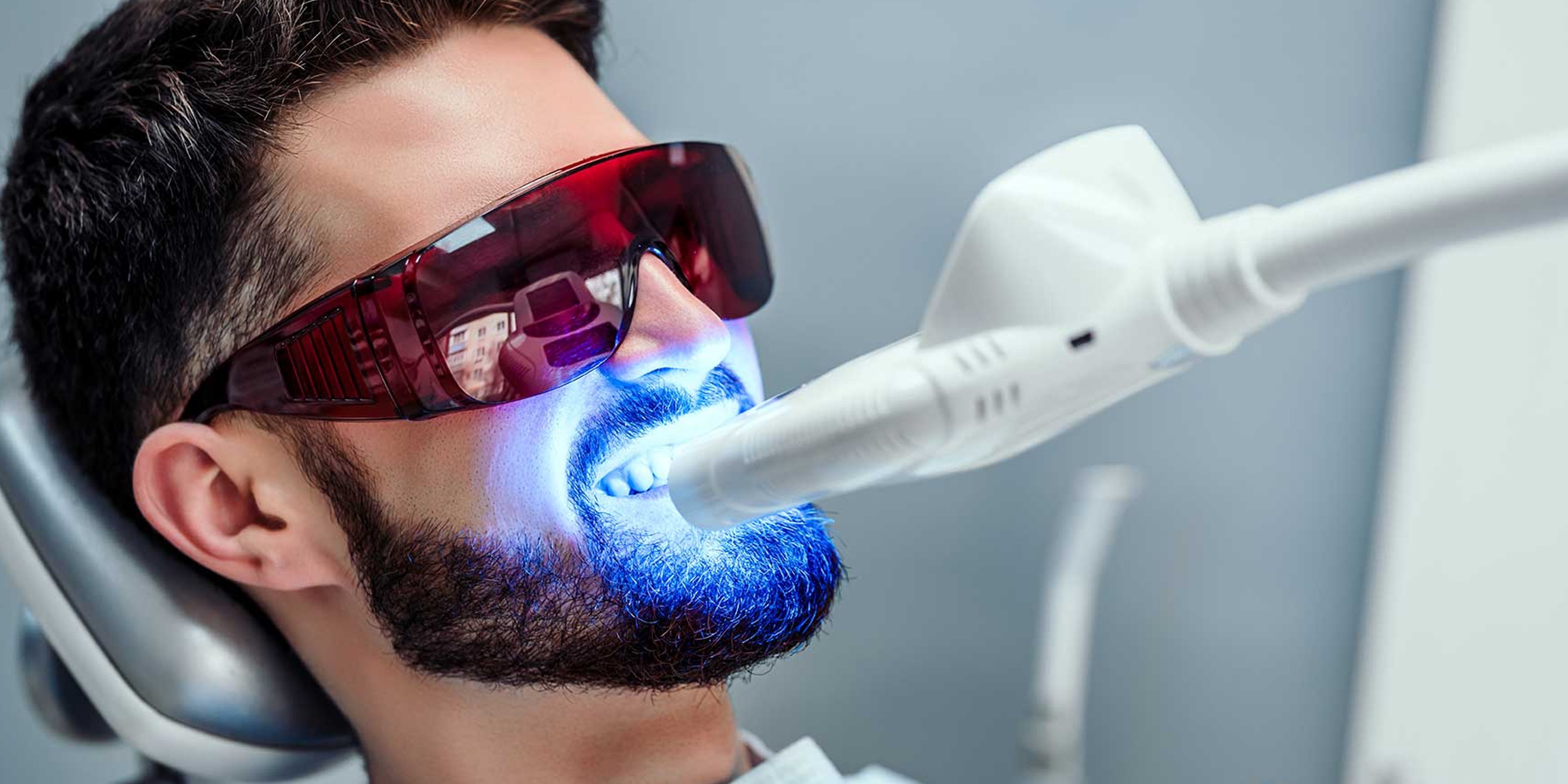
The enamel is naturally porous pigment particles settle into its microscopic pores, gradually causing dullness or yellowing. Even regular brushing may not be enough to reverse deep stains. Professional teeth whitening is the most effective solution for restoring natural brilliance.
Treatment Process
A clear step-by-step overview of how the treatment is planned and performed, from the initial consultation to the final results, ensuring comfort, safety, and predictable outcomes.
01
Consultation & Oral Health Check
Before any whitening procedure, your dentist performs a full oral examination to check for cavities, gum inflammation, or tooth sensitivity. If any issues are found, we address those first to ensure your teeth are fully ready for treatment.
02
Preparing the Teeth
We clean your teeth thoroughly, removing any plaque or tartar buildup to ensure the whitening agent can work evenly. A protective barrier is applied to your gums to shield them from the whitening gel.
03
Application of Whitening Gel
A powerful yet safe hydrogen peroxide-based gel is carefully applied to the teeth. On its own, the gel cannot penetrate deeply enough through the enamel's pores that's why we use UV or LED light technology to activate it and accelerate the whitening process.
04
Activation & Stain Removal
Once activated, the gel's particles break down the molecules that cause stains, lifting them out from beneath the enamel. This process is repeated in several cycles over 60 to 90 minutes total delivering a smile several shades whiter with minimal to no sensitivity.
Before & After Results
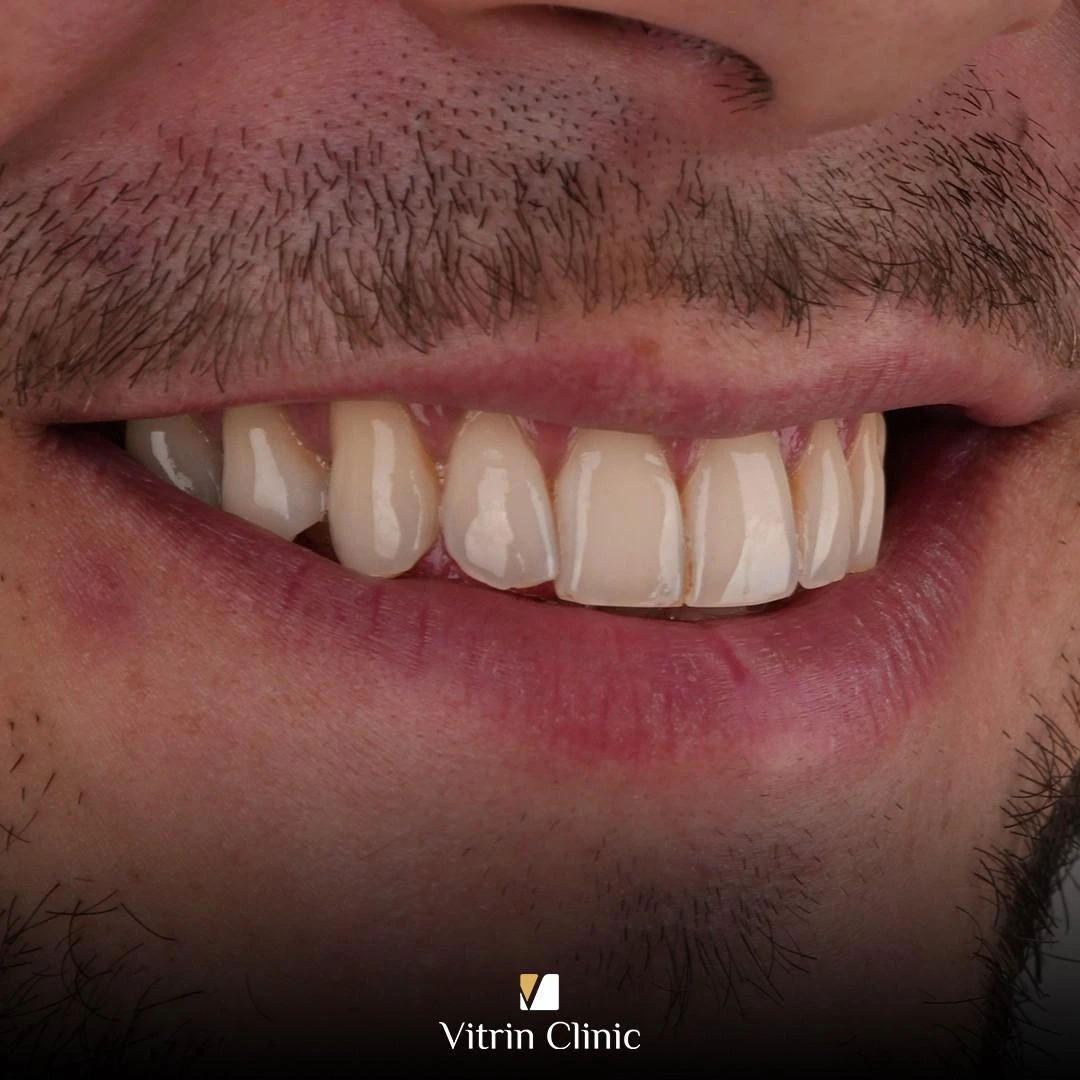
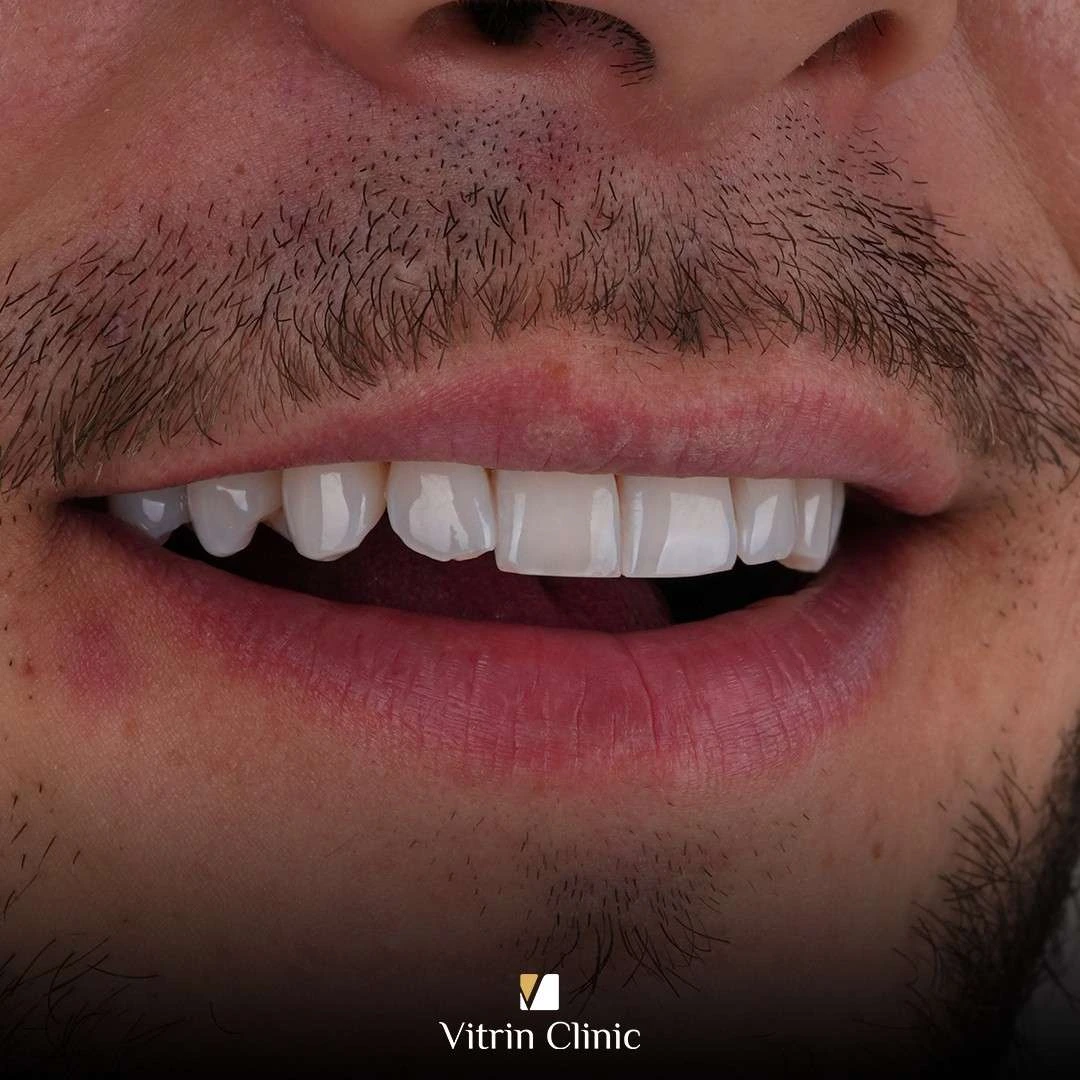
Real patient transformations showcasing the quality, precision, and care behind our dental treatments. Results are personalized to each patient's needs and goals.
What Is Professional Teeth Whitening?
Professional teeth whitening clinically referred to as dental bleaching is a chemically active treatment that lightens the natural colour of tooth enamel and dentine by oxidising the pigment molecules responsible for discolouration.
The active agents used in professionally administered whitening are hydrogen peroxide or carbamide peroxide, applied at clinically controlled concentrations under professional supervision.
Whitening works by releasing oxygen free radicals from the peroxide agent, which penetrate the enamel surface and break down the long-chain chromogenic compounds responsible for staining the underlying dentine.
The result is a measurable shift in tooth shade typically between two and eight shade guide units achieved without removal of any tooth structure.
Professional whitening acts on natural tooth enamel only.
It does not alter the colour of ceramic restorations, composite bonding, veneers, or crowns.
Where restorations exist in the visible smile zone, whitening must always be completed and shade-stabilised before any ceramic work is designed or placed so the restoration shade can be matched to the final whitened tooth colour.
This sequencing is a clinical requirement at Vitrin Clinic, not an optional step.
2–8Shade Units Lighter | 60–90Min In-Clinic Session | 1–3Years Result Duration | 0%Tooth Structure Removed |
|---|---|---|---|
In-Clinic Whitening vs. Home Whitening
At Vitrin Clinic, we focus exclusively on professionally administered in-clinic whitening a clinically proven solution designed to deliver immediate, noticeable results in a single visit.
Unlike home-based methods, in-clinic whitening is performed under expert supervision, ensuring precise application, controlled exposure, and enhanced safety for patients with varying sensitivity levels.
This approach is ideal for those seeking fast, reliable results or integrating whitening into a comprehensive smile makeover.
Each session is fully customized based on the patient’s dental condition, sensitivity history, and aesthetic goals ensuring optimal outcomes with maximum comfort.
In-Clinic Whitening (Single Session- Immediate Result)
In-clinic whitening uses a high-concentration hydrogen peroxide gel typically 25 to 40% applied directly to the teeth under full gingival protection in a single clinical appointment.
The procedure is completed in 60 to 90 minutes and produces an immediate, visible shade change making it the preferred approach for international patients with limited time in Istanbul and for patients whose whitening must be completed before a restorative treatment begins.
Gingival protection is mandatory throughout the procedure. A rubber dam or light-cured resin barrier is applied before any gel contacts the teeth, preventing chemical irritation to the soft tissue. The gel is applied in controlled cycles, monitored by the clinical team throughout the session.
A triple-blinded randomised clinical trial published in NIH/PMC confirmed that in-clinic treatment and home treatment produce equivalent final colour change outcomes when both are delivered under a desensitising protocol confirming that the in-clinic approach offers speed and immediacy, not a superior whitening result.
Active Agent : 25–40% hydrogen peroxide
Sessions Required : 1 appointment
Treatment Time: 60–90 minutes
Result Timing: Immediate and visible
Sensitivity: Managed with desensitising protocol
Best For: International patients, pre-restorative sequencing
Home Whitening ( Gradual - Lower Sensitivity)
Home whitening uses custom-fabricated silicone trays fitted precisely to the patient's teeth, filled with a lower-concentration carbamide peroxide gel typically 10 to 22% worn for a prescribed period each day over two to four weeks. Because the concentration is lower and exposure is gradual, tooth sensitivity during treatment is generally lower than with in-clinic procedures.
The trays are made from a precise impression or digital scan of the patient's teeth an exact fit is critical to ensure even gel distribution across all tooth surfaces and to minimise gel contact with the gum tissue.
Generic or ill-fitting trays cannot achieve this precision and increase the risk of uneven whitening and gingival irritation.
Active Agent : 10–22% carbamide peroxide
Treatment Period: 2–4 weeks daily use
Daily Wear Time: 1–4 hours or overnight
Result Timing: Progressive over weeks
Sensitivity: Generally lower
Best For: Lower sensitivity, longer-lasting result, maintenance
Why Clinical Approach Matters
Professional whitening is one of the few dental treatments where the patient's behaviour during and after the appointment directly determines both the safety and the outcome.
The clinical decisions made before treatment the assessment, the gingival protection protocol, the sensitivity management, and the correct sequencing with restorative work determine whether whitening is a comfortable, predictable experience or an uncomfortable one.
The distinction between supervised and unsupervised whitening is documented in peer-reviewed literature.
A foundational review in the Journal of Evidence Based Dental Practice concluded that professional whitening is safe and effective when manufacturer's protocols are followed, and specifically noted that higher levels of gingival irritation occur with unsupervised over-the-counter bleaching than with dentist-supervised procedures.
Sensitivity is the most consistently reported adverse effect of peroxide whitening.
Research confirms that between 43% and 80% of patients experience temporary tooth sensitivity during or after treatment a wide range that reflects differences in concentration, application time, and whether a desensitising protocol was used.
At Vitrin Clinic, sensitivity management is built into every whitening treatment from the start, not offered as a reactive measure if problems arise.
What the research shows
Equal | Lower | 43–80% |
|---|---|---|
Final colour change outcomes between in-clinic and home professional whitening in a triple-blinded randomised clinical trial confirming that approach selection should be based on speed, sensitivity, and clinical context, not on efficacy superiority of one method over the other. | Relapse rate associated with home tray whitening using carbamide peroxide compared to in-clinic hydrogen peroxide at follow-up in several studies supporting the use of home trays for maintenance following in-clinic treatment to sustain the achieved shade long-term. | Of patients experience temporary tooth sensitivity after peroxide-based whitening. Risk is significantly reduced by lower concentrations, desensitising agents, and professional clinical supervision throughout the treatment. |
NIH/PMC Triple-Blinded RCT: In-Clinic vs. At-Home Bleaching with Desensitising Protocol, PMC8523096 | University of Pavia / Sapienza University of Rome Systematic Review of Professional Whitening Types, PMC11672885, 2024 | NIH/PMC Systematic Review of Tooth Sensitivity in Bleaching, 2023 · PMC8523096 |
Vitrin Clinic Standard
Your teeth are assessed before any whitening begins
Decay, cracks, and gum health are checked clinically before gel is applied in-clinic or trays are dispensed. Whitening on a compromised tooth does not happen at Vitrin Clinic.
Gum protection is mandatory no exceptions
Every in-clinic whitening session includes a full gingival barrier before gel application. Chemical gum irritation from high-concentration peroxide is fully preventable and we prevent it.
Home trays fitted to your teeth not a generic template
Your home whitening trays are made from precise impressions of your individual teeth, ensuring even gel distribution and minimal gum contact throughout the treatment period.
Whitening sequenced correctly within your treatment plan
If you are having veneers, crowns, or composite work, whitening is always completed and shade-stabilised first so ceramic restorations are matched to your final tooth colour, not your starting shade.
Teeth Whitening Cost: Vitrin Clinic vs. UK vs. USA
Professional teeth whitening costs vary depending on the treatment method, the technology used, and the country of treatment. The following table provides a transparent comparison of average costs across the United Kingdom, United States, and Vitrin Clinic in Istanbul covering both in-clinic and home whitening options so patients can plan their treatment with accurate financial context before their consultation.
Treatment type | 🇬🇧 UK | 🇺🇸 USA | 🇹🇷 Turkey |
|---|---|---|---|
In-clinic whitening UV/LED activated, single session 60–90 min | $380 – $1,015 | $400 – $1,000 | From $100 |
Home whitening kit Custom trays + professional gel, 2–4 weeks | $220 – $510 | $200 – $500 | From $50 |
Combination package In-clinic session + home maintenance kit | $635 – $890 | $600 – $1,200 | From $130 |
Result Shade improvement per session | 2–8 shades | 2–8 shades | 2–8 shades |
Consultation & oral health check | Charged separately | Charged separately | Free & included |
Estimated saving | — | — | Up to 70% less |
* Prices are averages for reference only and may vary based on individual case requirements, treatment method, number of sessions, and degree of discolouration. A personalised quote is provided following your free consultation.
Clinical Evidence & References
University of Pavia & Sapienza University of Rome, Italy
Evaluation of the Effectiveness of Different Types of Professional Tooth Whitening Systematic Review
Bioengineering (MDPI) · November 2024Butera A, Maiorani C, Nardi GM et al. · DOI: 10.3390/bioengineering11121178 · PMC11672885 · PROSPERO ID613248
Key finding: All forms of professionally administered peroxide bleaching are effective in producing measurable colour change. Home tray whitening with carbamide peroxide is associated with lower relapse rates at follow-up than in-clinic treatment in several included studies. Tooth sensitivity is the primary side effect across both modalities.
NIH / PubMed Central Randomised Controlled Trial
Triple-Blinded Randomised Clinical Trial Comparing Efficacy and Tooth Sensitivity of In-Clinic and At-Home Bleaching Techniques
NIH/PMC · 2021130 volunteers · Spectrophotometer CIEL*a*b* colour measurement · PMC8523096
Key finding: In-clinic (35% hydrogen peroxide) and home (10% carbamide peroxide) bleaching produced equivalent final colour change outcomes when both were preceded by a desensitising protocol confirming that approach selection should be based on treatment duration preference and sensitivity, not efficacy superiority.
University of Valencia, Faculty of Medicine and Dentistry, Spain
Prognosis in Home Dental Bleaching Systematic Review
Clinical Oral Investigations · June 2023Fioresta R, Melo M, Forner L, Sanz JL · DOI: 10.1007/s00784-023-05069-0 · PMC10329590 · PROSPERO CRD42022360530
Key finding: Home whitening with low-concentration carbamide peroxide produces clinically meaningful colour change, with some colour regression between 3 and 12 months post-treatment. Periodic maintenance bleaching effectively sustains the achieved shade over time.
NIH / PubMed Central Systematic Review
Can Carbamide Peroxide Be as Effective as Hydrogen Peroxide for In-Clinic Tooth Bleaching and Cause Less Sensitivity?
NIH/PMC · 2024Multi-database: Cochrane, Embase, LILACS, Scopus, PubMed · PMC11148405
Key finding: 37% carbamide peroxide achieves whitening efficacy comparable to 35% hydrogen peroxide for in-clinic bleaching when at least three applications are performed, while promoting lower tooth sensitivity confirming it as a clinically valid lower-sensitivity alternative for appropriate in-clinic cases.
NIH / PubMed Central Clinical Evidence Review
Tooth-Whitening Agents and Polymer-Based Carriers: Efficacy, Safety, and Clinical Perspectives
NIH/PMC · 2025PMC12473685 · Comparative review of hydrogen peroxide and carbamide peroxide at clinical concentrations
Key finding: Hydrogen and carbamide peroxide are the clinically validated active agents for professional whitening. High concentrations can compromise enamel microhardness and alter surface morphology reinforcing the requirement for controlled exposure times, gingival protection, and professional supervision throughout bleaching.
NIH / PubMed Central Randomised Controlled Trial
Effects of Amorphous Calcium Phosphate Administration on Dental Sensitivity During In-Clinic and At-Home Whitening Interventions
NIH/PMC · 201980 patients · VAS sensitivity scale · In-clinic 30% HP + at-home 10% carbamide · PMC6313672
Key finding: Pre-treatment application of amorphous calcium phosphate significantly reduces tooth sensitivity during and after professional whitening without compromising the whitening outcome supporting desensitising agents as a mandatory component of the whitening protocol, not a reactive measure.
Have a question about this treatment?
Send us your questions or photos. Our doctors and patient coordinators reply every day of the week with a personal treatment plan.
Frequently Asked Questions
Answers to common questions about the treatment, including suitability, procedure details, recovery, and long-term care — helping you feel informed and confident before moving forward.
Teeth whitening in Turkey at Vitrin Clinic combines world-class results with significant cost savings typically 60–70% less than equivalent treatment in the UK, US, or EU. Our teeth whitening in Turkey Istanbul service is available for both standalone appointments and as part of a wider smile makeover or dental tourism package, with full multilingual support and VIP concierge services included.
