Orthodontics
April 20, 2026
Retayner Çeşitleri: Gülüşünüz için doğru pekiştirme aygıtını nasıl seçersiniz?
 Dr. Rifat Alsaman
.webp&w=3840&q=75)
Gülüşünüz için doğru pekiştirme aygıtını seçmek, uzun ömürlü ortodontik sonuçlar elde etmenin temel bir adımıdır. Retayner Çeşitleri tasarım, işlevsellik ve dayanıklılık açısından farklılık gösterir. Hangi seçeneğin diş ihtiyaçlarınıza en uygun olduğunu anlamak çok önemlidir. Bazı pekiştirme aygıtları çıkarılabilir. Diğerleri ise diş dizilimini korumak için kalıcı olarak sabitlenir. İyi seçilmiş bir pekiştirme aygıtı, yeni düzeltilmiş gülüşünüzü korur. Ayrıca ortodontik tedavinin aylarını veya yıllarını geri alabilecek kaymaları da önler. Vitrin Clinic'tekiler gibi bir ortodonti uzmanına danışmak, konfor, bakım ve uzun vadeli ağız sağlığı için ideal çözümü seçmenize yardımcı olabilir. Doğru aygıt ile yıllarca kendinden emin ve istikrarlı bir gülüşün tadını çıkarabilirsiniz. Farklı Retayner Çeşitleri değerlendirilerek en doğru karara varılabilir.
Pekiştirme Aygıtları Nedir ve Neden Önemlidir?
Pekiştirme aygıtları, dişlerin dizilimini korumak için ortodontik tedavilerden sonra kullanılan özel diş cihazlarıdır. Onlar olmadan dişler eski konumlarına geri kayma eğilimindedir. Bu durum tel veya şeffaf plakların etkilerini ortadan kaldırır. Bu cihazlar, istikrarlı ve sağlıklı bir gülüş sağlamada hayati bir rol oynar. Birden fazla tasarımda üretilirler. Her biri farklı ortodontik ihtiyaçlara ve hasta tercihlerine hitap eder. Hizalamayı korumanın yanı sıra, ısırma işlevselliğinin korunmasına da yardımcı olurlar. Çene rahatsızlığı riskini azaltır ve genel ağız sağlığını desteklerler. Retayner Çeşitleri hakkında bilgi sahibi olmak son derece önemlidir. Doğru seçim hem etkinliği hem de konforu etkileyebilir. Yaşam tarzınıza uygun bir aygıt seçmek uyumu artırır ve uzun vadeli sonuçlar sağlar.
Pekiştirme Aygıtlarının Amacı
Bu aygıtların temel amacı ortodontik tedaviyi takiben dişleri sabitlemektir. Teller veya plaklar çıkarıldıktan sonra dişler esnek kalır ve harekete meyillidir. İstenmeyen kaymaları önlemek için dişleri düzeltilmiş konumlarında tutarlar. Ayrıca doğru çene hizalamasına da yardımcı olurlar. Diş yerleşiminde küçük ayarlamalara yardımcı olabilirler. Şiddetli çapraşıklık veya aralık geçmişi olan hastalar için Retayner Çeşitleri kullanımı özellikle kritiktir. Ayrıca, diş kavislerinizin benzersiz şekline uyacak şekilde özelleştirilebilirler. Bu hem konfor hem de verimlilik sağlar. Ortodontistler tutarlı kullanımın şart olduğunu vurgulamaktadır. Ortodontik bakıma yapılan yatırımı korur. Ömür boyu kendinden emin gülüşler sağlar. Doğru cihazı seçmek, tedavinizin pekiştirme aşamasıyla ilgili vereceğiniz en önemli karardır. Süreç içinde farklı Retayner Çeşitleri tercih edilebilir.
Pekiştirme Aygıtı Kullanmanın Faydaları
Pekiştirme aygıtı takmak, dişleri hizada tutmanın ötesinde sayısız fayda sunar. Yanlış hizalamayı önleyerek ağız sağlığını geliştirirler. Yanlış hizalama, çiğneme zorluklarına veya dişlerde düzensiz aşınmaya neden olabilir. Ayrıca doğru diş konumlandırmasını koruyarak konuşma netliğini artırabilirler. Bazıları için bu cihazlar, kayan dişlerin neden olduğu diş eti veya çene sorunları olasılığını azaltır. Psikolojik faydalar arasında artan özgüven ve benlik saygısı yer alır. Hastalar, teller veya plaklar aracılığıyla elde edilen düzgün ve estetik açıdan hoş gülüşü korurlar. Ayrıca, bazı özel Retayner Çeşitleri eksik dişlerin neden olduğu boşlukları giderebilir. Küçük kozmetik düzeltmelerde de yardımcı olabilirler. Tutarlı kullanım, uzun vadede hem işlevsel hem de kozmetik faydalar sağlar.
Farklı Pekiştirme Aygıtlarının Açıklaması
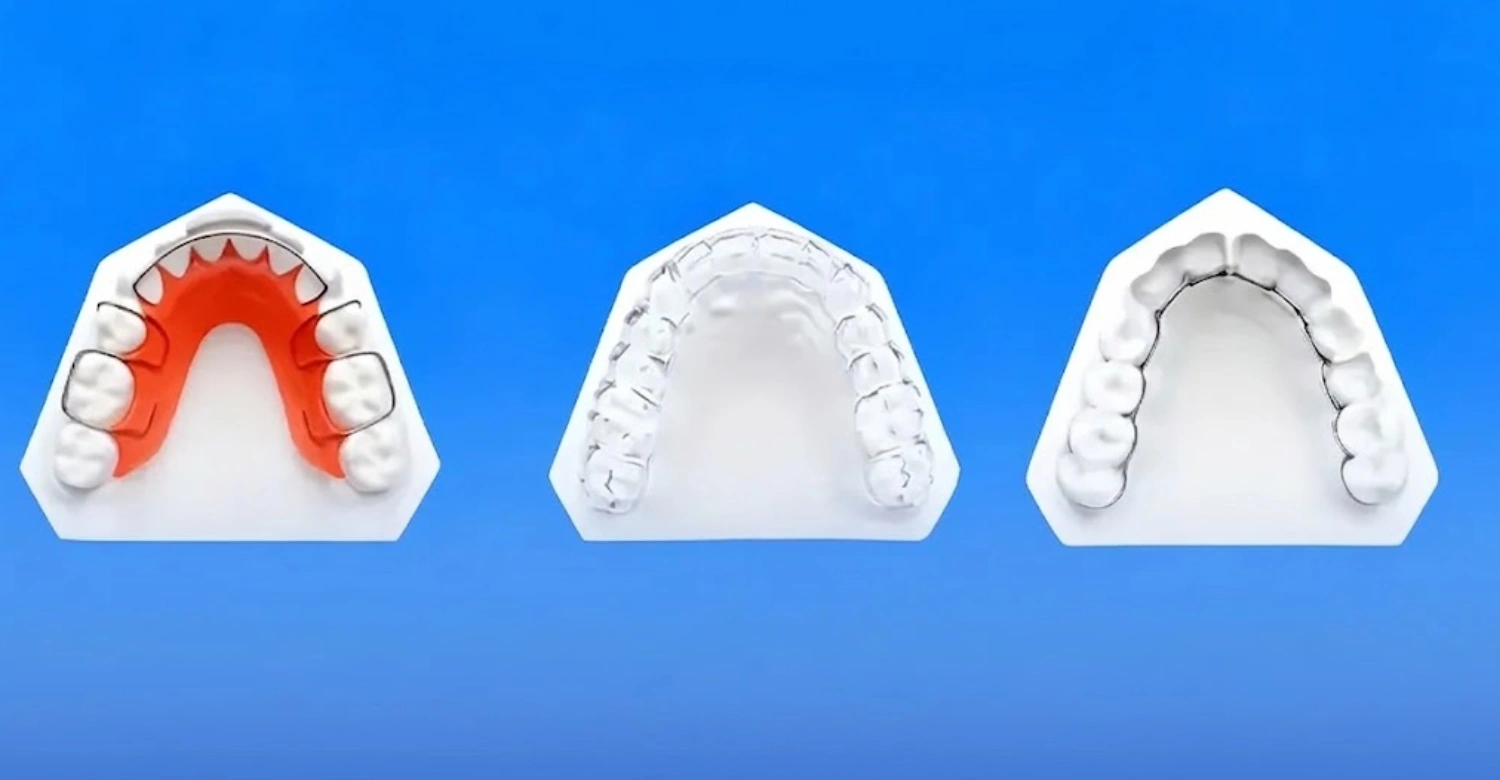
Farklı pekiştirme aygıtlarını anlamak, diş ihtiyaçlarınıza uygun olanı seçmek için çok önemlidir. Geniş anlamda bu cihazlar üç kategoriye ayrılır: sabit, çıkarılabilir ve özel. Sabit olanlar dişlere yapıştırılır ve kalıcı destek sağlar. Çıkarılabilir seçenekler kolay temizlik ve esneklik sağlar. ÖzelRetayner Çeşitleri ise eksik dişler veya özelleştirilmiş ortodontik gereksinimler gibi benzersiz vakalar için tasarlanmıştır. Her tür dayanıklılık, bakım ve konfor açısından belirgin avantajlar sunar. Her bir türün özelliklerini inceleyerek ve uzmanlara danışarak hastalar bilinçli kararlar verebilir. Bu kararlar hem ağız sağlığını hem de yaşam tarzı kolaylığını artırır. Uzun ömürlü ortodontik sonuçlar sağlarlar. Hawley veya şeffaf Essix seçilse de, bakteri birikimini önlemek için doğru bakım zorunludur. Doğru Retayner Çeşitleri ile süreç mükemmel şekilde yönetilebilir.
Vitrin Clinic Tıbbi Ekip Direktörü Dr. Rifat Al-Samman'a göre, "Doğru pekiştirme aygıtını seçmek gülüşünüzü korumada çok önemli bir adımdır. Her türün kendine özgü faydaları ve dikkat edilmesi gereken noktaları vardır. Bilinçli bir karar vermek için yaşam tarzınızı ve ağız sağlığınızı diş hekiminizle tartışmanız önemlidir."
Sabit Pekiştirme Aygıtları
Sabit cihazlar, kaymayı önlemek için genellikle alt ön dişler olmak üzere dişlerin arka tarafına yapıştırılan küçük, özel yapım tellerdir. Çıkarılabilir seçeneklerin aksine, bu cihazlar günlük takma veya çıkarma gerektirmeden kesintisiz destek sağlar. Sabit modeller, önemli ölçüde çapraşıklığı olan veya tellerden sonra nüksetmeye meyilli hastalar için özellikle etkilidir. Yapı oldukça dayanıklıdır ve uygun bakımla uzun yıllar dayanabilir. Ancak, yiyecek parçacıkları ve plak tel çevresinde birikebileceğinden ağız hijyeni çok önemlidir. Düzenli diş kontrolleri, cihazın sağlam ve etkili kalmasını sağlayarak gülüşünüzün hizasını korumak için güvenilir bir çözüm sunar. Farklı Retayner Çeşitleri arasında sabit olanlar konforlu bir seçenektir.
Sabit Pekiştirme Aygıtlarının Avantajları
Sabit cihazlar, hasta uyumuna dayanmadan sürekli hizalama desteği sağlar. Dişlere yapıştırıldıkları için, çıkarılabilir seçeneklerde yaygın olan takmayı unutma riski yoktur. Tel dişlerin arkasına gizlendiği için neredeyse görünmezdirler ve oldukça estetiktirler. Sabit olanlar dayanıklı ve uzun ömürlüdür; uygun bakım yapılırsa genellikle birkaç yıl boyunca etkili kalırlar. Şiddetli çapraşıklığı veya diş nüksetme geçmişi olan hastalar için özellikle uygundurlar. Dişleri sabitleyerek tedavi sonrası kayma riskini azaltırlar ve ortodontik bakım yoluyla elde edilen estetik ve işlevsel sonuçların korunmasına yardımcı olurlar. Bu nedenle Retayner Çeşitleri arasında sıkça tercih edilirler.
Kimler Sabit Pekiştirme Aygıtı Kullanmalıdır?
Sabit modeller, sürekli destek gerektiren önemli ölçüde çapraşıklık veya yanlış hizalama yaşamış hastalar için idealdir. Tellerden sonra özellikle alt ön dişlerde nüksetmeye meyilli bireyler, yapıştırılan tellerin sağladığı sürekli sabitlemeden faydalanır. Çıkarılabilir aygıtların kullanımına uyum sağlamakta zorlanan hastalar da sabit seçenekleri daha uygun bulur. Çıkarılabilir cihazları takmayı unutabilecek çocuklar ve gençler birer adaydır. Ancak bu cihazlar, plak birikimini ve olası diş sorunlarını önlemek için titiz bir ağız hijyeni gerektirir. Bir ortodontistle görüşmek, sabit sistemlerin özel hizalama ihtiyaçlarınıza, yaşam tarzınıza ve uzun vadeli ağız sağlığı hedeflerinize uygun olmasını sağlar. Mevcut Retayner Çeşitleri arasından doğru yönlendirme yapılacaktır.
Çıkarılabilir Pekiştirme Aygıtları
Çıkarılabilir cihazlar, esnekliği ve temizleme kolaylığını tercih eden hastalar için tasarlanmıştır. Sabit olanların aksine, yemekler sırasında veya fırçalarken çıkarılabilirler; bu da ağız hijyenini daha basit ve rahat hale getirir. Tipik olarak akrilik, plastik veya dişlerinizin şekline tam olarak uyan şeffaf termoplastik malzemelerden yapılırlar. Çıkarılabilir Retayner Çeşitleri, küçük hizalama sorunları ortaya çıkarsa ayarlamalara izin vererek birçoğu için çok yönlü bir seçim haline gelir. Bununla birlikte, başarı büyük ölçüde hasta uyumuna bağlıdır; talimatlara uygun şekilde takılmaması dişlerin kaymasına neden olabilir. Çıkarılabilir Retayner Çeşitleri hakkında bilgi sahibi olmak, konfor, dayanıklılık ve etkinliği dengeleyen bir seçenek seçmenizi sağlar.
Hawley Pekiştirme Aygıtları
Hawley modelleri, ön dişlerin etrafını saran ince bir metal tel ile ağzınızın tavanına veya alt dişler boyunca uyacak şekilde kalıplanmış akrilik bir plakaya sahip klasik bir çıkarılabilir aygıt türüdür. Son derece dayanıklıdırlar ve uygun bakımla birkaç yıl dayanabilirler. Hawley cihazları küçük ayarlamalara izin vererek ortodontistlerin zaman içinde hassas hizalamayı korumasını sağlar. Tel tasarımı ayrıca doğal ağız hareketine izin verirken dişlerin sabit kalmasını sağlar. Birçok hasta Hawley modellerinin dayanıklılığını ve güvenilirliğini takdir eder. Çıkarılabilir Retayner Çeşitleri arasında tercih edilen bir seçenektir. Hijyeni korumak ve plak birikimini önlemek için düzenli temizlik şarttır.
Essix Pekiştirme Aygıtları
Essix modelleri, şeffaf plastikten yapılmış çıkarılabilir cihazlar olup, neredeyse görünmez cihazları tercih eden hastalar için estetik bir seçenek sunar. Dişlerin üzerine tam oturacak şekilde özel olarak kalıplanırlar ve neredeyse hiç fark edilmeden etkili sabitleme sağlarlar. Hafif, konforlu ve sosyal aktiviteler de dahil olmak üzere günlük kullanım için uygundurlar. Hawley modellerinin aksine metal bileşenleri yoktur, bu da estetik çekiciliklerini artırır. Bununla birlikte, zamanla daha az dayanıklı olabilirler ve çatlamaya veya bükülmeye daha yatkındırlar. Hassas temizlik ve ısıya maruz bırakmama dahil doğru bakım, bu Retayner Çeşitleri için uzun süreli kullanım imkanı sunar. İstenmeyen kaymaları önlemede kalıcı teller de etkilidir. Diğer Retayner Çeşitleri de duruma göre değerlendirilebilir.
Hastalar Ne Diyor?
İsveç'ten hasta Anna, "Bir pekiştirme aygıtının görünürlüğünden endişeleniyordum, ancak şeffaf plastik olanım o kadar belli belirsiz ki meslektaşlarım fark etmedi bile" diyor. Kanada'dan David ise şunları paylaşıyor: "Hawley modelim ilk başta kaba hissettirdi, ancak bir hafta sonra alıştım. Üç yıl oldu ve hala gayet sağlam." Bu ilk elden anlatımlar, doğru Retayner Çeşitleri seçiminin günlük hayatınıza sorunsuz bir şekilde uyum sağlayabileceğini göstermektedir.
Ele Aldığımız Vakalar
Vitrin Clinic'te çok çeşitli vakaları yönettik. Örneğin, Hollanda'dan 25 yaşındaki bir hastanın ortodontik tedaviden sonra bir cihaza ihtiyacı vardı. Dayanıklılığı ve hassasiyeti nedeniyle Vivera modelini önerdik ve uyumdan çok memnun kaldı. Başka bir vaka ise tellerden sonra hizalamayı korumak için sabit bir cihaza ihtiyaç duyan bir genci içeriyordu. Ekibimiz doğru yerleşimi sağladı ve herhangi bir sorunu önlemek için ayrıntılı hijyen talimatları verdi. Farklı Retayner Çeşitleri kullanımı vakaya göre başarıyla uygulandı.
Özel Pekiştirme Aygıtları
Özel cihazlar eksik dişler, karmaşık kapanış sorunları veya özelleştirilmiş ortodontik gereksinimler gibi benzersiz diş durumları için tasarlanmıştır. Bu Retayner Çeşitleri, standart çıkarılabilir veya sabit cihazların karşılayamayacağı hedeflenmiş çözümler sunar. Örneğin, eksik dişleri olan hastalar, kaymayı önlemek için komşu dişleri desteklerken boşlukları dolduran cihazlara ihtiyaç duyabilir. Özelleştirilmiş cihazlar ayrıca kapanış ayarlamalarını, çene hizalamasını veya diğer özel ihtiyaçları yönetmek için özellikler içerebilir. Profesyonel bir ortodontiste danışmak, bu cihazların bireysel diş yapıları için tam olarak uyarlanmasını sağlayarak hem konfor hem de uzun vadeli istikrar sağlar. Özel Retayner Çeşitleri geleneksel seçeneklerin ötesine geçer.
Eksik Dişler İçin Pekiştirme Aygıtları
Eksik dişler için tasarlanan cihazlar, boşlukları telafi ederken diş hizalamasını korumak için tasarlanmış benzersiz bir cihaz türüdür. Komşu dişlerin boş alanlara kaymasını önlemeye yardımcı olurlar, bu da kapanış işlevselliğini ve görünümünü bozabilir. Bu cihazlar genellikle protez dişler veya diş implantlarını ya da köprüleri desteklemek için tasarlanmış alanlar içerir ve bu da onları restoratif diş hekimliğinde geçici bir çözüm haline getirir. Doğru uyum, konfor ve etkinlik sağlamak için her hasta için özelleştirilirler. Bu Retayner Çeşitleri, tedavi planına ve ağız koşullarına bağlı olarak çıkarılabilir veya sabit olabilir. Doğru türü seçmek gülüşte hem işlevsel kararlılık hem de estetik uyum sağlar.
Kişiye Özel Ortodontik Pekiştirme Aygıtları
Kişiye özel ortodontik cihazlar, hastanın dişlerinin tam yapısına uyacak şekilde özel olarak üretilir ve maksimum konfor ve etkinlik sağlar. Standart cihazların aksine, bu modeller bireysel hizalama endişelerini, kapanış kalıplarını ve diş kavisi şekillerini ele alır. Hasta tercihlerine ve ortodontist önerilerine göre esneklik sağlayan hem sabit hem de çıkarılabilir seçenekleri mevcuttur. Kişiye özel Retayner Çeşitleri, şiddetli çapraşıklık, boşluklar veya rotasyonel düzeltmeler dahil olmak üzere karmaşık vakalar için özellikle faydalıdır. Diş anatomisiyle tam olarak eşleşerek nüksetme riskini azaltır ve uzun vadeli ağız sağlığı sonuçlarını artırırlar. Düzenli izleme, optimal destek sağlamaya devam etmelerini garantiler.
Klinik Not
Erken evre çürükler sıklıkla hiçbir ağrıya veya gözle görülür değişikliğe neden olmaz, bu nedenle evde yapılan kendi kendine kontroller sırasında gözden kaçırılır. Röntgenli bir diş muayenesi, dişler arasındaki ve minedeki çürükleri hastanın hissedeceği aşamaya gelmeden önce tespit eder. Cihaz kullananlar bunu akılda tutmalıdır, çünkü tam oturan bir cihaz mine üzerindeki yalnızca bir muayenenin yakalayabileceği küçük değişiklikleri gizleyebilir. Uygun Retayner Çeşitleri seçimi bu açıdan da önemlidir.
Pekiştirme Aygıtı Türleri Arasında Geçiş Yapmak
Hastalar bazen konfor, görünüm veya kolaylık nedeniyle bir türden diğerine geçmek isterler. Bu aşamada farklı Retayner Çeşitleri değerlendirilebilir.
Kalıcı Sabit Bir Aygıttan Çıkarılabilir Bir Aygıta Geçilebilir mi?
Sabitten çıkarılabilir bir cihaza geçmek mümkündür, ancak bu basit bir değişim değildir. Sabit olan bir diş hekimi tarafından çıkarılır. Çıkarıldıktan sonra dişler konumlarını korumak için hemen yeni bir cihaza güvenir. Ortodontistiniz genellikle yeni bir tarama veya ölçü alacaktır. Bu, çıkarılabilir bir cihazın mevcut hizalamanıza tam olarak uymasını sağlar. Daha büyük husus uyumdur. Çıkarılabilir bir cihaz yalnızca programa uygun olarak takıldığında çalışır. Konfor veya kolaylık nedeniyle geçiş yapan hastalar, bu değişikliği yapmadan önce çıkarılabilir bir cihazı ne kadar güvenilir bir şekilde takacakları konusunda dürüst olmalıdırlar. Mevcut Retayner Çeşitleri arasından seçim buna göre yapılır.
Diş Pekiştirme Aygıtları: Mükemmel Gülüşünüzü Korumak
Telleriniz veya şeffaf plaklarınız çıktıktan sonra ortodontik yolculuğunuzun en kritik aşaması başlar: pekiştirme. Diş koruyucuları, çevre kemik ve diş etleri stabilize olurken dişlerinizi yeni konumlarında tutmak için tasarlanmış özel cihazlardır. Bu araçların arkasındaki mühendislik hakkında daha fazla bilgi edinmek için Vitrin Clinic bakım sonrası cihazlar listemize göz atabilirsiniz. Farklı Retayner Çeşitleri bu süreçte kullanılır.
Pekiştirme Aygıtları Neden Elzemdir?
Dişler, nüks (relaps) olarak bilinen bir süreçle orijinal konumlarına doğru geri kayma eğilimine sahiptir. Cihazlar şunları sağlayarak bunu önler:
Hizalamayı Korumak: Dişlerinizin düzgün ve işlevsel kalmasını sağlamak.
Çapraşıklığı Önlemek: Diş kavisini geniş tutmak ve zamanla dişlerin üst üste binmesini önlemek.
Yatırımınızı Korumak: Ortodontik tedaviye harcanan zamanı ve parayı güvenceye almak. Farklı Retayner Çeşitleri bu korumayı destekler.
Yaygın Pekiştirme Aygıtı Türleri
"Retayner Çeşitleri" üzerine araştırma yaparken, modern diş hekimliğinde kullanılan iki ana kategori bulacaksınız:
Çıkarılabilir Aygıtlar: Geleneksel Hawley cihazı (metal tel ve akrilik) veya şeffaf Essix cihazları gibi kalıplar.
Sabit (Kalıcı) Aygıtlar: Ön dişlerin arkasına yapıştırılan ve hasta uyumuna gerek kalmadan 7/24 sabitleme sağlayan ince bir tel. Retayner Çeşitleri bu iki grupta incelenebilir.
Uzun Vadeli Taahhüt
Bir koruyucunun rolünü anlamak, uzun vadeli ağız sağlığı ve estetik için önemlidir. Diğer sektörlerde kullanılan yapısal desteklerin aksine, bu cihazlar benzersiz anatominize uyum sağlaması gereken hassas araçlardır. Ortodontistiniz tarafından reçete edildiği şekilde tutarlı kullanım, gülüşünüzün ömür boyu mükemmel kalmasını sağlamanın tek yoludur. Doğru Retayner Çeşitleri ile bu süreç kolaylaşır.
Pekiştirme Aygıtınızı Takmayı Bırakırsanız Ne Olur?
Farklı Retayner Çeşitleri hakkında bilgi sahibi olmak, bir tanesini takmayı bıraktığınızda ne olacağını anlamak anlamına da gelir. Ortodontik nüks, dişlerin orijinal konumlarına doğru geri kayması için kullanılan tıbbi terimdir. Sessizce başlar ve çoğu hasta ilk birkaç gün hiçbir şey fark etmez. Her dişin etrafındaki bağ lifleri önceki konumlarını "hatırlar" ve hiçbir şey onu yerinde tutmazsa dişi yavaşça geri çekerler. Nüks ilk başta nadiren dramatiktir; haftalar ve aylar içinde biriken küçük hareketlerdir. Bu nedenle ortodontistler cihaz kullanımını isteğe bağlı bir eklenti değil, tedavinin kendisinin bir parçası olarak görürler.
Ortodontik Nüks ve Diş Kaymasının Zaman Çizelgesi
Nüks, hastaya göre değişmekle birlikte genel bir düzen izler. Cihaz çıkarıldıktan sonraki ilk 24-48 saat içinde dişler mikroskobik düzeyde hareket etmeye başlayabilir. İki ila üç hafta içinde hastaların çoğu, genellikle ilk olarak alt ön dişlerde gözle görülür bir değişiklik fark eder. Aygıt olmadan geçen üç ila altı ay içinde kayma, yeniden tedavi gerektirecek kadar önemli hale gelebilir. Çapraşıklık geçmişi olan hastalar, hafif düzeltmeleri olanlara göre daha hızlı nüks yaşarlar. En güvenli yaklaşım, özellikle teller veya plaklar çıkarıldıktan sonraki ilk yılda, nüks riskinin en yüksek olduğu dönemde ortodontistinizin reçete ettiği şekilde tutarlı kullanımdır. Çeşitli Retayner Çeşitleri bu kaymaları önler.
Kullanım Programı ve Geçiş Zaman Çizelgeleri
Cihazı günlük olarak ne kadar süre takacağınızı bilmek, hastaların tedaviden sonra sorduğu en yaygın sorulardan biridir. Genel program iki aşamayı izler: ilk başta tam zamanlı kullanım, ardından kademeli olarak yalnızca gecelere geçiş. Farklı Retayner Çeşitleri için kullanım süreleri değişebilir.
Günlük Kullanım Süresi: Tam Zamanlı (22 Saat) ve Yalnızca Gece
İlk üç ila altı ay boyunca çoğu ortodontist çıkarılabilir cihazların günde yaklaşık 22 saat takılmasını önerir. Sadece yemek yemek ve dişleri temizlemek için çıkarılır. Bu ilk aşamadan sonra bircok hasta, uyurken yaklaşık 8 ila 10 saat olmak üzere yalnızca gece kullanımına geçer. Sabit olanlar ise günlük olarak çıkarılmaya gerek kalmadan 7/24 yerinde kalır. Ortodontistiniz kapanışınızın ne kadar kararlı hale geldiğine bağlı olarak doğru programı onaylayacaktır. Onların onayı olmadan yalnızca gece kullanımına geçmeyin. İdeal Retayner Çeşitleri takibi uzman eşliğinde yapılmalıdır.
Her Pekiştirme Aygıtı Türü İçin Kullanım Ömrü ve Değiştirme Sıklığı
Cihaz değiştirme sıklığı, malzeme kadar kullanım düzenine de bağlıdır. İlk aylarda tam zamanlı takılan bir aygıt, yalnızca geceleri takılan bir aygıta göre daha fazla esneme ve sürtünme yaşar. Tam zamanlı takanlar sonuç olarak genellikle daha erken aşınma belirtileri görürler. Şeffaf plastik cihaz değiştirme süresi, cihaz sıcak suya, çiğnemeye veya sıkmaya maruz kalırsa kısalma eğilimindedir. Hawley ve Essix kullanım ömrü karşılaştırıldığında, Hawley cihazları sert çerçeveleri nedeniyle günlük kullanımı daha iyi tolere eder. Essix tarzı plaklar ise ısıya ve basınca karşı daha hassastır. Ortodontistinizin kontrol programına bağlı kalmak, erken çatlamayı veya gevşemeyi kapanışınızı etkilemeden önce yakalar. Farklı Retayner Çeşitleri bu süreçlerde takip edilir.
Farklı Pekiştirme Aygıtı Türlerinin Maliyeti ve Hususları
Doğru cihazı seçmek yalnızca işlevsellikle değil, aynı zamanda maliyet hususlarıyla da ilgilidir. Farklı Retayner Çeşitleri fiyatları malzemeye, karmaşıklığa ve sabit, çıkarılabilir veya özel olmalarına bağlı olarak değişir. Sabit olanlar yapıştırma prosedürleri nedeniyle daha yüksek bir ilk yatırım gerektirebilirken, Hawley veya Essix gibi çıkarılabilir seçenekler başlangıçta daha uygun maliyetli olma eğilimindedir ancak zamanla değiştirilmesi gerekir. Özel cihazlar, özelleştirilmiş üretim ve tasarım nedeniyle genellikle daha yüksek fiyat aralığına düşer. Hastalar bu faktörleri anlayarak bilinçli kararlar verebilirler. Arayışta olanlar için Retayner Çeşitleri ekonomik seçenekler de sunar.
Ortalama Maliyetler
Bu cihazların ortalama maliyeti, türe ve karmaşıklığa bağlı olarak geniş bir yelpazede değişir. Sabit olanlar genellikle çene başına 150 ila 500 $ arasında değişirken, çıkarılabilir Hawley cihazları 150-300 $'a mal olabilir. Şeffaf görünümleriyle popüler olan Essix cihazları çene başına 100-250 $ arasında değişmektedir. Benzersiz ortodontik ihtiyaçlar için özel üretilen cihazlar kullanılan malzemelere ve diş teknolojisine bağlı olarak 500 $'ı aşabilir. Bu maliyetler yalnızca cihazın kendisini değil, aynı zamanda üretimi, uyumlamayı ve takip ayarlamalarını da yansıtır. Farklı Retayner Çeşitleri maliyetlerini anlamak, hastaların finansal olarak plan yapmalarına ve seçim yapmalarına yardımcı olur.
Pekiştirme Aygıtları Ne Kadar Dayanır?
Bir cihazın kullanım ömrü türüne ve bakımına göre değişir. Hawley cihazları doğru kullanımla 5-10 yıl veya daha fazla dayanabilir. Şeffaf plastik cihazların aşınma ve yıpranma nedeniyle genellikle 1-3 yılda bir değiştirilmesi gerekir. Sabit cihazlar birkaç yıl dayanabilir, ancak yapışkan kırılabilir ve onarım gerektirebilir. Vivera cihazları 2-5 yıl dayanacak şekilde tasarlanmıştır. Diş hekiminizle yapacağınız düzenli kontroller, değişim zamanının ne zaman geldiğini belirlemeye yardımcı olacaktır. Uygun Retayner Çeşitleri uzun ömürlü kullanım sunar.
Gerçek Hasta Deneyimleri
Vitrin Clinic'te birçok hastanın ihtiyaçları için doğru cihazı bulmasına yardımcı olduk. Örneğin, Almanya'dan Maria telleri çıkarıldıktan sonra şeffaf plastik bir cihaz seçti. Belli olmayan görünümünü takdir etti ve iş toplantıları sırasında takmayı kolay buldu. İngiltere'den John ise gerektiğinde ayarlanabilen dayanıklı bir seçenek istediği için Hawley cihazını tercih etti. Birkaç günlük alışma sürecinden sonra neredeyse hiç fark etmediğini bildirdi. Bu vakalar, farklı Retayner Çeşitleri seçeneklerinin farklı yaşam tarzlarına ve tercihlere nasıl uyduğunu vurgulamaktadır.
Kanıta Dayalı Pekiştirme
Araştırmalar ve profesyonel yönergeler, ortodontik tedaviden sonra nüksü önlemek için pekiştirme aygıtlarının kullanımını desteklemektedir. American Journal of Orthodontics and Dentofacial Orthopedics'te yayınlanan bir çalışma, uzun süreli pekiştirmenin önemini vurgulamaktadır. Amerikan Ortodontistler Derneği, sonuçları korumak için cihazların ortodontistinizin belirttiği şekilde takılmasını önerir. Optimal sonuçlar için her zaman kanıta dayalı uygulamaları izleyin. Çeşitli Retayner Çeşitleri bu araştırmalarda incelenmiştir.
Doğru Pekiştirme Aygıtını Seçmek
Doğru cihazı seçmek dayanıklılık, estetik, konfor ve maliyet gibi faktörleri göz önünde bulundurmayı gerektirir. İşte hızlı bir kılavuz:
Dayanıklı, ayarlanabilir bir seçenek istiyorsanız: Hawley cihazı.
Neredeyse görünmez bir görünüm tercih ediyorsanız: Şeffaf plastik veya Vivera.
Hasta uyumu gerektirmeden uzun vadeli stabiliteye ihtiyacınız varsa: Sabit cihaz.
Hangi türün ağız sağlığı hedeflerinizle ve yaşam tarzınızla uyuştuğunu tartışmak için ortodontistinizle görüşün. Farklı Retayner Çeşitleri size uygun çözümler sunar.
Ek Kaynaklar
Pekiştirme aygıtları hakkında daha fazla bilgi için American Dental Association (ADA) ve American Association of Orthodontists gibi saygın kaynaklara başvurabilirsiniz. Bu kuruluşlar hasta eğitimi materyalleri ve ortodontik pekiştirme konusunda yönergeler sağlar. Retayner Çeşitleri ile ilgili bilimsel makaleler de incelenebilir.
Vitrin Clinic Hakkında
Vitrin Clinic, İstanbul Türkiye'de yüksek bakım standartları ve uluslararası hasta hizmetleriyle tanınan lider bir diş kliniğidir. Klinik akredite edilmiştir ve sıkı enfeksiyon kontrolü ve hasta güvenliği protokollerini izler. Kapsamlı diş hekimliği ve sağlık turizmi konusundaki engin deneyimiyle Dr. Rifat Al-Samman, kaliteli sonuçlar sağlamak için ekibe liderlik etmektedir. Kliniğimizde kaliteli Retayner Çeşitleri uygulanmaktadır.
Şeffaflık ve Gizlilik
Bu makale eğitim amaçlı sunulmuştur ve Vitrin Clinic'in uzmanlığını yansıtmaktadır. Pekiştirme hizmetleri sunsak da amacımız hastaları mevcut seçenekler hakkında bilgilendirmektir. Bireysel ihtiyaçlarınız için en iyi cihazı belirlemek üzere kendi diş hekiminize danışmanızı öneririz. Gizliliğinize saygı duyuyoruz. Bizimle paylaştığınız her türlü kişisel bilgi korunur ve yalnızca size en iyi bakımı sağlamak için kullanılır. Veri koruma düzenlemelerine uyuyoruz ve bilgilerinizi izniniz olmadan asla paylaşmıyoruz. Detaylar için gizlilik politikamıza bakabilirsiniz. Retayner Çeşitleri hakkında detaylı bilgi verilebilir.
Maliyeti Etkileyen Faktörler
Farklı Retayner Çeşitleri maliyetini birkaç faktör etkiler. Bunlar arasında malzeme, tasarım karmaşıklığı ve özelleştirme seviyesi yer alır. Sabit olanlar yapıştırma teknikleri nedeniyle daha pahalıya mal olabilir. Çıkarılabilir cihazlar şeffaflık, konfor ve dayanıklılığa göre değişir. Coğrafi konum ve ortodontist uzmanlığı da fiyatlandırmayı etkiler. Bakım, değiştirme sıklığı ve hijyen gereksinimleri genel masraflara eklenir. Bu değişkenleri anlamak hastaların etkili, uygun fiyatlı ve sürdürülebilir bir cihaz seçmesine yardımcı olur.
Klinik Olarak Neler Fark Ediyoruz?
Vitrin Clinic'te Tıbbi Ekip Başkanı ve estetik diş hekimi Dr. Rifat Alsaman, klinik ekibin pekiştirme hastalarında en sık gördüğü durumları paylaşıyor. "Gülüşünü uzun vadede sabit tutan hastalar, pekiştirme aşamasına en az tel aşaması kadar ciddiyetle yaklaşan hastalardır" diyor Dr. Rifat Alsaman. Alt ön dişlerin hemen her zaman erken nüks gösteren ilk dişler olduğunu ekliyor. Bu yüzden sabit aygıtlar orada çok sık tavsiye edilir. Vitrin Clinic Tıbbi Ekip Başkanı Dr. Rifat Alsaman, yeni bir cihazdan kaynaklanan bildirilen "ağrıların" çoğunun yaralanma değil, basınç olduğunu da not ediyor. Cihaz doğru oturduğunda bir hafta içinde çözülür. Farklı Retayner Çeşitleri doğru ayarlandığında ağrı yapmaz.
Vitrin Clinic: Doğru Pekiştirme Aygıtını Seçmede Uzman Tavsiyesi
Vitrin Clinic'te ortodonti uzmanları, hastalara ihtiyaçları için en iyi Retayner Çeşitleri seçiminde rehberlik eder. Uzmanlar diş hizalamasını, kapanış yapısını, yaşam tarzını ve uzun vadeli ağız sağlığını göz önünde bulundurur. Bir hastanın sabit, çıkarılabilir veya özel bir cihaza ihtiyacı olsun, rehberlik konfor, dayanıklılık ve etkinlik sağlar. Kişiselleştirilmiş konsültasyonlar dijital taramaları, kalıp ölçülerini ve kullanım ile bakım üzerine tartışmaları içerir. En başında doğru aygıtı seçmek nüks riskini azaltır ve memnuniyeti artırır. Uzman tavsiyesiyle hastalar, yatırımlarının kalıcı ve istikrarlı sonuçlar vereceğinden emin olurlar.
Uzmanlar Tarafından Pekiştirme Aygıtı Seçimi
Vitrin Clinic'teki ortodonti uzmanları, uygun Retayner Çeşitleri belirlemek için bireysel vakaları değerlendirir. Diş stabilitesini, kapanış hizalamasını ve hasta uyumunu göz önünde bulundururlar. Sabit, çıkarılabilir veya özel cihazların en etkili çözümü sağlayıp sağlamadığını değerlendirirler. Uzman seçimi genellikle dijital görüntülemeyi, deneme uyumlamalarını ve hassas ölçümleri içerir. Rehberlik ayrıca kullanım süresi ve bakım rutinleri için önerileri de içerir. Profesyonel tavsiyelere dayanarak hastalar yaygın hatalardan kaçınabilirler. Yanlış cihaz türlerini kullanmak veya kullanım talimatlarına uymamak bu hatalardandır.
Kişiselleştirilmiş Pekiştirme Seçenekleri
Vitrin Clinic, bireysel diş gereksinimlerine göre uyarlanmış kişiselleştirilmiş çözümlerde uzmanlaşmıştır. Özelleştirilmiş Retayner Çeşitleri benzersiz kapanış kalıplarına, diş aralıklarına veya hizalama düzeltmelerine uyum sağlayabilir. Hastalar sabit, çıkarılabilir veya özel seçenekler arasından seçim yapabilir. Her biri optimal işlevsellik ve konfor için tasarlanmıştır. Kişiselleştirme minimum rahatsızlık, maksimum stabilite ve uzun ömürlü sonuçlar sağlar. Dijital taramalar ve kalıp ölçüleri hassas üretime olanak tanır. Malzeme seçimi dayanıklılık ve estetik çekicilik sağlar. Kişiselleştirilmiş seçenekler bakımı da kolaylaştırır.
Vitrin Clinic: Pekiştirme Aygıtı Bakımı ve İpuçları
Tüm Retayner Çeşitleri için uygun bakım hijyen, dayanıklılık ve etkinlik sağlamak açısından çok önemlidir. Vitrin Clinic'te hastalar temizlik, kullanım ve güvenli saklama konusunda rehberlik alırlar. Düzenli bakım bakteri birikimini, renk değişimini ve malzeme hasarını önler. Bakım rutinleri türüne göre değişir. Hepsi nazik temizliği, yüksek ısıdan kaçınmayı ve cihazları koruyucu kutularda saklamayı vurgular. Hastaları bakım konusunda eğitmek kullanım ömrünü uzatır ve değiştirme maliyetlerini azaltır. Tutarlı bakım, ağız sağlığını ve düzeltilmiş hizalamanın stabilitesini de korur. Doğru uygulanan Retayner Çeşitleri bakımı süreci destekler.
Temizlik ve Hijyen İpuçları
Farklı Retayner Çeşitleri için hijyeni korumak elzemdir. Plak birikimini, ağız kokusunu ve lekelenmeyi önler. Hawley veya Essix gibi çıkarılabilir olanlar her gün temizlenmelidir. Yumuşak sabun veya özel temizleyiciler kullanın. Sabit olanlar, yapıştırılmış tel etrafında titiz bir fırçalama ve diş ipi kullanımı gerektirir. Cihaz bütünlüğünü korumak için sıcak sudan veya sert kimyasallardan kaçının. Yemeklerden sonra düzenli durulama kalıntı birikimini en aza indirir. Koruyucu kutular, takılmadığı zamanlarda hasarı önler. Hastalar cihazlarının işlevsel ve konforlu kalmasını bu şekilde sağlar.
Düzenli Kontroller Planlama
Tüm Retayner Çeşitleri takibi için düzenli ortodontik kontroller şarttır. Vitrin Clinic'te uzmanlar cihaz uyumunu değerlendirir ve diş stabilitesini inceler. Ayrıca olası aşınma veya hasarı tespit ederler. Sabit olanlar yapışma sorunları açısından incelenir. Çıkarılabilir olanlar çatlaklar veya bükülmeler açısından kontrol edilir. Planlanan ziyaretler, konforu ve etkinliği optimize etmek için ayarlamalara olanak tanır. Bir rutini sürdürmek, küçük sorunların hizalamayı etkilemeden önce çözülmesini sağlar. Takip programlarına uyan hastalar daha az komplikasyon yaşarlar.
Seçeneklerin Hızlı Karşılaştırması
Tür | En İyi Kullanım | Artıları | Eksileri | Tipik Ömür |
Hawley | Dayanıklılık ve ayarlanabilirlik | Sağlamdır, ayarlanabilir, küçük diş hareketlerine izin verir | Görünürdür, başlangıçta konuşmayı etkileyebilir | İyi bakımla 5-10 yıl |
Şeffaf Plastik (Essix) | Estetik ve konfor | Neredeyse görünmez, rahat, konuşma sorunu yaratmaz | Lekelenebilir, çatlayabilir, büyük hareketler için değildir | 1-3 yıl |
Sabit (Yapıştırmalı) | Uzun vadeli stabilite | Her zaman yerindedir, takıp çıkarma uyumu gerekmez | Temizliği daha zordur, diş eti tahrişine neden olabilir | Birkaç yıl, ancak onarım gerekebilir |
Vivera | Hassasiyet ve dayanıklılık | Dijital taramalardan yapılır, standart şeffaf cihazlardan daha dayanıklıdır | Daha pahalıdır, birkaç yılda bir değiştirilmesi gerekir | 2-5 yıl |
Bu tablo genel bir özet sunar. Kişiselleştirilmiş tavsiye için ortodontistinize danışın. Tablodaki Retayner Çeşitleri ihtiyaca göre seçilir.
Olası Riskler ve Yan Etkiler
Bu cihazlar genellikle güvenli olsa da, her türün olası dezavantajları vardır. Hawley cihazları geçici konuşma zorluklarına neden olabilir. Dili veya yanakları da tahriş edebilirler. Şeffaf plastik cihazlar düzgün temizlenmezse lekelenebilir. İyi oturmazlarsa diş eti tahrişine neden olabilirler. Sabit cihazlar fırçalamayı ve diş ipi kullanımını daha zor hale getirebilir. Bu da plak birikimi ve diş eti hastalığı riskini artırır. Vivera cihazları şeffaf plastiğe benzer ancak daha kırılgan olabilir. Bu riskleri en aza indirmek için her zaman diş hekiminizin talimatlarına uyun. Retayner Çeşitleri doğru kullanıldığında riskler azalır.
Rahatsızlığı Yönetmek: İlk Takıldığında Can Yakar mı?
Aygıtlar ilk takıldığında acıtır mı? Biraz baskı hissetmek normaldir. Yeni bir cihaz, çıkarılabilir veya sabit olsun, dişleri sıkıca tutmak için tasarlanmıştır. İlk birkaç günde bir miktar sıkılık beklenir. Bütün Retayner Çeşitleri ilk günlerde benzer hissettirebilir.
Normal Baskı ve Anormal Ağrı Ayarlamaları
Normal alışma süreci, ağzınız uyum sağladıkça birkaç gün içinde kaybolan hafif bir baskı veya sızı gibi hisssettirir. İlk haftadan sonra rahatça konuşmanızı veya yemek yemenizi engellememelidir. Anormal ağrı ise farklıdır: keskin ağrı, diş etlerini kesme, tam oturmayan bir cihaz veya iyileşmek yerine kötüleşen rahatsızlık, bir şeylerin ayarlanması gerektiğinin işaretleridir. Sabit olanlar başlangıçta dili geçici olarak tahriş edebilir, bu da dil tele alıştıkça genellikle düzelir. Ağrı bir ila iki haftayı geçerse ortodontistinizle iletişime geçin. Uygun Retayner Çeşitleri ile bu durum düzeltilebilir.
Hastalar İçin İpuçları
1.450 ppm florür içeren bir diş macunu kullanın ve fırçaladıktan sonra suyla durulamak yerine tükürün, böylece florür dişlerde daha uzun süre kalır. Şekerli bir şey atıştırıyorsanız, bunu gün geneline yaymak yerine bir öğünle birlikte tüketin; çünkü diş çürüğüne neden olan şey toplam miktar değil, asit ataklarının sıklığıdır. Bunlar gibi iyi alışkanlıklar, aygıtınızın yerinde tuttuğu dişleri korur. Doğru Retayner Çeşitleri kullanımı kadar bakım da önemlidir.
Pekiştirme Aygıtınızı Ne Zaman Değiştirmelisiniz?
Aşağıdaki durumları fark ederseniz bir değişim düşünmenin zamanı gelmiştir:
Çatlaklar, bükülmeler veya gözle görülür aşınma.
Cihaz artık tam oturmuyor veya gevşek hissettiriyor.
Kalıcı rahatsızlık veya ağrı.
Temizlikle geçmeyen lekelenme veya koku.
Önerilen kullanım ömrü kadar giydiyseniz. Farklı Retayner Çeşitleri için bu süre değişkendir.
Herhangi bir endişeniz varsa her zaman ortodontistinize danışın. Durumu değerlendirebilir ve en iyi hareket tarzı konusunda tavsiyede bulunabilirler.
Vitrin Clinic: İstanbul'da Güvenilir Pekiştirme Bakımı
Vitrin Clinic, İstanbul Türkiye'de bulunan ve dünyanın dört bir yanından gelen hastalara hizmet veren bir estetik diş kliniğidir. Klinik dijital tarama, kişiye özel cihazlar ve takip bakımı sunmaktadır. Bu hizmet, tedavi için seyahat eden ve eve döndüklerinde net bir bakım planına ihtiyaç duyan hastalar için tasarlanmıştır. Her vaka, Vitrin Clinic Tıbbi Ekip Başkanı Dr. Rifat Alsaman liderliğindeki klinik ekip tarafından incelenir. Bu, cihaz türünün hastanın kapanışına, yaşam tarzına ve seyahat programına uymasını sağlar. Farklı Retayner Çeşitleri seçeneklerini değerlendiren hastalar için Vitrin Clinic, tedavi başlamadan önce seçenekleri gözden geçirmek üzere ücretsiz bir konsültasyon sunmaktadır.
Referanslar:
FAQs
Dr. Rifat Alsaman, diş hekimliği alanında 5 yıldan fazla klinik deneyime sahiptir ve şu anda Vitrin Clinic'te Medikal Ekibin Başkanı olarak görev yapmaktadır. Hastalarına en iyi bakımı sunmaya, tedavi planlamalarını yönetmeye ve ekip genelinde en yüksek klinik standartların uygulanmasını sağlamaya kendini adamıştır. Uzmanlığı, detaylara verdiği önem ve sürekli mesleki gelişime olan bağlılığı sayesinde birçok hastanın daha sağlıklı ve daha özgüvenli gülüşlere kavuşmasına yardımcı olmuştur.


.webp&w=3840&q=75)
