
Fixing an underbite is an essential treatment in modern dentistry. It realigns the lower jaw and teeth with the upper jaw. This improves oral function and appearance. An underbite can lead to speech issues, difficulty chewing, and jaw discomfort. If left untreated, it may cause long-term dental wear. Dental experts offer a range of solutions. These include non-surgical approaches like braces, aligners, and other orthodontic devices. Surgical interventions are available for severe skeletal underbites. Understanding the causes, symptoms, and treatment options is crucial for anyone seeking underbite correction. Choosing the right method depends on the severity of the misalignment, age, and individual oral health. This ensures optimal functional and aesthetic results.
Understanding Underbite
Understanding underbite is essential for effectively fixing an underbite. An underbite occurs when the lower jaw protrudes beyond the upper jaw. It affects both dental function and facial aesthetics. It may develop due to genetic factors, childhood habits, jaw injuries, or skeletal growth differences. Recognizing the condition early allows for timely intervention. This prevents severe complications like worn teeth, speech difficulties, and jaw discomfort. Treatment depends on the type and severity of the underbite. Mild cases may respond to orthodontic appliances. Severe skeletal underbites often require surgery. Awareness of underlying causes and symptoms ensures that patients pursue the right strategy for optimal functional and cosmetic results. Treating a protruding lower jaw is often more complex than standard overbite correction due to the skeletal factors involved.
What is an Underbite?
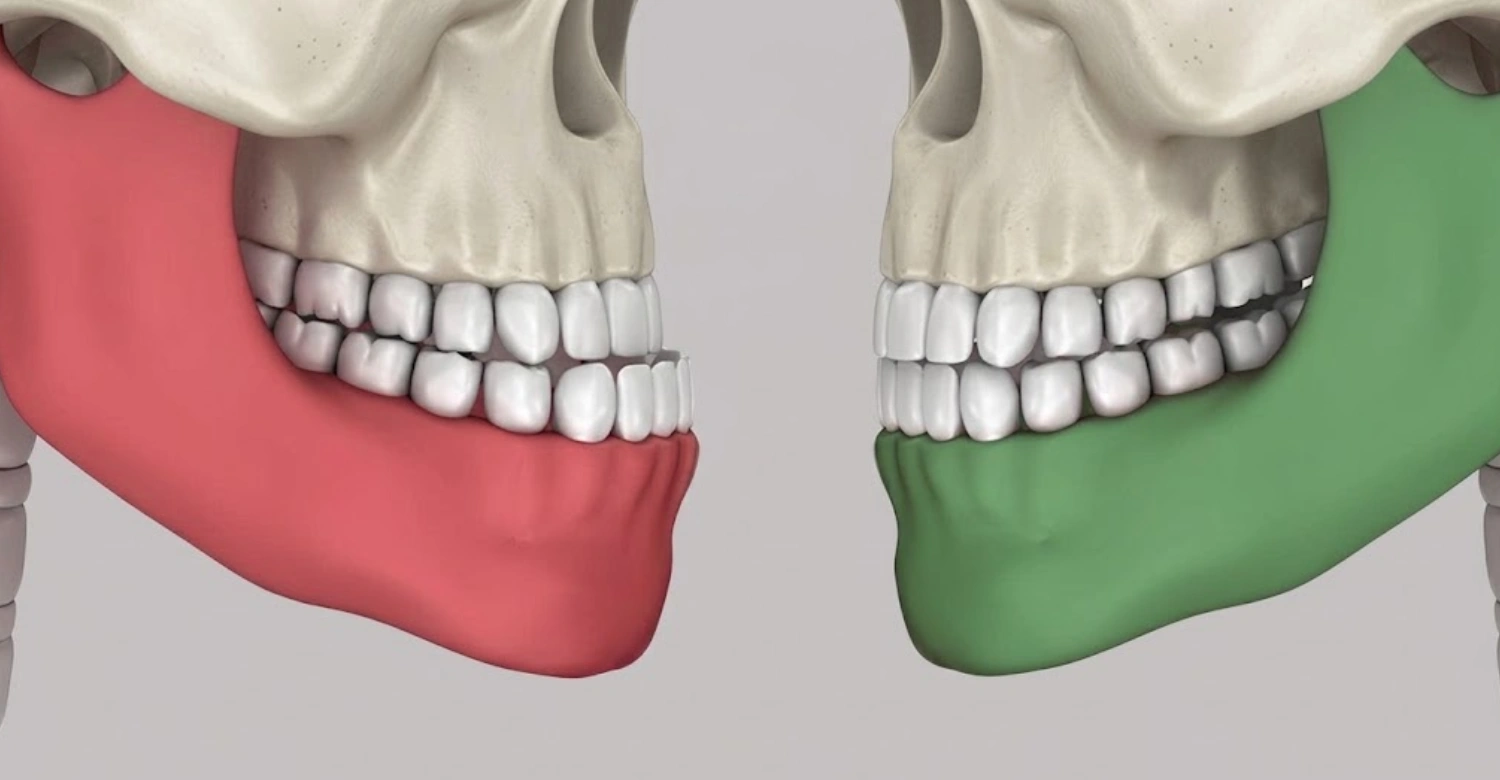
An underbite occurs when the lower teeth protrude beyond the upper teeth. This creates an imbalance in the bite and jaw alignment. It is more than a cosmetic issue. Underbites can affect chewing efficiency, speech clarity, and overall oral health. There are two primary types: skeletal underbites and dental underbites. Skeletal underbites involve jaw bone misalignment. Dental underbites are caused by teeth positioning. Early detection, especially in children, can allow preventive treatment using orthodontics before growth is complete. Adults with untreated underbites may experience chronic jaw strain, worn teeth, and TMJ problems. Addressing an underbite through underbite correction can enhance appearance, function, and oral well-being. It is a key focus in orthodontic and maxillofacial care. Sometimes a lower jaw protrusion is accompanied by a lack of vertical overlap. This requires simultaneous closing of vertical gaps.
Causes of an Underbite
Several factors contribute to an underbite. These include genetics, childhood habits, and jaw growth discrepancies. Genetic factors often determine jaw size and shape. This makes underbites hereditary. Childhood behaviors such as prolonged thumb sucking, tongue thrusting, or pacifier use can worsen misalignment. Trauma to the jaw during growth may also lead to an underbite. Certain medical conditions like cleft palate or delayed teeth eruption can contribute. Understanding the root cause is essential for designing an effective fixing an underbite plan. Treatment options vary depending on severity. Mild dental underbites might be corrected with braces. Severe skeletal cases often require surgical intervention. A customized approach ensures long-term success and optimal oral health.
Symptoms and Complications
Symptoms of an underbite include difficulty chewing, speech impediments, jaw pain, and worn teeth. Uneven bite pressure causes these issues. Visually, the lower jaw appears to protrude beyond the upper jaw. This affects facial aesthetics. Left untreated, underbites can cause complications. These include temporomandibular joint disorders, chronic headaches, and tooth decay from abnormal pressure. Severe underbites may also impact self-confidence due to their effect on facial appearance. Recognizing symptoms early allows dental professionals to recommend timely underbite correction. Options range from orthodontic devices to surgical solutions. Proper treatment reduces functional and cosmetic complications. It also improves long-term oral health and bite alignment.
Methods for Underbite Correction
There are several methods for fixing an underbite. They range from non-surgical approaches to advanced surgical procedures. Mild to moderate underbites can often be addressed using braces, clear aligners, and orthodontic appliances. These gradually reposition teeth. Children may benefit from growth modification techniques. This prevents worsening over time. Severe skeletal underbites usually require corrective jaw surgery. It is sometimes combined with pre- and post-surgical orthodontics. Each treatment plan is customized based on age, severity, and oral health. Choosing the right method ensures effectiveness. It improves chewing, speech, facial symmetry, and overall oral health. It also minimizes complications and relapse risk. Early intervention frequently involves palatal expanders to widen the upper jaw so it properly fits over the lower teeth.
How to Correct an Underbite Without Surgery
Mild to moderate underbites often respond well to non-surgical treatment. Braces, clear aligners, and special appliances can shift teeth gradually. In children and teens, growth modification works best. Palatal expanders or reverse-pull face masks guide jaw development. Non-surgical underbite correction focuses on repositioning teeth and retraining jaw muscles. Compliance with orthodontist instructions is critical. Wearing elastics or retainers as directed ensures optimal results. Treatment may take months to years. Yet it can prevent invasive procedures and improve oral function with minimal discomfort.
Braces for Underbite Correction
Braces are a common solution for fixing an underbite. Traditional metal braces or clear aligners apply continuous pressure. They gradually move teeth into proper alignment. Sometimes elastics adjust jaw positioning. Braces suit both children and adults with mild to moderate underbites. Treatment typically lasts 12–36 months. Severity, age, and compliance affect duration. Braces improve chewing, speech, and dental health. Regular checkups ensure progress stays on track. This makes braces an effective non-surgical option for many patients.
Corrective Jaw Surgery for Underbite
Severe underbites from skeletal discrepancies often need surgery. Orthognathic surgery realigns jaw bones for a proper bite. It also improves facial symmetry. Surgery may combine with pre- or post-operative orthodontics. This ensures teeth are correctly positioned. Corrective jaw surgery improves chewing, speech, and long-term oral health. It enhances facial aesthetics too. Adults with complete jaw growth are typical candidates. It is also used when non-surgical methods fail. A skilled oral surgeon and orthodontist work together. This ensures the safest and most effective Underbite treatment outcomes.
Underbite Correction Surgery: What to Expect
Fixing an underbite surgery repositions the lower jaw, upper jaw, or both. The procedure uses general anesthesia. Surgical planning involves 3D imaging and bite analysis. After surgery, patients may have swelling and discomfort. Temporary dietary restrictions are common. Pain management strategies help reduce these effects. Healing typically takes 6–12 weeks. Follow-up orthodontic treatment ensures optimal alignment. Recovery requires patience. Yet results include improved bite function and facial symmetry. Long-term oral health also improves. This makes surgery transformative for severe cases.
Corrective Jaw Surgery Before and After Underbite
Before surgery, patients often undergo braces. This aligns teeth for optimal results. Preoperative imaging assesses jaw discrepancies and bite alignment. It also considers aesthetic goals. After surgery, patients follow a structured recovery plan. This includes a soft diet and oral hygiene routines. Follow-up visits are essential. Postoperative orthodontics fine-tune teeth positioning. This ensures a stable and functional bite. Results of Underbite treatment surgery are often dramatic. Facial profile, speech, and chewing efficiency improve. Patients report enhanced confidence and quality of life. Before-and-after cases show significant improvement in function and appearance. This highlights the effectiveness of surgery for severe underbites.
Tips for Patients
Use a toothpaste with 1,450 ppm fluoride. After brushing, spit rather than rinse with water, so the fluoride stays on the teeth longer. If you snack on something sugary, have it with a meal instead of spreading sweets across the day. It is the frequency of acid attacks, not the total amount, that drives a tooth cavity.
Comparing Bite Issues
Comparing bite issues helps patients understand why fixing an underbite may differ from other treatments like overbite correction. An overbite occurs when upper teeth extend past lower teeth. An underbite is the opposite, with lower teeth protruding forward. Both conditions affect chewing, speech, and dental health. Underbites often require more complex solutions due to jaw misalignment. Understanding differences informs treatment selection. Mild dental underbites may be corrected with braces alone. Severe skeletal cases require surgery. Knowledge of bite types allows patients and dentists to design effective strategies. These strategies address unique structural and functional challenges. Because skeletal modification is easiest during growth spurts, exploring pediatric alignment options early is critical for success.
Overbite vs Underbite: Key Differences
An overbite occurs when upper teeth extend beyond lower teeth. An underbite is the opposite, with lower teeth protruding past upper teeth. Both affect bite function, chewing efficiency, and dental health. Their causes and treatments differ. Overbites often stem from genetic jaw structure or childhood habits. Underbites share similar causes. However, underbites typically require more complex interventions when skeletal discrepancies are present. Symptoms of underbites may include jaw discomfort, worn teeth, and speech issues. Overbites often cause gum irritation and uneven tooth wear. Understanding the differences is essential for planning effective underbite correction. It helps choose the most appropriate orthodontic or surgical method. Ultimately, bringing the jaws into harmony provides incredible Vitrin Clinic treatment advantages, including clearer speech and enhanced facial symmetry.
How Overbite Correction Differs from Underbite Correction
Overbite correction moves the upper teeth backward. Fixing an underbite often moves the lower teeth backward or repositions the jaw. Braces or aligners can fix mild cases of both. Severe underbites may need surgery. Timing matters. Children may benefit from early growth modification for underbites. Overbite correction is often simpler in adolescence. Retention differs too. Underbite patients need extended follow-up to keep jaw alignment. Effective correcting a Class III malocclusion improves function and stability. It also enhances facial balance. This sets it apart from standard overbite treatment.
Malocclusion Classes and Clinical Terminology
Underbite correction starts with understanding the clinical classification behind the condition. Dentists group bite misalignments into three main classes. This terminology guides diagnosis and treatment planning. It also helps patients understand why one underbite may need braces while another needs surgery. Class III malocclusion is the clinical term most closely tied to a true underbite. Knowing the difference between a mild dental shift and a skeletal issue shapes the entire treatment path.
What is Class III Malocclusion (Prognathism)?
Class III malocclusion, sometimes called mandibular prognathism, is the clinical term for a true skeletal underbite. It happens when the lower jaw grows further forward than the upper jaw. This differs from simple crowding. The lower first molar sits ahead of the upper first molar, and that shift changes how the front teeth meet. Prognathism can run in families. It often becomes visible during growth spurts in childhood or the teenage years. Diagnosis relies on a clinical exam plus imaging, not appearance alone.
Defining a Severe Underbite vs. Minor Dental Shift
Not every forward-sitting lower jaw is a severe case. A minor dental shift usually involves only a few teeth, and it often responds well to braces or aligners alone. A severe underbite, by contrast, involves the jawbone itself. Class 3 malocclusion underbite cases in this category often show a visible facial profile change, along with chewing and speech difficulty. This distinction matters because it determines whether non-surgical options are realistic or whether jaw surgery becomes the recommended path.
Non-Surgical Underbite Correction for Adults
Adult non surgical underbite fix options have expanded in recent years. Many adults assume jaw surgery is their only option once growth has finished, but that is not always true. Mild to moderate cases can often be managed without surgery, even in adulthood. The key is an accurate diagnosis of whether the issue is dental or skeletal. Adults exploring underbite correction without braces should still expect a thorough evaluation before starting any plan.
Can Invisalign® or Clear Aligners Truly Fix an Adult Underbite?
Can Invisalign fix severe underbite cases? Not on its own. Clear aligners work well for mild to moderate dental underbites where only tooth position is off, and they gradually move teeth into a better bite. However, aligners cannot move the jawbone. A true skeletal Class III case will not fully resolve with aligners alone. Some patients with borderline cases combine aligners with elastics for added correction. An orthodontist should confirm which category a patient falls into before starting treatment.
Cosmetic Camouflage vs. True Jaw Alignment (Veneers/Crowns as a Temporary Fix)
Cosmetic camouflage underbite treatment uses veneers or crowns to visually balance a smile. This approach reshapes the front teeth so the bite looks more even, without moving the jaw or teeth roots. Cosmetic camouflage can be a reasonable short-term option for adults who are not ready for orthodontics or surgery. It will not resolve chewing strain or jaw discomfort tied to a skeletal underbite. Patients should understand this is a cosmetic layer, not a structural correction.
Why Do Some Dentists Insist on Jaw Surgery for Adults?
Once facial growth is complete, moving the jawbone itself requires a surgical approach. Braces and aligners reposition teeth within the bone; they cannot reposition the bone itself. For adults with a genuine skeletal Class III malocclusion, orthognathic surgery is often the only path to a fully corrected bite. An orthognathic surgery alternative may still be offered for milder presentations, but expectations should stay realistic about what non-surgical care can achieve.
The Role of Advanced Technology in Underbite Correction
Underbite correction has changed significantly with advances in dental technology. Digital tools now allow more precise diagnosis before any treatment begins, which reduces guesswork for both mild and severe cases. Technology also supports better communication between the patient and the clinical team throughout treatment.
Integrative Care, 3D Imaging, and Non-Invasive Future Treatments
3D imaging lets clinicians map the jaw and teeth in detail before choosing a plan. This supports mandibular prognathism correction planning with far more accuracy than older X-ray methods alone. Integrative care brings orthodontists, general dentists, and surgeons together on one plan, which reduces the risk of mismatched treatment steps. Research continues into non-invasive appliance designs, with the goal of widening non-surgical options for more adult patients over time.
Clinical Note
Early cavities frequently cause no pain or visible change. This means they are often missed during self-checks at home. A dental examination with X-rays detects decay between teeth and under the enamel before it reaches the stage where a patient would feel it. Routine imaging is part of a complete underbite correction evaluation, since a full picture of oral health supports safer treatment planning.
Vitrin Clinic Expertise in Underbite Correction
Vitrin Clinic offers specialized solutions for fixing an underbite. They combine modern orthodontics with surgical expertise. Personalized plans use digital imaging and 3D jaw modeling. Precision braces or aligners are also used. For skeletal underbites, the clinic integrates orthognathic surgery. Pre- and post-operative orthodontic care ensures functional and aesthetic results. Mild cases benefit from non-surgical approaches like Invisalign or elastics. Expert monitoring supports these methods. Vitrin Clinic emphasizes patient education. They guide individuals through recovery, oral hygiene, and lifestyle adjustments. Their multidisciplinary approach ensures safe, long-lasting underbite correction. This makes the clinic a trusted choice for optimal bite function, facial symmetry, and oral health.
According to Dr. Rifaat Al-Samman, Director of the Medical Team at Vitrin Clinic, "Fixing an underbite is not just about aesthetics. It's about restoring proper function and preventing long-term dental issues. Each patient requires a comprehensive evaluation to determine the most effective treatment approach." He emphasizes early intervention. "Addressing underbites in childhood can often avoid the need for surgery later." Such expert insights underscore the value of professional guidance.
What We Notice Clinically
Dr. Rifat Alsaman, Head of the Medical Team at Vitrin Clinic and a cosmetic dentist, notes that adult patients often arrive believing surgery is their only option. Dr. Rifat Alsaman explains that a careful exam frequently reveals a milder dental component that responds to non-surgical care. Dr. Rifat Alsaman also observes that patients who choose cosmetic camouflage should be counseled clearly about its limits, so their expectations match the outcome.
Advanced Techniques at Vitrin Clinic
Vitrin Clinic specializes in advanced fixing and underbite methods. They combine modern orthodontic technology with surgical expertise. Customized treatment plans use digital imaging and 3D jaw modeling. Precision braces or aligners are also offered. For skeletal underbites, the clinic employs orthognathic surgery. Pre- and post-operative orthodontics achieve optimal results. Non-surgical solutions are available for mild to moderate cases. These include Invisalign, elastics, and other appliances. The clinic emphasizes patient education. Individuals understand the process, recovery, and expected outcomes. By integrating cutting-edge techniques and a multidisciplinary approach, Vitrin Clinic delivers effective, long-lasting underbite correction solutions for patients of all ages.
Why Choose Vitrin Clinic for Underbite Jaw Correction Surgery
Choosing Vitrin Clinic for fixing an underbite ensures a comprehensive, patient-focused approach. Their team includes orthodontists, maxillofacial surgeons, and dental specialists. They collaborate on personalized treatment plans. Advanced diagnostic tools allow precise assessment of jaw and teeth alignment. Vitrin Clinic emphasizes minimal invasiveness where possible. Comfort during treatment is a priority. Patients receive guidance on recovery, oral hygiene, and lifestyle adjustments. Numerous successful cases demonstrate improved facial symmetry, bite function, and confidence. For anyone seeking reliable correcting a Class III malocclusion, Vitrin Clinic combines experience, modern technology, and holistic care to achieve optimal long-term results.
Tips for Maintaining Results After Underbite treatment
Maintaining results after fixing an underbite is crucial for long-term success. Post-treatment care involves strict oral hygiene routines. Brushing, flossing, and regular dental visits are essential. Retainers or elastics prescribed after orthodontic treatment help prevent teeth from shifting back. Lifestyle adjustments support ongoing stability. Avoid hard or sticky foods. Minimize teeth grinding. Follow dietary recommendations after surgery. Patients should attend follow-up appointments for monitoring and adjustments. Proper maintenance preserves the functional and aesthetic benefits of underbite correction. This contributes to healthy bite alignment, jaw comfort, and overall oral well-being.
Oral Hygiene Tips Post-Treatment
Maintaining oral hygiene after fixing an underbite is crucial for long-term success. Braces, aligners, or post-surgical recovery require careful cleaning. This prevents plaque buildup, gum disease, and cavities. Patients should brush teeth at least twice daily. Floss regularly and use antimicrobial mouthwash. Retainers or elastics prescribed after orthodontic treatment must be cleaned daily. Regular dental checkups ensure early detection of any relapse or complications. Following these oral hygiene routines supports the durability of underbite correction. It promotes healthy gums and helps maintain a balanced bite. Both functional and aesthetic improvements last for years.
Lifestyle Adjustments to Support Treatment
Lifestyle choices can impact the effectiveness of fixing an underbite. Avoid hard, sticky, or chewy foods. This protects braces or post-surgical sites. Consistent wear of retainers and elastics ensures teeth and jaw remain properly aligned. Limit habits like nail-biting, chewing pens, or teeth grinding. These habits reduce strain on the bite. Regular exercise, adequate sleep, and stress management support healing and overall oral health. For surgical patients, follow dietary guidelines. Attend follow-up appointments. Adhere to post-op care instructions. These lifestyle adjustments complement clinical interventions. They help sustain the benefits of correcting a Class III malocclusion over the long term.
About Vitrin Clinic
Vitrin Clinic is a cosmetic dental clinic based in Istanbul, Türkiye, serving international patients who travel for advanced dental care. The clinic is led by Dr. Rifat Alsaman, Head of the Medical Team at Vitrin Clinic and a cosmetic dentist. Vitrin Clinic brings orthodontics, cosmetic dentistry, and surgical expertise together under one roof, supporting patients through every stage of underbite correction, from the first consultation to long-term follow-up care.
References:
FAQs

Dr. Rifat Alsaman has more than 5 years of clinical experience in dentistry and currently serves as the Head of the Medical Team at Vitrin Clinic. He is dedicated to providing exceptional patient care, overseeing treatment planning, and ensuring the highest clinical standards across the team. His expertise, attention to detail, and commitment to continuous professional development have helped countless patients achieve healthier, more confident smiles.


