Dental implants
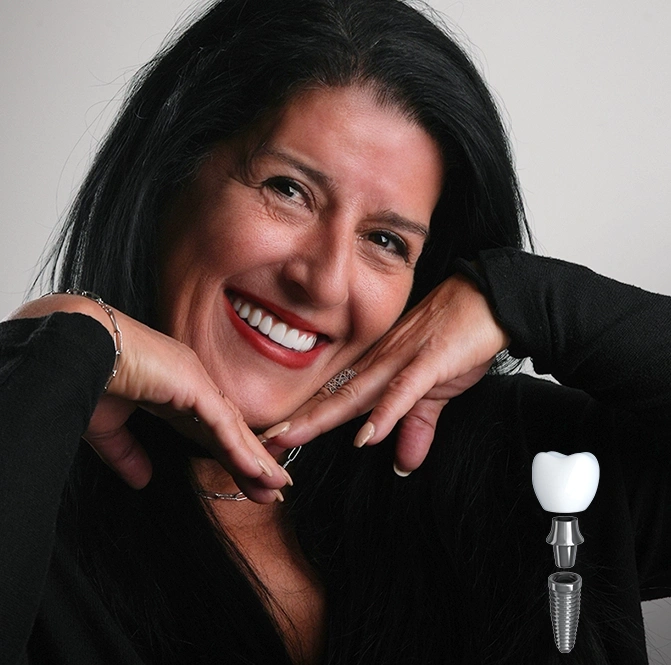
Dental implants are crafted to replace the very foundation of your smile, preserving your jawbone while restoring effortless strength, beauty, and balance. At Vitrin Clinic, each implant is placed with precision and artistry delivering results that look, feel, and endure like your natural teeth.
Treatment Process
A clear step-by-step overview of how the treatment is planned and performed, from the initial consultation to the final results, ensuring comfort, safety, and predictable outcomes.
01
Online FREE Consultation & Assessment
Send us your dental photos and X-rays and we'll evaluate your case before you travel. Our implantologists provide a personalised treatment plan and transparent cost breakdown all remotely, with no obligation.
02
3D CT Scan & Treatment Planning
On arrival, we take a high-resolution CBCT cone beam scan to map your bone volume, density, and anatomy in three dimensions. This allows us to plan exact implant placement digitally before touching a single tooth.
03
Implant Placement Surgery
Under local anaesthesia, the titanium implant post is placed precisely into the jawbone. The procedure typically takes 30–90 minutes per implant and is far more comfortable than most patients expect.
04
Osseointegration (Healing Phase)
Over 6–12 weeks, the implant fuses with the surrounding bone in a process called osseointegration. During this time, a temporary crown may be placed so you never leave without a tooth.
05
Abutment & Crown Fitting
Once integration is confirmed, the abutment connector is attached and impressions are taken for your final crown. We use premium zirconia crowns shade-matched to your surrounding teeth for a completely natural result.
06
Final Review & Aftercare
We check your bite, aesthetics, and comfort before you leave. Full aftercare instructions and a dedicated contact are provided and we coordinate with your local dentist back home for any routine follow-up needed.
Before & After Results
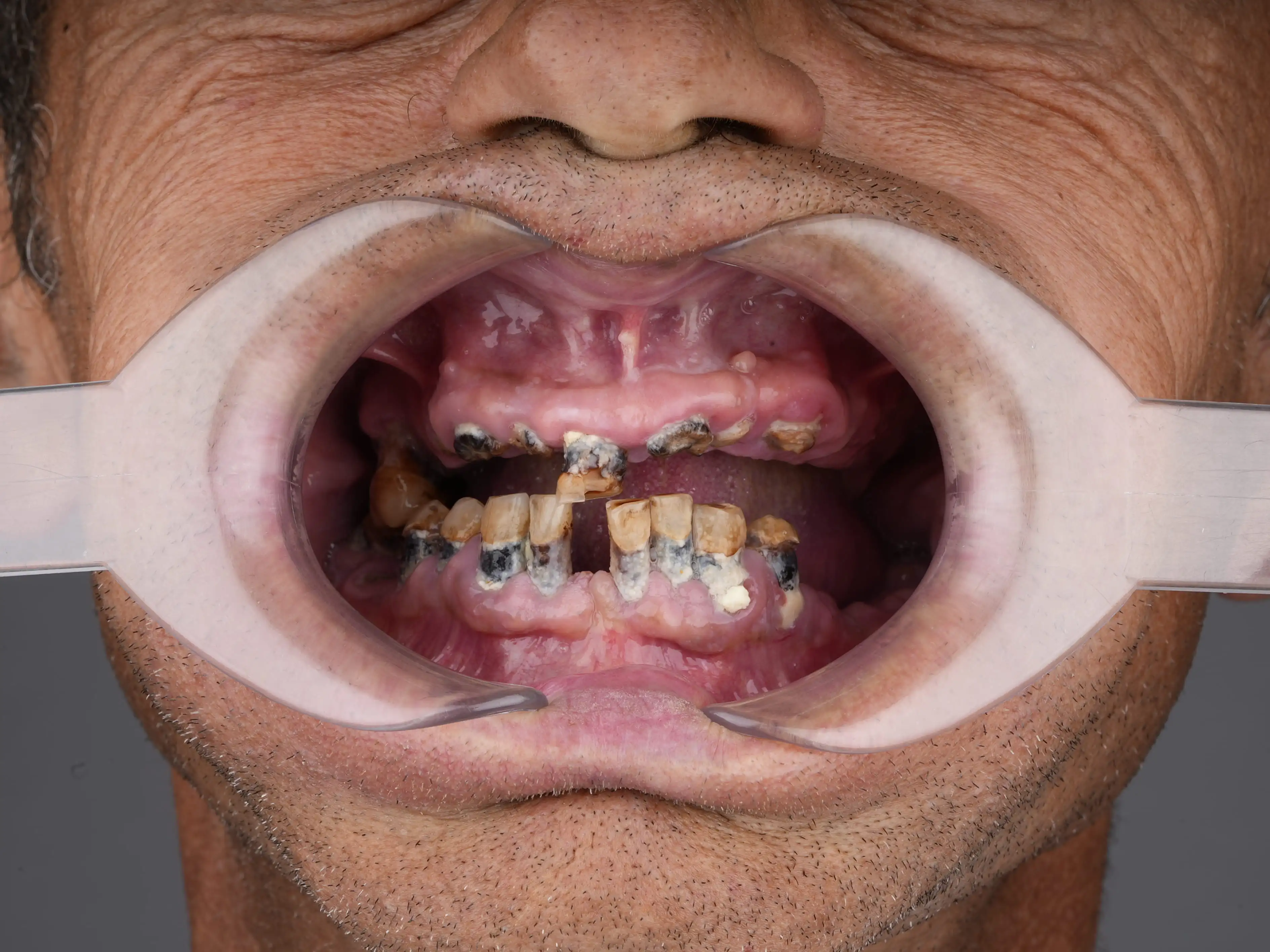
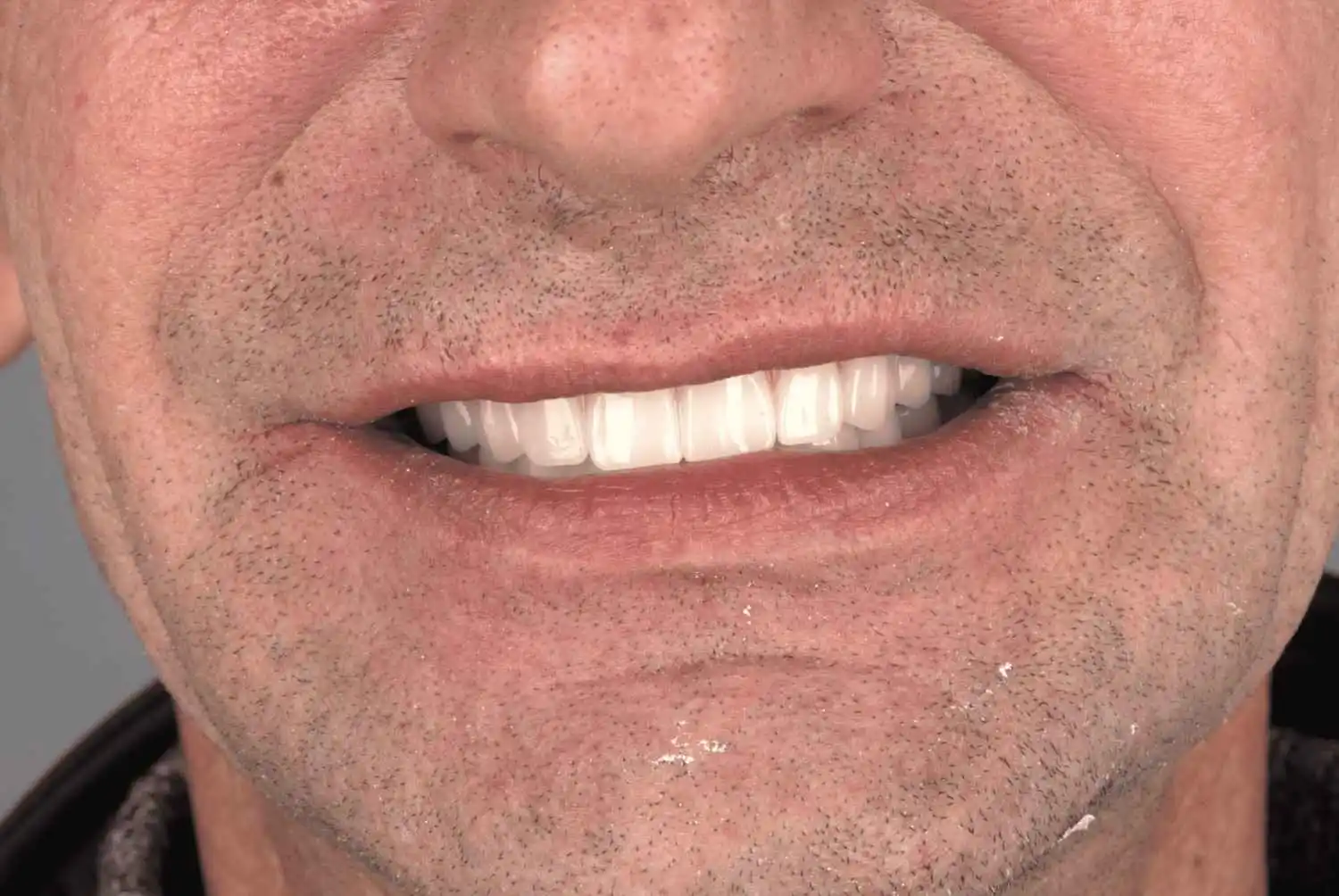
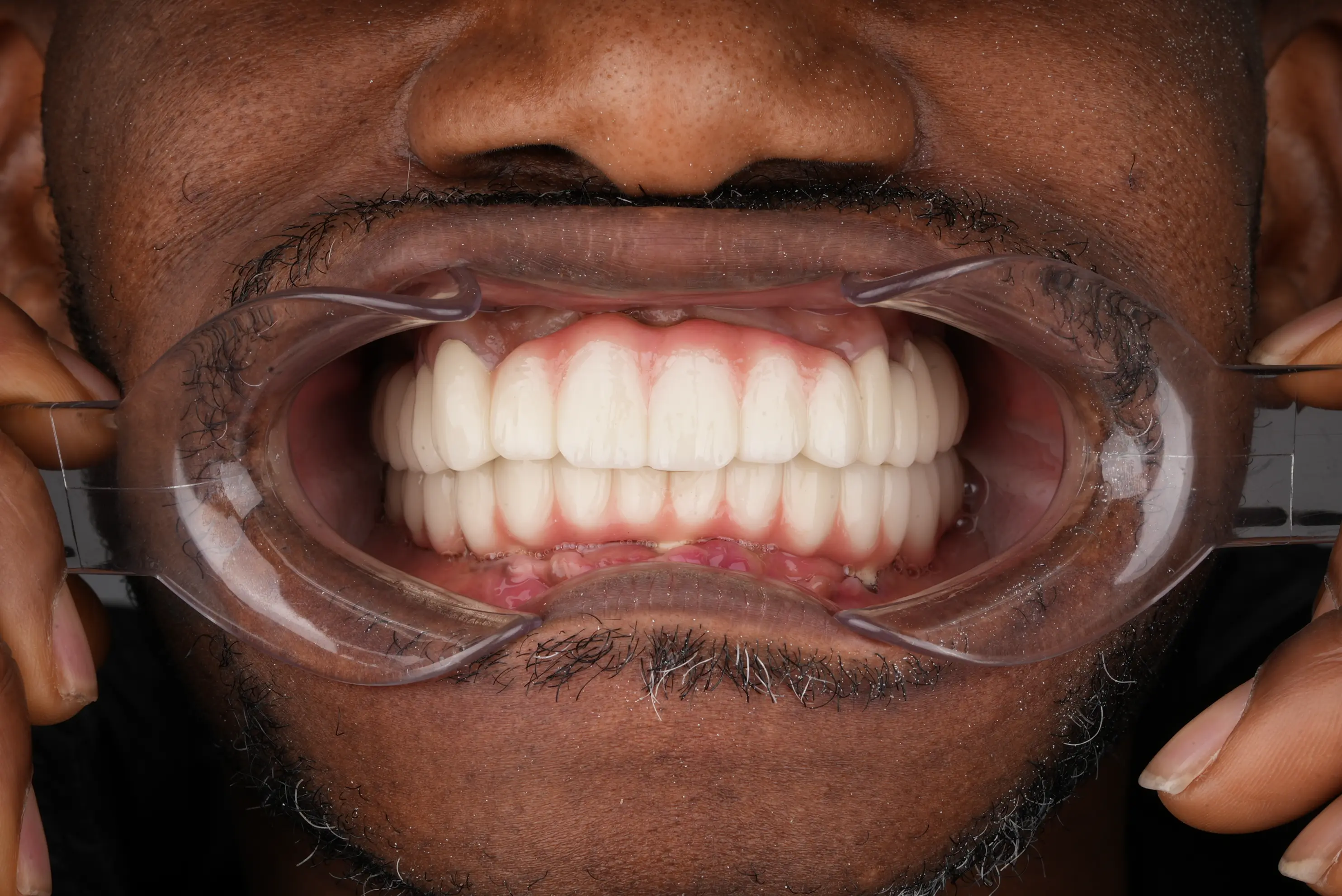
Real patient transformations showcasing the quality, precision, and care behind our dental treatments. Results are personalized to each patient's needs and goals.
.webp)
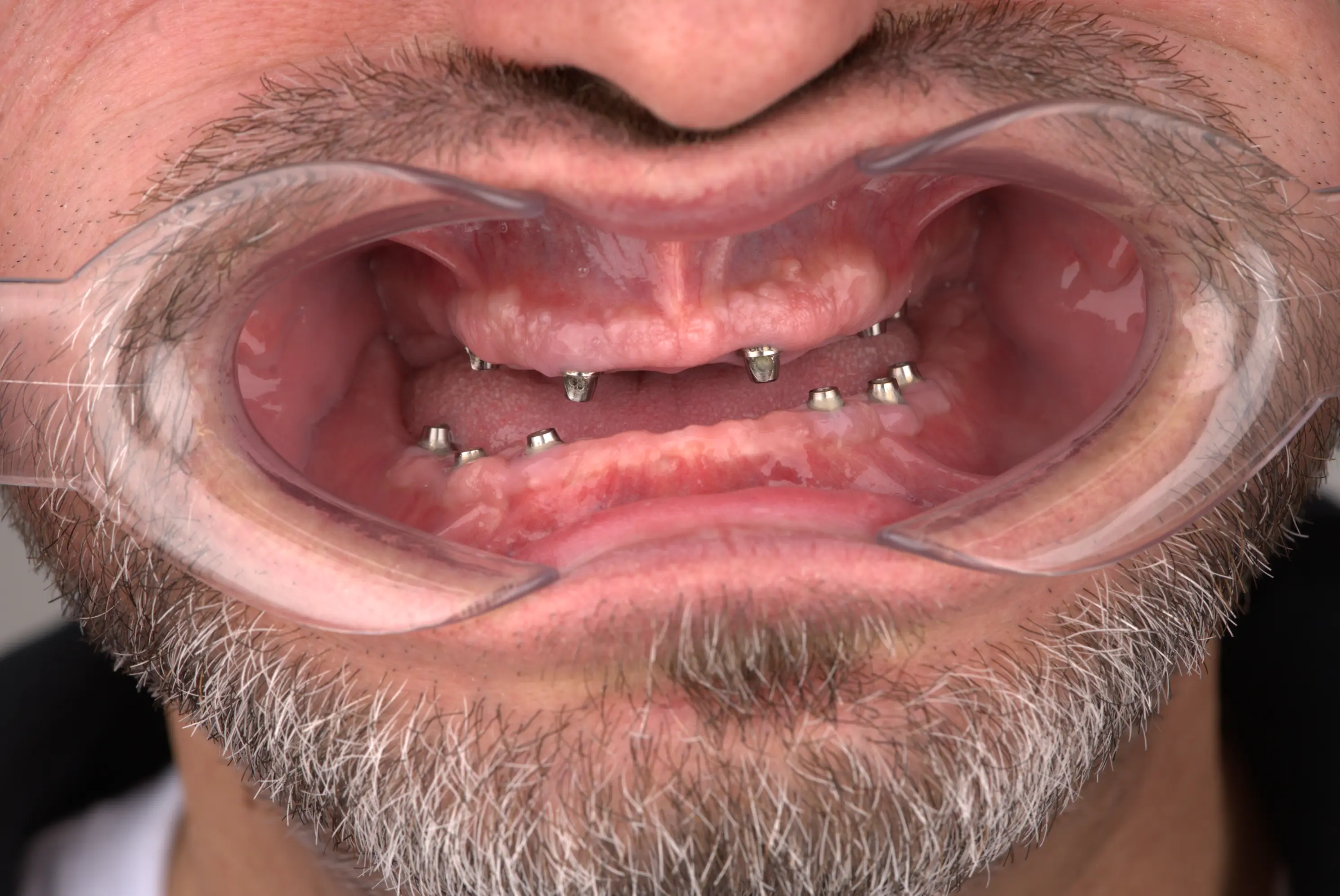
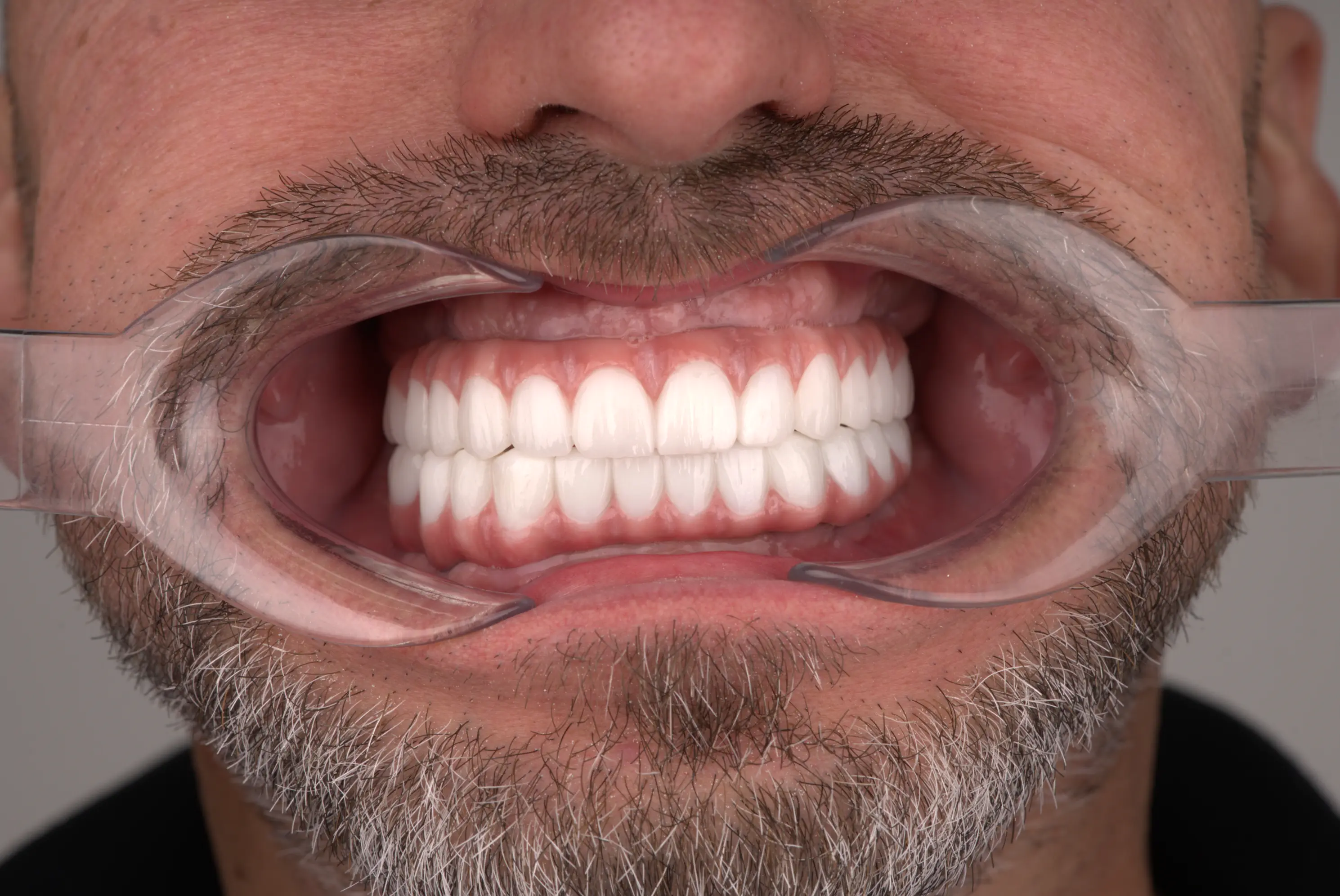
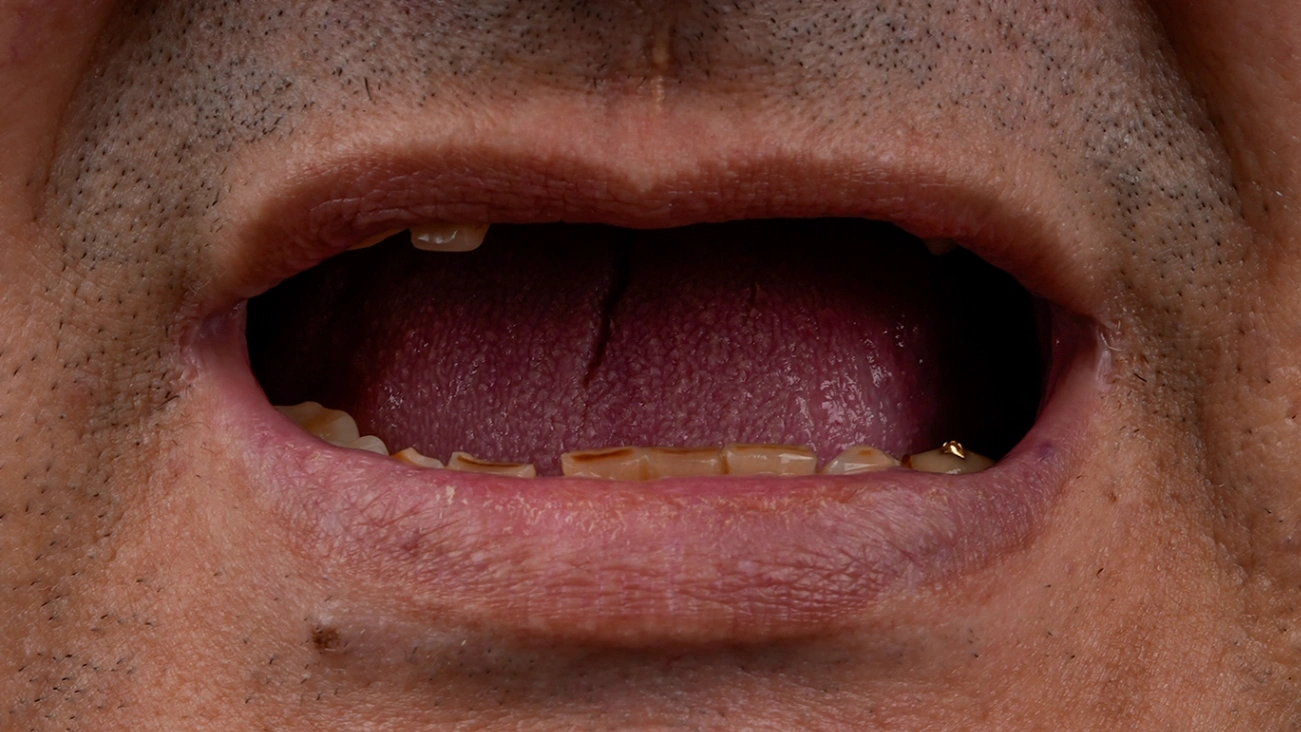
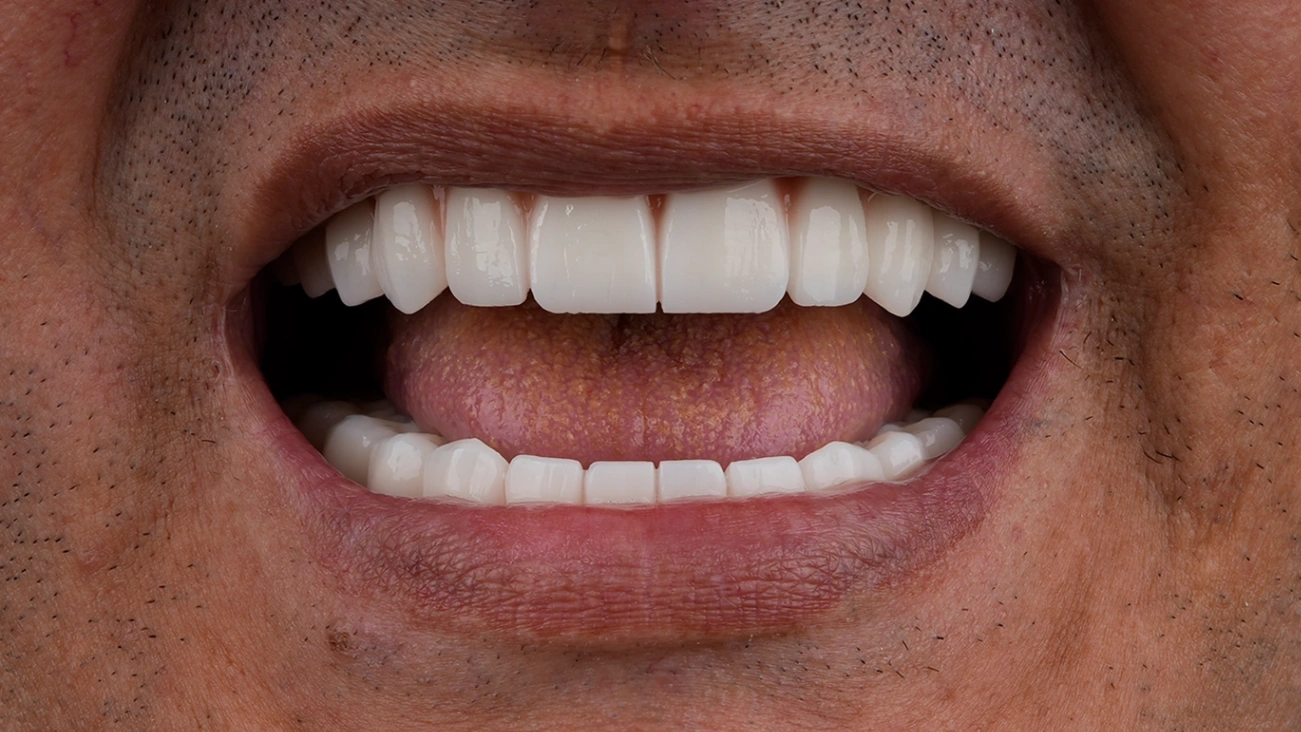
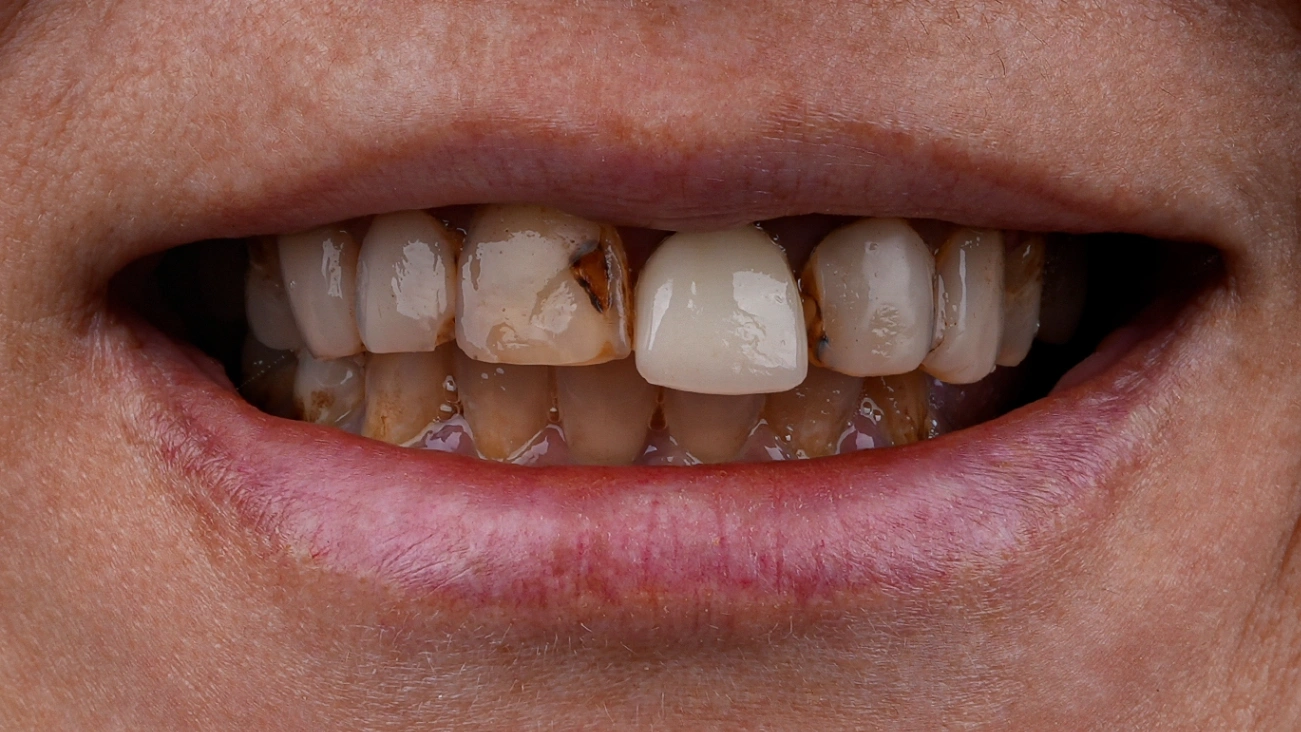
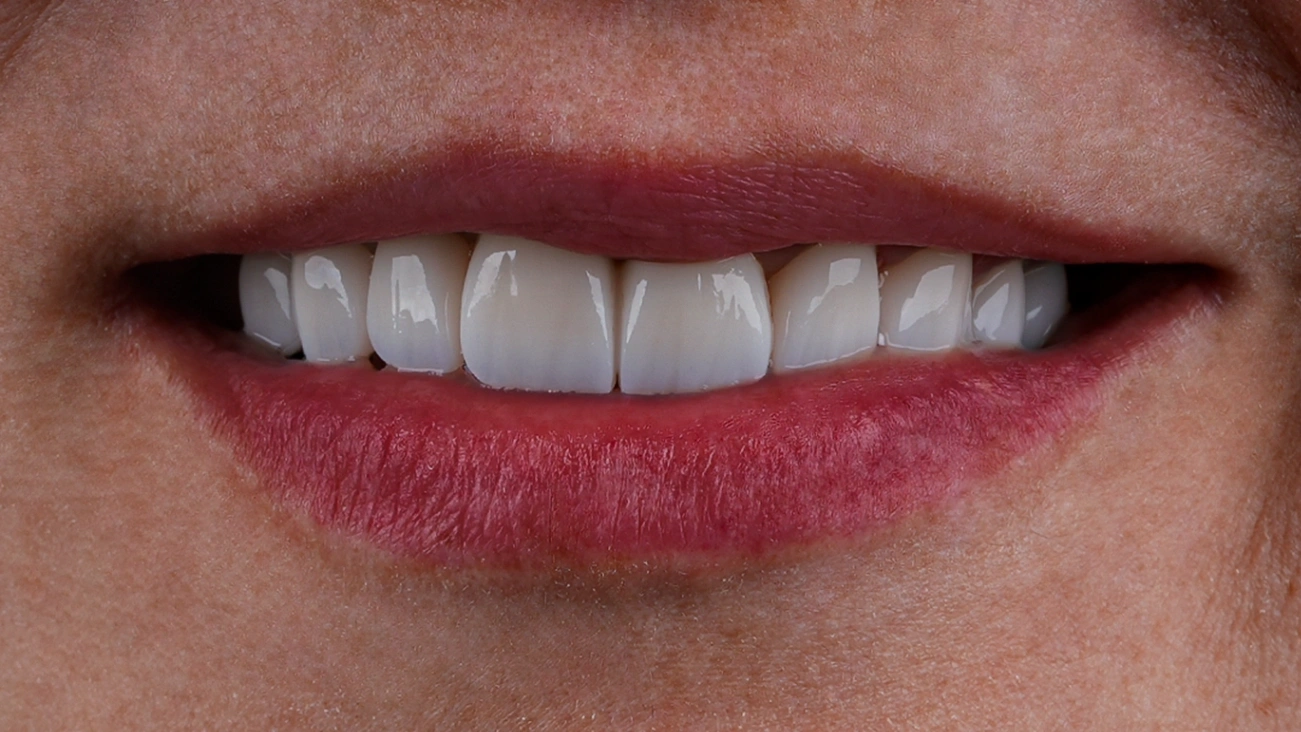
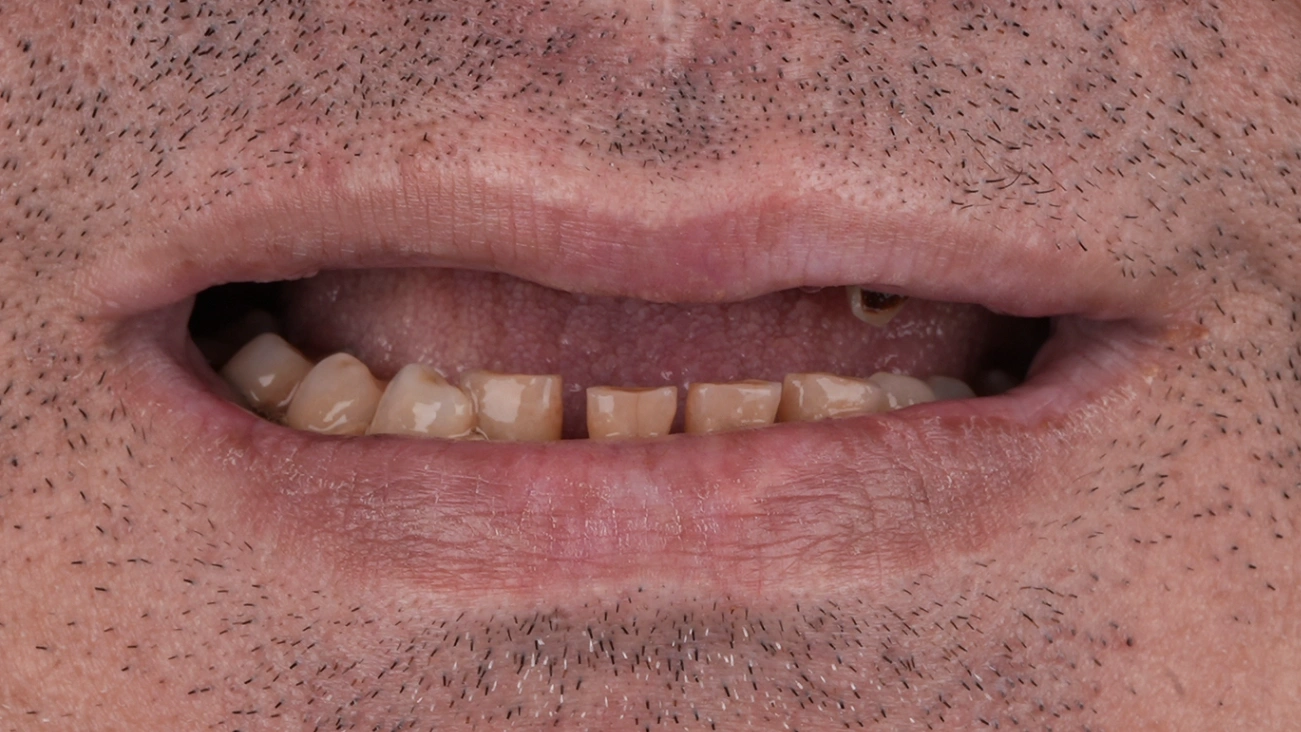
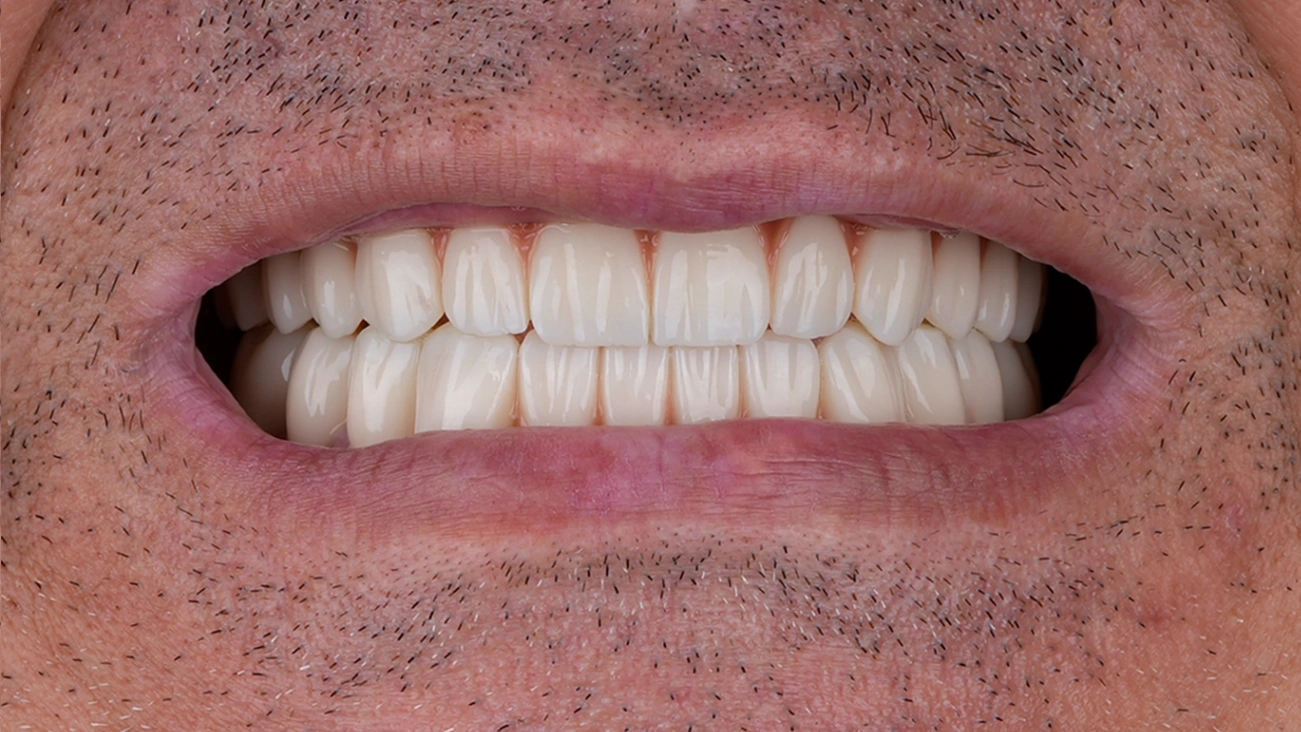
Patient Experiences with Dental implants
Real reviews from patients who chose Dental implants at Vitrin Clinic.
.jpg&w=3840&q=75)
Diana Tiras
Patient
My experience at Vitrine Clinic in Istanbul has been nothing short of amazing! From the very first contact to the final results, everything was perfectly organized and handled with the utmost professionalism and care.
Google.jpg&w=3840&q=75)
Jon Greenman
Patient
After years of problems with my teeth and constantly getting messed about by different dentists in the UK i decided to come to Turkey and get them sorted. After a lot of research I chose Vitrin and am very happy that I did. The process from beginning to end has been so smooth. The doctors, staff and everyone i have come into contact with during my time here have been polite, friendly and approachable. The whole process has been efficient and the professionalism and pride in their own work I have not encountered in UK services. I would fully recommend anybody to come to Vitrin if you want to finally get your teeth healthy and the way you have always wanted. Thank you to all personnel and doctors and Vitrin.
GoogleWhat Are Dental Implants?
A dental implant is a titanium post surgically placed into the jawbone to serve as an artificial tooth root. Once integrated with the bone through a biological process called osseointegration it supports a custom ceramic crown that is indistinguishable from a natural tooth. Unlike removable dentures or conventional bridges, the implant replaces the entire tooth structure: root and crown, function and form.
Dental implants are recognised internationally as the gold standard for replacing missing teeth. The evidence base supporting their safety, longevity, and quality-of-life benefit is among the most extensive in all of dentistry, with peer-reviewed outcomes data spanning over five decades of clinical research.
98%Success Rate | 20+Years Lifespan | 3–6 Months to Final Crown | 3D CT Scan Planning |
|---|---|---|---|
The Biological Principle: Osseointegration
The science behind dental implants rests on osseointegration the direct structural and functional bond between living bone and the titanium implant surface. This concept was first described by Professor Per-Ingvar Brånemark at the University of Gothenburg, Sweden, in 1969, following fifteen years of controlled laboratory and clinical research. His team found that titanium, uniquely among metals, allows bone cells to grow directly onto its surface with no intervening fibrous tissue.
Titanium is selected because its oxide layer is highly biocompatible: the immune system does not recognise it as a foreign body, and osteoblast cells the cells responsible for building bone adhere and proliferate on its micro-textured surface. Modern implants enhance this process further through sandblasting and acid-etching techniques that increase bone-to-implant contact area.
Three Phases of Osseointegration
01 | 02 | 03 |
|---|---|---|
Early Healing | Bone Remodelling | Full Maturation |
A blood clot forms around the implant within the first days. Stem cells and osteoblasts begin migrating to the titanium surface, initiating early bone formation. | Immature woven bone is progressively replaced by stronger, structured lamellar bone over weeks 4–12, anchoring the implant with increasing rigidity. | The bone fully integrates with the implant surface typically within 3 to 6 months providing permanent stability and the ability to bear full chewing forces. |
Implants vs. Dentures vs. Bridges
Not all tooth replacement options are equal. The table below compares dental implants against conventional removable dentures and fixed bridges across the criteria that matter most to patients drawing on outcomes data from peer-reviewed systematic reviews and clinical research.
Criterion | Dental Implant | Fixed Bridge | Removable Denture |
|---|---|---|---|
Feels Like a Natural Tooth | Yes , fully integrated into jawbone | Partially , no root replacement | No , sits on gum surface |
Preserves Jawbone | Yes , stimulates bone like a natural root | No , bone loss continues beneath | No , accelerates bone resorption |
Adjacent Teeth Affected | None , standalone structure | Yes , healthy teeth must be ground down | Minor , clasps on adjacent teeth |
Stability & Bite Force | Full ,up to 97% of natural bite force | Good , fixed but no root | Limited shifts, slips, adhesive needed |
Lifespan | 20+ years / potentially lifetime | 10–15 years average | 5–8 years before replacement |
Maintenance | Brush & floss same as natural teeth | Flossing underneath required | Daily removal, soaking, adhesive |
Aesthetics | Custom ceramic identical to natural tooth | Good initially, may darken with age | Acceptable but often visibly prosthetic |
10-Year Survival Rate | >95% (peer-reviewed meta-analyses) | ~89% (Pjetursson et al., 2004) | Variable ,frequent relining required |
Quality of Life Impact | Highest , statistically significant improvement | Moderate improvement | Lower ,dietary limitations persist |
Table compiled from systematic review data: University of Nantes (2022), King's College London (2022), and NIH/PubMed meta-analyses (2022–2024).
Who Is a Candidate?
Most adults with one or more missing teeth are suitable candidates for dental implants.
The primary clinical requirements are sufficient jawbone volume to anchor the implant and healthy gum tissue.
A thorough pre-operative assessment including 3D CBCT imaging is performed for every patient at Vitrin Clinic to determine candidacy and develop a personalised treatment plan.
Patients who have experienced bone loss following tooth extraction may still be candidates with bone grafting procedures performed simultaneously or as a preparatory stage.
Research indexed in the National Library of Medicine confirms bone grafting is a predictable and safe adjunct: a study of 158,824 implants found a 97.83% success rate even when bone augmentation was performed at the same time as implant placement.
Systemic factors including controlled diabetes, smoking history, and certain medications are carefully evaluated but do not automatically exclude a patient from treatment.
An experienced implantologist will assess the full clinical picture to determine the safest and most effective approach.
Why Clinical Approach Matters
A dental implant is only as reliable as the clinical judgement behind it.
The implant itself titanium, pre-manufactured, standardised is the same across thousands of clinics worldwide.
What varies, and what the international research consistently identifies as the decisive factor in long-term outcomes, is the clinical approach: how thoroughly a patient is assessed, how precisely the implant is positioned, and how carefully the healing process is managed.
Peer-reviewed literature from Showa University School of Dentistry identifies surgeon skill, osteogenesis technique, and pre-surgical evaluation as primary surgery-related risk factors for early implant failure distinct from patient factors like smoking or bone quality. A 2021 meta-analysis found implant failure rates of ~6.4% with conventional freehand placement, dropping to ~2.3% when CBCT-guided surgical planning was used a reduction of more than 60%.
This means the clinic you choose, and the protocol it follows, materially affects whether your implant succeeds.
What the research shows
~64% | ~70% | Key |
|---|---|---|
Reduction in implant failure rate when CBCT-guided surgical planning is used versus conventional freehand placement (2.3% vs 6.4%). | Of all implant failures occur within the first year the osseointegration phase making pre-surgical assessment and surgical precision the most critical window. | Patient-specific risk assessment, meticulous surgical technique, and appropriate prosthetic planning are identified as the primary modifiable variables for improving long-term implant survival. |
Resource: NIH/PMC Prevalence of Dental Implant Positioning Errors, PMC12072791 | Resource: Journal of Functional Biomaterials Findler M et al., 2026 · PMC12843187 | Resource: King Saud University Medical City Factors Affecting Dental Implant Failure, PMC12193482 |
Vitrin Clinic Standard
No treatment without a complete clinical picture
We do not proceed to implant surgery without a full CBCT scan, periodontal assessment, and medical history review regardless of how straightforward a case appears initially.
Premium-grade implant systems only
Every implant used at Vitrin Clinic is sourced from manufacturers with independently published, long-term clinical data not selected on cost or availability.
Implantologist-led, not technician-led
Your surgery is performed by a qualified implantologist with documented case volume not delegated to a junior clinician. Surgeon experience is one of the primary outcome variables in peer-reviewed failure analysis.
International patient coordination built in
From pre-travel consultation to post-return follow-up, Vitrin Clinic's international patient pathway ensures that geography does not compromise the continuity of your care.
Dental Implant Cost: Vitrin Clinic vs. UK vs. USA
The cost of dental implant treatment varies significantly depending on the procedure scope, implant brand, and country of treatment. The following table provides a transparent comparison of average costs across the United Kingdom, United States, and Vitrin Clinic in Istanbul from a single implant to full-arch restoration allowing patients to evaluate their options with accurate financial context before committing to a treatment plan.
Treatment type | 🇬🇧 UK | 🇺🇸 USA | 🇹🇷 Turkey |
|---|---|---|---|
Single dental implant Implant post + abutment + crown | $2,400 – $5,700 | $3,000 – $6,000 | $500 – $700 |
Implant-supported crown Crown on existing implant | $1,270 – $2,540 | $1,500 – $3,000 | $700 – $900 |
All-on-4 Per arch, fixed full-arch restoration | $10,000 – $22,000 | $18,000 – $30,000 | $3,500 – $7,500 |
All-on-6 Per arch, 6-implant full-arch restoration | $12,700 – $25,400 | $20,000 – $35,000 | $4,000 – $9,000 |
Full mouth reconstruction Both arches, upper + lower | $29,000 – $50,000+ | $36,000 – $70,000+ | $7,000 – $15,000 |
3D CT scan & consultation | Charged separately | Charged separately | Free & included |
Estimated saving | — | — | Up to 70% less |
* Prices are averages for reference only and may vary based on individual case requirements, implant brand, bone condition, and treatment complexity. A personalised quote is provided following your free consultation.
Clinical Evidence & References
University of Gothenburg, Sweden
The Biological Foundation of Osseointegration in Dental Implantology
Brånemark P-I — Original clinical research establishing the osseointegration frameworkNational Institutes of Health / PMC · PMC4439679
Key finding: Titanium implants placed in living bone achieve permanent, load-bearing integration without intervening fibrous tissue the basis of modern implantology.
Harvard School of Dental Medicine, USA
Current State of Evidence for Implant Placement and Loading Protocols in Partially Edentulous Patients
Clinical Implant Dentistry and Related Research · 2026Gallucci GO et al. · DOI: 10.1111/cid.70120 · PMC12828728
Key finding: Systematic review confirming predictable clinical outcomes across immediate, early, and delayed implant placement and loading protocols.
University of Michigan School of Dentistry, USA
Survival Rates of Osseointegrated Implants Following Immediate Loading — Systematic Review & Meta-analysis
Journal of Clinical Medicine · 2019Del Fabbro M, Wang H-L et al. · DOI: 10.3390/jcm8122142 · PMC6947536
Key finding: Immediately loaded implants demonstrate survival rates comparable to conventionally loaded implants, supporting same-day protocols in eligible patients.
King's College Dental Hospital, London, UK
The Use of Three Implants to Support a Fixed Prosthesis in Edentulous Mandible Management — Systematic Review
International Journal of Implant Dentistry · 2022Hirani M, Devine M, Obisesan O et al. · DOI: 10.1186/s40729-022-00423-5 · PMC9206044
Key finding: Implant-supported fixed prostheses demonstrate superior long-term stability, patient satisfaction, and survival rates over removable alternatives.
Malmö University, Faculty of Odontology, Sweden
Clinical Outcomes of Zirconia Implants — Systematic Review & Meta-analysis
Clinical Oral Investigations · 2023Mohseni P, Soufi A, Chrcanovic BR · DOI: 10.1007/s00784-023-05401-8 · PMC10746607
Key finding: Both titanium and zirconia implant systems demonstrate clinically acceptable outcomes; material selection should be guided by individual patient anatomy and aesthetic requirements.
University of Nantes, Faculty of Dentistry, France
Implant-Supported vs. Conventional Dentures — Quality of Life, Patient Satisfaction & Complications
Clinical and Experimental Dental Research · 2022Bandiaky ON et al. · DOI: 10.1002/cre2.521 · PMC8874059
Key finding: Implant-supported restorations produced statistically significant improvements in quality of life and patient satisfaction over conventional removable dentures (p < 0.05).
Journal of Functional Biomaterials — NIH / National Library of Medicine
Clinical Success Rates of Dental Implants with Bone Grafting — Large-Scale National Dataset
Journal of Functional Biomaterials · January 2026Findler M et al. · DOI: 10.3390/jfb17010046 · PMC12843187
Key finding: Analysis of 158,824 implants found a 97.83% clinical success rate for implants placed with simultaneous bone augmentation — confirming bone grafting as a predictable treatment modality.
SRH University of Applied Health Sciences, Germany & Privat University Liechtenstein
Dental Implants in Grafted and Non-Grafted Sites — 10-Year Systematic Review
Oral Health & Preventive Dentistry · 2024Gurbanov S, Plugmann P · DOI: 10.3290/j.ohpd.b5828032 · PMC12097432
Key finding: 10-year follow-up data confirms comparable long-term implant survival rates between grafted and non-grafted sites when appropriate surgical protocols are followed.
Clinical Oral Investigations — Springer / NIH
How Far Can We Go? A 20-Year Meta-analysis of Dental Implant Survival Rates
Clinical Oral Investigations · September 2024DOI: 10.1007/s00784-024-05929-3 · PMC11416373
Key finding: Survival rates exceeding 90% at 10 years, with compelling evidence that long-term implant durability challenges the traditional preference for preserving compromised natural teeth.
University of Medicine and Pharmacy "Carol Davila," Bucharest, Romania
Clinical Performance of Implant-Assisted Removable Partial Dentures vs. Other Prosthesis Types — Systematic Review
Dentistry Journal · August 2025Dinu R-C et al. · DOI: 10.3390/dj13090389 · PMC12469123
Key finding: Implant-supported restorations demonstrated significantly lower abutment tooth loss and superior prosthesis survival rates compared to conventional removable dentures across mid-term follow-up.
Have a question about this treatment?
Send us your questions or photos. Our doctors and patient coordinators reply every day of the week with a personal treatment plan.
Frequently Asked Questions
Answers to common questions about the treatment, including suitability, procedure details, recovery, and long-term care — helping you feel informed and confident before moving forward.
Dental implants in Turkey typically cost 50–70% less than equivalent treatment in the UK, US, or Europe. A single dental implant in Istanbul at Vitrin Clinic costs a fraction of what you would pay at home without any compromise on materials, technology, or clinical expertise. Even including flights and accommodation, the savings are substantial
