
Pale gingivae refer to any area of the gum tissue that appears pale or white instead of the normal pink color. This can be localized to a small patch or affect the entire gum line. The discoloration is often a sign of an underlying condition, such as a fungal infection, a reaction to certain medications, or a systemic health issue like anemia. Understanding the reason behind white gums is important to choose the right treatment and maintain healthy gums.
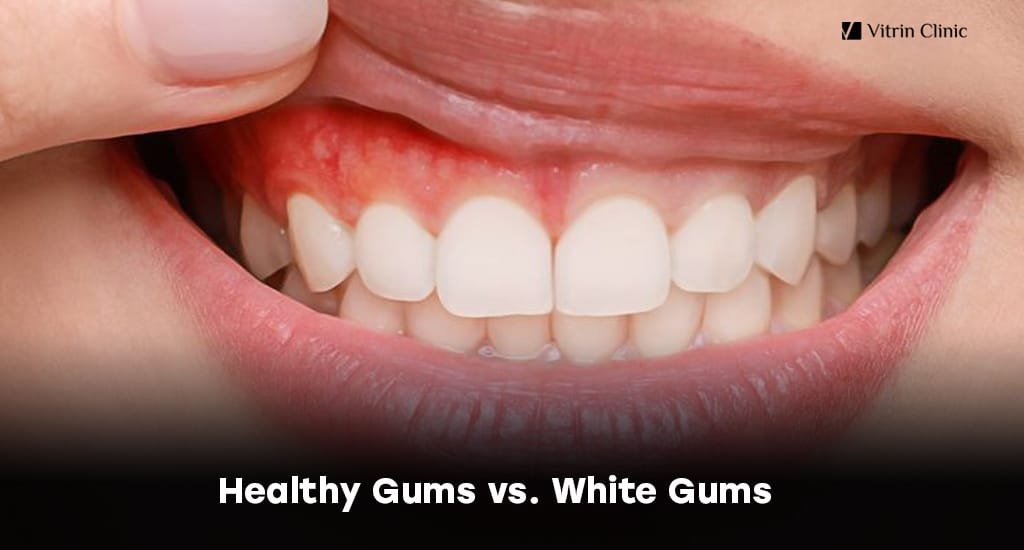
Healthy Gums vs. White Gums
Healthy gums are typically pink, firm, and moist, fitting snugly around your teeth. But sometimes, gums take on a white or pale appearance, either as patches or over a larger area. This color change can be caused by a range of issues, some harmless, some urgent that you should get checked. Let’s explore what your gums may be trying to tell you.
How Common Are White Gums?
Pale gingivae are not a common standalone condition but rather a symptom of various underlying issues. For instance, oral lichen planus affects about 1-2% of the population, and leukoplakia—a condition that can cause white patches—occurs in roughly 2% of adults. Anemia, which can lead to pale gums, affects about 25% of the world's population. These figures highlight that while light-colored oral mucosa are not typical, they can signal significant health concerns that warrant attention.
How Are White Gums Diagnosed?
The treatment for white gums depends on the reason behind the color change. A dental examination helps identify whether the issue is related to gum disease, infection, lifestyle factors, or another condition.
Dental Examination and Gum Assessment
A dentist evaluates the gums, teeth, and overall oral health to understand the cause of the white appearance.
Identifying the Cause Before Treatment
Finding the exact cause allows the dentist to recommend the most suitable solution, whether it involves cleaning, medication, gum treatment, or other procedures.
Healthy Pink Gums vs White or Pale Gums
Healthy gums usually have a pink appearance and feel firm around the teeth. When gums become unusually white or pale, it may be related to inflammation, infections, tissue changes, or other conditions that require attention.
Why White Gums Should Not Be Ignored
Although some cases of white gums can be harmless, persistent color changes, white patches, pain, or swelling should be evaluated by a dental professional to identify the underlying cause.
White Gums Treatment Options
Treatment for pale gingivae varies depending on the underlying cause. Professional dental care focuses on improving gum health and restoring a healthy appearance.
Professional Dental Cleaning and Scaling
If white gums are linked to plaque buildup or gum problems, professional cleaning can help remove bacteria and improve gum condition.
Treating Gum Infections and Oral Conditions
In cases caused by infections, the dentist may recommend specific treatments to control the problem and restore oral health.
Cosmetic Gum Treatments When Needed
For some patients, cosmetic gum procedures may help improve gum appearance and create a more balanced smile.
2. Common Causes of White Gums
A. Gingivitis & Periodontal Disease
Plaque buildup leads to gum inflammation initially (gingivitis), which can later advance to periodontal disease. Over time, inflamed gums may appear lighter or even white.
B. Oral Thrush (Candidiasis)
A fungal infection from yeast (Candida) that produces creamy white patches on gums, tongue, and cheeks. It’s common in those with a weakened immune system, inhaler use, or after antibiotics.
C. Canker Sores & Minor Injuries
Small ulcers or physical irritation (from hard foods or dental appliances) can cause localized whitening surrounded by redness.
D. Oral Lichen Planus
An autoimmune condition causing lace-like white patterns on your gums and mucosa. It may be linked to medications or hormonal stress.
E. Leukoplakia
Thickened white patches that can’t be scraped off. Often triggered by tobacco use or ill-fitting dentures. While mostly harmless, some patches require monitoring because they may signal precancerous changes.
F. Nutritional Deficiencies
Pale or white gums might point to anemia (iron, B12) or vitamin K deficiency, which affect blood flow and gum tissue health.
G. Hormonal Changes
Hormonal fluctuations (e.g., during pregnancy or menopause) can alter gum coloration, making gums lighter or more sensitive.
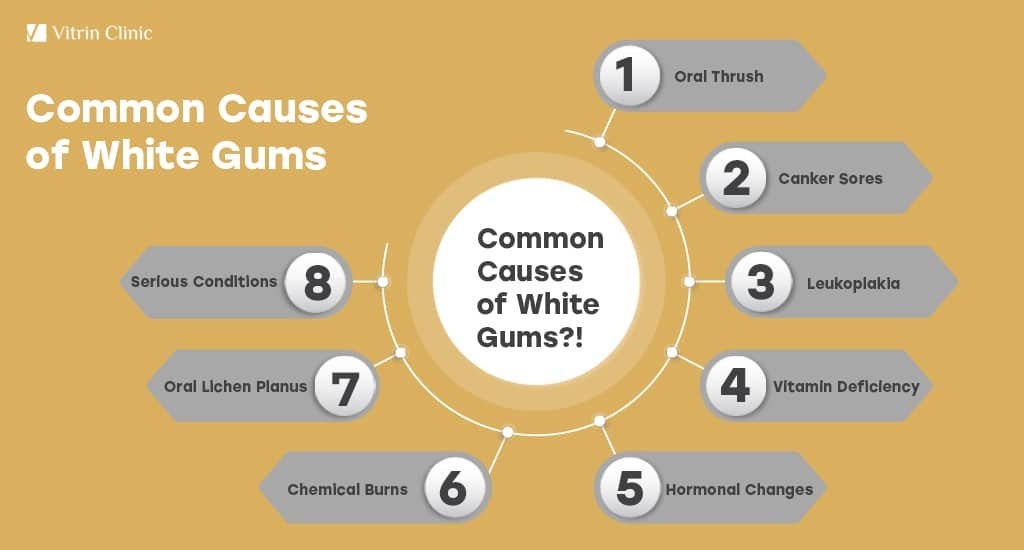
H. Gum Irritation or Chemical Burns
Whitening products with peroxide or rough brushing can chemically or mechanically irritate gums, leading to temporary whitening.
I. Serious Conditions
Though rarer, conditions like oral cancer, leukemias, and autoimmune disorders can manifest as persistent white patches. Watch for non-healing sores, unexplained bleeding, or persistent pain.
Symptoms Associated With White Gums
White gums may appear with different symptoms depending on the cause. Paying attention to these signs can help detect oral health problems early.
White Spots or Patches on the Gums
White spots or patches on gum tissue may occur due to irritation, infections, or changes in oral tissues. A dentist can determine whether these changes need treatment.
Gum Swelling, Sensitivity, or Irritation
Some people with white gums may also experience discomfort, swollen gums, or sensitivity while eating or brushing.
Bleeding Gums and Bad Breath
Bleeding gums and persistent bad breath can sometimes appear alongside gum problems and may indicate the need for professional dental care.
3. Red Flags: When to Contact a Professional
Some gum changes require prompt attention:
White patches that can’t be scraped off – may indicate leukoplakia or oral cancer
Recurring canker sores or painful lesions
Persistent gum whiteness for over 2 weeks
Accompanied symptoms: swelling, bleeding, pain, odd taste, or weight loss
Risk factors present: tobacco use, heavy alcohol consumption, immunodeficiency
4. Diagnosing White Gums
Clinical Exam by a dentist to assess appearance and distribution.
Oral swabs for fungal or bacterial testing. Thrush is common.
Biopsy (for persistent lesions or leukoplakia) to rule out precancerous changes.
Blood tests for anemia, vitamin deficiencies, or blood disorders.
Review of medical/dental history for medication, hormonal changes, or habits affecting gum health.
5. Treatment Options, Based on Cause
Cause | Treatment |
Gingivitis/Periodontitis | Professional cleaning (scaling & root planing) + improved daily hygiene |
Oral Thrush | Antifungal rinses or tablets; address diabetes or immune issues |
Canker Sores | Saltwater rinses, topical gels; B12 supplementation if needed |
Lichen Planus | Corticosteroid mouth rinses or creams, medication review |
Leukoplakia | Eliminate irritation; biopsy and monitoring; possible excision |
Nutritional Deficiencies | Supplements (iron, B12, C, K) + balanced diet |
Chemical/Burning | Stop whitening products; use protective gels; allow healing |
6. Prevention: Keeping Gums Healthy & Pink
A. Gentle Daily Oral Care
Brush twice daily with a soft-bristled toothbrush, using gentle 45º strokes along the gumline
Floss daily or use a water flosser to clean between teeth
Alcohol-free antimicrobial mouthwash can reduce plaque without irritating gums
B. Balanced Nutrition & Hydration
Ensure sufficient intake of iron, vitamins B12, C, and K via leafy greens, lean meats, legumes, citrus, and fortified foods.
Stay well-hydrated to maintain healthy saliva and gum tissue.
C. Avoid Irritants
Modify whitening routines—use lower concentrations and protective barriers; consult your dentist.
Quit tobacco and limit alcohol, which contribute to leukoplakia and impaired healing.
Correct ill-fitting dental appliances; reduce trauma from chewing hard foods.
D. Routine Dental Check-ups
Regular dental visits and cleanings
Visit your dentist every 6 months or more frequently if you have risk factors. Cleanings and early detection matter.
E. Address Health Conditions
Manage conditions like diabetes, anemia, and autoimmune diseases that impact oral health.
7. Why White Gums Deserve Attention
Early detection reduces risk of progression from gingivitis to periodontitis, or benign leukoplakia to cancer.
Systemic health link: Gum health affects overall well-being. Low-grade inflammation impacts heart, diabetes, pregnancy, and more.
Quality of life: Healthy gums support eating, comfort, speech, and confidence.
8. When to See Vitrin Clinic Istanbul

If your gums remain white, patchy, or uncomfortable even after home care, it’s time to act.
At Vitrin Clinic Istanbul, we offer:
Comprehensive gum exams
Accurate Diagnosis
Personalized treatment plans in multiple languages
Preventive guidance and follow-up care
Book a free consultation today. Whether you’re local or visiting as part of dental tourism, we’re here to support your oral and overall wellness.
How to Prevent White Gums?
Maintaining good oral hygiene is one of the best ways to protect gum health and prevent unwanted changes in gum color.
Maintain Good Oral Hygiene Habits
Regular brushing, flossing, and using suitable oral care products help keep gums healthy.
Schedule Regular Dental Checkups
Routine dental visits allow early detection of gum problems before they become more serious.
Avoid Smoking and Gum Irritants
Smoking and certain habits can affect gum appearance and increase the risk of oral health problems.
9. Quick Summary
White gums aren’t always urgent, but they do signal something important.
The cause could range from simple irritation to fungal infection, nutritional deficiency, or (rarely) cancer.
The good news: Many causes are treatable and preventable with good hygiene, nutrition, and regular dental care.
Stay proactive: monitor changes, maintain healthy habits, and seek help if symptoms persist.
10. Final Word
White gums deserve attention but not alarm. Think of them as a friendly nudge from your body asking to be checked.
At Vitrin Clinic Istanbul, we take a gentle, patient-first approach to gum health. We guide international patients toward confident, healthy smiles that last a lifetime. Ready for a FREE consultation? Contact us now. Your gums—and your smile—deserve the care they need.
When Should You See a Dentist for White Gums?
You should consult a dentist if white gums continue for a long time or appear with other symptoms. Early evaluation helps prevent possible complications and ensures the correct treatment.
Persistent White Patches or Gum Color Changes
Long-lasting changes in gum color should be checked by a dental professional.
Pain, Bleeding, or Gum Swelling
Additional symptoms may indicate an underlying gum issue that requires treatment.
What is Oral Leukoplakia?
Oral Leukoplakia causes thick, white patches on your gums, tongue, and inner cheeks. It is the most common Oral Potentially Malignant Disorder (OPMD). It affects up to 5% of people worldwide.
Many cases of white gums from leukoplakia are benign. However, some may progress to more serious conditions. The lifetime progression rate is about 9.5%. Early detection is critical.
The Key Causes of White Gums
These white patches often result from chronic irritation. The main triggers include:
Tobacco and Alcohol Use: These are the most significant behavioral factors.
Chronic Friction: Irritation from rough teeth, ill-fitting dentures, or cheek biting.
Oral Microbiome & Inflammation: An imbalance in mouth bacteria and gum inflammation may affect lesion behavior.
What We Notice Clinically
"When a patient comes to Vitrin Clinic complaining of white gums or persistent white spots, our first step is a meticulous visual and tactile evaluation," explains Dr. Rifat Alsaman, a leading cosmetics dentist and Head of the Medical team at Vitrin Clinic.
In this diagnostic phase, Dr. Alsaman notes that not all white patches are equal.
Homogenous Patches: Flat, thin, and uniform. They are low-risk but need monitoring.
Non-Homogenous Patches: Bumpy, speckled, or rough. Dr. Alsaman emphasizes these carry a higher risk and require immediate diagnostic attention, such as a minor biopsy.
As a dedicated cosmetics dentist, Dr. Alsaman points out that a stunning smile makeover begins with a healthy foundation. Any signs of white gums must be fully evaluated before aesthetic treatments like veneers or whitening.
Understanding the Visual Changes in Your Smile
Visual changes like pale gingivae are your mouth’s early warning system. They signal localized irritation or mucosal shifts.
According to Dr. Alsaman, these pale patches often indicate keratin buildup or early leukoplakia.
Healthy, pink gums provide the essential frame for any aesthetic smile design.
Addressing the root cause of white gums at Vitrin Clinic safeguards your oral health before cosmetic enhancements.
If you notice persistent discoloration, the expert team at Vitrin Clinic offers precise diagnostic screenings.
Differentiating Types of White Gums
When evaluating patients with white gums or pale patches, precise visual inspection is the first line of defense. According to Dr. Alsaman, these lesions vary in texture and appearance, which dictates the level of concern.
Based on the latest research, Dr. Alsaman categorizes these findings into two main types:
Homogenous Lesions: Flat, uniform, thin white areas. They carry a lower risk but need consistent tracking.
Non-Homogenous Lesions: Speckled, bumpy, or rough. Dr. Alsaman strongly emphasizes these require immediate intervention and diagnostic testing, such as a biopsy, due to higher risk.
As a specialist cosmetics dentist, Dr. Alsaman reminds patients that a beautiful smile design is impossible without a disease-free foundation. Therefore, addressing any underlying tissue changes like white gums is always the priority at Vitrin Clinic before cosmetic enhancements.
Your Next Steps at Vitrin Clinic
If you notice persistent pale gingivae, rough white patches, or any unusual changes that do not heal within two weeks, do not ignore them. Our specialized team provides comprehensive screenings, precise diagnoses, and personalized treatment plans to keep your smile healthy and beautiful.
Expertise Behind This Article
This article is informed by the clinical experience of Dr. Rifaat Al-Samman, Director of the Medical Team at Vitrin Clinic in Istanbul. With years of experience in comprehensive dentistry and a focus on international patients, Dr. Al-Samman has managed numerous cases of gum discoloration and oral mucosal conditions. His team is well-versed in diagnosing and treating such issues, ensuring patients receive evidence-based care.
Meet Dr. Rifaat Al-Samman
Dr. Rifaat Al-Samman is a Doctor of Dental Surgery (DDS) with extensive training from Izmir Katip Celebi University in Türkiye. He has worked in academic hospitals and now leads the medical team at Vitrin Clinic. His expertise spans cosmetic and restorative dentistry, with a special interest in oral pathology and complex rehabilitation cases. He is committed to continuous education and evidence-based practice, ensuring his patients receive the highest standard of care.
Trusted Resources
For further reading, we recommend consulting the American Dental Association (ADA) at ada.org and the World Health Organization (WHO) oral health page at who.int. These organizations provide evidence-based information on oral conditions and treatment options.
Transparency Disclosure
Vitrin Clinic is committed to transparency. We do not sell any over-the-counter products mentioned in this article, and we have no financial interest in any brands or treatments discussed. Our recommendations are based solely on clinical evidence and patient benefit.
Can White Gums Be a Sign of Cancer?
While pale gingivae are not typically the first sign of cancer, certain types of oral cancer can present as white patches or lesions. Conditions like leukoplakia and erythroplakia are considered precancerous and require immediate evaluation. If you have white gums accompanied by pain, bleeding, or a lump, see a dentist or doctor promptly. Early detection significantly improves outcomes.
Proactive Care for Your Oral Health
Proactive care means addressing signs like pale gingivae early on. This prevents minor irritations from becoming serious concerns.
According to Dr. Rifat Alsaman, a premier cosmetics dentist and Head of the Medical team at Vitrin Clinic, early detection is key. It maintains both oral health and a stunning smile.
At Vitrin Clinic, proactive care involves routine, detailed screenings. These check your gums and oral tissues for cellular changes before they progress.
Dr. Rifat Alsaman stresses that treating underlying issues first is vital. A healthy, disease-free foundation is required for any lasting cosmetic treatment.
By scheduling regular evaluations with the expert team at Vitrin Clinic, you actively protect your smile. You safeguard both its aesthetic appeal and long-term biological health.
Screening, Diagnosis, and Advanced Treatment
If you notice persistent white gums, rough patches, or any mucosal discoloration that does not resolve within two weeks, take immediate action. At Vitrin Clinic, we combine aesthetic excellence with rigorous preventive medicine. This ensures your smile remains both stunning and completely healthy.
Why Choose Our Expert Team?
Our diagnostic protocols align with the latest international guidelines. They provide you with peace of mind. Under the leadership of Dr. Rifat Alsaman, Head of the Medical team at Vitrin Clinic, we offer specialized tissue screenings. We also provide advanced diagnostic testing and customized treatment pathways tailored to your clinical needs.
Reviewed by Dental Experts
This article has been reviewed by a panel of dental professionals. The panel includes periodontists and oral medicine specialists. Their collective expertise confirms that the information aligns with current dental guidelines and best practices.
Your Privacy Matters
We respect your privacy. Any personal information you share with us is protected under strict confidentiality policies. This applies whether you share it through our website or during consultations. We comply with data protection regulations to ensure your information is secure and used only for your care.
Resource:
Although white gums are often linked to temporary conditions such as irritation or anemia, persistent white patches should never be ignored. They may signal oral leukoplakia or other potentially serious oral disorders. Recent clinical research emphasizes that early evaluation, regular monitoring, and timely treatment are essential. These steps reduce the risk of malignant transformation. Prompt dental assessment is the safest approach for protecting your long-term oral health.
https://pmc.ncbi.nlm.nih.gov/articles/PMC10858654/
FAQs

Dr. Rifat Alsaman has more than 5 years of clinical experience in dentistry and currently serves as the Head of the Medical Team at Vitrin Clinic. He is dedicated to providing exceptional patient care, overseeing treatment planning, and ensuring the highest clinical standards across the team. His expertise, attention to detail, and commitment to continuous professional development have helped countless patients achieve healthier, more confident smiles.


