


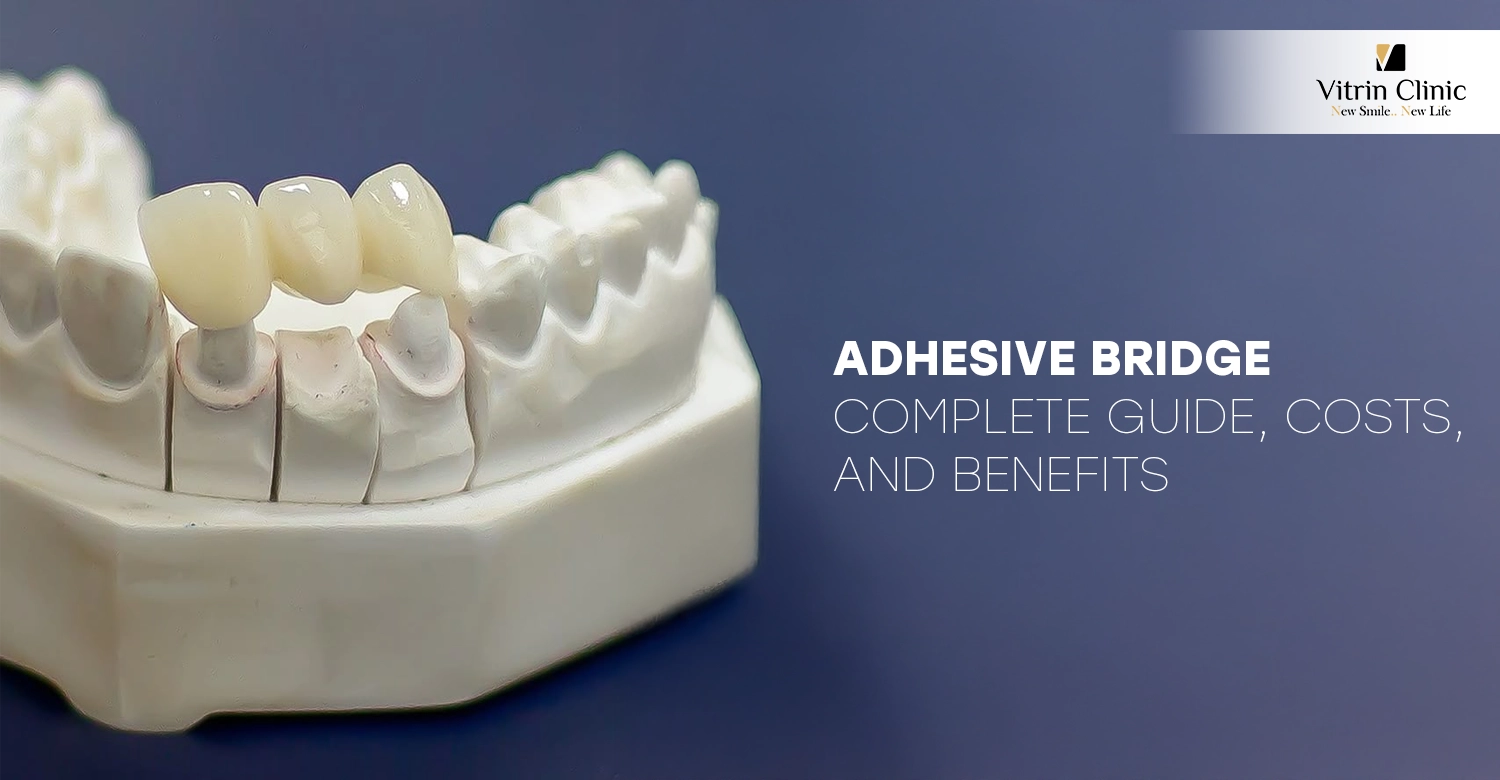
Losing a tooth affects more than just your smile—it impacts your confidence, speech, and ability to enjoy meals. If you’re seeking a conservative, cost-effective solution to replace missing teeth, an adhesive bridge might be the perfect option. Unlike traditional bridges that require significant tooth reduction, adhesive bridges preserve your natural tooth structure while restoring function and aesthetics. This comprehensive guide explores everything you need to know about adhesive bridges, from how they work to their costs, benefits, and maintenance requirements.
Understanding Adhesive Bridges
When facing tooth loss, understanding your restoration options is crucial for making informed decisions. Adhesive bridges represent a modern approach to tooth replacement that prioritizes preservation of healthy tooth structure. This minimally invasive solution has gained popularity among patients and dentists alike for its conservative nature and effective results. Let’s explore what makes adhesive bridges a compelling choice for many individuals dealing with missing teeth.
What is an Adhesive Bridge?
An adhesive bridge, also known as a Maryland bridge or resin-bonded bridge, is a dental prosthetic device designed to replace one or more missing teeth. Unlike conventional bridges, this restoration consists of an artificial tooth (pontic) attached to thin metal or ceramic wings. These wings bond to the back surfaces of adjacent teeth using strong dental adhesive, eliminating the need for extensive tooth preparation or crowns on supporting teeth.
The adhesive bridge works by distributing chewing forces across the bonded surfaces while maintaining the structural integrity of neighboring teeth. The prosthetic tooth fills the gap left by the missing tooth, restoring both function and appearance. Modern adhesive bridges utilize advanced bonding materials and precise fabrication techniques to ensure secure attachment and natural aesthetics that blend seamlessly with your existing smile.
Discover the durable solution of a dental bridge for replacing missing teeth
How Adhesive Bridges Restore Your Smile
Adhesive bridges excel at filling gaps in your smile, particularly in the front teeth where aesthetics matter most. The prosthetic tooth matches the color, shape, and size of your natural teeth, creating a harmonious appearance that enhances your confidence. By closing the space left by missing teeth, adhesive bridges prevent neighboring teeth from shifting into the gap, maintaining proper alignment and preventing future orthodontic complications.
Beyond aesthetics, adhesive bridges significantly improve chewing efficiency and speech clarity. Missing teeth can make certain foods difficult to eat and affect pronunciation of specific sounds. The restoration provides a stable surface for biting and chewing, allowing you to enjoy a varied diet without discomfort. Additionally, adhesive bridges support facial structure, preventing the sunken appearance that sometimes develops after tooth loss, thereby maintaining your natural facial contours.
Adhesive Bridge vs Traditional Bridge
Choosing between different bridge types requires understanding their fundamental differences and how each approach affects your oral health. Traditional bridges have served patients well for decades, but adhesive bridges offer distinct advantages in specific situations. Comparing these two restoration methods helps you determine which option aligns best with your dental needs, treatment goals, and budget. The decision ultimately depends on factors including tooth location, bite forces, and your preference for conservative treatment.
Key Differences Between Adhesive and Traditional Bridges
Traditional bridges require substantial reduction of adjacent teeth to accommodate full-coverage crowns that support the prosthetic tooth. Dentists must remove significant enamel and dentin from supporting teeth, permanently altering healthy tooth structure. In contrast, adhesive bridges require minimal or no tooth preparation, bonding directly to unmodified tooth surfaces with only slight roughening for improved adhesion, preserving the vast majority of natural tooth structure.
Durability and lifespan differ considerably between these bridge types. Traditional bridges typically last 10-15 years or longer due to their robust design and full crown support. Adhesive bridges generally last 5-10 years, though advances in bonding technology and materials continue improving their longevity. Traditional bridges withstand higher biting forces better, making them preferable for replacing back teeth. Adhesive bridges work best for front teeth with lighter chewing loads.
Advantages of Choosing an Adhesive Bridge
The minimally invasive nature of adhesive bridges represents their primary advantage over traditional alternatives. Preserving natural tooth structure maintains long-term dental health and keeps future treatment options open. If an adhesive bridge eventually needs replacement, the intact supporting teeth can accommodate various restoration types. This conservative approach particularly benefits younger patients whose teeth may require different treatments as they age and dental needs evolve.
Adhesive bridge procedures require significantly less time than traditional bridges. Most patients complete treatment in just two appointments, with the entire process taking approximately two weeks from start to finish. There’s no need for temporary restorations, and many patients experience minimal discomfort during and after the procedure. The quick treatment timeline makes adhesive bridges ideal for patients seeking efficient smile restoration without extended dental visits or complex treatment protocols.
Step-by-Step Adhesive Bridge Procedure
Understanding the adhesive bridge procedure helps alleviate anxiety and sets realistic expectations for your treatment experience. The process involves careful planning, precise tooth preparation, and expert placement to ensure optimal results. From your initial consultation through final adjustments, each step plays a crucial role in creating a comfortable, functional, and aesthetically pleasing restoration. Modern techniques and materials make the procedure straightforward and relatively comfortable for most patients.
Initial Consultation and Examination
Your adhesive bridge journey begins with a comprehensive dental examination where your dentist evaluates the gap, surrounding teeth, and overall oral health. Digital X-rays reveal bone structure, root positions, and any underlying issues that might affect treatment success. Your dentist assesses whether adjacent teeth provide adequate surface area and strength for bonding, ensuring they’re free from decay, large fillings, or other conditions compromising adhesive retention.
During this consultation, your dentist determines your candidacy for an adhesive bridge based on multiple factors including bite alignment, tooth position, and aesthetic requirements. They discuss treatment expectations, alternative options, and answer your questions about the procedure. If you’re a suitable candidate, your dentist takes impressions or digital scans of your teeth, which serve as blueprints for fabricating your custom adhesive bridge in a dental laboratory to precise specifications. The fake tooth is bonded to the back of adjacent teeth using metal or ceramic wings
Preparation and Placement
Unlike traditional bridges requiring extensive tooth reduction, adhesive bridge preparation involves minimal alteration of adjacent teeth. Your dentist gently cleans and slightly roughens the bonding surfaces on the back of supporting teeth, creating microscopic texture that enhances adhesive retention. This conservative approach typically requires no anesthesia, though some patients prefer numbing for comfort. The prepared surfaces receive conditioning agents that optimize bonding chemistry for maximum strength and durability.
When your custom adhesive bridge returns from the laboratory, your dentist carefully positions it against the prepared teeth, checking fit, color match, and bite alignment. After confirming proper positioning, they apply specialized dental cement to the bridge wings and firmly press it against the bonding surfaces. Excess cement is removed, and a curing light hardens the adhesive within seconds, creating a strong chemical and mechanical bond that securely holds the prosthetic tooth in place.
Final Adjustments and Polishing
After the adhesive bridge sets in position, your dentist evaluates your bite using articulating paper that marks high contact points. They make precise adjustments ensuring the bridge doesn’t interfere with your bite or cause discomfort when chewing. Proper bite alignment prevents excessive stress on the bonded surfaces and reduces the risk of debonding. Your dentist polishes all surfaces to a smooth finish, enhancing aesthetics and making the restoration easier to keep clean.
Before you leave, your dentist provides detailed post-procedure instructions covering eating restrictions, oral hygiene techniques, and signs of potential problems requiring immediate attention. They schedule a follow-up appointment to monitor the bridge’s adaptation and address any concerns. Most patients adapt to their adhesive bridge within a few days, experiencing improved confidence and function. Your dentist remains available to answer questions and provide support throughout your adjustment period and beyond.
Explore the minimally invasive option of a Maryland bridge
Benefits and Risks of Adhesive Bridges
Every dental treatment involves weighing potential benefits against possible risks to make informed decisions aligned with your values and priorities. Adhesive bridges offer compelling advantages that make them attractive options for many patients, but understanding limitations and potential complications ensures realistic expectations. This balanced perspective helps you appreciate what adhesive bridges can accomplish while remaining aware of situations where alternative treatments might better serve your needs and long-term dental health.
Benefits of Adhesive Bridges
Adhesive bridges cause minimal damage to surrounding teeth, preserving natural tooth structure that might otherwise be irreversibly removed during traditional bridge preparation. This conservative approach maintains tooth strength and vitality, reducing future risk of sensitivity, decay, or need for root canal treatment. Preserving healthy tooth structure proves especially valuable for younger patients who may require different restorations later in life, keeping maximum treatment flexibility available as dental needs change over time.
Compared to dental implants, adhesive bridges offer an affordable alternative for tooth replacement without requiring surgery or extended healing periods. The treatment costs significantly less than implant placement while still providing functional and aesthetic restoration. For patients unable to undergo implant surgery due to medical conditions, insufficient bone density, or budget constraints, adhesive bridges deliver effective tooth replacement. The non-surgical nature eliminates healing time, allowing immediate return to normal activities without surgical recovery concerns.
Risks and Potential Complications
The primary risk associated with adhesive bridges involves loosening or debonding from supporting teeth. Bonded connections can weaken over time due to chewing forces, temperature changes, or improper oral hygiene. When debonding occurs, the bridge may feel loose, move slightly during eating, or completely detach. While rebonding is usually straightforward, repeated debonding episodes may indicate the bridge isn’t ideal for your specific situation, potentially necessitating alternative treatment approaches.
Longevity concerns represent another consideration when evaluating adhesive bridges. These restorations typically don’t last as long as traditional bridges or dental implants, averaging 5-10 years compared to 10-15 years or more for conventional alternatives. Factors affecting lifespan include bite forces, oral hygiene practices, bonding surface quality, and material selection. Back teeth experience higher chewing loads that may overwhelm adhesive bonds more quickly. Understanding these limitations helps set realistic expectations about replacement timelines and long-term costs. To see if this minimally invasive option works for you, check if you are a good candidate for a dental bridge
Cost of Adhesive Bridges
Financial considerations significantly influence dental treatment decisions, making cost transparency essential for planning your smile restoration. Adhesive bridge pricing varies based on multiple factors including geographic location, dentist expertise, materials used, and laboratory fees. Understanding the investment required and exploring payment options helps you budget effectively while pursuing quality dental care. Many patients find adhesive bridges offer excellent value, balancing affordability with functional and aesthetic results that enhance quality of life.
Average Cost of an Adhesive Bridge
In the United States, adhesive bridge costs typically range from $1,500 to $2,500 per tooth, depending on complexity and location. European countries see similar pricing, while dental tourism destinations like Turkey offer adhesive bridges for $500-$1,000, representing 60-70% savings compared to Western countries. These international clinics maintain quality standards while operating in markets with lower overhead costs, making them attractive options for budget-conscious patients seeking affordable dental care abroad.
Several factors influence adhesive bridge pricing beyond basic procedure costs. Material selection significantly impacts price—ceramic wings offer superior aesthetics but cost more than metal alternatives. Dentist experience and reputation affect fees, with specialists and high-demand practices charging premium rates. Geographic location plays a major role, as practices in metropolitan areas or affluent neighborhoods typically charge more than rural or suburban offices. Laboratory fees for custom fabrication also contribute to the total investment required.
Understand the comprehensive process of complete dental reconstruction
Affordable Options for Missing Teeth
Many dental insurance plans provide partial coverage for adhesive bridges, typically paying 40-50% after deductible requirements are met. Coverage varies significantly between plans, with some policies excluding adhesive bridges while covering traditional alternatives. Contact your insurance provider before treatment to verify benefits, understand limitations, and learn about required pre-authorization procedures. Knowing your coverage details helps avoid surprise expenses and allows accurate budgeting for out-of-pocket costs requiring personal payment.
Numerous dental practices offer flexible payment plans that spread treatment costs over several months, making adhesive bridges more accessible to patients without full immediate payment capability. Third-party healthcare financing companies like CareCredit provide credit lines specifically for medical and dental expenses, often with promotional interest-free periods. Some clinics offer in-house financing with reasonable terms and flexible approval criteria. Exploring these options removes financial barriers to achieving the smile restoration you deserve while maintaining manageable monthly budgets.
Adhesive Bridge Maintenance
Proper maintenance significantly extends adhesive bridge lifespan while protecting your natural teeth and gums from complications. Unlike natural teeth that tolerate some neglect, adhesive bridges require consistent care to maintain their bond strength and prevent problems. Establishing good oral hygiene habits and following maintenance guidelines ensures your restoration continues functioning and looking great for years. The time invested in daily care and regular professional monitoring pays dividends through improved longevity and reduced need for repairs or replacements.
Daily Care and Cleaning
Brushing your adhesive bridge requires the same attention as natural teeth, using a soft-bristled toothbrush and fluoride toothpaste twice daily. Pay special attention to the areas where the bridge meets your natural teeth, as plaque and bacteria accumulate at these junctions, potentially compromising the bond and causing decay. Gentle circular motions effectively remove debris without damaging the restoration or irritating surrounding gums. Replace your toothbrush every three months to maintain cleaning effectiveness and prevent bacteria buildup.
Flossing proves essential for adhesive bridge maintenance despite the challenge of navigating around bonded wings. Floss threaders or water flossers help clean beneath and around the bridge where traditional floss cannot reach easily. Thread floss carefully under the pontic and along bonding surfaces to remove trapped food particles and plaque that could weaken the adhesive bond. Avoid sticky foods like caramel, taffy, or chewing gum that might dislodge the bridge or stress bonded connections beyond their design limits.
Regular Dental Checkups
Schedule professional dental cleanings and examinations every six months to monitor your adhesive bridge’s condition and address potential issues before they become serious problems. Your dentist checks the bond integrity, looking for signs of loosening, wear, or marginal gaps where bacteria might penetrate. They also examine supporting teeth for decay or damage that could compromise the restoration’s foundation. Professional cleanings remove calculus and stains that home care misses, maintaining both function and aesthetics effectively.
During checkups, your dentist evaluates how your bite affects the adhesive bridge, ensuring chewing forces distribute properly without overloading bonded connections. They may make minor adjustments if bite changes occur due to tooth movement or wear on other dental restorations. Professional monitoring catches problems early when solutions are simpler and less expensive than addressing advanced damage. Regular appointments also provide opportunities to discuss any concerns, discomfort, or changes you’ve noticed with your restoration.
Compare the differences between temporary crowns vs permanent crowns
Success Stories and Patient Experiences
Real patient experiences offer valuable insights into what you can expect from adhesive bridge treatment, providing perspectives beyond clinical descriptions. These success stories demonstrate how adhesive bridges transform lives by restoring confidence, function, and quality of life. Learning from others who’ve undergone similar treatments helps set realistic expectations while inspiring confidence in your decision. Patient testimonials reveal both the immediate impact and long-term satisfaction that well-planned, properly executed adhesive bridge treatments deliver to deserving individuals.
Transformations with Adhesive Bridges
Sarah, a 28-year-old professional, lost a front tooth in a cycling accident and felt self-conscious about her smile during client meetings. After receiving an adhesive bridge, she regained confidence in her appearance without undergoing extensive dental work or waiting months for implant integration. The natural-looking restoration blended perfectly with her existing teeth, and colleagues never suspected she had a prosthetic tooth. Sarah appreciated the minimally invasive approach that preserved her healthy adjacent teeth completely.
Michael’s case demonstrates adhesive bridge effectiveness for multiple missing teeth. After congenital absence of lateral incisors, he lived with noticeable gaps that affected his self-esteem throughout adolescence. His dentist placed two adhesive bridges that transformed his smile, closing both gaps with natural-appearing teeth that complemented his facial features. The conservative treatment avoided orthodontics and implant surgery, delivering immediate results that lasted seven years before requiring replacement. Michael’s experience shows how adhesive bridges provide excellent interim or permanent solutions for various clinical situations.
Why Patients Recommend Adhesive Bridges
Patients consistently praise adhesive bridges for their comfort and ease of adaptation. Unlike removable partial dentures that can cause sore spots or feel bulky, adhesive bridges feel like natural teeth from day one. Most patients forget they have a prosthetic tooth after the initial adjustment period, going about daily activities without restriction or discomfort. The fixed nature eliminates concerns about embarrassing slippage or clicking sounds that sometimes occur with removable appliances affecting social confidence.
Cost-effectiveness represents another frequently mentioned reason patients recommend adhesive bridges to friends and family members facing similar dental challenges. Many patients researched multiple tooth replacement options before choosing adhesive bridges, finding them offered the best balance of affordability, aesthetics, and tooth preservation. They appreciate avoiding the higher costs and longer timelines associated with dental implants while still achieving natural-looking, functional results. For budget-conscious individuals seeking quality restorations, adhesive bridges deliver exceptional value that makes smile restoration financially accessible to more people. Adhesive bridges are a specific type of fixed partial dentures used primarily for front teeth
Why Dentists Recommend Adhesive Bridges
Dental professionals base treatment recommendations on clinical evidence, patient outcomes, and ethical principles that prioritize conservative care. Adhesive bridges align with modern dentistry’s emphasis on preserving natural tooth structure whenever possible while delivering predictable, satisfying results. Understanding why dentists favor adhesive bridges in appropriate situations helps patients appreciate the clinical reasoning behind treatment plans. These professional perspectives reflect years of experience and commitment to providing care that serves patients’ best interests throughout their lifetimes.
Minimally Invasive Treatment
Dentists value adhesive bridges for their tooth-conserving approach that maintains structural integrity of adjacent teeth. Traditional bridges require removing approximately 60-70% of tooth structure from supporting teeth to create space for full-coverage crowns, weakening these teeth and increasing future complication risks. Adhesive bridges preserve this structure, keeping teeth strong and vital while achieving restoration goals. This conservative philosophy reflects dentistry’s evolution toward treatments that respect natural anatomy and minimize unnecessary intervention.
The quick procedure timeline benefits both patients and dental practices by delivering efficient results without multiple appointments or temporary restorations. Most adhesive bridge treatments conclude in two visits spanning approximately two weeks, compared to several months for implant placement or multiple appointments for traditional bridges. This efficiency reduces patient time away from work, minimizes dental anxiety through shorter treatment duration, and allows faster return to normal function and aesthetics. Dentists appreciate offering effective solutions that respect patients’ busy schedules and desire for prompt results.
Cost-Effective Smile Restoration
When compared to dental implants requiring surgery, bone grafting, and extended healing periods, adhesive bridges offer attractive cost savings without compromising functional outcomes. Implants can cost $3,000-$6,000 per tooth in Western countries, while adhesive bridges provide tooth replacement at a fraction of this investment. For patients without dental insurance or those facing budget constraints, adhesive bridges remove financial barriers to smile restoration, making quality dental care accessible to broader populations seeking improved oral health.
Traditional bridges cost more than adhesive alternatives while requiring irreversible tooth reduction that compromises long-term dental health. Adhesive bridges eliminate crown preparation fees and avoid sacrificing healthy tooth structure, delivering both immediate financial savings and future flexibility. When traditional bridges eventually fail, replacement often necessitates more extensive interventions including possible implants or root canals on weakened supporting teeth. Adhesive bridge conservation helps avoid these cascade scenarios, potentially saving thousands in future dental expenses throughout your lifetime.
See how dental crowns for front teeth restore aesthetics and function
Are Adhesive Bridges Worth the Investment?
Determining whether adhesive bridges represent sound investments requires evaluating costs against benefits within the context of your specific dental situation. Treatment value extends beyond initial pricing to encompass longevity, functionality, aesthetics, tooth preservation, and long-term health implications. For many patients, adhesive bridges deliver excellent returns through improved confidence, restored function, and conservative care that protects natural teeth. Understanding when adhesive bridges offer optimal value helps you make decisions aligned with personal priorities and realistic expectations.
Comparing Costs and Benefits
Adhesive bridges provide excellent short to medium-term value, typically lasting 5-10 years with proper care while costing significantly less than dental implants or traditional bridges. During this lifespan, patients enjoy restored chewing function, improved aesthetics, and prevented tooth shifting without substantial financial investment or surgical procedures. For younger patients whose dental needs may change, or those wanting interim solutions before committing to permanent implants, adhesive bridges offer flexibility and affordability that align perfectly with treatment goals.
Long-term effectiveness considerations become important when planning for decades of dental health ahead. While individual adhesive bridges cost less initially, potential need for replacement every 5-10 years could accumulate higher lifetime expenses compared to longer-lasting alternatives like implants or traditional bridges. Patients expecting 20-30+ years of service from their tooth replacement should calculate total costs across multiple replacement cycles. However, for many individuals, the immediate affordability and conservative nature of adhesive bridges outweigh concerns about eventual replacement needs over distant timeframes. For lower gaps, a bridge lower partial dentures setup might be more stable
Ideal Candidates for Adhesive Bridges
Perfect candidates for adhesive bridges include individuals with single missing front teeth, particularly lateral incisors or occasionally central incisors where aesthetic demands are high but biting forces remain relatively light. Patients with healthy adjacent teeth free from large restorations or decay provide optimal bonding surfaces that support long-lasting adhesion. Younger adults whose facial development continues or who may pursue orthodontics later benefit from adhesive bridges’ reversible nature that keeps future treatment options open without permanent tooth alteration.
Certain situations favor alternative treatments over adhesive bridges despite their advantages. Patients missing back teeth experience higher chewing forces that may overwhelm adhesive bonds, making traditional bridges or implants more appropriate. Individuals with parafunctional habits like teeth grinding or clenching risk premature adhesive bridge failure due to excessive mechanical stress on bonded connections. People whose adjacent teeth already have large fillings or require crowns for other reasons might benefit more from traditional bridges that address multiple needs simultaneously. Consultation with experienced dentists helps determine the most suitable restoration approach for your unique circumstances.
Why Choose Vitrin Clinic for Adhesive Bridges
Selecting the right dental provider significantly impacts your adhesive bridge experience, outcomes, and satisfaction with treatment results. Vitrin Clinic Istanbul combines advanced technology, experienced dentists, and patient-centered care to deliver exceptional dental tourism experiences. Our commitment to transparency, quality materials, and personalized treatment planning ensures you receive adhesive bridges that meet both aesthetic expectations and functional requirements. Patients from around the world trust Vitrin Clinic for affordable, high-quality dental care that transforms smiles and lives.
Explore the pros and cons of each crown material
Advanced Dental Technology and Expertise
Vitrin Clinic utilizes cutting-edge dental technology including digital scanning systems that capture precise tooth dimensions for creating perfectly fitting adhesive bridges. Computer-aided design and manufacturing (CAD/CAM) ensures accuracy and aesthetic excellence in every restoration we create. High-quality bonding materials from leading manufacturers provide superior adhesion strength and longevity compared to inferior products. Our laboratory technicians possess specialized expertise in crafting natural-looking prosthetic teeth that blend seamlessly with your existing smile, matching color, translucency, and contours perfectly.
Precise treatment planning begins with comprehensive digital imaging and 3D visualization that helps you preview expected results before treatment commences. Our dentists use mock-ups and trial placements to ensure your satisfaction with the planned restoration, making adjustments until achieving your desired outcome. This meticulous approach minimizes surprises and ensures the final adhesive bridge meets your expectations. Advanced technology combined with skilled clinicians delivers predictable, beautiful results that justify patients’ confidence in choosing Vitrin Clinic for their smile transformation journey.
Experienced Dentists Offering Personalized Care
Our dental team brings decades of combined experience treating international patients from diverse backgrounds with varying dental needs and aesthetic preferences. We understand that every patient’s situation is unique, requiring customized treatment approaches rather than one-size-fits-all solutions. Your dentist takes time to understand your concerns, goals, and budget constraints, developing comprehensive treatment plans that address all factors influencing your satisfaction. This personalized attention ensures you feel heard, respected, and confident throughout your dental tourism experience with us.
Transparent pricing with no hidden fees represents our commitment to honest, ethical patient relationships. You receive detailed cost breakdowns before treatment begins, knowing exactly what services you’re paying for and what results to expect. Our pricing includes all necessary procedures, materials, and follow-up appointments, eliminating surprise expenses that sometimes occur at other facilities. Payment flexibility through various options makes quality dental care accessible to patients with different financial situations. Vitrin Clinic’s tailored solutions combine clinical excellence with affordability, delivering the beautiful, functional smile you deserve. It remains one of the most popular alternatives to dentures for single missing teeth
Conclusion
Adhesive bridges represent an excellent tooth replacement option for patients seeking conservative, affordable restoration of missing teeth without extensive dental work. Their minimally invasive nature preserves natural tooth structure while delivering functional and aesthetic results that enhance quality of life and confidence. Understanding the procedure, benefits, risks, costs, and maintenance requirements empowers you to make informed decisions about whether adhesive bridges align with your dental needs and personal priorities. With proper care and realistic expectations, adhesive bridges provide years of satisfactory service at a fraction of implant costs.
Key Takeaways About Adhesive Bridges
Adhesive bridges offer numerous benefits including tooth preservation, quick treatment timelines, reduced costs compared to implants, and natural aesthetics that restore confident smiles. Risks involve potential debonding and shorter lifespans compared to traditional bridges or implants, averaging 5-10 years with proper maintenance. Costs range from $1,500-$2,500 in Western countries, with significant savings available through dental tourism destinations like Turkey. Ideal candidates have missing front teeth with healthy adjacent teeth and relatively light biting forces, while heavier chewing loads may favor alternative treatments.
Get a Personalized Adhesive Bridge Consultation
Don’t let missing teeth compromise your smile, confidence, or quality of life any longer. Contact Vitrin Clinic Istanbul today to schedule your personalized adhesive bridge consultation and discover how our experienced team can restore your smile with minimally invasive, affordable treatment. Our dental professionals will evaluate your specific situation, answer all your questions, and develop a customized treatment plan that aligns with your goals and budget. Take the first step toward your beautiful new smile by reaching out now for transparent pricing and expert guidance on your tooth replacement journey.
FAQs (SEO Optimized)
What is an adhesive bridge and how does it work?
An adhesive bridge is a conservative dental prosthetic that replaces missing teeth using thin metal or ceramic wings bonded to adjacent teeth’s back surfaces. Unlike traditional bridges requiring crown preparation, adhesive bridges attach using strong dental cement without removing significant tooth structure. The prosthetic tooth fills the gap while preserving natural teeth integrity. Modern bonding materials create secure connections that withstand daily chewing forces while maintaining aesthetics. This minimally invasive approach offers effective tooth replacement for appropriate candidates seeking conservative treatment options.
How does an adhesive bridge differ from a traditional bridge?
Traditional bridges require extensive tooth reduction on adjacent teeth to accommodate full-coverage crowns supporting the prosthetic tooth, removing approximately 60-70% of natural tooth structure permanently. Adhesive bridges bond directly to minimally prepared tooth surfaces, preserving structural integrity and keeping future treatment options open. Traditional bridges typically last longer (10-15 years versus 5-10 years) but involve irreversible tooth alteration. Adhesive bridges cost less, require fewer appointments, and avoid temporary restorations, making them attractive alternatives for suitable candidates prioritizing tooth conservation and efficiency.
How long does an adhesive bridge last?
Adhesive bridges typically last 5-10 years with proper care and maintenance, though some patients experience longer lifespans with excellent oral hygiene and favorable biting patterns. Longevity depends on multiple factors including bonding surface quality, bite forces, oral hygiene practices, and material selection. Front teeth generally support adhesive bridges longer than back teeth due to reduced chewing loads. Regular dental checkups, careful eating habits avoiding hard or sticky foods, and thorough cleaning help maximize lifespan. When replacement becomes necessary, the procedure remains straightforward since supporting teeth remain largely intact.
How much does an adhesive bridge cost?
Adhesive bridge costs range from $1,500-$2,500 per tooth in the United States and similar Western countries, varying based on geographic location, dentist expertise, and material selection. Dental tourism destinations like Turkey offer adhesive bridges for $500-$1,000, representing 60-70% savings while maintaining quality standards. Additional factors influencing price include laboratory fees, complexity of the case, and clinic overhead costs. Many dental insurance plans provide partial coverage, typically paying 40-50% after deductibles. Payment plans and healthcare financing options make adhesive bridges accessible to patients with various budget constraints.
Are adhesive bridges painful to get?
Adhesive bridge procedures involve minimal discomfort since they require little to no tooth preparation compared to traditional bridges. Most patients undergo treatment without anesthesia, though numbing is available upon request for complete comfort. The bonding process feels similar to regular dental cleanings, involving tooth cleaning, slight surface roughening, and adhesive application. After placement, patients may experience minor sensitivity for a few days as they adapt to the restoration. Soft tissue irritation occasionally occurs where bonding wings contact gums, but this resolves quickly. Overall, adhesive bridge placement ranks among dentistry’s most comfortable procedures.
How do I care for an adhesive bridge?
Care for adhesive bridges by brushing twice daily with soft-bristled toothbrushes and fluoride toothpaste, paying special attention to bonding areas where plaque accumulates. Floss daily using threaders or water flossers to clean beneath the pontic and around bonded wings where traditional floss cannot reach. Avoid sticky, hard, or chewy foods that might dislodge the bridge or stress bonded connections. Schedule professional cleanings every six months for monitoring and calculus removal. Report any looseness, discomfort, or changes immediately to your dentist for prompt evaluation and intervention before problems escalate.
Who is a good candidate for an adhesive bridge?
Ideal adhesive bridge candidates include individuals with single missing front teeth (particularly lateral incisors) where aesthetics matter most and biting forces remain relatively light. Healthy adjacent teeth free from large fillings or decay provide optimal bonding surfaces supporting long-lasting adhesion. Younger adults whose dental needs may change benefit from adhesive bridges’ reversibility and tooth preservation. Patients seeking affordable, minimally invasive tooth replacement without surgery find adhesive bridges attractive alternatives to implants. Those with parafunctional habits, missing back teeth, or heavily restored adjacent teeth may benefit more from alternative treatments like traditional bridges or implants.


