Dental Implant
December 22, 2025
Crown Material: Complete Guide to Types, Benefits & Choosing the Best
 Dr. Rifat Alsaman
Selecting the right crown material is crucial for achieving optimal dental restoration results. It balances aesthetics, durability, and functionality. Options include zirconia, porcelain, metal, and composite, each offering unique benefits. Zirconia has become increasingly popular for its exceptional strength and natural appearance. At Vitrin Clinic, we help patients understand these choices and select the option that best fits their needs. Whether you need a crown for a front or back tooth, understanding your options ensures you make an informed decision that supports long-term oral health and confidence.
Understanding Dental Crowns
Dental crowns serve as protective caps that restore damaged teeth. They also improve appearance and function. The material you choose significantly impacts the restoration's longevity, aesthetics, and performance. Understanding how each option works helps you select the right fit for your tooth. From zirconia to traditional porcelain, every option offers distinct advantages. This section explores what dental crowns are, how they function, and why material selection is essential for successful treatment outcomes at Vitrin Clinic.
What is a Dental Crown?
A dental crown is a custom-made cap that covers a damaged or weakened tooth. It restores the tooth's shape, strength, and appearance. The material determines both functional performance and aesthetic results. Choosing well ensures durability and a natural look. Each option, whether zirconia, porcelain, metal, or composite, serves specific purposes based on tooth location and patient needs. Proper selection at Vitrin Clinic guarantees optimal restoration results.
How Do Dental Crowns Work?
Dental crowns work by encasing the entire visible portion of a tooth above the gum line. The chosen material bonds to the prepared tooth structure. This provides protection and strength. Each option offers varying levels of durability and aesthetics. Zirconia, for instance, provides exceptional strength while maintaining natural translucency. The right choice ultimately depends on location and function. Vitrin Clinic uses advanced techniques to ensure proper placement for long-lasting results and patient satisfaction.
Are All Crowns the Same?
No. Crowns differ significantly based on what they're made from. Options include zirconia, porcelain, metal, and composite, each with unique properties. Zirconia offers superior strength for both front and back teeth. The best choice for a front tooth prioritizes aesthetics. Back teeth require durability instead. Factors affecting selection include strength requirements, appearance preferences, and budget. Vitrin Clinic helps patients weigh these options for optimal outcomes.
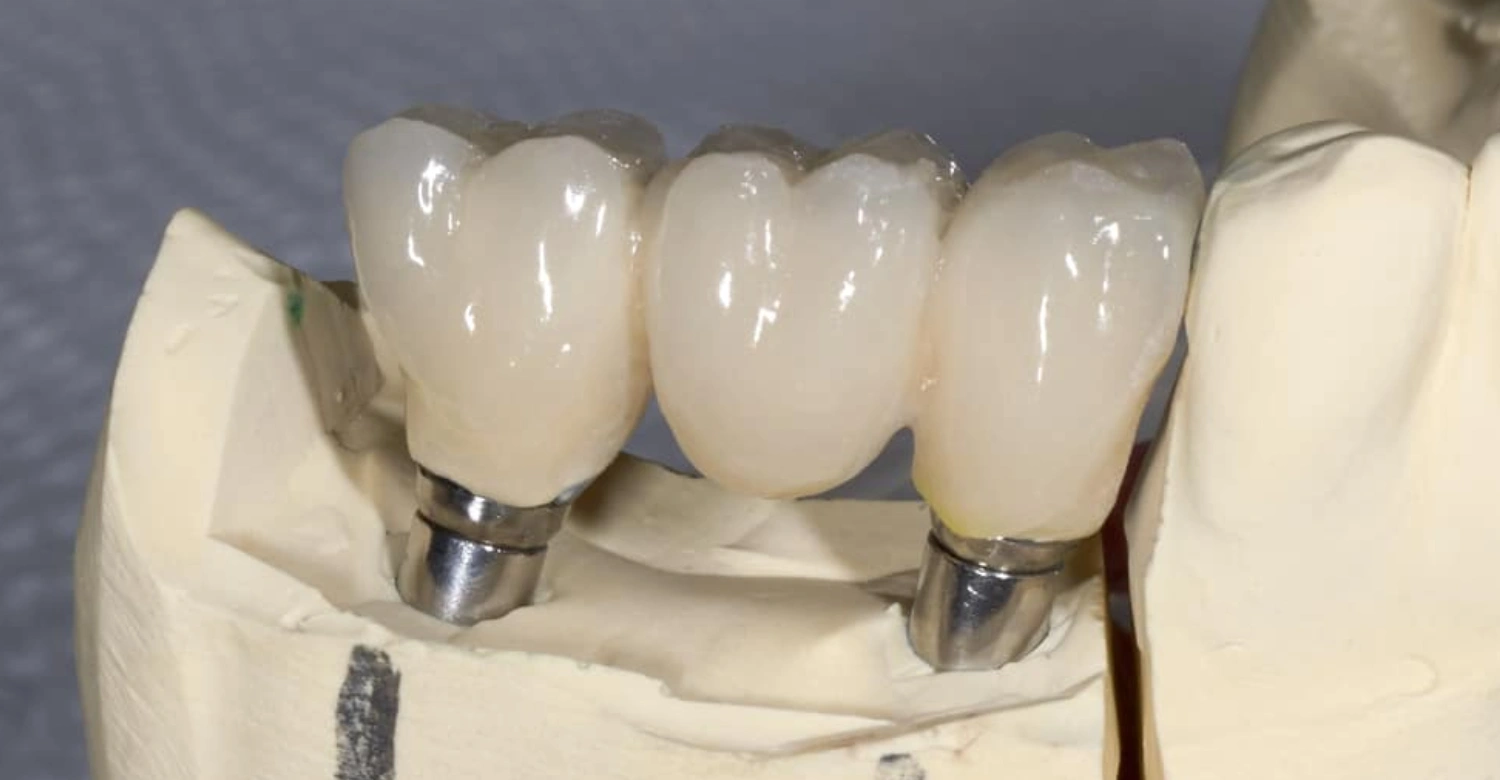
Types of Crown Materials
Understanding the different options helps you make informed decisions about your dental restoration. Each option offers unique advantages in strength, appearance, and longevity. Zirconia has revolutionized modern dentistry by combining durability with aesthetics. Traditional metal crowns and advanced ceramic alternatives continue to evolve. This overview explores the most popular choices. It helps you identify what's best for your specific dental needs and lifestyle.
Zirconia Crowns
Zirconia represents one of the most advanced options available today. It offers exceptional strength, exceeding 1,000 MPa, making it ideal for both front and back teeth. It provides excellent biocompatibility, natural translucency, and stain resistance. It withstands heavy chewing forces while maintaining aesthetic appeal. Many patients consider it the top choice overall due to its durability and natural appearance. Vitrin Clinic specializes in zirconia restorations for superior results.
Porcelain Crowns
Porcelain provides exceptional aesthetic advantages. This makes it a popular choice for front-tooth restorations. It mimics natural tooth translucency and color closely. It also resists staining and offers excellent biocompatibility. While not as strong as zirconia, porcelain remains a top pick for visible areas. It requires careful maintenance to prevent chipping. Vitrin Clinic uses high-quality porcelain for beautiful, natural-looking smile restorations.
Metal and Porcelain-Fused-to-Metal (PFM) Crowns
Metal crowns offer exceptional strength. This makes them a durable choice for back teeth. Gold and metal alloys provide longevity but lack aesthetic appeal. Porcelain-fused-to-metal (PFM) combines metal strength with porcelain aesthetics as a middle-ground option. These alternatives cost less than zirconia or all-ceramic restorations. PFM crowns may show a metal line at the gum margin. When comparing options, metal and PFM offer durability but compromise appearance. Vitrin Clinic helps patients evaluate these trade-offs appropriately.
Composite Crowns
Composite resin is a cost-effective option suited for temporary or budget-conscious restorations. It can often be fabricated in a single visit. It offers reasonable aesthetics but limited durability compared to zirconia or porcelain. It tends to stain more easily and wears faster than other options. While not ideal for long-term use, composite serves specific clinical purposes. Vitrin Clinic uses it selectively where appropriate.
Comparing Crown Materials
Determining the best option depends on multiple factors. These include tooth location, bite forces, and aesthetic requirements. Zirconia offers superior strength and appearance, making it the top pick in most situations. Porcelain excels in front-tooth aesthetics. Metal provides unmatched durability for back teeth. The right choice balances strength, aesthetics, durability, and cost. Vitrin Clinic evaluates each patient's needs to recommend the optimal option.
Procedure for Getting a Dental Crown
The dental crown procedure involves careful material selection. It's followed by precise tooth preparation and fabrication. Understanding how each option is processed helps you appreciate the complexity of crown creation. Zirconia, for example, requires computer-aided design and milling for optimal accuracy. The right choice is made during your initial consultation, based on your specific dental needs. This section outlines the step-by-step process of receiving a dental crown, from material selection through final placement at Vitrin Clinic.
Step-by-Step Process
Getting a dental crown begins with a comprehensive consultation. Your options are discussed and evaluated. Your dentist examines the tooth and recommends a suitable material, often zirconia, for its versatility. The tooth is then prepared by removing damaged structure and reshaping it for the crown. Impressions capture precise tooth dimensions for custom fabrication. A temporary crown protects the prepared tooth while the permanent restoration is processed. The completed crown is then fitted, adjusted, and cemented into place.
Recovery and Aftercare
After receiving your new crown, expect minor sensitivity for several days. It may feel slightly different from your natural tooth at first. Avoid extremely hard foods while adjusting. Even the best-suited material requires proper care for longevity. Brush twice daily and floss carefully around the restoration. Maintain regular checkups at Vitrin Clinic to monitor its condition and ensure it performs optimally over time.
Costs and Insurance
Understanding the financial side of each option helps you plan your dental investment wisely. Costs vary significantly by type. Zirconia is typically priced higher than traditional options, reflecting an investment in long-term oral health and aesthetics. Insurance coverage also differs by plan and material type. This section explores how your choice affects cost and what insurance typically covers at Vitrin Clinic.
How Much Do Dental Crowns Cost?
Dental crown costs range from $800 to $3,000 per tooth depending on the material selected. Zirconia typically costs $1,000 to $2,500 due to its superior properties. It may cost more, but it often offers better longevity. Metal crowns generally cost less than ceramic options. Porcelain prices fall mid-range. Composite represents the most affordable choice. Vitrin Clinic provides transparent pricing across all options, helping you choose within your budget.
Insurance Coverage
Most dental insurance plans cover crowns when medically necessary. They typically pay 50% to 80% of the cost. Coverage for zirconia may differ from traditional metal restorations. Some plans classify premium options as requiring higher copays. Basic materials are often covered in full. Advanced options may require additional payment. Pre-authorization helps determine exact coverage for your specific case. Vitrin Clinic's billing team assists with insurance claims for every option offered.
Choosing the Right Crown Material
Selecting the best option requires evaluating durability, aesthetics, function, and budget together. Zirconia offers an excellent balance of strength and appearance for most situations. Understanding how each material performs helps you make an informed decision. Base it on tooth location, bite forces, and aesthetic priorities. This section guides you through the evaluation process. It helps identify the right fit for your unique restoration needs at Vitrin Clinic.
Factors to Consider
When evaluating your options, start with durability requirements based on tooth location and bite forces. Zirconia provides exceptional strength suitable for any tooth. Aesthetic priorities matter most for visible front teeth. The right choice balances appearance with functionality. Budget constraints also affect which options are available. Biocompatibility matters for patients with metal sensitivities. Ultimately, the best material meets your specific clinical needs and personal preferences. Vitrin Clinic helps you weigh these factors effectively.
Maintenance and Longevity
Proper maintenance ensures your crown performs optimally throughout its expected lifespan. Different options require similar care routines but offer varying durability. Zirconia typically lasts longer than other materials due to its superior strength. Understanding how to care for your restoration protects your investment and maintains optimal function. Even the best-suited material still requires diligent oral hygiene for maximum longevity. This section provides essential maintenance tips for every option available at Vitrin Clinic.
Daily Care Tips
Care for your crown by brushing twice daily with a non-abrasive toothpaste and a soft-bristled brush. Floss carefully to remove plaque buildup around it. Zirconia resists staining but still requires proper cleaning. Any option benefits from consistent oral hygiene practices. Avoid biting hard objects regardless of the material's strength. Use a nightguard if grinding threatens its integrity. Rinsing with antimicrobial mouthwash helps protect the restoration and surrounding gums. Vitrin Clinic provides specific care instructions tailored to your choice.
Longevity of Different Crown Materials
Zirconia typically lasts 15 to 20 years with proper care. This makes it one of the most durable options available. Porcelain lasts 10 to 15 years when maintained correctly. Metal offers exceptional longevity, often exceeding 20 years. Composite lasts 5 to 7 years and requires earlier replacement. The right choice provides optimal durability for its specific location. Signs that a crown needs replacement include chips, cracks, or looseness. Vitrin Clinic monitors all of this during regular checkups.
Lifestyle and Function with Crown Materials
Living with a dental crown made from a well-chosen material enhances both function and confidence. Zirconia and other advanced options restore normal eating and speaking abilities. The right choice integrates seamlessly into your lifestyle. Understanding how each option affects daily activities helps you adapt successfully. Most patients experience significant improvement after receiving a properly selected restoration. This section explores how your choice impacts lifestyle and the aesthetic benefits it can provide.
Eating and Chewing
After receiving your crown, avoid extremely hard or sticky foods initially. Zirconia handles normal chewing forces excellently, making it a top pick for function. Other options offer varying bite-strength tolerance. The right choice allows comfortable eating without restrictions. Metal provides maximum chewing strength. Porcelain requires more caution with very hard foods. All options restore normal eating function when properly placed. Vitrin Clinic ensures your choice supports comfortable daily function.
Aesthetic and Confidence Benefits
Selecting the right material dramatically improves smile aesthetics and boosts self-confidence. Zirconia offers excellent appearance, making it a strong choice for visible teeth. Porcelain provides superior translucency for natural-looking front teeth. The right choice enhances facial aesthetics significantly. It also eliminates embarrassment from damaged or discolored teeth. Patients consistently report increased confidence after a properly selected restoration. Vitrin Clinic's expertise ensures beautiful, natural-looking results that transform smiles.
Questions to Ask Your Dentist
What is the best material for a crown? It depends on tooth location, with zirconia offering versatility for most situations. What is the best dental crown material overall? Zirconia is often considered the top choice for its strength and aesthetics. Are zirconia crowns suitable for my teeth? Most patients benefit from it due to its durability and natural appearance. Ask your dentist about the specific advantages and disadvantages of each option. Vitrin Clinic's team answers these questions comprehensively.
Dental Crown Services at Vitrin Clinic
Vitrin Clinic offers comprehensive dental crown services using the latest materials and technology. Our expertise in material selection ensures patients receive the option best suited to their individual needs. From zirconia to traditional porcelain, we provide a diverse range of choices. Our facilities in Rochester, MI, and West Babylon feature advanced equipment for precise fabrication. Choosing well requires expert guidance, so we help patients navigate their options confidently.
Overview of Crown Services
Vitrin Clinic provides complete crown services featuring zirconia, porcelain, metal, and composite options. Our selection process considers tooth location, patient preferences, and budget constraints. We specialize in zirconia restorations for optimal strength and aesthetics. Every option we offer meets strict quality standards. Our team helps patients understand the differences and choose the right fit. Customized treatment planning ensures the ideal material is selected for every patient.
Why Choose Vitrin Clinic for Crown Material Selection
Vitrin Clinic combines advanced CAD/CAM technology with expert knowledge of dental materials for superior results. We understand how each option performs in different situations. Our experience with zirconia and other materials ensures optimal recommendations. We help patients identify the right choice based on clinical needs and personal preferences. Our commitment to high-quality materials guarantees long-lasting, beautiful restorations. Trust Vitrin Clinic's expertise for confident smile restoration.
Vitrin Clinic: Your Path to a Smile Transformation
Choosing the right crown material is essential for a successful restoration. It balances durability, aesthetics, and functionality. Zirconia has emerged as the top choice for most situations due to its exceptional strength and natural appearance. From traditional metal crowns to advanced ceramic and composite options, understanding these materials helps you make informed decisions. Base your decision on individual needs, tooth location, and budget.
At Vitrin Clinic, we specialize in helping patients navigate these options. We help you select the material best suited to your unique circumstances. Our expertise with zirconia and other restorative materials ensures optimal results, whether you need a single crown or multiple restorations. Our experienced team provides personalized recommendations. Don't let damaged teeth affect your quality of life. Schedule a free treatment plan at Vitrin Clinic today to discuss your options.
Material Classifications for Anterior vs. Posterior Teeth
Not every tooth carries the same job, so not every tooth should get the same crown material. Anterior (front) teeth are judged mostly on light, shape, and shade. Posterior (back) teeth are judged mostly on force and fracture resistance. Splitting the decision this way, rather than picking one "best" material for the whole mouth, is how Vitrin Clinic approaches highly visible teeth restorations and heavy-duty molar rebuilds differently from day one. Modern all-ceramic restorative dentistry now makes it possible to cover both ends of that spectrum without ever reaching for a metal-based crown.
What Are Dental Crowns Made of for Highly Visible Front Teeth?
For incisors and canines, the priority shifts almost entirely to how light passes through the restoration. Front teeth are usually restored with all-ceramic materials, like layered porcelain or lithium disilicate. These mimic the natural translucency, depth, and subtle color gradient of real enamel far better than any metal-based option. This is what makes them the standard for highly visible teeth restorations, where a patient's smile line is on display every time they speak or laugh.
At Vitrin Clinic, front-tooth cases are treated as much as an aesthetic exercise as a structural one. Wall thickness, translucency zones, and even the way the crown reflects light under different settings are all planned before milling begins. The result is a restoration that disappears next to the natural dentition instead of standing out as an obvious repair.
What Are Dental Crowns Made of for Molars?
Molars work under a completely different set of physical demands. Chewing forces at the back of the mouth can exceed several hundred newtons. That repetitive biomechanical load is what drives material selection toward strength first, aesthetics second. This is why crown material for molars typically means full-contour zirconia, metal, or PFM. These options are engineered to resist chipping, cracking, and wear under sustained pressure rather than to maximize translucency.
Vitrin Clinic generally reserves zirconia's highest-strength formulations for these posterior cases. A molar crown that looks perfect but fractures under normal chewing has failed at its primary job. Any discussion of crown material for molars ultimately comes back to this same point: the material has to be selected around the biomechanical load first, with aesthetics layered in afterward rather than the other way around.
The Premium Ceramic Alternative: E-max (Lithium Disilicate) Crowns
Between traditional porcelain and full-strength zirconia sits a material that many patients haven't heard of by name but have likely seen recommended: E-max, or lithium disilicate. Lithium disilicate E-max crowns are milled from a single block of glass-ceramic. This gives them a level of internal translucency that layered porcelain struggles to match, while still offering meaningfully more strength than older ceramic systems.
This makes E-max one of the more versatile options within all-ceramic restorative dentistry. It's strong enough for many single-tooth molar cases, yet aesthetic enough to be a first choice for front teeth, veneers, and highly visible teeth restorations, where shade and light transmission matter as much as durability. Vitrin Clinic evaluates E-max alongside zirconia for patients who want a metal-free option that doesn't force a hard trade-off between looking natural and holding up over time.
How to Choose the Right Dental Crown Color
A crown can be structurally flawless and still look wrong if the shade is off. Dental crown color matching is a separate skill from material selection. It's often the difference between a restoration that blends in and one that's visible from across the room. Choosing the right color involves comparing the surrounding natural teeth against a shade guide under controlled lighting. It also means accounting for how the tooth will look in daylight, indoor lighting, and photographs, and factoring in the translucency of the material itself, not just its base color. This is especially true for highly visible teeth restorations, where even a slightly off shade-matching decision is noticeable at conversational distance.
Why Doesn't Everyone Get Natural-Looking Crowns?
Mismatched crowns usually aren't a material failure. They're a shade-matching failure. Common causes include taking the shade under artificial or inconsistent lighting, not accounting for the natural teeth's own shift in color over time, rushing the shade selection instead of cross-checking it at multiple points in the visit, and choosing a material with the wrong translucency for that tooth's position. Getting a natural-looking shade consistently requires a repeatable protocol, not a single glance at a shade tab. Patients who raise their color concerns upfront, before the crown is milled, tend to have far fewer remakes than those who only speak up after the final fitting.
Preventive Measures to Avoid Future Structural Dental Emergencies
Choosing the right crown material is only half the equation. Protecting it afterward is what determines whether it lasts the 10 to 20 years it's capable of.
Most preventable dental emergencies come down to a handful of consistent habits. Wear a nightguard if you grind or clench. Avoid ice-chewing and extremely hard foods regardless of how strong the material is. Keep up with regular checkups so early wear or a hairline crack is caught before it becomes a fracture. Treat any new sensitivity or looseness around a crown as something to have checked promptly rather than waiting it out. In short, most crown-related emergencies trace back to repeated habits rather than a flaw in the material itself.
Vitrin Clinic's Approach to Crown Material Selection
Every recommendation in this guide reflects how Vitrin Clinic actually works through a crown case. Front and back teeth are never treated as interchangeable. Shade is treated as its own step rather than an afterthought. Preventive habits are discussed as part of the treatment plan rather than left for the patient to figure out later. Whether a patient needs lithium disilicate E-max crowns for a visible front tooth, a high-strength zirconia crown for a molar, or simple guidance on shade matching, the same principle applies: the material should be chosen for the tooth's job, not the other way around.
From highly visible restorations at the front of the mouth to full-strength rebuilds where the biomechanical load is highest, Vitrin Clinic's approach to all-ceramic restorative dentistry stays consistent. Match the material to the tooth. Match the shade to the smile. Build in the preventive habits that keep both intact for years to come.
What We Notice Clinically
Dr. Rifat Alsaman, Head of the Medical Team and cosmetic dentist at Vitrin Clinic, points out that lithium disilicate E-max crowns have become one of his most frequently recommended options. Many patients want a single material to carry them through both a visible front tooth and a moderately loaded premolar. In Dr. Alsaman's clinical experience, patients are often surprised that a material within all-ceramic restorative dentistry can offer this level of strength. It does so without the duller, more opaque look older porcelain systems were known for. He also notes that E-max tends to perform best when case selection is respected. He reserves it for low-to-moderate bite forces and turns to zirconia when the load on a molar exceeds what E-max is rated to handle. According to Dr. Alsaman, this kind of case-by-case judgment, not brand loyalty to one material, is what actually protects patients from early crown failure.
Clinical Note
Even the strongest material is only as reliable as the bite it's placed into. A crown that fits perfectly on the day it's cemented can still fail early if opposing teeth shift, if grinding habits go unmanaged, or if a patient skips the follow-up visits where a dentist checks the margins and bite alignment. Preventive care isn't a separate step from material selection. It's what protects the investment made in choosing the right material in the first place.
Tips for the Patients
Ask to have your shade taken before your teeth are dried out or numbed, since dehydrated enamel can look artificially lighter.
Bring up any planned teeth whitening before your crown is made, not after. Whitening won't change the crown's color once it's fabricated.
Compare the proposed shade in natural daylight, not only under the clinic's overhead lighting.
Ask your dentist which material is being used and why, since even the same shade number can look different in porcelain, E-max, or zirconia.
Best Dental Crown Materials: Strength, Aesthetics, and Selection
What Makes a Dental Crown Material Best?
The best dental crown material balances strength, wear, aesthetics, and biocompatibility. Material choice should also fit the tooth’s location and the patient’s bite forces.
Compare Common Dental Crown Materials
Zirconia offers high strength, while ceramic and porcelain provide natural appearance. Porcelain-fused-to-metal and resin-based crowns can suit specific clinical and budget needs.
Matching Crown Materials to Your Case, Including Vitrin clinic as a Research Option
The best material depends on tooth location, bite force, aesthetics, and budget. Vitrin clinic can be one research option when comparing dental crown materials.
Best Dental Crown Materials for Durability and Appearance: Vitrin Clinic Notes
Durability: Zirconia and Metal-Based Crowns
Zirconia and metal alloys are often chosen for strength and wear resistance. Metal-ceramic crowns combine a metal core with porcelain for durable everyday use.
Appearance: Lithium Disilicate and Zirconia
Lithium disilicate and high-translucency zirconia can mimic natural tooth shade and texture. Porcelain-based options often suit visible front teeth where appearance matters most.
Balancing Both: Research Option
Compare material strength, shade matching, and bite forces before choosing a crown. Vitrin Clinic can be a research option when discussing dental crown materials for durability and appearance.
References:
Choosing the right crown material is essential for achieving a balance between strength, durability, aesthetics, and long-term tooth protection. Research indicates that crown performance can vary according to material and clinical conditions. This reinforces the importance of individualized selection. The findings reported in the referenced studies further emphasize that material choice should be guided by functional demands and expected clinical performance, not aesthetics alone.
https://pmc.ncbi.nlm.nih.gov/articles/PMC8910015/
https://pmc.ncbi.nlm.nih.gov/articles/PMC6968690/
https://pmc.ncbi.nlm.nih.gov/articles/PMC9456707/
FAQs
Dr. Rifat Alsaman has more than 5 years of clinical experience in dentistry and currently serves as the Head of the Medical Team at Vitrin Clinic. He is dedicated to providing exceptional patient care, overseeing treatment planning, and ensuring the highest clinical standards across the team. His expertise, attention to detail, and commitment to continuous professional development have helped countless patients achieve healthier, more confident smiles.


