Cosmetic Dentistry
December 22, 2025
Dental Reconstruction: Restoring Your Smile and Oral Health
 Dr. Rifat Alsaman
Dental reconstruction is a transformative approach to restoring damaged, decayed, or missing teeth through comprehensive treatment procedures. This advanced dental solution combines various techniques including implants, crowns, bridges, and veneers to rebuild your entire oral structure. Whether you’ve experienced severe dental trauma, extensive decay, or congenital issues, it offers a path to regaining both functionality and aesthetics. Modern technology and skilled specialists make full mouth restoration accessible, providing patients with renewed confidence and improved quality of life through personalized treatment plans.
What is Dental Reconstruction?
This comprehensive dental treatment approach is designed to restore, repair, and replace damaged or missing teeth while improving overall oral health. This multi-faceted procedure addresses structural, functional, and aesthetic concerns simultaneously. The process may involve combining several dental treatments such as implants, crowns, bridges, veneers, and bone grafting to achieve optimal results. It goes beyond simple cosmetic improvements, focusing on rebuilding your bite, jaw alignment, and long-term oral functionality to ensure patients achieve both beautiful smiles and healthy mouths.
Definition and Purpose
As a comprehensive process to restore teeth, gums, and bite function, this treatment encompasses multiple procedures aimed at rehabilitating your entire oral cavity. It addresses severe damage from decay, trauma, or genetic conditions while restoring proper chewing ability, speech clarity, and facial aesthetics. The purpose extends beyond cosmetic enhancement to include structural stability, infection prevention, and bone preservation. Full mouth restoration integrates restorative and cosmetic dentistry to create functional, beautiful smiles. This comprehensive approach ensures every aspect of your oral health receives attention for lasting results.
Who Needs These Procedures?
Patients with severe tooth damage, decay, missing teeth, or trauma are ideal candidates for these procedures. Individuals experiencing extensive tooth loss, advanced gum disease, worn enamel from grinding, or accidents causing multiple fractures benefit significantly from this treatment. Those with congenital dental abnormalities, failed previous dental work, or chronic oral health issues also require comprehensive reconstruction. Additionally, patients seeking full mouth restoration after years of neglect or those with bite misalignment causing jaw pain find this solution effective for restoring complete oral function and aesthetics.
Types of Reconstruction
Full-mouth restoration involves completely rebuilding upper and lower arches using implants, crowns, and bridges to restore all teeth. Partial reconstruction focuses on specific damaged areas while preserving healthy teeth, typically addressing individual quadrants or sections. Dental implant reconstruction specifically utilizes titanium posts to replace missing tooth roots, supporting permanent crowns or bridges. Each type varies in complexity, duration, and cost, with full mouth reconstruction being the most comprehensive option. Your dentist determines the appropriate type based on examination results, bone density, remaining teeth condition, and overall treatment goals.
Full-Mouth Restoration: What to Expect
Full mouth restoration is an extensive process involving multiple appointments and carefully coordinated procedures to completely restore your smile. Patients should anticipate several months of treatment, temporary restorations during healing periods, and collaborative work between various dental specialists. The journey includes comprehensive examinations, digital planning sessions, surgical interventions for implants, and final restoration placements. While the process requires patience and commitment, full mouth restoration delivers life-changing results. Modern techniques minimize discomfort, and temporary solutions ensure you maintain functionality throughout treatment, making the transformation manageable and rewarding.
Step-by-Step Process
Initial consultation and examination involve comprehensive assessments including X-rays, CT scans, photographs, and impressions to evaluate your oral condition thoroughly. Treatment planning utilizes digital smile design and 3D imaging to create customized restoration blueprints that preview your final results. Restoration procedures include strategically placing crowns, veneers, and implants based on your personalized treatment plan, often staged over multiple appointments. Follow-up care ensures proper healing, adjustments, and maintenance instructions to protect your investment. This systematic approach guarantees precision, predictability, and exceptional outcomes throughout your dental center experience.
Benefits of Full-Mouth Reconstruction
Improved aesthetics and function combine to deliver natural-looking teeth that work as efficiently as your original ones, restoring proper chewing and speech. Enhanced confidence follows naturally when you’re no longer embarrassed about damaged or missing teeth, positively impacting social and professional interactions. Long-term oral health improves dramatically as it addresses underlying issues like bite problems, bone loss, and gum disease while preventing future complications. Additionally, facial structure support reduces premature aging effects, and properly aligned teeth are easier to clean, reducing cavity and periodontal disease risks significantly over time.
All-on-4 and All-on-6 Implant Alternatives
For patients with extensive tooth loss or those seeking a full-arch restoration, All-on-4 and All-on-6 implant techniques offer innovative alternatives to traditional implants. These procedures involve placing four or six implants strategically in the jaw to support a full arch of prosthetic teeth, providing a fixed, stable solution.
All-on-4 uses four implants, with the posterior implants angled to maximize contact with available bone, often eliminating the need for bone grafting. This approach can be more cost-effective and allows for a faster recovery. All-on-6 uses six implants, providing additional support and stability, which may be beneficial for patients with higher bite forces or those who desire a more robust restoration.
Both techniques offer significant advantages over removable dentures, including improved chewing efficiency, speech, and confidence. A dental professional with extensive experience in these procedures can help determine if you are a suitable candidate based on your bone density and overall health.
Dental Reconstruction Cost: What You Need to Know
The cost of this treatment varies significantly. It depends on treatment complexity, materials, and location. Understanding pricing factors helps you budget. Full mouth restoration is a substantial investment. It typically ranges from $20,000 to $50,000 or more. The long-term benefits often justify the expense. Many clinics offer payment plans. Some insurance policies provide partial coverage. Searching “restorative dentistry near me” reveals regional price variations. International options sometimes offer considerable savings without compromising quality.
Factors Affecting Cost
The number of teeth involved directly impacts cost. Full mouth procedures cost more than partial treatments. Materials also influence final pricing. Premium porcelain veneers, zirconia crowns, or titanium implants vary in price. Complexity adds expenses. Bone grafting, sinus lifts, or extensive preparatory work increase costs. Geographic location matters. Specialist experience and facility quality also contribute. Advanced technology and customization further affect the total investment.
Average Cost Range
Regional variations significantly influence cost. Metropolitan areas typically charge more than smaller communities. Searching “oral rehabilitation near me” reveals local pricing. International dental tourism offers reduced rates without sacrificing quality. Full mouth restoration domestically ranges from $30,000-$80,000. Countries like Turkey provide comparable services for $8,000-$15,000. Compare options for affordability and quality. Evaluate specialist credentials, technology, patient reviews, and warranty coverage. Material choices create additional price tiers.
Choosing the Right Dental Reconstruction Center
Selecting an appropriate center is crucial. It ensures successful outcomes and satisfying experiences. The right facility combines experienced specialists and cutting-edge technology. It offers comprehensive services and patient-centered care. Researching local options is a good start. Expanding your search internationally may reveal exceptional value. Look for centers with consistent positive outcomes. Transparent pricing and modern equipment are essential. Strong communication practices matter too. A reputable center prioritizes your comfort. It addresses concerns thoroughly and maintains rigorous sterilization protocols.
What to Look For
Experienced specialists ensure competent treatment planning. They minimize complications and maximize results. Modern equipment enables precise outcomes. 3D imaging, CAD/CAM systems, and digital smile design tools are key. Positive patient reviews provide insights into real experiences. They help you gauge satisfaction levels. Comprehensive service offerings under one roof are convenient. Multilingual staff assist international patients. Accreditation from recognized dental organizations indicates quality. Transparent pricing and detailed treatment plans complete the criteria.
Questions to Ask Your Dentist
Ask about success rates for similar cases. This demonstrates the center’s track record. It helps set realistic expectations. Inquire about materials used in crowns, veneers, or implants. They affect durability, aesthetics, and biocompatibility. Discuss aftercare protocols. Follow-up schedules and emergency contacts ensure long-term success. Ask about financing options and payment plans. Insurance coordination assistance makes treatment more accessible. Also inquire about guarantees and revision policies. Treatment timelines and temporary solutions during healing are important.
Are Patients’ Expectations for Dental Implant Reconstruction Realistic?
Patient expectations often reflect realistic outcomes. Some misconceptions exist about timelines, limitations, and results. Understanding what this treatment can achieve prevents disappointment. Modern techniques deliver remarkable transformations. Biological factors influence possibilities. Bone density, healing capacity, and oral health matter. Honest communication establishes achievable goals. Most expectations prove realistic with proper education about the process, limitations, and maintenance.
Common Misconceptions
Instant results versus staged treatment is a significant misconception. This procedure typically requires multiple appointments over several months. Healing and integration take time. Patients sometimes expect immediate transformations. Biological processes like osseointegration need adequate time. Limitations based on bone structure affect candidacy. Insufficient bone density may require grafting before implant placement. Some believe local treatment guarantees identical results to photos. Individual anatomy and healing responses create unique outcomes. Maintenance, adjustments, and occasional replacements may be necessary. Understanding this helps establish realistic long-term expectations.
Understanding the Risks and Complications
As with any surgical procedure, this treatment carries potential risks. It's essential to be aware of these before treatment. Common risks include infection. Post-operative infections are typically manageable with antibiotics and proper oral hygiene. Bleeding and swelling are normal after surgery. They usually subside within a few days. Nerve damage is rare. Implants in the lower jaw may affect the inferior alveolar nerve. This can lead to temporary or permanent numbness in the lip, chin, or gums. Implant failure is also rare. It can occur due to insufficient bone density, smoking, or systemic conditions like diabetes. For upper jaw implants, sinus issues may arise. The sinus cavity may be involved, potentially leading to sinusitis or perforation.
Many of these risks can be minimized. Thorough pre-operative evaluation and advanced imaging help. Meticulous surgical technique is crucial. Patients should follow all post-operative instructions. Regular follow-ups ensure optimal healing.
Navigating Insurance and Financing for Your Treatment
Understanding the financial aspect is essential. Many patients wonder if insurance will cover the procedure. Coverage varies. Most dental insurance plans do not cover the full cost of implants or major reconstructive work. They are often considered elective or cosmetic. Some plans may cover portions of the treatment. For example, extraction of damaged teeth or placement of a basic crown. Transparent pricing helps you maximize your insurance benefits. Flexible financing options make treatment more accessible. Patient coordinators can assist you in understanding your coverage. They can explore payment plans that fit your budget.
What to Expect: A Step-by-Step Guide to Common Procedures
Understanding the procedures can alleviate anxiety. Here are examples of two common treatments.
Dental Implant Placement
- Consultation and Planning: Your dentist conducts a comprehensive exam, including 3D imaging, to plan the implant placement.
- Tooth Extraction (if needed): Any damaged teeth are removed.
- Bone Grafting (if necessary): To ensure sufficient bone volume, grafting may be performed.
- Implant Placement: The implant is surgically placed into the jawbone.
- Osseointegration: Over 3-6 months, the implant fuses with the bone.
- Abutment and Crown: Once healed, an abutment is attached, and a custom crown is placed.
All-on-4 Procedure
- Initial Assessment: Digital scans and X-rays are taken.
- Implant Placement: Four implants are strategically placed, often with immediate loading.
- Temporary Teeth: A temporary prosthesis is attached the same day.
- Healing Period: Over several months, the implants integrate.
- Final Restoration: A permanent, fixed bridge is crafted and fitted.
Your dental team guides you through each step. They ensure you are comfortable and informed throughout your journey.
Managing Expectations
Dentists guide patients toward realistic outcomes. They start with comprehensive consultations. These explain what full mouth restoration can achieve. They also discuss individual limitations. Digital smile design previews help visualize expected results. Dentists discuss potential modifications based on facial structure and proportions. They present case studies showing similar patients’ transformations. This helps you understand realistic possibilities for your situation. They explain healing timelines and temporary aesthetic solutions. They also cover maintenance requirements for long-term success. At a reputable center for such procedures, specialists address concerns honestly. They recommend alternative approaches when necessary. They ensure you understand all aspects before committing to treatment.
Tooth Reconstruction vs Tooth Restoration: Understanding the Clinical Differences
Tooth reconstruction and tooth restoration have different treatment goals. Tooth restoration usually focuses on repairing a single damaged tooth. It uses procedures such as fillings, crowns, or veneers. In contrast, tooth reconstruction is a comprehensive approach. It may involve multiple procedures to rebuild the function, appearance, and stability of the entire smile. At Vitrin Clinic, plans for this comprehensive approach are designed after evaluating teeth, gums, bite alignment, and overall oral health. Dr. Rifat Alsaman, Head of the Medical Team at Vitrin Clinic and a cosmetic dentist, explains that successful reconstruction requires treating the complete oral structure rather than focusing only on individual dental problems.
What Is the Difference Between Tooth Reconstruction and Tooth Restoration?
Tooth reconstruction and tooth restoration are closely related but serve different purposes. Tooth restoration usually focuses on repairing individual damaged teeth. It uses treatments such as fillings, crowns, or veneers. Tooth reconstruction is a more comprehensive approach. It is designed to rebuild multiple aspects of oral function. This includes damaged teeth, bite alignment, gums, and supporting structures. At Vitrin Clinic, plans for this comprehensive approach are customized according to each patient's oral condition, aesthetic goals, and functional needs. Dr. Rifat Alsaman, Head of the Medical Team at Vitrin Clinic and a cosmetic dentist, explains that successful reconstruction requires evaluating the entire smile system rather than treating isolated dental problems.
When Is Full Mouth Reconstruction Recommended Instead of Simple Restoration?
Full mouth reconstruction is recommended when patients experience multiple dental issues. These include severe tooth wear, missing teeth, extensive decay, gum problems, or bite complications. Unlike a single restoration, reconstruction combines several treatments. It restores both appearance and oral function. At Vitrin Clinic, specialists evaluate teeth, gums, jaw relationship, and bone condition before creating a personalized treatment plan. According to Dr. Rifat Alsaman, Head of the Medical Team at Vitrin Clinic and a cosmetic dentist, the main goal of full mouth reconstruction is achieving a stable, healthy, and natural-looking smile that improves long-term oral health.
The Role of Periodontal Therapy in Full Mouth Reconstruction
Periodontal therapy plays an essential role in full mouth reconstruction. Healthy gums and supporting tissues are necessary for stable and long-lasting results. Patients with gum disease, bone loss, or inflammation may need periodontal treatment before starting restorative procedures. At Vitrin Clinic, gum health evaluation is an important part of the treatment planning process. It creates a strong foundation for crowns, implants, or other restorations. Dr. Rifat Alsaman, Head of the Medical Team at Vitrin Clinic and a cosmetic dentist, emphasizes that controlling periodontal problems before reconstruction helps improve healing, treatment success, and the durability of the final smile.
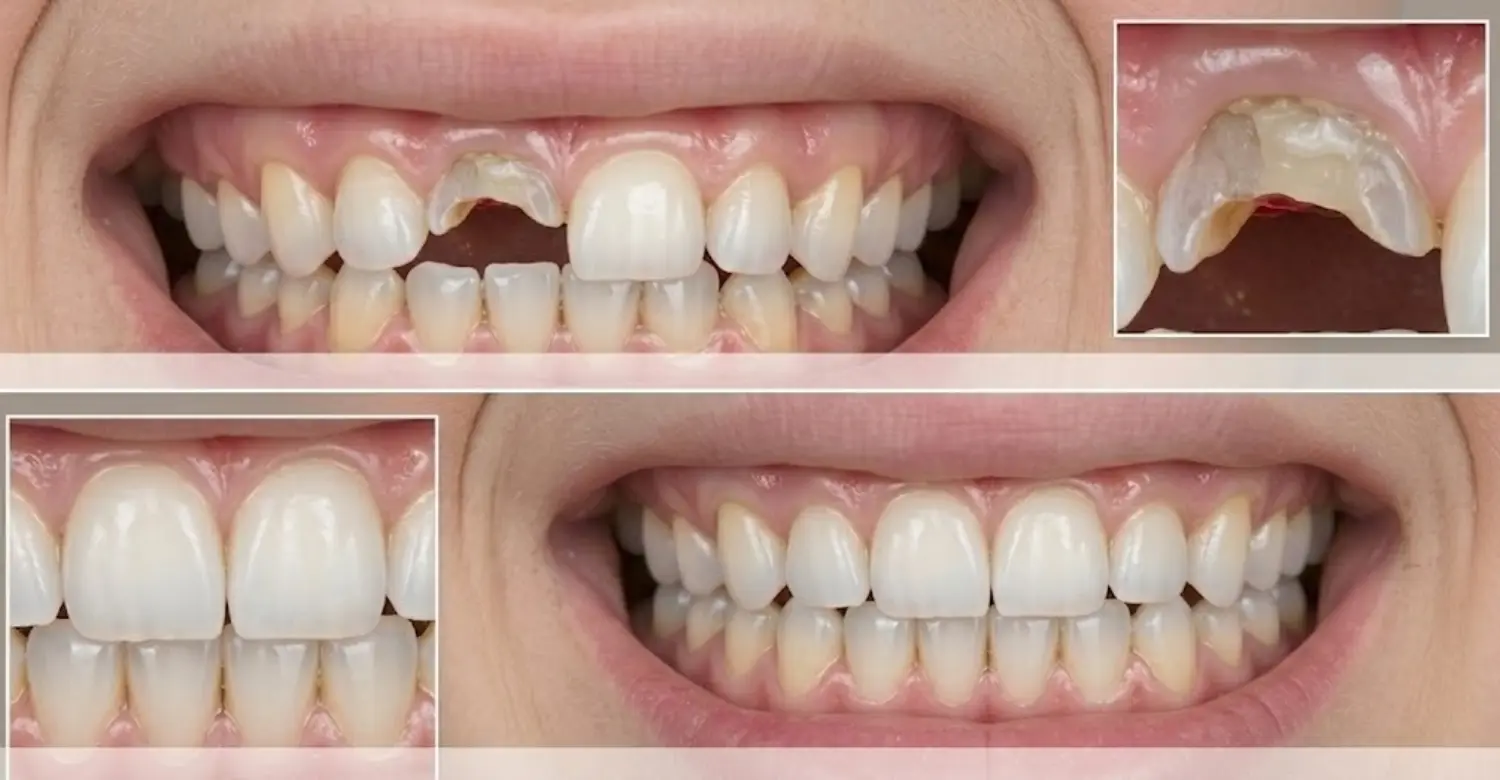
Why Gum Health Is Important Before Dental Reconstruction
Healthy gums are the foundation of successful dental reconstruction. If periodontal disease or gum inflammation is present, it may affect healing, implant stability, and the longevity of dental restorations. Before starting reconstruction, periodontal evaluation and treatment may be necessary. This creates a healthy environment for the final results. At Vitrin Clinic, gum health is considered an essential step in comprehensive smile rehabilitation. Dr. Rifat Alsaman, Head of the Medical Team at Vitrin Clinic and a cosmetic dentist, highlights that treating the supporting tissues first helps ensure stronger and more predictable reconstruction outcomes.
Full Mouth Reconstruction Recovery Timeline: How Long Does Healing Take?
The recovery time after full mouth reconstruction depends on the procedures included in the treatment plan. These may include dental implants, extractions, gum therapy, or restorations. Some patients may feel comfortable within a few days. Complete healing can take several months, especially when implants require bone integration. At Vitrin Clinic, patients receive detailed recovery instructions and continuous follow-up throughout each healing stage. Dr. Rifat Alsaman, Head of the Medical Team at Vitrin Clinic and a cosmetic dentist, explains that proper recovery management is a key factor in achieving functional, healthy, and aesthetically successful reconstruction results.
Understanding the Post-Operative Oral Surgery Timeline
Recovery after full mouth reconstruction varies by treatment. Implants, gum procedures, extractions, and restorations all affect healing. Some patients feel better within days. Complete recovery may take months. At Vitrin Clinic, patients get detailed aftercare instructions. Follow-up appointments monitor healing progress. Dr. Rifat Alsaman, Head of the Medical Team at Vitrin Clinic and a cosmetic dentist, explains that proper healing directly influences the durability and appearance of the final smile transformation.
Immediate Post-Op Recovery (Days 1–3): Managing Discomfort, Bleeding, and Swelling
During the first three days after dental restoration, mild discomfort, swelling, and sensitivity may occur. This is part of the natural healing process. Patients should follow medication instructions. Maintain gentle oral hygiene. Avoid pressure on treated areas. Consume appropriate foods. At Vitrin Clinic, patients receive personalized postoperative guidance. This makes recovery smoother and safer. Dr. Rifat Alsaman, Head of the Medical Team at Vitrin Clinic and a cosmetic dentist, emphasizes that careful early management protects surgical areas and supports successful healing.
Early Recovery (Weeks 1–2): Soft Tissue Healing and Dietary Adjustments
During the first two weeks, gum tissues continue healing. Patients gradually return to normal eating habits. Soft foods are commonly recommended. This avoids unnecessary pressure on newly treated areas. Maintaining oral hygiene is important. Attend follow-up visits. At Vitrin Clinic, patients are guided through every recovery phase. This ensures proper healing. Dr. Rifat Alsaman, Head of the Medical Team at Vitrin Clinic and a cosmetic dentist, notes that patient cooperation during early recovery plays an important role in achieving stable and aesthetic results.
Long-Term Healing (Months 2–6): Implant Integration and Bone Stability
For patients receiving dental implants, long-term healing involves osseointegration. Implants bond with the jawbone. This process can take several months. It depends on individual healing ability and bone condition. Regular monitoring helps ensure proper implant stability. This happens before completing the final restoration. At Vitrin Clinic, advanced diagnostic methods evaluate healing progress. Dr. Rifat Alsaman, Head of the Medical Team at Vitrin Clinic and a cosmetic dentist, explains that patience during this stage helps achieve stronger and more reliable long-term outcomes.
Prosthetic Alternatives: Full Mouth Reconstruction With Partial or Full Dentures
Partial or full dentures can be suitable prosthetic solutions. They work for patients with multiple missing teeth or extensive dental rehabilitation. Dentures restore chewing ability. They improve facial support. They enhance smile appearance. This is useful when other treatments may not be suitable. At Vitrin Clinic, every patient undergoes a detailed evaluation. This determines whether dentures, implants, or other restorative options provide the most effective solution. Dr. Rifat Alsaman, Head of the Medical Team at Vitrin Clinic and a cosmetic dentist, highlights that choosing the right prosthetic option depends on oral health condition, patient expectations, and achieving a comfortable and natural-looking result.
Are Dentures an Option for Full Mouth Reconstruction?
For some patients, partial or full dentures can be an effective option. They fit within a complete dental rehabilitation plan. Dentures may restore chewing ability, facial support, and smile appearance. This is helpful when multiple teeth are missing. The best option depends on factors such as bone health, oral condition, lifestyle, and personal goals. At Vitrin Clinic, dentists assess each case carefully. They determine whether dentures, implants, or other solutions provide the best outcome. Dr. Rifat Alsaman, Head of the Medical Team at Vitrin Clinic and a cosmetic dentist, explains that choosing the right prosthetic solution requires balancing aesthetics, function, and long-term oral health.
About Vitrin Clinic
Vitrin Clinic in Istanbul, Turkey, stands as a premier restorative dentistry center offering world-class full mouth oral rehabilitation services at competitive prices without compromising quality. Our experienced specialists utilize cutting-edge technology including 3D imaging, digital smile design, and advanced implant systems to deliver exceptional results for international patients. We understand searching “full mouth restoration near me” leads you to explore global options, which is why we provide comprehensive treatment packages including personalized care, modern facilities, multilingual support, and comfortable accommodations. At Vitrin Clinic, we transform smiles through expertly executed tooth reconstruction procedures tailored to your unique needs, combining Turkish hospitality with internationally recognized dental excellence. Our commitment to patient satisfaction, transparent pricing, and outstanding outcomes makes us your trusted partner in achieving the confident, healthy smile you deserve.
What We Notice Clinically at Vitrin Clinic
From clinical experience at Vitrin Clinic, this procedure cases often involve a combination of functional problems and aesthetic concerns. Many patients require a personalized approach that addresses damaged teeth, missing teeth, bite issues, and gum health together. A complete diagnosis helps create a predictable treatment journey and long-term results. Dr. Rifat Alsaman, Head of the Medical Team at Vitrin Clinic and a cosmetic dentist, explains that every such case requires careful assessment because each patient's oral condition, goals, and expectations are different. Proper planning is the foundation of achieving a balanced and natural smile transformation.
Clinical Observations During Full Mouth Reconstruction Cases
From clinical experience at Vitrin Clinic, successful restorative dentistry depends on detailed diagnosis, careful planning, and communication between the dental team and patient. Many patients seeking this treatment have a combination of functional and aesthetic concerns, requiring a complete evaluation rather than treating only one dental issue. Dr. Rifat Alsaman, Head of the Medical Team at Vitrin Clinic and a cosmetic dentist, explains that every case is unique, and understanding the patient's bite, gum condition, tooth structure, and expectations is essential for predictable results.
Clinical Note: Important Considerations Before Dental Reconstruction
Clinical Note: Before starting dental reconstruction, several factors must be evaluated, including tooth condition, gum health, jawbone structure, bite relationship, and aesthetic goals. A successful treatment plan is not only focused on improving appearance but also restoring proper function and long-term oral stability. At Vitrin Clinic, advanced diagnostic methods help dentists understand each patient's unique needs and create a customized approach. Dr. Rifat Alsaman, Head of the Medical Team at Vitrin Clinic and a cosmetic dentist, notes that accurate diagnosis and detailed planning are essential steps for achieving predictable and durable outcomes.
Why Personalized Planning Determines Treatment Success
Clinical Note: Restorative dentistry is not a single procedure but a customized combination of treatments designed according to each patient's needs. Factors such as gum health, bone quality, bite relationship, and aesthetic expectations influence the final treatment plan. At Vitrin Clinic, advanced assessment helps create structured treatment approaches for complex dental cases. Dr. Rifat Alsaman, Head of the Medical Team at Vitrin Clinic and a cosmetic dentist, emphasizes that proper diagnosis before treatment is one of the most important steps in achieving predictable and long-lasting smile rehabilitation.
Tips for Patients After Dental Reconstruction
After completing such treatment, maintaining good oral care habits is essential for protecting the results. Patients should brush regularly, follow professional cleaning recommendations, attend routine dental checkups, and avoid habits that may damage restorations, such as chewing hard objects. At Vitrin Clinic, patients receive personalized aftercare instructions to help maintain their new smile and oral health. Dr. Rifat Alsaman, Head of the Medical Team at Vitrin Clinic and a cosmetic dentist, advises patients that long-term success depends on both the quality of the treatment and their commitment to proper maintenance after the procedure.
How Can Patients Protect Their New Smile?
Patients can maintain their restorative dentistry results by following good oral hygiene habits, attending regular dental checkups, avoiding excessive pressure on restorations, and following professional recommendations. A balanced diet and proper cleaning techniques help protect both natural teeth and dental restorations. At Vitrin Clinic, patients receive personalized maintenance guidance after completing their treatment. Dr. Rifat Alsaman, Head of the Medical Team at Vitrin Clinic and a cosmetic dentist, recommends that long-term success depends not only on the treatment itself but also on consistent patient care after completion.
Conclusion: Dental Reconstruction for a Healthier, More Confident Smile
It is a comprehensive approach that combines restorative and cosmetic dentistry to rebuild damaged teeth, improve oral function, and create a balanced, natural-looking smile. Whether patients need tooth restoration, implants, periodontal therapy, or full mouth rehabilitation, a personalized treatment plan is essential for achieving long-lasting results.
At Vitrin Clinic, every restorative dentistry journey begins with a detailed evaluation of the teeth, gums, bite, and overall oral condition to provide solutions tailored to each patient's needs. Dr. Rifat Alsaman, Head of the Medical Team at Vitrin Clinic and a cosmetic dentist, emphasizes that successful treatment is not only about improving appearance but also about restoring comfort, stability, and confidence.
With advanced techniques, expert care, and continuous patient support, Vitrin Clinic helps patients restore their smiles and enjoy a healthier quality of life. Start your restorative dentistry journey today and receive your personalized treatment plan for a new smile and a new life.
Reference
Full mouth rehabilitation is a comprehensive treatment approach. It restores function, health, and appearance of teeth. It addresses extensive damage, tooth loss, wear, or complex oral conditions. It may combine restorative and cosmetic procedures. These include dental implants, crowns, bridges, veneers, periodontal treatments, and bite correction. The plan depends on each patient’s needs. The following references provide more information about treatment planning, procedures, benefits, and clinical considerations:
FAQs
Dr. Rifat Alsaman has more than 5 years of clinical experience in dentistry and currently serves as the Head of the Medical Team at Vitrin Clinic. He is dedicated to providing exceptional patient care, overseeing treatment planning, and ensuring the highest clinical standards across the team. His expertise, attention to detail, and commitment to continuous professional development have helped countless patients achieve healthier, more confident smiles.


