
Walking into a dental clinic with missing teeth and leaving 24 hours later with a new smile sounds appealing. Many people wonder, are 24 hour dental implants safe? Traditional implants often require months of waiting and multiple surgeries. This is why terms like "same day dental implants Turkey" have become so popular.
Clinical research shows immediate-load implants are generally safe. Success rates often range between 90% and 95%. However, this is only true under specific conditions. The patient must have excellent jawbone density and volume. The implant must achieve high primary stability. It must fit tightly into the bone from the start. Any micro-movements can prevent proper bone fusion. This leads to fibrous tissue encapsulation and implant failure.
The immediate teeth must also manage biting forces precisely. Dentists use CBCT 3D dental planning with Cone Beam Computed Tomography scans. These scans map exact angles for implant placement. For full-arch replacements, the temporary bridge cross-braces the implants. This prevents rocking or shifting during speech or swallowing. Before considering same-day treatment, learn about the full range of dental implants in Turkey. Compare staged and immediate protocols.
Are 24 Hour Dental Implants Safe for You
Not every patient suits same day implants. The honest answer to "is it safe for me?" depends on clinical factors. Dentists at Vitrin Clinic assess each of the following before recommending immediate loading:
Bone density and volume Is there enough dense, high-quality bone (typically D1 or D2 density) to achieve strong primary stability at placement?
No active infection or untreated gum disease Any infection at the implant site must be resolved before immediate loading.
Controlled diabetes Well-managed blood sugar supports normal healing. Uncontrolled diabetes raises the risk of early failure.
Non-smoker or light smoker Smoking restricts blood flow and slows healing. Heavy smokers are often advised toward a staged approach rather than same day implants for smokers.
No severe bruxism (teeth grinding) Excessive biting forces during healing can disrupt osseointegration before the bone fuses to the implant.
Adequate bite alignment and jaw anatomy The bite must allow the temporary bridge to be cross-braced properly without excessive force on any single implant.
Realistic expectations about the timeline Understand that the temporary teeth placed in 24 hours are not the final result. Permanent restorations follow months later.
General good health No uncontrolled systemic conditions that would impair wound healing or bone regeneration.
Patients meeting most criteria are strong candidates for immediate loading implants. Those falling short on bone density, smoking, or bruxism are usually better served by a traditional staged protocol. It remains safer and more predictable for those situations. This is why a CBCT 3D dental planning scan is essential before confirming any same-day treatment. For patients who don't qualify, our guide to immediate dental implants explains eligibility factors in more depth.
Are 24 Hour Dental Implants Safe With These Materials
The materials used at each stage of a same-day implant case are chosen deliberately. The difference between them directly impacts safety during healing.
Zirconia is a dense, tooth-colored ceramic. It is highly tissue-friendly. It resists plaque and rarely irritates gums. That is why it is the material of choice for the final, permanent restoration. It is also extremely strong and durable. It withstands years of normal biting and chewing.
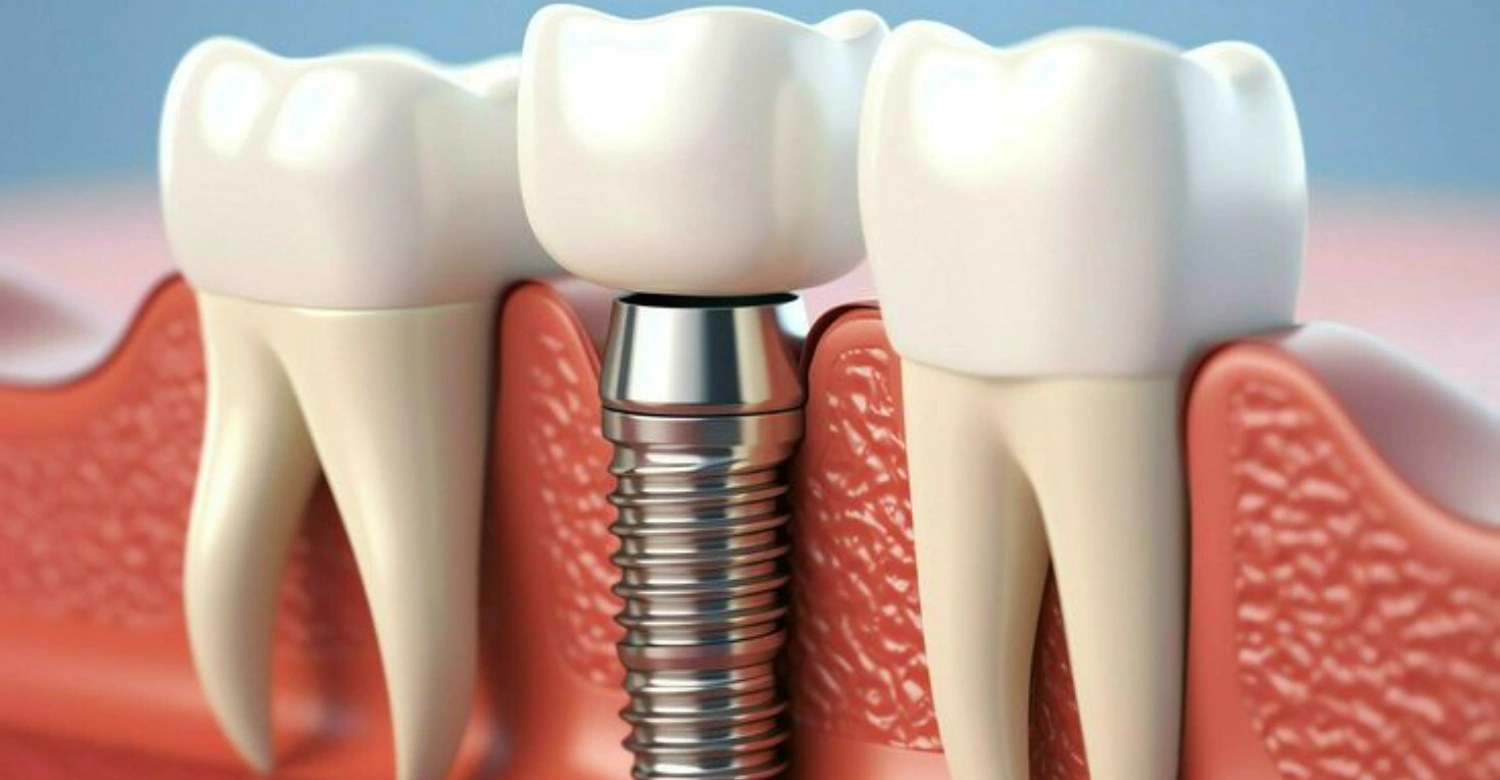
PMMA (acrylic) is a lightweight resin. It is used for the temporary teeth placed during the initial 24-hour visit. Its lower weight and slight flexibility protect a healing implant. It places less load on the bone during the critical first months. This is when the implant is most vulnerable to micro-movement. This is the core reasoning behind the zirconia vs acrylic implants decision. Acrylic protects the healing phase. Zirconia delivers the long-term, permanent result.
Some clinics also use 3D-printed provisional materials. They offer similar lightweight benefits to PMMA. They also allow faster fabrication. This lets the temporary bridge be ready within the same-day window. Full-arch same-day cases commonly use All-on-4 dental implants. They distribute biting force across four strategically angled posts. This supports a fixed temporary bridge on day one.
Are 24 Hour Dental Implants Safe Compared to Traditional Ones
Understanding temporary vs permanent implants is important. It sets realistic expectations for same-day treatment. The temporary restoration is placed on day one. The final restoration is placed months later. They serve very different purposes. They may look nearly identical to the eye.
Factor | Temporary (Provisional) | Permanent (Final) |
Material | Acrylic (PMMA) or 3D-printed resin | Zirconia or porcelain-fused restorations |
Weight | Lightweight, reduces load on healing implants | Heavier, denser, built for long-term daily forces |
Fit | Slightly adjustable to accommodate healing tissue changes | Precisely fitted to the fully healed, stable gum line |
Tissue impact | Gentle on fresh surgical tissue; designed for the healing window | Tissue-friendly for decades of wear, but only safe once swelling has fully resolved |
Timeline placed | Within 24 hours of implant surgery | Typically 3–6 months later, after full osseointegration |
Purpose | Protects the implant while bone fuses; restores appearance and function immediately | Final, durable, long-term restoration once healing is complete |
Placing a final zirconia or porcelain bridge on day one skips this protective phase. Some marketing campaigns promise this. Gums and jawbone swell after surgery. They shrink as healing progresses. A rigid permanent bridge locked in place immediately will not fit correctly later. This leads to food traps, gum inflammation, and bone loss around the implants.
Are 24 Hour Dental Implants Safe for Your Recovery
Same-day implants restore function and appearance immediately. But the underlying healing process still takes months. Proper aftercare during that window is essential to long-term success.
Immediately after surgery (first 48–72 hours):
Mild to moderate swelling and bruising is normal. It typically peaks around day 2–3.
Some bleeding or oozing in the first 24 hours is expected. This should steadily decrease.
Pain is generally manageable with prescribed or over-the-counter medication.
First 1–2 weeks:
A soft-food diet is required. Think soups, mashed vegetables, eggs, and smoothies. This avoids placing biting force on the temporary bridge.
Avoid hot foods and drinks initially. Swelling can affect sensation.
Gentle oral hygiene is critical. Your dentist will recommend a specific rinse. Avoid vigorous brushing directly on the surgical site.
Avoid smoking and alcohol. Both slow healing and increase implant failure risk.
First 1–3 months:
Diet gradually progresses from soft to semi-solid foods. Hard, crunchy, or sticky foods should still be avoided. They place excess force on implants that haven't fully integrated.
Follow-up appointments are scheduled. They monitor healing and check the fit of the temporary bridge. They confirm there are no signs of infection or excessive movement.
Report any looseness, persistent pain, or gum inflammation promptly. Do not wait for the next scheduled visit.
Months 3–6 (final restoration phase):
Once osseointegration is confirmed, new impressions or digital scans are taken. Confirmation is done clinically and, where needed, radiographically.
The temporary acrylic teeth are removed. They are replaced with the final, permanent zirconia restoration.
Regular dental check-ups and good oral hygiene protect long-term success. This is much like natural teeth. Patients needing added stability across a full arch can also review All-on-6 dental implants. It follows a similar same-day temporary-to-permanent timeline.
Long-Term Care and Are 24 Hour Dental Implants Safe
Proper long-term maintenance is crucial for success. You will need regular follow-up appointments. They ensure the implants are healing correctly. They also monitor for potential issues. Good oral hygiene is essential. Brush twice a day. Floss and use antibacterial mouthwash. Avoid smoking and excessive alcohol. These habits can impair healing. They increase the risk of implant failure. Over time, the prosthetic teeth may need adjustments. They may need replacement due to normal wear. Dr. Rifaat Al-Samman recommends annual check-ups. They assess the condition of your implants and surrounding tissues. This ensures they remain in optimal health for years.
Patient Experiences with Same-Day Implants
Hearing from patients can provide valuable insight. A 55-year-old from the UK struggled with ill-fitting dentures for years. He opted for this procedure at Vitrin Clinic. Within 24 hours, he received a fixed set of teeth. He reported a significant improvement in eating and speaking. Another case involved a 40-year-old woman from Canada. She had multiple missing teeth due to an accident. She was amazed at how quickly she could smile again. These testimonials highlight life-changing benefits. But individual results may vary. Consulting a qualified dentist helps you understand what to expect. A key question many ask is: are 24 hour dental implants safe? These stories show positive outcomes. Yet safety depends on proper planning and aftercare. A 62-year-old man from Germany had a full upper denture for over a decade. He underwent the procedure at Vitrin Clinic. He was thrilled to have fixed teeth within a day.
He noted the joy of biting into an apple again. A 48-year-old woman from the United States lost teeth due to periodontal disease. She expressed gratitude for the immediate improvement in her appearance. These stories underscore the positive impact on quality of life. It is important to have realistic expectations. Discuss your individual case with a dental professional. When considering if is this procedure safe, remember that success relies on following medical advice. Real-life experiences offer reassurance. But they do not replace a thorough evaluation.
How Much Does Same-Day Implant Treatment Cost in Turkey?
Cost is a top question for same-day implants. It also shows a clear difference between treatment abroad and in Western countries. Dental implants Turkey cost figures are much lower than in the UK, US, or Western Europe. This is due to lower operating and labor costs. It is not due to lower quality of materials or technology.
Single same-day implant (with temporary crown): approximately $600 – $1,200
Full arch same-day / All-on-4 same day treatment (per jaw): approximately $4,000 – $8,000, including temporary bridge
Final permanent zirconia restoration (per arch): typically included in full-arch packages, or priced separately depending on the clinic's protocol
Equivalent same-day full-arch treatment in the US or UK often costs two to four times more. This is a major reason international patients travel for dental implants in Istanbul safe, accredited care. At Vitrin Clinic, pricing is transparent and itemized. It covers the initial CBCT evaluation through to the final permanent restoration. Patients know exactly what's included before committing to treatment.
Implant stability naturally dips during the first month. It then rises again by month three. Overloading implants with heavy permanent materials too early increases the risk of catastrophic failure. Provisional 3D-printed or acrylic teeth are lighter. They are designed to protect the healing bone. Patients who are heavy smokers, have uncontrolled diabetes, or suffer from severe bruxism are generally poor candidates for the 24-hour approach. For these individuals, standard, staged protocols remain the safest path. Understanding how the temporary bridge differs from the final restoration is covered in our All-on-4 temporary vs. permanent guide.
Potential Risks and Complications
While 24-hour dental implants offer convenience, it's important to be aware of potential risks. As with any surgery, there are inherent risks. These include infection, bleeding, nerve damage, and implant failure. Immediate loading can increase the risk of implant mobility. This happens if the implant does not integrate with the bone. Patients with certain medical conditions may face higher risks. Uncontrolled diabetes or compromised immune systems are examples. A thorough evaluation with your dentist is crucial. It determines if you are a suitable candidate. Dr. Rifaat Al-Samman emphasizes a comprehensive assessment. Adherence to post-operative care instructions minimizes these risks.
Key Statistics on Same-Day and Immediate Loading Implants
Statistic | What it means | Source |
98.5% | Survival rate for immediate vs. delayed implant placement | BigMouth, 2025 (50,000+ implants studied) |
95–98% | Overall dental implant success rate, general (10-year data) | Journal of Clinical Periodontology, 2024 |
98.8% | All-on-4 prosthetic survival rate | ITI cumulative data |
3.08% vs 2.07% | Failure rate for immediate placement vs. delayed placement | NIH, 2025 (158,824 implants) |
$8 billion | Global dental implant market size, 2024–2025 | Industry market research |
3 million | Americans with dental implants, 2024–2025 | Industry market research |
These figures reinforce what clinical guidance suggests. Immediate loading and All-on-4 same day protocols are safe and highly predictable. This is true when patients are properly screened. Screening checks bone density, health conditions, and habits like smoking or bruxism. The small gap between immediate and delayed placement failure rates underscores a key point. Patient selection is the single biggest factor in same-day implant safety. Success rates can vary by patient profile. Non-smokers with good bone density have over 95% success. For smokers, the success rate drops to around 85%. This is due to impaired healing and higher infection risk. Patients with controlled diabetes can achieve high success. Those with poorly controlled diabetes face higher failure risk. Age is another factor. Older patients may have reduced bone quality. With proper planning and bone grafting, they can still be candidates. A thorough evaluation of your medical history and bone structure is essential.
It predicts your individual success rate and tailors the treatment plan.
Are 24 Hour Dental Implants Safe
If you are exploring advanced tooth replacement options, you may wonder: are 24 hour dental implants safe for your situation? Choosing a specialized dental center with elite technology is paramount. This is where Vitrin Clinic excels as a premier international destination. If bone density is a limiting factor, our article on bone grafting for dental implants explains when grafting is necessary versus avoidable.
Why Choose Vitrin Clinic for Same-Day Dental Implants
Located in Istanbul, Turkey, Vitrin Clinic has built a world-class reputation. It combines cutting-edge dental technology with decades of clinical expertise. The clinic features an advanced digital infrastructure. It uses Vatech 3D tomography and high-resolution intra-oral scanners. This imagery allows the team to analyze your exact bone density and facial symmetry. Immediate-load procedures are only recommended if they are completely safe for your anatomy.
At Vitrin Clinic, patient safety and honest, transparent care always take priority. The clinic uses a precise, patient-first methodology. If you qualify for immediate restoration, Vitrin Clinic can craft lightweight provisional restorations. These are made using same-day CEREC technology. You leave the clinic with a beautiful, functional smile. After your jawbone has healed and gum tissue has settled, Vitrin Clinic designs your permanent bridges. They use premium global systems like Straumann and Nobel Biocare. The clinic holds a 4.9 out of 5-star rating on Google reviews. It is backed by official government health accreditations. Vitrin Clinic offers international patients top-tier care, comprehensive warranties, and significant cost savings. The clinic provides a 5-year warranty on implants and a 2-year warranty on prosthetic teeth. This covers manufacturing defects and ensures functionality. Dr. Rifaat Al-Samman, Director of the Medical Team, has extensive experience in implantology. He has completed thousands of complex cases.
His leadership ensures comprehensive care from diagnosis to final restoration. He combines clinical excellence with a patient-centered approach. Many patients wonder: are 24 hour dental implants safe? At Vitrin Clinic, the answer is yes when proper protocols are followed. By prioritizing biological healing and advanced planning, Vitrin Clinic transforms smiles safely and beautifully.
What We Notice Clinically
Beyond published research, daily clinical experience at Vitrin Clinic adds practical insight. It shows how same-day implant cases actually perform.
Dr. Rifat Alsaman leads the medical team. He is a cosmetic dentist. He notes the most common reason a same-day case fails. It is not the technique. A patient gets approved for immediate loading when their bone density or health calls for a staged approach. This is why Vitrin Clinic never skips the CBCT scan and health screening. Even eager patients must complete them.
Dr. Alsaman also observes a clear pattern. Patients who follow the soft-food diet heal more smoothly. Those who avoid smoking during the first months transition comfortably to the final zirconia restoration. In contrast, patients who resume normal habits too early often struggle. This aligns with wider research on smoking and healing. Dr. Alsaman finds it is the biggest factor within a patient's control.
Another pattern emerges with All-on-4 same-day treatment. The temporary bridge should never feel like an afterthought. At Vitrin Clinic, the provisional teeth receive the same attention as the final restoration. Bite alignment and cross-bracing are carefully designed. A poorly fitted temporary can undermine healing. This happens even when implants are placed correctly.
Finally, Dr. Alsaman emphasizes a key principle. The team will recommend a traditional, staged protocol whenever imaging or health history suggests it is safer. This holds true even if a patient requests the faster option. A predictable long-term result matters more than a same-day headline. Many patients wonder: are 24 hour dental implants safe? The answer depends on careful case selection. When criteria are met, they can be a reliable choice.
Resources :
Immediate or 24-hour dental implants can be a safe and effective option for carefully selected patients. Good bone quality and strong primary implant stability are essential. Current research suggests immediate loading offers high success rates. These rates are comparable to conventional protocols in suitable cases. Careful case selection remains essential. A personalized treatment plan provides the best balance. It offers faster results and long-term implant success. So, is this procedure safe? For the right candidate, the evidence supports their use.
https://pmc.ncbi.nlm.nih.gov/articles/PMC12109868/
https://pmc.ncbi.nlm.nih.gov/articles/PMC9327488/
https://pmc.ncbi.nlm.nih.gov/articles/PMC7413966/
https://www.sciencedirect.com/science/article/abs/pii/S0300571214001924
FAQs

Dr. Rifat Alsaman has more than 5 years of clinical experience in dentistry and currently serves as the Head of the Medical Team at Vitrin Clinic. He is dedicated to providing exceptional patient care, overseeing treatment planning, and ensuring the highest clinical standards across the team. His expertise, attention to detail, and commitment to continuous professional development have helped countless patients achieve healthier, more confident smiles.


