Oral Dentistry
September 10, 2025
What Are Buck Teeth and How Can They Be Corrected in Turkey in 2026?
 Dr. Rifat Alsaman
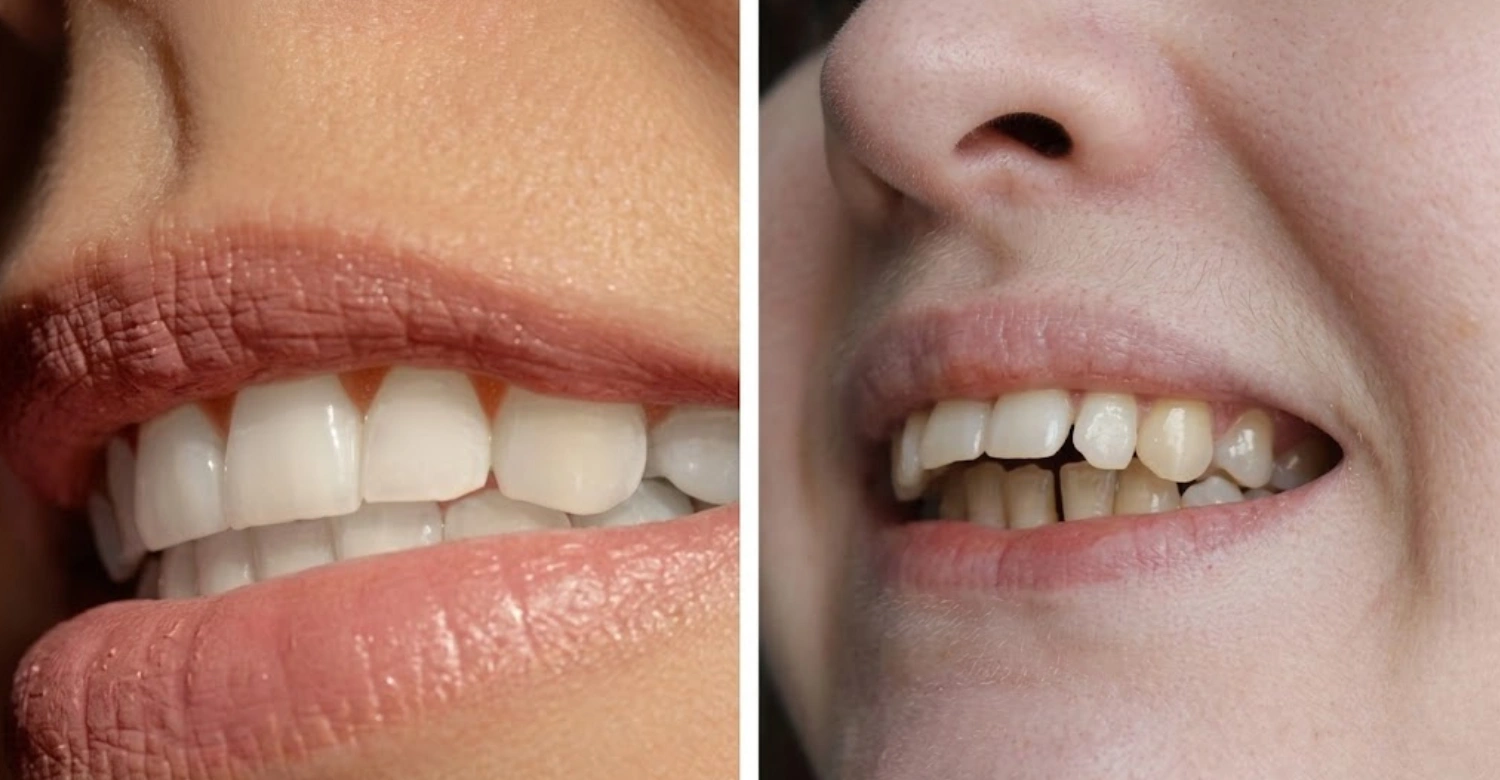
Buck teeth, medically known as overjet or protruding teeth, are a dental condition in which the upper front teeth extend significantly beyond the lower teeth. This misalignment affects smile aesthetics, speech, chewing, and overall oral health. At Vitrin Clinic in Istanbul, Dr. Rifat Alsaman Head of the Medical Team and cosmetic dentist explains that buck teeth are among the most frequently raised concerns during first consultations: "Many patients arrive believing their only option is years of braces. In reality, the right treatment depends entirely on the cause and severity of the overjet.
A precise diagnosis is always the first step." In Turkey, and specifically at Vitrin Clinic, patients from across Europe, the Gulf region, and beyond can access world-class correction options from orthodontic braces and clear aligners to porcelain veneers and, where needed, orthognathic surgery at costs typically 50 to 70% lower than in Europe, without any compromise on clinical quality or material standards.
What Are Buck Teeth?
Buck teeth, medically known as dental overjet or protruding teeth, refer to a condition in which the upper front teeth extend significantly beyond the lower teeth. This misalignment affects smile aesthetics, speech, chewing, and overall oral health. At Vitrin Clinic in Istanbul, Dr. Rifat Alsaman Head of the Medical Team and cosmetic dentist notes that buck teeth are among the most frequently raised concerns during first consultations: "Many patients arrive thinking their only option is years of braces. In reality, the right treatment depends entirely on the cause and severity of the overjet. A precise diagnosis is always the first step."
How Do Buck Teeth Develop?
Buck teeth rarely appear suddenly. Their development results from a combination of genetic, environmental, and behavioral factors that interact during the critical growth phases of childhood and adolescence. Dr. Rifat Alsaman, cosmetic dentist and Head of the Medical Team at Vitrin Clinic, observes in his practice that the majority of adult patients presenting with significant overjet can identify one or more contributing causes tracing back to early childhood.
Factor | Description | Impact on Buck Teeth |
Genetics | Family history of overjet or malocclusion | Direct influence on jaw size and dental alignment |
Jaw size discrepancy | Upper jaw too large or lower jaw too small | Upper front teeth appear projected forward |
Thumb sucking | Habit prolonged beyond ages 3–4 | Constant pressure on teeth pushing them forward |
Tongue thrusting | Tongue pushed against teeth when swallowing or speaking | Progressive forward migration of the incisors |
Dental issues | Early loss of baby teeth, irregular eruption | Dental misalignment and crowding |
Mouth breathing | Chronic allergy, nasal obstruction | Altered tongue posture and bone development |
Do Both Arches Contribute to Buck Teeth?
While protrusion mainly involves the upper front teeth, the alignment of the lower teeth also influences the occlusal relationship and the overall appearance of buck teeth. Dr. Rifat Alsaman emphasizes that treating only the upper arch without addressing lower tooth alignment often leads to insufficient results.
Can Childhood Habits Influence Their Development?
Yes. Thumb sucking, tongue thrusting, prolonged pacifier use, and mouth breathing during childhood contribute significantly to the formation of buck teeth. The earlier these habits are identified and corrected, the better the long-term dental outcome.
Are Buck Teeth Hereditary?
Yes, buck teeth can be hereditary. Genetics play a major role in determining jaw size, tooth alignment, and bite structure. If one or both parents have buck teeth or other dental irregularities, their children may inherit similar traits. Dr. Rifat Alsaman, Head of the Medical Team at Vitrin Clinic, notes that hereditary buck teeth often present with additional features such as jaw width discrepancy or dental crowding, which must be factored into the treatment plan.
How Does Heredity Affect Buck Teeth?
Hereditary Factor | Mechanism |
Jaw size and shape | Disproportionate jaw sizes inherited genetically create a gap between the arches |
Tooth size and alignment | Oversized or poorly positioned inherited teeth promote crowding and overjet |
Bite patterns | The way the arches fit together is largely genetically determined |
Environmental factors | Behavioral habits amplify genetic predisposition |
Dr. Rifat Alsaman, cosmetic dentist at Vitrin Clinic, uses detailed family dental history as a standard element of the initial assessment to anticipate treatment complexity and tailor the therapeutic approach accordingly.
What Are the Common Symptoms of Buck Teeth?
Prominent upper front teeth, difficulty biting, speech issues such as lisping, excessive wear or chipping of the front teeth, and jaw discomfort are the most typical symptoms. In more pronounced cases, patients may also notice an inability to fully close their lips at rest, a functional concern that Dr. Rifat Alsaman, cosmetic dentist at Vitrin Clinic, considers clinically significant well beyond its aesthetic implications alone.
Can Buck Teeth Affect Speech or Eating?
Buck teeth can create real difficulties in pronouncing certain sounds particularly "s," "f," and "th" and can make biting into food properly more challenging. Dr. Rifat Alsaman observes that patients often adapt subconsciously, developing compensatory habits that can generate secondary problems over time if the underlying cause is left untreated.
At What Age Do Buck Teeth Usually Appear?
Buck teeth are often noticeable when a child's permanent teeth begin to erupt, generally between ages 6 and 12, although early signs can sometimes be identified before this in patients with strong hereditary or behavioral contributing factors.
How Does Thumb Sucking Influence Buck Teeth?
Thumb sucking applies direct pressure to the inner surface of the upper front teeth, pushing them forward. This constant pressure causes the teeth to gradually move forward, creates or worsens overjet, and can alter the shape of the palate by making it narrower and higher. It also encourages the lower jaw to shift backward, widening the gap between the two arches, and can lead to an open bite, a situation in which the front teeth no longer meet when the mouth is closed. Dr. Rifat Alsaman, Head of the Medical Team at Vitrin Clinic, advises parents to consult a pediatric dentist if a child continues to suck their thumb after age 3, as early intervention is far simpler than correcting the dental consequences in adolescence.
How Are Buck Teeth Diagnosed?
Buck teeth are diagnosed through a comprehensive dental or orthodontic evaluation that goes well beyond a simple visual check. At Vitrin Clinic, Dr. Rifat Alsaman cosmetic dentist and Head of the Medical Team follows a structured diagnostic protocol to ensure that no contributing factor is missed and that every treatment recommendation is grounded in precise clinical data.
Diagnostic Step | Description | Clinical Purpose |
Visual examination | Observation of alignment and degree of protrusion | Initial assessment of overjet and facial balance |
Impressions or 3D digital scans | Precise molds or digital modeling of the teeth | Detailed analysis of positions, spacing, and inter-arch relationships |
X-rays | Panoramic and cephalometric imaging | Assessment of bone structures, roots, and skeletal relationships |
Bite analysis | Checking how the arches fit together | Understanding functional impact and treatment planning |
Medical and dental history | History of habits and family background | Identification of behavioral and hereditary causes |
Which Types of X-Rays Are Most Effective?
Cephalometric X-rays provide a detailed lateral view of the skull, jaws, and dental alignment. Panoramic X-rays offer a broad overview of the full dental arch and bone structures. Dr. Rifat Alsaman, Head of the Medical Team at Vitrin Clinic, routinely uses both types of imaging together to ensure that skeletal factors contributing to the overjet are not overlooked.
Can a Pediatric Dentist Detect Buck Teeth Early?
Yes, and early detection is one of the most valuable contributions of regular pediatric dental monitoring. Routine visits from around the first birthday allow clinicians to track jaw and tooth development over time. If signs of protrusion or misalignment appear, a referral to an orthodontist is recommended from age 7 or earlier if signs are pronounced. Dr. Rifat Alsaman at Vitrin Clinic emphasizes that detecting buck teeth early allows for growth guidance treatment that is far less invasive than corrective procedures in adulthood.
How Do Orthodontists Evaluate Buck Teeth Severity?
Severity is assessed by measuring the horizontal overjet distance, the inter-maxillary relationship, the functional impact on chewing and speech, and the respective contributions of the dental and skeletal components to the protrusion. At Vitrin Clinic, Dr. Rifat Alsaman combines digital imaging, bite analysis, and facial proportion assessment to produce a comprehensive treatment plan.
What Are the Treatment Options for Buck Teeth?
The right treatment for buck teeth depends on the patient's age, the severity of the protrusion, and the nature, dental, skeletal, or combined of the cause. Dr. Rifat Alsaman, cosmetic dentist and Head of the Medical Team at Vitrin Clinic, guides each patient through a thorough evaluation before recommending a treatment approach.
Treatment Option | Indicated Cases | Estimated Duration | Main Advantages |
Orthodontic braces | Most cases, children and adults | 12 to 36 months | Proven solution, corrects the structural cause |
Clear aligners | Mild to moderate cases, adults and teenagers | 12 to 30 months | Discreet, removable, comfortable |
Growth modification appliances | Children in active growth phase | Variable | Redirects bone development, prevents future heavy treatment |
Veneers or dental crowns | Mild aesthetic cases | 2 to 3 appointments | Immediate improvement in appearance |
Tooth extraction | Cases with crowding contributing to protrusion | Depending on associated treatment | Creates space needed for optimal realignment |
Orthognathic surgery | Severe skeletal discrepancies in adults | 2 to 3 years (orthodontics + surgery) | Lasting correction of significant bone imbalances |
Habit-breaking appliances | Children with thumb sucking or tongue thrusting | A few months | Eliminates the behavioral cause at its root |
Can Braces Correct Buck Teeth Effectively?
Yes. Orthodontic braces remain one of the most reliable and time-tested methods for correcting buck teeth across all severity levels. They work by applying controlled, continuous pressure that progressively repositions the teeth and, in younger patients, can also influence jaw alignment. Dr. Rifat Alsaman at Vitrin Clinic considers braces the first-line treatment recommendation for the majority of patients presenting with moderate to severe overjet.
Are Metal Braces Better Than Ceramic Ones?
Metal braces are more durable and generally more cost-effective. Ceramic braces blend with the natural tooth color, making them less visible, an important consideration for adult patients who are conscious of the aesthetic impact during treatment. Both options deliver equivalent clinical results when correctly applied.
What Are Clear Aligners and Are They Suitable for Buck Teeth?
Clear aligners are removable trays made from transparent medical-grade plastic. Changed at regular intervals, they progressively shift the teeth. They are well-suited for mild to moderate buck teeth but have limitations in severe cases involving significant skeletal discrepancy. Dr. Rifat Alsaman, cosmetic dentist at Vitrin Clinic, frequently recommends aligners to adult patients looking for a treatment option that does not visibly affect their professional appearance during the correction period.
Is Surgery Necessary for Severe Buck Teeth?
Not in every case. Many patients with significant protrusion can still be successfully treated with orthodontics alone. However, when the cause is a severe skeletal imbalance with significantly mispositioned jaws orthognathic surgery becomes the most effective and stable solution. Dr. Rifat Alsaman, Head of the Medical Team at Vitrin Clinic, always conducts a full skeletal assessment before ruling surgery in or out, as treating a bone-based problem with a dental-only approach leads to instability and relapse.
Can Cosmetic Dentistry Help Buck Teeth?
Cosmetic dentistry can meaningfully improve the appearance of mild cases. Veneers, for example, can make slightly protruding teeth appear better aligned by altering their shape and angle. Dr. Rifat Alsaman, cosmetic dentist and Head of the Medical Team at Vitrin Clinic, is particularly well positioned to advise patients on whether a cosmetic approach is appropriate for their specific clinical presentation or whether the functional component must be addressed first.
Are Retainers Important After Treatment?
Retainers are not optional; they are an essential part of the treatment process. After orthodontic correction, teeth have a natural tendency to drift back toward their original position. Dr. Rifat Alsaman at Vitrin Clinic prescribes retainers as a standard component of every post-treatment protocol, advising patients that consistent wear is what preserves results over the long term.
What We Notice Clinically
This section reflects the direct clinical observations of Dr. Rifat Alsaman, cosmetic dentist and Head of the Medical Team at Vitrin Clinic, drawn from his work with international patients seeking buck teeth correction in Istanbul.
Most patients present later than they should:
Dr. Rifat Alsaman consistently observes that adult patients presenting for correction would have benefited significantly from earlier intervention. The structural changes achievable in adolescence when bone growth is still active are simply no longer available to adult patients, making treatment more complex and in some cases requiring surgery that could have been avoided.
The cause is almost never a single factor:
In clinical practice, Dr. Rifat Alsaman rarely encounters a patient whose buck teeth stem from one isolated cause. Most cases combine a genetic predisposition with a behavioral habit or secondary dental issue. Treatment plans that account for all contributing factors produce far more stable results than approaches that target only the visible protrusion.
Patients consistently underestimate the functional impact:
Many patients arrive at Vitrin Clinic focused exclusively on how their teeth look. During examination, Dr. Rifat Alsaman frequently identifies jaw strain, asymmetric tooth wear, or early signs of temporomandibular joint dysfunction that the patient had not connected to their overjet. Correcting buck teeth is not purely a cosmetic decision, it is often an intervention that prevents cumulative and avoidable functional damage.
Veneer requests require rigorous clinical evaluation:
As a cosmetic dentist, Dr. Rifat Alsaman receives many requests for veneers as a quick fix for protruding teeth. While veneers are a powerful cosmetic tool, he notes that applying them to teeth with a significant underlying overjet without correcting the bite can accelerate veneer wear and lead to premature failure. At Vitrin Clinic, the cosmetic and functional dimensions of treatment are always evaluated together.
International patients have specific logistical needs:
A significant proportion of Vitrin Clinic's patients travel from Europe, the Gulf region, and beyond specifically for dental care in Istanbul. Dr. Rifat Alsaman has developed planning and coordination protocols that accommodate international patients' scheduling constraints, ensuring comprehensive care during their stay without any compromise on clinical quality.
Retention is where many patients fall short:
Dr. Rifat Alsaman notes that one of the most frequent causes of post-treatment relapse he observes is inconsistent retainer wear. At Vitrin Clinic, every patient completing orthodontic treatment receives a clear retention protocol and follow-up guidance to protect their results over the long term.
How Much Does Buck Teeth Treatment Cost in Turkey?
Turkey has become a leading destination for high-quality dental care at significantly lower cost than Europe, the UK, or the Gulf region. At Vitrin Clinic in Istanbul, Dr. Rifat Alsaman and the medical team offer internationally accredited treatment at pricing that reflects the advantages of the Turkish dental market, without compromise on clinical standards or material quality.
Treatment | Price Range at Vitrin Clinic (Turkey) | Estimated Saving vs. Europe |
Metal or ceramic braces | $1,500 – $2,500 | 50 to 70% |
Clear aligners | $2,000 – $4,000 | 50 to 65% |
Porcelain veneers | $150 – $300 per tooth | 60 to 75% |
Composite veneers | $50 – $150 per tooth | 55 to 70% |
All-inclusive packages at Vitrin Clinic can cover accommodation, airport transfers, and consultation appointments, making the experience of traveling to Istanbul for dental care straightforward and fully supported from arrival to departure.
Are Dental Treatments Affordable in Turkey?
Turkey offers high-quality orthodontic and cosmetic dental care at prices typically 50–70% lower than equivalent treatment in Europe or North America. At Vitrin Clinic, Dr. Rifat Alsaman ensures that cost efficiency never comes at the expense of material quality or clinical outcomes.
Does Insurance Cover Buck Teeth Treatment?
Coverage depends on the patient's insurance provider and policy terms. Orthodontic treatment for functional reasons may qualify for partial coverage in some countries, while purely cosmetic procedures such as veneers are generally considered out-of-pocket expenses. Patients are advised to verify with their insurer before committing to a treatment plan.
Are There Financing Options Available?
Vitrin Clinic offers flexible payment arrangements to help patients manage the cost of treatment. The team can discuss available options during the free initial consultation.
Can Buck Teeth Be Prevented?
Prevention is most effective when initiated early. Dr. Rifat Alsaman, cosmetic dentist and Head of the Medical Team at Vitrin Clinic, consistently advises parents of young children to take a proactive approach to dental monitoring rather than waiting for problems to become visible.
Preventive Measure | Recommended Age | Goal |
Stop thumb sucking | Before ages 3–4 | Avoid pressure on the upper incisors |
Monitor oral habits | From early childhood | Identify tongue thrusting and mouth breathing |
First pediatric dental visit | Around age 1 | Establish a developmental baseline |
Orthodontic screening | Around age 7 | Intervene during the active growth window |
Treat allergies and nasal issues | As needed | Prevent chronic mouth breathing |
Monitor family history | From the earliest age | Anticipate hereditary cases and act early |
Dr. Rifat Alsaman at Vitrin Clinic recommends that children of parents with significant overjet be seen by an orthodontist before the standard age-7 guideline, in order to take full advantage of the most favorable growth window.
What Are the Risks and Complications of Buck Teeth?
Left untreated, buck teeth represent far more than a cosmetic concern. Dr. Rifat Alsaman, Head of the Medical Team at Vitrin Clinic, regularly identifies a range of functional complications in patients who delayed treatment issues that could have been avoided or minimized with earlier intervention.
Complication | Mechanism | Long-Term Consequences |
Increased risk of dental trauma | Prominent incisors are more exposed to impact | Fractures, tooth avulsion |
Difficulty biting and chewing | Occlusal gap disrupts chewing mechanics | Compensatory eating habits, digestive issues |
Speech difficulties | Interference with production of "s," "f," "th" sounds | Lisping, communication challenges |
Jaw pain and TMJ disorders | Uneven pressure on jaw muscles and temporomandibular joints | Clicking, headaches, facial muscle tension |
Tooth wear and sensitivity | Uneven occlusal pressure on tooth surfaces | Asymmetric wear, gum recession, hypersensitivity |
Impact on self-esteem | Appearance of buck teeth perceived negatively | Social anxiety, withdrawal, loss of confidence |
Dr. Rifat Alsaman emphasizes that treating buck teeth is not purely an aesthetic choice, it is frequently a global oral health decision that prevents avoidable cumulative damage.
Why Choose Vitrin Clinic for Buck Teeth Treatment in Istanbul?
Vitrin Clinic is one of Istanbul's leading cosmetic dental clinics, offering internationally accredited care at costs 50 to 70% lower than Europe. Led by Dr. Rifat Alsaman Head of the Medical Team and cosmetic dentist the clinic combines advanced digital imaging, modern orthodontic systems, and European-standard materials to deliver precise, lasting results. For international patients, all-inclusive packages cover accommodation, transfers, and consultations. Whether the case requires braces, aligners, or veneers, Vitrin Clinic ensures every treatment plan is tailored, thorough, and built to last.
Book Your FREE Treatment Plan Now
Taking the first step toward correcting your buck teeth costs nothing at Vitrin Clinic. Dr. Rifat Alsaman, Head of the Medical Team and cosmetic dentist at Vitrin Clinic, personally oversees each initial consultation to ensure every patient receives an honest, detailed assessment of their condition and a clear treatment pathway tailored to their specific needs. Whether you are considering braces, clear aligners, or porcelain veneers, your free consultation at Vitrin Clinic is where the right decision begins. Contact us today and let our team guide you toward the smile you deserve.
Reference:
FAQs
Dr. Rifat Alsaman has more than 5 years of clinical experience in dentistry and currently serves as the Head of the Medical Team at Vitrin Clinic. He is dedicated to providing exceptional patient care, overseeing treatment planning, and ensuring the highest clinical standards across the team. His expertise, attention to detail, and commitment to continuous professional development have helped countless patients achieve healthier, more confident smiles.


