
Dental treatments have evolved significantly, but some traditional restoration methods are still discussed because of their durability and long clinical history. remains one of the most recognized options for repairing teeth affected by cavities, especially in areas exposed to strong chewing pressure such as back teeth.
Although modern dentistry offers many alternatives, understanding how this restoration works, its advantages, possible concerns, safety considerations, and available options helps patients make informed decisions. At Vitrin Clinic, treatment choices are based on tooth condition, patient needs, long-term oral health goals, and professional evaluation rather than choosing one material for every case.
According to Dr. Rifat Alsaman, Head of the Medical team at Vitrin Clinic and cosmetic dentist, the best restoration option depends on factors such as cavity size, tooth location, bite pressure, aesthetic expectations, and overall dental health. A proper examination allows dentists to recommend the most suitable approach for maintaining strong and healthy teeth.
This complete guide explains everything patients need to know about dental restoration options, including benefits, risks, procedure steps, cost considerations, and alternatives.
Amalgam Filling: The Complete Guide to Dental Restoration
Dental restoration aims to repair damaged teeth while preserving as much natural tooth structure as possible. Over decades, different dental filling materials have been developed, each with unique characteristics, benefits, and limitations.
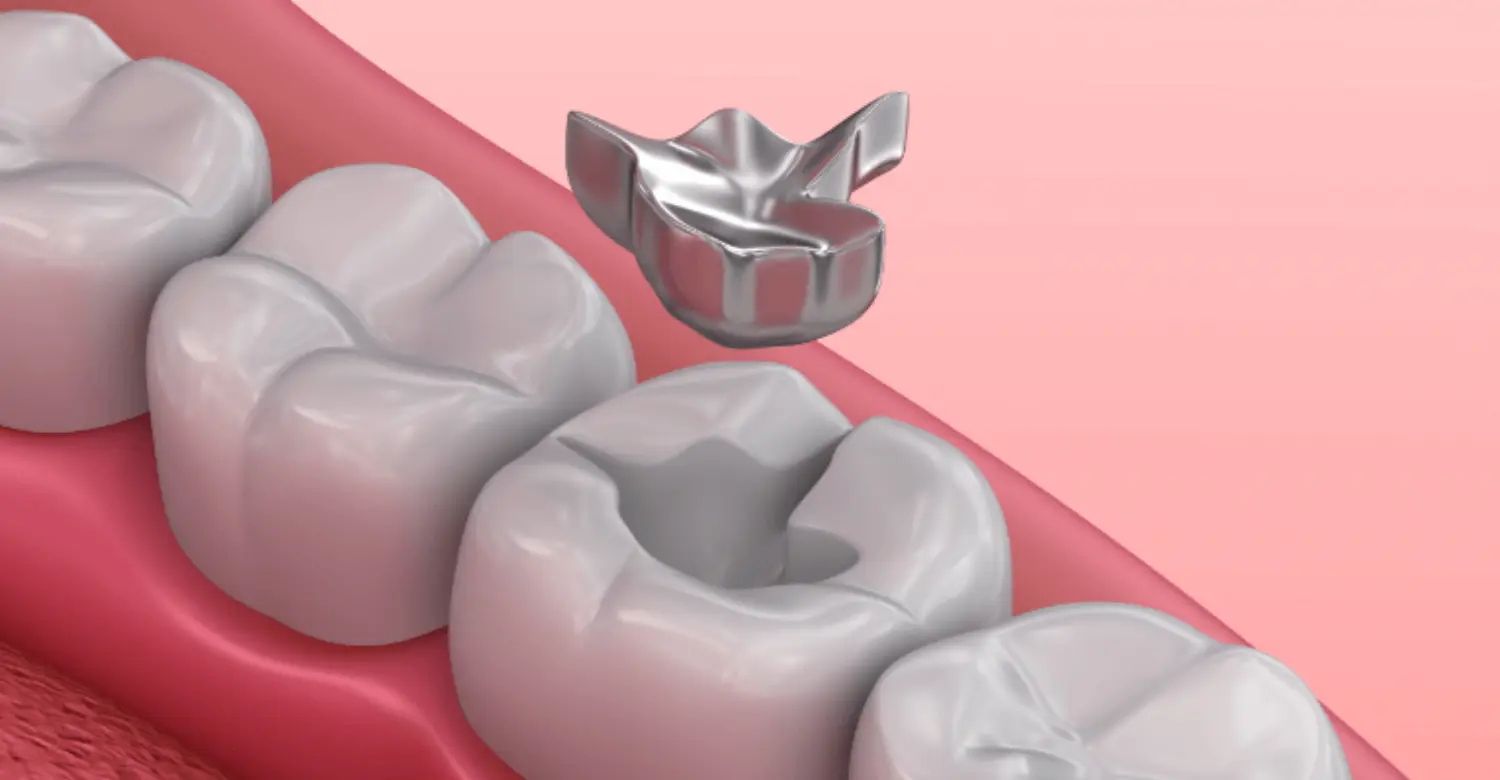
It has historically been used because of its strength, reliability, and ability to withstand heavy chewing forces. It is made from a combination of metals, including silver, tin, copper, and mercury, creating a durable material that can restore damaged areas caused by tooth decay.
Modern dentistry now provides multiple choices, including tooth-colored composite materials, ceramic restorations, and other advanced options. The selection process depends on clinical requirements rather than simply choosing the newest technology.
At Vitrin Clinic, dentists evaluate each patient individually to determine whether this type of restoration is appropriate or whether another material may provide better results. Dr. Rifat Alsaman explains that successful dental treatment requires balancing function, durability, appearance, and patient expectations.
Understanding the basics of this restoration helps patients feel more confident when discussing treatment plans with their dentist.
What Is an Amalgam Filling?
A dental restoration material used to repair cavities and restore damaged tooth areas is commonly known as it . It works by replacing the portion of the tooth removed during cavity treatment, helping restore the tooth’s shape and function.
When decay develops, dentists remove the damaged part of the tooth to prevent the cavity from spreading. After cleaning and preparing the area, the missing structure is replaced with a suitable material that supports chewing and protects the remaining tooth.
This type of filling has been used in dentistry for many years because it provides strong resistance against pressure, making it especially useful for molars and teeth that experience heavy biting forces.
However, choosing a restoration depends on several factors. Some patients may prefer aesthetic materials that closely match natural tooth color, while others may prioritize strength and long-term performance.
At Vitrin Clinic, the dental team considers cavity size, tooth position, oral condition, and patient preferences before recommending a treatment. Dr. Rifat Alsaman emphasizes that every tooth requires an individualized approach to achieve the best functional and cosmetic outcome.
How Does a Dental Amalgam Filling Work?
The function of this restoration is based on replacing damaged tooth structure with a strong material that supports normal chewing activity. After removing decay, the dentist prepares the tooth surface so the restoration can properly attach and remain stable.
The material is placed inside the prepared cavity and shaped carefully to match the natural anatomy of the tooth. Once it sets, it creates a firm restoration that helps protect the remaining tooth structure.
Unlike some materials that bond directly to the tooth, this restoration mainly relies on mechanical retention created by the prepared cavity design. This is one reason why proper dental technique and accurate preparation are important for long-term results.
Dentists consider several factors before choosing this option, including the amount of tooth damage, location of the cavity, and patient expectations.
According to Dr. Rifat Alsaman from Vitrin Clinic, successful treatment is not only about placing a filling but also about preserving tooth health, preventing future problems, and ensuring the restoration supports the patient’s daily function.
Why Are Amalgam Fillings Also Called Silver Fillings?
Many people refer to this restoration as a silver filling because of its metallic appearance. The name comes from its traditional silver-gray color rather than meaning that it is made entirely from silver.
The material is actually a mixture of several metals combined together to create a durable restoration. This combination provides strength and stability, which explains why it has been widely used for restoring teeth exposed to strong chewing forces.
The silver appearance is one reason some patients prefer other modern materials, especially when the restoration is placed in visible areas such as front teeth. Tooth-colored options are often chosen when appearance is a major concern.
However, for back teeth where strength is a priority, dentists may consider different factors before recommending the most suitable restoration.
At Vitrin Clinic, treatment planning focuses on achieving a balance between appearance, durability, and oral health. Dr. Rifat Alsaman highlights that choosing a restoration should always be based on the individual patient’s needs rather than appearance alone.
Why Choose Amalgam Filling?
Choosing the right dental restoration depends on several factors, including the location of the cavity, the amount of tooth damage, durability requirements, and personal preferences. remained a common option because of its proven strength and ability to handle strong chewing pressure over many years.
Many dentists consider this restoration suitable for back teeth because molars experience significant force during eating. The material can provide reliable support when properly placed and maintained with good oral hygiene habits.
However, dental decisions should not be based on durability alone. Factors such as appearance, tooth condition, cavity size, and long-term treatment goals are also important. Some patients may prefer tooth-colored alternatives, while others may prioritize strength and cost-effectiveness.
At Vitrin Clinic, treatment recommendations are based on a detailed dental evaluation. Dr. Rifat Alsaman, Head of the Medical team at Vitrin Clinic and cosmetic dentist, explains that every patient requires a customized treatment approach because the ideal restoration depends on the specific condition of each tooth.
What Are the Benefits of Amalgam Filling?
One of the main advantages of this restoration option is its durability. it can provide strong support for teeth that are exposed to heavy chewing forces, especially molars located at the back of the mouth.
Another benefit is its long clinical history. Dentists have used this material for many years, allowing extensive experience with its performance and maintenance. It is also generally more affordable compared with some advanced restorative materials, making it accessible for many patients.
This restoration can also be placed efficiently in many cases, reducing treatment time. Its ability to tolerate moisture during placement can make it practical in certain clinical situations.
According to Dr. Rifat Alsaman at Vitrin Clinic, the biggest advantage of any dental filling is not only the material itself but how accurately it is selected and placed. Proper diagnosis, careful preparation, and regular dental checkups help improve long-term outcomes.
Why Is Amalgam Filling Known for Durability?
The durability of this restoration comes from its strong metallic composition and ability to withstand repeated pressure from chewing. often considered a strong option for large cavities in areas where teeth experience high stress.
Unlike some materials that may be more sensitive to moisture during placement, this material has historically been valued for its stability in challenging areas of the mouth. This characteristic has contributed to its continued use in restorative dentistry.
The lifespan depends on several factors, including cavity size, oral hygiene, biting habits, tooth location, and regular dental care. A well-maintained restoration can remain functional for many years.
At Vitrin Clinic, dentists evaluate whether the strength of this material matches the patient’s needs. Dr. Rifat Alsaman explains that durability is important, but preserving natural tooth structure and achieving healthy long-term results are equally essential when selecting treatment options.
When Is Amalgam Filling Recommended for Tooth Cavity Treatment?
Dentists may recommend this type of restoration when a tooth has decay that requires removal and replacement of damaged structure. it may be considered especially for back teeth with moderate to large cavities where chewing strength is a priority.
The decision depends on factors such as the size of the cavity, remaining tooth structure, bite pressure, and the patient’s expectations. Some cases may require different solutions, such as composite fillings, crowns, or other restorative treatments.
A professional examination is necessary because not every cavity requires the same approach. The dentist evaluates the tooth condition and chooses the material that provides the best balance between function and protection.
Dr. Rifat Alsaman, Head of the Medical team at Vitrin Clinic and cosmetic dentist, emphasizes that treatment should always focus on preserving the natural tooth while selecting a restoration that supports long-term oral health.
Amalgam Filling vs Other Options: What Wins?
Modern dentistry provides multiple restorative materials, and each option has specific advantages. Comparing different choices helps patients understand which treatment may suit their needs.
mainly known for strength and durability, while other materials may focus more on appearance and aesthetic results. The right choice depends on factors such as tooth location, cavity size, budget, and personal preferences.
At Vitrin Clinic, dentists do not follow a one-material approach. Instead, they assess each case individually and recommend the option that best supports the patient’s dental goals.
Dr. Rifat Alsaman explains that successful restoration is about finding the right balance between function, aesthetics, comfort, and long-term protection.
Composite Filling vs Amalgam Filling: Key Differences
Composite fillings and traditional metallic restorations differ mainly in appearance, composition, and clinical use. usually provides higher resistance to chewing pressure, while composite materials are popular because they closely match natural tooth color.
Composite fillings bond more directly with the tooth structure, which can help preserve more natural enamel in certain cases. They are often preferred for visible teeth because of their aesthetic appearance.
On the other hand, metallic restorations may be considered when strength is a priority, particularly in back teeth with heavy chewing forces.
At Vitrin Clinic, the choice between these materials depends on the individual case. Dr. Rifat Alsaman evaluates factors such as cavity depth, tooth position, cosmetic expectations, and long-term oral health before recommending the most suitable solution.
Amalgam Filling vs Other Dental Filling Materials
Different dental filling materials are designed to solve different clinical needs. recognized for strength, while other options such as composite, ceramic, or glass ionomer materials may provide different benefits.
Composite materials are often selected for aesthetic reasons because they blend with natural teeth. Ceramic restorations may provide excellent appearance and durability for specific situations. Glass ionomer materials can be useful in certain cases where fluoride release is beneficial.
There is no single filling material that is perfect for every patient. The best choice depends on cavity size, tooth location, oral condition, and treatment goals.
According to Dr. Rifat Alsaman at Vitrin Clinic, modern dentistry focuses on personalized treatment planning rather than choosing one restoration for all patients.
Best Alternatives to Amalgam Fillings
Patients today have several alternatives depending on their dental needs. Composite resin fillings are among the most common alternatives because they provide a natural tooth-colored appearance.
Ceramic restorations may also be considered for certain damaged teeth where aesthetics and strength are both important. Other materials may be recommended depending on the location and severity of the cavity.
The suitable alternative depends on professional assessment. A small cavity in a visible tooth may require a different solution compared with a large cavity in a back molar.
At Vitrin Clinic, dentists discuss available options with patients and explain the advantages and limitations of each choice. Dr. Rifat Alsaman believes that patient education is an important part of successful dental treatment because informed patients can make better decisions about their oral health.
How Long Does Amalgam Filling Last?
The lifespan of a dental restoration depends on many factors, including oral hygiene, chewing habits, cavity size, and regular dental maintenance. It can often last many years when properly placed and cared for.
Although no restoration lasts forever, good brushing habits, flossing, routine examinations, and avoiding excessive pressure on teeth can help extend its functional life.
Dentists also monitor restorations during regular checkups to identify early signs of wear, leakage, or damage before larger problems develop.
At Vitrin Clinic, follow-up care is considered an essential part of maintaining healthy teeth. Dr. Rifat Alsaman recommends regular dental visits because early detection can help protect both the restoration and the natural tooth structure.
Average Lifespan of Amalgam Fillings
The average lifespan can vary depending on the individual situation. Many restorations can remain functional for approximately 10 to 15 years, while some may last longer with proper care.
Factors such as the size of the cavity, tooth location, bite pressure, and oral hygiene habits influence how long the restoration continues to perform effectively.
Regular dental examinations help dentists evaluate whether the restoration is still protecting the tooth properly or whether replacement may be necessary.
Dr. Rifat Alsaman from Vitrin Clinic explains that longevity depends not only on the material but also on accurate placement, patient care, and maintaining overall oral health.
Factors That Affect Amalgam Filling Durability
Several factors influence how long a restoration remains effective. may last longer when patients maintain good oral hygiene and attend regular dental checkups.
Important factors include:
Size and depth of the cavity
Location of the tooth
Chewing pressure
Teeth grinding habits
Oral hygiene routine
Quality of dental placement
A restoration placed in a heavily used molar may experience more stress compared with one placed in an area with less pressure.
At Vitrin Clinic, dentists consider these factors when planning treatment and monitoring existing restorations. Dr. Rifat Alsaman highlights that prevention and maintenance play a major role in protecting dental treatments over time.
When Should Amalgam Fillings Be Replaced?
Replacement may be needed when the restoration becomes damaged, worn, loose, or when decay develops around the filling. It should be evaluated by a dentist rather than replaced automatically without a clinical reason.
Signs that may require assessment include tooth sensitivity, pain, visible cracks, or changes in the restoration’s condition.
Dentists use examinations and sometimes imaging to determine whether replacement is necessary.
Dr. Rifat Alsaman at Vitrin Clinic explains that unnecessary replacement should be avoided because preserving healthy tooth structure is always a priority. Treatment decisions should be based on clinical evidence and the condition of the tooth.
Amalgam Filling Cost: What to Expect?
The price of dental restorations varies depending on several factors, including clinic location, dentist experience, cavity size, and treatment complexity. The average cost of it is usually around $50 to $150 per tooth in many dental markets, although prices can vary significantly.
In some countries, the cost may be lower or higher depending on healthcare systems, materials, and clinic standards.
At Vitrin Clinic, pricing depends on the individual treatment plan because every case requires different levels of care and preparation.
Dr. Rifat Alsaman explains that patients should consider quality, safety, and long-term results when choosing dental treatment rather than focusing only on the lowest price.
Average Amalgam Filling Cost
The average cost is approximately:
Small restoration: $50–$100
Medium restoration: $75–$150
Large restoration: $150 or more
The final price depends on the amount of decay, tooth location, examination requirements, and the dentist’s treatment approach.
At Vitrin Clinic, patients receive a personalized evaluation before treatment so the recommended option matches their dental condition and expectations.
Factors Affecting Amalgam Filling Price
The final price of dental treatment depends on multiple clinical and practical factors. cost can change depending on the size of the cavity, the location of the tooth, the amount of preparation needed, and the complexity of the procedure.
Small cavities usually require less material and less treatment time, while larger restorations may need additional work and a more detailed approach. The dentist’s experience, clinic standards, diagnostic procedures, and location can also influence the final price.
In many clinics, the average cost ranges between $50 and $150 per tooth, while more complex cases may cost more depending on the situation.
At Vitrin Clinic, the dental team evaluates every case individually before recommending treatment. Dr. Rifat Alsaman, Head of the Medical team at Vitrin Clinic and cosmetic dentist, explains that a correct diagnosis is essential because the cheapest option is not always the best option for long-term tooth health.
Amalgam Filling Cost Compared to Other Filling Types
Dental restoration prices vary depending on the material selected. it is generally considered one of the more affordable filling options compared with some modern aesthetic materials.
Composite fillings may cost approximately $100 to $300 per tooth because they require more technique sensitivity and provide a natural tooth-colored appearance. Ceramic or laboratory-made restorations can cost significantly more, sometimes ranging from $300 to $1,500 or more, depending on the case.
The final choice depends on whether the priority is durability, appearance, tooth preservation, or budget considerations.
At Vitrin Clinic, dentists discuss all available options before treatment. Dr. Rifat Alsaman believes patients should understand both the advantages and limitations of each material so they can choose a solution that supports their oral health goals.
Amalgam Filling Removal: Everything You Need to Know
Removing an existing restoration is a decision that requires careful evaluation. it may sometimes need removal if it is damaged, worn, leaking, or if there is decay beneath or around the restoration.
However, dentists do not recommend removing restorations without a clear clinical reason because unnecessary removal can affect healthy tooth structure.
The removal process requires professional techniques to minimize damage and protect the surrounding tooth. Dentists consider the patient’s condition, restoration age, symptoms, and overall dental health before deciding.
At Vitrin Clinic, safety and patient comfort are important parts of treatment planning. Dr. Rifat Alsaman explains that every removal case should be carefully assessed because preserving natural tooth structure remains one of the main goals of modern dentistry.
When Is Amalgam Filling Removal Needed?
Replacement or removal may be recommended when the restoration shows signs of failure. it may need to be removed if there is cracking, breakage, repeated sensitivity, tooth decay around the filling, or changes affecting the tooth’s stability.
Some patients also request removal because of concerns about appearance or material preferences. In these situations, dentists evaluate whether removal is clinically appropriate.
The decision should always be based on professional examination rather than fear or unnecessary replacement.
At Vitrin Clinic, dentists review each patient’s condition carefully before recommending any procedure. According to Dr. Rifat Alsaman, the priority is always protecting the natural tooth and selecting the safest treatment option based on evidence and the patient’s needs.
How Is Amalgam Filling Removed Safely?
The removal process is performed using professional dental techniques designed to protect the tooth and surrounding tissues. it is carefully separated and removed while the dentist controls the procedure to reduce unnecessary stress on the tooth.
The dentist may use protective methods depending on the individual situation. After removal, the tooth is cleaned and evaluated to determine the best replacement option.
The replacement may involve composite material, ceramic restoration, or another suitable solution depending on the condition of the tooth.
At Vitrin Clinic, dentists focus on controlled treatment planning and patient safety. Dr. Rifat Alsaman explains that removal should always be performed when there is a clear reason and followed by a restoration plan that supports long-term dental health.
What Are the Risks of Removing Mercury Fillings?
Patients often ask about possible concerns related to removing older restorations. it contains a mixture of metals, including mercury, which is why some patients have questions about safety during removal.
Professional dental organizations generally recommend that removal should be performed only when clinically necessary, because the process itself can require additional tooth preparation.
Possible risks may include unnecessary removal of healthy tooth structure, temporary sensitivity, or the need for further restoration.
At Vitrin Clinic, treatment decisions are based on clinical evaluation rather than unnecessary procedures. Dr. Rifat Alsaman, Head of the Medical team at Vitrin Clinic and cosmetic dentist, emphasizes that every patient should receive personalized advice after examination to determine whether replacement or removal is truly beneficial.
Is Amalgam Filling Safe for Teeth?
Safety is one of the most common concerns patients have when considering dental materials. it has been used in dentistry for many decades and has a long history of clinical use.
Research and dental evaluations have examined its performance, durability, and safety. For most patients, it can be an effective restoration option when properly selected and placed by a qualified dentist.
However, certain patients may have specific concerns or preferences, which should be discussed during consultation.
At Vitrin Clinic, dentists consider the complete dental picture before recommending treatment. Dr. Rifat Alsaman explains that safe dentistry depends on proper diagnosis, correct technique, and choosing the right material for each individual patient.
Are Amalgam Fillings Safe?
Many patients ask whether this restoration option is safe for daily use. it has been studied extensively because of its long history in restorative dentistry.
For many people, it remains a functional and durable treatment option. However, dental decisions should consider individual factors such as oral health condition, allergies, cosmetic expectations, and existing restorations.
Patients with concerns should discuss their situation with a dentist who can provide personalized guidance.
At Vitrin Clinic, patient education is an important part of treatment. Dr. Rifat Alsaman believes that understanding the benefits and limitations of every dental option allows patients to make confident decisions about their oral care.
Understanding Amalgam Filling Safety and Mercury Content
The discussion around mercury content is one of the main reasons some patients research this restoration option. contains mercury combined with other metals to create a stable dental material.
The mercury in dental amalgam is chemically bound with the other metals, creating a material designed for dental use. Safety discussions focus on evaluating benefits, risks, and individual patient needs.
Dentists consider factors such as restoration conditions, medical history, and treatment requirements before making recommendations.
At Vitrin Clinic, Dr. Rifat Alsaman explains that decisions should be based on scientific evaluation and proper dental assessment rather than general concerns. Every patient receives recommendations according to their specific oral health situation.
What Are the Main Amalgam Filling Risks?
Like any dental treatment, restorations have possible considerations. it may have disadvantages such as its metallic appearance, possible tooth discoloration over time, or the need for replacement if the restoration becomes damaged.
Some patients also have concerns about mercury exposure, which should be discussed with a dental professional based on individual circumstances.
The risk level depends on factors such as placement quality, oral hygiene, and the condition of the tooth.
At Vitrin Clinic, dentists evaluate whether the benefits outweigh potential concerns before recommending treatment. Dr. Rifat Alsaman highlights that responsible dentistry means choosing treatments that protect tooth health while respecting patient expectations.
Amalgam Filling: Benefits or Drawbacks?
Every dental restoration has advantages and limitations, and choosing the right option requires understanding both sides. it has been widely used because of its strength, affordability, and ability to restore teeth affected by decay.
Its main benefits include durability, resistance to chewing pressure, and a long history of clinical use. These qualities make it a practical option, especially for back teeth where strong biting forces are present.
However, some patients have concerns about its metallic appearance, preference for more aesthetic materials, and questions related to its composition. Modern dentistry offers multiple alternatives, allowing dentists to select treatments based on each patient’s situation.
At Vitrin Clinic, dentists focus on personalized recommendations rather than choosing the same restoration for every patient. Dr. Rifat Alsaman, Head of the Medical team at Vitrin Clinic and cosmetic dentist, explains that the best treatment is the one that provides the right balance between function, safety, appearance, and long-term oral health.
The average cost is usually around $50–$150 per tooth, depending on the cavity size and treatment complexity.
Advantages of Amalgam Filling
One of the strongest advantages of this restoration is its ability to handle significant chewing pressure. it can provide reliable support for molars and teeth that experience heavy daily use.
Other advantages include:
Long clinical history
Strong resistance to wear
Suitable for larger cavities
Usually lower cost compared with some aesthetic options
Can remain functional for many years with proper care
Because of these qualities, some dentists may consider it a practical choice when durability is the main priority.
At Vitrin Clinic, treatment planning focuses on evaluating the tooth condition before recommending any restoration. Dr. Rifat Alsaman explains that durability is important, but preserving natural tooth structure and achieving a healthy result are equally essential.
The average price is approximately $50–$150, although larger restorations may cost more depending on the case.
Disadvantages of Amalgam Filling
Although durable, this restoration option also has limitations. it may not be preferred by patients who want a natural-looking smile because its silver-gray color does not blend with natural teeth.
Other possible disadvantages include:
Less aesthetic appearance
Possible tooth discoloration over time
Requires proper cavity preparation
May not match cosmetic dentistry goals
Some patients also ask about the material composition and mercury content, making professional consultation important before treatment decisions.
At Vitrin Clinic, dentists explain all available options before starting treatment. Dr. Rifat Alsaman believes patients should understand both benefits and limitations so they can select a restoration that fits their expectations.
The cost generally ranges between $50–$150 per tooth, while aesthetic alternatives may have different pricing.
Common Concerns About Mercury Fillings
One of the most discussed topics in dentistry is the presence of mercury in certain traditional restorations. An Amalgam Filling contains mercury combined with other metals to create a stable material used in dental treatment.
Patients often ask whether this material is safe, whether old restorations need replacement, and what alternatives are available. These concerns should be discussed with a dentist who can evaluate the individual case.
A restoration that is functioning properly may not require replacement unless there is a clinical reason, such as damage, leakage, or decay around the tooth.
At Vitrin Clinic, patient concerns are carefully addressed through examination and professional guidance. Dr. Rifat Alsaman explains that treatment decisions should focus on evidence-based dentistry and protecting the patient’s overall oral health.
Consultation costs vary, but dental evaluations are usually separate from restoration costs.
What Makes Amalgam Filling Different?
Dental materials differ in their composition, appearance, durability, and clinical applications. it is unique because it has been used for decades and is known mainly for strength and resistance to pressure.
Unlike tooth-colored materials that focus heavily on aesthetics, this restoration has traditionally been selected when functional performance is a major concern.
Modern dentistry provides many choices, and the best option depends on the tooth location, cavity size, patient preference, and long-term goals.
At Vitrin Clinic, dentists compare available materials and recommend the most suitable solution based on each patient’s condition. Dr. Rifat Alsaman explains that successful dentistry is not about selecting the newest material but selecting the correct treatment for the specific case.
The average restoration cost remains around $50–$150 per tooth.
Why Is Amalgam Used in Dentistry?
Dentists have used this restoration material because it provides strength and durability in challenging areas of the mouth. An Amalgam Filling can tolerate strong chewing forces, making it useful for restoring back teeth affected by decay.
Its long history has allowed dentists to understand its performance, maintenance needs, and limitations.
However, dentistry continues to develop, and newer materials are now available for patients who prioritize appearance or different clinical advantages.
At Vitrin Clinic, dentists assess each cavity carefully before selecting a material. Dr. Rifat Alsaman explains that the purpose of any restoration is to protect the tooth, restore function, and support long-term oral health.
Average cost:
Small restoration: $50–$100
Medium restoration: $75–$150
Larger cases: $150+
How Do Mercury Fillings Work?
The function of this restoration depends on the combination of metals used to create a strong filling material. It works by replacing damaged tooth structure after decay removal and restoring the tooth’s ability to handle normal chewing.
The dentist prepares the tooth, places the material, and shapes it to fit the natural tooth anatomy. Once set, it provides support for the remaining tooth structure.
Because the restoration is designed mainly for strength, it has historically been used in areas exposed to high pressure.
At Vitrin Clinic, dentists focus on accurate placement and proper case selection. Dr. Rifat Alsaman explains that the success of any restoration depends on diagnosis, technique, and aftercare.
Average treatment cost:
$50–$150 per tooth, depending on complexity.
Why Do Some Patients Prefer Silver Fillings?
Some patients choose metallic restorations because they value durability and affordability. An Amalgam Filling may be preferred by individuals who need a strong restoration for back teeth and are less concerned about the visible appearance.
The lower cost compared with some cosmetic alternatives can also influence patient decisions.
However, many patients today prefer tooth-colored options because they want restorations that blend naturally with their smile.
At Vitrin Clinic, dentists discuss all available choices and help patients understand the differences between materials. Dr. Rifat Alsaman explains that the final decision should consider function, aesthetics, budget, and long-term expectations.
Average cost:
Approximately $50–$150 per tooth.
Amalgam Filling Procedure: Step-by-Step Process
The procedure involves several steps designed to remove decay and restore the damaged tooth. treatment usually begins with examination and preparation before the restoration is placed.
The dentist removes the decayed portion, cleans the area, prepares the cavity, and places the restoration material. After shaping and adjusting the bite, the dentist ensures the tooth functions comfortably.
The exact procedure time depends on the size and location of the cavity.
At Vitrin Clinic, treatment is performed with attention to patient comfort and clinical accuracy. Dr. Rifat Alsaman explains that careful preparation and proper placement are essential for achieving a durable result.
Average procedure cost:
$50–$150 per tooth, excluding additional treatments if needed.
How Dentists Prepare the Tooth
Preparation is one of the most important steps because it determines how well the restoration performs. During an Amalgam Filling procedure, the dentist removes infected tooth structure and creates an appropriate space for the material.
The goal is to eliminate decay while preserving as much healthy tooth structure as possible.
After preparation, the dentist cleans the area and checks that the tooth is ready for restoration.
At Vitrin Clinic, dentists use careful treatment planning to protect natural teeth. Dr. Rifat Alsaman emphasizes that successful restoration begins with accurate diagnosis and conservative treatment.
Average cost remains approximately $50–$150 per tooth depending on the required work.
Placing and Shaping the Amalgam Filling
After the tooth has been prepared and cleaned, the dentist begins placing the restoration material inside the prepared area. it is carefully inserted and shaped to match the natural structure of the tooth, allowing comfortable chewing and proper bite alignment.
The dentist adjusts the shape of the material so it fits correctly with the surrounding teeth. This step is important because an improperly shaped restoration can affect the patient’s bite or create discomfort during eating.
Once the material is placed, the dentist checks the final result and makes any necessary adjustments. Proper technique and attention to detail can improve the restoration’s performance and lifespan.
At Vitrin Clinic, the dental team focuses on precision and patient comfort throughout every step. Dr. Rifat Alsaman, Head of the Medical team at Vitrin Clinic and cosmetic dentist, explains that successful restorations depend on careful planning, accurate placement, and regular follow-up care.
Average cost:
$50–$150 per tooth, depending on cavity size and treatment requirements.
Recovery and Aftercare After Amalgam Filling
After treatment, patients usually need a short adjustment period while the restored tooth becomes comfortable during normal use. may feel slightly different at first because the bite and tooth surface have been modified.
Dentists may recommend avoiding heavy chewing on the treated tooth until the restoration has fully stabilized. Maintaining good oral hygiene is essential to protect both the restoration and the surrounding teeth.
Patients should continue brushing twice daily, flossing regularly, and attending dental checkups to monitor the condition of the tooth.
At Vitrin Clinic, dentists provide personalized aftercare instructions based on each patient’s situation. Dr. Rifat Alsaman explains that long-term success depends not only on the procedure itself but also on how well patients maintain their oral health afterward.
Average treatment cost:
Usually $50–$150 per tooth, with follow-up visits depending on patient needs.
What We Notice Clinically
Common Patient Concerns About Amalgam Fillings
In clinical practice, many patients ask about appearance, durability, safety, and whether they should choose newer materials instead. often creates questions because patients want to understand the differences between traditional and modern dental restoration options.
Common concerns include:
Is the material safe?
How long will it last?
Should an old restoration be replaced?
Are tooth-colored alternatives better?
What is the expected cost?
Dentists usually explain that the best choice depends on the condition of the tooth rather than the material alone.
At Vitrin Clinic, patient education is an important part of the treatment process. Dr. Rifat Alsaman, Head of the Medical team at Vitrin Clinic and cosmetic dentist, believes that patients make better decisions when they understand the advantages and limitations of each option.
Average cost:
A dental restoration may range from $50–$150 per tooth, depending on complexity.
Clinical Experience With Amalgam Restoration Results
From a clinical perspective, many patients have achieved functional results with traditional restorations when the treatment was properly planned and performed. It can provide strong support, especially in teeth exposed to significant chewing forces.
Dentists evaluate the condition of existing restorations during regular examinations to ensure they continue protecting the tooth.
Clinical results depend on several factors:
Accuracy of placement
Tooth condition before treatment
Patient oral hygiene
Bite pressure
Regular dental maintenance
At Vitrin Clinic, the dental team evaluates each case individually rather than applying the same approach to every patient. Dr. Rifat Alsaman explains that the goal of restorative dentistry is always to preserve natural teeth and achieve stable long-term results.
Average cost:
Approximately $50–$150 per tooth, depending on the restoration size.
Dr. Rifat Alsaman’s Opinion About Amalgam Filling Treatment
According to Dr. Rifat Alsaman, Head of the Medical team at Vitrin Clinic and cosmetic dentist, choosing a dental restoration should always begin with a complete evaluation of the patient’s tooth condition, expectations, and long-term oral health needs.
Dr. Rifat Alsaman explains that it can still be considered a useful option in selected cases, especially when durability and resistance to chewing pressure are important factors. However, he emphasizes that modern dentistry provides multiple alternatives, and the best choice depends on each individual situation.
He believes that successful treatment is not only about selecting a material but also about proper diagnosis, accurate technique, and professional follow-up.
At Vitrin Clinic, every treatment plan is designed around patient needs, comfort, and achieving healthy functional results.
Average cost:
Usually between $50–$150 per tooth, depending on the required treatment.
Why Choose Vitrin Clinic for Amalgam Filling Treatment?
Choosing the right dental clinic is an important step in achieving successful restoration results. An Amalgam Filling procedure requires accurate diagnosis, proper technique, and careful follow-up to maintain tooth health.
Vitrin Clinic focuses on providing personalized dental care based on each patient’s condition. The clinic combines professional experience, modern dental approaches, and patient-centered treatment planning.
The dental team evaluates factors such as cavity size, tooth location, oral health status, and patient preferences before recommending a suitable restoration.
With guidance from Dr. Rifat Alsaman, Head of the Medical team at Vitrin Clinic and cosmetic dentist, patients receive treatment plans designed to balance function, appearance, comfort, and long-term results.
Average cost:
Treatment generally ranges around $50–$150 per tooth, depending on individual requirements.
Advanced Dental Solutions at Vitrin Clinic
Modern dentistry requires more than simply placing a restoration. An Amalgam Filling treatment should be part of a complete dental approach that focuses on protecting the tooth and preventing future complications.
At Vitrin Clinic, dentists combine clinical experience with advanced treatment planning to provide solutions based on each patient’s needs.
The clinic focuses on:
Detailed examinations
Personalized treatment plans
Patient education
Long-term oral health improvement
Dr. Rifat Alsaman explains that every restoration should support the natural function of the tooth while maintaining patient comfort and confidence.
Average cost:
Approximately $50–$150 per tooth, depending on case complexity.
Personalized Filling Treatment Plans
Every patient has different dental conditions, which is why personalized planning is important. An Amalgam Filling may be suitable for one patient but not the best option for another.
Dentists consider:
Tooth location
Cavity depth
Remaining tooth structure
Cosmetic expectations
Budget considerations
A personalized approach helps ensure that the chosen treatment provides the best possible outcome.
At Vitrin Clinic, Dr. Rifat Alsaman and the dental team evaluate each case carefully before recommending the most suitable restoration.
Average cost:
Most cases range from $50–$150 per tooth, but the final price depends on the treatment plan.
Expert Care From Dr. Rifat Alsaman and the Dental Team
Professional experience plays an important role in achieving successful dental results. An Amalgam Filling requires proper diagnosis and careful placement to support long-term function.
Dr. Rifat Alsaman, Head of the Medical team at Vitrin Clinic and cosmetic dentist, focuses on providing evidence-based dental care while considering each patient’s expectations.
The dental team at Vitrin Clinic aims to create comfortable treatment experiences while maintaining high standards of clinical care.
Patients receive guidance throughout the process, from consultation and treatment planning to aftercare recommendations.
Average cost:
Approximately $50–$150 per tooth, depending on the complexity of the case.
Conclusion: Is Amalgam Filling Still a Good Choice?
Dental restoration continues to evolve, but traditional materials still have a place in modern dentistry. An Amalgam Filling can remain a practical option for certain patients because of its durability, affordability, and ability to handle strong chewing forces.
However, choosing the right restoration depends on multiple factors, including tooth location, cavity size, appearance expectations, and long-term oral health goals.
Modern alternatives provide more aesthetic choices, while traditional restorations may still offer functional benefits in specific situations.
At Vitrin Clinic, treatment decisions are based on professional evaluation and personalized care. Dr. Rifat Alsaman, Head of the Medical team at Vitrin Clinic and cosmetic dentist, believes that successful dentistry means selecting the right solution for each patient rather than choosing one option for everyone.
Average cost:
A typical restoration ranges from $50–$150 per tooth, while alternative materials may have different pricing depending on the case.
Reference
Amalgam Filling is one of the most widely used dental restoration methods, known for its durability, strength, and long-term performance in repairing damaged teeth. The following trusted references provide more information about its safety, benefits, risks, and clinical use:
FAQs

Dr. Rifat Alsaman has more than 5 years of clinical experience in dentistry and currently serves as the Head of the Medical Team at Vitrin Clinic. He is dedicated to providing exceptional patient care, overseeing treatment planning, and ensuring the highest clinical standards across the team. His expertise, attention to detail, and commitment to continuous professional development have helped countless patients achieve healthier, more confident smiles.


