
Tongue Cleaning offers several benefits that support a healthier and fresher mouth. The tongue has a textured surface that can collect bacteria, food particles, dead cells, and other debris, which may contribute to unpleasant breath and a coated appearance. By removing this buildup regularly, patients can improve mouth freshness and maintain better oral hygiene.
One of the main advantages of it is helping reduce odor-causing bacteria that accumulate on the tongue surface. It may also improve the feeling of cleanliness, support better taste perception, and complement daily habits such as brushing and flossing.
At Vitrin Clinic, Dr. Rifat Alsaman, Head of the Medical Team at Vitrin Clinic and a cosmetic dentist, explains that many patients focus only on their teeth while overlooking the tongue as an important part of oral care. He highlights that maintaining a clean tongue supports a more complete hygiene routine and can contribute to better overall oral health.
Regular tongue care is a simple preventive habit that works alongside professional dental care to help patients maintain a healthier oral environment.
Introduction
A healthy smile depends on more than just brushing and flossing your teeth. The mouth contains many areas where bacteria, food particles, and dead cells can collect, and the surface of the tongue is one of the most common places where these materials accumulate. Including proper tongue care in your daily oral hygiene routine can support a cleaner mouth, fresher breath, and improved overall oral health.
The tongue has thousands of tiny structures called papillae that help with taste and texture sensation. However, these small areas can also trap bacteria and debris, especially when they are not cleaned regularly. Over time, this buildup may contribute to unpleasant breath, changes in taste, and visible coating on the tongue.
At Vitrin Clinic, oral hygiene education is considered an important part of preventive dental care. According to Dr. Rifat Alsaman, Head of the Medical Team at Vitrin Clinic and a cosmetic dentist, maintaining a clean tongue is a simple habit that can make a noticeable difference in the condition of the mouth. He explains that many patients focus only on their teeth while overlooking the tongue, even though it plays an important role in oral balance.
Adding proper tongue care to your daily routine does not require complicated tools or expensive treatments. With the right technique, patients can reduce unwanted buildup, improve mouth freshness, and support healthier oral habits.
Why Is Tongue Cleaning Important?
The surface of the tongue is constantly exposed to food, drinks, saliva, and microorganisms. While many bacteria in the mouth are harmless, some types can contribute to odor, plaque formation, and oral discomfort when they multiply excessively.
A consistent tongue care routine helps remove accumulated layers from the tongue surface that brushing alone may not completely address. This does not replace brushing, flossing, or professional dental visits, but it works alongside these habits to create a more complete approach to oral hygiene.
Many people notice that their breath feels fresher after cleaning their tongue because odor-causing compounds produced by bacteria can collect on the tongue surface. This is especially important in the morning when bacteria levels may be higher after several hours without eating, drinking, or cleaning the mouth.
Dr. Rifat Alsaman from Vitrin Clinic highlights that patients often underestimate how much the tongue contributes to their oral condition. During dental evaluations, he commonly explains that a healthy mouth requires attention to all oral surfaces, not only visible teeth.
A clean tongue can also improve the feeling of freshness after meals and help maintain better hygiene habits over time. When combined with regular dental checkups, proper cleaning techniques can become a valuable part of preventive dental care. Since bacteria on the tongue can also collect around restorations, our guide on whether dental implants cause bad breath explains why hygiene around implants matters just as much as around natural teeth
What Lives on Your Tongue?
The tongue is a complex muscular organ covered with tiny bumps called papillae. These structures help us taste food, move food during chewing, and support speech. However, their uneven surface also creates small spaces where microorganisms and particles can remain.
The mouth naturally contains hundreds of different types of bacteria. Some bacteria are beneficial and help maintain balance, while others can contribute to oral problems when their numbers increase. Food particles, proteins from saliva, and dead cells can combine with bacteria to form a coating on the tongue.
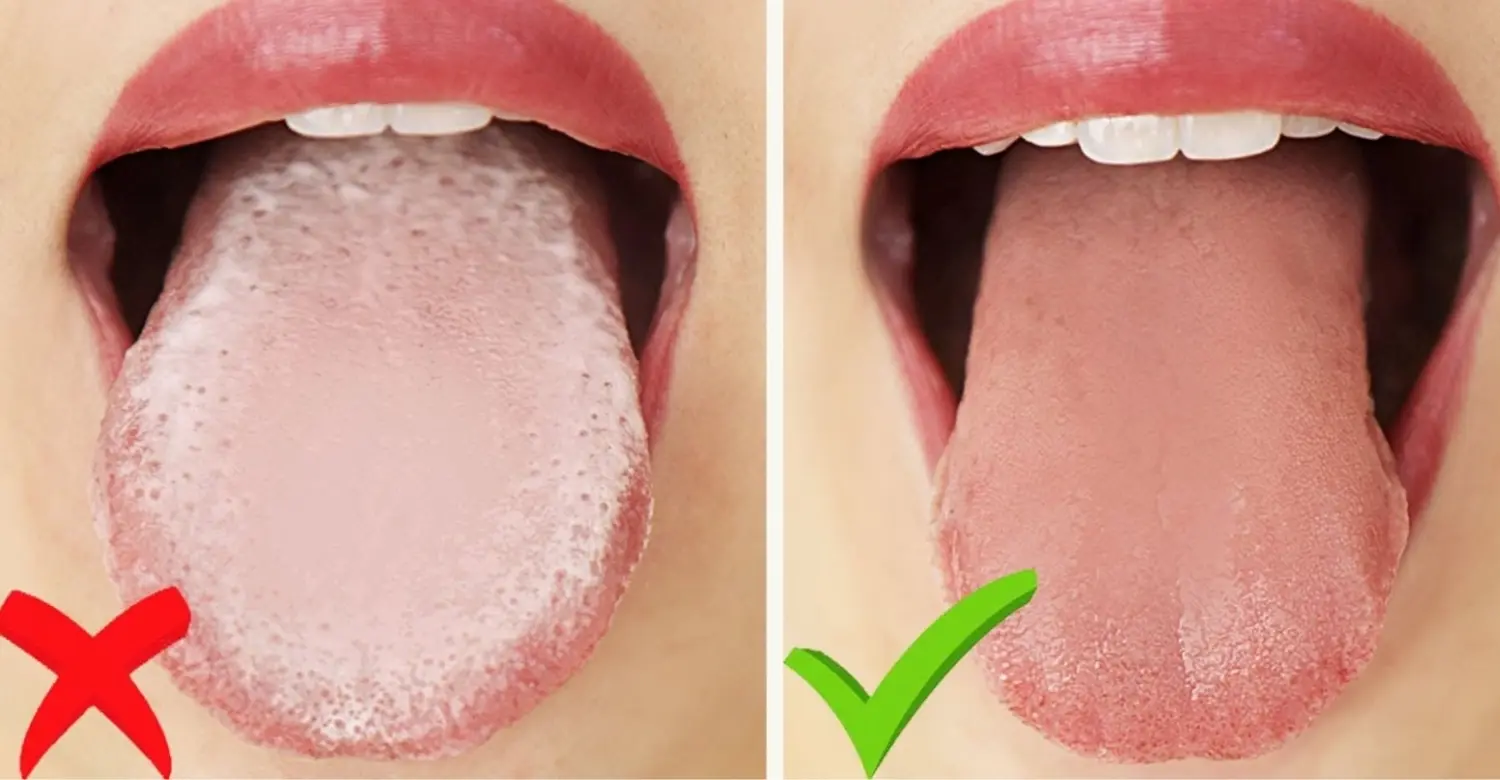
This coating may appear as:
A white or yellowish layer
A thicker surface film
A rough or sticky feeling
Reduced mouth freshness
Many people search for solutions related to white tongue treatment because they notice visible changes on their tongue surface. In many cases, improving daily cleaning habits can help remove surface buildup. However, persistent changes may require evaluation by a dental professional.
At Vitrin Clinic, Dr. Rifat Alsaman explains that understanding what accumulates on the tongue helps patients become more consistent with their hygiene habits. He believes that education is one of the most effective tools for preventing common oral concerns.
Regular removal of unwanted deposits supports a cleaner environment inside the mouth and complements other hygiene practices such as brushing and flossing. For patients whose coating and odor are linked to reduced saliva flow, our guide on dry mouth and gum disease explains how xerostomia changes the mouth's bacterial balance
Why the Tongue Collects Bacteria
The tongue naturally collects bacteria because of its unique texture and constant contact with food and saliva. Unlike smooth surfaces such as teeth, the tongue contains many small grooves and raised areas where microorganisms can attach.
Several factors can increase bacterial accumulation, including:
Food Residue
Small pieces of food can remain on the tongue after meals, especially foods containing sugars or carbohydrates. If these particles are not removed, bacteria can use them as a source of nutrients. Cleaning between teeth is the natural companion to tongue care, and our guide to the interdental brush covers how to reach the spaces a toothbrush alone can't
Reduced Saliva Flow
Saliva helps naturally wash away bacteria and food debris. When saliva production decreases, the mouth may become a better environment for buildup.
Poor Oral Hygiene Habits
Skipping parts of an oral hygiene routine, such as neglecting the tongue, can allow more residue to remain in the mouth. If bacterial buildup has already progressed to bleeding or swollen gums, our guide to bleeding gums explains what those early warning signs actually mean
Lifestyle Factors
Certain habits, including smoking, frequent consumption of sugary drinks, and inadequate hydration, may contribute to increased coating on the tongue.
Learning how to clean your tongue correctly can help reduce unnecessary buildup and support a healthier mouth environment. The goal is not to remove all bacteria because the mouth needs a balanced microbiome, but rather to control excessive accumulation.
Dr. Rifat Alsaman notes that many patients improve their overall oral freshness simply by adding one additional step to their daily care routine. At Vitrin Clinic, patients are encouraged to view tongue care as a supportive habit rather than a replacement for professional dental treatment.
Risks of Skipping Tongue Cleaning
Ignoring tongue care may not immediately cause serious problems, but long-term neglect can contribute to several common oral concerns. Since the tongue can hold bacteria and debris, failing to clean it may affect breath quality, mouth comfort, and overall hygiene.
A complete oral hygiene routine should include attention to the tongue because oral health depends on maintaining balance throughout the entire mouth.
Some possible effects of skipping regular cleaning include:
Increased bacterial buildup
Less fresh breath
Visible tongue coating
Changes in taste perception
Reduced feeling of mouth cleanliness
Many people brush their teeth carefully but still experience concerns such as persistent bad breath. In some cases, the tongue may be one contributing factor because bacteria on its surface can release unpleasant-smelling compounds.
Dr. Rifat Alsaman explains that during cosmetic and general dental consultations at Vitrin Clinic, patients are often surprised when they learn how much their daily habits influence their oral condition. Small improvements, including better tongue care, can support long-term results.
However, persistent symptoms should not be ignored. If unusual changes continue despite proper hygiene, professional assessment can help identify the underlying cause.
Bad Breath
Bad breath, medically known as halitosis, is one of the most common concerns associated with bacterial buildup in the mouth. While bad breath can have several causes, the tongue is often an important area to consider because bacteria can accumulate on its surface and produce unpleasant odors.
These odor-producing bacteria break down food particles and proteins, creating compounds that may contribute to an unpleasant smell. This is why many fresh breath tips include cleaning the tongue as part of a complete oral care routine.
Regular cleaning helps remove the layer where these bacteria often collect. Combined with brushing, flossing, drinking enough water, and maintaining regular dental visits, it can support better breath control.
At Vitrin Clinic, Dr. Rifat Alsaman frequently explains to patients that solving bad breath requires understanding its source. While cleaning the tongue can be helpful, ongoing bad breath may sometimes indicate gum problems, dental infections, dry mouth, or other conditions requiring professional attention.
A balanced approach is the most effective way to achieve long-lasting freshness. Daily hygiene habits combined with professional dental guidance create better opportunities for maintaining a healthy mouth.
White Tongue
A white coating on the tongue is a common observation among many adults. It often occurs when bacteria, food debris, and dead cells collect between the tongue’s natural surface structures.
In many situations, improving daily hygiene practices can help reduce this coating. Using an appropriate cleaning method can remove surface buildup and improve the tongue’s appearance.
However, white tongue treatment depends on the reason behind the coating. Temporary buildup may improve with better cleaning habits, while persistent or unusual changes may require evaluation by a dentist.
Possible causes of a white appearance include:
Bacterial accumulation
Dry mouth
Poor oral hygiene habits
Certain medications
Oral conditions requiring professional care
Dr. Rifat Alsaman emphasizes that patients should avoid aggressive cleaning methods because excessive pressure may irritate the tongue. The goal is gentle and consistent care.
At Vitrin Clinic, dental professionals evaluate tongue appearance together with other oral signs to understand each patient's needs. Personalized advice helps patients choose suitable hygiene methods without causing unnecessary irritation.
Poor Oral Hygiene
Poor oral hygiene affects more than just teeth. Since the mouth functions as one connected environment, neglecting any area can influence overall cleanliness and comfort.
A complete routine includes:
Brushing teeth twice daily
Cleaning between teeth
Maintaining healthy eating habits
Drinking sufficient water
Caring for the tongue
When tongue care is ignored, bacteria and debris may remain in the mouth even when teeth appear clean. This can reduce the effectiveness of other hygiene efforts.
Developing consistent tongue hygiene habits helps create a more complete approach to oral care. It is a simple step that requires only a few seconds but can contribute to better daily freshness.
Dr. Rifat Alsaman, Head of the Medical Team at Vitrin Clinic, believes preventive dentistry starts with education and small daily actions. He often advises patients that maintaining good habits at home is one of the best ways to support professional dental treatments and protect oral health over time.
How Do You Clean Your Tongue?
Proper tongue care requires the right technique, consistency, and gentle handling. Many people understand that cleaning the tongue is important but are unsure about the correct method, the tools they should use, or how much pressure is necessary.
A good routine focuses on removing surface buildup without irritating the sensitive tissues of the tongue. The goal is to reduce accumulated bacteria, food particles, and unwanted coating while maintaining a healthy oral environment.
Tongue Cleaning is a simple process that can be added to daily oral hygiene without taking much extra time. It works alongside brushing and flossing to support a cleaner mouth and fresher breath.
At Vitrin Clinic, patients are often guided on proper home-care techniques during dental consultations. According to Dr. Rifat Alsaman, Head of the Medical Team at Vitrin Clinic and a cosmetic dentist, many oral hygiene problems can be improved when patients understand how to perform simple preventive steps correctly.
The process does not require aggressive scraping or excessive pressure. Gentle movements, proper tools, and regular practice are the foundation of effective tongue care. For patients whose bad breath persists despite good hygiene, our periodontal disease page explains how gum infection becomes a hidden source of chronic odor
How to Clean Your Tongue Step by Step
Learning how to clean your tongue correctly helps maximize the benefits while avoiding irritation. A simple step-by-step approach can make the process easier to follow and become a natural part of your daily routine.
The recommended steps include:
1. Choose the Right Tool
You can use a tongue scraper or a toothbrush designed for tongue care. The best choice depends on your comfort, sensitivity, and personal preference.
2. Start from the Back of the Tongue
Gently place the tool toward the back of the tongue and move forward. Avoid pushing too far back if it causes discomfort.
3. Apply Gentle Pressure
The tongue surface does not require force. Excessive pressure may cause irritation or sensitivity.
4. Repeat Several Times
Move across different areas of the tongue until visible buildup is reduced.
5. Rinse After Cleaning
Wash the tool and rinse your mouth with water to remove loosened debris.
A consistent Tongue Cleaning routine can help improve mouth freshness and support better oral hygiene habits. Dr. Rifat Alsaman explains that patients often achieve better results when they focus on consistency rather than aggressive techniques.
At Vitrin Clinic, dental professionals emphasize that proper daily care complements professional treatments and helps maintain healthier oral conditions between appointments.
Using a Tongue Scraper
A tongue scraper is one of the most commonly recommended tools for removing buildup from the tongue surface. It is specifically designed to collect and remove debris rather than simply moving it around.
Tongue scrapers are available in different materials, including plastic and metal options. They usually have a curved shape that allows them to cover a wider area of the tongue.
Many people choose a scraper because it can efficiently remove coating from the tongue with minimal effort. It is especially popular among individuals looking for fresh breath tips or ways to improve their daily hygiene routine.
The main advantages of using a scraper include:
Removing surface bacteria
Reducing tongue coating
Improving mouth freshness
Supporting better oral hygiene habits
However, proper technique is important. Scraping too hard or too frequently may irritate the tongue.
Dr. Rifat Alsaman at Vitrin Clinic recommends selecting a comfortable tool and using gentle movements. He explains that effective Tongue Cleaning depends more on correct technique than on applying strong pressure.
Patients who are unsure about choosing or using a scraper can receive personalized guidance during oral health consultations.
Using a Toothbrush
A toothbrush can also be used to clean the tongue, especially for people who prefer using the same tool they already have as part of their oral routine.
Many modern toothbrushes include textured areas on the back of the brush head designed for tongue care. These surfaces can help remove mild coating and debris from the tongue.
When using a toothbrush:
Brush gently from back to front
Avoid pressing too firmly
Rinse the brush after use
Clean the entire tongue surface
Although brushing the tongue can be helpful, some people may prefer a dedicated scraper because it is designed specifically for removing tongue buildup.
Including a toothbrush can be a convenient option for individuals who want to improve their oral hygiene routine without adding another tool.
According to Dr. Rifat Alsaman, patients should choose the method they can maintain consistently. At Vitrin Clinic, the focus is not only on recommending products but also on teaching practical habits that fit each person's lifestyle.
Rinsing Properly
Rinsing your mouth after cleaning helps remove loosened particles and maintain a fresh feeling. While rinsing alone cannot replace mechanical cleaning, it can support the overall process.
After cleaning the tongue, you should:
Rinse with clean water
Clean your tongue tool properly
Avoid leaving bacteria on the scraper or toothbrush
Follow with your normal brushing routine if preferred
Some people use mouthwash as part of their oral hygiene routine. However, choosing the right product is important because some strong formulas may cause dryness or discomfort in certain individuals.
A balanced approach to Tongue Cleaning includes physical removal of buildup followed by proper rinsing. This combination helps maintain a cleaner mouth environment.
Dr. Rifat Alsaman explains that patients should understand the difference between temporary freshness and long-term oral health. A mouthwash may create a fresh feeling, but consistent hygiene habits are what support lasting results.
At Vitrin Clinic, dental guidance focuses on personalized recommendations based on each patient's oral condition. Understanding whether early inflammation is still reversible is covered in our comparison of gingivitis vs. periodontitis, which clarifies when home care is enough
Tongue Scraping Technique
The effectiveness of a scraper depends largely on the technique used. Many people make the mistake of applying too much pressure or scraping incorrectly, which can reduce comfort and make the habit difficult to maintain.
A proper technique includes:
Place the scraper gently toward the back of the tongue.
Pull it forward in one smooth movement.
Rinse the scraper after each pass.
Repeat until the surface feels clean.
Avoid scraping areas that feel irritated.
The tongue should never hurt during the process. Mild pressure is enough to remove surface buildup.
A correct Tongue Cleaning technique focuses on regular removal of unwanted deposits rather than attempting to eliminate all bacteria. The mouth naturally contains beneficial microorganisms that contribute to oral balance.
Dr. Rifat Alsaman from Vitrin Clinic advises patients to treat tongue care as a gentle hygiene practice. He notes that consistent habits usually provide better results than occasional aggressive cleaning.
Patients experiencing sensitivity, unusual tongue changes, or persistent coating should seek professional advice to determine whether another issue is present. When plaque has hardened into tartar that no home tool can remove, our periodontal cleaning guide explains what professional scaling involves
Common Tongue Cleaning Mistakes
Although cleaning the tongue is simple, some common mistakes can reduce its effectiveness or cause discomfort. Understanding these errors helps people develop healthier habits.
Scraping Too Hard
Applying excessive force does not provide better results. It may irritate the tongue surface.
Cleaning Too Infrequently
Occasional cleaning may not effectively control buildup. Consistency is more important.
Ignoring the Back of the Tongue
The rear area often collects more bacteria because it is harder to reach.
Using Dirty Tools
A scraper or toothbrush should always be cleaned after use.
Expecting Immediate Solutions for All Problems
While Tongue Cleaning can help improve freshness, some concerns such as chronic bad breath or unusual tongue appearance may require professional evaluation.
Dr. Rifat Alsaman explains that proper education prevents many mistakes. At Vitrin Clinic, patients receive guidance on realistic expectations and effective hygiene methods.
A successful routine should feel comfortable, sustainable, and suitable for individual oral health needs.
When Should You Clean Your Tongue?
The timing of your oral care habits can influence how effective your routine is. Many people wonder whether there is a specific time of day when tongue care provides the best results. In reality, consistency matters more than choosing only one specific moment.
The mouth accumulates bacteria and debris throughout the day and night. During sleep, saliva production decreases, which allows bacteria to multiply more easily. This is why many people notice a coated feeling or unpleasant breath when they wake up.
Tongue Cleaning is generally recommended as part of your daily morning routine because it helps remove buildup that develops overnight. However, some people may also prefer cleaning their tongue in the evening to remove food particles and residue collected during the day.
At Vitrin Clinic, Dr. Rifat Alsaman explains that the best routine is the one patients can maintain consistently. He emphasizes that preventive oral care depends on regular habits rather than occasional intensive cleaning.
Patients should also remember that tongue care is not a replacement for brushing, flossing, or professional dental examinations. Instead, it is an additional step that supports overall oral hygiene and helps maintain a cleaner mouth environment. For ongoing prevention after any gum treatment, our periodontal maintenance page explains why regular professional visits complement daily habits like tongue care
Morning vs. Night
Choosing between morning and night depends on your personal routine and oral health needs. Both times can be beneficial, but they offer slightly different advantages.
Cleaning your tongue in the morning can help remove bacteria and compounds that accumulate during sleep. Many people find that this improves their mouth freshness and creates a cleaner feeling before starting their day.
Evening care can also be useful because it removes food particles and buildup collected throughout the day. Including tongue care before bedtime may support a cleaner oral environment while you sleep.
Some individuals choose to clean their tongue twice daily, while others prefer once daily as part of their oral hygiene routine.
A consistent Tongue Cleaning schedule is more important than focusing only on the exact timing. The most effective habit is the one that fits comfortably into your lifestyle.
Dr. Rifat Alsaman from Vitrin Clinic often advises patients to attach tongue care to an existing habit, such as brushing their teeth, because this makes the routine easier to maintain.
Developing a reliable schedule helps patients create stronger tongue hygiene habits and improve their overall approach to oral health. For the full range of gum-focused care beyond daily hygiene, our main periodontics page covers prevention, diagnosis, and treatment together
Before or After Brushing
Many people are unsure whether they should clean their tongue before or after brushing their teeth. Both options can work, but cleaning before brushing is often preferred by many dental professionals.
Cleaning the tongue first can help remove accumulated debris and bacteria before brushing. Afterward, brushing your teeth and rinsing can help remove remaining particles from the mouth.
However, some people prefer brushing first and then cleaning their tongue because they feel it leaves their mouth fresher. The most important factor is performing the habit correctly and consistently.
A complete Tongue Cleaning routine should complement brushing rather than replace it. Each step has a different purpose:
Brushing removes plaque from teeth.
Flossing cleans between teeth.
Tongue care reduces buildup on the tongue surface.
According to Dr. Rifat Alsaman, Head of the Medical Team at Vitrin Clinic, patients should focus less on perfection and more on creating a sustainable oral hygiene routine.
During dental consultations, Vitrin Clinic professionals help patients understand how different hygiene steps work together to support healthier teeth, gums, and oral tissues. Since Dr. Alsaman notes that bacteria control protects cosmetic work, our guide to Hollywood Smile maintenance explains how daily hygiene preserves veneers and whitening results
How Long Should Tongue Cleaning Take?
Many people avoid adding tongue care to their routine because they assume it requires a lot of time. In reality, effective tongue care usually takes only a short amount of time when performed correctly.
A typical session may take around 30 seconds to one minute, depending on the amount of buildup and the method being used. The goal is not to spend a long time cleaning but to perform the process effectively.
A good approach includes:
Gentle movements
Covering the entire tongue surface
Removing visible coating
Rinsing afterward
Spending excessive time or applying strong pressure does not necessarily improve results and may cause irritation.
Regular Tongue Cleaning works best when it becomes a natural part of your daily oral hygiene routine. Small daily actions often provide better long-term benefits than occasional intensive cleaning.
Dr. Rifat Alsaman explains that preventive dentistry is built on simple habits repeated consistently. At Vitrin Clinic, patients are encouraged to create realistic routines that they can follow comfortably every day.
What Are the Benefits of Tongue Cleaning?
provides several benefits that support a healthier mouth, fresher breath, and improved oral hygiene. The tongue has a naturally uneven surface that can trap bacteria, food particles, dead cells, and other debris. When this buildup is not removed regularly, it may contribute to unpleasant breath, a coated tongue appearance, and a less fresh feeling in the mouth.
One of the main benefits of Tongue Cleaning is helping reduce odor-causing bacteria that collect on the tongue surface. It can also support better taste perception by removing layers of buildup that may affect how flavors are experienced. In addition, it complements brushing and flossing by addressing an area of the mouth that is often overlooked.
According to Dr. Rifat Alsaman, Head of the Medical Team at Vitrin Clinic and a cosmetic dentist, many patients focus mainly on their teeth while forgetting that the tongue plays an important role in maintaining oral balance. He explains that consistent tongue care is a simple preventive habit that can improve overall mouth cleanliness when combined with regular dental visits.
The benefits of maintaining a clean tongue include:
Supporting fresher breath by reducing bacteria responsible for unpleasant odors.
Improving the feeling of cleanliness inside the mouth.
Helping remove visible tongue coating caused by accumulated debris.
Supporting a complete oral hygiene routine.
Encouraging better awareness of overall oral health.
At Vitrin Clinic, tongue care is considered an important part of preventive dental guidance. Dr. Rifat Alsaman recommends that patients use gentle techniques and suitable tools rather than applying excessive pressure. The goal is not to eliminate all bacteria, as a healthy mouth requires beneficial microorganisms, but to maintain a balanced oral environment.
When practiced consistently, tongue care can become a simple daily habit that supports long-term oral health and contributes to a cleaner, fresher smile. Staining and premature discoloration on restorations is one consequence of poor bacterial control, and our crown care guide covers how to protect crowns from exactly that.
Tongue Scraper Benefits
A tongue scraper is one of the most popular tools used to improve tongue hygiene. It is designed to remove surface buildup from areas where bacteria, food particles, and dead cells may collect.
Many individuals choose scrapers because they can cover a larger area of the tongue compared with a standard toothbrush. They are available in different materials and designs, allowing patients to select an option that feels comfortable.
Common tongue scraper benefits include:
Helping reduce tongue coating
Supporting fresher breath
Removing accumulated debris
Improving the feeling of mouth cleanliness
Supporting better oral hygiene habits
However, the effectiveness of a scraper depends on using the correct technique. Gentle movements are more important than applying excessive pressure.
Tongue Cleaning with a suitable scraper can become a simple addition to your daily routine. Dr. Rifat Alsaman at Vitrin Clinic explains that patients often see improvements when they combine the right tool with proper technique and consistency.
A scraper should be viewed as a supportive hygiene tool, not a replacement for professional dental care or regular brushing and flossing.
Remove Tongue Bacteria
The tongue naturally contains many microorganisms because it provides a textured surface where bacteria can attach. While not all bacteria are harmful, excessive buildup may contribute to oral concerns.
Removing unnecessary bacterial accumulation helps maintain a healthier balance inside the mouth. This is especially important because certain bacteria can contribute to unpleasant odors and changes in mouth freshness.
The goal is not to eliminate every microorganism because a healthy mouth requires a balanced oral ecosystem. Instead, proper care focuses on controlling excessive buildup.
Tongue Cleaning helps physically remove surface deposits that may contain bacteria, food residue, and dead cells.
Dr. Rifat Alsaman explains that patients should understand the difference between maintaining balance and trying to create a completely bacteria-free mouth. The mouth naturally contains microorganisms that play important roles.
At Vitrin Clinic, preventive dental education focuses on practical methods that support long-term oral health. Patients are guided on effective cleaning habits that protect their teeth, gums, and overall oral condition. For patients whose tongue coating comes with surface stains on the teeth themselves, our guide to teeth whitening in Istanbul explains professional options for restoring brightness
Fresh Breath Tips
Fresh breath depends on several factors, including oral hygiene, hydration, diet, and overall health. While many people focus only on toothpaste or mouthwash, the tongue is also an important area to consider.
Bacteria on the tongue surface can produce compounds associated with unpleasant odors. Removing this buildup may help improve breath freshness and create a cleaner mouth feeling.
Helpful fresh breath tips include:
Drinking enough water
Brushing regularly
Cleaning between teeth
Maintaining tongue hygiene
Visiting a dentist regularly
Avoiding excessive tobacco use
A complete approach is more effective than relying on a single product.
Including Tongue Cleaning in your routine can support better breath control by reducing one possible source of odor-causing bacteria.
Dr. Rifat Alsaman from Vitrin Clinic advises patients that persistent bad breath should not always be treated as a simple hygiene issue. If freshness does not improve despite good habits, professional evaluation may help identify underlying causes.
Better Taste and Cleaner Mouth
The tongue plays an important role in taste because it contains thousands of taste receptors. When a thick layer of buildup covers the surface, some people may feel that flavors are less noticeable.
Maintaining a cleaner tongue surface may help improve the sensation of taste by reducing unnecessary coating that interferes with contact between food and taste receptors.
A cleaner mouth can also improve comfort after eating and create a fresher overall feeling. Many people report that their mouth feels smoother and cleaner after developing regular tongue care habits.
Tongue Cleaning supports this process by helping remove surface debris that may affect mouth freshness and taste perception.
Dr. Rifat Alsaman explains that oral health is not only about preventing disease but also about improving daily comfort and quality of life. At Vitrin Clinic, patients receive advice that supports both functional and aesthetic aspects of dental health.
Maintaining good habits can help create a healthier relationship with oral care and encourage long-term prevention.
Is Tongue Cleaning Necessary?
Maintaining a healthy mouth requires attention to every area where bacteria and debris can accumulate. Many people focus on brushing their teeth but forget that the tongue also plays an important role in overall oral hygiene.
The tongue has a rough surface that can collect food particles, dead cells, and microorganisms. Without proper care, this buildup may contribute to concerns such as unpleasant breath, visible coating, and reduced mouth freshness.
It is considered an important supportive habit because it helps remove unwanted deposits from the tongue surface and complements other daily hygiene practices. It does not replace brushing, flossing, or dental visits, but it adds another layer of protection.
At Vitrin Clinic, oral health education focuses on helping patients understand the connection between daily habits and long-term dental wellness. According to Dr. Rifat Alsaman, Head of the Medical Team at Vitrin Clinic and a cosmetic dentist, many patients improve their oral condition simply by understanding the importance of caring for all areas of the mouth.
A clean tongue contributes to a more complete hygiene routine and helps patients maintain better control over common oral concerns.
Why Brushing Alone Isn't Enough
Brushing your teeth is one of the most important daily habits for maintaining oral health, but it mainly focuses on cleaning tooth surfaces. The tongue requires separate attention because its texture and structure are different from teeth.
The surface of the tongue contains tiny grooves and raised areas that can trap bacteria and debris. A toothbrush used only on teeth may not effectively remove all buildup from this area.
A complete oral hygiene routine should include:
Cleaning teeth
Cleaning between teeth
Caring for the tongue
Maintaining healthy lifestyle habits
Tongue Cleaning helps address an area that brushing alone may overlook. By removing surface buildup, it supports a cleaner oral environment and improves overall mouth freshness.
Dr. Rifat Alsaman explains that many patients who experience persistent mouth odor are surprised to learn that their tongue may contribute to the problem. During consultations at Vitrin Clinic, he emphasizes that every part of the mouth deserves attention.
The goal is not to replace traditional brushing but to create a more complete approach that supports healthy teeth, gums, and oral tissues.
Who Should Clean Their Tongue Daily?
Most people can benefit from including tongue care in their daily routine because everyone naturally develops some level of buildup on the tongue surface. However, some individuals may notice greater benefits due to specific oral conditions or lifestyle factors.
People who may especially benefit include:
Individuals experiencing frequent bad breath
People with visible tongue coating
Those who consume coffee or strongly colored foods regularly
Smokers
Individuals with dry mouth
People interested in improving their oral hygiene routine
Daily Tongue Cleaning is generally simple, safe, and suitable for most age groups when performed gently.
Dr. Rifat Alsaman from Vitrin Clinic explains that prevention starts with simple habits practiced consistently. He encourages patients to develop routines that are realistic and comfortable rather than complicated methods that are difficult to maintain.
Children can also learn appropriate tongue care habits with guidance from parents. Teaching good hygiene early helps create lifelong awareness of oral health.
Can Tongue Cleaning Improve Oral Health?
A healthy mouth depends on maintaining balance between bacteria, saliva, teeth, gums, and soft tissues. While tongue care alone cannot solve every dental issue, it can support better overall oral conditions.
The tongue can act as a place where bacteria and debris accumulate. Reducing this buildup may help improve mouth freshness and support a cleaner oral environment.
Tongue Cleaning works as a complementary step alongside brushing, flossing, and professional dental care. When combined with other healthy habits, it can contribute to better oral maintenance.
At Vitrin Clinic, Dr. Rifat Alsaman emphasizes that preventive care is one of the foundations of long-term dental health. He explains that patients who understand proper hygiene techniques are often better able to protect their smiles between dental appointments.
Improving oral health is not about one single action but about creating a consistent routine. Small daily steps can make a meaningful difference when maintained over time.
Supporting Healthy Teeth and Gums
Although the tongue is not directly responsible for cavities or gum disease, maintaining a cleaner mouth environment can support healthier teeth and gums.
Bacteria from different areas of the mouth interact with each other. When excessive buildup is present, it may contribute to an environment where oral problems are more likely to develop.
Healthy habits that support teeth and gums include:
Regular brushing
Daily flossing
Balanced nutrition
Professional dental checkups
Proper tongue care
Tongue Cleaning supports these habits by helping reduce unnecessary deposits that remain inside the mouth.
Dr. Rifat Alsaman explains that patients often focus only on visible dental concerns, such as tooth color or alignment, while overlooking preventive habits that protect their overall oral condition.
At Vitrin Clinic, dental professionals educate patients about maintaining healthy foundations before cosmetic or restorative treatments. A clean and balanced oral environment helps support better dental outcomes.
Oral Hygiene Routine Essentials
A successful oral hygiene routine includes multiple steps that work together. No single habit can replace a complete approach to maintaining oral health.
Essential daily practices include:
Brushing
Brush teeth at least twice daily using proper technique.
Cleaning Between Teeth
Floss or use interdental tools to remove debris from areas a toothbrush cannot reach.
Caring for the Tongue
Include tongue care to address buildup on the tongue surface.
Staying Hydrated
Water helps support saliva production and natural mouth cleansing.
Regular Dental Visits
Professional examinations help detect and manage problems early.
Adding Tongue Cleaning to these habits creates a more complete routine that addresses more areas of the mouth.
Dr. Rifat Alsaman, Head of the Medical Team at Vitrin Clinic, believes that patient education is essential for successful preventive dentistry. He explains that understanding why each step matters makes people more likely to maintain healthy habits.
A consistent routine is more valuable than occasional intensive efforts because oral health depends on daily maintenance.
Long-Term Oral Health Benefits
Preventive dental habits are valuable because their effects accumulate over time. Maintaining proper oral care can help reduce the likelihood of certain problems and support a healthier mouth throughout life.
Long-term benefits of good hygiene practices may include:
Improved mouth freshness
Better awareness of oral changes
Reduced buildup
Stronger daily hygiene habits
Better communication with dental professionals
Tongue Cleaning can become a small but meaningful part of a long-term prevention strategy. When combined with professional care, it supports a more complete approach to maintaining oral wellness.
Dr. Rifat Alsaman at Vitrin Clinic explains that prevention is often easier and more comfortable than treating advanced dental problems. He encourages patients to view daily care as an investment in their future oral health.
Developing healthy habits early can help patients maintain confidence in their smiles and reduce avoidable complications.
Does Tongue Cleaning Help Bad Breath?
Bad breath is a common concern that affects many people. While it can have multiple causes, the tongue is often one of the areas that should be considered because bacteria and debris frequently collect there.
The uneven surface of the tongue provides spaces where odor-producing bacteria can remain. These bacteria may release compounds that contribute to unpleasant smells.
Tongue Cleaning can help reduce this type of buildup and support fresher breath when included as part of a complete hygiene routine.
However, bad breath is not always caused by the tongue alone. Other possible causes include:
Gum disease
Tooth decay
Dry mouth
Certain foods
Medical conditions
At Vitrin Clinic, Dr. Rifat Alsaman explains that identifying the cause is the first step toward effective management. He advises patients not to rely only on temporary solutions but to seek professional evaluation when problems continue.
Proper tongue care can support freshness, but persistent symptoms may require a deeper dental assessment.
Why Bad Breath Starts on the Tongue
The tongue is one of the most common areas where bacteria associated with bad breath accumulate. Its textured surface allows microorganisms and food particles to remain trapped more easily than on smoother surfaces.
During normal daily activities, bacteria break down proteins and food particles. This process can produce unpleasant-smelling compounds that affect breath quality.
Several factors may increase buildup on the tongue:
Inadequate cleaning habits
Dry mouth
Smoking
Poor hydration
Certain dietary choices
Including Tongue Cleaning in your daily routine may help reduce one possible source of odor and improve overall mouth freshness.
Dr. Rifat Alsaman explains that patients often look for complex solutions when simple improvements in hygiene habits can make a difference. At Vitrin Clinic, education is used to help patients understand how daily care affects their oral condition.
A healthy approach combines home care with professional dental guidance when needed.
How Tongue Cleaning Helps Prevent Bad Breath
Bad breath often develops when bacteria inside the mouth break down food particles and release unpleasant-smelling compounds. Because the tongue has a textured surface with many small areas where debris can collect, it can become one of the main locations where these bacteria remain.
Removing this buildup can help create a cleaner environment and support fresher breath throughout the day. However, improving breath quality requires more than a temporary solution. Good hydration, brushing, flossing, and regular dental examinations all contribute to maintaining freshness.
It helps target an area that is sometimes overlooked during daily oral care. By reducing accumulated coating and residue, it can support better breath control and improve the overall feeling of cleanliness in the mouth.
At Vitrin Clinic, Dr. Rifat Alsaman, Head of the Medical Team at Vitrin Clinic and a cosmetic dentist, explains that many patients focus only on mouth sprays or chewing gum while ignoring the source of odor. He recommends a complete approach that includes proper hygiene habits and professional evaluation when necessary.
A consistent routine combined with dental guidance provides a more effective strategy for managing breath concerns.
When Bad Breath Needs Professional Care
Although daily hygiene improvements can help many cases of unpleasant breath, persistent symptoms may indicate a deeper oral health concern. If bad breath continues despite regular brushing and proper care, a professional dental assessment may be needed.
Possible reasons for ongoing bad breath include:
Gum inflammation
Periodontal disease
Tooth decay
Dental infections
Dry mouth
Certain medications
Other health conditions
A dentist can evaluate the mouth, identify possible causes, and recommend appropriate treatment.
Tongue Cleaning can support freshness, but it is not always enough when an underlying dental issue exists. Understanding the difference between normal buildup and a persistent problem is important for maintaining oral health.
Dr. Rifat Alsaman from Vitrin Clinic emphasizes that patients should not ignore long-lasting changes in their oral condition. During examinations, he looks beyond symptoms and evaluates the overall health of the teeth, gums, and soft tissues.
Vitrin Clinic focuses on personalized dental assessments to help patients understand their specific needs and receive appropriate recommendations.
How Often Should You Clean Your Tongue?
The ideal frequency of tongue care depends on individual oral conditions, lifestyle, and personal comfort. For most people, including it once daily as part of their normal hygiene routine is enough to maintain a cleaner tongue surface.
Some individuals may need more frequent care because of factors such as:
Heavy tongue coating
Frequent coffee or tea consumption
Smoking habits
Dry mouth
Increased bacterial buildup
The purpose is not to over-clean the tongue but to maintain a healthy balance. Excessive pressure or aggressive cleaning may cause irritation.
Tongue Cleaning works best when performed regularly and gently. A few seconds each day can help remove unwanted deposits and support better mouth freshness.
According to Dr. Rifat Alsaman, Head of the Medical Team at Vitrin Clinic, consistency is more important than intensity. He explains that patients often achieve better results by creating simple habits they can maintain rather than using complicated routines occasionally.
At Vitrin Clinic, dental professionals provide personalized advice based on each patient's oral health status and hygiene needs.
Recommended Cleaning Frequency
For many people, once-a-day care is an effective frequency for maintaining tongue hygiene. Adding this step to an existing brushing routine can make it easier to remember and maintain.
A general approach includes:
Cleaning the tongue every morning or evening
Using gentle movements
Avoiding excessive pressure
Adjusting frequency based on personal needs
People with more noticeable coating or breath concerns may benefit from discussing their situation with a dental professional.
Regular Tongue Cleaning supports daily hygiene by helping remove surface buildup before it accumulates excessively.
Dr. Rifat Alsaman explains that oral care recommendations should always consider the individual patient. At Vitrin Clinic, treatment plans and hygiene advice are adjusted according to each person's oral condition, lifestyle, and goals.
The best routine is one that improves cleanliness while remaining comfortable and sustainable.
Signs You Need More Frequent Tongue Cleaning
Some people may notice signs that their current tongue care routine needs improvement. These signs do not always indicate a serious problem, but they can suggest that additional attention may be beneficial.
Common signs include:
Persistent tongue coating
Unpleasant taste in the mouth
Frequent morning breath
Feeling of buildup on the tongue
Reduced mouth freshness
These signs may occur because bacteria and debris accumulate faster than they are removed.
Increasing Tongue Cleaning frequency may help some individuals manage surface buildup more effectively. However, if symptoms continue despite improved hygiene, professional advice is recommended.
Dr. Rifat Alsaman from Vitrin Clinic explains that patients should pay attention to changes in their oral condition rather than ignoring ongoing discomfort. He believes early evaluation helps identify concerns before they become more complicated.
Dental professionals can determine whether the issue is related to hygiene habits or another condition requiring treatment.
Building Healthy Tongue Hygiene Habits
Creating long-lasting oral care habits requires consistency and simplicity. Many people start strong with a new routine but stop because the process feels inconvenient or difficult.
The best habits are those that naturally fit into your daily schedule. Helpful strategies include:
Connecting tongue care with brushing
Keeping the cleaning tool visible
Using gentle techniques
Maintaining regular dental visits
Tracking changes in mouth condition
Healthy habits develop over time through repetition.
Including Tongue Cleaning in your daily routine can make oral hygiene more complete and encourage better awareness of your mouth's condition.
Dr. Rifat Alsaman believes education plays an essential role in preventive dentistry. At Vitrin Clinic, patients are guided on practical methods that match their needs and lifestyle.
A successful hygiene routine is not about perfection; it is about creating reliable habits that support long-term oral health.
What Is the Best Way to Clean Your Tongue?
Choosing the most effective method depends on personal preference, tongue sensitivity, and the amount of buildup present. Different tools can help remove debris, but correct technique is more important than the specific product used.
Common options include:
Tongue scrapers
Toothbrushes with tongue cleaners
Specialized tongue brushes
Each method has advantages, and the best choice is the one that allows comfortable and consistent use.
Tongue Cleaning should always be performed gently. The goal is to remove surface buildup without damaging the natural tissues of the tongue.
At Vitrin Clinic, Dr. Rifat Alsaman explains that patients often ask for the “perfect” tool, but proper technique and regular care usually matter more than the type of device.
Dental professionals can provide guidance for patients who experience sensitivity, unusual tongue changes, or ongoing concerns.
Best Tongue Cleaner Options
Selecting the best tongue cleaner depends on comfort, effectiveness, and ease of use. A suitable tool should allow you to remove buildup without causing irritation.
Popular options include:
Tongue Scrapers
Designed specifically to collect and remove coating from the tongue surface.
Tongue Brushes
Created with specialized textures that help loosen debris.
Toothbrush Tongue Cleaners
Convenient options that combine tooth brushing and tongue care.
The ideal choice varies from person to person.
A good Tongue Cleaning tool should be easy to use, comfortable, and simple to maintain. Patients who dislike one method may find another option works better for their routine.
Dr. Rifat Alsaman recommends choosing a method that encourages consistency. At Vitrin Clinic, recommendations are based on patient comfort, oral health needs, and practical daily habits.
Metal Tongue Scraper
Metal scrapers are popular because they are durable, reusable, and designed to effectively remove tongue coating. Many are made from stainless steel and can last for a long time when properly maintained.
Benefits of metal options include:
Long-lasting design
Easy cleaning
Wide scraping surface
Effective removal of surface buildup
However, comfort is important. Some people may prefer lighter materials or different shapes depending on their sensitivity.
Using a metal tool correctly is essential. Gentle forward movements are enough to remove buildup.
Tongue Cleaning with a metal scraper can be an effective option for individuals who prefer a durable hygiene tool.
Dr. Rifat Alsaman advises patients at Vitrin Clinic to focus on safe usage rather than choosing a product only because it appears stronger or more advanced.
Plastic Tongue Scraper
Plastic scrapers are another common option because they are lightweight, affordable, and easy to find. Many people choose them because they are comfortable and simple to replace regularly.
Advantages include:
Lightweight design
Easy handling
Comfortable for sensitive users
Available in different shapes
Some patients prefer plastic options because they feel gentler on the tongue surface.
A proper Tongue Cleaning routine can be achieved with either plastic or metal tools when the technique is correct.
Dr. Rifat Alsaman explains that the best hygiene tool is the one patients will actually use consistently. At Vitrin Clinic, dental advice focuses on practical solutions rather than unnecessary complexity.
Tongue Cleaning Toothbrush
A tongue cleaning toothbrush is designed with special textures or surfaces that help remove debris from the tongue. Some toothbrushes include a dedicated tongue cleaner on the back, while others have modified bristles for this purpose.
This option is convenient because it combines multiple oral care steps into one tool.
Advantages include:
Easy availability
Convenient daily use
Suitable for beginners
Simple integration into brushing routines
However, individuals with heavy coating may find a dedicated scraper more effective.
Tongue Cleaning with a specialized toothbrush can still support improved hygiene when performed regularly and gently.
Dr. Rifat Alsaman at Vitrin Clinic encourages patients to choose tools based on their needs and comfort. Proper education and consistency remain the most important factors for successful oral hygiene.
Choosing the Right Tongue Cleaner
Selecting the right tool depends on several factors, including comfort, tongue sensitivity, personal preference, and the amount of buildup present. There is no single option that works perfectly for every person because oral conditions and daily habits vary.
When choosing a tongue cleaner, consider:
Ease of use
Comfort during cleaning
Ability to remove coating effectively
Material quality
How easy it is to maintain
Some people prefer metal scrapers because they are durable, while others choose plastic options because they feel lighter and more comfortable. Toothbrush-based options may also work well for individuals who want a simple solution.
Tongue Cleaning becomes more effective when the chosen tool encourages regular use. A high-quality product that is rarely used will not provide the same benefits as a simple tool used consistently.
According to Dr. Rifat Alsaman, Head of the Medical Team at Vitrin Clinic and a cosmetic dentist, patients should choose a method that fits their lifestyle rather than focusing only on trends. He explains that the most successful oral hygiene habits are those that patients can maintain comfortably over time.
At Vitrin Clinic, dental professionals help patients understand their oral needs and recommend practical hygiene approaches that support long-term health.
Can Tongue Cleaning Protect Your Teeth?
Maintaining a healthy mouth involves protecting not only the teeth but also all surrounding oral tissues. While cleaning the tongue does not directly prevent every dental problem, it can support an environment that is more favorable for overall oral health.
The mouth contains many microorganisms, and excessive buildup in any area can affect oral balance. Keeping the tongue surface cleaner may help reduce unnecessary deposits and support better hygiene.
it works alongside essential habits such as:
Brushing twice daily
Cleaning between teeth
Maintaining a balanced diet
Visiting the dentist regularly
It should be viewed as a supportive preventive measure rather than a replacement for professional dental care.
Dr. Rifat Alsaman from Vitrin Clinic explains that prevention is based on maintaining healthy conditions throughout the mouth. He believes that patients who understand the importance of complete oral care are more likely to protect their smiles successfully.
A cleaner oral environment supports better daily hygiene and helps patients become more aware of changes that may require professional attention.
Reducing Harmful Bacteria
The mouth naturally contains bacteria, and many of these microorganisms are part of a healthy oral ecosystem. However, when certain bacteria accumulate excessively, they may contribute to unpleasant odors, plaque development, and other oral concerns.
The tongue can hold a significant amount of bacterial buildup because its textured surface creates areas where microorganisms can remain attached.
Regular care helps control this accumulation by removing surface deposits. This does not mean eliminating all bacteria, as the mouth requires a balanced microbiome to function properly.
Tongue Cleaning helps reduce unnecessary bacterial layers that collect on the tongue surface and supports a healthier oral environment.
Dr. Rifat Alsaman explains that patients should focus on balance rather than trying to create a completely bacteria-free mouth. At Vitrin Clinic, he educates patients about realistic oral hygiene strategies that protect their health without causing unnecessary irritation.
A consistent approach, combined with professional dental monitoring, provides better long-term support for maintaining oral wellness.
Supporting Gum Health
Healthy gums are essential for maintaining strong teeth and a confident smile. While gum health depends on many factors, including brushing, flossing, genetics, and professional care, maintaining a cleaner mouth environment can provide additional support.
Bacteria from different areas of the mouth interact with each other. Reducing excessive buildup may help support healthier conditions around the gums.
Important habits for gum support include:
Daily brushing
Cleaning between teeth
Regular dental checkups
Managing plaque buildup
Maintaining proper oral hygiene habits
Tongue Cleaning contributes to a more complete hygiene routine by addressing an area that is often overlooked.
At Vitrin Clinic, Dr. Rifat Alsaman explains that gum health is closely connected to preventive care. As Head of the Medical Team, he focuses on educating patients about habits that protect their oral structures before serious concerns develop.
A healthy mouth requires attention to every area, and tongue care is one part of maintaining overall balance.
Preventing Plaque Build-Up
Plaque is a sticky layer that forms when bacteria combine with food particles and saliva. If it remains on teeth for extended periods, it can contribute to tooth decay and gum problems.
While plaque mainly develops on tooth surfaces, maintaining overall oral cleanliness can help reduce the number of bacteria and debris present in the mouth.
Good plaque control involves:
Brushing correctly
Flossing regularly
Eating a balanced diet
Visiting a dental professional
Maintaining complete oral hygiene
Tongue Cleaning supports these habits by helping remove deposits from the tongue surface that may contribute to an unclean oral environment.
Dr. Rifat Alsaman explains that prevention is always easier when patients develop consistent routines. At Vitrin Clinic, dental professionals focus on helping patients understand how small daily actions influence long-term dental health.
Combining professional care with effective home habits creates a stronger foundation for protecting teeth and gums.
What We Notice Clinically
From a clinical perspective, dental professionals often notice that many patients underestimate the role the tongue plays in overall oral health. While most people focus on brushing their teeth and improving their smile, the tongue can also influence mouth freshness, bacterial balance, and general hygiene. During routine examinations at Vitrin Clinic, the dental team evaluates the complete oral environment, including the teeth, gums, tongue surface, and signs of buildup.
Dr. Rifat Alsaman, Head of the Medical Team at Vitrin Clinic and a cosmetic dentist, explains that many patients who experience concerns such as persistent bad breath, a coated tongue, or an unclean mouth feeling may benefit from improving their daily hygiene habits. He emphasizes that proper tongue care is not about aggressive cleaning but about maintaining balance and preventing unnecessary accumulation of bacteria and debris.
Tongue Cleaning is often recommended as part of a complete oral hygiene routine because it helps address an area that is commonly overlooked. Clinically, patients who develop consistent hygiene habits often report improved mouth freshness and better awareness of their oral condition.
At Vitrin Clinic, the focus is not only on treating existing dental concerns but also on educating patients about preventive care. Dr. Rifat Alsaman believes that small daily habits, when combined with professional dental evaluations, can play an important role in maintaining healthier teeth, gums, and overall oral wellness.
Dr. Rifat Alsaman's Clinical Observations
During dental consultations, professionals often notice patterns that help explain why some patients experience recurring oral concerns. According to Dr. Rifat Alsaman, Head of the Medical Team at Vitrin Clinic and a cosmetic dentist, many patients pay close attention to their teeth while overlooking other areas of the mouth that contribute to overall hygiene.
He explains that the tongue can provide important information about a patient's oral condition. Changes in appearance, coating, texture, and cleanliness may help dentists understand certain hygiene challenges.
In clinical practice, Dr. Rifat Alsaman often observes that patients who improve their daily care habits experience better mouth freshness and increased awareness of their oral health.
Tongue Cleaning is one of the simple preventive steps he frequently discusses with patients because it complements brushing and flossing.
At Vitrin Clinic, patient education is considered an essential part of treatment. Helping individuals understand their oral condition allows them to make better decisions and maintain healthier habits between appointments.
Common Tongue Conditions Seen at Vitrin Clinic
Dental professionals may observe different tongue-related concerns during routine examinations. These conditions can vary from simple surface buildup to signs that require further evaluation.
Common observations may include:
White coating
Dry tongue appearance
Excessive buildup
Changes in tongue texture
Sensitivity or discomfort
Not every visible change indicates a serious problem, but unusual or persistent symptoms should be assessed professionally.
Tongue Cleaning may help improve some surface-related concerns by reducing accumulated debris. However, proper diagnosis is important because different conditions require different approaches.
At Vitrin Clinic, Dr. Rifat Alsaman evaluates each patient's oral condition individually. He explains that treatment decisions should be based on the cause of the concern rather than only the visible symptom.
Professional evaluation allows patients to receive appropriate guidance and avoid ineffective solutions.
Why Dr. Rifat Alsaman Recommends Daily Tongue Cleaning
Dr. Rifat Alsaman recommends daily tongue care because prevention is one of the most effective ways to maintain oral health. As Head of the Medical Team at Vitrin Clinic and a cosmetic dentist, he understands the connection between daily habits and long-term dental outcomes.
He explains that many oral problems develop gradually due to neglected hygiene practices. Adding simple steps to a daily routine can help patients become more proactive about their health.
Daily Tongue Cleaning may support:
Better mouth freshness
Improved hygiene awareness
Reduced surface buildup
A cleaner oral environment
Dr. Rifat Alsaman emphasizes that the process should always be gentle and comfortable. The goal is not aggressive cleaning but maintaining balance.
At Vitrin Clinic, patients receive personalized advice based on their specific oral needs. The clinic's approach combines professional expertise with practical home-care recommendations.
When Professional Evaluation Is Necessary
Although regular hygiene habits provide many benefits, some situations require professional assessment. A dentist can identify whether a concern is related to normal buildup or another underlying condition.
You should consider dental evaluation if you experience:
Persistent bad breath
A white coating that does not improve
Pain or discomfort
Unusual tongue changes
Bleeding or irritation
Difficulty eating or speaking
Proper Tongue Cleaning can help maintain hygiene, but it cannot replace professional diagnosis when symptoms continue.
Dr. Rifat Alsaman advises patients not to ignore changes that last for extended periods. At Vitrin Clinic, examinations are designed to identify concerns early and provide appropriate recommendations.
Early professional guidance can help protect oral health and prevent minor issues from becoming more complicated.
Why Choose Vitrin Clinic for Better Oral Hygiene?
Maintaining excellent oral health requires more than treating problems after they appear. A strong preventive approach focuses on education, early detection, and personalized recommendations that help patients maintain healthier habits at home.
At Vitrin Clinic, oral hygiene is viewed as an important foundation for long-term dental wellness. The dental team focuses on helping patients understand how daily practices influence the condition of their teeth, gums, and soft tissues.
Every patient's oral condition is different. Factors such as lifestyle, existing dental concerns, sensitivity, and personal habits can influence the type of care that is most suitable.
Tongue Cleaning is one of the simple preventive habits discussed during oral health consultations because the tongue plays an important role in maintaining overall mouth cleanliness.
Dr. Rifat Alsaman, Head of the Medical Team at Vitrin Clinic and a cosmetic dentist, emphasizes that successful oral care combines professional expertise with effective daily habits. He believes that patient education allows individuals to take a more active role in protecting their smiles.
Through comprehensive evaluations and personalized guidance, Vitrin Clinic helps patients build practical routines that support healthier oral conditions.
Personalized Oral Hygiene Plans
Every patient has unique oral health needs, which means hygiene recommendations should not follow a one-size-fits-all approach. A personalized plan considers factors such as current oral condition, lifestyle habits, previous dental history, and individual goals.
A customized hygiene plan may include:
Brushing recommendations
Flossing techniques
Tongue care guidance
Product recommendations
Dietary advice
Professional cleaning schedules
A personalized approach helps patients focus on the areas that need the most attention rather than following general advice that may not fit their situation.
Tongue Cleaning may be included as part of a broader oral hygiene strategy depending on the patient's needs and concerns. The goal is to create a routine that is effective, comfortable, and easy to maintain.
At Vitrin Clinic, Dr. Rifat Alsaman provides guidance based on professional evaluation and clinical experience. He explains that patients achieve better results when their daily habits match their specific oral condition.
A personalized plan encourages consistency and helps patients maintain better oral health between dental visits.
Advanced Preventive Dental Care
Preventive dentistry focuses on protecting oral health before serious problems develop. Instead of waiting for symptoms, regular assessments and proper home care help identify risks early and maintain healthier conditions.
Advanced preventive dental care may include:
Comprehensive oral examinations
Professional dental cleanings
Gum health monitoring
Oral hygiene education
Early detection of potential concerns
The purpose is to preserve natural teeth, support healthy gums, and reduce the likelihood of complex dental problems.
Tongue Cleaning can be an important supportive habit within preventive care because it helps maintain cleanliness in an area that is often overlooked.
At Vitrin Clinic, prevention is a key part of the dental philosophy. Dr. Rifat Alsaman, Head of the Medical Team, explains that maintaining oral health is not only about treating visible issues but also about creating habits that protect the mouth over time.
Through regular monitoring and professional advice, patients can better understand their oral condition and make informed decisions about their care.
Expert Guidance from Dr. Rifat Alsaman
Professional guidance plays an important role in helping patients develop effective oral hygiene habits. Dr. Rifat Alsaman, Head of the Medical Team at Vitrin Clinic and a cosmetic dentist, combines clinical experience with patient education to help individuals understand their dental needs.
He explains that many common oral concerns are influenced by daily habits. Small improvements in routine care can create meaningful changes when maintained consistently.
Dr. Rifat Alsaman focuses on helping patients understand:
Correct hygiene techniques
Suitable oral care products
Warning signs that require attention
The importance of preventive visits
Tongue Cleaning is one of the hygiene practices he discusses because maintaining a clean tongue contributes to a more complete approach to oral care.
At Vitrin Clinic, patients receive professional recommendations designed around their specific concerns and goals. The emphasis is placed on practical solutions that patients can confidently follow at home.
Tongue Cleaning Services at Vitrin Clinic
Professional dental care involves more than treating teeth alone. A complete oral assessment considers the condition of the entire mouth, including gums, tongue, and surrounding tissues.
At Vitrin Clinic, dental professionals provide evaluations and recommendations designed to improve overall oral hygiene. The goal is to identify concerns early and help patients develop habits that support long-term health.
Services may include:
Oral health assessments
Evaluation of tongue appearance
Breath-related consultations
Personalized hygiene advice
Preventive dental recommendations
Tongue Cleaning guidance may be included when patients experience concerns related to buildup, mouth freshness, or general hygiene.
Dr. Rifat Alsaman explains that effective oral care begins with understanding the patient's individual situation. Rather than recommending the same approach for everyone, Vitrin Clinic focuses on personalized strategies that address each patient's needs.
Professional support helps patients feel more confident about their daily routines and encourages better long-term oral health management.
Professional Oral Health Assessment
A professional oral assessment allows dentists to evaluate the overall condition of the mouth and identify potential concerns before they become more advanced.
During an assessment, dental professionals may examine:
Teeth condition
Gum health
Tongue appearance
Signs of inflammation
Oral hygiene habits
This comprehensive approach provides a clearer understanding of the patient's oral health.
Tongue Cleaning habits may be discussed during the assessment if there are signs of buildup or concerns related to mouth freshness.
At Vitrin Clinic, Dr. Rifat Alsaman uses clinical knowledge and patient communication to help individuals understand their oral condition. He believes that informed patients are more likely to maintain successful hygiene routines.
Regular assessments also allow dentists to provide recommendations that are appropriate for each patient's specific needs.
White Tongue Evaluation
A white appearance on the tongue can occur for different reasons. In many cases, it is related to surface buildup, bacteria, food particles, or reduced cleaning habits. However, persistent changes may require professional evaluation.
During a white tongue evaluation, dentists consider:
Duration of the condition
Appearance and texture
Other symptoms
Oral hygiene habits
Possible contributing factors
Not every white coating indicates a serious concern, but understanding the cause is important.
Tongue Cleaning may help improve some cases related to surface buildup, but professional assessment is valuable when changes continue.
At Vitrin Clinic, Dr. Rifat Alsaman evaluates tongue-related concerns carefully to determine the most appropriate recommendations. He explains that treating the cause is more effective than only addressing appearance.
Bad Breath Diagnosis
Persistent bad breath can affect confidence and social interactions. While hygiene habits are often involved, ongoing odor may sometimes indicate underlying dental issues.
A proper diagnosis considers multiple possible causes, including:
Tongue buildup
Gum problems
Tooth decay
Dry mouth
Oral infections
Identifying the source allows for more effective management.
Tongue Cleaning can support breath improvement when bacterial buildup is a contributing factor, but a complete evaluation helps determine whether additional treatment is necessary.
At Vitrin Clinic, Dr. Rifat Alsaman focuses on identifying the underlying reason behind oral concerns rather than offering temporary solutions only.
Patients receive guidance based on their individual condition, helping them achieve more sustainable results.
Personalized Home Care Recommendations
Home care is one of the most important parts of maintaining oral health. Professional treatments are more effective when supported by proper daily habits.
Personalized recommendations may include:
Brushing methods
Flossing instructions
Suitable oral care products
Tongue care techniques
Lifestyle adjustments
The goal is to create a routine that fits the patient's needs and encourages consistency.
Tongue Cleaning may be recommended as part of a complete home-care approach when appropriate.
Dr. Rifat Alsaman believes that education is one of the strongest tools in preventive dentistry. At Vitrin Clinic, patients receive clear guidance to help them understand how their daily actions influence their oral condition.
A simple routine followed consistently can provide significant long-term benefits.
Key Takeaways
Maintaining a healthy mouth requires attention to more than just brushing teeth. The tongue, gums, and other oral tissues all contribute to overall oral balance.
Important points to remember include:
The tongue can collect bacteria and debris.
Daily hygiene habits support better oral health.
The right tools and techniques improve results.
Professional dental visits remain important.
Persistent concerns should receive professional evaluation.
Tongue Cleaning is a simple addition to daily care that can support freshness and improve awareness of oral hygiene.
According to Dr. Rifat Alsaman, prevention begins with understanding and consistency. At Vitrin Clinic, patients are encouraged to develop realistic habits that protect their oral health over time.
Small daily actions can create meaningful improvements when combined with professional dental guidance.
Make Tongue Cleaning Part of Your Daily Oral Hygiene Routine
Creating a consistent routine is one of the most effective ways to maintain oral health. Adding tongue care alongside brushing and flossing helps create a more complete approach.
A simple routine may include:
Brush teeth properly.
Clean between teeth.
Care for the tongue gently.
Rinse the mouth.
Maintain regular dental appointments.
The key is consistency rather than complexity.
Making Tongue Cleaning part of your everyday habits can help support mouth freshness and encourage better awareness of your oral condition.
Dr. Rifat Alsaman recommends that patients focus on practical routines they can maintain comfortably. At Vitrin Clinic, the dental team supports patients with professional guidance and personalized recommendations.
Mastering Tongue Cleaning for a Healthier Smile
When we think about oral hygiene, brushing and flossing our teeth usually take center stage. However, an essential part of a complete oral routine happens right beneath the surface: tongue cleaning.
Without proper care, your tongue can become a breeding ground for harmful bacteria. Dead cells, food particles, and microbes trap themselves within the tiny structures (papillae) on the surface of your tongue. Over time, neglecting this area leads to a stubborn coating, loss of taste sensitivity, and chronic bad breath. Incorporating tongue cleaning into your daily routine is the missing puzzle piece to total mouth protection.
Top Benefits of Using a Tongue Scraper
While many people try to clear away bacteria by brushing their tongue with a regular toothbrush, dedicated tools yield far better results. Incorporating a tongue scraper into your regimen offers several key advantages:
Eliminates Chronic Bad Breath: Up to 80-90% of halitosis (bad breath) originates from bacteria accumulating on the back of the tongue. Scraping physically lifts these odor-causing compounds away.
Enhances Your Sense of Taste: Removing the biofilm or buildup covering your taste buds allows you to experience food flavors more intensely.
Boosts Overall Immunity: The mouth is the gateway to your body. Keeping bacterial counts low prevents harmful microbes from traveling deeper into your digestive and respiratory systems.
Reduces Plaque Build-Up: Fewer bacteria on the tongue means less bacterial migration onto your teeth and gums, cutting down your risk for cavities.
What We Notice Clinically
At Vitrin Clinic, our medical professionals observe the direct impact of day-to-day oral habits on long-term aesthetic and clinical outcomes.
According to Dr. Rifat Alsaman, a premier cosmetics dentist and the Head of the Medical team at Vitrin Clinic, patients often underestimate how much a neglected tongue can derail an otherwise pristine smile.
"In our daily clinical practice at Vitrin Clinic, we see a clear correlation between tongue hygiene and the longevity of cosmetic dental work," explains Dr. Rifat Alsaman. "You can invest in the most beautiful veneers or teeth whitening treatments, but if bad breath or bacteria control is neglected due to a lack of tongue cleaning, the overall aesthetic success is compromised. True cosmetic dentistry starts with a perfectly healthy foundational environment."
Dr. Rifat Alsaman notes that a white or yellowish coating on the tongue is one of the most common signs of bacterial imbalance seen during consultations. As a cosmetics dentist who designs premium smiles, Dr. Rifat Alsaman emphasizes that a healthy tongue should look naturally pink. As the Head of the Medical team at Vitrin Clinic, Dr. Rifat Alsaman advises all patients that neglecting the tongue allows acidic bacteria to constant migrate to the teeth, which can slowly erode dental enamel and cause premature staining on both natural teeth and custom restorations.
How to Clean Your Tongue Correctly
To maximize your results without causing irritation, follow this simple, clinical-grade scraping method recommended by the Vitrin Clinic medical team:
Position the Tool: Stand in front of a mirror, stick your tongue out, and place your plastic or stainless steel tongue scraper as far back as comfortable.
Scrape Firmly but Gently: Apply mild downward pressure and pull the scraper forward toward the tip of your tongue in one clean swipe. Avoid pushing the tool backward to prevent swallowing bacteria.
Rinse and Repeat: Wipe or rinse off the debris from the tool under running water. Repeat the scraping motion 2 to 3 times until the surface is completely clear.
Final Rinse: Finish your routine by rinsing your mouth thoroughly with water or an alcohol-free antiseptic mouthwash to flush away any remaining loose particles.
Upgrade Your Oral Routine with Vitrin Clinic
Achieving a healthy, flawless smile requires looking at the big picture of your oral health. At Vitrin Clinic, our medical team combines top-tier cosmetic procedures with comprehensive preventative care education to give you a smile that looks stunning and stays healthy from the inside out.
Conclusion
A healthy mouth requires a complete approach that considers every part of the oral environment. While brushing and flossing remain essential, caring for the tongue adds another important step to maintaining overall cleanliness.
The tongue naturally collects bacteria, food particles, and dead cells because of its unique surface structure. Developing proper hygiene habits can help reduce unnecessary buildup and support fresher breath.
Tongue Cleaning is a simple preventive practice that can complement daily oral care and professional dental treatments.
At Vitrin Clinic, Dr. Rifat Alsaman, Head of the Medical Team and a cosmetic dentist, emphasizes the importance of education, prevention, and personalized care. He believes that helping patients understand their oral health allows them to make better decisions and maintain healthier smiles.
Consistent daily habits, combined with professional dental guidance, provide the strongest foundation for long-term oral wellness.
Reference
Tongue Cleaning is an essential part of maintaining good oral hygiene, as it helps remove bacteria, food debris, and buildup from the tongue surface that can contribute to bad breath and oral health issues. The following references provide more information about its benefits, techniques, tools, and role in a complete oral care routine:
FAQs

Dr. Rifat Alsaman has more than 5 years of clinical experience in dentistry and currently serves as the Head of the Medical Team at Vitrin Clinic. He is dedicated to providing exceptional patient care, overseeing treatment planning, and ensuring the highest clinical standards across the team. His expertise, attention to detail, and commitment to continuous professional development have helped countless patients achieve healthier, more confident smiles.


