General Dentistry
September 1, 2026
Can a Tooth Infection Cause Elevated Liver Enzymes?
 Dr. Rifat Alsaman
Many people ask: can a tooth infection cause elevated liver enzymes? This question often comes up after an unexpected lab result following a bad toothache. The short answer is nuanced. A severe dental infection can trigger temporary systemic inflammation. This inflammation sometimes shows up on liver-related blood work. However, elevated liver enzymes usually have many possible causes. They should never be blamed on a dental infection without proper evaluation. This article explains the real link between tooth infection and liver health. It separates fact from pseudoscience and outlines when dental and medical care are both needed. We also cover symptoms, diagnosis, treatment, and how Vitrin Clinic approaches dental infections linked to broader health concerns.
Can a Tooth Infection Cause Elevated Liver Enzymes?
In most cases, no. But in severe, spreading infections, the added inflammatory load the body carries can occasionally coincide with mild, temporary changes in liver enzyme levels. The best short answer is "possible but uncommon." The sections below explain the liver's role, the spread pathway, and the systemic effects involved.
The Connection Between a Tooth Infection and Liver Enzymes
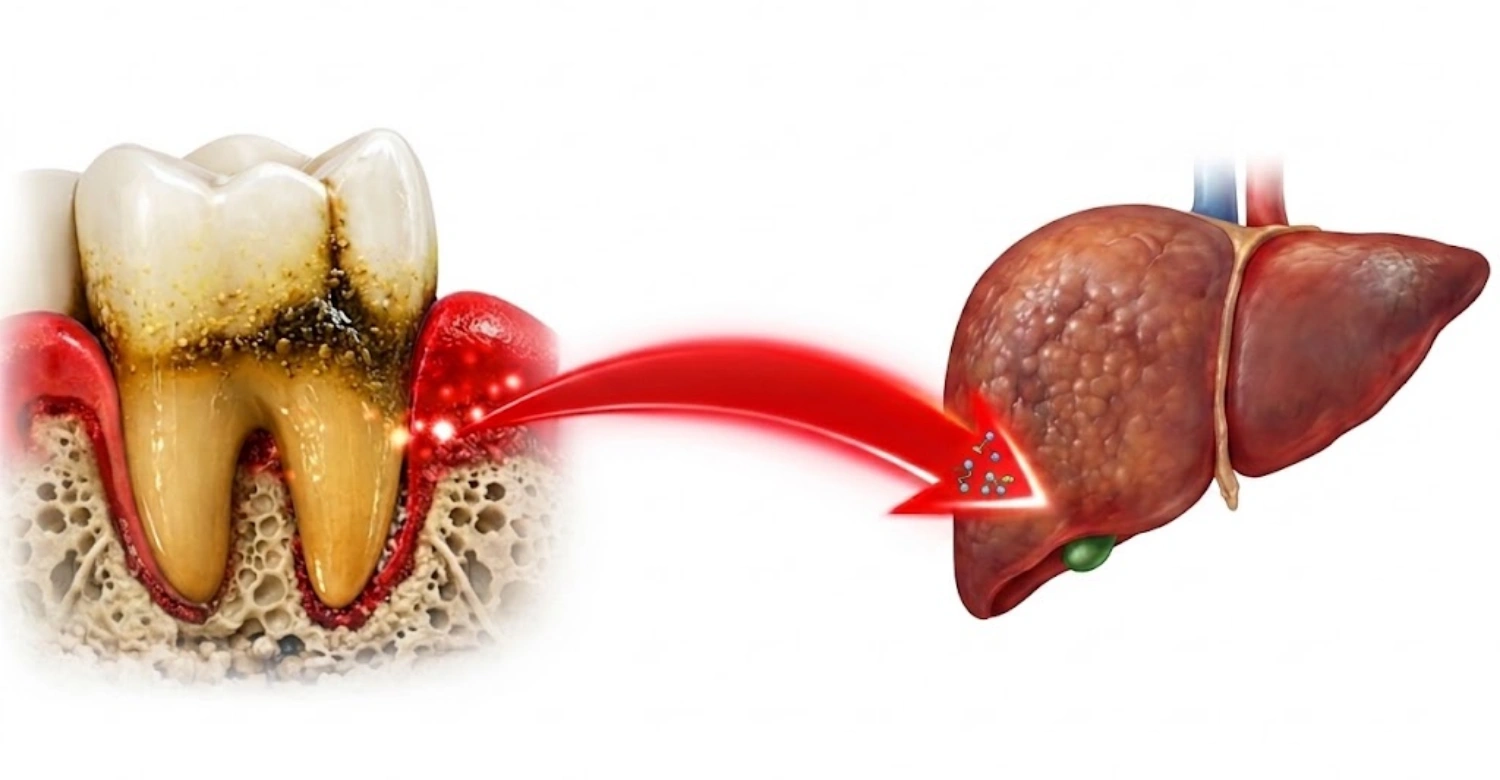
Bacteria and inflammatory byproducts from an untreated dental infection can enter the bloodstream. From there, they travel throughout the body. The liver plays a central role in filtering these substances. Understanding this filtering process is the starting point for exploring the connection. It does not mean every toothache affects liver function.
Can a Dental Infection Affect Your Liver?
In serious, spreading cases, yes. Significant oral infections can add to the body's overall inflammatory load. The liver helps process this load. Still, this outcome is not established for most routine infections. Other explanations should always be considered first.
How Does a Tooth Infection Spread Through the Body?
A tooth infection typically spreads in stages, starting locally before becoming systemic. The liver connection becomes relevant only in the later stage. First, bacteria move from the tooth into the gum, jawbone, and surrounding facial tissue. This causes swelling and pain. If left untreated, bacteria can then escape into the bloodstream. This triggers a systemic inflammatory response: fever, fatigue, and occasionally mild changes in liver-related blood markers, including a temporary rise in liver enzymes.
Local Spread of Dental Infection
An untreated tooth infection typically spreads first into nearby gum tissue. From there, it can reach the jawbone and surrounding facial structures. This local spread often causes swelling, tenderness, and pain before any systemic symptoms appear. That is why early dental treatment matters. It helps contain any potential liver-related complications before they can develop.
Systemic Effects of Severe Dental Infection
When bacteria escape the local site and enter circulation, the liver-enzyme question becomes more relevant. Severe, spreading infections can trigger fever and fatigue. They can also cause a measurable inflammatory response. This response occasionally includes mild, temporary changes in liver-related blood markers. Top recommendations for Breastfeeding And Teeth
Tooth Infection and Liver Problems: Is There a Connection?
Yes, in a limited, general sense. Chronic gum disease research points to periodontitis as a modest risk factor for liver conditions over time. An isolated abscess is different. It mainly causes short-lived inflammatory changes rather than lasting liver problems. The sections below explore this distinction in more detail.
Can Tooth Infection Cause Elevated Liver Enzymes?
Research increasingly links chronic gum disease with liver enzyme changes, but only in a general, non-tooth-specific way. Studies on periodontitis and conditions like metabolic dysfunction-associated steatotic liver disease point to a modest risk. Oral bacteria and ongoing inflammation may raise liver disease risk over time. This risk is separate from any single infected tooth.
Tooth Infection Liver Problems and Systemic Inflammation
Chronic, low-grade oral infection keeps the immune system persistently activated. Over years, this sustained inflammatory state raises the broader liver-enzyme question. However, shared lifestyle factors also play a strong role. Diet, smoking, and metabolic health influence both oral and liver outcomes.
Tooth Abscess and Liver Problems
A single acute abscess is different from chronic periodontitis. Tooth abscesses and liver problems are not typically directly linked. Still, the underlying question applies here too. A severe abscess left untreated can cause a temporary inflammatory spike. This may include a brief, usually reversible change in liver enzyme readings. Comprehensive summary of Vitamin D And Dental Health
How Can a Dental Infection Affect Liver Health?
A dental infection can affect liver health indirectly. Bacteria and inflammatory signals travel through the bloodstream. The liver helps filter and process them. This is the mechanism behind most discussions on this topic, rather than any direct, tooth-specific damage to liver tissue itself.
Dental Infection and Liver Health
The relationship between dental infection and liver health is best understood as indirect. Oral bacteria and inflammatory molecules can reach the liver through the bloodstream. This is the clearest explanation for the occasional connection. The liver's response to these substances may sometimes show up in routine blood test results.
Oral Infection and Liver Health
Awareness of oral and liver health matters. The mouth is a common entry point for bacteria into systemic circulation. Consistent oral hygiene and prompt treatment of infections reduce the ongoing bacterial and inflammatory burden. This benefits the rest of the body, including the liver.
Can an Oral Infection Cause Abnormal Blood Tests?
Yes, in some cases. But the outcome on any specific test depends on many variables. Abnormal blood tests after an oral infection should prompt a broader medical review. This review should cover medications, alcohol use, viral hepatitis, and metabolic conditions, not just an assumption about the tooth. All details related to Water And Oral Health
What Other Conditions Can Cause Elevated Liver Enzymes?
Fatty liver disease, viral hepatitis, medications, alcohol use, and other infections are all far more common explanations for abnormal results than a dental source. Before jumping to a dental explanation, these more likely causes should be ruled out through proper testing.
Common Causes of Elevated Liver Enzymes
Elevated liver enzymes are common and rarely caused by dental issues alone. Doctors typically screen for fatty liver disease, viral hepatitis, medication effects, alcohol use, and other infections first. These are far more frequent explanations.
Fatty Liver Disease
Fatty liver disease, including metabolic dysfunction-associated steatotic liver disease, is one of the most common causes of mildly elevated liver enzymes worldwide. It's often linked to obesity, insulin resistance, and diet. Interestingly, it shares some risk overlap with chronic gum disease through shared inflammatory and metabolic pathways.
Viral Hepatitis
Hepatitis A, B, and C viruses directly infect liver cells and are classic causes of elevated liver enzymes. Testing for viral hepatitis is a standard step whenever abnormal liver labs are found. It is far more likely to explain elevated results than an isolated dental issue.
Medications and Supplements
Many common medications and even over-the-counter supplements can raise liver enzymes as a side effect. Pain relievers, certain antibiotics, cholesterol medications, and herbal supplements are frequently reviewed by physicians when liver enzyme levels come back abnormal. This review happens well before a dental cause is considered.
Alcohol Consumption
Regular or heavy alcohol use is a well-documented cause of elevated liver enzymes. It can lead to progressive liver damage over time. Clinicians typically ask about alcohol intake early in any liver enzyme workup, since it remains one of the most common contributing factors overall.
Other Infections and Medical Conditions
Beyond dental sources, systemic infections, autoimmune liver conditions, gallbladder disease, and metabolic disorders can all raise liver enzymes. Elevated liver enzymes should never automatically be attributed to a dental infection. Many other, often more likely, medical explanations exist and deserve evaluation. Medical clarification of Artificial Intelligence In Dentistry
What Are the Symptoms of a Tooth Infection That May Need Urgent Treatment?
Persistent pain, facial swelling, fever, pus, and difficulty swallowing or breathing all signal a dental infection that needs urgent care. These are also the symptoms most likely to accompany the rare cases where liver enzymes become a genuine clinical concern.
Toothache and Persistent Dental Pain
Persistent, worsening tooth pain is often the earliest sign of a dental infection. This includes pain that throbs, disrupts sleep, or intensifies with hot or cold exposure. Unresolved pain can signal a spreading infection, which is when the liver-enzyme question becomes fair to ask. Pain that doesn't improve within a day or two should prompt a dental visit.
Swollen Gums or Face
Swelling around the gums, jaw, or face suggests the infection has spread beyond the tooth itself. Facial swelling can progress quickly in some cases. Noticeable puffiness, warmth, or tenderness in these areas signals that professional dental evaluation is needed promptly.
Fever and Chills
A fever accompanying a toothache indicates the body is mounting a systemic immune response to infection. Fever and chills alongside dental pain suggest the infection may be spreading. This is exactly the scenario linked to liver enzyme changes. It warrants urgent dental or medical attention rather than waiting it out.
Pus or a Bad Taste in the Mouth
Drainage of pus, a persistent foul taste, or bad breath that won't resolve with brushing often points to an active dental abscess. This discharge is a sign of active infection. It should prompt dental evaluation for drainage and definitive treatment.
Difficulty Swallowing or Breathing
Difficulty swallowing or breathing, rapidly increasing facial or neck swelling, or severe systemic illness alongside a tooth infection are emergency warning signs. These symptoms suggest the infection may be compromising the airway. They require immediate emergency medical attention, not routine dental scheduling. Expert guidelines for Dental Tourism Holidays
How Is a Tooth Infection Diagnosed?
Diagnosis relies on clinical examination, X-rays, and checking for abscess formation. Blood tests are added only when systemic symptoms appear. Blood work is where liver-enzyme questions are actually investigated, rather than assumed from the dental exam alone.
Dental Examination
A thorough clinical examination is the first diagnostic step. It checks for visible decay, swelling, tenderness, and signs of pus or drainage. The dentist will also test the tooth's sensitivity to temperature and pressure to help pinpoint the exact source of infection.
Dental X-Rays and Imaging
X-rays help visualize infection that isn't visible during a clinical exam. This includes bone loss around the tooth root or abscess formation. Imaging is essential for confirming the extent of a dental infection and planning the most appropriate treatment approach.
Checking for a Dental Abscess
Dentists check for a dental abscess by examining for localized swelling, pus pockets, and tenderness upon percussion of the tooth. Confirming an abscess early also helps limit systemic risk. Prompt treatment prevents the infection from progressing to a systemic stage.
When Blood Tests May Be Recommended
Blood tests are generally reserved for patients showing systemic symptoms. These include fever, spreading swelling, or signs of illness beyond the mouth. In these cases, liver enzymes may be checked as part of a broader medical workup alongside standard infection markers.
How Is a Tooth Infection Treated?
Treatment options include root canal therapy, abscess drainage, extraction, and antibiotics when systemic signs are present. Removing the infection source is the most direct way to address any related inflammation, rather than relying on medication alone.
Root Canal Treatment
Root canal treatment removes infected pulp tissue from inside the tooth. It preserves the natural tooth structure whenever possible. This procedure eliminates the source of infection, relieves pain, and allows the tooth to be restored and function normally afterward.
Dental Abscess Treatment
Treating a dental abscess typically involves draining the accumulated pus. This relieves pressure and reduces bacterial load. Definitive treatment of the underlying tooth follows. Prompt drainage combined with appropriate dental care helps prevent the infection from spreading further into surrounding tissue.
Tooth Extraction
When a tooth is too damaged or infected to be reliably saved, extraction may be the recommended option. Removing the source of infection entirely can resolve associated pain and swelling. It also prevents the infection from persisting or spreading further.
Antibiotics for Dental Infection
Antibiotics may be prescribed when there are signs of spreading infection, fever, or systemic illness. These are the same circumstances in which people start wondering about liver enzymes. However, antibiotics are not a substitute for definitive dental treatment like drainage, root canal therapy, or extraction.
Can Treating a Tooth Infection Improve Elevated Liver Enzymes?
Sometimes, yes. If a dental infection was contributing to inflammation, treating it can allow related markers to normalize. But this question has many possible answers. Enzymes that stay elevated after treatment point to a separate underlying cause needing medical follow-up.
Treating the Source of Infection
Eliminating the dental source of infection removes one possible contributor to systemic inflammation. If a tooth infection was contributing to elevated liver enzymes, resolving it through proper dental treatment may help. Inflammatory markers, including liver enzymes, may return toward normal over time.
When Liver Enzymes Need Further Investigation
If liver enzymes remain elevated after the dental infection has been fully treated, further medical investigation is necessary. This is a strong sign that the tooth was not the full explanation. Persistently abnormal results suggest another underlying cause, such as fatty liver disease, hepatitis, or medication effects. Comprehensive look at Cheese For Teeth
Vitrin Clinic: Dental Care for Tooth Infections and Overall Oral Health
Vitrin Clinic evaluates and treats tooth infections at their source, from routine decay to abscesses that carry systemic risk. While the clinic focuses on dental care, it also guides patients who are unsure whether this connection applies to their situation toward the right next steps.
How Vitrin Clinic Evaluates Dental Infections
Vitrin Clinic conducts a comprehensive assessment of dental pain, swelling, and suspected abscesses. This combines clinical examination with imaging when needed. This thorough evaluation helps determine the extent of the infection and the most effective, tooth-preserving treatment path for each patient.
Personalized Treatment at Vitrin Clinic
Depending on the condition of the affected tooth, Vitrin Clinic may recommend root canal treatment, restorative dentistry, or extraction. Every treatment plan is tailored to the individual case. It balances the goal of saving the natural tooth with resolving the infection effectively.
Vitrin Clinic and Preventive Oral Health
Vitrin Clinic emphasizes early detection and prevention as central to long-term oral health. Regular checkups, professional cleanings, and prompt treatment of small issues help prevent infections from progressing. This keeps the infection from reaching the point where broader liver-health concerns even become relevant.
What We Notice Clinically
At Vitrin Clinic, patients sometimes assume that an abnormal liver enzyme result must be caused by a dental infection. Dr. Rifat Alsaman, Head of the Medical Team at Vitrin Clinic and a cosmetic dentist, takes a different approach. He evaluates the dental infection on its own merits. He also encourages patients to pursue a broader medical workup, rather than assuming the tooth is automatically the answer.
Clinical Note
A tooth infection should be evaluated promptly, especially with swelling, fever, pus, or worsening pain. The liver-enzyme question also deserves appropriate medical evaluation, since elevated enzymes can stem from many causes. Both dental treatment and medical assessment may be necessary, depending on the patient's full symptom picture.
Tips for the Patients
Do not ignore persistent tooth pain or swelling.
Seek dental care if you suspect a tooth abscess.
Do not assume elevated liver enzymes are caused by a dental infection.
Tell your dentist about relevant medical conditions and medications.
Follow the prescribed dental treatment plan.
Complete antibiotics exactly as directed when they are prescribed.
Follow up on persistently abnormal liver enzyme results with a healthcare professional.
Maintain regular dental checkups and good oral hygiene.
Resource:
A tooth infection can rarely contribute to systemic complications that affect the liver. This is particularly true when bacteria spread beyond the oral cavity. A 2025 case report documented a liver abscess caused by Klebsiella pneumoniae, originating from a peri-implant abscess. It highlights the importance of treating persistent dental infections promptly. However, elevated liver enzymes have many possible causes. They should not automatically be attributed to a tooth infection.
https://pmc.ncbi.nlm.nih.gov/articles/PMC12609200/
FAQs
Dr. Rifat Alsaman has more than 5 years of clinical experience in dentistry and currently serves as the Head of the Medical Team at Vitrin Clinic. He is dedicated to providing exceptional patient care, overseeing treatment planning, and ensuring the highest clinical standards across the team. His expertise, attention to detail, and commitment to continuous professional development have helped countless patients achieve healthier, more confident smiles.


