General Dentistry
September 22, 2026
Tetanus Lockjaw: Symptoms, Causes, Trismus, and When to Seek Care?
 Dr. Rifat Alsaman
Tetanus lockjaw can be one of the most recognizable signs of tetanus, a serious bacterial infection that affects the nervous system. The toxin makes muscles stiff, so opening the mouth becomes difficult. However, "lockjaw" can also describe trismus caused by dental, muscular, or neurological conditions. This article explains how to distinguish lockjaw tetanus from other causes. It also shows when urgent medical assessment is necessary. Not every case of restricted mouth opening is tetanus, so context matters. Read on to understand the symptoms, causes, and safe next steps.
What is lockjaw disease?
Lockjaw is commonly used to describe tetanus, a serious bacterial infection that causes painful muscle stiffness and spasms, often beginning in the jaw. However, the term can also describe trismus, which means difficulty opening the mouth and may result from dental infections, jaw joint disorders, injuries, or other medical conditions. These problems are not all tetanus, and they do not have the same treatment. Because suspected tetanus can be life-threatening, jaw stiffness accompanied by muscle spasms, difficulty swallowing, or a recent contaminated wound requires urgent medical assessment. This guide explains what lockjaw disease means, its causes and symptoms, how it is diagnosed, and when to seek care.
Tetanus Lockjaw: What Does It Mean?
Tetanus lockjaw means the jaw muscles become stiff or contract involuntarily because of tetanus. The infection is caused by neurotoxins produced by Clostridium tetani. These toxins disturb normal nerve control and lead to muscle rigidity. As a result, the mouth becomes hard to open. Jaw muscles may stay tight even at rest. Tetanus lockjaw trismus is therefore a clinical manifestation, not a separate disease. Understanding this link helps patients see why lockjaw from tetanus deserves prompt medical attention instead of waiting.
What Is Trismus?
Trismus is the medical and dental term for restricted mouth opening. Normal opening allows comfortable eating, speaking, and dental care. In trismus, jaw movement is limited, and the range differs from person to person. For that reason, no single measurement should be treated as diagnostic. Many conditions can cause it, including infection, trauma, inflammation, medications, temporomandibular disorders, and neurological conditions. Tetanus is only one possibility among many. A clinician must assess the full picture carefully before naming a cause.
Why Is Tetanus Called Lockjaw?
Why is tetanus called lockjaw? The nickname is historical and widely used in medicine. Early physicians noticed that patients could not open their mouths, as if the jaw were locked. Sustained contraction of the jaw muscles makes opening increasingly difficult. Still, lockjaw is a symptom, not another name for the bacteria. The bacteria is Clostridium tetani, while lockjaw describes what the toxin does to the muscles. The term remains common because jaw stiffness is often one of the first noticeable signs.
Find out why your mouth may suddenly produce so much saliva
Can Tetanus Cause Lockjaw?
Yes, tetanus can cause lockjaw. The toxin, called tetanospasmin, interferes with normal inhibitory nerve signaling. Without these braking signals, muscles stay tense and may spasm. This neurological effect explains muscle rigidity. Jaw stiffness often appears among the early recognizable manifestations of generalized tetanus. It differs from ordinary jaw soreness after dental treatment or long mouth opening. Tetanus stiffness is progressive and may come with other muscle symptoms. So the question "can tetanus cause lockjaw" has a clear medical answer.
Does Tetanus Cause Lockjaw in Every Case?
Does tetanus cause lockjaw in every case? No, because clinical presentations vary. Localized tetanus affects muscles near the wound. Generalized tetanus is the most common form and often involves the jaw. Cephalic tetanus follows head or facial wounds, and other forms exist. Stiffness may begin near the wound or spread widely. The absence of obvious lockjaw does not rule out tetanus. Nobody should wait for lockjaw before seeking care. Any concerning wound with muscle symptoms deserves prompt medical advice.
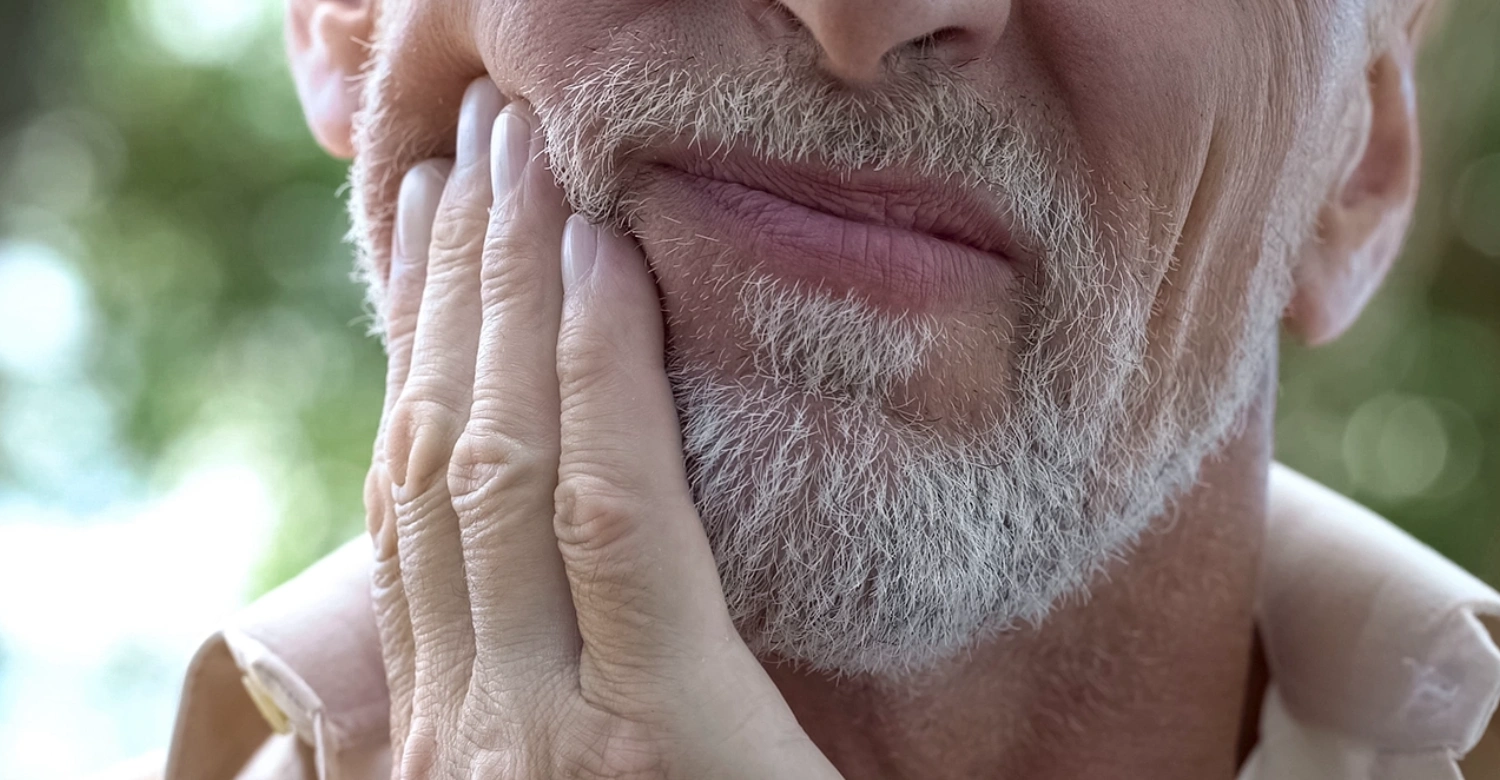
Note: All images used are for editorial and illustrative purposes only and may not originate from the original news provider or associated company.
Explore pneumococcal disease and oral health
Tetanus Lockjaw Symptoms to Recognize
Tetanus lockjaw symptoms rarely stay in the jaw alone. Early signs can begin with stiffness and then spread to other muscle groups. Recognizing the major patterns helps you act quickly and calmly. Symptoms may progress from mild tightness to painful spasms and swallowing trouble over time. Because progression can be rapid, any suspected case requires urgent medical evaluation. The sections below separate early signs, jaw-specific signs, and severe warning signs. Use them as awareness guides, not as tools for self-diagnosis.
Early Symptoms of Tetanus
Early tetanus symptoms often include jaw stiffness or difficulty opening the mouth. Other signs are general muscle stiffness, painful muscle spasms, and trouble swallowing. Neck stiffness and abdominal muscle rigidity may follow. Fever or sweating can also occur. Symptoms of lockjaw tetanus vary between patients, so they should be assessed in context. Each of these signs can have other causes. A single sign does not confirm the disease. However, a combination of these signs after a wound needs prompt medical attention.
Symptoms of Lockjaw From Tetanus
Symptoms of lockjaw from tetanus include difficulty opening the mouth and tight, stiff jaw muscles. Patients may feel pain or discomfort when trying to open wide. Muscle rigidity often increases over time. Speaking or swallowing may become difficult. Still, isolated jaw tightness is not enough to diagnose tetanus. Dental infection or joint problems can look similar. The pattern, progression, and accompanying symptoms guide the assessment. Timing after a wound is an important clue. When in doubt, ask a medical professional early.
Severe Tetanus Symptoms
Severe tetanus can cause generalized muscle spasms and widespread rigidity. Swallowing may become very difficult. Breathing difficulties can develop when the muscles used for respiration are affected. Autonomic disturbances, such as unstable heart rate or blood pressure, may also appear. These symptoms are dangerous. They require emergency medical care without any delay. Patients at this stage often need intensive monitoring in a hospital. Do not wait to see whether they improve. Early hospital treatment helps prevent serious complications and supports recovery.
Tips for Patients
Keep your tetanus vaccination up to date.
Clean wounds properly and seek medical advice for high-risk wounds, especially if your vaccination history is uncertain.
Do not ignore unexplained or progressive jaw stiffness.
Do not assume that every case of lockjaw is dental.
Tell your dentist about recent injuries, surgeries, medications, and relevant medical treatment.
Seek urgent medical care if jaw stiffness occurs with muscle spasms, difficulty swallowing, or breathing problems.
Discover more about fixed dentures cost in TurkeyActing early can help support the right diagnosis and timely care.
How Does Tetanus Lead to Lockjaw?
Tetanus leads to lockjaw through a sequence of events. Bacterial spores enter the body through damaged tissue. Under the right conditions, they grow and release toxin. The toxin travels through the nervous system and disrupts muscle control. Jaw muscles often tighten first, producing lockjaw from tetanus. Each step depends on wound type and vaccination status. The next sections explain the wound stage, the toxin's effect, and why the jaw is commonly involved. Understanding this chain makes prevention easier to grasp.
From Wound Exposure to Tetanus Infection
Clostridium tetani spores live in soil, dust, and animal waste. They can enter damaged tissue through cuts, punctures, burns, or other wounds. Deep, dirty wounds with little oxygen create favorable conditions for bacterial growth. That is why wound characteristics matter. Vaccination status matters too, because immunity can prevent the toxin from causing disease. A small wound can still carry risk. Even a minor injury, such as a splinter, deserves attention. Therefore, doctors ask about both the injury and your vaccination history.
How the Tetanus Toxin Affects Muscles
Tetanospasmin is the toxin responsible for the symptoms. In simple terms, it blocks the nerve signals that tell muscles to relax. It can spread well beyond the wound site. Normally, inhibitory neurotransmission balances muscle activity. When that balance fails, muscles receive constant activation. This causes involuntary contraction and rigidity. Painful spasms may follow, sometimes triggered by noise or touch. The effect is neurological, not a local infection of the muscle itself. This mechanism explains why tetanus produces such striking stiffness.
Why the Jaw Is Often Affected
Jaw involvement is clinically significant because it often appears early. The toxin tends to affect muscles with shorter nerve pathways first, so facial and jaw muscles often show signs before other areas. The chewing muscles are strong and constantly active. When they contract without relaxing, the mouth cannot open normally. This produces the characteristic lockjaw presentation. Recognizing early jaw involvement can prompt faster and safer medical assessment. It is a warning sign worth taking seriously, especially after a wound.
Learn how eating before bed can affect oral health
Is Every Case of Trismus Tetanus Lockjaw?
No. Tetanus lockjaw is only one possible cause of limited mouth opening. Dental infections, surgery, joint disorders, and injuries are far more common. This is why differential diagnosis matters. A clinician compares the onset, progression, wound history, and other symptoms. Restricted opening without spasms or a recent wound points elsewhere. Still, uncertainty should lead to medical advice, not guesswork. Recognizing the difference protects patients from both delay and unnecessary panic. The sections below outline the most frequent causes.
Dental and Oral Causes of Trismus
Several dental problems can restrict mouth opening. Dental abscesses and deep oral infections cause swelling that limits jaw movement. Pericoronitis, inflammation around a partly erupted wisdom tooth, is a frequent example. Postoperative inflammation after extractions or oral surgery can also tighten the jaw. Trauma and severe inflammation around the jaw may have the same effect. Oral or facial infections can spread to chewing muscles. Pain, swelling, or fever often accompany these problems. A dental examination usually identifies these causes.
Other Causes of Restricted Mouth Opening
Not every case is dental. Temporomandibular disorders affect the jaw joint and surrounding muscles. Muscle injury or overuse, such as clenching, can limit movement. Some medication-related reactions cause muscle stiffness. Neurological disorders and head and neck conditions may also reduce mouth opening. Each cause needs different care. Therefore, the cause should be identified before treatment begins. Many of these causes are treatable once they are correctly identified. A careful history and examination remain the foundation of a safe assessment.
When the Cause Requires Medical Rather Than Routine Dental Assessment
Suspected tetanus should not be managed as an ordinary dental complaint. It is a systemic infection that affects the nervous system. Dental treatment cannot stop the toxin's effects. When jaw stiffness appears with a wound, spasms, or swallowing trouble, urgent medical evaluation is essential. A hospital can provide immune globulin, spasm control, and breathing support. Time is very important in these cases. Waiting for a dental appointment may delay lifesaving care. Medical assessment should always come first in these situations.
Find out about leptomeningeal disease and oral health
When Is Tetanus Lockjaw an Emergency?
Tetanus lockjaw is an emergency whenever tetanus is suspected, and urgent medical assessment is needed. The concern rises when jaw stiffness appears with a recent wound, or with an unknown or incomplete vaccination history. Muscle spasms, difficulty swallowing, neck or abdominal rigidity, and breathing difficulty raise it further. Progression can become dangerous quickly, because spasms may affect breathing. Do not wait for dental treatment. Even mild symptoms after a wound deserve an early medical opinion. Go to emergency care instead.
What Should Patients Do While Seeking Medical Care?
Do not try to force the jaw open, because this can cause pain or injury. Do not self-diagnose tetanus lockjaw based only on trismus. Tell healthcare professionals about any recent wounds and your vaccination history. Seek emergency care right away when symptoms suggest tetanus or severe muscle spasms. Bring your vaccination record if you have it. Ask someone to travel with you if possible. Clear information helps the medical team act quickly. Follow the medical team's instructions carefully once you arrive.
Explore the role of polyphenols in oral health
How Is Tetanus Diagnosed and Treated?
Tetanus diagnosis is primarily clinical. A doctor evaluates symptoms, wound history, and vaccination status. Laboratory tests often cannot confirm tetanus, so doctors rely on careful examination. Other similar conditions are ruled out first. Dental imaging does not diagnose tetanus, although it may help exclude dental causes. Treatment is managed medically and often requires hospital care. Patients with suspected tetanus need close monitoring because symptoms can worsen quickly. Early treatment is essential. The next sections explain medical management and the dentist's role.
Medical Management of Tetanus
Medical management may include tetanus immune globulin when clinically indicated. Doctors clean and manage the wound. Antibiotic therapy may be used when indicated. Medications help control muscle spasms and rigidity. Severe cases can require respiratory support in intensive care. Vaccination is also part of management, because tetanus infection does not reliably provide immunity. Treatment plans depend on severity and are always decided by the medical team. Each measure targets a different part of the illness. Self-treatment at home is not safe.
What Is the Dentist’s Role?
A dentist should recognize symptoms of tetanus lockjaw that may suggest a medical emergency. When appropriate, the dentist assesses oral and dental causes of restricted opening. Emergency referral must never be delayed. If tetanus is suspected, the patient goes to medical care first. After the patient's condition is stabilized, dental care can be coordinated. The dentist can then address remaining jaw or oral problems. Good communication between dentists and doctors makes referral faster and safer. This teamwork protects both general health and oral health.
Discover the causes and effects of tooth erosion
Can Dental Treatment Cause Temporary Trismus?
Yes, dental treatment can cause temporary trismus. Prolonged mouth opening during long procedures can tire the jaw muscles. Local inflammation, injection-related muscle irritation, and oral surgery may also limit movement. This stiffness usually improves gradually. It differs from the progressive neurological rigidity seen in tetanus, which comes with spasms and other body symptoms. Still, symptoms must be interpreted according to your medical history and clinical presentation. Contact your dentist if stiffness worsens or does not improve within a few days.
Clinical Note
Trismus is a clinical sign, not a diagnosis. Clinicians must distinguish tetanus lockjaw from dental infection, postoperative trismus, temporomandibular disorders, and other causes. Vaccination and wound history can strongly influence clinical decisions. A recent puncture wound with uncertain vaccination changes the level of concern. Suspected tetanus should be assessed urgently by medical professionals. It should never be treated solely as a dental condition. Clear communication about recent injuries helps clinicians decide quickly. This principle guides safe and responsible care.
Learn about tooth agenesis and missing teeth
What We Notice Clinically
Dr. Rifat Alsaman, Head of the Medical Team at Vitrin Clinic and a cosmetic dentist, emphasizes that restricted mouth opening should be understood in its clinical context. A dentist should consider onset, progression, recent dental procedures, trauma, infection symptoms, and medical history. Where tetanus lockjaw is suspected, his approach is to recognize the medical urgency and ensure medical evaluation. Cosmetic or restorative treatment should never take priority over an unresolved emergency. Once the medical concern is managed, dental assessment can address remaining problems.
Prevention: Reducing the Risk of Tetanus Lockjaw
Prevention is the best way to avoid tetanus lockjaw. Vaccination, good wound care, and early attention to symptoms all reduce risk. These habits are simple and widely available. Each habit takes little time but offers strong protection over the years. Tetanus is preventable, yet it remains dangerous when it develops. Taking three steps seriously lowers the chance of complications. The following sections explain each step clearly. Share them with family members, especially those who work outdoors or travel often.
Keep Tetanus Vaccination Up to Date
Routine tetanus vaccination is the foundation of preventing tetanus lockjaw. Booster recommendations depend on your vaccination history and the characteristics of any wound. Some people need boosters at regular intervals, while others need one after a specific injury. If you are unsure of your status, consult a healthcare professional. They can check your records and advise you. Adults need boosters too, because protection can fade over time. Do not guess. Keeping a copy of your vaccination record makes future decisions easier.
Take Wound Care Seriously
Clean wounds promptly with clean running water and mild soap. Rinse the wound for several minutes, then cover it with a clean dressing. Seek professional medical advice for deep, contaminated, puncture, or otherwise high-risk wounds. Wound management and vaccination assessment work together against tetanus lockjaw. Cleaning removes dirt and spores, while vaccination status determines whether a booster or immune globulin is needed. A small wound can still be risky if it is dirty. When in doubt, ask a medical professional the same day.
Recognize Symptoms Early
Progressive jaw stiffness with other neurological or muscular symptoms warrants urgent assessment. Watch for spasms, neck stiffness, swallowing trouble, or abdominal rigidity. Do not wait for the symptoms to become severe. Friends and family can help by quickly noticing changes in speech or chewing. Early evaluation allows faster treatment and reduces the risk of complications. If you notice these signs after a wound, contact emergency services or go to a hospital. Recognizing lockjaw tetanus early may make a critical difference.
Find out more about perioral dermatitis
Clinic and Individualized Dental Assessment
Vitrin Clinic offers individualized assessment for dental and oral concerns. Vitrin Clinic does not treat tetanus, because suspected tetanus requires medical care. Once urgent medical causes are addressed, our team evaluates persistent trismus through clinical examination, dental and medical history, jaw function, and oral infection assessment. CBCT or 3D imaging is used when clinically indicated, and intraoral scanning may support restorative or cosmetic planning. Dr. Rifat Alsaman, Head of the Medical Team at Vitrin Clinic and a cosmetic dentist, leads individualized planning. Book a consultation today.
Explore carbamide peroxide dental solutions
References:
FAQs
Dr. Rifat Alsaman has more than 5 years of clinical experience in dentistry and currently serves as the Head of the Medical Team at Vitrin Clinic. He is dedicated to providing exceptional patient care, overseeing treatment planning, and ensuring the highest clinical standards across the team. His expertise, attention to detail, and commitment to continuous professional development have helped countless patients achieve healthier, more confident smiles.


.webp&w=3840&q=75)


