
Understanding the Mechanics: Can I Eat with Orthodontic Wax in My Mouth?
Navigating the early stages of orthodontic treatment comes with a unique learning curve. For many patients, the introduction of brackets, wires, and bands can cause significant friction against the delicate inner lining of the lips, cheeks, and gums. This is where dental wax becomes an essential tool. However, a highly frequent question that arises during the initial adjustment period is: can I eat with orthodontic wax in my mouth?
Technically speaking, you can physically chew and swallow food while dental wax is resting on your brackets, but from a clinical standpoint, doing so is highly discouraged. Orthodontic wax is explicitly designed to act as a smooth, temporary buffer between the sharp components of your braces and the soft tissues of your mouth. It is not formulated to withstand the rigorous mechanics of mastication (chewing). Understanding how wax interacts with food, the oral environment, and your overall appliance hygiene is essential for anyone undergoing teeth alignment treatments.
At Vitrin Clinic, we emphasize that while orthodontic wax is entirely non-toxic and safe if accidentally ingested, leaving it in place during a meal introduces several oral hygiene and functional challenges. The mechanical force of chewing pushes food particles into the pliable wax structure, turning the protective barrier into a trap for debris and bacteria. Therefore, the short answer to the question can I eat with orthodontic wax in my mouth is that you should proactively remove the wax before sitting down for a meal, and then reapply a fresh layer once your teeth are thoroughly cleaned.
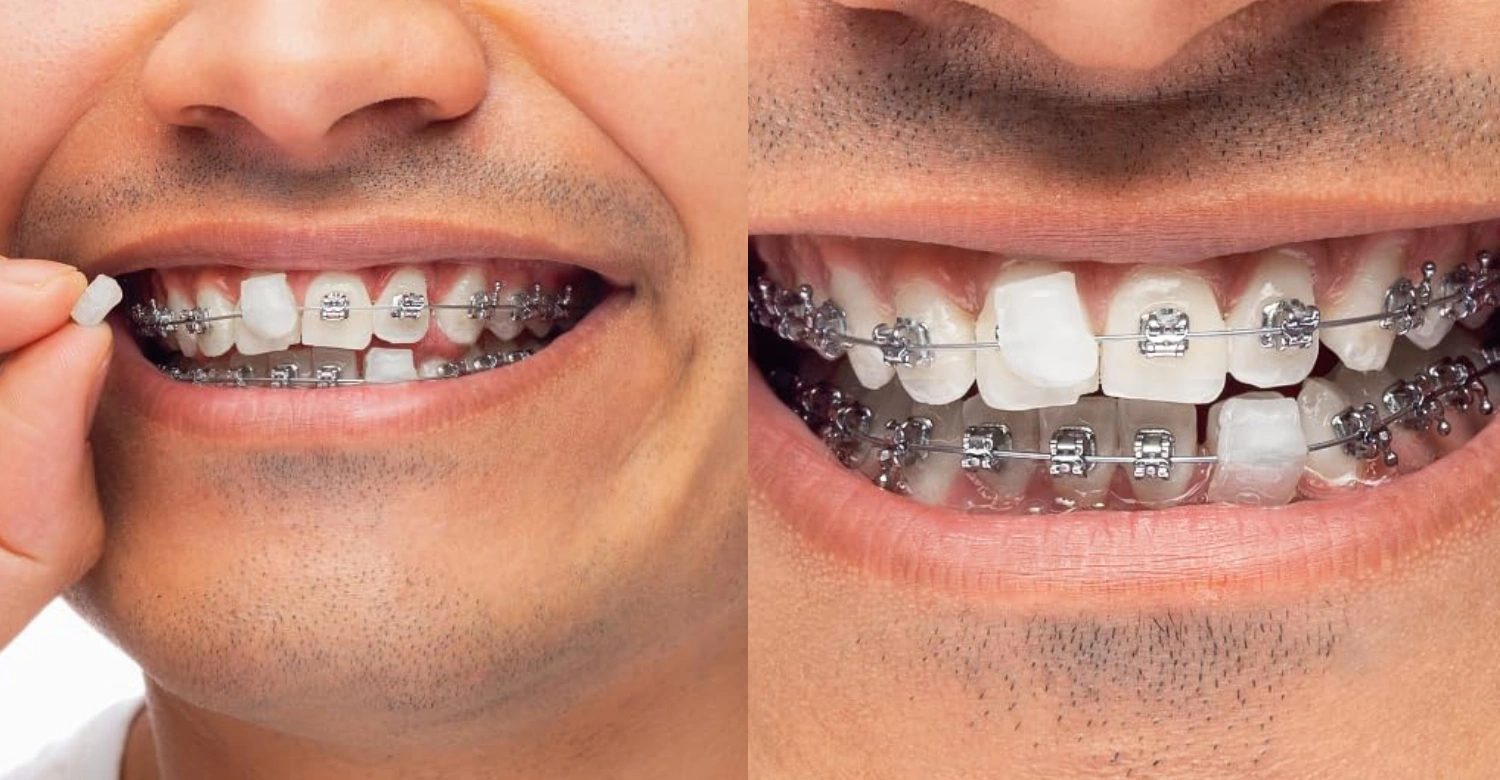
Why Eating with Orthodontic Wax is Discouraged
To understand why keeping wax in place during meals is problematic, it helps to examine the physical characteristics of the material and how it interacts with the oral cavity.
1. Retention of Food Debris and Plaque Accumulation
Orthodontic wax is highly malleable and sticky by nature. When you chew food with the wax still attached to your braces, particles from your meal easily embed themselves directly into the wax. Once food becomes trapped within or beneath the wax layer, it creates an ideal breeding ground for harmful oral bacteria. This significantly elevates the risk of localized plaque accumulation, which can eventually lead to enamel demineralization, white spot lesions, and accelerated tooth decay around the brackets.
2. Dislodgement and Accidental Swallowing
The structural integrity of orthodontic wax is easily compromised by the physical movement of the jaw and the abrasive texture of food. As you chew, the friction causes the wax to crumble, loosen, and detach from the metal brackets. This leads to the inevitable swallowing of the wax along with your food. While medical-grade wax is harmless in small quantities, swallowing large clumps regularly is not ideal for digestive health.
3. Reduced Structural Effectiveness
Once a piece of wax has been chewed on, it loses its smooth surface contour and its ability to adhere firmly to the brackets. Instead of providing relief, the compromised wax can become misshapen, exposing the sharp metal underneath and defeating the entire purpose of its application.
How to Handle Meals with Wax
To maintain optimal oral hygiene and preserve the health of your teeth during orthodontic treatment, a specific protocol should be followed before and after every meal.
Step 1: Complete Removal: Before eating any snack or meal, wash your hands thoroughly and use your fingertips to gently peel the wax away from your braces. Discard the used wax immediately; never attempt to reuse a piece that has already been in your mouth.
Step 2: Clean the Brackets: Ensure that no residual wax film remains on the wire or bracket, as this can still attract food particles during the meal.
Step 3: Enjoy Your Meal Safely: Eat your food freely without the risk of swallowing dental wax or trapping debris. Remember to opt for braces-friendly foods and avoid overly sticky or hard textures.
Step 4: Post-Meal Oral Hygiene: Brush your teeth and clean between the wires using an interdental brush to clear away all food remnants.
Step 5: Reapplication on a Dry Surface: Use a clean tissue or cotton swab to dry the specific bracket causing irritation. Take a small, pea-sized piece of fresh wax, roll it into a ball between your fingers to warm it up, and press it firmly over the dry bracket.
Expert Insight: Dr. Rifat Alsaman Opinion
When addressing patient concerns regarding daily life with orthodontic appliances, expert guidance ensures that treatment progresses smoothly without preventable complications.
According to Dr. Rifat Alsaman, a highly accomplished cosmetics dentist and the esteemed Head of the Medical team at Vitrin Clinic, managing the minor discomforts of braces requires a balance of patient comfort and strict hygiene protocols. When asked about this specific concern, Dr. Rifat Alsaman shared his expert perspective:
"When patients ask can i eat with orthodontic wax in my mouth, I always advise them to take a moment to remove it before eating. As a cosmetics dentist who focuses on preserving the long-term beauty and health of the smile, my primary goal is preventing plaque buildup. Dr. Rifat Alsaman notes that while dental wax is completely non-toxic and safe if a small amount is swallowed, it behaves like a magnet for food particles when subjected to chewing.
Furthermore, Dr. Rifat Alsaman, acting as the Head of the Medical team at Vitrin Clinic, explains that chewing forces easily displace the wax, leaving the underlying tissue vulnerable to the very cuts and sores the patient is trying to avoid. Therefore, Dr. Rifat Alsaman recommends removing the wax before meals, performing a thorough brushing routine afterward, and then applying a clean, fresh piece of wax to a completely dry bracket for maximum adhesion and protection."
Orthodontic Excellence and Care at Vitrin Clinic
Achieving a perfectly aligned, radiant smile requires specialized care, advanced diagnostic tools, and ongoing guidance throughout the treatment journey. At Vitrin Clinic, patients receive comprehensive orthodontic and cosmetic solutions tailored to their unique dental anatomy. The clinic offers world-class amenities, state-of-the-art clear aligner technologies, and premium traditional braces systems designed to minimize discomfort and optimize treatment timelines.
The average cost of orthodontic and cosmetic dental treatments at Vitrin Clinic typically ranges from $2,500 to $4,500, depending on the complexity of the case, the specific type of appliance selected (such as ceramic braces, sapphire brackets, or advanced lingual systems), and the duration of the alignment plan. This investment covers comprehensive diagnostic imaging, personalized treatment design, regular adjustment sessions, and direct oversight by senior medical experts to ensure beautiful, functional, and long-lasting results.
By prioritizing patient education alongside advanced clinical treatment, the medical team ensures that every individual feels confident managing their appliances at home, resulting in a seamless transition to a healthier, more beautiful smile.
References:
FAQs

Dr. Rifat Alsaman has more than 5 years of clinical experience in dentistry and currently serves as the Head of the Medical Team at Vitrin Clinic. He is dedicated to providing exceptional patient care, overseeing treatment planning, and ensuring the highest clinical standards across the team. His expertise, attention to detail, and commitment to continuous professional development have helped countless patients achieve healthier, more confident smiles.


