
Many patients wonder whether wisdom teeth are part of orthodontic care. The short answer is Is Wisdom Teeth Orthodontic? No, wisdom teeth issues and their removal are not orthodontic. They fall under general dentistry or oral surgery. Orthodontics focuses on moving teeth, correcting bites, and adjusting jaw mechanics with braces or aligners. An orthodontist may evaluate your third molars. They check for crowding or alignment issues. However, any active care—like treating pain, managing impactions, or extraction—is a restorative dental procedure.
According to Dr. Rifat Alsaman, Head of the Medical Team at Vitrin Clinic and a cosmetics dentist, wisdom teeth should not automatically be removed. They are not always an orthodontic problem. A complete dental examination, including X-rays and an evaluation of tooth movement, is necessary. This determines whether wisdom teeth affect orthodontic outcomes. This evaluation typically uses the same imaging as in our guide to CT scans for teeth, which helps assess impaction and root position before any decision. Orthodontists also use panoramic radiographs to check impaction, root development, and nerve proximity. They consider the patient’s age, arch length, and treatment goals before recommending extraction or retention.
How do orthodontists evaluate wisdom teeth?
Evaluation typically involves panoramic radiographs to assess impaction, root development, and proximity to the inferior alveolar nerve. The orthodontist considers the patient’s age, arch length, and treatment goals. They then recommend extraction or retention.
Are Wisdom Teeth Removal Part of Orthodontic Treatment?
Wisdom teeth removal is not a standard orthodontic step. Many patients complete braces or aligners without removal. The decision depends on position, jaw space, infection risk, and interference with results.
In some cases, orthodontists recommend extraction before treatment. This happens when wisdom teeth are impacted. Impacted wisdom teeth cannot fully erupt. They may be blocked by bone, gums, or other teeth. They can also make oral hygiene difficult. This increases gum inflammation or decay risk.
Other patients only need monitoring during orthodontic treatment. Regular check-ups determine if the teeth develop normally or cause problems. For patients who smoke and schedule extraction around orthodontic treatment, our guide on smoking with wisdom teeth removed covers safe timing.
Dr. Rifat Alsaman explains that treatment decisions should be personalized. Removing wisdom teeth without a clear reason is not always necessary. Keeping problematic wisdom teeth may affect long-term oral health.
Can Wisdom Teeth Affect Braces or Orthodontic Results?
Wisdom teeth can influence orthodontic treatment. But they are not usually the main cause of crowding after braces. Modern orthodontic planning considers tooth position, jaw structure, growth, and retention methods.
When wisdom teeth are incorrectly positioned, they may create pressure. They can also make hygiene difficult. Removing them may support better oral health and easier orthodontic treatment.
Patients with braces should have regular dental visits. The orthodontist monitors wisdom teeth development. If problems appear, treatment is planned at the right time. Long-term retention after treatment is covered in our guide to retainer vs. braces.
Dr. Rifat Alsaman highlights that successful orthodontic treatment depends on a complete oral evaluation. Wisdom teeth are one factor among many in the treatment plan.
When Should Wisdom Teeth Be Removed During Orthodontic Treatment?
There is no universal timing for wisdom teeth removal. Each patient has different conditions. Some need extraction before braces. Others need it during treatment or after completion.
Wisdom teeth removal may be recommended before orthodontics when:
The wisdom teeth are impacted.
There is not enough space for normal eruption.
They cause pain, swelling, or repeated infections.
They may interfere with planned orthodontic movements.
They create difficulty cleaning surrounding teeth.
They pose risks like cyst formation, tooth resorption, or rare tumor development.
Maintaining hygiene around orthodontic appliances during this period is covered in our guide to braces and oral hygiene.
After orthodontic treatment, some patients still need wisdom teeth monitoring. This prevents future dental problems.
Dr. Rifat Alsaman believes timing is important in dental care. Proper diagnosis avoids unnecessary procedures. It also ensures existing issues are managed before affecting the final orthodontic result. Every extraction decision is weighed against the patient's orthodontic treatment plan.
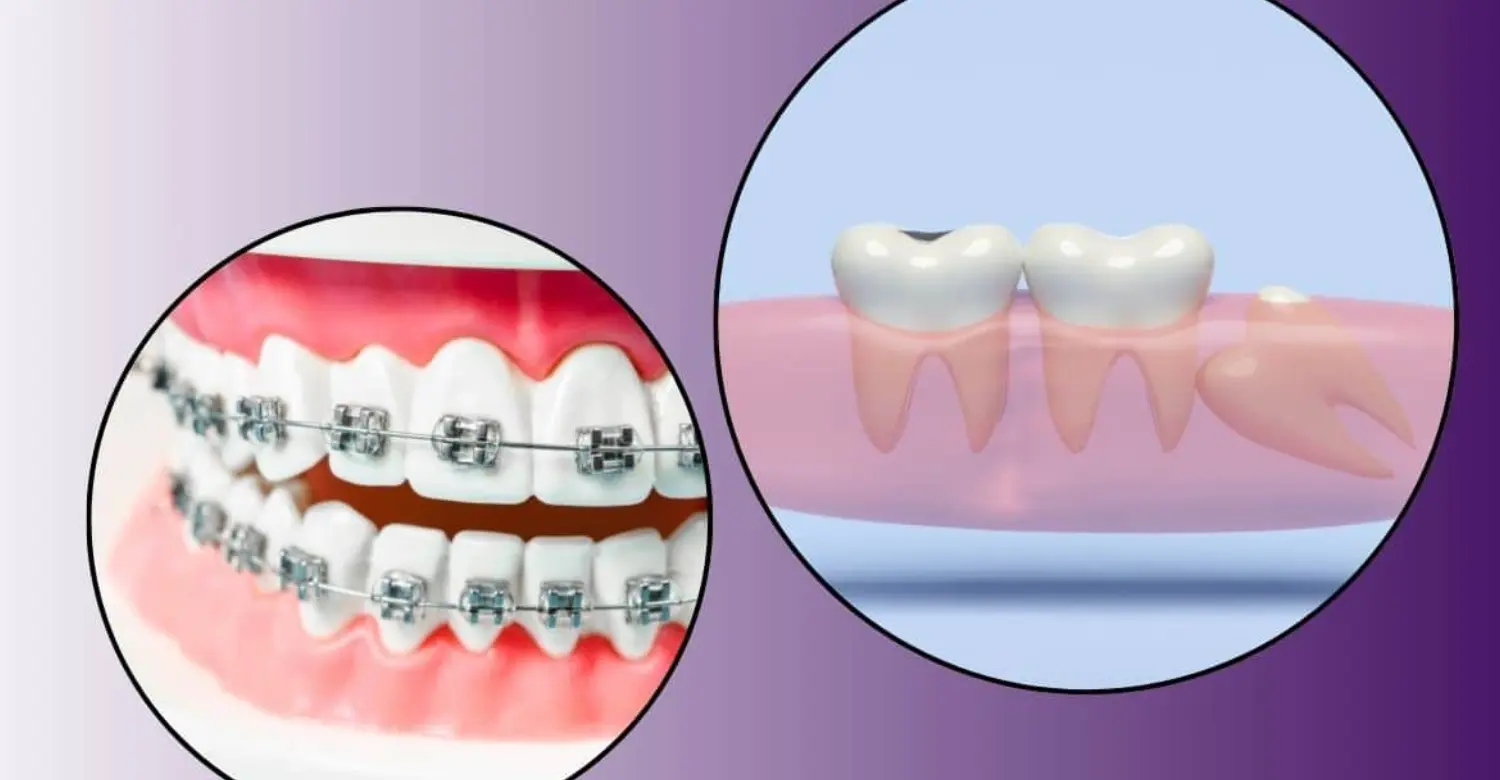
Q: Are wisdom teeth orthodontic? A: Wisdom teeth are not orthodontic devices, but they are closely related to orthodontic treatment. Their position can affect tooth alignment. Management often requires coordinated care between orthodontists and oral surgeons.
What Is the Average Cost of Wisdom Teeth Removal in Turkey?
The average cost of wisdom teeth removal in Turkey varies. It depends on complexity, number of teeth, procedure type, and impaction. For a full breakdown of pricing and what's included, see our dedicated guide to wisdom tooth extraction in Turkey.
Generally, the average cost of wisdom teeth removal in Turkey ranges from approximately $100 to $400 per tooth. Simple extractions are usually more affordable. Surgical removal of impacted wisdom teeth may cost more. It requires additional time, advanced imaging, and specialized techniques.
The total cost may also include:
Dental examination and consultation.
Panoramic X-rays or 3D imaging.
Local anesthesia or sedation if required.
Follow-up appointments.
Recovery guidance is covered separately in our guide to what to eat after wisdom teeth removal.
Turkey is known for providing high-quality dental treatments with competitive pricing compared with many countries. Patients should always choose treatment based on clinical quality, dentist experience, technology, and safety standards rather than focusing only on cost.
At Vitrin Clinic, treatment planning focuses on creating personalized solutions based on each patient's dental needs. Dr. Rifat Alsaman, Head of the Medical Team at Vitrin Clinic and a cosmetics dentist, emphasizes that accurate diagnosis is the first step. This step helps achieve safe and predictable dental results.
What We Notice Clinically
From a clinical perspective, wisdom teeth are often misunderstood. Many patients believe they are automatically connected to orthodontic problems. However, the relationship between wisdom teeth and orthodontics depends on each person's anatomy, tooth position, and oral health condition.
Orthodontics focuses on diagnosing and correcting misaligned teeth and jaws. Oral surgery involves surgical procedures like wisdom tooth removal. For wisdom teeth related to orthodontics, the orthodontist evaluates the need. An oral surgeon typically performs the surgery.
Dr. Rifat Alsaman, Director of the Medical Team at Vitrin Clinic, holds a DDS degree and has over a decade of experience. During his training at Izmir Katip Celebi University, he treated patients in the orthodontics department. He explains that dentists evaluate wisdom teeth using clinical examinations and dental imaging before making recommendations. He declares that Vitrin Clinic offers both orthodontic and oral surgery services. However, extraction recommendations are based solely on clinical need and are made in consultation with independent specialists when necessary. Some patients have healthy wisdom teeth that require only monitoring. Others may benefit from removal because of impaction, infection risk, or lack of space.
For example, a 28-year-old patient had lower incisor crowding after prior orthodontic treatment. Radiographs revealed impacted lower wisdom teeth causing root resorption. After extraction and retreatment with braces, crowding resolved. Five-year follow-up showed stable alignment.
Is Wisdom Teeth Orthodontic Extraction Necessary
According to a meta-analysis, about 25–40% of orthodontic patients require wisdom teeth extraction to prevent crowding or complications. A 2019 study found that prophylactic removal reduces late incisor crowding risk by 32%. Another 2020 study reported that impacted wisdom teeth increase root resorption risk in adjacent molars by 12%.
Dr. Rifat Alsaman also notes that successful orthodontic treatment requires a comprehensive approach. This approach considers tooth alignment, bite function, gum health, and long-term stability. Wisdom teeth management should be part of an overall treatment strategy. It is not an automatic procedure for every orthodontic patient.
Vitrin Clinic collaborates with orthodontists who are members of the Turkish Orthodontic Society. The clinic uses digital smile design and full-mouth rehabilitation, often requiring orthodontic expertise for cases involving wisdom teeth. Patient satisfaction surveys at Vitrin Clinic show a 94% satisfaction rate for orthodontic treatments involving wisdom teeth. Online reviews highlight thorough evaluation and clear communication.
Common Questions About Wisdom Teeth and Orthodontics
Is wisdom teeth orthodontic treatment necessary for all patients? No. Many patients keep their wisdom teeth without issues. Extraction is only recommended when there is evidence of crowding, impaction, or other complications.
What are the signs that wisdom teeth might affect orthodontic results? Signs include crowding of lower front teeth, pain, gum infection, or radiographic findings such as root resorption.
Final Thoughts: Is Wisdom Teeth Orthodontic?
Wisdom teeth are not orthodontic teeth. But they can play a role in orthodontic treatment planning. Their condition, position, and development may influence decisions before, during, or after braces treatment.
Some patients may need wisdom teeth removal before orthodontics. Others can complete treatment without extraction. The correct approach depends on professional evaluation, dental imaging, and the patient's specific oral condition.
At Vitrin Clinic, treatment decisions focus on personalized dental care and long-term results. Dr. Rifat Alsaman, Head of the Medical Team at Vitrin Clinic and a cosmetics dentist, emphasizes that careful planning and accurate diagnosis are key. He also stresses considering every aspect of the patient's oral health.
Understanding the difference between wisdom teeth and orthodontic treatment helps patients make informed decisions. They can avoid unnecessary procedures while maintaining a healthy and confident smile. For patients weighing appliance types before starting treatment, our guide to orthodontic appliances covers the full range of options available.
Reference
A common question is "Is Wisdom Teeth Orthodontic" because wisdom teeth can affect treatment planning. They can also affect tooth alignment and oral health in some cases. Wisdom teeth are not considered an orthodontic treatment. However, orthodontists may evaluate their position and recommend monitoring or removal. This happens if they interfere with alignment or treatment outcomes. The following references provide more information about wisdom teeth, their relationship with orthodontics, extraction considerations, and clinical recommendations:
FAQs

Dr. Rifat Alsaman has more than 5 years of clinical experience in dentistry and currently serves as the Head of the Medical Team at Vitrin Clinic. He is dedicated to providing exceptional patient care, overseeing treatment planning, and ensuring the highest clinical standards across the team. His expertise, attention to detail, and commitment to continuous professional development have helped countless patients achieve healthier, more confident smiles.


