
A mouth guard is one of the most effective dental appliances for protecting your teeth from injury, grinding, and orthodontic damage. Whether you wear one while playing sports, sleeping to prevent bruxism, or during orthodontic treatment, keeping it clean is just as important as wearing it consistently. Many people focus on protecting their teeth but overlook the fact that a mouth guard sits in a warm, moist environment where bacteria, plaque, fungi, and food debris can quickly accumulate.
Without proper hygiene, a mouth guard can develop unpleasant odors, discoloration, bacterial biofilm, and even contribute to oral health problems such as bad breath, gum irritation, and infections. Fortunately, maintaining a clean mouth guard is neither difficult nor time-consuming. A few simple daily habits combined with regular deep cleaning can significantly improve both the lifespan of the appliance and your overall oral health.
This comprehensive guide explains everything you need to know, from everyday cleaning routines to professional recommendations, the safest cleaning products, common mistakes to avoid, and expert advice from Dr. Rifat Alsaman, Head of the Medical Team at Vitrin Clinic and cosmetic dentist, helping you keep your mouth guard fresh, hygienic, and effective for years.
What Is a Mouth Guard and Why Does It Need Regular Cleaning?
A mouth guard is a removable oral appliance designed to protect the teeth, gums, jaw, and surrounding tissues from excessive force or injury. Depending on its purpose, it may cushion impacts during sports, reduce the harmful effects of nighttime teeth grinding, or protect orthodontic appliances throughout treatment. Because it remains in direct contact with saliva, bacteria, and oral tissues for extended periods, it naturally accumulates microorganisms every time it is worn.
Just like a toothbrush, a mouth guard requires routine cleaning after every use. Saliva contains bacteria that attach to the appliance's surface within hours, forming plaque-like biofilms that become increasingly difficult to remove if neglected. Moist storage conditions can also encourage fungal growth, particularly species such as Candida, which thrive in warm, enclosed environments.
Regular cleaning preserves not only the appliance itself but also your oral health by reducing microbial contamination, minimizing unpleasant odors, preventing stains, and ensuring that the material maintains its original shape and protective properties throughout its expected lifespan.
Types of Mouth Guards
Different mouth guards are designed for different clinical purposes. Although their functions vary, every type requires careful hygiene to maintain safety, comfort, and durability.
Sports Mouth Guards
Sports mouth guards are specifically designed to absorb and distribute the forces generated by impacts during athletic activities. They are commonly recommended for contact sports such as football, boxing, hockey, rugby, martial arts, basketball, and many recreational activities where facial injuries may occur.
These appliances are usually manufactured from flexible thermoplastic materials capable of cushioning blows to the teeth and jaw. Because athletes often wear them during physically demanding activities, saliva production increases while sweat, dust, and environmental contaminants may also come into contact with the appliance. This combination creates favorable conditions for bacterial accumulation if the guard is not cleaned promptly after each use.
Proper maintenance preserves flexibility, prevents unpleasant odors, and helps the appliance continue providing reliable protection. Allowing sports mouth guards to remain inside gym bags or closed containers while still wet significantly increases bacterial growth and accelerates material deterioration over time. For a full guide to this specific type, see mouthguards for sports.
Night Guards for Teeth Grinding
Night guards are commonly prescribed for individuals who grind or clench their teeth during sleep, a condition known as bruxism. Unlike sports mouth guards, these appliances are typically worn for six to eight hours every night, exposing them continuously to saliva, oral bacteria, plaque, and naturally occurring microorganisms.
Because of their prolonged contact with the mouth, night guards require consistent cleaning immediately after removal each morning. Protein deposits, bacterial biofilm, and mineral buildup can gradually accumulate on the surface, making the appliance appear cloudy or stained while also producing unpleasant odors if neglected.
Regular cleaning helps maintain the appliance's fit, protects its structural integrity, and reduces the possibility of transferring harmful microorganisms back into the mouth each night. Patients who invest in custom-made night guards often discover that proper hygiene significantly extends the appliance's usable life while preserving comfort and minimizing the need for premature replacement. Night guards are covered in depth in our dedicated guide to night guards for bruxism
Orthodontic Mouth Guards
Orthodontic mouth guards are specially designed for patients wearing braces, aligners, or other orthodontic appliances. Their purpose is to protect both the teeth and orthodontic hardware during sports or other activities where accidental trauma could occur.
These mouth guards often feature additional internal space to accommodate brackets and wires without placing excessive pressure on orthodontic components. Since braces naturally create additional areas where food particles and plaque may accumulate, the mouth guard itself can also become contaminated more quickly than standard designs.
Maintaining excellent hygiene is particularly important during orthodontic treatment because bacterial buildup may increase the risk of enamel decalcification, gum inflammation, and unpleasant breath. Cleaning the appliance thoroughly after every use, allowing it to dry completely, and storing it in a ventilated case all contribute to healthier orthodontic treatment while helping preserve both the appliance and the underlying dental work. Patients wearing braces alongside a mouth guard should also review our guide to braces and oral hygiene for complementary care habits.
Why Proper Mouth Guard Hygiene Matters
Many people underestimate how rapidly bacteria multiply on removable dental appliances. A mouth guard that appears visually clean may still harbor thousands of microorganisms invisible to the naked eye. Regular cleaning is therefore not simply a cosmetic habit it is an important component of preventive oral healthcare.
Consistent hygiene reduces bacterial biofilm formation, minimizes fungal contamination, prevents unpleasant smells, and helps maintain the appliance's protective function. It also protects oral tissues from unnecessary exposure to potentially harmful microorganisms that thrive in moist environments.
Proper maintenance benefits both the appliance and the patient, reducing replacement costs while promoting healthier gums, fresher breath, and greater overall comfort during daily use.
Bacteria and Plaque Buildup
Every time a mouth guard is placed inside the mouth, it becomes coated with saliva, naturally occurring oral bacteria, proteins, and microscopic food debris. Within only a few hours, these microorganisms begin attaching themselves to the appliance's surface, forming an organized bacterial layer known as biofilm.
Unlike loose debris that rinses away easily, mature biofilm adheres firmly and becomes increasingly difficult to remove without proper brushing or specialized cleaning solutions. If neglected over time, these bacterial colonies may contribute to unpleasant odors, gum irritation, plaque accumulation on teeth, and increased microbial exposure whenever the appliance is worn again.
Regular daily cleaning interrupts biofilm development before it matures. Simple practices such as gentle brushing, thorough rinsing, and complete drying substantially reduce bacterial growth while helping maintain a cleaner, healthier appliance that remains comfortable to wear throughout its lifespan. This same bacterial buildup principle applies to other removable appliances — see our guide to how to use dental floss as part of a complete daily hygiene routine alongside mouth guard care.
Odor, Stains, and Material Damage
Poor maintenance affects more than hygiene—it can shorten the functional life of the appliance itself. Saliva proteins, food pigments, beverages such as coffee or tea, tobacco exposure, and bacterial waste products gradually discolor the material, causing yellowing, cloudiness, or brown staining over time.
Persistent moisture also encourages bacterial metabolism that produces unpleasant odors many users mistakenly believe cannot be removed. In reality, these smells usually indicate inadequate cleaning rather than permanent damage.
Improper cleaning methods may also weaken the appliance. Using boiling water, abrasive toothpaste, harsh chemicals, or stiff brushes can scratch or warp the material, making it less comfortable and potentially reducing its protective performance. Gentle daily care combined with periodic deep cleaning helps preserve flexibility, transparency, and structural integrity, allowing the mouth guard to continue fitting properly while remaining safe for regular long-term use.
How to Clean Mouth Guard?
Cleaning a mouth guard correctly involves more than simply rinsing it under water. An effective routine combines immediate rinsing after removal, gentle brushing using suitable cleaning agents, complete drying, and regular deep cleaning to eliminate accumulated microorganisms. Establishing these habits prevents biofilm formation before it becomes difficult to remove.
Proper cleaning should become part of the same daily routine as brushing and flossing. Consistency is far more effective than occasional intensive cleaning because bacteria begin multiplying almost immediately after the appliance is removed. By following a structured maintenance schedule, users can protect both their oral health and the lifespan of their dental appliance.
In the following sections, we'll examine the ideal daily cleaning routine, discuss recommended cleaning products, explain which household products are safe to use, and identify common cleaning methods that should be avoided.
Daily Cleaning Routine
A consistent daily cleaning routine remains the single most effective way to keep a mouth guard hygienic. Daily maintenance requires only a few minutes yet significantly reduces bacterial buildup, staining, unpleasant odors, and long-term material deterioration.
Most dental professionals recommend cleaning the appliance immediately after every use before bacteria have an opportunity to establish mature biofilm. Daily cleaning should always include rinsing, gentle brushing, thorough drying, and proper storage inside a ventilated protective case.
These simple habits not only improve oral hygiene but also reduce the frequency of intensive deep cleaning sessions needed throughout the month.
Rinse Immediately After Use
The first and most important step after removing a mouth guard is rinsing it thoroughly under cool or lukewarm running water. This simple action removes loose saliva, food particles, and surface debris before they begin drying onto the appliance.
Immediate rinsing also prevents proteins from hardening onto the material, making later cleaning significantly easier. Although water alone cannot eliminate bacteria, it reduces the organic material that microorganisms feed upon, slowing bacterial growth until more thorough cleaning can be performed.
Avoid using hot water because elevated temperatures may soften or distort thermoplastic materials, particularly custom-fitted appliances. Even slight warping can alter the fit, reducing both comfort and protective effectiveness. Developing the habit of rinsing immediately after every use provides an excellent foundation for maintaining a consistently clean appliance throughout its lifespan.
Brush Gently With the Right Cleanser
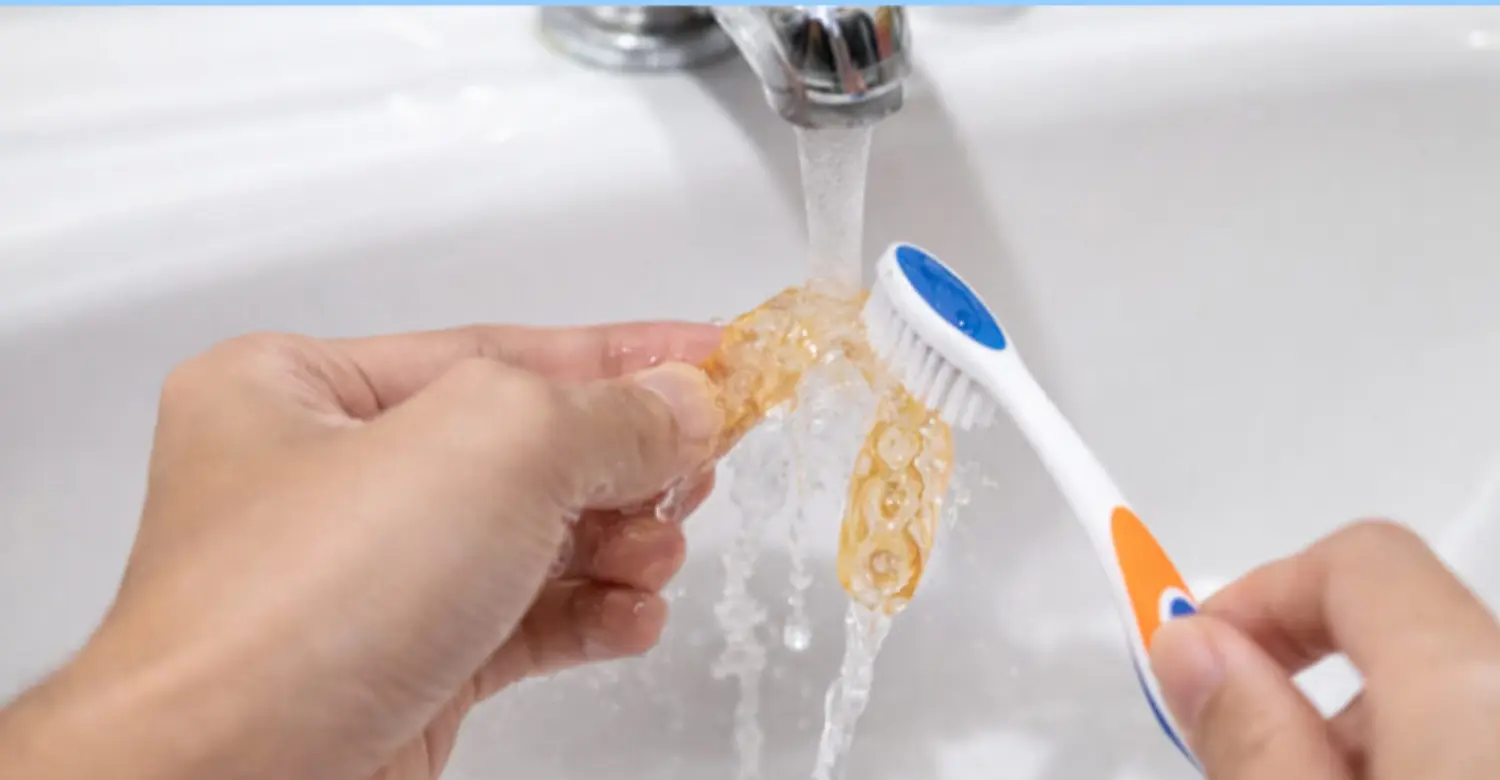
After rinsing, the next essential step in maintaining your appliance is gentle brushing. How to Clean Mouth Guard properly includes using a soft-bristled toothbrush dedicated exclusively to the appliance rather than the toothbrush you use for your teeth. A separate brush reduces the risk of transferring bacteria between your mouth and the mouth guard. Apply a mild, non-abrasive cleanser or a cleaner specifically formulated for removable dental appliances, then brush every surface using light circular motions. Pay special attention to grooves, inner surfaces, and edges where plaque and saliva proteins tend to collect. Avoid scrubbing aggressively because excessive force can create microscopic scratches that trap additional bacteria over time. Once brushing is complete, rinse thoroughly to remove all traces of the cleaning product. This simple routine preserves the appliance's appearance, maintains its smooth surface, and helps ensure it remains comfortable, hygienic, and effective with daily use.
Rinse and Air Dry Completely
Proper drying is just as important as washing because moisture encourages bacterial and fungal growth. How to Clean Mouth Guard effectively always ends with a thorough rinse followed by complete air drying. After brushing away debris and cleanser residue, shake off excess water and place the appliance on a clean surface or inside a ventilated storage case where air can circulate freely. Avoid sealing a damp mouth guard inside a closed container, as the warm, humid environment creates ideal conditions for microorganisms to multiply. Never use direct heat sources such as hair dryers, radiators, or sunlight to speed up drying because excessive heat may warp the material. Allowing the appliance to dry naturally helps maintain its shape while minimizing unpleasant odors and reducing microbial contamination. Making the complete drying part of your daily routine significantly improves hygiene and extends the lifespan of your mouth guard.
Best Products to Use
Selecting appropriate cleaning products is essential for protecting both your oral health and the durability of your appliance. How to Clean Mouth Guard safely depends not only on cleaning frequency but also on choosing products that remove bacteria without damaging the material. Many gentle cleaning solutions effectively eliminate plaque, saliva deposits, and microorganisms while preserving the flexibility and fit of the appliance. Dental professionals generally recommend mild soap, specially formulated mouth guard cleaners, denture cleaning tablets used according to manufacturer instructions, or non-abrasive appliance cleansers. Harsh chemicals, strong detergents, bleach, alcohol-based products, and abrasive powders should be avoided because they may weaken or discolor the appliance over time. Understanding which products are safe allows you to maintain excellent hygiene while ensuring that your mouth guard continues providing dependable protection and comfort throughout its expected lifespan.
What to Use to Clean a Mouth Guard
Choosing the correct cleaning agent makes routine maintenance safer and more effective. How to Clean Mouth Guard begins with products that remove bacteria without altering the appliance's structure. Mild fragrance-free liquid soap diluted with water is one of the safest everyday options because it effectively removes saliva residue and surface debris while remaining gentle on most mouth guard materials. Specialized mouth guard cleaning sprays and foams are also designed to eliminate microorganisms without leaving harmful residues. Some dental professionals recommend denture-cleaning tablets for occasional deep cleaning, provided the appliance manufacturer confirms compatibility. Always rinse thoroughly after using any cleanser to prevent chemical residue from remaining on the surface. Following the manufacturer's care instructions and your dentist's recommendations ensures that your appliance stays clean, odor-free, and structurally sound for long-term daily use.
Can You Clean a Mouth Guard With Toothpaste?
Many people assume toothpaste is the obvious choice because it is designed for oral hygiene, but this is not always true for removable appliances. How to Clean Mouth Guard does not usually involve regular toothpaste because many traditional formulas contain abrasive particles intended to polish tooth enamel. These tiny abrasives can scratch the softer material used in many mouth guards, creating microscopic grooves where bacteria, plaque, and stains accumulate more easily. Over time, repeated abrasion may make the appliance appear cloudy, rough, or discolored while shortening its lifespan. If your dentist specifically recommends a non-abrasive toothpaste formulated for dental appliances, it may be appropriate for certain materials. However, in most situations, mild soap or specialized appliance cleaners provide safer and more effective daily maintenance without increasing the risk of surface damage.
Homemade Mouth Guard Cleaner
Some individuals prefer simple household cleaning methods rather than commercial products. How to Clean Mouth Guard at home can be accomplished safely using a few gentle ingredients that are commonly available. A mixture of lukewarm water with a small amount of mild liquid soap works well for routine cleaning and removes surface contaminants without harming the appliance. Occasionally soaking the mouth guard in a diluted white vinegar solution followed by thorough rinsing may help reduce mineral deposits, although this should not replace regular brushing. Baking soda dissolved in water can also serve as a mild deodorizing solution for occasional use. However, homemade cleaning methods should never include bleach, hydrogen peroxide in high concentrations, alcohol, boiling water, or harsh household cleaners because these substances may damage the material or leave irritating chemical residues. When in doubt, consult your dentist before trying any homemade cleaning solution.
Why Clean a Mouth Guard?
Keeping your appliance clean is essential for protecting both the mouth guard and your overall oral health. How to Clean Mouth Guard is more than a cosmetic concern because every use exposes the appliance to saliva, bacteria, plaque, proteins, and microscopic food particles. If these contaminants are not removed consistently, they can accumulate into bacterial biofilms that become increasingly difficult to eliminate. A neglected mouth guard may develop unpleasant odors, discoloration, and surface deposits while also increasing the risk of gum irritation and oral infections. Regular cleaning preserves the appliance's fit, appearance, and protective function, ensuring it continues to cushion teeth effectively whether used for sports, teeth grinding, or orthodontic treatment. Establishing good hygiene habits also reduces replacement costs by extending the lifespan of custom-made appliances and helps maintain fresher breath, healthier gums, and greater confidence every time the mouth guard is worn.
Health Benefits of Regular Cleaning
Maintaining excellent hygiene provides numerous advantages beyond keeping the appliance looking clean. How to Clean Mouth Guard properly helps reduce harmful microorganisms that naturally accumulate after each use while supporting healthier oral tissues. Regular cleaning minimizes bacterial and fungal growth, lowers the chance of unpleasant odors, and decreases the buildup of plaque that may otherwise transfer back into the mouth. Clean appliances are also more comfortable to wear because smooth, debris-free surfaces reduce irritation against the gums and cheeks. Consistent maintenance protects the material itself by preventing hardened deposits that can weaken or discolor the appliance over time. When combined with routine brushing, flossing, and regular dental examinations, proper mouth guard hygiene becomes an important part of a preventive oral healthcare routine that supports long-term dental wellness and improves the overall effectiveness of the appliance.
Preventing Bacteria and Fungal Growth
One of the greatest advantages of routine maintenance is controlling the growth of microorganisms. How to Clean Mouth Guard consistently prevents bacteria and fungi from multiplying on the appliance's surface after repeated use. Warm temperatures, saliva, and limited airflow create an environment where microorganisms can thrive if the appliance remains unwashed or is stored while damp. As bacterial colonies mature, they form protective biofilms that are much more difficult to remove than fresh deposits. Fungal organisms such as Candida may also colonize neglected appliances, particularly in individuals with reduced saliva flow or compromised immune systems. Daily brushing, thorough rinsing, complete drying, and periodic deep cleaning interrupt this microbial cycle before it becomes problematic. Maintaining these habits significantly reduces contamination while promoting a healthier environment for the teeth, gums, tongue, and surrounding oral tissues. General bruxism-related dental risk is also covered in our broader bruxism overview page.
Protecting Your Oral Health
Good appliance hygiene directly contributes to healthier teeth and gums. How to Clean Mouth Guard correctly reduces the transfer of bacteria, plaque, and accumulated debris back into the mouth every time the appliance is worn. When contaminated mouth guards remain in regular use, microorganisms repeatedly contact the teeth and soft tissues, potentially contributing to gum inflammation, persistent bad breath, and increased plaque accumulation. Individuals undergoing orthodontic treatment or wearing custom night guards may be particularly vulnerable because appliances remain in the mouth for several hours at a time. Maintaining a clean appliance complements daily brushing and flossing by reducing an additional source of bacterial exposure. Over the long term, these preventive habits support healthier gums, fresher breath, improved comfort, and a cleaner oral environment while helping the mouth guard continue performing its intended protective function.
Extending the Lifespan of Your Mouth Guard
Routine maintenance also protects your investment by helping the appliance last longer. How to Clean Mouth Guard properly removes deposits before they become firmly attached to the material, reducing unnecessary wear and minimizing the need for aggressive cleaning methods. Dirt, plaque, hardened mineral deposits, and bacterial biofilm can gradually weaken the surface, while improper cleaning techniques such as boiling water or harsh chemicals may permanently distort the appliance. Daily care helps preserve flexibility, transparency, and the custom fit that allows the mouth guard to function effectively. Well-maintained appliances are less likely to develop unpleasant odors, discoloration, or cracks that eventually require replacement. By following the manufacturer's recommendations and practicing consistent hygiene, patients often enjoy significantly longer service life from both custom-made and over-the-counter mouth guards while maintaining reliable protection throughout daily use.
How Often Should You Clean a Mouth Guard?
Cleaning frequency plays a major role in maintaining both oral health and appliance longevity. How to Clean Mouth Guard effectively requires more than occasional washing; it involves establishing a regular schedule that includes daily care, weekly deep cleaning, and routine inspections for signs of wear. Bacteria begin accumulating almost immediately after the appliance is worn, making prompt cleaning essential after every use. Weekly deep cleaning helps remove stubborn deposits that may not disappear during everyday maintenance, while periodic evaluations ensure the appliance remains safe and properly fitted. A consistent cleaning routine prevents microbial buildup, reduces unpleasant odors, preserves material quality, and minimizes the likelihood of premature replacement. Following a structured schedule also makes maintenance easier because contamination is removed before it has an opportunity to become firmly established on the appliance.
Daily, Weekly, and Monthly Cleaning Schedule
An organized maintenance routine keeps the appliance consistently hygienic without requiring excessive effort. How to Clean Mouth Guard should follow a schedule that combines simple daily habits with more thorough periodic cleaning. Every day, rinse and gently brush the appliance immediately after use before allowing it to dry completely. Once each week, perform a deeper cleaning using an appropriate appliance cleanser or denture-cleaning tablet if recommended by the manufacturer. Every month, inspect the mouth guard carefully for cracks, discoloration, warping, rough areas, or persistent odors that may indicate the need for replacement. Patients should also bring their mouth guard to regular dental appointments so their dentist can evaluate its condition and confirm that it still fits correctly. Consistency throughout the year provides better results than infrequent intensive cleaning sessions.
Cleaning After Every Use
The most important habit is cleaning immediately after every wear. How to Clean Mouth Guard becomes much easier when contaminants are removed before they have time to dry onto the appliance. Rinse thoroughly with cool or lukewarm water, gently brush using a soft toothbrush and a suitable cleanser, rinse again, and allow the appliance to air dry completely before placing it in a ventilated storage case. This simple process takes only a few minutes yet significantly reduces bacterial accumulation, staining, and unpleasant odors. Waiting until later in the day often allows saliva proteins and plaque to harden, making cleaning more difficult and increasing microbial growth. Performing this routine consistently after every use helps preserve both hygiene and the appliance's structural integrity while reducing the need for aggressive cleaning methods later.
Weekly Deep Cleaning
Even with excellent daily care, a more thorough cleaning is beneficial once each week. How to Clean Mouth Guard during weekly maintenance involves removing microscopic deposits that may remain after regular brushing. Many dental professionals recommend soaking the appliance in a cleaning solution specifically formulated for removable dental appliances or using denture-cleaning tablets according to the manufacturer's instructions. After soaking, gently brush the appliance once more, rinse thoroughly under running water, and allow it to dry completely before storage. Weekly deep cleaning helps eliminate stubborn biofilm, reduce odors, remove surface stains, and maintain a fresh appearance without damaging the material. This additional step complements everyday maintenance and significantly contributes to preserving the appliance's cleanliness, comfort, and long-term durability.
When to Replace Your Mouth Guard
Even the best maintenance cannot make a mouth guard last forever. How to Clean Mouth Guard properly extends its usable life, but regular inspection is still essential because normal wear eventually affects every appliance. Replace your mouth guard if it develops cracks, tears, thinning areas, persistent discoloration that cannot be removed, unpleasant odors despite proper cleaning, or changes in fit that reduce comfort or protection. Athletes may require more frequent replacement because repeated impacts gradually weaken the material, while patients with severe nighttime grinding may wear through custom night guards over time. Your dentist should examine the appliance during routine dental visits and recommend replacement whenever its protective performance begins to decline. Using a damaged or poorly fitting mouth guard may reduce its effectiveness and compromise oral protection. If a cracked or worn appliance has already caused damage, our guide to quick fixes for dental damage covers temporary solutions while awaiting a dental visit.
What Cleans a Mouth Guard Best?
Choosing the most effective cleaning method depends on the type of mouth guard, how frequently it is worn, and the amount of buildup present. Clean Mouth Guard maintenance should always focus on removing bacteria, plaque, saliva proteins, and stains without damaging the material. While there are many cleaning products available, not every option is suitable for every appliance. Gentle methods preserve the mouth guard's flexibility, fit, and protective properties, whereas harsh chemicals or abrasive products may shorten its lifespan. Most dental professionals recommend combining a daily cleaning routine with periodic deep cleaning using products designed specifically for removable dental appliances. Understanding the strengths and limitations of different cleaning methods helps users choose the safest approach while maintaining excellent hygiene. A consistent routine not only keeps the appliance fresh but also contributes to healthier teeth, gums, and long-term oral wellness.
Comparing Different Cleaning Methods
There is no single cleaning method that works best for every situation. Clean Mouth Guard routines often combine several techniques depending on daily use, visible staining, and professional recommendations. Mild soap is excellent for everyday cleaning because it safely removes saliva and surface debris without harming the appliance. Denture cleaning tablets provide deeper cleaning by helping loosen bacterial biofilm and stains during weekly maintenance. Specialized mouth guard cleaning solutions are formulated specifically for sports guards, night guards, and orthodontic appliances, making them an excellent long-term choice. Ultrasonic cleaners offer an advanced option for patients seeking a more thorough cleaning, particularly for custom-made appliances. Regardless of the method chosen, every cleaning routine should finish with thorough rinsing and complete air drying. Combining appropriate cleaning methods provides the highest level of hygiene while preserving the appliance's appearance, comfort, and durability.
Mild Soap and Water
For everyday maintenance, mild soap and water remain one of the safest and most widely recommended options. Clean Mouth Guard care using a fragrance-free liquid soap effectively removes saliva, food particles, plaque, and surface bacteria without exposing the appliance to harsh chemicals. Apply a small amount of soap to a soft toothbrush reserved exclusively for cleaning the mouth guard, then gently brush every surface using light circular motions. Pay close attention to grooves and inner surfaces where deposits commonly accumulate. Once cleaning is complete, rinse thoroughly under cool or lukewarm running water to remove every trace of soap before allowing the appliance to air dry. This gentle cleaning method is suitable for most custom-made and over-the-counter mouth guards and can easily become part of a daily oral hygiene routine that protects both the appliance and overall dental health.
Denture Cleaning Tablets
Denture cleaning tablets provide an effective solution for periodic deep cleaning when used according to the manufacturer's instructions. Clean Mouth Guard maintenance can benefit from these tablets because they release gentle cleansing agents that help dissolve protein deposits, bacterial biofilm, and light surface stains without requiring aggressive scrubbing. Simply dissolve the tablet in water, place the mouth guard into the solution for the recommended soaking period, then rinse thoroughly before use. It is important not to exceed the recommended soaking time because prolonged exposure may affect certain materials. Denture tablets should complement daily brushing rather than replace it, since brushing physically removes debris that soaking alone cannot eliminate. Weekly use can help maintain a fresher appliance, reduce unpleasant odors, and improve overall cleanliness while preserving the integrity of the mouth guard.
Mouth Guard Cleaning Solutions
Commercial mouth guard cleaning solutions are specifically formulated to clean removable dental appliances safely and efficiently. Clean Mouth Guard products of this type are designed to eliminate bacteria, dissolve saliva deposits, reduce odors, and maintain the material without causing abrasion or discoloration. Many are available as sprays, foams, or soaking solutions that can be incorporated into either daily or weekly maintenance routines. Because these products are developed specifically for dental appliances, they generally provide better compatibility than many household cleaning products. Always follow the manufacturer's instructions regarding contact time and rinsing requirements to ensure safe use. Choosing a high-quality mouth guard cleaner may be especially beneficial for individuals who wear their appliance every night or during frequent athletic activities, helping maintain a cleaner, fresher appliance with minimal effort.
Ultrasonic Cleaners
Ultrasonic cleaners represent one of the most advanced methods available for maintaining removable dental appliances. Clean Mouth Guard care using ultrasonic technology relies on high-frequency sound waves that generate microscopic bubbles within a cleaning solution. These bubbles gently remove debris, bacterial biofilm, and deposits from areas that may be difficult to reach with brushing alone. Ultrasonic cleaning is particularly useful for custom-made night guards and other precision-fitted appliances because it provides thorough cleaning without aggressive scrubbing that could damage the material. Although ultrasonic devices are highly effective, they should still be used alongside regular daily brushing and rinsing rather than replacing basic hygiene practices. Patients who wear their mouth guard every day may find ultrasonic cleaning to be an excellent addition to their weekly maintenance routine, especially when recommended by their dental professional. For a full overview of treatment options beyond night guards alone, see our guide to treatments for bruxism, including the connection between stress and bruxism.
Can You Wash a Mouth Guard?
Yes, a mouth guard should be washed regularly, but it must be done using safe techniques that protect the appliance from damage. Clean Mouth Guard practices involve gentle washing with cool or lukewarm water and appropriate cleaning products rather than harsh chemicals or excessive heat. Washing removes saliva, bacteria, food debris, and plaque before these substances become firmly attached to the surface. However, improper washing methods such as boiling the appliance, using abrasive cleaners, or placing it in a dishwasher can permanently distort its shape and reduce its protective effectiveness. Learning the correct washing techniques helps maintain a comfortable fit while extending the lifespan of the appliance. Safe washing habits also reduce unpleasant odors, minimize bacterial contamination, and contribute to better oral hygiene over the long term.
Safe Washing Methods
Safe washing begins with choosing gentle products and using the correct water temperature. Clean Mouth Guard maintenance should include rinsing immediately after removal, followed by careful brushing with a soft toothbrush and mild cleanser. After cleaning, rinse thoroughly to remove any remaining cleaning solution before allowing the appliance to dry naturally in a well-ventilated area. Avoid rough scrubbing because abrasive action may scratch the material and create microscopic areas where bacteria can accumulate. Likewise, never expose the mouth guard to strong household detergents, bleach, or alcohol-based disinfectants unless specifically approved by the manufacturer. Consistently following safe washing methods preserves the appliance's smooth surface, flexibility, and custom fit while maintaining excellent hygiene. These simple practices require only a few minutes each day but provide long-lasting benefits for both the appliance and your oral health.
Warm Water vs. Hot Water
Water temperature plays an important role in preserving the shape of a mouth guard. Clean Mouth Guard routines should always use cool or lukewarm water because thermoplastic materials can soften when exposed to excessive heat. Even brief contact with hot water may cause subtle distortion that changes how the appliance fits against the teeth. A poor fit not only reduces comfort but may also decrease the mouth guard's ability to provide adequate protection during sports or nighttime grinding. Lukewarm water is sufficient to remove surface debris while remaining gentle on the appliance. Patients should also avoid placing mouth guards near heaters, inside hot vehicles, or under direct sunlight for extended periods. Protecting the appliance from heat ensures it retains its original shape, comfort, and protective performance throughout its expected lifespan. For sports-specific protection details, this pairs directly with our mouthguards for sports guide referenced above.
Common Washing Mistakes to Avoid
Many mouth guards become damaged not through normal use but because of improper cleaning habits. Clean Mouth Guard maintenance requires avoiding several common mistakes that may shorten the appliance's lifespan. One frequent error is using boiling water in an attempt to disinfect the appliance, which often causes permanent warping. Another mistake is scrubbing with abrasive toothpaste or stiff brushes that scratch the surface and encourage bacterial buildup. Some people store the appliance while it is still wet, creating ideal conditions for bacterial and fungal growth. Others use bleach, alcohol, or household disinfectants that may weaken the material or leave harmful chemical residues. Finally, neglecting routine cleaning altogether allows plaque and biofilm to accumulate over time. Avoiding these mistakes helps preserve the appliance's appearance, hygiene, comfort, and long-term effectiveness.
How Do You Disinfect a Mouth Guard?
Disinfection is an important step for removing microorganisms that may remain on the surface even after regular washing. Clean Mouth Guard routines should include occasional disinfection to reduce bacterial accumulation, control unpleasant odors, and maintain a healthier appliance. While daily cleaning removes visible debris and surface contamination, deeper disinfection methods target microorganisms that can become embedded within biofilm layers. The safest approach depends on the material of the mouth guard and the manufacturer's recommendations. Gentle disinfecting solutions, appliance-specific cleaners, and proper drying techniques can help maintain hygiene without affecting the shape or flexibility of the appliance. It is important to avoid aggressive chemicals or methods that may weaken the material. A balanced approach that combines daily cleaning with periodic disinfection helps ensure the mouth guard remains safe, comfortable, and effective throughout its intended lifespan.
Safe Disinfection Techniques
Using safe techniques is essential because not every disinfecting method is suitable for dental appliances. Clean Mouth Guard care requires selecting methods that eliminate microorganisms while protecting the material from damage. Before disinfecting, the appliance should always be rinsed and gently brushed to remove surface debris, allowing the disinfecting solution to work more effectively. Many dental professionals recommend products specifically designed for removable dental appliances because they are formulated to reduce bacteria without causing unwanted chemical reactions. Some patients may use diluted solutions recommended by their dentist, while others prefer specialized cleaning tablets or sprays. Regardless of the method chosen, the mouth guard should always be rinsed thoroughly afterward and allowed to dry completely. Safe disinfection practices protect oral health while preserving the appliance's comfort, appearance, and durability.
How to Disinfect a Mouth Guard Properly
Proper disinfection requires a careful process rather than simply soaking the appliance in any available solution. Clean Mouth Guard procedures should begin by rinsing the appliance under cool or lukewarm water to remove loose particles. Next, use an appropriate disinfecting product according to the manufacturer's instructions, allowing enough contact time for the solution to work effectively. After soaking, rinse the mouth guard thoroughly with clean water to eliminate any remaining solution before placing it back in the mouth. The appliance should then be dried completely in an open, ventilated area. Avoid storing it immediately after disinfection because trapped moisture can encourage new bacterial growth. Following these steps helps reduce microorganisms, maintain freshness, and protect the appliance from unnecessary wear while ensuring it remains safe for regular use.
Deep Clean a Mouth Guard Safely
A deep cleaning routine is useful when regular maintenance is not enough to remove stubborn deposits, odors, or stains. Clean Mouth Guard care through deep cleaning involves using gentle methods that reach beyond surface-level debris without damaging the appliance. Begin by brushing the mouth guard carefully, then soak it in a dental appliance cleaning solution or another dentist-approved cleaner. Deep cleaning should focus on removing accumulated biofilm, mineral deposits, and discoloration that develop over time. After soaking, rinse the appliance thoroughly and inspect it for any remaining buildup or changes in texture. Avoid aggressive scrubbing, excessive soaking times, or unapproved chemicals because these methods may weaken the material. Performing deep cleaning periodically helps restore freshness, improves comfort, and supports better oral hygiene while extending the functional life of the appliance.
Products to Avoid During Disinfection
Although many cleaning products are available, some can cause significant damage to a mouth guard. Clean Mouth Guard practices should avoid harsh substances that may affect the appliance's material, appearance, or safety. Bleach is one of the most commonly avoided products because it can weaken certain materials, create unpleasant odors, and leave chemical residues if not completely removed. Alcohol-based cleaners may also dry out or damage some mouth guard materials. Household disinfectants, strong detergents, and abrasive powders are not designed for oral appliances and may create microscopic scratches where bacteria can collect. Hot water should also be avoided because it can distort the shape of thermoplastic appliances. Choosing dental appliance-specific cleaning products provides a safer alternative that effectively reduces microorganisms while maintaining the appliance's integrity and protective function.
When Should You Clean a Mouth Guard?
Timing plays a major role in maintaining appliance hygiene. Clean Mouth Guard habits are most effective when cleaning is performed at the correct moments rather than only when the appliance looks dirty. Many harmful microorganisms are invisible, meaning a mouth guard can appear clean while still carrying bacteria and deposits. Cleaning should occur before first use, after every time the appliance is worn, and before storing it for an extended period. This approach prevents contaminants from becoming established and reduces the difficulty of future cleaning. Regular timing also helps maintain freshness, prevents staining, and protects the appliance from premature deterioration. Developing a consistent schedule makes mouth guard care simple and ensures that the appliance continues supporting oral protection without becoming a source of unwanted bacteria.
Cleaning at the Right Time
The best cleaning routine follows the natural moments when contamination is most likely to occur. Clean Mouth Guard maintenance should not be delayed because bacteria begin attaching to the surface shortly after the appliance leaves the mouth. Immediate cleaning after use removes saliva, food particles, and microorganisms before they develop into more resistant biofilm. Cleaning before storage is equally important because leaving an unwashed appliance unused for days allows bacteria and odors to increase. Patients who use their mouth guard during sports, sleep, or orthodontic treatment should create a consistent habit of cleaning at predictable times. This simple organization prevents neglect and reduces the likelihood of needing aggressive cleaning later. Proper timing supports a healthier oral environment while preserving the appliance's quality and effectiveness.
Before First Use
A new mouth guard should always be cleaned before placing it inside the mouth. Clean Mouth Guard preparation begins by removing any manufacturing residues, packaging dust, or surface contaminants that may remain after production and transportation. Even if the appliance appears untouched, rinsing and cleaning it before the first use provides an additional level of hygiene and comfort. For custom-made appliances, your dental professional may provide specific instructions regarding initial cleaning and care. For store-bought options, gentle washing with mild soap and water is typically appropriate unless the manufacturer recommends another method. Taking this first step establishes good hygiene habits from the beginning and ensures that the appliance enters the mouth in a clean and safe condition. It also allows users to become familiar with the correct maintenance routine from day one.
After Every Wear
Cleaning after every wear is the most important maintenance habit for any appliance. Clean Mouth Guard routines should always include immediate care because saliva and bacteria begin accumulating as soon as the mouth guard is removed. Rinsing away debris, gently brushing the surface, and allowing complete air drying significantly reduce bacterial growth and prevent unpleasant smells. This habit is especially important for athletes who wear their appliance in environments where sweat, dust, and external contaminants may increase exposure to microorganisms. Night guard users should also clean their appliance every morning because it remains in contact with saliva for several hours during sleep. Consistent post-use cleaning protects oral health, maintains comfort, and helps ensure the appliance remains effective for a longer period.
Before Long-Term Storage
Proper preparation is essential before storing a mouth guard for an extended period. Clean Mouth Guard storage practices require the appliance to be completely cleaned and dried before being placed away. Storing a damp or dirty appliance can trap bacteria, create unpleasant odors, and encourage fungal growth during periods of inactivity. Before storage, wash the appliance thoroughly, rinse away all cleaning products, allow it to air dry completely, and place it inside a clean ventilated container. Avoid airtight storage unless the case is specifically designed for dental appliances because airflow helps prevent moisture accumulation. When the mouth guard is needed again, inspect it carefully for cracks, discoloration, or changes in fit before use. Proper long-term storage protects the appliance and ensures it remains ready for safe use when required.
Is a Dirty Mouth Guard Harmful?
A dirty mouth guard can become more than just an unpleasant-smelling appliance; it may also affect your oral health when proper hygiene is neglected. Clean Mouth Guard habits are essential because the appliance is repeatedly exposed to saliva, bacteria, food particles, and oral microorganisms. When these contaminants accumulate, they can form biofilms that are difficult to remove and may increase the amount of bacteria introduced back into the mouth each time the appliance is worn. A poorly maintained mouth guard may contribute to bad breath, gum irritation, staining, and discomfort while wearing it. For individuals who use mouth guards every night or during frequent athletic activities, regular cleaning becomes especially important because prolonged contact creates more opportunities for bacterial buildup. Maintaining a clean appliance through daily rinsing, brushing, drying, and periodic deep cleaning supports a healthier oral environment and helps ensure the mouth guard continues performing its protective role effectively.
Risks of Poor Mouth Guard Hygiene
Ignoring regular maintenance can create several risks that extend beyond the appliance itself. Clean Mouth Guard routines help prevent microorganisms from multiplying and reduce the chance of transferring harmful bacteria back into the oral cavity. When a mouth guard is not cleaned properly, accumulated deposits may irritate the gums, contribute to unpleasant odors, and create an environment where bacteria and fungi can thrive. The risk may be higher for individuals with orthodontic appliances, frequent sports participation, or nighttime teeth grinding because the mouth guard is exposed for longer periods. Poor hygiene may also affect the comfort and fit of the appliance as deposits build up on the surface. Establishing consistent cleaning habits protects both the mouth guard and the surrounding oral tissues while reducing avoidable dental complications.
Bad Breath
Unpleasant breath is one of the earliest signs that a mouth guard may require better cleaning. Clean Mouth Guard care plays an important role in preventing odor because bacteria on the appliance can produce sulfur compounds and other substances responsible for unpleasant smells. When saliva, food particles, and microorganisms remain on the surface for extended periods, the appliance may develop a noticeable odor even after a short time. Simply rinsing with water may not be enough because bacteria can attach firmly and create a biofilm layer. Gentle brushing with an appropriate cleanser, followed by complete drying, helps eliminate odor-causing buildup. Keeping the storage case clean is also important because bacteria from a contaminated case can transfer back onto the appliance. Consistent hygiene helps maintain freshness and improves comfort during daily use.
Gum Irritation
A poorly maintained mouth guard may contribute to gum irritation by exposing soft tissues to accumulated bacteria, deposits, and contaminants. Clean Mouth Guard practices reduce this risk by removing substances that may trigger inflammation or discomfort along the gumline. When plaque-like buildup forms on the appliance, repeated contact with the gums can create irritation, especially if the mouth guard already has areas of roughness or poor fit. Patients may notice redness, sensitivity, or discomfort while wearing an appliance that has not been properly maintained. Regular cleaning keeps the surface smooth and reduces the presence of microorganisms that may negatively affect gum health. If irritation continues despite proper hygiene, a dental professional should evaluate the fit and condition of the appliance to determine whether adjustments or replacement are necessary.
Increased Risk of Oral Infections
A contaminated mouth guard may increase exposure to microorganisms that can affect oral tissues. Clean Mouth Guard maintenance helps minimize this risk by reducing bacteria, fungi, and other microorganisms that accumulate during repeated use. While many oral bacteria are naturally present and harmless in balanced amounts, excessive buildup on a neglected appliance may disturb the normal oral environment. This can contribute to problems such as increased plaque accumulation, gum inflammation, and fungal overgrowth in susceptible individuals. People who wear appliances overnight have longer periods of contact between the mouth guard and oral tissues, making consistent cleaning especially important. Proper hygiene does not replace regular dental care, but it supports preventive measures by reducing unnecessary microbial exposure and maintaining a cleaner oral environment.
What Happens If You Don't Clean a Mouth Guard?
Failing to maintain proper hygiene can gradually affect both the condition of the appliance and your oral health. Clean Mouth Guard routines prevent problems that develop slowly when bacteria, plaque, and deposits are allowed to accumulate. At first, a neglected appliance may only develop mild odor or visible discoloration, but continued lack of cleaning can lead to stronger smells, surface changes, and reduced comfort. Over time, microorganisms can create a protective biofilm that becomes harder to remove using simple rinsing methods. The material may also become stained or weakened, affecting how well the appliance fits and functions. Whether used for sports protection, teeth grinding, or orthodontic purposes, a mouth guard requires consistent care to remain effective. Regular cleaning protects your investment and helps maintain a healthier relationship between your appliance and your oral tissues.
Long-Term Consequences
Long-term neglect can create several issues that affect both hygiene and appliance performance. Clean Mouth Guard maintenance prevents gradual damage caused by bacteria, staining agents, and mineral deposits that accumulate over time. A mouth guard that is rarely cleaned may become discolored, develop persistent odors, and lose the smooth surface necessary for comfortable use. In addition, repeated exposure to bacterial buildup may increase irritation of the gums and surrounding oral tissues. The appliance may also become less effective if deposits affect its fit or if the material begins deteriorating. Long-term care is much easier than attempting to restore an appliance after months of neglect. A consistent routine involving daily cleaning, proper drying, and periodic deep maintenance helps preserve the appliance while supporting overall oral health.
Bacterial Biofilm Formation
Bacterial biofilm is one of the main concerns associated with inadequate appliance hygiene. Clean Mouth Guard routines are designed to prevent bacteria from attaching, multiplying, and creating a protective layer on the appliance surface. Unlike loose debris that can be rinsed away easily, biofilm contains organized communities of microorganisms surrounded by a protective substance that makes removal more challenging. As biofilm develops, it can contribute to unpleasant odors, increased contamination, and a less hygienic appliance. Regular brushing disrupts early bacterial attachment, while periodic deep cleaning helps remove deposits that survive daily maintenance. Preventing biofilm formation is one of the most important reasons dental professionals emphasize consistent mouth guard care. Simple daily habits can significantly reduce microbial buildup and help maintain a cleaner, safer appliance.
Staining and Discoloration
Visible changes in color are often a sign that a mouth guard requires improved maintenance. Clean Mouth Guard practices help prevent staining caused by bacteria, food pigments, beverages, saliva deposits, and mineral accumulation. Over time, neglected appliances may become yellow, cloudy, or develop darker areas that affect their appearance and cleanliness. Certain habits, such as drinking coffee or tea before wearing a mouth guard without cleaning the teeth afterward, may increase staining potential. Although some discoloration can be reduced through deep cleaning, older stains may become permanent when they penetrate the material. Regular rinsing, brushing, and appropriate storage reduce the chance of discoloration developing. Maintaining the original appearance of the appliance also allows users to notice changes that may indicate wear, damage, or the need for professional evaluation.
Reduced Effectiveness and Durability
A neglected mouth guard may gradually lose some of its protective qualities. Clean Mouth Guard care helps preserve the appliance's strength, flexibility, and proper fit by preventing damage caused by accumulated deposits and inappropriate cleaning methods. Bacterial buildup, staining, and surface deterioration can affect the material over time, while scratches or warping may reduce comfort and performance. For athletes, a damaged mouth guard may not absorb impacts as effectively, and for night guard users, changes in fit may reduce protection against teeth grinding forces. Regular cleaning does not only improve appearance—it protects the structure of the appliance. By following recommended hygiene practices and replacing the mouth guard when necessary, users can maintain reliable protection and maximize the value of their appliance.
How Can You Keep a Mouth Guard Fresh?
Keeping an appliance fresh requires consistent daily habits rather than occasional intensive cleaning. Clean Mouth Guard practices focus on removing bacteria, preventing odors, reducing stains, and maintaining the material's quality over time. A fresh mouth guard should not only look clean but should also feel comfortable, smell neutral, and remain free from harmful buildup. Simple steps such as rinsing immediately after use, brushing gently with an appropriate cleanser, drying completely, and storing correctly can make a significant difference in overall hygiene. Many unpleasant odors and surface changes develop because moisture and bacteria remain trapped inside closed containers. By creating a regular maintenance routine, users can prevent these issues before they become difficult to manage. Proper care also supports better oral hygiene by reducing unnecessary exposure to microorganisms every time the appliance is placed back into the mouth.
Mouth Guard Cleaning Tips
Following practical cleaning habits makes daily maintenance easier and more effective. Clean Mouth Guard routines should begin immediately after removing the appliance because fresh contamination is easier to eliminate than hardened deposits. Always rinse the appliance with cool or lukewarm water, gently brush all surfaces using a soft toothbrush, and allow it to dry completely before storage. Avoid sharing cleaning tools, and keep the storage case clean to prevent transferring bacteria back onto the appliance. Users should also inspect the mouth guard regularly for cracks, discoloration, rough areas, or changes in fit. Avoid exposing the appliance to extreme temperatures, harsh chemicals, or abrasive materials that may weaken the surface. Consistent attention to these small details helps maintain freshness, improves comfort, and extends the functional lifespan of the appliance while supporting better oral health.
Proper Storage
Storage plays an important role in maintaining appliance hygiene after cleaning. Clean Mouth Guard care requires more than washing because the way the appliance is stored directly affects bacterial growth and material condition. After rinsing and cleaning, the mouth guard should be completely dry before being placed inside its protective case. The case should allow airflow whenever possible because ventilation prevents moisture buildup that encourages bacterial and fungal growth. Cleaning the storage container regularly is also essential because bacteria can accumulate inside and contaminate the appliance again. Avoid placing the mouth guard loose in bags, pockets, or unclean surfaces where it may collect dirt and external contaminants. A dedicated, clean, ventilated storage case protects the appliance from damage while keeping it ready for safe use. Proper storage habits are especially important for athletes who frequently transport their mouth guards between activities.
Drying the Mouth Guard Correctly
Complete drying is one of the most overlooked parts of appliance maintenance. Clean Mouth Guard routines should always include proper drying because remaining moisture creates an environment where microorganisms can multiply. After cleaning, place the appliance on a clean towel or inside an open ventilated case and allow air circulation around all surfaces. Avoid wrapping it tightly in fabric or immediately closing it inside a sealed container because trapped moisture can increase odor and bacterial growth. Do not use artificial heat sources such as hair dryers, radiators, or hot surfaces because excessive heat may distort the material. Natural air drying preserves the shape and flexibility of the appliance while reducing contamination. Developing the habit of drying the mouth guard completely after every use is a simple but highly effective way to maintain freshness and improve long-term hygiene.
Avoiding Common Hygiene Mistakes
Many problems associated with mouth guards result from incorrect care rather than normal wear. Clean Mouth Guard habits require avoiding mistakes that may damage the appliance or reduce its cleanliness. One common error is storing the appliance while it is still wet, which promotes bacterial growth and unpleasant odors. Another mistake is cleaning it with boiling water, bleach, alcohol, or abrasive products that may weaken the material. Some users also fail to clean the storage case, allowing bacteria to transfer back onto the appliance after every cleaning session. Using a toothbrush with hard bristles can create scratches where microorganisms accumulate. It is also important not to ignore changes in fit, cracks, or discoloration because these may indicate that replacement is needed. Avoiding these mistakes ensures the appliance remains comfortable, hygienic, and effective.
Common Mistakes People Make When Cleaning a Mouth Guard
Many users understand that cleaning is important but unknowingly use methods that damage their appliance. Clean Mouth Guard maintenance requires knowing not only what to do but also what to avoid. Certain cleaning habits may appear effective at first but can shorten the lifespan of the appliance or compromise its protective ability. Using extremely hot water, strong chemicals, rough brushes, or improper storage methods can permanently affect the material. Another common mistake is assuming that a quick rinse is enough for long-term hygiene. While rinsing is useful immediately after use, it does not replace brushing and periodic deep cleaning. Understanding these common errors helps users develop safer habits and protect both their appliances and oral health. With the correct approach, maintaining it becomes simple, efficient, and sustainable.
Cleaning Errors That Can Damage Your Appliance
Improper cleaning techniques may unintentionally harm the appliance rather than improve its condition. Clean Mouth Guard maintenance should always focus on gentle methods that remove contamination without affecting the structure of the material. Excessive brushing pressure, abrasive cleaners, and unsuitable disinfectants may create scratches, weaken the surface, or alter the appliance's fit. Some users attempt to remove stains aggressively, but harsh treatment often causes more damage than the original discoloration. Another frequent error is ignoring manufacturer instructions because different materials may require different care approaches. A custom-made appliance, sports guard, and orthodontic mouth guard may have specific maintenance recommendations. Following safe cleaning methods preserves flexibility, comfort, and durability while ensuring the appliance continues providing the protection it was designed to deliver.
Using Boiling Water
Using boiling water is one of the most damaging cleaning mistakes people make. Clean Mouth Guard care should always avoid extreme temperatures because many mouth guards are made from materials that can soften, shrink, or lose their original shape when exposed to excessive heat. A small change in shape may affect how the appliance fits against the teeth, reducing comfort and potentially decreasing its protective function. Although hot water may seem like an effective way to kill bacteria, it can cause permanent structural changes before providing any meaningful hygiene benefit. Instead, users should rely on appropriate cleaning solutions, gentle brushing, and proper drying methods. Lukewarm water is sufficient for routine cleaning and protects the appliance while removing surface debris. Avoiding boiling water is a simple step that significantly extends the life of the mouth guard.
Using Bleach or Harsh Chemicals
Strong chemicals should generally be avoided because they may damage the material and create safety concerns. Clean Mouth Guard maintenance should rely on products specifically designed for dental appliances rather than household disinfectants. Bleach, concentrated cleaners, and harsh chemical solutions may weaken certain materials, cause unpleasant smells, change the appearance of the appliance, or leave residues that irritate oral tissues. Even when these substances appear effective at removing stains, they may create long-term damage that affects comfort and performance. Safer alternatives include mild soap, appliance cleaning solutions, and dentist-approved disinfecting products. If stronger disinfection is needed, consulting a dental professional ensures the chosen method is compatible with the appliance. Protecting the material while maintaining hygiene is the goal of proper mouth guard care.
Storing It While Wet
Storing a wet appliance is a common mistake that can quickly reduce hygiene. Clean Mouth Guard practices require complete drying before storage because moisture trapped inside a closed container creates an ideal environment for bacteria and fungi. A damp mouth guard may develop unpleasant odors, surface buildup, and microbial contamination even if it was recently cleaned. After washing, users should allow the appliance to air dry fully before placing it inside a protective case. The storage container should also remain clean and ventilated to prevent recontamination. This simple step requires only a few extra minutes but has a major impact on freshness and appliance longevity. Proper drying and storage protect the material, improve comfort, and ensure the mouth guard remains ready for safe use whenever needed.
What We Notice Clinically
Maintaining proper appliance hygiene is an important part of preventive dental care. From a clinical perspective, a mouth guard is not simply a protective device; it is also an appliance that remains in close contact with oral tissues for extended periods. Clean Mouth Guard practices help reduce unnecessary bacterial exposure, protect gum health, and preserve the effectiveness of the appliance. Dental professionals often observe that many patients clean their teeth carefully but overlook the importance of maintaining removable appliances that can collect bacteria and debris.
At Vitrin Clinic, clinical recommendations focus on creating simple hygiene routines that patients can realistically follow every day. Proper cleaning, drying, storage, and regular dental monitoring all contribute to better outcomes. According to Dr. Rifat Alsaman, Head of the Medical Team at Vitrin Clinic and a cosmetic dentist, maintaining a hygienic mouth guard is an essential part of protecting oral health because prevention is always more effective than treating complications caused by poor appliance care.
Dr. Rifat Alsaman's Clinical Perspective
From his clinical experience, Dr. Rifat Alsaman, Head of the Medical Team at Vitrin Clinic and a cosmetic dentist, emphasizes that appliance hygiene should be considered an extension of daily oral care. A mouth guard protects teeth from external forces or excessive pressure, but if it is not maintained correctly, it can become a place where bacteria and deposits accumulate.
Dr. Rifat Alsaman explains that patients often focus on the protective benefits of wearing a mouth guard while forgetting that the appliance itself requires regular attention. A proper Clean Mouth Guard routine includes immediate rinsing after use, gentle cleaning, complete drying, and safe storage. These simple actions help maintain comfort, reduce unpleasant odors, and protect the surrounding oral tissues.
Clinically, a clean appliance is easier to evaluate, more comfortable for patients, and more likely to maintain its intended function over time. Regular dental visits also allow professionals to check the condition, fit, and overall effectiveness of the appliance.
Why Dr. Rifat Alsaman Recommends Daily Mouth Guard Cleaning
According to Dr. Rifat Alsaman, Head of the Medical Team at Vitrin Clinic and a cosmetic dentist, daily cleaning is one of the most important habits for anyone who regularly uses a mouth guard. Saliva naturally contains microorganisms, and when an appliance is worn repeatedly without proper maintenance, bacteria can accumulate on its surface.
A daily Clean Mouth Guard routine prevents these microorganisms from building into stronger biofilms that are more difficult to remove. Dr. Rifat Alsaman recommends that patients clean their appliances immediately after removal because fresh deposits are easier to eliminate than hardened buildup.
Daily cleaning also improves patient comfort by reducing unpleasant smells, preventing surface changes, and maintaining a smoother appliance surface. Whether the mouth guard is used for sports, teeth grinding, or orthodontic protection, consistent hygiene helps ensure that the appliance continues supporting oral health rather than becoming an additional source of contamination.
Common Hygiene Mistakes Dr. Rifat Alsaman Sees in Patients
Throughout his clinical experience, Dr. Rifat Alsaman, Head of the Medical Team at Vitrin Clinic and a cosmetic dentist, notices that many patients make similar mistakes when caring for their appliances. One common issue is relying only on rinsing with water without performing regular brushing or deeper cleaning. While rinsing removes loose debris, it does not eliminate all bacteria attached to the surface.
Another frequent mistake is storing the mouth guard while it is still wet. Dr. Rifat Alsaman explains that moisture trapped inside closed cases encourages bacterial growth and unpleasant odors. Some patients also use inappropriate cleaning products, including abrasive toothpaste or harsh chemicals, which may damage the appliance material.
A successful Clean Mouth Guard routine requires simple but consistent habits. Avoiding these mistakes helps maintain appliance quality, protects oral tissues, and reduces the need for premature replacement.
Professional Mouth Guard Care at Vitrin Clinic
Professional guidance can make a significant difference in maintaining removable dental appliances correctly. At Vitrin Clinic, patients receive personalized recommendations based on their specific appliance type, oral condition, and lifestyle needs. A Clean Mouth Guard approach combines daily home care with professional monitoring to ensure long-term hygiene and effectiveness.
Different patients use mouth guards for different reasons, including sports protection, nighttime grinding, orthodontic treatment, or preventive dental care. Because each situation has unique requirements, professional advice helps patients choose appropriate cleaning methods and avoid unnecessary damage.
Through preventive dental care, Vitrin Clinic focuses on helping patients maintain healthy smiles while maximizing the lifespan of their dental appliances. Proper education, regular evaluations, and personalized recommendations create a complete approach to oral appliance maintenance.
How Vitrin Clinic Helps Patients Maintain Their Mouth Guards
At Vitrin Clinic, patients receive guidance designed to make appliance maintenance simple and effective. A proper Clean Mouth Guard routine depends on understanding the specific material, purpose, and condition of each appliance.
The dental team helps patients learn appropriate cleaning techniques, safe product choices, and correct storage practices. Instead of relying on trial-and-error methods, patients receive professional recommendations that protect the appliance while supporting oral health.
Regular evaluations also allow dental professionals to identify early signs of wear, poor fit, or damage. This proactive approach helps prevent problems before they become more serious. Whether a patient uses a sports mouth guard, night guard, or orthodontic appliance, professional support ensures that hygiene practices remain effective and appropriate.
Personalized Oral Hygiene Instructions
Every patient has different oral needs, which is why personalized instructions are important. A Clean Mouth Guard routine should consider factors such as how often the appliance is worn, the patient's oral hygiene habits, and the type of material used.
At Vitrin Clinic, recommendations are adapted to each patient's situation rather than providing one general method for everyone. Some patients may need more frequent deep cleaning, while others may require specific product recommendations to protect sensitive materials.
Personalized education helps patients understand why certain cleaning steps matter and how small daily habits influence long-term appliance performance. By learning the correct techniques from dental professionals, patients can maintain better hygiene, improve comfort, and protect their investment in their dental appliance.
Professional Cleaning Recommendations
Professional recommendations help patients choose cleaning methods that are both safe and effective. Clean Mouth Guard maintenance should balance powerful cleaning with protection of the appliance material.
At Vitrin Clinic, dental professionals evaluate each appliance and provide guidance regarding suitable cleaning products, frequency of deep cleaning, and methods for preventing damage. This personalized approach reduces the risk of using inappropriate products or techniques that may shorten the appliance's lifespan.
Professional advice is especially valuable for custom-made appliances because small changes in shape or surface condition can affect comfort and effectiveness. With proper recommendations, patients can maintain their appliances confidently while supporting better oral hygiene.
Regular Dental Checkups for Mouth Guard Users
Regular dental visits are an important part of long-term appliance care. Even with excellent home maintenance, professional evaluation ensures that the mouth guard continues fitting correctly and functioning as intended.
A Clean Mouth Guard routine works best when combined with regular dental monitoring. During checkups, dental professionals can examine the appliance for cracks, material changes, excessive wear, or signs that replacement may be needed.
For patients who grind their teeth, participate in sports, or undergo orthodontic treatment, these evaluations provide additional protection. Regular monitoring allows early identification of potential issues and helps patients maintain healthy teeth and gums while continuing to benefit from their mouth guard.
Why Choose Vitrin Clinic for Preventive Dental Care?
Preventive dental care focuses on protecting oral health before problems develop, and proper appliance maintenance is an important part of this approach. At Vitrin Clinic, patients receive professional guidance designed to help them maintain healthy teeth, gums, and dental appliances through personalized care plans. A Clean Mouth Guard routine is not only about removing visible debris; it is also about preventing bacterial accumulation, preserving appliance quality, and supporting long-term oral wellness.
The dental team at Vitrin Clinic combines clinical experience with patient education to ensure individuals understand the importance of proper mouth guard hygiene. From selecting suitable cleaning methods to monitoring appliance condition during dental visits, professional support helps patients avoid common mistakes that may affect comfort and effectiveness.
With a focus on preventive dentistry, Vitrin Clinic helps patients protect their smiles by combining professional expertise, personalized recommendations, and ongoing oral health monitoring.
Expert Care for Mouth Guard Users
Mouth guard users require specific care because these appliances remain in direct contact with the oral environment for extended periods. At Vitrin Clinic, patients receive expert recommendations based on their individual needs, whether they use an appliance for sports protection, teeth grinding, or orthodontic support.
A proper Clean Mouth Guard approach includes understanding how different materials respond to cleaning methods, how often maintenance should be performed, and when professional evaluation is necessary. Dental professionals help patients develop practical routines that fit their daily lifestyle while protecting the appliance from unnecessary damage.
Expert care also involves assessing whether the mouth guard continues to fit correctly. Changes in oral structures, wear patterns, or appliance damage may reduce effectiveness over time. Through professional monitoring and preventive guidance, Vitrin Clinic supports patients in maintaining comfortable, hygienic, and reliable dental appliances.
Treatment by Dr. Rifat Alsaman, Head of the Medical Team at Vitrin Clinic
Under the guidance of Dr. Rifat Alsaman, Head of the Medical Team at Vitrin Clinic and a cosmetic dentist, patients receive professional insight into maintaining their oral appliances and protecting their overall dental health.
Dr. Rifat Alsaman emphasizes that appliance hygiene should be considered part of a complete preventive dental routine. A neglected appliance may collect bacteria, develop odors, or experience material changes that affect comfort and function. For this reason, he recommends that patients follow consistent cleaning habits and attend regular dental evaluations.
A successful Clean Mouth Guard routine requires attention to both daily care and professional follow-up. Dr. Rifat Alsaman focuses on educating patients about safe cleaning techniques, proper storage, and recognizing signs that an appliance may need adjustment or replacement.
His clinical approach combines preventive care with patient awareness, helping individuals maintain healthier smiles and maximize the benefits of their dental appliances.
Customized Preventive Dental Care
Every patient has unique dental needs, which means preventive care should be personalized rather than generalized. Vitrin Clinic provides customized recommendations that consider the patient's oral condition, appliance type, lifestyle, and cleaning habits.
A personalized Clean Mouth Guard plan helps patients understand the best methods for maintaining their specific appliance. For example, an athlete who wears a mouth guard frequently may require different maintenance recommendations compared with a patient who uses a night guard occasionally.
Customized care also allows dental professionals to identify factors that may affect appliance performance, such as excessive wear, improper fit, or changes in oral health. By adapting recommendations to each individual, Vitrin Clinic helps patients maintain effective hygiene routines while protecting their dental appliances and supporting long-term oral health.
Long-Term Oral Health Monitoring
Maintaining a dental appliance is not a one-time task; it requires continuous attention. Long-term monitoring allows dental professionals to evaluate whether the appliance remains safe, comfortable, and effective.
A consistent Clean Mouth Guard routine combined with regular dental checkups provides a comprehensive approach to preventive care. During appointments, professionals can assess the appliance condition, examine surrounding teeth and gums, and identify early signs of potential problems.
Monitoring is particularly valuable for patients who use mouth guards every night or participate in high-impact sports. Over time, normal wear may affect the material, fit, or protective ability of the appliance. Regular evaluations help ensure that necessary adjustments or replacements are recommended at the appropriate time.
This proactive approach supports better oral health outcomes and helps patients continue receiving maximum protection from their mouth guards.
Conclusion
Maintaining proper mouth guard hygiene is an essential part of protecting both your appliance and your oral health. A well-maintained appliance remains more comfortable, lasts longer, and provides better protection compared with one that is neglected.
Following a consistent Clean Mouth Guard routine does not require complicated steps. Simple habits such as rinsing immediately after use, brushing gently with suitable products, allowing complete drying, and performing periodic deep cleaning can significantly reduce bacteria, odors, stains, and material damage.
Professional guidance also plays an important role. Regular dental visits allow experts to evaluate appliance condition, provide personalized recommendations, and identify potential issues before they affect comfort or effectiveness. According to Dr. Rifat Alsaman, Head of the Medical Team at Vitrin Clinic and a cosmetic dentist, preventive care and proper hygiene are key factors in maintaining healthier oral conditions and ensuring dental appliances continue functioning properly.
A clean mouth guard is not only more pleasant to use, it is an important part of maintaining a healthy smile.
Key Takeaways for Keeping Your Mouth Guard Clean
A few consistent habits can make a significant difference in appliance hygiene. Clean Mouth Guard maintenance should become a regular part of your oral care routine rather than an occasional task.
The most important practices include cleaning the appliance after every use, avoiding damaging products, allowing complete drying, and storing it correctly. Users should also monitor their mouth guard regularly for cracks, stains, odors, or changes in fit.
Professional dental checkups provide additional protection by ensuring the appliance remains suitable for continued use. Combining daily care with professional guidance creates the most effective strategy for maintaining hygiene and extending appliance lifespan.
Daily Care
Daily maintenance is the foundation of effective appliance hygiene. A Clean Mouth Guard routine should begin immediately after removing the appliance from the mouth.
Rinse it with cool or lukewarm water, gently brush all surfaces using an appropriate cleanser, and allow it to dry completely before storage. These simple steps remove fresh bacteria, saliva deposits, and food particles before they become harder to eliminate.
Daily care also helps prevent unpleasant odors and keeps the appliance comfortable during use. Whether worn during sports, sleep, or orthodontic treatment, consistent cleaning protects both the mouth guard and the surrounding oral tissues.
Regular Disinfection
While daily cleaning removes most surface contaminants, periodic disinfection provides deeper maintenance. A Clean Mouth Guard approach should include occasional use of suitable appliance cleaning solutions or dentist-approved disinfecting methods.
Regular disinfection helps reduce bacteria, control odors, and remove deposits that may remain after routine brushing. However, it should always be performed using safe products that do not damage the appliance material.
Combining daily cleaning with periodic deeper maintenance creates a balanced hygiene routine that supports both appliance durability and oral health.
Professional Dental Follow-Up
Professional follow-up completes a comprehensive mouth guard care plan. Even patients with excellent home hygiene benefit from regular dental evaluations.
A Clean Mouth Guard strategy works best when dental professionals monitor appliance condition, fit, and effectiveness over time. During checkups, dentists can identify wear, damage, or changes that may require adjustments or replacement.
At Vitrin Clinic, professional guidance helps patients maintain healthy habits and receive recommendations suited to their specific needs. Regular follow-up ensures that the mouth guard continues providing reliable protection while supporting long-term oral wellness.
Reference
Clean Mouth Guard is an important part of maintaining oral hygiene, as regular cleaning helps remove bacteria, plaque, odors, and buildup that can accumulate on the appliance. Proper care also helps extend the lifespan of the mouth guard and supports overall oral health. The following references provide more information about cleaning methods, disinfection techniques, maintenance tips, and best practices for keeping a mouth guard hygienic:
FAQs

Dr. Rifat Alsaman has more than 5 years of clinical experience in dentistry and currently serves as the Head of the Medical Team at Vitrin Clinic. He is dedicated to providing exceptional patient care, overseeing treatment planning, and ensuring the highest clinical standards across the team. His expertise, attention to detail, and commitment to continuous professional development have helped countless patients achieve healthier, more confident smiles.


.webp&w=3840&q=75)
