
This is the question many patients undergoing orthodontic treatment at Vitrin Clinic ask, whether they are teenagers or adults. Understanding what colored braces are helps patients personalize their smile while still benefiting from an effective treatment. This article answers in detail the question of what colored braces are, how they work, what types exist, and how to maintain them properly.
What Are Colored Braces?
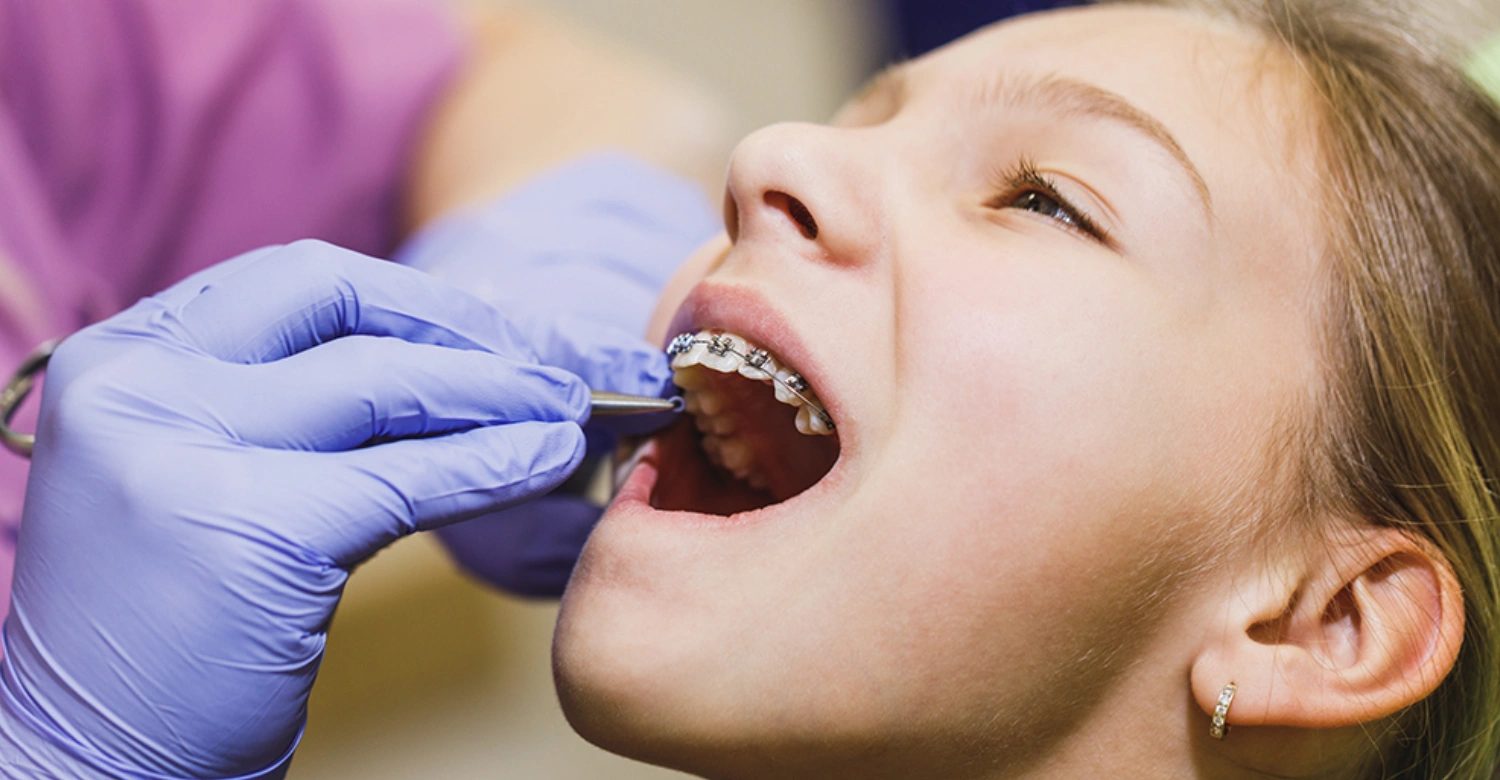
What are colored braces? They are orthodontic brackets combined with colored elastics (ligatures), allowing the treatment to be personalized in appearance. They rely on the same orthodontic mechanics as traditional metal braces: brackets, orthodontic wire, and elastics work together to move the teeth. The difference between colored brackets and colored elastics lies in the fact that it is mainly the elastics that provide the color, while the brackets often remain metal or ceramic. For a broader view of every option available, see our guide to the types of braces and specifically braces colors.
How Do Colored Braces Work?
Having seen what colored braces are in their definition, let's look at how they work. They gradually move the teeth through controlled pressure exerted by the orthodontic wire on the brackets. The colored elastics hold the wire in place without influencing the mechanics of tooth movement. Color therefore never affects the effectiveness of orthodontic treatment: it remains purely aesthetic. The typical treatment duration ranges from 12 to 24 months depending on the complexity of the case.
Who Can Wear Colored Braces?
Having explained what colored braces are, let's look at who they are suitable for. Colored braces are suitable for a wide range of people: children, teenagers, and adults undergoing orthodontic treatment. They are particularly popular with young patients wanting to express their personality, as well as adults looking to make their treatment more enjoyable. There is no specific medical contraindication: the choice of elastic colors depends solely on the patient's aesthetic preferences and has no impact on oral health.
Why Choose Colored Braces?
Once you know what colored braces are, the next question is why to choose them. Choosing colored braces turns orthodontic treatment, sometimes seen as restrictive, into a more positive and personalized experience. This option particularly encourages young patients to better accept wearing their braces daily. Colors can also be changed at each follow-up visit, allowing patients to follow the seasons, holidays, or simply their mood, at no extra cost or inconvenience.
What Types of Colored Braces Exist?
Now that we know what colored braces are in general, here are the main types available. The choice depends on the patient's aesthetic preferences and the orthodontist's recommendations. Some options focus on discretion, like clear braces, while others favor personal expression with bright colors or patterns. Here is a detailed overview of the main variants available for personalized orthodontic treatment.
Traditional Metal Braces with Colored Elastics
To better understand what colored braces are in their most classic form, let's start with this type. These are the most common colored braces: classic metal brackets combined with colored elastics. This is the most economical and widespread option in orthodontics, often used as a recurring comparison point against other alternatives. The orthodontic wire remains metal, but the elastics allow for full personalization. This combination offers an excellent balance between orthodontic treatment effectiveness and varied aesthetic possibilities. For a full breakdown of this base option, see our dedicated guide to metal braces.
Clear/Invisible Braces
Another answer to the question of what colored braces are can be found in this discreet version. Clear or invisible braces use clear ceramic brackets combined with transparent or lightly tinted elastics. This option appeals to patients wanting discreet orthodontic treatment, without giving up the option of adding an occasional touch of color. Less visible than classic metal braces, they are particularly suitable for adults in professional settings who prefer a more subtle aesthetic result day to day. This discreet alternative is covered in more depth in our guides to clear braces and invisible braces.
White or Ceramic Braces
White or ceramic braces combine tooth-colored brackets with colored or neutral elastics. This option offers a compromise between discretion and personalization, with the brackets blending into the smile while the colored elastics add a playful touch. This is a popular choice among patients wanting less visible orthodontic treatment without fully sacrificing aesthetic personalization. A full comparison is available in our guide to ceramic braces and ceramic vs. metal braces.
Pastel Colors
Among the possible answers to what colored braces are, pastel shades hold a special place. Pastel colors like powder pink, sky blue, or lilac offer a soft, discreet personalization of colored braces. They suit patients seeking a subtle aesthetic, without the boldness of bright shades. These shades are highly requested by teenagers and adults alike who want a refined touch of color during their orthodontic treatment, without drawing excessive attention to the dental appliance.
Bold, Vibrant Colors
Bright colors like red, electric purple, or fluorescent green allow for maximum personalization of colored braces. These bold shades are especially popular with young patients who want to express their style during orthodontic treatment. They can also be matched to school colors, a sports team, or an event, making wearing braces more motivating and fun day to day.
Mixed Colors and Pattern Combinations
It is possible to combine several colors on the same arch to create personalized patterns: alternating, gradients, or contrasting combinations. This approach allows for even more advanced personalization of colored braces, playing with combinations between brackets and elastics. Creative patients particularly enjoy this option to regularly refresh their look throughout orthodontic treatment.
Seasonal Color Combinations for Holidays and Special Events
Some patients choose color combinations based on seasons or events: red and green for the end-of-year holidays, orange for autumn, or bright colors for summer. This temporary personalization of colored braces adds a festive dimension to orthodontic treatment. Since the color change is possible at each follow-up appointment, this option remains flexible and comes at no additional cost.
How to Choose the Best Braces Color?
Having seen what colored braces are and their different types, here's how to choose the right shade. The choice of braces color depends on skin tone, everyday clothing, and personal preferences. Darker colors like navy blue or purple tend to make teeth appear whiter, while yellow or opaque white can highlight stains. The orthodontist can advise the patient during braces placement to find the most flattering, suitable shade.
What Are the Benefits of Colored Braces?
What are colored braces in terms of benefits? They combine orthodontic effectiveness with aesthetic personalization. They allow the patient to make their orthodontic treatment their own while keeping the same dental mechanics as classic braces. From psychological comfort to ease of maintenance, these benefits explain the growing popularity of this option, particularly among young patients and adults seeking a more enjoyable treatment experience.
Full Personalization
One of the great appeals of what colored braces are lies in this aesthetic freedom. Colored braces allow for full personalization of the smile throughout the entire orthodontic treatment. The patient can choose from a wide palette of colors, from pastel shades to bright colors, and change them at each follow-up visit. This aesthetic freedom turns wearing braces into a more positive experience, strengthening the patient's involvement in their own dental care journey.
Increased Motivation for Treatment
Being able to choose and regularly change the color of the elastics motivates many patients to better follow their orthodontic treatment. This playful dimension is especially beneficial for children and teenagers, who then see braces as a style accessory rather than a medical constraint. This increased motivation also encourages better attendance at adjustment appointments.
Increased Patient Confidence
Wearing colored braces that reflect one's personality can boost self-confidence during orthodontic treatment. Rather than seeing the dental appliance as something to hide, the patient owns their appearance and fully embraces it. This increased confidence is especially important for teenagers, a period when self-image plays a central role in daily well-being.
Stain Resistance of Brackets
The brackets themselves, whether metal or ceramic, resist stains well thanks to their smooth, non-porous surface. It is mainly the colored elastics that can dull over time, especially from contact with certain foods or drinks. Rigorous maintenance and daily brushing help limit this phenomenon and preserve the aesthetic appearance of colored braces for longer.
Easy Color Change During Treatment
One of the great advantages of colored braces is the ability to easily change color at each follow-up visit with the orthodontist. This change takes just a few minutes when the elastics are replaced, with no pain or complex procedure. This flexibility allows the patient to refresh their style regularly, according to the seasons, events, or simply their current mood.
Same Effectiveness as Traditional Braces
Colored braces offer exactly the same effectiveness as traditional metal braces, since the orthodontic mechanics remain identical. Only the color of the elastics changes, with no impact on the speed or quality of tooth movement. The aesthetic choice therefore involves no compromise on the results of orthodontic treatment, which reassures many initially hesitant patients.
Are There Any Downsides to Colored Braces?
Now that we know what colored braces are and their strengths, it's also important to know their limitations. Colored elastics can fade over time, especially from contact with certain pigmented foods or drinks. Some colors, like white or yellow, dull faster than darker shades. Maintenance is slightly more demanding than with classic metal braces, and certain dietary precautions are necessary to preserve the aesthetic appearance of the elastics between follow-up visits.
How Are Colored Braces Fitted?
Having defined what colored braces are, let's look at how they are fitted. Fitting colored braces follows the same protocol as traditional braces: bonding the brackets to the teeth, inserting the orthodontic wire, then placing the colored elastics chosen by the patient. This procedure is carried out by the orthodontist in a single session. Regular follow-up visits, every 4 to 8 weeks, then allow the treatment to be adjusted and the colors refreshed. This bonding process is explained in more detail in our guide to orthodontic bonding.
What Happens During Follow-Up Visits?
Understanding what colored braces are also includes knowing what follow-up visits look like. At each follow-up visit, the orthodontist makes adjustments to the orthodontic wire to continue tooth movement. It's also an opportunity to change the color of the elastics according to the patient's preferences. The professional assesses treatment progress, manages any discomfort, and checks that tooth movement is proceeding according to the original orthodontic treatment plan. Every case begins with a documented orthodontic treatment plan that these visits track against.
How Long Does Treatment with Colored Braces Take?
Having seen what colored braces are and how they are fitted, here is the treatment duration to expect. The average duration of orthodontic treatment with colored braces ranges from 12 to 24 months, depending on the complexity of the case. Several factors influence this duration: the patient's age, the extent of tooth movement needed, and patient cooperation. Wearing the elastics as instructed and attending adjustment appointments regularly are essential to keeping to the planned treatment schedule. This is explored in more detail in our guide to braces treatment duration.
How to Maintain Colored Braces?
Knowing what colored braces are isn't enough: you also need to know how to properly maintain them daily. Rigorous maintenance involves daily brushing after every meal, using orthodontic floss or a water flosser, and a toothbrush suited to braces. Certain sticky or heavily colored foods should be avoided, as should harsh whitening toothpastes. Regular professional cleanings and particular vigilance also help prevent broken brackets throughout orthodontic treatment. These habits are covered in more depth in our guides to braces cleaning tips and braces and oral hygiene.
Foods and Drinks That Can Stain Colored Elastics
Once you understand what colored braces are, it's useful to know which foods to avoid. Certain heavily pigmented foods and drinks can stain colored elastics, notably coffee, tea, red wine, curries, or concentrated tomato-based sauces. Red fruits like blueberries or beets should also be watched. Rinsing quickly after eating and regular brushing help limit these stains and preserve the aesthetic appearance of the treatment. A full list is available in our dedicated guide to braces food to avoid.
Can Braces Color Be Changed During Treatment?
Having seen what colored braces are, one question comes up often: can the color be changed partway through? Yes, it is entirely possible to change the color of the elastics at each follow-up visit with the orthodontist, generally every 4 to 8 weeks. This change requires no special procedure: the old elastics are simply removed and replaced with new ones, in the shade chosen by the patient, with no impact on the progress of ongoing orthodontic treatment.
Colored Braces vs. Other Orthodontic Treatments
Given the many orthodontic options available today, it is useful to compare colored braces with other existing solutions, after having looked in detail at what colored braces are and their specifics. Each treatment offers specific advantages in terms of aesthetics, comfort, and discretion. This comparison helps patients choose the option best suited to their needs, lifestyle, and personal aesthetic preferences.
Colored Braces vs. Traditional Metal Braces
To better place what colored braces are, let's first compare them to the classic metal version. Colored braces and traditional metal braces share the same basic structure, only the color of the elastics differs. Classic metal braces generally use gray or clear elastics, while colored braces allow for full aesthetic personalization. The effectiveness of orthodontic treatment remains identical in both cases, with the choice depending solely on the patient's visual preferences.
Colored Braces vs. Ceramic Braces
Ceramic braces focus on discretion with tooth-colored brackets, while colored braces favor personal expression with vivid elastics. Ceramic braces are more suited to adults in professional settings, while colored braces mainly appeal to young patients wanting to personalize their smile during orthodontic treatment.
Colored Braces vs. Clear Aligners
Clear aligners offer near-total discretion, unlike colored braces which fully embrace their visible look. However, colored braces allow for playful personalization impossible with aligners. The choice between these two options depends on the patient's priorities: maximum discretion with aligners, or personal expression and consistent effectiveness with colored braces.
Colored Braces vs. Lingual Braces
Lingual braces are attached behind the teeth and remain invisible from the outside, unlike colored braces, which sit on the front surface of the teeth. While lingual braces offer total discretion, colored braces provide greater aesthetic personalization freedom, simpler maintenance, and a generally more accessible cost for the patient. This exact comparison is explored further in our dedicated guide to lingual vs. traditional braces.
Vitrin Clinic's Clinical Perspective
Understanding what colored braces are from a clinical standpoint is essential before starting treatment. At Vitrin Clinic, the medical team supports each patient in choosing the orthodontic treatment best suited to their needs, including personalization options like colored braces. The clinical approach always prioritizes the effectiveness of tooth movement, while taking into account the comfort and aesthetic preferences expressed by the patient throughout follow-up.
Opinion of Dr. Rifat Alsaman, Head of the Medical Team and Cosmetic Dentist at Vitrin Clinic
According to Dr. Rifat Alsaman, Head of the Medical Team and cosmetic dentist at Vitrin Clinic, understanding what colored braces are helps patients, especially younger ones, become more engaged in their orthodontic treatment. He notes that the color of the elastics has no clinical effect on the effectiveness of tooth movement, and that it serves as a valuable motivational tool for ensuring consistent follow-up attendance.
How Much Do Colored Braces Cost at Vitrin Clinic?
Having seen what colored braces are, here is an important point: their cost. The cost of colored braces at Vitrin Clinic depends on several factors: the complexity of the orthodontic case, the estimated treatment duration, and the number of follow-up visits needed. A free online consultation provides a personalized assessment and quote tailored to each patient's situation, before any commitment to orthodontic treatment. For a full pricing breakdown, see our guide to the cost of braces.
References:
FAQs

Dr. Rifat Alsaman has more than 5 years of clinical experience in dentistry and currently serves as the Head of the Medical Team at Vitrin Clinic. He is dedicated to providing exceptional patient care, overseeing treatment planning, and ensuring the highest clinical standards across the team. His expertise, attention to detail, and commitment to continuous professional development have helped countless patients achieve healthier, more confident smiles.


.webp&w=3840&q=75)
