
An Interdental Brush improves oral health by cleaning the spaces between teeth where regular toothbrush bristles often cannot reach. These hidden areas can collect plaque, bacteria, and food particles, which may contribute to gum inflammation, bad breath, cavities, and periodontal problems if they are not removed regularly.
By gently passing between teeth, an Interdental Brush helps remove plaque buildup from tooth surfaces and around the gumline. This supports healthier gums, improves overall cleanliness, and helps prevent problems caused by bacterial accumulation. It can be especially beneficial for people with braces, dental implants, crowns, bridges, wider tooth gaps, or a history of gum disease.
According to Dr. Rifat Alsaman, Head of the Medical Team at Vitrin Clinic and cosmetic dentist, effective oral hygiene requires more than brushing alone. He explains that cleaning between teeth is an essential preventive step because many dental issues begin in areas patients cannot easily see or reach. A consistent routine combining brushing, professional dental care, and proper between-teeth cleaning helps maintain a healthier and longer-lasting smile.
What Is an Interdental Brush and How Does It Work?
Maintaining excellent oral hygiene requires more than brushing the visible surfaces of teeth. Many areas between teeth are difficult to reach with a regular toothbrush, allowing plaque, bacteria, and food particles to accumulate over time. An Interdental Brush is a small oral hygiene tool designed with tiny bristles that clean these narrow spaces effectively. It helps remove deposits that may contribute to gum irritation, bad breath, and tooth decay when left untreated.
Unlike traditional brushing, which mainly focuses on the front, back, and chewing surfaces of teeth, this cleaning method targets the spaces where teeth meet and where dental problems often begin. It is especially useful for people with wider tooth gaps, orthodontic appliances, dental implants, crowns, or a history of gum problems.
According to Dr. Rifat Alsaman, Head of the Medical Team at Vitrin Clinic and cosmetic dentist, cleaning between teeth is an essential part of modern preventive dentistry. He explains that many patients focus only on brushing but overlook areas where harmful bacteria can remain hidden. A complete oral care routine should include effective cleaning between teeth to support healthier gums and maintain long-term smile stability. For patients with braces specifically, understanding proper hygiene alongside orthodontic braces in Turkey helps protect both the teeth and the appliance itself during treatment
How Does an Interdental Brush Work?
The design of this dental tool allows it to reach areas that ordinary toothbrush bristles often cannot access. It consists of a small handle connected to a thin wire or flexible structure covered with soft bristles. These bristles gently pass between teeth, removing plaque buildup and trapped food without damaging healthy gum tissue when used correctly.
The effectiveness comes from the physical contact between the bristles and the tooth surfaces. As the brush moves back and forth, it disrupts the sticky bacterial layer known as plaque. This helps reduce the conditions that allow harmful bacteria to multiply around the gumline and between teeth.
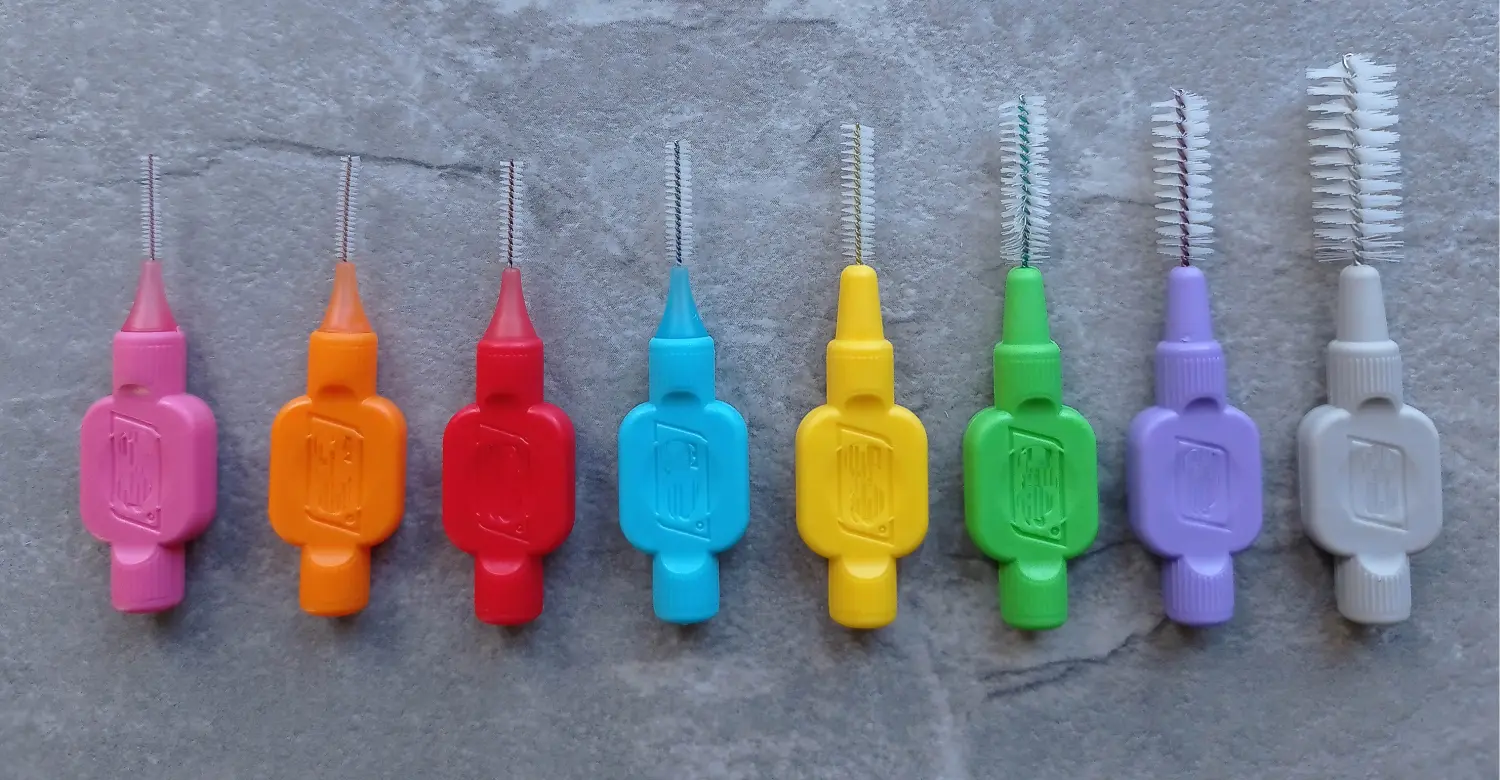
Using the correct technique is important. The brush should fit comfortably into the space without excessive force. A size that is too large may irritate the gums, while one that is too small may not clean effectively. Dental professionals can recommend suitable sizes depending on tooth spacing, gum condition, and individual oral needs.
Regular use as part of a daily hygiene routine can support cleaner teeth, fresher breath, and healthier gums. It is not designed to replace brushing but rather to complete the cleaning process by reaching areas that brushing alone may miss. Since implants require the same careful attention around the gumline, our guide to dental implants in Turkey explains why maintaining clean spaces around the restoration matters for long-term stability.
How Interdental Brushes Remove Plaque and Food Between Teeth
Plaque is a soft, sticky layer of bacteria that continuously forms on teeth throughout the day. When plaque remains between teeth, it can trigger gum inflammation and contribute to problems such as bleeding gums, sensitivity, and periodontal disease. Effective cleaning between teeth helps interrupt this process before bacteria cause more serious damage.
The small bristles are specifically designed to enter spaces between teeth and sweep away accumulated debris. Unlike rinsing with mouthwash, which may only reduce bacteria temporarily, mechanical cleaning physically removes plaque deposits from difficult-to-reach areas.
For individuals with braces, bridges, implants, or dental restorations, these spaces may collect more food particles and require additional attention. Specialized cleaning tools can make maintaining oral hygiene easier and more effective.
Dr. Rifat Alsaman, Head of the Medical Team at Vitrin Clinic and cosmetic dentist, highlights that prevention is one of the most valuable aspects of dentistry. He notes that patients who maintain consistent between-teeth cleaning often reduce their risk of developing gum complications and protect previous dental treatments.
A proper routine combining brushing, professional dental visits, and targeted cleaning between teeth creates a stronger foundation for lifelong oral health.
Why Use an Interdental Brush?
A healthy smile depends on removing bacteria from every area of the mouth, not only the surfaces that are easy to see. Many dental concerns begin in hidden areas between teeth because these spaces can trap food and plaque. Adding an effective cleaning method to a daily routine helps improve overall oral hygiene and supports healthier gums.
Many people experience gum bleeding or inflammation because plaque remains undisturbed between teeth. Regular cleaning in these areas helps reduce bacterial accumulation and supports the natural health of gum tissues.
The benefits extend beyond preventing dental problems. Cleaner spaces between teeth can contribute to fresher breath, improved comfort, and better maintenance of cosmetic dental treatments such as veneers, crowns, and implants.
At Vitrin Clinic, dental professionals emphasize that prevention and personalized care are key elements of successful oral health management. Dr. Rifat Alsaman, Head of the Medical Team at Vitrin Clinic and cosmetic dentist, recommends choosing oral hygiene techniques based on each patient's dental condition rather than following a one-size-fits-all approach. For patients with crowns, keeping the margin area plaque-free is essential, and our main dental crowns page explains how proper hygiene protects the restoration over time.
Interdental Brush Benefits for Healthy Gums
Healthy gums create the foundation for strong teeth and a confident smile. When bacteria accumulate between teeth, the gums may become irritated, swollen, or prone to bleeding. Consistent cleaning in these areas helps remove harmful deposits and supports better gum condition.
One of the important advantages is its ability to reach areas where toothbrush bristles cannot effectively clean. By reducing plaque buildup near the gumline and between teeth, it helps maintain a cleaner environment that supports gum health.
People with early signs of gum problems may particularly benefit from improving their between-teeth cleaning habits. However, persistent bleeding, swelling, or discomfort should always be evaluated by a dental professional because these symptoms may indicate underlying issues requiring treatment.
Dr. Rifat Alsaman, Head of the Medical Team at Vitrin Clinic and cosmetic dentist, explains that healthy gums are not only important for preventing disease but also for achieving successful aesthetic dental results. Strong gum tissues support natural-looking cosmetic treatments and contribute to long-lasting smile outcomes.
A personalized hygiene approach helps patients understand the correct tools, techniques, and routines needed for their individual oral health requirements. If bleeding or swelling has already developed, our periodontal disease page explains how plaque buildup between teeth progresses into gum disease when left unaddressed
Interdental Brush for Plaque Removal and Gum Health
Plaque control is one of the most important factors in maintaining oral health. While brushing removes bacteria from many tooth surfaces, the spaces between teeth often require additional attention. Without proper cleaning, plaque can harden into tartar, which may increase the risk of gum inflammation and periodontal problems.
This cleaning method provides mechanical plaque removal by gently contacting areas that are commonly missed. The movement of the bristles helps loosen bacteria and food particles while supporting a cleaner oral environment.
For patients with orthodontic appliances, dental implants, or complex restorations, maintaining plaque control can be more challenging. Specialized cleaning techniques help protect these treatments and support their durability.
According to Dr. Rifat Alsaman, Head of the Medical Team at Vitrin Clinic and cosmetic dentist, successful dental care is a combination of professional treatment and daily patient habits. Even advanced dental procedures require proper maintenance to preserve their appearance and function.
Developing a consistent cleaning routine helps patients take an active role in protecting their smiles and reducing future dental complications.
Interdental Brush vs Floss: Which Is Better?
Choosing the right method for cleaning between teeth depends on individual oral health needs, tooth spacing, gum condition, and personal comfort. Both floss and an Interdental Brush are designed to remove plaque and food particles from areas that regular brushing cannot reach. However, they work differently and may provide different advantages depending on the situation.
Dental floss is a thin thread that slides between teeth to remove debris from tight spaces. It can be effective for people with very small gaps between teeth. However, some patients find floss difficult to use correctly or struggle to reach certain areas, especially around back teeth.
uses small bristles that physically clean the sides of teeth and the spaces between them. Many patients find it easier to handle, especially when dealing with larger spaces, orthodontic appliances, implants, bridges, or gum recession.
Dr. Rifat Alsaman, Head of the Medical Team at Vitrin Clinic and cosmetic dentist, explains that the best cleaning method is not always the same for every patient. A professional assessment helps determine which technique provides the most effective plaque control while protecting gum tissues. Understanding the earliest warning signs is covered in our guide to the symptoms of periodontal disease, which explains what's reversible with better hygiene versus what needs professional treatment
Comparing Interdental Brushes and Dental Floss
Dental floss and small between-teeth cleaning tools both aim to improve oral hygiene, but their designs create different cleaning experiences. Floss works by wrapping around the tooth surface and removing plaque from narrow contact points between teeth. It is especially useful when teeth are closely positioned together.
However, many people find floss technique challenging because it requires precise movement and proper pressure control. Incorrect use may result in ineffective cleaning or unnecessary gum irritation.
An Interdental Brush provides a different approach by using tiny bristles that clean along the tooth surfaces inside wider spaces. This makes it particularly useful for patients with periodontal concerns, dental restorations, braces, or areas where food frequently becomes trapped.
Research and clinical experience show that mechanical plaque removal between teeth is an important part of preventing gum problems. The most suitable option depends on tooth anatomy and individual needs rather than choosing one method universally.
Dr. Rifat Alsaman, Head of the Medical Team at Vitrin Clinic and cosmetic dentist, emphasizes that patient education is essential. Understanding the correct technique often has a greater impact than simply choosing a specific cleaning product. For patients already showing early inflammation, our comparison of gingivitis vs. periodontitis clarifies exactly when home care is enough and when a periodontist is needed
Choosing the Best Interdental Cleaning Method
Selecting an effective cleaning method requires considering several factors, including tooth spacing, gum health, dental treatments, and personal ability. Some individuals may benefit from floss, while others may achieve better results with additional cleaning tools designed for spaces between teeth.
People with dental implants, crowns, bridges, or orthodontic appliances often have unique cleaning challenges. Food particles and plaque may accumulate around these areas, making regular maintenance especially important.
An Interdental Brush can be a practical option for many patients because it allows direct cleaning between teeth and around dental structures. The correct size and technique are important to avoid discomfort while achieving proper plaque removal.
A dental professional can evaluate the spaces between teeth and recommend the most suitable approach. Using the wrong method or an unsuitable size may reduce effectiveness or irritate the gums.
At Vitrin Clinic, personalized oral hygiene guidance is part of maintaining long-term dental health. Dr. Rifat Alsaman, Head of the Medical Team at Vitrin Clinic and cosmetic dentist, believes that customized prevention plans help patients protect both natural teeth and cosmetic dental investments.
How to Choose the Right Interdental Brush Size?
Choosing the correct size is one of the most important steps for achieving effective cleaning between teeth. Tooth spaces are not identical throughout the mouth, meaning one size may not work for every area. Using a size that fits properly allows the bristles to contact tooth surfaces while remaining gentle on the gums.
A brush that is too small may fail to remove enough plaque, while a brush that is too large may create unnecessary pressure and discomfort. The ideal size should pass through the space with slight resistance while allowing smooth movement.
Dental professionals usually evaluate the size of spaces between teeth before recommending suitable options. This is especially important for individuals with gum recession, implants, orthodontic appliances, or previous periodontal issues.
It should feel comfortable during use and should not require force. Proper selection improves cleaning efficiency and encourages consistent daily use.
Dr. Rifat Alsaman, Head of the Medical Team at Vitrin Clinic and cosmetic dentist, explains that personalized recommendations are essential because every patient has different dental structures. Choosing the right size helps patients maintain healthy gums while avoiding unnecessary irritation. Once plaque has hardened into tartar around implants, crowns, or natural teeth, our periodontal cleaning guide explains what professional scaling and root planing involves
Best Interdental Brush Size for Your Teeth
Finding the best size depends on the natural shape of your teeth, the spaces between them, and your gum condition. Some areas may require smaller sizes, while others may need slightly larger options to clean effectively.
Patients with healthy gums and minimal spaces between teeth may need a smaller size, while individuals with gum recession or periodontal changes may have larger spaces requiring different measurements.
The correct fit allows the bristles to touch the tooth surfaces without bending excessively or causing discomfort. If the brush passes through too easily without contact, it may not remove enough plaque. If it feels difficult to insert, a smaller size may be more appropriate.
An Interdental Brush selected according to professional guidance can improve daily cleaning results and support healthier gums over time.
Dr. Rifat Alsaman, Head of the Medical Team at Vitrin Clinic and cosmetic dentist, advises patients not to choose sizes based only on appearance or recommendations from others. Dental anatomy varies significantly, and professional assessment ensures the cleaning approach matches each patient’s needs. For patients wanting to understand the full scope of gum care beyond daily hygiene tools, our main periodontics page covers prevention, diagnosis, and treatment together
Choosing the Right Interdental Brush for Sensitive Gums
Patients with sensitive gums need to choose cleaning tools carefully to avoid irritation while still maintaining effective plaque removal. Sensitive gums may result from inflammation, gum recession, aggressive brushing habits, or existing dental conditions.
A suitable cleaning tool should have soft, high-quality bristles and should fit comfortably between teeth. Excessive force should never be required because aggressive cleaning may worsen gum sensitivity.
An Interdental Brush can be helpful for sensitive gums when the correct size and technique are used. Gentle movements combined with consistent use can support better gum health without causing unnecessary pressure.
Patients experiencing frequent bleeding, pain, or swelling should consult a dental professional before changing their routine. These symptoms may indicate gum inflammation that requires evaluation.
Dr. Rifat Alsaman, Head of the Medical Team at Vitrin Clinic and cosmetic dentist, highlights that patients with sensitive gums often need personalized instructions rather than simply avoiding between-teeth cleaning. With proper guidance, many individuals can improve their oral hygiene comfortably and safely.
How to Use an Interdental Brush Correctly?
Using the correct technique is essential to achieve effective cleaning between teeth while protecting the gums. Many people understand the importance of cleaning hidden areas but may not know the proper way to use these tools. Incorrect movements, excessive pressure, or choosing the wrong size can reduce effectiveness and cause discomfort.
An Interdental Brush should be inserted gently between teeth without forcing it into the space. The goal is to allow the bristles to contact the tooth surfaces and remove plaque buildup through gentle movements. It should not cause pain or significant bleeding when used correctly.
The ideal technique involves selecting the appropriate size, positioning the brush carefully, and moving it back and forth several times in each space. Cleaning should include all accessible areas between teeth, including areas around dental restorations or orthodontic appliances.
According to Dr. Rifat Alsaman, Head of the Medical Team at Vitrin Clinic and cosmetic dentist, proper education plays an important role in prevention. He explains that patients often achieve better results when they learn personalized techniques based on their dental condition rather than simply adding new products to their routine. Since hygiene needs vary by treatment type and gum condition, booking a free consultation lets our team recommend the right cleaning approach for your specific case
Step-by-Step Guide for Effective Interdental Cleaning
A consistent routine makes between-teeth cleaning easier and more effective. Before starting, patients should select a suitable size and ensure that the tool is clean and in good condition. Proper preparation helps create a comfortable experience and improves long-term results.
The first step is gently placing the brush into the space between teeth. It should slide in with light resistance but should never require force. Once positioned correctly, the bristles should move gently back and forth to remove trapped food particles and plaque.
Each space between teeth should be cleaned individually because plaque accumulation can vary from one area to another. Patients should pay special attention to areas that are difficult to reach, such as the back teeth.
An Interdental Brush becomes more effective when combined with regular tooth brushing, professional dental examinations, and healthy lifestyle habits.
Dr. Rifat Alsaman, Head of the Medical Team at Vitrin Clinic and cosmetic dentist, recommends that patients focus on consistency rather than aggressive cleaning. Gentle daily care provides better protection for gums and teeth over time.
Common Mistakes When Using an Interdental Brush
Although between-teeth cleaning is simple, some common mistakes may reduce its benefits. One of the most frequent errors is choosing an incorrect size. A brush that does not fit properly may fail to remove plaque effectively or may create unnecessary pressure on the gums.
Another mistake is using excessive force. Some people believe stronger pressure creates better cleaning, but aggressive movements can irritate sensitive gum tissues. The correct technique should feel comfortable and controlled.
Replacing the brush when the bristles become worn is also important. Damaged bristles may not clean efficiently and may affect the overall hygiene process.
An Interdental Brush should always be used as a gentle preventive tool rather than a method for aggressively removing buildup. Patients should also avoid sharing these tools because oral bacteria can be transferred between individuals.
Dr. Rifat Alsaman, Head of the Medical Team at Vitrin Clinic and cosmetic dentist, emphasizes that professional guidance can prevent many common mistakes. Proper instruction helps patients build habits that support healthier gums and maintain successful dental treatments.
When Should You Use an Interdental Brush?
The timing of between-teeth cleaning can influence how effectively plaque and food particles are removed. Many dental professionals recommend incorporating it into a daily oral hygiene routine because plaque begins forming soon after eating and drinking.
Some individuals prefer cleaning between teeth before brushing because removing trapped debris first allows toothpaste ingredients to reach cleaner surfaces. Others prefer using it after brushing as part of a complete finishing routine. The most important factor is consistency.
People with braces, implants, bridges, crowns, or gum concerns may require more attention to these areas because dental structures can create additional spaces where bacteria accumulate.
An Interdental Brush can be used whenever patients need additional support beyond regular brushing, especially when certain areas are difficult to maintain.
Dr. Rifat Alsaman, Head of the Medical Team at Vitrin Clinic and cosmetic dentist, explains that the best routine is one patients can maintain consistently. A simple, effective daily habit is often more valuable than an advanced routine that is difficult to follow.
How Often Should You Use an Interdental Brush?
Frequency depends on individual oral health needs, tooth spacing, and recommendations from a dental professional. For many people, daily cleaning between teeth provides the best opportunity to control plaque before it contributes to gum problems.
Patients with healthy gums may benefit from once-daily use as part of their regular oral care routine. Those with orthodontic appliances, dental implants, or periodontal concerns may require more detailed cleaning depending on their specific condition.
Consistency is more important than occasional intensive cleaning. Plaque develops continuously, so maintaining regular habits helps support healthier teeth and gums.
An Interdental Brush used regularly can become an important part of preventive dental care by helping remove deposits from areas that brushing alone may miss.
Dr. Rifat Alsaman, Head of the Medical Team at Vitrin Clinic and cosmetic dentist, advises patients to view between-teeth cleaning as a long-term investment in oral health. Developing a reliable routine helps protect natural teeth, dental restorations, and overall smile quality.
Daily Interdental Care Routine for Healthy Teeth
A complete daily hygiene routine should address every area of the mouth, including spaces that are difficult to reach. Combining brushing, between-teeth cleaning, and professional dental care creates a stronger approach to maintaining oral health.
A recommended routine often begins with cleaning between teeth to remove trapped food and plaque. This can be followed by brushing with appropriate toothpaste and maintaining regular dental visits for professional evaluation.
Patients should also consider lifestyle factors such as reducing frequent sugar exposure, drinking enough water, and avoiding habits that may negatively affect gum health.
An Interdental Brush can support this routine by improving access to areas where bacteria commonly accumulate. When used correctly, it helps create a cleaner environment around teeth and gums.
At Vitrin Clinic, prevention is considered a key part of achieving long-lasting dental results. Dr. Rifat Alsaman, Head of the Medical Team at Vitrin Clinic and cosmetic dentist, believes that patient education and personalized care plans help individuals maintain healthier smiles for years.
Interdental Brush for Braces, Dental Implants, and Gum Health
Maintaining proper oral hygiene becomes more challenging when patients have orthodontic appliances, dental implants, crowns, bridges, or other dental restorations. These treatments can create additional areas where food particles and plaque may accumulate. A specialized cleaning routine helps protect the health of teeth, gums, and dental work.
People wearing braces often struggle to clean around brackets and wires because traditional brushing may not reach every area. Similarly, dental implants require careful maintenance because bacteria buildup around implant areas can affect gum tissues and long-term stability.
An Interdental Brush can provide access to difficult spaces by removing debris and supporting better plaque control. The small design allows patients to clean around orthodontic components and restorative structures more effectively.
According to Dr. Rifat Alsaman, Head of the Medical Team at Vitrin Clinic and cosmetic dentist, patients with advanced dental treatments should receive personalized hygiene instructions. He explains that maintaining excellent daily care is essential for preserving treatment results and preventing future complications.
Interdental Brush for Braces and Dental Implants
Orthodontic treatment and dental implants require special attention because the areas around these treatments can easily collect bacteria and food particles. Braces include brackets, wires, and small spaces that may be difficult to clean with regular brushing alone. Dental implants also require careful maintenance to protect the surrounding gum tissue.
During orthodontic treatment, poor plaque control may increase the risk of gum inflammation and tooth surface changes. For implant patients, maintaining clean areas around the restoration supports healthier tissues and contributes to long-term success.
An Interdental Brush can help patients reach areas around brackets, wires, implant-supported crowns, and other dental structures. Different sizes may be needed depending on the location and space available.
Dr. Rifat Alsaman, Head of the Medical Team at Vitrin Clinic and cosmetic dentist, emphasizes that professional guidance is especially important for patients with complex dental needs. He explains that the correct cleaning approach should be adapted according to the treatment type, oral condition, and individual anatomy.
Interdental Cleaning Tools for Preventing Gum Disease
Gum disease often develops gradually when plaque remains around teeth and beneath the gumline. Prevention depends on controlling bacterial buildup through effective daily hygiene and regular professional care.
While brushing is essential, many areas between teeth remain challenging to clean. This is where additional cleaning tools become valuable. They help remove deposits from areas where harmful bacteria can multiply and contribute to gum inflammation.
An Interdental Brush is one of the commonly recommended tools for improving plaque removal between teeth. When selected correctly and used consistently, it can support healthier gums and reduce factors associated with periodontal problems.
However, prevention is not only about using a specific tool. Proper technique, regular dental examinations, balanced nutrition, and healthy habits all contribute to maintaining gum health.
Dr. Rifat Alsaman, Head of the Medical Team at Vitrin Clinic and cosmetic dentist, explains that preventing gum disease is easier than managing advanced problems. He encourages patients to develop early hygiene habits that protect their smiles before major dental concerns appear.
Are Interdental Brushes Good for Gums?
Healthy gums are essential for maintaining strong teeth and a stable smile. When plaque accumulates between teeth, it can irritate gum tissues and lead to redness, swelling, tenderness, or bleeding. Effective cleaning between teeth helps create a healthier environment around the gums.
Many patients worry that cleaning between teeth may worsen gum sensitivity, especially if they experience bleeding. However, gentle and correct use can actually support improved gum condition by reducing bacterial buildup.
An Interdental Brush can be beneficial for gums because it provides mechanical cleaning in areas where bacteria frequently collect. Removing plaque regularly helps reduce the factors that contribute to gum inflammation.
Patients should remember that temporary bleeding may occur when starting a new cleaning routine, particularly if the gums are already inflamed. However, persistent bleeding or discomfort should be evaluated by a dental professional.
Dr. Rifat Alsaman, Head of the Medical Team at Vitrin Clinic and cosmetic dentist, explains that healthy gums require consistent care rather than occasional treatment. Proper cleaning habits combined with professional monitoring help maintain long-term oral health.
How Interdental Brushes Support Gum Health
Gum health depends on maintaining a balanced oral environment where harmful bacteria are controlled. Plaque accumulation between teeth is one of the main factors that can contribute to gum irritation and periodontal concerns.
Cleaning these hidden areas regularly helps reduce bacterial buildup and supports healthier gum tissues. It also helps prevent the progression of minor gum inflammation into more serious conditions.
An Interdental Brush supports gum health by allowing gentle cleaning along tooth surfaces and between spaces that are difficult to access. The bristles help remove deposits while encouraging better daily hygiene habits.
For patients who have experienced gum problems before, maintaining a consistent routine is particularly important. Prevention requires ongoing attention because plaque continuously forms throughout the day.
Dr. Rifat Alsaman, Head of the Medical Team at Vitrin Clinic and cosmetic dentist, highlights that gum health is closely connected with the success of many dental treatments. Whether patients have natural teeth, cosmetic restorations, or implants, maintaining healthy supporting tissues is essential for achieving lasting results.
Can Interdental Brushes Prevent Gum Disease?
Preventing gum disease requires controlling the bacteria responsible for plaque formation. Although no single product can guarantee complete prevention, effective daily cleaning plays an important role in reducing risk factors.
Gum disease often begins with mild inflammation caused by bacterial buildup. If plaque remains untreated, it can contribute to deeper problems affecting the supporting structures around teeth.
An Interdental Brush may help prevent gum disease by improving plaque removal in areas that are commonly missed during normal brushing. By maintaining cleaner spaces between teeth, patients can support healthier gum tissues.
However, prevention also requires regular dental checkups, professional cleanings when needed, and attention to symptoms such as persistent bleeding, swelling, or sensitivity.
Dr. Rifat Alsaman, Head of the Medical Team at Vitrin Clinic and cosmetic dentist, explains that preventive dentistry focuses on early action. He believes patients achieve better long-term outcomes when they combine professional care with effective daily hygiene routines.
Interdental Brush Guide for Better Oral Hygiene
Good oral hygiene requires a complete approach that addresses visible tooth surfaces and hidden areas between teeth. Many dental issues begin in places patients cannot easily see, making prevention an important part of maintaining a healthy smile.
A successful hygiene routine includes proper brushing technique, regular dental visits, and effective cleaning between teeth. Understanding how different tools work allows patients to make better choices for their individual needs.
An Interdental Brush can become an important part of a complete oral hygiene strategy by helping remove plaque and debris from difficult-to-reach areas. Its effectiveness depends on choosing the correct size and using proper technique.
At Vitrin Clinic, dental professionals focus on educating patients about preventive care and personalized hygiene methods. Dr. Rifat Alsaman, Head of the Medical Team at Vitrin Clinic and cosmetic dentist, emphasizes that informed patients are more likely to maintain healthy habits and protect their smiles over time.
Interdental Brush Tips From Dental Professionals
Dental professionals emphasize that successful oral hygiene depends on consistency, correct technique, and choosing tools that match individual dental needs. Many patients purchase oral care products but do not receive guidance on how to use them effectively, which can reduce the benefits they provide.
One important recommendation is selecting the correct size based on the spaces between teeth. A tool that fits properly should clean effectively without causing discomfort or pressure on the gums. Patients should also replace their cleaning tools regularly when the bristles become worn or damaged.
An Interdental Brush should be used with gentle movements rather than aggressive force. Applying too much pressure does not improve cleaning results and may irritate sensitive gum tissues.
Dental professionals also recommend combining between-teeth cleaning with regular brushing, dental examinations, and professional hygiene appointments. This comprehensive approach helps maintain healthier teeth and gums.
Dr. Rifat Alsaman, Head of the Medical Team at Vitrin Clinic and cosmetic dentist, explains that patient education is a major part of preventive dentistry. He believes that understanding the correct technique allows patients to achieve better results and maintain healthier smiles throughout life.
Small Brush Big Impact: The Role of Interdental Cleaning
Small improvements in daily oral hygiene can create significant long-term benefits. Although between-teeth spaces may seem minor, they are important areas where plaque and bacteria can accumulate if they are not cleaned properly.
Many dental problems begin in hidden areas because patients often focus only on brushing visible tooth surfaces. By including additional cleaning methods, individuals can improve their ability to remove harmful deposits and maintain a cleaner oral environment.
An Interdental Brush represents a simple yet effective solution for improving access to areas that traditional toothbrushes may miss. Despite its small size, it can play an important role in supporting gum health and reducing plaque accumulation.
The value of between-teeth cleaning extends beyond preventing problems. It also helps maintain the appearance and function of cosmetic dental treatments, orthodontic appliances, and restorations by supporting healthier surrounding tissues.
Dr. Rifat Alsaman, Head of the Medical Team at Vitrin Clinic and cosmetic dentist, notes that successful dental care often depends on small daily habits. Consistent preventive actions can protect smiles and reduce the need for complex treatments in the future.
What We Notice Clinically: Dr. Rifat Alsaman’s Opinion
From a clinical perspective, maintaining healthy spaces between teeth is one of the most important aspects of preventive dental care. Many patients who experience gum concerns or plaque-related issues often have difficulty cleaning areas that are not easily reached through regular brushing.
Dr. Rifat Alsaman, Head of the Medical Team at Vitrin Clinic and cosmetic dentist, explains that effective oral hygiene should be personalized according to each patient’s dental structure, gum condition, and existing treatments. He highlights that patients with braces, implants, crowns, or gum sensitivity may require specific cleaning strategies.
An Interdental Brush can be a valuable addition to professional dental recommendations because it supports mechanical plaque removal in challenging areas. However, Dr. Rifat Alsaman emphasizes that technique and consistency are just as important as choosing the right tool.
In modern dentistry, prevention is considered a fundamental part of maintaining healthy smiles. Patients who develop proper daily habits often achieve better oral health outcomes and protect the results of previous dental treatments.
The Importance of Interdental Cleaning in Modern Dentistry
Modern dentistry focuses not only on treating existing dental problems but also on preventing them before they become more complicated. Preventive care has become a central approach because maintaining natural teeth and healthy gums is easier than treating advanced conditions.
Between-teeth cleaning plays an important role because these areas are frequently affected by plaque accumulation. Even patients with excellent brushing habits may leave some spaces insufficiently cleaned without additional techniques.
An Interdental Brush supports modern preventive dentistry by helping patients improve their daily plaque control. It is especially valuable for individuals with specific dental challenges, including orthodontic appliances, implants, and periodontal concerns.
Dental professionals increasingly emphasize personalized oral hygiene plans because every patient has different needs. Factors such as tooth alignment, gum condition, and previous treatments influence which cleaning methods are most appropriate.
Dr. Rifat Alsaman, Head of the Medical Team at Vitrin Clinic and cosmetic dentist, explains that dentistry has evolved from treating disease to actively protecting oral health. He believes that patient education and prevention are essential components of achieving long-lasting dental results.
Interdental Brush at Vitrin Clinic
At Vitrin Clinic, maintaining excellent oral health involves more than providing dental treatments. The clinic focuses on helping patients understand how daily habits influence the success and longevity of their smiles.
Professional dental care includes evaluating individual oral conditions and recommending suitable hygiene approaches. Patients may have different needs depending on whether they have natural teeth, cosmetic treatments, implants, orthodontic appliances, or gum-related concerns.
An Interdental Brush may be recommended as part of a personalized hygiene routine when patients need additional support cleaning between teeth. Dental professionals assess tooth spacing and gum health to help patients choose suitable options.
The goal is not only to improve immediate cleanliness but also to support long-term oral stability. Proper home care contributes to healthier gums, stronger teeth, and better maintenance of dental treatments.
Dr. Rifat Alsaman, Head of the Medical Team at Vitrin Clinic and cosmetic dentist, believes that professional guidance helps patients transform oral hygiene from a simple routine into an effective preventive strategy. Personalized recommendations allow patients to protect their smiles with confidence.
Personalized Oral Hygiene Guidance for Patients
Every patient has unique dental characteristics, which means oral hygiene recommendations should be customized rather than generalized. Tooth spacing, gum condition, dental history, and existing treatments all influence the most effective cleaning approach.
Some patients may need extra attention around dental implants, while others may require specialized methods because of braces, sensitive gums, or previous periodontal concerns. Understanding these differences allows dental professionals to create more effective care plans.
An Interdental Brush can be included in personalized recommendations when it matches the patient’s specific needs. The correct size, technique, and frequency of use are important factors in achieving comfortable and effective cleaning.
At Vitrin Clinic, professional guidance focuses on helping patients understand their oral health requirements and develop sustainable habits. Education empowers patients to take an active role in protecting their smiles.
Dr. Rifat Alsaman, Head of the Medical Team at Vitrin Clinic and cosmetic dentist, emphasizes that personalized care creates better outcomes because patients receive recommendations designed specifically for their dental condition.
Supporting Long-Term Smile Health With Professional Dental Care
A healthy smile requires ongoing attention, even after completing dental treatments. Cosmetic procedures, orthodontic treatments, and restorative dentistry can provide excellent results, but proper maintenance is essential for preserving their appearance and function.
Professional dental care combines regular examinations, preventive treatments, and patient education. These elements work together to identify potential concerns early and support better oral health over time.
An Interdental Brush can contribute to long-term smile maintenance by helping patients control plaque buildup in areas that are difficult to reach. This is especially important for protecting the tissues that support teeth and dental restorations.
At Vitrin Clinic, dental professionals focus on creating complete care plans that address both aesthetic goals and oral health needs. Maintaining healthy gums and clean tooth surfaces supports the durability of many dental treatments.
Dr. Rifat Alsaman, Head of the Medical Team at Vitrin Clinic and cosmetic dentist, explains that long-lasting smile results depend on cooperation between professional care and patient commitment. Daily habits are essential for protecting dental investments and maintaining confidence.
Why Choose Vitrin Clinic for Your Dental Care?
Choosing the right dental clinic is an important decision because successful oral health outcomes depend on professional expertise, advanced techniques, and personalized patient care. A trusted dental team focuses not only on improving smiles but also on protecting the health of teeth and gums throughout every stage of treatment.
At Vitrin Clinic, dental care combines modern technology, experienced professionals, and patient-focused treatment planning. The clinic provides comprehensive dental solutions designed around individual needs, including preventive care, cosmetic dentistry, restorative treatments, and gum health support.
An Interdental Brush may be recommended as part of a complete oral hygiene approach when patients need additional support maintaining clean spaces between teeth. Professional guidance ensures patients understand how to use suitable tools correctly and comfortably.
Dr. Rifat Alsaman, Head of the Medical Team at Vitrin Clinic and cosmetic dentist, believes that excellent dentistry requires a balance between advanced treatment and patient education. He emphasizes that maintaining oral health after treatment is just as important as achieving successful results during treatment.
Through personalized recommendations and continuous professional support, Vitrin Clinic helps patients protect their smiles and maintain long-term dental wellness.
Advanced Cosmetic Dentistry and Gum Health Solutions
Modern cosmetic dentistry is not only focused on creating attractive smiles but also on ensuring that aesthetic improvements are supported by healthy teeth and gums. A successful smile transformation requires careful attention to both appearance and oral function.
Healthy gums provide essential support for many cosmetic and restorative treatments, including veneers, crowns, implants, and other smile enhancement procedures. Without proper gum care, even advanced treatments may face challenges over time.
An Interdental Brush can support patients who need improved plaque control around natural teeth, restorations, or areas that are difficult to clean with traditional brushing. Maintaining a healthy oral environment contributes to better treatment stability and overall comfort.
At Vitrin Clinic, cosmetic dentistry combines aesthetic principles with preventive dental care. The team evaluates each patient’s oral condition before creating personalized treatment plans that match their goals and dental requirements.
Dr. Rifat Alsaman, Head of the Medical Team at Vitrin Clinic and cosmetic dentist, explains that beautiful smiles depend on strong foundations. He emphasizes that gum health, hygiene habits, and professional maintenance are essential parts of achieving natural-looking and lasting results.
How Can Interdental Cleaning Improve Long-Term Oral Health?
Long-term oral health depends on preventing problems before they become more complex. Daily habits play a major role in controlling plaque, protecting gum tissues, and maintaining the strength of natural teeth. Many oral health issues begin in areas that are difficult to clean, making between-teeth care an essential part of prevention.
An Interdental Brush helps support long-term oral health by reaching spaces where food particles and bacteria can accumulate. Regular cleaning between teeth can contribute to better plaque control and create a healthier environment around the gums.
Maintaining these habits is especially important for patients who have invested in dental treatments such as implants, crowns, veneers, or orthodontic procedures. Proper maintenance helps preserve the appearance, function, and durability of these treatments.
Dr. Rifat Alsaman, Head of the Medical Team at Vitrin Clinic and cosmetic dentist, explains that prevention is one of the strongest tools in modern dentistry. He emphasizes that patients who maintain consistent hygiene routines often experience fewer complications and achieve better long-term dental outcomes.
What Are the Signs You Need Better Between-Teeth Cleaning?
Recognizing early warning signs can help patients improve their oral hygiene before minor concerns become serious problems. Symptoms such as gum bleeding, persistent bad breath, swollen gums, or frequent food trapping between teeth may indicate that certain areas require more attention.
An Interdental Brush can be useful for improving cleaning in areas where plaque buildup commonly occurs. However, these symptoms should not always be ignored because they may also indicate underlying gum conditions that require professional evaluation.
Many patients assume that occasional bleeding is normal, but ongoing gum irritation may be a sign that bacteria are affecting the surrounding tissues. Improving daily cleaning habits and receiving professional advice can help address these concerns.
Dr. Rifat Alsaman, Head of the Medical Team at Vitrin Clinic and cosmetic dentist, advises patients to pay attention to changes in their oral health. Early detection and preventive care allow dental professionals to provide simpler and more effective solutions.
How Does Between-Teeth Cleaning Support Cosmetic Dental Treatments?
Cosmetic dentistry focuses on improving smile appearance while maintaining proper oral function. Treatments such as veneers, crowns, and implants require healthy surrounding tissues to achieve natural and long-lasting results.
Keeping the areas around cosmetic restorations clean is essential because plaque buildup may affect gum health and the overall appearance of the smile. Healthy gums provide better support and contribute to more stable aesthetic results.
An Interdental Brush can help patients maintain cleanliness around dental restorations by reaching areas where traditional brushing may not be enough. This additional step can support the longevity of cosmetic treatments.
At Vitrin Clinic, dental care focuses on combining aesthetic improvements with strong preventive strategies. Patients receive guidance on maintaining their results after completing treatment.
Dr. Rifat Alsaman, Head of the Medical Team at Vitrin Clinic and cosmetic dentist, explains that a beautiful smile requires ongoing care. He highlights that professional treatment and daily maintenance work together to protect both appearance and oral health.
What Makes Professional Oral Hygiene Advice Important?
Many patients use oral care products without knowing whether they are suitable for their specific dental needs. Professional guidance helps individuals understand which techniques, tools, and routines are most effective for their unique situation.
A dental professional can evaluate factors such as tooth spacing, gum condition, dental history, and existing treatments before recommending suitable hygiene methods. This personalized approach improves comfort and effectiveness.
An Interdental Brush may be recommended when patients need additional support cleaning between teeth, but the correct size and technique are important for achieving the best results.
Professional advice also helps patients avoid common mistakes, such as using excessive force or selecting an unsuitable size. Education allows patients to build habits that are easier to maintain over time.
Dr. Rifat Alsaman, Head of the Medical Team at Vitrin Clinic and cosmetic dentist, believes that patient awareness is a fundamental part of successful dental care. He explains that informed patients are better prepared to protect their smiles and maintain healthy routines.
How Can You Maintain Healthy Gums Every Day?
Healthy gums require regular attention and consistent care. The foundation of gum health begins with removing plaque, maintaining good brushing habits, and protecting areas where bacteria commonly accumulate.
Daily habits such as brushing correctly, cleaning between teeth, staying hydrated, and attending regular dental appointments all contribute to healthier gums. Prevention is usually easier and more comfortable than treating advanced gum problems.
An Interdental Brush can be included in a daily routine to improve plaque removal from spaces that may be missed during regular brushing. This supports cleaner tooth surfaces and healthier gum tissues.
Patients should also monitor changes such as bleeding, sensitivity, or swelling. These signs may indicate that professional advice is needed.
Dr. Rifat Alsaman, Head of the Medical Team at Vitrin Clinic and cosmetic dentist, emphasizes that gum health is an important foundation for every smile. Whether patients have natural teeth or dental restorations, maintaining healthy supporting tissues contributes to better long-term results.
Final Thoughts
Achieving excellent oral health requires attention to every part of the mouth, including areas that are not easily visible. Brushing alone is essential but may not remove all plaque from between teeth, making additional cleaning methods valuable for many patients.
An Interdental Brush can be an effective part of a complete oral hygiene routine when selected correctly and used consistently. It supports plaque removal, helps maintain gum health, and provides additional protection for patients with specific dental needs.
The most successful approach combines proper home care, regular dental examinations, professional guidance, and healthy lifestyle choices. Every patient has different requirements, so personalized recommendations are important.
Dr. Rifat Alsaman, Head of the Medical Team at Vitrin Clinic and cosmetic dentist, concludes that prevention and education are key elements of modern dentistry. By developing effective daily habits and receiving professional support, patients can protect their smiles and enjoy healthier oral function for years.
Reference
Interdental Brush is an effective oral hygiene tool designed to clean the spaces between teeth where regular toothbrushes may not reach, helping remove plaque, reduce food buildup, and support healthy gums. The following references provide more information about its benefits, proper use, types, and role in maintaining effective dental care:
FAQs

Dr. Rifat Alsaman has more than 5 years of clinical experience in dentistry and currently serves as the Head of the Medical Team at Vitrin Clinic. He is dedicated to providing exceptional patient care, overseeing treatment planning, and ensuring the highest clinical standards across the team. His expertise, attention to detail, and commitment to continuous professional development have helped countless patients achieve healthier, more confident smiles.


.webp&w=3840&q=75)
