Dental Crowns
June 23, 2026
Zirconia Crown: Why Has It Become the Preferred Choice for a Lasting Smile?
 Dr. Rifat Alsaman
When a tooth is weakened by significant decay, a fracture, or natural wear, restoring its function and appearance becomes essential. Among the most modern solutions available today, the Zirconia Crown stands out as one of the most sought-after treatments in cosmetic and restorative dentistry. Thanks to its exceptional strength, natural appearance, and biocompatibility, it meets the expectations of patients who wish to regain a harmonious smile without compromising their comfort.
Over recent years, technological advances have considerably improved the quality of dental restorations. Traditional metallic materials are progressively giving way to more aesthetic and higher-performing alternatives. Zirconia is widely recognized today for its ability to reproduce the natural look of teeth while offering excellent long-term durability.
At Vitrin Clinic, dental cosmetic specialists utilize advanced digital technologies to design precise and personalized restorations. This approach allows for functional, comfortable results tailored to the specific needs of each patient. Understanding the characteristics, benefits, and various applications of this solution helps in making an informed decision to sustainably improve one's oral health.
What Is a Zirconia Crown?
A dental restoration is often necessary when a natural tooth can no longer properly perform its function due to significant damage. Zirconia is a high-tech ceramic material widely used in the medical field for its remarkable mechanical and biological properties. A crown made from this material entirely covers the visible part of the tooth to restore its shape, strength, and appearance.
This solution is particularly appreciated for its ability to mimic the natural color of enamel while offering high resistance to chewing forces. Unlike certain metal restorations, it does not show a dark line at the gum level, which considerably improves the aesthetic outcome.
Many patients looking for a discreet and durable restoration consider the Zirconia Crown a benchmark in modern dentistry today. Its use extends to both front teeth and molars, offering a balanced combination of aesthetics, functionality, and longevity.
How Is a Zirconia Dental Crown Made?
The manufacturing of a modern crown relies on an extremely precise digital process. Following the clinical evaluation, the dentist typically takes a digital impression using an intraoral scanner. This technology creates a detailed three-dimensional reproduction of the tooth involved without resorting to traditional, often uncomfortable methods.
The obtained data is then transferred to computer-aided design (CAD) software. The dental technician virtually designs the restoration so that it perfectly integrates with the patient's bite and the aesthetics of their smile. Once the design is validated, a computer-aided manufacturing (CAM) machine mills the restoration from a high-quality zirconia block.
After milling, the piece undergoes a sintering process at a very high temperature to increase its density and strength. Cosmetic finishes, including shade and translucency adjustments, are then performed to achieve a natural result. This method guarantees remarkable precision and an excellent clinical fit.
Why Is Zirconia Used in Modern Dentistry?
The growing popularity of zirconia is primarily linked to its exceptional performance. This material possesses very high mechanical strength, allowing it to withstand the significant stresses generated during daily chewing. This characteristic makes it a preferred choice for restorations located at both the front and back of the mouth.
Beyond its solid strength, zirconia also offers highly appreciated aesthetic qualities. New generations of zirconia feature improved translucency that faithfully reproduces the natural appearance of teeth. This makes it possible to achieve particularly harmonious results, even in the visible areas of the smile.
Professionals also appreciate its excellent biological compatibility. The material is well tolerated by gum tissue and rarely causes adverse reactions. Thanks to this unique combination of strength, aesthetics, and biocompatibility, the Zirconia Crown has become one of the most widely used solutions in contemporary dental treatments.
Metal-Free Zirconia Crown: What Are the Differences with Traditional Crowns?
Traditional restorations often consisted of a metal structure covered with ceramic. Although these solutions demonstrated their effectiveness for many years, they present certain limitations on an aesthetic level. Over time, a dark line can appear near the gum line, compromising the natural appearance of the smile.
All-zirconia restorations eliminate this drawback due to the complete absence of metal. They offer better light transmission and an appearance closer to that of a natural tooth. This characteristic is particularly important for teeth that are visible when the patient speaks or smiles.
Another advantage lies in the material's biocompatibility. Some individuals may experience sensitivity or have concerns related to metal alloys. Metal-free solutions then provide a reassuring and high-performance alternative. They allow for an optimal balance between aesthetics, comfort, and durability, meeting the growing demands of modern patients.
The Benefits of a Zirconia Crown
The success of this restoration is based on a combination of characteristics rarely found together in a single material. Today, patients seek solutions capable of offering a natural aesthetic result while guaranteeing durable resistance to daily demands. Zirconia precisely meets these expectations due to its remarkable performance.
Among the main advantages of the zirconia crown are its exceptional strength, biocompatibility, and ability to faithfully reproduce the appearance of natural teeth. It serves as a suitable option for patients wishing to restore a damaged tooth without compromising the aesthetics of their smile.
This solution is also valued for its low wear rate and resistance to fractures. When properly maintained, it can preserve its appearance and functionality for many years. It is this combination of clinical reliability and aesthetic results that explains why so many patients choose the Zirconia Crown as a long-term restoration solution today.
An Aesthetic Zirconia Crown for a Natural Smile
One of the most important criteria when choosing a dental restoration is the final appearance of the smile. Patients generally want their treatment to be practically invisible so that no one can distinguish the restored tooth from the surrounding natural teeth.
Modern zirconia possesses advanced optical properties that make it possible to reproduce the natural color, brightness, and translucency of enamel. Thanks to these features, restorations blend harmoniously into the smile, even when the tooth involved is located in a highly visible area.
Dental laboratories today have a wide range of shades and customization techniques at their disposal to achieve extremely realistic results. This ability to combine aesthetic precision and durability contributes significantly to the growing popularity of zirconia restorations among patients mindful of their smile's appearance.
A Strong Zirconia Crown Built for High Chewing Pressures
Teeth are subjected daily to significant forces during chewing. Some restorations can present risks of cracking or premature wear when exposed to these stresses over long periods.
Zirconia sets itself apart through its exceptional mechanical resistance. It effectively supports the loads generated when chewing hard foods and is particularly suited for the posterior regions of the mouth where pressures are greatest.
This robustness is a major benefit for patients suffering from bruxism or those with a tendency to clench their teeth. Although extra protection may sometimes be recommended, the material generally offers excellent long-term stability. This solid strength helps reduce the risk of early replacement and improves the overall cost-effectiveness of the treatment.
A Biocompatible Zirconia Crown for Sensitive Gums
Gum health plays a vital role in the long-term success of any dental restoration. A material that is poorly tolerated can foster tissue irritation or cause chronic inflammation that could affect the patient's comfort.
Zirconia is recognized for its high compatibility with biological tissues. Its smooth surface limits the accumulation of bacterial plaque and facilitates the maintenance of good oral hygiene. Gums generally adapt very well to this material, contributing to a healthy and natural look for the smile.
This characteristic is particularly attractive for individuals with gum sensitivity or those wishing to avoid restorations containing metal. Thanks to its chemical stability and low reactivity, zirconia constitutes a reliable solution for many patient profiles.
Why the Best Zirconia Dental Crown Is Attracting More and More Patients?
Patient expectations have evolved considerably over recent years. Today, they look not only for a functional solution but also for a durable aesthetic result that improves their daily self-confidence.
The combination of strength, comfort, and natural appearance explains the growing enthusiasm for this restoration. Technological advances have also improved manufacturing precision, guaranteeing a more comfortable fit and better longevity.
Additionally, the ability to customize each restoration according to the morphology and shade of the patient's teeth helps yield highly satisfactory results. This evolution of techniques and materials has reinforced the reputation of the Zirconia Crown as one of the best options available in modern dentistry.
Zirconia or Ceramic Crown: Which Option to Choose?
The choice of a dental restoration depends on several criteria, including the desired aesthetics, the necessary strength, the tooth's location, and the patient's budget. Zirconia and ceramic restorations are among the most popular solutions in modern dentistry, each offering specific advantages according to clinical needs.
Patients wishing to restore a visible tooth generally place great importance on the aesthetic rendering, while those who need to replace a molar often prioritize strength and durability. In this context, it is essential to understand the differences between the available materials to make an informed choice.
Thanks to recent technological progress, both options offer excellent results today. However, the Zirconia Crown is often preferred when an optimal balance between aesthetics, strength, and longevity is sought. At Vitrin Clinic, each treatment is personalized to suggest the solution best suited to the patient's oral situation.
Differences Between Zirconia or Ceramic Crown
The main difference between these two types of restorations lies in their composition and mechanical properties. All-ceramic restorations are renowned for their excellent translucency, allowing them to very faithfully reproduce the natural appearance of teeth, especially in the front areas of the smile.
Zirconia, on the other hand, offers superior mechanical resistance. This characteristic allows it to support significant chewing forces while maintaining its structural integrity over many years. New generations of materials have also enhanced its aesthetic appearance, considerably reducing the visual gap with pure ceramic restorations.
When a patient looks for both durability and a natural look, the Zirconia Crown often represents a particularly interesting solution. The final choice, however, depends on the specific needs of each clinical case and the practitioner's recommendations.
Zirconia Crown vs E-max: Advantages and Limitations
E-max is a lithium disilicate ceramic widely used for aesthetic restorations. This material is valued for its exceptional translucency, which very effectively reproduces the optical properties of natural teeth. It often makes an excellent choice for front teeth when the aesthetic demand is very high.
However, zirconia generally presents superior strength, making it more suitable for teeth subjected to heavy functional stress. This robustness allows for broader use, notably for molars or patients showing mild to moderate bruxism.
The choice between the two materials rests on a balance between aesthetics and strength. In situations requiring increased strength while preserving an excellent visual rendering, the Zirconia Crown remains an option particularly valued by dentists and patients.
Which Solution Is Best Suited for Visible Teeth?
Visible teeth play a major role in the harmony of the smile. When a restoration is placed on an incisor or a canine, the main objective is generally to obtain an undetectable result that perfectly integrates with the neighboring natural teeth.
Highly translucent ceramic restorations can offer remarkable results in certain complex aesthetic cases. However, new generations of aesthetic zirconia have significantly reduced the visual differences that previously existed between the materials.
Thanks to their combination of strength and natural appearance, many practitioners recommend the Zirconia Crown today even for front teeth. A personalized analysis of the teeth's color, shape, and position allows for identifying the solution best suited to each patient to achieve a harmonious and durable smile.
The Different Types of Zirconia Crowns
Zirconia is a versatile material that can be used in various clinical situations. Needs differ depending on whether the tooth to be restored is located at the front or the back of the mouth, whether it is natural or supported by an implant. To meet these requirements, several types of zirconia restorations have been developed.
Each variant possesses specific characteristics intended to optimize the functional and aesthetic performance of the treatment. The choice generally depends on the location of the tooth, the forces exerted during chewing, and the patient's expectations regarding the final result.
Thanks to this flexibility, the Zirconia Crown can be adapted to a large number of clinical situations, ranging from the simple restoration of a broken tooth to the complete rehabilitation of a smile. At Vitrin Clinic, each treatment plan is designed to offer the best balance between aesthetics, comfort, and durability.
Monolithic Zirconia Crown
The monolithic crown is manufactured from a single block of zirconia without adding external ceramic layers. This design gives it exceptional resistance to fractures and wear, making it a particularly reliable solution for teeth subjected to heavy mechanical stress.
Thanks to recent technological improvements, modern versions also offer an increasingly natural aesthetic rendering. They are often used for posterior restorations where strength is a major priority.
Due to its robustness and longevity, the monolithic Zirconia Crown represents an excellent choice for patients looking for a durable restoration capable of withstanding daily functional demands.
Zirconia Crown for Front Teeth
Front teeth require special attention regarding aesthetics. They are constantly visible when the patient talks, smiles, or laughs, making the quality of the final result particularly important.
Restorations intended for this area are designed with increased translucency to faithfully reproduce the natural appearance of enamel. Dental laboratories can customize the color, nuances, and surface texture to guarantee a seamless integration into the existing smile.
Thanks to these advanced customization possibilities, the Zirconia Crown used on front teeth yields a remarkable balance between natural beauty and long-term strength, thereby meeting the highest aesthetic expectations.
Zirconia Crown for Molars
Molars play an essential role in chewing and support the greatest forces on the dental arch. Restorations intended for these teeth must therefore offer exceptional strength to guarantee their durability over the years.
Zirconia perfectly meets this requirement due to its high solid strength and its capacity to withstand significant functional loads. It considerably reduces the risks of cracking or fracturing associated with certain more fragile restorations.
For patients looking for a durable solution to restore a damaged molar, the Zirconia Crown often constitutes one of the most reliable options available in modern dentistry.
Zirconia Crown for Posterior Teeth
Posterior teeth perform a large part of the chewing work. They are subjected to repeated stress that requires the use of materials capable of resisting intensive use over the long term.
Zirconia restorations intended for this region offer an excellent balance between robustness, stability, and comfort. Their precise fit also contributes to maintaining a balanced bite, promoting optimal chewing function.
The Zirconia Crown is frequently recommended for posterior teeth due to its capacity to maintain its functional performance for many years while preserving a natural appearance.
Zirconia Crown on Implant
When a tooth is missing and replaced by an implant, the final restoration plays a decisive role in the aesthetics and function of the treatment. The crown attached to the implant must be strong enough to bear daily forces while reproducing the appearance of a natural tooth.
Zirconia perfectly meets these demands thanks to its strength and biocompatibility. It also contributes to preserving gum aesthetics by avoiding the metallic shadows that can sometimes appear with other materials.
For many patients, the Zirconia Crown on an implant represents a premium solution allowing for effectively restoring a missing tooth while obtaining a natural and durable result.
Zirconia Crown for a Broken Tooth
A broken tooth can compromise both the aesthetics of the smile and the capacity to chew. When a significant part of the tooth structure is lost, a complete restoration often becomes necessary to protect the remaining tooth.
Zirconia makes it possible to rebuild the original shape of the tooth while providing it with high resistance against future stress. Its natural appearance also helps restore the harmony of the smile without drawing attention to the treated area.
In many cases, the Zirconia Crown constitutes an effective solution for restoring a fractured tooth, improving its appearance, and extending its functional lifespan.
How Does the Placement of a Zirconia Crown Take Place?
The success of a treatment relies on rigorous planning, modern technologies, and precise execution at every stage. Placing a dental restoration involves several procedures intended to guarantee a perfect fit, optimal comfort, and a durable aesthetic result.
Today, digital tools make it possible to considerably enhance treatment precision while reducing manufacturing times. At Vitrin Clinic, each stage is carried out according to advanced protocols to ensure a comfortable experience and predictable results.
The placement of a zirconia crown generally unfolds in several phases, from the initial evaluation to the final fixation of the restoration. Each of these steps contributes to the long-term success of the treatment.
Evaluation and Preparation of the Tooth
The first step consists of carefully examining the condition of the tooth and the surrounding tissues. The dentist performs a comprehensive clinical evaluation to determine if the tooth can be effectively restored using a crown.
Once the treatment is confirmed, the tooth is prepared by removing damaged tissue and slightly reshaping its surface. This preparation makes it possible to create the space necessary for integrating the final restoration while conserving a maximum of healthy tooth structure.
Before continuing the treatment, the practitioner also checks the bite and gum health to ensure that the future Zirconia Crown will benefit from a stable environment favorable to its longevity.
Taking Digital Impressions
Following the preparation of the tooth, a precise impression is necessary to design a perfectly adapted restoration. Digital technologies have largely replaced traditional methods that used impression materials which were sometimes uncomfortable for patients. Thanks to modern intraoral scanners, the dentist can obtain an extremely detailed three-dimensional representation of the mouth in a few minutes.
This technique not only improves patient comfort but also allows for better precision during the manufacturing of the restoration. Digital images accurately capture the dental contours, the bite, and the relationships between different teeth. This information is then transferred directly to the dental laboratory for computer-aided design.
The quality of this stage directly influences the final fit of the Zirconia Crown, thereby reducing the risk of discomfort, extra adjustments, or long-term complications. Digital impressions constitute an essential element of modern dental treatments today.
Manufacturing and Adjustment of the Crown
Once the digital data is obtained, the laboratory begins the personalized design of the restoration. Specialized software makes it possible to create a shape adapted to the morphology of the patient's smile while respecting functional requirements related to chewing and bite alignment.
After the design phase, the restoration is manufactured from a high-quality zirconia block using computer-aided milling systems. This technology guarantees exceptional precision and a faithful reproduction of the characteristics defined during treatment planning.
Before the final placement, the practitioner thoroughly checks the fit, color, and comfort. These checks make it certain that the Zirconia Crown integrates harmoniously into the smile and offers optimal function. If necessary, slight adjustments are made to obtain a result perfectly adapted to the patient's needs.
Final Placement of the Zirconia Crown
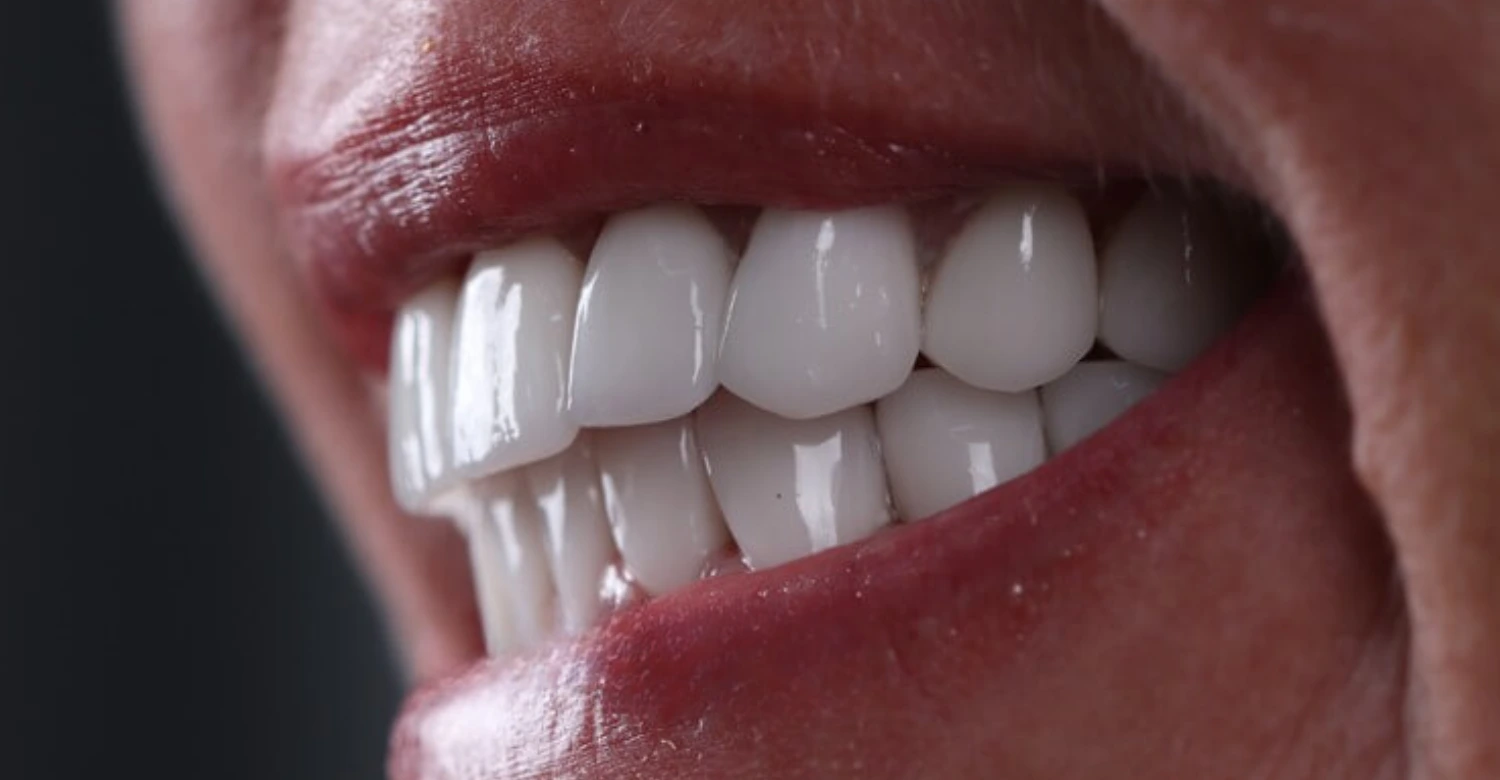
When all checks are finished, the restoration can be permanently fixed. The dentist begins by carefully cleaning the prepared tooth to create the best possible conditions for the adhesion of the cementation material.
The restoration is then positioned with precision and checked from different angles. The practitioner ensures that the bite is balanced and that the crown causes no discomfort during chewing movements. This step is essential to guarantee the comfort and long-term stability of the treatment.
Once the fixation is complete, the patient can generally resume normal activities quickly. Thanks to the modern technologies used at Vitrin Clinic, the Zirconia Crown offers a natural aesthetic result, excellent functional stability, and seamless integration within the existing dentition.
Price of a Zirconia Crown: How Much Should You Expect?
The cost of a dental treatment often represents an important criterion in decision-making. The price of a restoration depends on many factors, notably the complexity of the clinical case, the quality of materials used, the technologies employed, and the experience of the dental team.
Although some alternatives may seem less costly at first, it is important to evaluate the long-term value of the treatment. A durable and strong restoration can limit the need for replacement or repair, thereby helping to reduce future expenses.
The price of a Zirconia Crown varies according to the specific needs of the patient and the characteristics of the proposed treatment. At Vitrin Clinic, each treatment plan is personalized to guarantee an excellent ratio between quality, aesthetics, and durability.
Cost of Zirconia Crowns According to the Type of Treatment
The final cost can vary depending on whether the restoration is intended for a natural tooth or whether it is associated with a dental implant. Treatments involving complementary procedures generally require more clinical time and technical resources.
Simple restorations carried out on a prepared tooth often present a lower cost than more complex rehabilitations. Likewise, treatments requiring multiple restorations can influence the patient's overall budget.
When evaluating the cost of zirconia crowns, it is important to consider the quality of the material, manufacturing precision, and long-term benefits. A high-quality zirconia crown often constitutes a durable investment in the health and aesthetics of the smile.
Factors That Influence the Price of a Zirconia Crown
Several elements can influence the final rate of the treatment. The geographical location of the clinic, the practitioner's expertise, the technological equipment used, and the complexity of the case are among the main factors to take into account.
The level of aesthetic customization also plays an important role. Some restorations require additional work to precisely reproduce the natural characteristics of neighboring teeth. This customization helps enhance the final result but can influence the overall cost.
The price of a zirconia crown generally reflects the quality of the proposed treatment, from the initial diagnosis to the manufacturing of the restoration. An approach focused on excellence often yields more durable and satisfying results in the long run.
Zirconia Crown on Implant: Cost and Characteristics
When a tooth is missing, a dental implant can be used as a support for the final restoration. This type of treatment includes several distinct stages, notably the placement of the implant, the healing period, and the realization of the definitive crown.
Restorations on implants often require specific components as well as more thorough planning. These elements can influence the overall cost of the treatment compared to a restoration performed on a natural tooth.
Despite this extra investment, a Zirconia Crown attached to an implant offers excellent functional and aesthetic results. It allows for recovering the appearance and function of a natural tooth while benefiting from a stable and durable solution.
Lifespan of a Zirconia Crown
The longevity of a restoration constitutes an essential element for patients who wish to invest in a durable solution. Thanks to its remarkable mechanical properties, zirconia is recognized for its capacity to withstand daily demands for many years.
However, the lifespan of a restoration does not solely depend on the material used. Oral hygiene habits, regular checks, and certain individual behaviors can also influence its longevity.
When properly maintained, a Zirconia Crown can preserve its appearance, function, and stability for a very long period, thereby offering a reliable solution for sustainably restoring a damaged tooth.
How Long Does a Zirconia Crown Last?
Clinical studies and practitioner experience show that zirconia restorations can last for many years when they are properly cared for. In some cases, they remain perfectly functional for more than fifteen years, or even longer.
This excellent durability is linked to the material's high resistance against fractures, wear, and repeated mechanical stress. Progress made in manufacturing techniques has also contributed to improving the reliability of modern restorations.
The lifespan of a Zirconia Crown nevertheless depends on several individual factors. Regular follow-up with the dentist and good oral hygiene play an essential role in maintaining its performance over the long term.
Factors That Influence Its Longevity
The quality of the initial treatment constitutes one of the most important elements for guaranteeing the durability of a restoration. Precise preparation, an optimal fit, and correct fixation heavily contribute to the success of the treatment.
The patient's daily habits also influence the longevity of the restoration. Bruxism, teeth grinding, or frequent chewing of very hard objects can increase the stress exerted on the dental structure.
A Zirconia Crown generally benefits from excellent resistance, but its upkeep remains indispensable. Regular visits to the dentist allow for quickly identifying potential problems and preserving the overall health of the teeth.
Signs Indicating That a Replacement May Be Necessary
Even the most durable restorations may require a replacement after many years of use. Certain signs should prompt the patient to consult a professional to evaluate the condition of the restoration.
A persistent feeling of discomfort, unusual mobility, changes in the bite, or the appearance of a visible crack can indicate the need for a check-up. Problems affecting the underlying tooth can also justify intervention.
Although these situations are relatively rare, a Zirconia Crown must be examined regularly to guarantee its stability and smooth functioning. Early management often allows for avoiding more significant complications.
How to Maintain a Zirconia Crown?
Maintaining a dental restoration is essential to preserve its longevity and maintain the overall health of the mouth. Although zirconia is a particularly strong material, it requires regular care to guarantee optimal performance over time.
Good oral hygiene helps protect surrounding tissues, prevent gum diseases, and maintain the aesthetics of the smile. Daily habits therefore play a decisive role in the success of the treatment.
Thanks to a few simple measures and regular professional follow-up, a Zirconia Crown can preserve its natural appearance and its functionality for many years.
Good Oral Hygiene Habits
Daily maintenance should include thorough brushing at least twice a day using an appropriate brush and a toothpaste recommended by the dentist. This routine removes bacterial plaque and preserves gum health.
Using dental floss or interdental brushes is also important for cleaning hard-to-reach areas. These actions help prevent the accumulation of food debris around the restoration.
Even though the Zirconia Crown cannot develop a cavity, the tooth supporting it as well as the surrounding tissues must stay healthy. Rigorous hygiene constitutes an essential element of the treatment's long-term success.
Foods and Behaviors to Avoid
Even though zirconia is known for its high resistance, certain habits can accelerate wear or compromise the stability of a dental restoration. It is therefore recommended to avoid behaviors that exert excessive pressure on teeth, notably chewing hard objects like pens, ice, or certain very tough foods.
Patients suffering from bruxism—meaning the involuntary grinding or clenching of teeth—must also be followed regularly by their dentist. In some cases, a protective nightguard may be recommended to limit the stresses exerted during the night.
It is also advisable to maintain a balanced diet and limit excesses of very sugary drinks or foods to protect the natural tooth located beneath the restoration. A Zirconia Crown stays very strong, but its durability also depends on daily care and patient habits.
Recommended Dental Checks
Regular visits to the dentist play an essential role in preventing problems that can affect a restoration. Even when a patient feels no pain, a professional check allows for verifying the condition of the crown, gum health, and the stability of the supporting tooth.
During these appointments, the practitioner can quickly detect signs of wear, plaque buildup, or changes in the bite. Early intervention often allows for avoiding more major complications and extending the treatment's lifespan.
Patients who have chosen a Zirconia Crown generally benefit from excellent stability, but regular follow-up remains indispensable to keep an optimal aesthetic and functional result. At Vitrin Clinic, check-ups allow for accompanying patients in maintaining a healthy and durable smile.
Are Zirconia Crowns Safe?
The safety of a dental material is an important concern for many patients before starting a treatment. Materials used in modern dentistry must meet strict requirements regarding strength, biological compatibility, and comfort.
Zirconia has been used for several years in different medical fields due to its reliable properties. In dentistry, it is particularly appreciated for its stability, its absence of metal, and its capacity to seamlessly integrate into the oral environment.
Thanks to its characteristics, the Zirconia Crown is considered a safe option for many patients looking for a durable and aesthetic restoration. However, a consultation with a professional stays essential to determine if this solution matches the specific needs of each situation.
Are Zirconia Crowns Toxic?
One of the main questions asked by patients concerns the material's composition and its potential effects on health. The dental zirconia used today is a ceramic material designed to be stable and compatible with biological tissues.
Unlike older restorations containing metallic structures, all-zirconia solutions do not release metallic components into the mouth. This characteristic is particularly reassuring for people looking for a metal-free alternative.
Available research and long-term clinical use show that zirconia features an excellent safety profile. A Zirconia Crown manufactured according to professional standards thus offers a reliable solution for restoring a tooth while respecting the mouth's natural balance.
Are Zirconia Crowns Safe for All Patients?
In the majority of cases, zirconia restorations can suit various patient profiles. Their good biological tolerance makes them a suitable option even for some people concerned about reactions linked to traditional dental materials.
However, each patient has a unique situation. The condition of the tooth, gum health, chewing force, the potential presence of an implant, or habits like bruxism must be evaluated before choosing the ideal treatment.
A personalized analysis confirms if the Zirconia Crown represents the best solution. At Vitrin Clinic, specialists examine each case individually to propose an approach tailored to the patient's aesthetic and functional goals.
Can Zirconia Crowns Be Whitened?
A frequent question concerns the possibility of modifying the color of a restoration after its placement. Unlike natural teeth, materials like zirconia do not react to classic teeth whitening products.
This means that an already manufactured restoration generally retains its original color. That is why the choice of the shade is carried out with great precision before manufacturing, taking into account the surrounding natural teeth and the desired aesthetic result.
If a patient is planning a teeth whitening treatment, it is often recommended to perform it before manufacturing the restoration to achieve a perfect harmony among all teeth. A well-planned Zirconia Crown can thus preserve a natural and balanced smile over the long term.
Why Choose Vitrin Clinic for Your Zirconia Crown?
The choice of clinic plays an essential role in the success of a cosmetic dental treatment. Beyond the material used, diagnostic precision, medical expertise, and manufacturing quality directly influence the final result.
At Vitrin Clinic, the goal is to offer modern dental solutions combining advanced technology, a personalized approach, and high aesthetic standards. Each patient benefits from a path tailored to their needs, from the initial consultation to post-treatment follow-up.
The creation of a Zirconia Crown requires special attention to every detail to obtain a natural, comfortable, and durable result. An experienced team ensures comprehensive care and a more peaceful experience for patients.
Advanced Digital Technology and Premium Materials
Digital technologies have transformed the way dental restorations are designed and crafted. Intraoral scanners, 3D design software, and computer-aided manufacturing systems allow for achieving exceptional precision today.
This modern approach improves the fit of the restoration, reduces potential errors, and allows for better aesthetic customization. The high-quality materials used also guarantee a strength and a natural appearance suited to current patient expectations.
Thanks to this combination of innovation and expertise, a Zirconia Crown created with modern tools offers a more precise and comfortable result. Vitrin Clinic prioritizes these advanced solutions to ensure treatments that meet current cosmetic dentistry standards.
Experienced Dentists Specialized in Cosmetic Dentistry
The success of a restoration does not solely depend on the material chosen, but also on the experience of the practitioner performing the treatment. Thorough knowledge of dental anatomy, smile aesthetics, and modern techniques makes it possible to achieve more natural results.
Cosmetic dentistry specialists evaluate every detail, notably the shape, color, alignment, and integration of the restoration with existing teeth. This personalized approach avoids an artificial result and creates an overall harmony of the smile.
A Zirconia Crown requires precise planning to reveal its full aesthetic and functional potential. At Vitrin Clinic, clinical expertise helps guide each patient toward a solution tailored to their expectations.
Personalized Treatment Plans for Each Patient
Every smile possesses its own characteristics, meaning a standardized treatment is not always the best approach. Good planning begins with a comprehensive analysis of the dental situation and the patient's goals.
Needs can vary depending on whether it involves a broken tooth, a discolored tooth, an implant restoration, or an overall aesthetic enhancement. The practitioner must therefore adapt the choice of material, the shape of the restoration, and the treatment strategy.
At Vitrin Clinic, each Zirconia Crown project is designed according to the individual expectations of the patient to obtain a natural, functional, and durable result. This personalized approach contributes to enhancing patient satisfaction and trust.
Zirconia Crown Before and After at Vitrin Clinic
The transformation achieved thanks to modern dental restorations can have a significant impact on the appearance and self-confidence of patients. A tooth that is damaged, worn, or unappealing can be restored to regain a more natural appearance and better function.
Before and after results rest on several elements: diagnostic precision, design quality, practitioner expertise, and the choice of the appropriate material. Current technologies make it possible to create restorations that blend harmoniously into the smile.
With a zirconia crown, patients can benefit from an aesthetic improvement while regaining comfortable chewing function. At Vitrin Clinic, each transformation aims to create a balanced and natural result.
Natural and Durable Cosmetic Results
The primary objective of an aesthetic restoration is to create a result that looks natural while improving the tooth's function. Patients do not just look for a repaired tooth, but a harmonious smile that matches their overall appearance. Thanks to advances in dental materials and digital techniques, it is possible today to achieve results very close to natural teeth.
The shape, color, transparency, and surface details are carefully studied so that the restoration integrates perfectly with the other teeth. Special attention is also paid to the relationship between the restored tooth, the lips, and the entire smile.
A well-crafted Zirconia Crown offers a balance between aesthetics and strength, allowing the patient to regain a natural smile without compromising durability. At Vitrin Clinic, treatments are designed to meet aesthetic expectations while guaranteeing daily comfort.
Transformation of Broken, Worn, or Discolored Teeth
Teeth can lose their natural appearance for different reasons: trauma, progressive wear, old restorations, significant decay, or changes in color. These problems can affect not only the aesthetics of the smile but also the patient's confidence when speaking or smiling.
Modern solutions allow for rebuilding a damaged tooth today while retaining a natural appearance. The restoration is designed according to the original shape of the tooth to re-establish its balance with neighboring teeth.
In situations where a tooth is heavily compromised, a Zirconia Crown can offer a complete reconstruction combining protection, strength, and cosmetic enhancement. Thanks to precise planning, patients can regain a functional tooth and a more harmonious smile.
Testimonials and Satisfaction of International Patients
Patient satisfaction generally rests on several elements: the quality of the final result, comfort during treatment, communication with the medical team, and support after the procedure. Today, patients look for clinics capable of proposing modern care with a personalized approach.
Cosmetic dental treatments also attract many international patients who wish to benefit from advanced technologies and specialized expertise. A good experience begins with a detailed evaluation and continues with adapted follow-up after the placement of the restoration.
When performed with precision, a Zirconia Crown can contribute to considerably improving the appearance and functionality of the smile. At Vitrin Clinic, the focus is placed on the quality of the patient journey to obtain satisfying and durable results.
Conclusion
Progress in modern dentistry has transformed the way damaged teeth are restored. Today, patients have access to solutions that are no longer limited to repairing a tooth, but also allow for improving its appearance, its comfort, and its integration into the smile.
Thanks to its exceptional properties, zirconia has become a highly valued material for dental restorations. Its high strength, its natural look, and its compatibility with oral tissues make it a suited option for many clinical situations, from visible teeth to molars subjected to heavy pressures.
The choice of a restoration must always be based on a professional evaluation taking into account the needs, aesthetic expectations, and dental health of the patient. A Zirconia Crown represents a modern solution today allowing for achieving a durable, natural, and functional smile.
At Vitrin Clinic, each treatment is performed with a personalized approach combining medical expertise, digital technologies, and high-quality materials. The goal is to guide each patient toward a harmonious aesthetic result and a durable improvement in their oral health.
FAQs
Dr. Rifat Alsaman has more than 5 years of clinical experience in dentistry and currently serves as the Head of the Medical Team at Vitrin Clinic. He is dedicated to providing exceptional patient care, overseeing treatment planning, and ensuring the highest clinical standards across the team. His expertise, attention to detail, and commitment to continuous professional development have helped countless patients achieve healthier, more confident smiles.


