Dental Crowns
November 1, 2026
Zirconia Crowns in Turkey: Cost, Types & Treatment Guide
 Dr. Rifat Alsaman

Zirconia crown Turkey treatment is a popular option for patients who want durable, natural-looking restorations at a lower cost than in many Western countries. Zirconia crowns are used for teeth that are cracked, worn, heavily filled, root canal-treated or discoloured. International patients usually ask about cost, crown types, results, treatment time and clinic choice. Istanbul is a major dental tourism destination, and Vitrin Clinic offers personalized restorative and cosmetic dentistry there.
Key Takeaways
Zirconia crowns are metal-free caps made from zirconium dioxide. They restore damaged, weakened or discoloured teeth, and they can cover natural teeth, implants and bridges.
The main types are monolithic, layered and high-translucency zirconia. Monolithic is strongest and suits back teeth, while the other two look more natural on visible teeth.
Recovery is usually quick. Mild sensitivity and gum tenderness are common for a few days. Lasting pain, a high bite or a loose crown needs a dental review.
Zirconia crowns cost far less in Turkey than in the UK or USA. The final price depends on the number of crowns, material, laboratory and case complexity, so compare itemised written plans.
Clinical Indications and Applications of Zirconia Crowns
Zirconia crowns are full-coverage restorations designed to restore teeth affected by extensive decay, fractures, structural damage, or large fillings. They improve tooth strength, function, and appearance and can be used for front teeth, back teeth, implant restorations, and dental bridges. However, crown placement requires removing some natural tooth structure, so it should be recommended when clinically necessary. For minor cosmetic concerns, more conservative options, such as veneers or composite bonding, may be more appropriate. The choice depends on a thorough clinical examination.
Zirconia Crowns vs. Other Dental Crown Materials
Feature | Zirconia | E-max | PFM (Porcelain-Fused-to-Metal) | Traditional Porcelain |
|---|---|---|---|---|
Material composition | Zirconium dioxide ceramic (metal-free) | Lithium disilicate ceramic | Metal base with porcelain layer | Feldspathic or similar porcelain |
Strength | Very high | High, but lower than zirconia | Strong | Lower; more brittle |
Translucency | Low to moderate, depending on type | High | Moderate | Very high |
Appearance | Natural with proper shading | Very natural, light-reflecting | Natural, but may appear less lifelike | Highly natural and translucent |
Gumline appearance | No dark metal line | No dark metal line | Metal margin may show if gums recede | No dark metal line |
Fracture resistance | High; monolithic zirconia resists chipping | Good, but less resistant to heavy forces | Strong, but porcelain layer can chip | Lower fracture resistance |
Suitable tooth positions | Front and back teeth | Mainly front teeth and premolars | Front and back teeth | Select front teeth |
Clinical applications | Heavy-bite areas, bridges, implants, and patients who grind their teeth | Single visible crowns, veneers, and aesthetic restorations | Crowns and bridges requiring strength | Aesthetic restorations in areas with low bite forces |
Potential disadvantages | Requires careful design and polishing | Less suitable for heavy bite forces | Aesthetic limitations and possible metal sensitivity | More brittle and less suitable for high-pressure areas |
Ready to transform your smile?
Talk to our team and get a FREE treatment plan.
What Results Can You Expect from Zirconia crown Turkey?
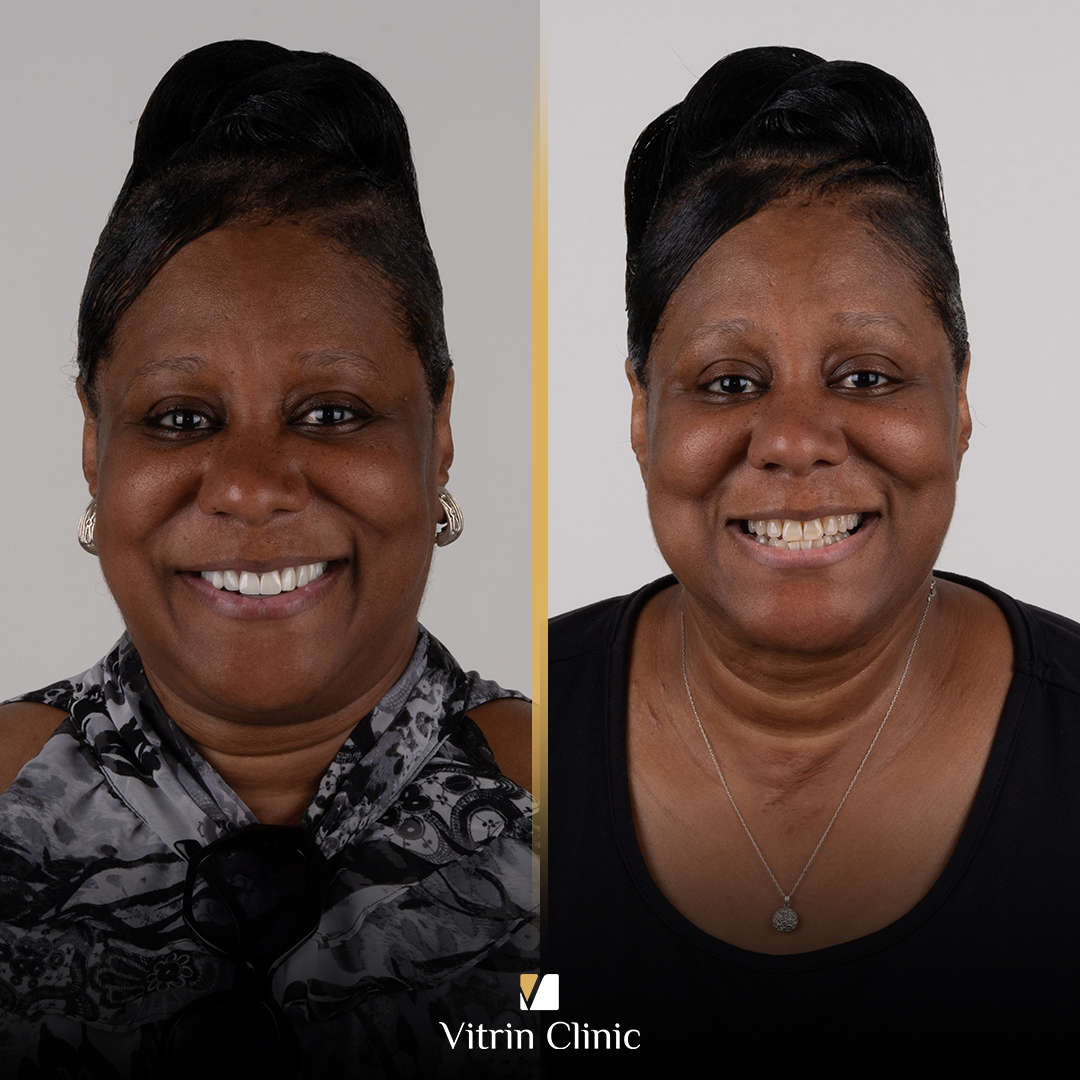
A zirconia crown before and after comparison typically shows improved tooth shape and colour, and sometimes apparent alignment. Crowns can make mildly crooked teeth look straighter, but they do not move teeth like orthodontics. A single crown is matched to neighbouring teeth, while multiple crowns allow a full smile redesign. Results depend on shade, translucency, tooth shape, gumline and bite alignment.
Every patient starts with different teeth and gums, so results vary. Reviewing real patient cases, shown with consent, helps set realistic expectations. A zirconia crown Turkey candidate should look for cases similar to their own.
Who Is a Good Candidate for Zirconia Crowns?
Root canal-treated teeth that need full coverage
Back teeth exposed to heavy chewing forces
Patients needing implant-supported crowns or bridges
Severely damaged or weakened teeth.
Teeth with large fillings
Cracked or significantly worn teeth.
When May Zirconia Crowns Not Be the Best Option?
Crowns may not suit healthy teeth needing only minor cosmetic changes, because preparation removes natural tooth structure. Active gum disease and untreated cavities must be treated first. Severe grinding raises the risk of complications. Some front teeth may look better with more translucent materials such as E-max.
Potential Risks and Complications of Zirconia Crowns
Although zirconia crowns offer reliable restorative properties, they are not free from potential risks. These may include irreversible tooth structure loss, aesthetic limitations, wear of opposing teeth, and mechanical complications such as chipping or fracture. The likelihood of these complications depends on tooth preparation, material selection, occlusal forces, and restoration quality.
Irreversible Tooth Structure Loss
Preparing a tooth for a zirconia crown requires removing part of its natural structure. Excessive preparation may compromise the remaining tooth, increase sensitivity, and, in some cases, contribute to pulpal complications. Since this reduction is irreversible, unnecessary removal of healthy tissue is an important clinical risk.
Aesthetic Limitations
Some zirconia formulations have relatively low translucency, which may result in an opaque or less natural appearance, particularly in anterior restorations. Differences in shade, light transmission, and the visibility of the underlying tooth can also affect the final aesthetic outcome.
Wear of Opposing Natural Teeth
Zirconia crowns may contribute to wear of opposing enamel, particularly when their surfaces are rough or inadequately polished. This risk is especially relevant in patients with heavy occlusal contacts or bruxism.
Chipping, Fracture, and Mechanical Failure
Although zirconia has high fracture resistance, complications can still occur. Layered zirconia crowns may experience chipping of the porcelain veneer, while excessive occlusal forces, inadequate material thickness, or design errors may contribute to fractures. Repeated clenching and grinding can also increase mechanical stress and the risk of restoration failure.
How Is Zirconia Crown Treatment Performed in Turkey?
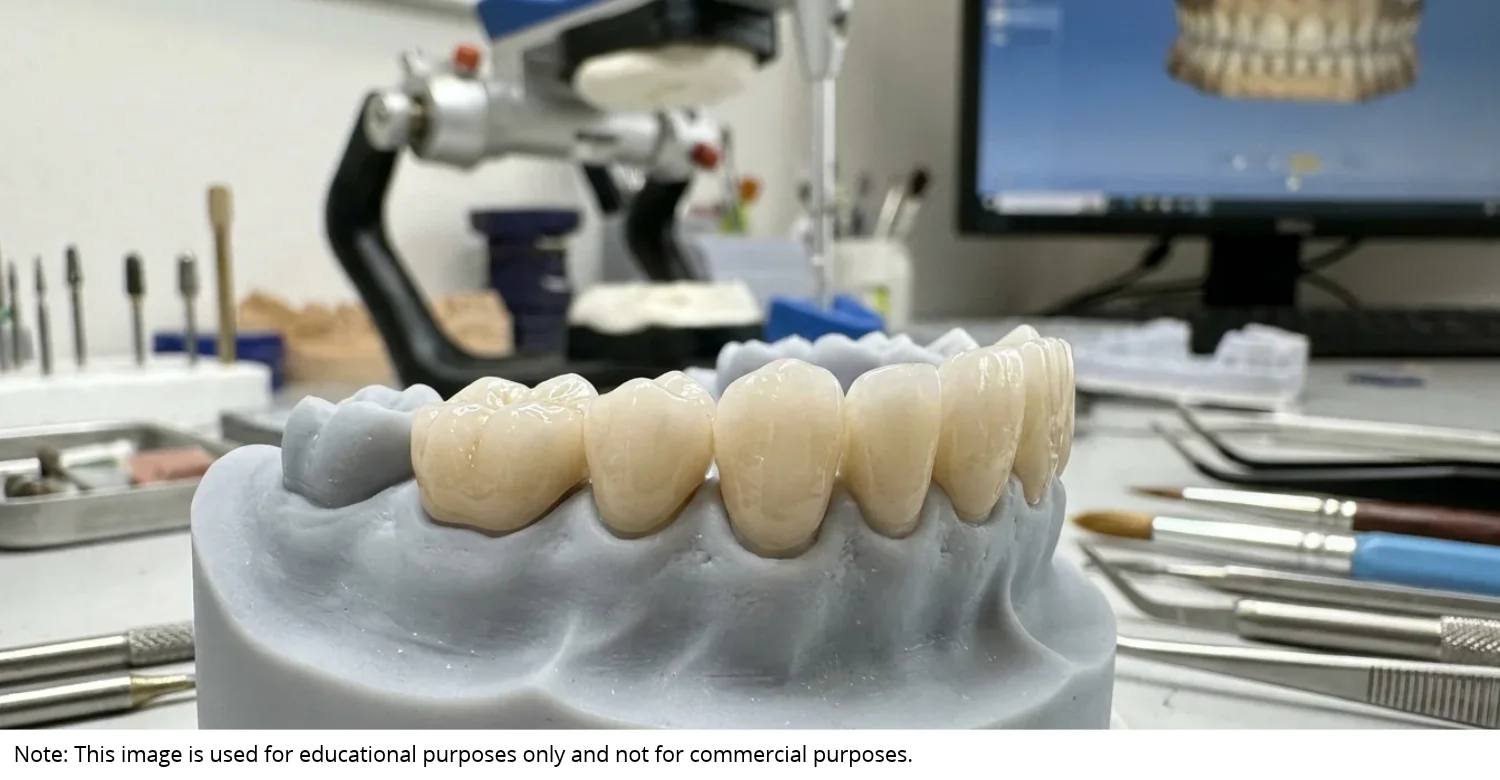
The zirconia crown procedure combines clinical examination with digital technology. The stages are examination, planning, preparation, temporary crowns, fabrication and final fitting. Knowing them helps you judge whether a clinic plans treatment properly.
Step 1 – Initial Dental Examination
The dentist examines your teeth, gums, bite alignment and existing restorations. The aim is to find cavities, cracks and damage, and to confirm a crown is truly needed. Active decay or gum disease must be treated first.
Step 2 – Digital Scanning and Treatment Planning
Intraoral scans or traditional impressions record your teeth. X-rays are taken when clinically indicated. Digital smile design can preview cosmetic results. The dentist then determines the most suitable crown type for each tooth.
Step 3 – Tooth Preparation and Shade Selection
Under local anesthesia, the dentist removes damaged tooth structure and reshapes the tooth to hold the crown, removing only what is necessary. The shade is then selected to match your natural teeth or agreed goal.
Step 4 – Temporary Crown Placement
Temporary crowns protect the prepared teeth while the permanent crowns are made. They are less strong than final crowns, so avoid hard or sticky foods. Contact the clinic if one comes loose.
Step 5 – CAD/CAM Design and Laboratory Fabrication
Computer-aided design and manufacturing (CAD/CAM) is used to design each crown to the required measurements. The crown is milled from zirconia, sintered at high temperature, then shaded, glazed and polished. This allows accurate contours and fit.
Step 6 – Final Crown Fitting and Bite Adjustment
The dentist removes the temporary crown and checks fit, contact points, colour and bite alignment. Adjustments are made and the crown is polished, then cemented or bonded as clinically appropriate. Any high spots must be corrected before you leave.
Zirconia Crown Before and After: A Real Patient Case at Vitrin Clinic
.jpg)
.jpg)
.jpg)
Ready to transform your smile?
Talk to our team and get a FREE treatment plan.
How Long Does Zirconia Crown Treatment Take in Turkey?
Zirconia crown treatment in Turkey usually needs two main appointments: examination and preparation, then final fitting. Laboratory fabrication commonly takes several days, and in-house digital laboratories may be faster. Extra procedures such as root canal treatment, gum treatment, extractions or implants extend the schedule. Large cases, including full mouth zirconia crowns Turkey patients request, need more time.
How Many Days Should You Stay in Istanbul?
Many zirconia crown Turkey cases need roughly five to seven days, depending on the number of teeth and the plan. The first days cover examination and preparation, then fabrication, then final placement and adjustments. Always confirm the full schedule, including follow-up, before booking travel.
Clinical Note
Dr. Rifat Alsaman, Head of the Medical Team at Vitrin Clinic, says that Zirconia crowns should be recommended according to clinical need, not cosmetic preference alone. Preserving healthy tooth structure is a priority. We assess gum health, existing restorations, bite alignment and chewing forces before preparing any tooth. Monolithic or layered zirconia is chosen according to tooth position and aesthetic needs. Cavities and active gum disease must be treated first. Accurate margins, proper fit and careful occlusal adjustment are essential for long-term success.
Zirconia Crowns Cost in Turkey
Zirconia crowns in Turkey cost considerably less than in the UK or USA, which is a major reason patients travel. The zirconia crowns in Turkey cost depends on the clinic, material and case complexity. A low price alone does not show quality, so read what each plan includes.
How Much Do Zirconia Crowns Cost in Turkey?
USA
Zirconia crown = $1,000 – $2,500
E.max crown = $1,200 – $2,500
CEREC same-day crown = $1,000 – $2,000
Consultation & scans = Charged separately
Estimated saving = -
Vitrin Clinic, Turkey
Zirconia crown = From $150 / unit
E.max crown = From $180 / unit
CEREC same-day crown = From $200 / unit
Consultation & scans = Free & included
Estimated saving = Up to 70% less
UK
Zirconia crown = $890 – $1,525
E.max crown = $1,270 – $2,030
CEREC same-day crown = $1,015 – $1,780
Consultation & scans = Charged separately
Estimated saving = -
What Affects the Price of Zirconia Crowns?
Number of crowns required.
Type and manufacturer of zirconia.
Dental laboratory and fabrication methods.
Complexity of the dental case.
Ready to transform your smile?
Talk to our team and get a FREE treatment plan.
How to Choose the Best Dental Clinic for Zirconia Crowns in Turkey
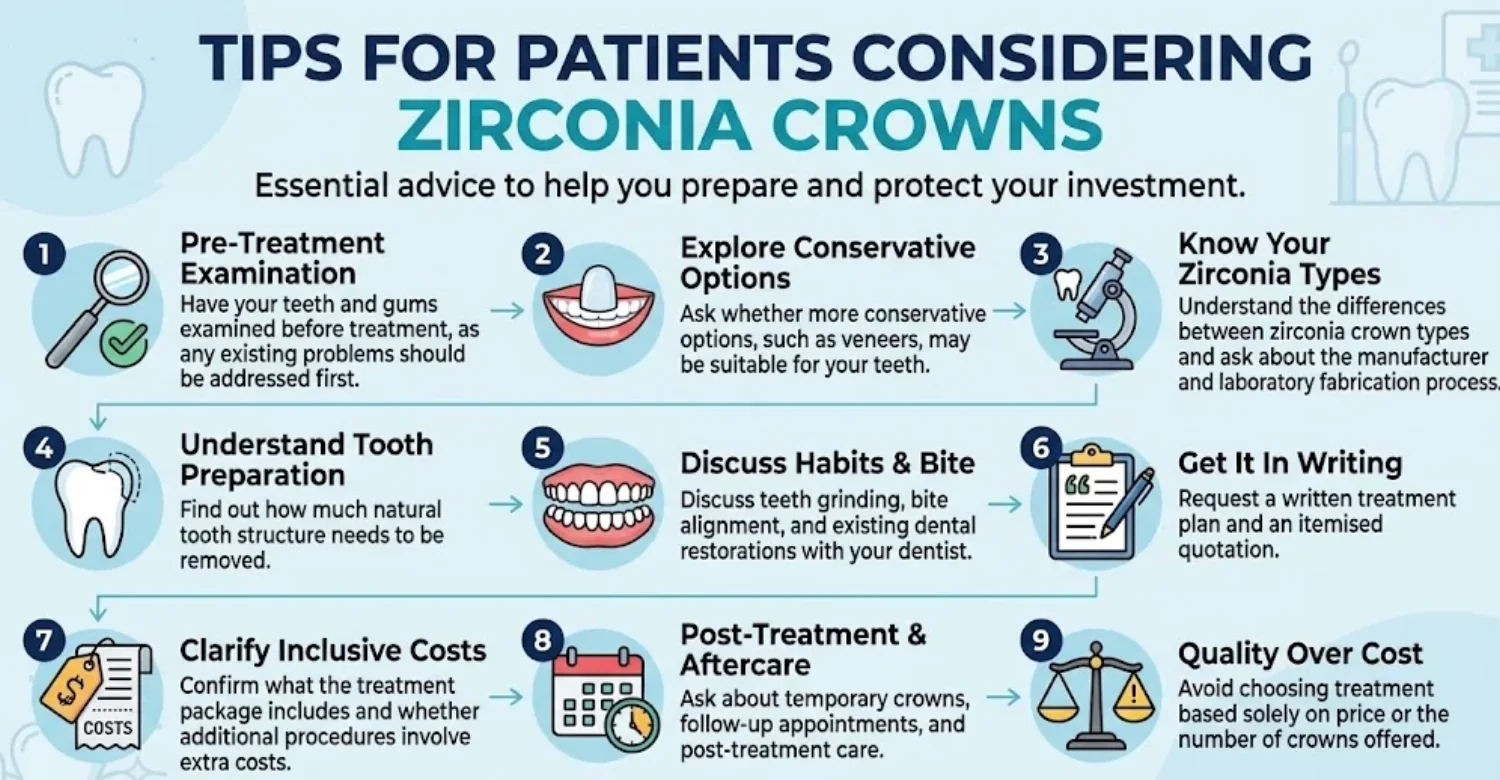
Finding the best zirconia crowns in Turkey means evaluating the clinic, not just the offer. Check the dentist's experience, materials, technology, real cases and pricing transparency. A zirconia crown Turkey decision based on clinical standards usually leads to better results than one based on price.
Dentist Experience and Treatment Planning
Ask who will treat you and how they plan treatment. An experienced restorative dentist examines teeth, gums and bite before recommending crowns, explains alternatives and provides a written plan. Be cautious if many crowns are recommended without a proper examination.
Zirconia Materials and Manufacturers
Ask which zirconia brand and type will be used and why. A reliable clinic can name the material and manufacturer and explain the choice for each tooth. Vague answers deserve further questions.
Digital Technology and Laboratory Capabilities
Digital scanning and CAD/CAM design support accurate crowns. Ask whether the clinic has an in-house laboratory or a trusted external one. Technology does not replace clinical skill, but it improves precision and communication.
Real Before-and-After Cases and Patient Reviews
Look for genuine cases shown with patient consent, plus independent reviews. Photos should be consistent and not heavily edited. Cases similar to yours are the most useful.
Transparent Pricing and Aftercare
A trustworthy clinic provides a written plan and itemised quotation, explains what may cost extra, and describes what happens if a problem appears later. Ask about follow-up and remote support after you return home.
Why Choose Istanbul, Turkey for Zirconia Crowns?
Many patients choose Istanbul because costs are lower than in several other countries, while restorative and cosmetic services are widely available. Many clinics offer digital technology, laboratory facilities and international patient coordinators, and travel and accommodation can often be arranged. Still, a zirconia crown Turkey decision should rest on clinical standards, not price or location alone.,
What We Notice Clinically
Gum Levels: Recession or asymmetry can change how crowns look.
Existing Restorations: Previous fillings, crowns and root canals influence the design.
Bite Alignment: Uneven chewing forces can shorten restoration life.
Remaining Tooth Structure: It determines how conservative we can be.
Aesthetic Expectations: Shade, translucency and smile proportions guide the design. Very white crowns do not always look natural.
Full-Mouth Cases: Bite relationships, vertical dimension and proportions need careful planning.
Gum Health: Healthy periodontal tissues are essential for maintaining crowns.
How We Plan Your Zirconia Crown Treatment
At Vitrin Clinic, your zirconia crown journey follows a structured process, from your first online consultation to final crown placement and aftercare. Each stage is planned around your dental condition and individual treatment needs.
1. Booking Your Online Consultation
Contact Vitrin Clinic to arrange an online consultation and share photographs of your teeth and any available X-rays.
2. Preliminary Dental Assessment
The medical team reviews your dental records to assess your concerns, identify potential restorative needs, and determine whether zirconia crowns may be suitable.
3. Personalized Treatment Plan and Quotation
You receive preliminary treatment recommendations, estimated crown numbers, proposed procedures, and an itemised quotation.
4. Travel and Appointment Arrangements
Once you decide to proceed, the coordination team helps organise your appointments, accommodation, and airport transfers according to your package.
5. In-Person Dental Examination
The dentist examines your teeth, gums, bite alignment, and existing restorations. Additional X-rays or scans may be recommended when necessary.
6. Tooth Preparation and Digital Scanning
If treatment is confirmed, the dentist prepares the teeth conservatively and takes digital scans or impressions to guide crown fabrication. Temporary crowns may be placed when needed.
7. Crown Fabrication
The dental laboratory manufactures your customised zirconia crowns according to the approved design, shade, and functional requirements.
8. Final Crown Placement
The dentist checks the fit, appearance, and bite alignment before permanently cementing or bonding the crowns.
9. Final Review and Aftercare
You receive personalised instructions on oral hygiene, eating habits, crown maintenance, and follow-up care before returning home.
Patients Reviews
Recovery and Aftercare After Zirconia Crown Placement
Recovery is usually straightforward. Most discomfort comes from tooth preparation rather than the crown itself. Following your dentist's instructions and keeping good hygiene supports healing.
What to Expect During the First Few Days
Mild soreness around the treated teeth and gums is common. Local anaesthesia wears off after a few hours. Brush and floss gently, and use over-the-counter pain relief as your dentist advises. Most people adapt to the crown within days to a couple of weeks.
Tooth Sensitivity and Bite Adjustment
Temporary sensitivity to hot, cold or pressure can occur, usually settling within a few weeks. If the crown feels too high or your bite feels uneven, a simple adjustment can fix it. Do not ignore this, as a high crown strains the tooth.
Eating and Drinking After Treatment
You can usually eat once the anaesthesia wears off. Avoid hard, sticky or chewy foods while wearing temporary crowns. After permanent cementation, follow your dentist's advice, as some cements need a short setting time. Avoid biting ice or hard objects.
When to Contact Your Dentist
Contact your dentist if pain is severe or worsening, sensitivity lasts several weeks, or the crown feels loose, falls off, cracks or chips. Swelling, persistent bleeding gums or a bad taste also need review. Ask how to reach the clinic after you travel home.
Zirconia Crowns at Vitrin Clinic
Vitrin Clinic is located in Istanbul, Turkey, and offers personalised restorative and cosmetic dental treatments, including dental crowns such as zirconia, E.max, and porcelain-fused-to-metal (PFM). Each case starts with an individual assessment of the teeth, gums, bite, and existing restorations. The Medical Team, headed by Dr. Rifat Alsaman, selects suitable materials based on each patient's needs, using digital scanning and aesthetic planning when appropriate. The team coordinates crown fabrication and final placement, shares real treatment cases and before-and-after photographs with patient consent, and provides transparent treatment plans, pricing, international patient support, and follow-up care.





Book your FREE treatment plan with Vitrin Clinic and get a personalized treatment plan from our dental team.
Ready to transform your smile?
Talk to our team and get a FREE treatment plan.
Medical Disclaimer:
This article is for general information and does not replace a personal assessment by a qualified dentist. Prices are approximate 2026 averages, with UK and Turkey figures converted to US dollars, and may vary by clinic and case.
References:
FAQs
Dr. Rifat Alsaman has more than 5 years of clinical experience in dentistry and currently serves as the Head of the Medical Team at Vitrin Clinic. He is dedicated to providing exceptional patient care, overseeing treatment planning, and ensuring the highest clinical standards across the team. His expertise, attention to detail, and commitment to continuous professional development have helped countless patients achieve healthier, more confident smiles.


