Orthodontics
April 19, 2026
Invisalign oder Zahnspange: Was ist die beste Wahl für Ihr Lächeln?
 Dr. Rifat Alsaman
.webp&w=3840&q=75)
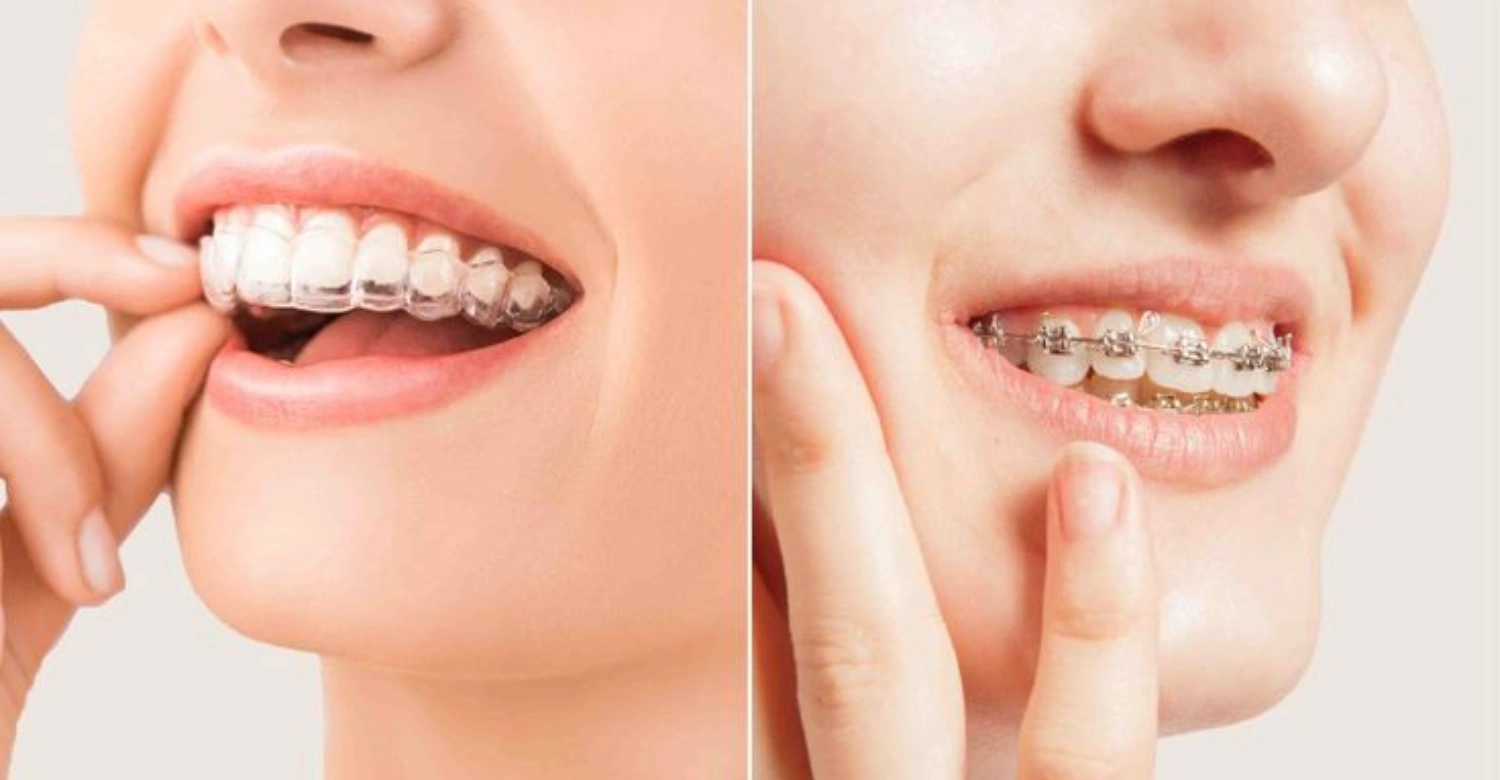
Die Entscheidung zwischen Invisalign und Zahnspangen kann für jeden, der ein perfektes Lächeln anstrebt, eine schwierige Wahl sein. Beide Behandlungen sind darauf ausgelegt, Zahnfehlstellungen zu korrigieren, den Biss zu verbessern und die Mundgesundheit zu fördern. Allerdings funktionieren sie auf sehr unterschiedliche Weise. Feste Zahnspangen sind seit Jahrzehnten die traditionelle Methode. Sie nutzen Brackets und Drähte, um die Zähne schrittweise in die gewünschte Position zu bewegen. Invisalign hingegen verwendet transparente, herausnehmbare Schienen (Aligner), die beim Tragen nahezu unsichtbar sind. Die Unterschiede bezüglich Komfort, Erscheinungsbild, Kosten und Wirksamkeit zu verstehen, ist essenziell. In diesem umfassenden Leitfaden werden wir die Vor- und Nachteile jeder Methode untersuchen und die Kosten vergleichen. Zudem helfen wir Ihnen festzustellen, welche Lösung am besten zu Ihrem Lebensstil und Ihren dentalen Bedürfnissen passt.
Invisalign und Zahnspangen verstehen
Bei der Entscheidung zwischen Invisalign und festen Zahnspangen ist es wichtig zu verstehen, wie die jeweilige Behandlung funktioniert. Feste Zahnspangen bestehen aus Brackets, die auf den Zähnen befestigt und durch Drähte miteinander verbunden sind. Ein Kieferorthopäde passt diese Drähte regelmäßig an, um die Zähne auszurichten. Invisalign verwendet eine Reihe maßgefertigter, transparenter Kunststoffschienen, die die Zähne schrittweise verschieben. Diese Aligner können zum Essen und Zähneputzen herausgenommen werden. Beide Methoden erfordern Disziplin. Zahnspangen verlangen eine konsequente Mundhygiene, während Invisalign das Tragen der Aligner für 20–22 Stunden am Tag voraussetzt. Die Funktionsweise dieser Optionen sowie ihre Vorteile und potenziellen Herausforderungen zu kennen, ist entscheidend für eine fundierte Entscheidung über Ihren Behandlungsplan.
Was sind feste Zahnspangen?
Feste Zahnspangen sind kieferorthopädische Apparaturen, die seit Jahrzehnten weltweit eingesetzt werden, um Zähne zu begradigen und Fehlbisse zu korrigieren. Sie bestehen aus Brackets, die auf jeden Zahn geklebt und mit einem Bogenkontaktdraht verbunden werden. Dieser Draht wird im Laufe der Zeit nachgezogen, um die Zähne in die richtige Position zu führen. Zahnspangen sind hochwirksam bei der Behandlung komplexer dentaler Probleme, einschließlich schwerem Engstand, Überbiss, Unterbiss und Zahnlücken. Moderne Zahnspangen gibt es in verschiedenen Ausführungen, wie Metall, Keramik und Lingualspangen. Diese Optionen bieten eine Ausgewogenheit zwischen Ästhetik und Haltbarkeit. Obwohl sie sehr effektiv sind, erfordern feste Zahnspangen regelmäßige Kontrolltermine zur Anpassung. Sie verlangen zudem eine sorgfältige Mundhygiene, um Flecken, Karies oder Zahnfleischproblemen während der Behandlung vorzubeugen.
Was ist Invisalign?
Invisalign ist eine moderne Alternative zu traditionellen Zahnspangen, die transparente, herausnehmbare Aligner verwendet, um die Zähne schrittweise zu bewegen. Jedes Set von Alignern wird individuell auf der Grundlage eines 3D-Scans Ihres Mundes angefertigt. Dies ermöglicht präzise Anpassungen für ein optimales Ergebnis. Invisalign ist virtuell unsichtbar, was es zu einer beliebten Wahl für Erwachsene und Jugendliche macht, die Wert auf ihr Erscheinungsbild während der Behandlung legen. Die Schienen können zum Essen, Zähneputzen und zur Verwendung von Zahnseide herausgenommen werden. Das bietet Flexibilität und Komfort. Der Behandlungserfolg hängt bei Invisalign jedoch stark von der Disziplin des Patienten ab, da die Schienen den Großteil des Tages getragen werden müssen. Invisalign eignet sich für leichte bis mittelschwere Fehlstellungen, erfordert jedoch bei komplexeren Fällen möglicherweise alternative Methoden im Vergleich zu festen Zahnspangen.
Kostenvergleich: Invisalign vs. feste Zahnspangen
Das Verständnis des finanziellen Aspekts von Invisalign im Vergleich zu festen Zahnspangen ist bei der Planung Ihrer Zahnbehandlung unerlässlich. Die Kosten können je nach Faktoren wie der Komplexität Ihres Falls, der Behandlungsdauer und Ihrem geografischen Standort variieren. Feste Zahnspangen haben im Allgemeinen geringere Anfangskosten. Allerdings können zusätzliche Besuche und Anpassungen erforderlich sein, die die Gesamtausgaben erhöhen können. Invisalign ist im Vorfeld meist kostspieliger aufgrund der Technologie, die für die Herstellung der individuellen Aligner erforderlich ist. Versicherungsschutz, Ratenzahlungspläne und klinikspezifische Angebote können die Gesamtkosten ebenfalls beeinflussen. Es ist wichtig, die Optionen mit Ihrem Kieferorthopäden zu besprechen, um den kosteneffizientesten Ansatz für Ihr Lächeln zu ermitteln.
Kosten von Zahnspangen vs. Invisalign
Beim Vergleich der Kosten von Zahnspangen und Invisalign liegen traditionelle feste Zahnspangen in der Regel zwischen 3.000 $ und 7.000 $. Der genaue Preis hängt von der Art und Dauer der Behandlung ab. Metallzahnspangen sind im Allgemeinen erschwinglicher, während Keramik- oder Lingualspangen deutlich teurer sein können. Invisalign liegt typischerweise zwischen 4.000 $ und 8.000 $. Dies spiegelt die fortschrittliche Technologie wider, die bei der Behandlungsplanung und Herstellungen der Schienen zum Einsatz kommt. Obwohl Invisalign höhere Anfangskosten haben kann, finden viele Patienten, dass sich die Investition aufgrund des Komforts und der Ästhetik lohnt. Die Bewertung von kurz- und langfristigen Kosten, einschließlich Nachsorge und Kontrollterminen, hilft Patienten, eine fundierte, auf ihr Budget und ihre dentalen Ziele abgestimmte Entscheidung zu treffen.
Kosten von Invisalign vs. Zahnspangen für Kinder und Erwachsene
Die Kostenüberlegungen können sich bei Kindern und Erwachsenen beim Vergleich von Invisalign und festen Zahnspangen unterscheiden. Für Kinder sind feste Zahnspangen oft praktischer, da sie komplexe kieferorthopädische Probleme wie Fehlbisse oder schweren Engstand bewältigen können. Invisalign bietet „Invisalign First“ für jüngere Patienten an. Die Behandlung erfordert jedoch möglicherweise mehr Anpassungen, während sich die Zähne noch entwickeln. Erwachsene bevorzugen oft Invisalign wegen des dezenten Erscheinungsbilds und der Flexibilität, insbesondere im beruflichen oder sozialen Umfeld. Unabhängig vom Alter bietet die Beratung durch einen Kieferorthopäden einen personalisierten Behandlungsplan und einen klaren Kostenvoranschlag. Die Berücksichtigung von Versicherungsschutz, Zahlungsplänen und der Komplexität des Falls stellt sicher, dass die Wahl sowohl den finanziellen als auch den dentalen Anforderungen entspricht.
Vor- und Nachteile von Invisalign vs. Zahnspangen
Die Entscheidung zwischen Invisalign und festen Zahnspangen erfordert das Abwägen der Vor- und Nachteile jeder Option. Feste Zahnspangen sind äußerst effektiv bei komplexen dentalen Problemen. Sie können schwere Fehlstellungen, Überbisse, Unterbisse und Engstände behandeln. Invisalign hingegen wird wegen seines nahezu unsichtbaren Aussehens und seiner Flexibilität bevorzugt. Beide Behandlungen erfordern Disziplin: Feste Zahnspangen verlangen eine sorgfältige Mundhygiene und regelmäßige Termine, während Invisalign das Tragen der Aligner für 20–22 Stunden täglich erfordert. Das Verständnis der Stärken und Grenzen jeder Methode hilft Patienten, fundierte Entscheidungen zu treffen. Die richtige Wahl hängt vom individuellen Lebensstil, Komfortpräferenzen, der dentalen Komplexität und dem Budget ab.
Vorteile von festen Zahnspangen
Feste Zahnspangen bieten eine Reihe von Vorteilen bei der Behandlung eines breiten Spektrums zahnmedizinischer Probleme. Sie sind hochwirksam bei schweren Fehlstellungen, Überbissen, Unterbissen und Zahnlücken. Moderne Zahnspangen gibt es in verschiedenen Arten: Metall, Keramik und Lingual. Dies ermöglicht es Patienten, Ästhetik und Funktionalität gegeneinander abzuwägen. Feste Zahnspangen sind fest angebracht, sodass Patienten nicht daran denken müssen, sie zu tragen, was eine kontinuierliche Behandlung gewährleistet. Sie können bei komplexen Fällen schneller Ergebnisse liefern und sind sowohl für Kinder als auch für Erwachsene geeignet. Bei richtiger Pflege können feste Zahnspangen zuverlässige Ergebnisse für die langfristige Mundgesundheit und ein wunderschön ausgerichtetes Lächeln liefern.
Vorteile von Invisalign
Invisalign hat aufgrund seines dezenten und flexiblen Ansatzes zur Zahnkorrektur an Beliebtheit gewonnen. Transparente Aligner sind nahezu unsichtbar, was sie ideal für Erwachsene und Jugendliche macht, die eine unauffällige Behandlung bevorzugen. Invisalign ist herausnehmbar, was einfaches Essen, Zähneputzen und die Verwendung von Zahnseide ermöglicht. Dies verbessert die Mundhygiene während der gesamten Behandlung. Die Schienen werden mithilfe fortschrittlicher 3D-Technologie maßgefertigt, was präzise Bewegungen und vorhersehbare Ergebnisse bietet. Invisalign verursacht im Allgemeinen auch weniger Reizungen an Zahnfleisch und Wangen im Vergleich zu festen Zahnspangen. Obwohl ideal für leichte bis mittelschwere Fehlstellungen, ermöglicht Invisalign den Patienten, ihren Lebensstil ohne Kompromisse bei der Behandlungsaufrechterhaltung beizubehalten.
Vergleich der Vor- und Nachteile
Der Vergleich zwischen Invisalign und festen Zahnspangen offenbart einzigartige Stärken für jede Behandlung. Feste Zahnspangen sind bei komplexen Zahnkorrekturen und schweren Bisseinschränkungen unübertroffen und bieten konsistente Ergebnisse. Sie können jedoch unbequem und sichtbar sein sowie eine akribische Mundpflege erfordern. Invisalign bietet Komfort, Bequemlichkeit und Diskretion, ideal für das soziale oder berufliche Umfeld. Dennoch ist es bei schweren Fällen möglicherweise weniger effektiv und erfordert eine strikte Einhaltung der Tragezeit für optimale Ergebnisse. Patienten müssen Faktoren wie die dentale Komplexität, den Lebensstil, die Ästhetik und das Budget berücksichtigen. Die Beratung durch einen Kieferorthopäden stellt einen personalisierten Plan sicher, der das beste Gleichgewicht zwischen Behandlungseffektivität und täglichem Komfort ermöglicht.
Invisalign vs. Zahnspangen für spezifische Indikationen
Unterschiedliche dentale Probleme erfordern möglicherweise einen bestimmten Ansatz bei der Wahl zwischen Invisalign und festen Zahnspangen. Während beide Ausrichtungsprobleme behandeln können, übertreffen feste Zahnspangen Invisalign oft bei schwerem Engstand, Zahnrotationskorrekturen oder Bisseinschränkungen. Invisalign eignet sich für leichte bis mittelschwere Fehlstellungen und bietet Vorteile beim Komfort und der Ästhetik. Patienten mit Überbiss, Unterbiss oder Lücken sollten die Optionen mit einem Kieferorthopäden besprechen. Die Behandlungsplanung bewertet die Komplexität, das Alter und den Grad der Patientendisziplin, um die optimale Lösung zu empfehlen. Eine individuelle Beratung gewährleistet eine effektive Korrektur bei minimaler Beeinträchtigung oder Behandlungsdauer.
Invisalign vs. Zahnspangen bei Überbiss
Überbisse sind ein häufiges dentales Anliegen, und die Wahl der richtigen Behandlung ist entscheidend für eine ordnungsgemäße Korrektur. Feste Zahnspangen können Überbisse effektiv behandeln, indem sie kontinuierlichen Druck auf die Zähne ausüben. Dadurch werden sie schrittweise in die richtige Ausrichtung bewegt. Invisalign kann Überbisse ebenfalls behandeln, insbesondere leichte bis mittelschwere Fälle, indem maßgefertigte Aligner verwendet werden, die die Zähne sanft neu positionieren. Der Behandlungserfolg hängt von der Disziplin des Patienten und einer sorgfältigen Überwachung durch den Kieferorthopäden ab. Erwachsene und Jugendliche bevorzugen möglicherweise Invisalign wegen des unauffälligen Aussehens. Feste Zahnspangen bleiben jedoch die erste Wahl bei komplexen Überbissen, die präzise Bewegungen erfordern. Die Wahl der richtigen Methode sichert die langfristige Zahngesundheit und ein verbessertes Lächeln.
Ergebnisse von Invisalign vs. Zahnspangen
Die Ergebnisse von Invisalign und festen Zahnspangen ähneln sich oft im Hinblick auf das Erreichen eines geraderen, gesünderen Lächelns. Feste Zahnspangen liefern selbst bei schweren Fällen vorhersehbare Ergebnisse und gewährleisten eine optimale Ausrichtung über einen festgelegten Behandlungszeitraum. Die Ergebnisse von Invisalign hängen stark von der Einhaltung der Tragezeit der Aligner von 20–22 Stunden täglich sowie vom rechtzeitigen Wechsel zur nächsten Schiene ab. Beide Methoden verbessern die Mundgesundheit, indem sie Fehlstellungen korrigieren, den Zahnverschleiß reduzieren und die Bisseinstellung verbessern. Langfristige Ergebnisse erfordern nach der Behandlung den ordnungsgemäßen Einsatz von Retainern. Die Auswahl des richtigen Ansatzes basierend auf der Komplexität des Falls, dem Lebensstil und der Ästhetik gewährleistet das bestmögliche Ergebnis für jeden Patienten.
Expertise der Vitrin Clinic bei Invisalign und Zahnspangen
Die Vitrin Clinic ist auf kieferorthopädische Behandlungen spezialisiert und bietet Expertenlösungen sowohl für Invisalign als auch für feste Zahnspangen. Die Kieferorthopäden der Klinik verfügen über umfangreiche Erfahrung in der Bewertung dentaler Gegebenheiten, der Erstellung individueller Behandlungspläne und dem Erreichen erfolgreicher Behandlungsresultate. Patienten profitieren von fortschrittlicher Technologie, einschließlich digitaler Scans, 3D-Bildgebung und präziser Behandlungsüberwachung. Egal, ob Sie die Unauffälligkeit von Invisalign oder die Zuverlässigkeit einer festen Zahnspange suchen, die Vitrin Clinic bietet maßgeschneiderte Anleitung und Unterstützung während des gesamten Prozesses. Ihre professionelle Expertise stellt sicher, dass jeder Patient effizient und komfortabel ein ausgerichtetes, gesundes Lächeln erreicht. Dies macht Invisalign vs. Zahnspangen in der Vitrin Clinic zu einer vertrauenswürdigen Wahl für kieferorthopädische Behandlungen.
Warum die Vitrin Clinic für Invisalign wählen?
Die Wahl der Vitrin Clinic für Invisalign garantiert eine reibungslose Erfahrung von der Erstberatung bis zum Endergebnis. Die Klinik nutzt hochmoderne digitale Scans, um präzise, maßgefertigte Aligner für jeden Patienten zu erstellen. Die Kieferorthopäden der Vitrin Clinic überwachen den Behandlungsfortschritt genau und passen die Pläne bei Bedarf an, um optimale Ergebnisse zu erzielen. Patienten profitieren von dezenten, komfortablen und flexiblen Optionen zur Zahnkorrektur. Die Klinik bietet außerdem Anleitung zur ordnungsgemäßen Nutzung der Aligner, zur Mundhygiene und zur langfristigen Retention. Mit dem Fokus auf Patientenzufriedenheit und moderne Technologie liefert die Vitrin Clinic effektive und ästhetisch ansprechende Ergebnisse für alle, die eine Invisalign-Behandlung suchen.
Warum die Vitrin Clinic für feste Zahnspangen wählen?
Die Vitrin Clinic bietet fachkundige Versorgung bei festen Zahnspangen und betreut sowohl Kinder als auch Erwachsene mit komplexen dentalen Bedürfnissen. Die Klinik bietet eine Reihe von Zahnspangenoptionen, darunter Metall, Keramik und Lingualspangen, die Ästhetik mit Behandlungseffektivität verbinden. Die Kieferorthopäden der Vitrin Clinic erstellen individuelle Pläne, überwachen den Fortschritt und gewährleisten den Patientenkomfort während der gesamten Behandlung. Fortschrittliche Techniken ermöglichen präzise Anpassungen und vorhersehbare Ergebnisse bei schweren Fehlstellungen, Engständen oder Bisseinschränkungen. Mit dem Engagement für erstklassige Pflege hilft die Vitrin Clinic Patienten, ein gerades, gesundes Lächeln zu erreichen, während die Mundgesundheit und das Selbstbewusstsein während der gesamten Behandlung erhalten bleiben.
Erfordern sowohl Zahnspangen als auch Invisalign dauerhafte Retainer?
Eine der häufigsten Fragen von Patienten lautet: Benötigen sowohl Zahnspangen als auch Invisalign Retainer? Die kurze Antwort lautet ja – sowohl feste Zahnspangen als auch Invisalign erfordern Retainer, häufig ein Leben lang. Zähne wandern im Laufe der Zeit natürlicherweise wieder in ihre ursprüngliche Position zurück. Dies geschieht aufgrund des normalen Alterungsprozesses, des Kieferwachstums und alltäglicher Kaukräfte – ein Prozess, den Kieferorthopäden als „Rezidiv“ bezeichnen. Das bedeutet: Unabhängig davon, ob Sie die Behandlung mit einer Zahnspange oder mit Invisalign abschließen, ist das Tragen eines Retainers nicht optional, wenn Sie Ihre Ergebnisse schützen möchten.
Nachdem die feste Zahnspange entfernt wurde, wechseln Patienten in der Regel zu einem festen (klebenden) Retainer, einem herausnehmbaren Retainer oder beidem. Dies hängt von ihrem Behandlungsplan in der Vitrin Clinic ab. Invisalign-Patienten wechseln gewöhnlich zu Vivera-Retainern. Dabei handelt es sich um maßgefertigte, transparente Retainer, die mit derselben Technologie hergestellt werden wie die Aligner selbst und ein ähnliches Tragegefühl bieten.
Der Trageplan des Retainers folgt bei beiden Behandlungen im Allgemeinen einem ähnlichen Muster: ganztägiges Tragen in den ersten Monaten, schrittweise Reduzierung auf reine Nachtnutzung und schließlich einige Nächte pro Woche zur langfristigen Erhaltung. Um es noch einmal klar zu beantworten: Benötigen sowohl Zahnspangen als auch Invisalign Retainer? Ja, ohne Ausnahme. Die Frage, ob sowohl Zahnspangen als auch Invisalign Retainer erfordern, ist eine der ersten Fragen, die die Vitrin Clinic mit jedem neuen Patienten bespricht. Das Überspringen dieses Schritts – unabhängig davon, ob Sie sich für eine feste Zahnspange oder Invisalign entschieden haben – ist einer der häufigsten Gründe dafür, dass sich Zähne nach der Behandlung wieder verschieben. In der Vitrin Clinic beinhaltet jeder Behandlungsplan eine personalisierte Retentionsstrategie, damit Ihre Ergebnisse weit über Ihren letzten Termin hinaus erhalten bleiben.
Kann man mitten in der Behandlung von der Zahnspange zu Invisalign wechseln?
Eine häufige Frage von Patienten, die sich über Invisalign vs. feste Zahnspangen informieren, lautet: Kann man mitten in der Behandlung von einer Zahnspange zu Invisalign wechseln? In vielen Fällen lautet die Antwort ja – Sie können mitten in der Behandlung von einer Zahnspange zu Invisalign wechseln. Es hängt von Ihrem spezifischen Fall ab und davon, wie weit Ihre Behandlung bereits fortgeschritten ist.
Patienten fragen manchmal aus Komfortgründen, ästhetischen Präferenzen (wie einem anstehenden Ereignis) oder aufgrund von Veränderungen des Lebensstils, ob sie mitten in der Behandlung von einer Zahnspange zu Invisalign wechseln können. Wenn der Fall ein Stadium erreicht hat, in dem transparente Aligner die Führung sicher übernehmen können, werden in der Vitrin Clinic neue Scans und Abdrücke gemacht, damit Invisalign dort weitermachen kann, wo die Zahnspange aufgehört hat. Fälle mit schwerem Engstand, erheblicher Bisskorrektur oder komplexen Rotationen müssen jedoch möglicherweise länger mit der festen Zahnspange behandelt werden. Diese Patienten sollten warten, bevor sie mitten in der Behandlung von einer Zahnspange zu Invisalign wechseln.
Invisalign-Attachments vs. Brackets fester Zahnspangen
Hier ist auch der Unterschied zwischen Invisalign-Attachments und den Brackets fester Zahnspangen besonders wichtig. Brackets sind festgeklebte Metall- oder Keramikteile, die durch einen Draht verbunden sind und einen konstanten, gezielten Druck auf die Zähne ausüben. Invisalign-Attachments hingegen sind kleine, zahnfarbene Erhebungen, die direkt auf die Zähne geklebt werden. Sie geben den transparenten Alignern etwas zum „Greifen“ und helfen ihnen, die Zähne mit mehr Kontrolle zu bewegen. Vergleicht man Invisalign-Attachments mit den Brackets fester Zahnspangen, ermöglichen Brackets im Allgemeinen komplexere Zahnbewegungen. Aus diesem Grund wird einigen Patienten geraten, einen größeren Teil ihrer Behandlung mit einer festen Zahnspange zu absolvieren, bevor sie einen Wechsel zu Invisalign in Erwägung ziehen. Das Verständnis des Unterschieds zwischen Invisalign-Attachments und Brackets erklärt auch, warum ein Wechsel während der Behandlung nicht immer ein einfacher Austausch ist.
Es ist erwähnenswert, dass ein Behandlungswechsel in der Regel mit zusätzlichen Kosten verbunden ist, da neue Aligner individuell angefertigt werden müssen. Zudem kann sich die Gesamtbehandlungszeit verlängern. Deshalb ist eine persönliche Untersuchung vor dem Wechsel unerlässlich – was auf dem Papier wie ein einfacher Tausch aussieht, ist möglicherweise nicht für jeden Fall ratsam. Wenn Sie sich fragen, ob Sie mitten in der Behandlung von einer Zahnspange zu Invisalign wechseln können, ist die Vereinbarung eines Beratungstermins in der Vitrin Clinic der beste erste Schritt, um zu prüfen, ob Ihr Fall dafür geeignet ist.
Der Ansatz der Vitrin Clinic zu Invisalign vs. feste Zahnspangen
In der Vitrin Clinic wird die Entscheidung zwischen Invisalign und festen Zahnspangen niemals als eine Standardlösung für alle behandelt. Jeder Fall wird individuell anhand digitaler Scans und detaillierter Behandlungsplanung geprüft, um zu bestimmen, welche Option das gesündeste und vorhersehbarste Ergebnis für diesen spezifischen Patienten liefert. Der Ansatz der Vitrin Clinic konzentriert sich darauf, die Behandlung an die Person anzupassen, nicht umgekehrt. Dies stellt sicher, dass sowohl das klinische Ergebnis als auch die alltägliche Erfahrung des Tragens einer Zahnspange oder von Invisalign berücksichtigt werden.
Was wir klinisch beobachten
Dr. Rifat Alsaman, Leiter des medizinischen Teams der Vitrin Clinic und ästhetischer Zahnarzt, stellt fest, dass Patienten häufig fragen, was schneller ist – Zahnspange oder Invisalign – und ob Invisalign schmerzhafter ist als traditionelle Zahnspangen. Laut Dr. Rifat Alsaman hängt die Antwort auf die Frage, was schneller ist (Zahnspange oder Invisalign), weitaus mehr von der Komplexität des Falls ab als von der Methode selbst. Leichte bis mittelschwere Fälle bewegen sich mit Invisalign oft schnell, da der Schienenwechsel häufig und vorhersehbar ist. Komplexere Bisskorrekturen schreiten tendenziell mit festen Zahnspangen schneller voran, da Drähte eine kontinuierliche, gezielte Kraft ausüben können. Dr. Rifat Alsaman wird in Beratungsgesprächen oft gefragt, was schneller ist – Zahnspange oder Invisalign –, und er betont stets, dass sich die Antwort von Fall zu Fall ändert.
Zur Frage, ob Invisalign schmerzhafter ist als traditionelle Zahnspangen, erklärt Dr. Rifat Alsaman, dass feste Zahnspangen tendenziell mehr Empfindlichkeit im Bereich von Brackets und Drähten verursachen, insbesondere direkt nach Anpassungen. Missempfindungen bei Invisalign sind gewöhnlich milder und zeigen sich als Druckgefühl für die ersten ein bis zwei Tage nach dem Wechsel zu einer neuen Schiene. In der klinischen Erfahrung von Dr. Rifat Alsaman berichten die meisten Patienten, dass die Annahme, Invisalign sei schmerzhafter als traditionelle Zahnspangen, für ihren Fall ein Mythos ist. Dennoch kann die individuelle Empfindlichkeit von Patient zu Patient variieren. Dr. Rifat Alsaman, Leiter des medizinischen Teams der Vitrin Clinic, erinnert Patienten daran, dass das Komfortempfinden bei jedem Besuch offen besprochen werden sollte.
Klinischer Hinweis
Aus klinischer Sicht hebt die Vitrin Clinic hervor, dass „schneller“ nicht immer „besser“ bedeutet. Wenn Patienten fragen, was schneller ist – Zahnspange oder Invisalign –, lautet der ehrliche klinische Hinweis, dass Schnelligkeit niemals auf Kosten der langfristigen Stabilität und Bissgesundheit gehen sollte. Fälle, die zu schnell vorangetrieben werden – unabhängig davon, ob eine feste Zahnspange oder Invisalign verwendet wird –, tragen ein höheres Risiko für ein Rezidiv oder eine unvollständige Korrektur. Das klinische Protokoll der Vitrin Clinic umfasst regelmäßige Fortschrittskontrollen. Diese bestätigen, dass sich die Zähne wie geplant bewegen, bevor zur nächsten Behandlungsphase übergegangen wird.
Tipps für die Patienten
Bleiben Sie konsequent: Tragen Sie Invisalign-Aligner 20–22 Stunden am Tag und halten Sie alle geplanten Anpassungstermine ein, wenn Sie eine feste Zahnspange tragen.
Verzichten Sie nicht auf die Retention: Denken Sie daran, dass die Frage, ob sowohl Zahnspangen als auch Invisalign Retainer erfordern, mit einem klaren Ja beantwortet wird. Fragen Sie Ihren Ansprechpartner in der Vitrin Clinic daher bereits vor Behandlungsende nach Ihrem Retentionsplan.
Beobachten Sie Schmerzmuster: Leichte Empfindlichkeit nach Anpassungen oder neuen Schienen ist normal. Wenn Patienten fragen, ob Invisalign schmerzhafter ist als traditionelle Zahnspangen, finden die meisten heraus, dass die Antwort für ihren eigenen Fall Nein lautet. Scharfe oder anhaltende Schmerzen sollten der Vitrin Clinic jedoch umgehend gemeldet werden.
Verstehen Sie Ihre Apparatur: Der Unterschied zwischen Invisalign-Attachments und Brackets hilft Ihnen zu verstehen, warum Ihr Behandlungsplan genau so aussieht, wie er gestaltet ist.
Fragen Sie vor dem Wechsel nach: Wenn Sie sich fragen, ob Sie mitten in der Behandlung von einer Zahnspange zu Invisalign wechseln können, lassen Sie sich zuerst in der Vitrin Clinic persönlich untersuchen.
Vergleichen Sie Zeitpläne: Fragen Sie Ihren Kieferorthopäden, was für Ihren spezifischen Fall schneller ist – Zahnspange oder Invisalign –, bevor Sie sich für einen Plan entscheiden.
Achten Sie auf konsequente Mundhygiene: Sowohl feste Zahnspangen als auch Invisalign erfordern gründliches Zähneputzen und die Verwendung von Zahnseide, um Verfärbungen, Karies oder Zahnfleischreizungen während der Behandlung zu vermeiden.
Referenzen:
Zusammenfassend lässt sich beim Vergleich von Invisalign und festen Zahnspangen sagen, dass beide Behandlungen die Zahnausrichtung effektiv verbessern können. Die ideale Wahl hängt von den spezifischen kieferorthopädischen Bedürfnissen, dem Lebensstil und den Behandlungszielen des Patienten ab. Die im Repository der Texas A&M University hervorgehobenen Untersuchungen unterstreichen zusätzlich die Bedeutung einer personalisierten kieferorthopädischen Versorgung, die Patienten hilft, die am besten geeignete Option für das Erreichen eines gesünderen, geraderen und selbstbewussteren Lächelns zu wählen.
https://oaktrust.library.tamu.edu/items/0e7d969c-6738-4de0-8406-d1d19246b9ba
https://oaktrust.library.tamu.edu/items/cc81a0f1-9349-41d2-b8f1-966f6b635df1
https://dentistry.uiowa.edu/news/2025/05/traditional-braces-vs-invisalign-what-ada-and-nih-say
FAQs
Dr. Rifat Alsaman verfügt über mehr als 5 Jahre klinische Erfahrung in der Zahnmedizin und ist derzeit Leiter des medizinischen Teams der Vitrin Clinic. Er setzt sich dafür ein, eine hervorragende Patientenversorgung zu gewährleisten, Behandlungspläne zu koordinieren und die höchsten klinischen Standards im gesamten Team sicherzustellen. Seine Fachkompetenz, seine Liebe zum Detail und sein Engagement für kontinuierliche Weiterbildung haben zahlreichen Patienten zu einem gesünderen und selbstbewussteren Lächeln verholfen.


.webp&w=3840&q=75)
