Dental Equipment
June 10, 2026
What Are Orthodontic Accessories and How Do They Work?
 Dr. Rifat Alsaman
Orthodontic accessories are specialized tools and appliances used alongside braces or clear aligners. They improve treatment effectiveness, increase patient comfort, and support proper tooth and jaw movement. While braces provide the primary force needed to straighten teeth, these dental braces accessories help guide specific movements, protect the. Mouth, maintain oral hygiene, and ensure long-term treatment success.
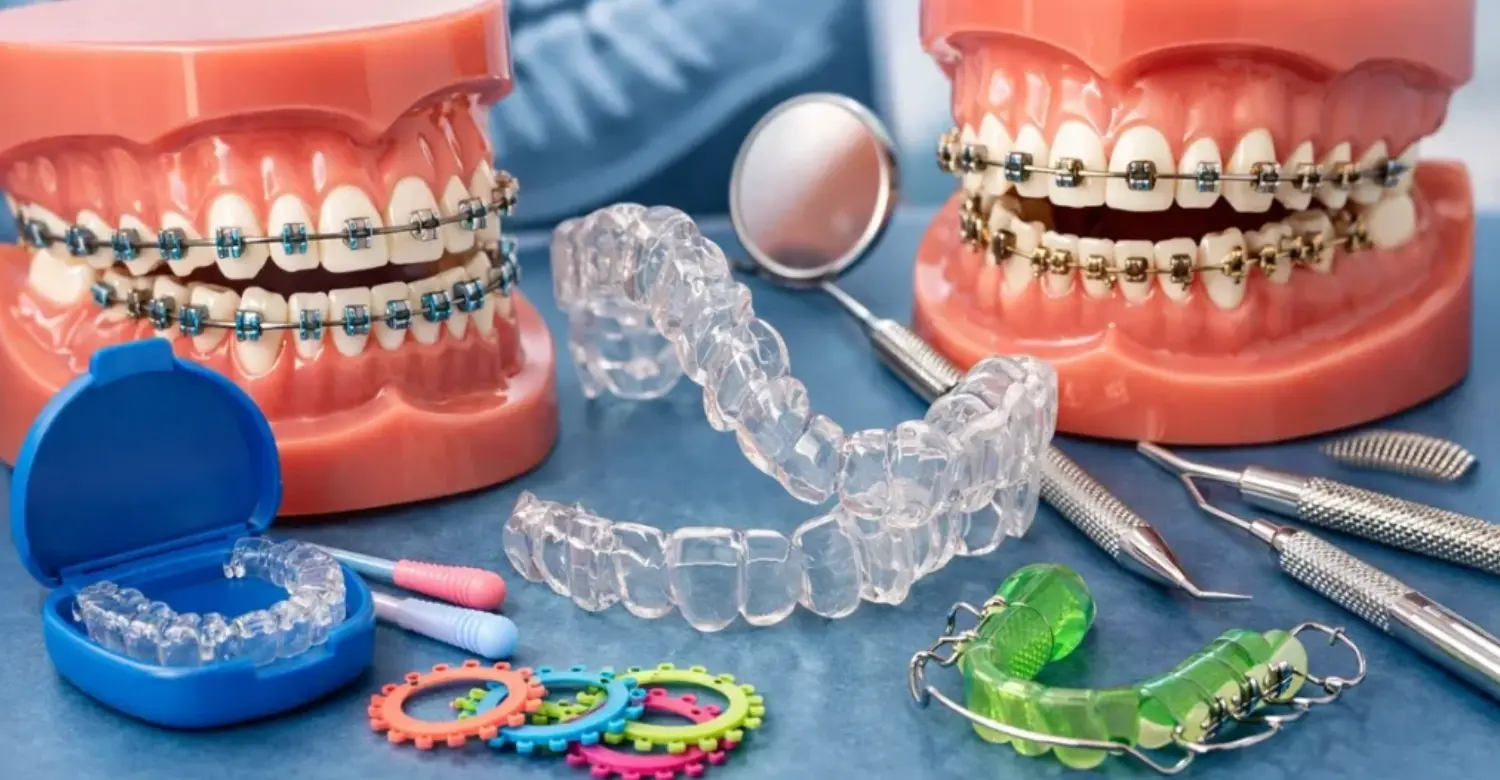
Common orthodontic add-ons include rubber bands (orthodontic elastics), orthodontic wax, spacers, palatal expanders, retainers, interdental brushes, floss threaders, and orthodontic mouthguards. Each accessory has a unique role depending on the patient's orthodontic needs. For example, elastics help correct bite alignment. Wax reduces irritation from brackets and wires. Spacers create room for orthodontic bands. Retainers keep teeth in their new positions after treatment is complete.
These dental braces accessories work by either applying controlled forces to guide tooth movement, protecting the soft tissues inside the. Mouth, or helping patients maintain excellent oral hygiene throughout treatment. Using them correctly and following your orthodontist's instructions can improve comfort, reduce complications, and help treatment progress on schedule.
At Vitrin Clinic, every patient receives a personalized explanation of the orthodontic accessories included in their treatment plan. Dr. Rifat Alsaman, Head of the Medical Team at Vitrin Clinic and a cosmetic dentist, emphasizes that they are an essential. Part of successful orthodontic care, not optional additions. According to Dr. Rifat Alsaman, patients who consistently use their prescribed accessories and maintain good oral hygiene often experience smoother treatment, fewer emergencies. And more predictable long-term results.
Essential Dental Braces Accessories for Comfort and Care
Orthodontic treatment is about much more than brackets and wires. Throughout treatment, patients may use several dental braces accessories that improve comfort, guide tooth movement, protect the mouth. And help achieve the best possible results. Understanding these accessories makes it easier to care for braces, follow your orthodontist's instructions, and complete treatment successfully.
This guide explains the most common orthodontic add-ons used during orthodontic treatment, why they matter. And how they contribute to healthier, straighter teeth. Whether you're preparing to get braces or already wearing them, learning about these tools can help you feel more confident. Throughout your smile journey.
At Vitrin Clinic, patient education is an essential part of treatment. Every patient receives personalized guidance on using these dental braces accessories correctly, helping reduce complications while improving treatment efficiency.
Why Dental Braces Accessories Matter
Orthodontic accessories are small devices or tools used alongside braces or clear aligners. They support tooth movement, improve oral comfort, and maintain excellent oral hygiene. While some orthodontic add-ons are only needed during specific stages of treatment, others may be used every day until. Treatment is complete.
These dental braces accessories serve several important purposes, including:
Helping teeth move into the correct position
Reducing discomfort caused by braces
Protecting cheeks, lips, and gums from irritation
Improving bite correction
Maintaining oral hygiene
Preventing damage to orthodontic appliances
Supporting long-term treatment success
Many patients assume braces work alone, but the reality is that properly using dental braces accessories can significantly improve treatment. Outcomes. Following your orthodontist's recommendations helps avoid unnecessary delays and keeps your treatment progressing as planned.
At Vitrin Clinic , every orthodontic treatment plan includes detailed instructions about when and how each accessory should be used. Ensuring patients feel confident throughout every stage of their treatment.
Essential Dental Braces Accessories Explained
Orthodontic treatment involves different dental braces accessories depending on your dental condition, age, and treatment goals. Some patients may use only one or two, while others require several throughout treatment.
Orthodontic Accessory | Main Purpose | Common Use |
Orthodontic wax | Prevent irritation | Daily comfort |
Rubber bands for braces | Correct bite alignment | Bite correction |
Orthodontic elastics | Move teeth precisely | Advanced tooth movement |
Spacers | Create space before bands | Early treatment |
Expanders | Widen the upper jaw | Growing children |
Retainers | Maintain results | After braces |
Cleaning tools | Improve oral hygiene | Daily care |
Mouthguards | Protect braces during sports | Active patients |
Each accessory plays a unique role in ensuring treatment progresses safely and efficiently.
Orthodontic Wax: Small But Extremely Helpful for dental braces
One of the first dental braces accessories many patients receive is orthodontic wax. Brackets and wires can occasionally rub against the inside of the lips or cheeks, especially during the first few weeks. After braces are placed or adjusted.
Orthodontic wax creates a smooth barrier between the braces and soft tissues, reducing irritation while allowing the mouth to adapt.
To use orthodontic wax:
Wash your hands.
Dry the bracket.
Roll a small piece of wax into a ball.
Press it gently over the irritating bracket.
Replace the wax as needed after eating or brushing.
Using wax properly can make the adjustment period much more comfortable without affecting orthodontic treatment.
At Vitrin Clinic, patients receive orthodontic wax along with clear instructions for using it safely at home.
Rubber Bands: A Key Braces Accessory
Rubber bands for braces are among the most important orthodontic accessories. They help correct the relationship between the upper and lower teeth.
Unlike the tiny elastic ligatures attached to brackets, orthodontic rubber bands connect different parts of the braces to apply additional. Force. They are often prescribed to correct:
Overbite
Underbite
Crossbite
Open bite
Jaw alignment
Patients should wear rubber bands exactly as instructed. Skipping days or wearing them inconsistently may slow treatment and extend the overall treatment time.
Replacing rubber bands daily ensures they maintain the correct level of force.
Understanding Orthodontic Elastics for dental braces
Although many patients use the terms interchangeably, orthodontic elastics refer to the removable rubber bands that patients wear according to. Their orthodontist's instructions.
Orthodontic elastics come in different:
Sizes
Strengths
Thicknesses
Configurations
Each type delivers a specific amount of force designed for individual treatment goals.
Never replace prescribed elastics with store-bought rubber bands. Incorrect force levels may damage teeth or interfere with treatment.
At Vitrin Clinic, patients receive personalized elastic instructions and demonstrations to help ensure proper use.
Orthodontic Spacers for dental braces
Orthodontic spacers are tiny elastic rings temporarily placed between molars before metal bands are fitted.
Their purpose is simple: create enough space for orthodontic bands without damaging neighboring teeth.
Patients typically wear spacers for several days before the next appointment.
While spacers may create temporary pressure similar to food being stuck between teeth, this sensation usually disappears within a few. Days.
Foods that are sticky or chewy should be avoided while wearing spacers, as they can dislodge them.
Orthodontic Expanders for dental braces
Orthodontic expanders are commonly used in growing children whose upper jaw is too narrow.
The appliance gradually widens the upper jaw, allowing better alignment between the upper and lower teeth.
Expanders may help treat:
Crossbite
Crowded teeth
Narrow palate
Breathing concerns related to jaw width
Parents often worry about discomfort, but most children adapt within a few days.
Regular adjustments ensure gradual expansion occurs safely under professional supervision.
At Vitrin Clinic, expanders are carefully monitored throughout treatment to achieve balanced facial development while minimizing discomfort.
Essential Dental Braces Accessories for Care
Completing orthodontic treatment is a major achievement, but keeping your teeth in their new positions requires ongoing care. This is where orthodontic retainers become one of the most important orthodontic accessories. After braces or clear aligners are removed, the surrounding bone and soft tissues need time to stabilize. Without a retainer, teeth naturally tend to shift back toward their original positions, a process known as orthodontic relapse.
There are two main types of retainers:
Retainer Type | Description | Best For |
Fixed Retainer | A thin wire bonded behind the front teeth | Long-term stability |
Removable Retainer | A clear plastic or acrylic appliance worn as instructed | Daily maintenance after treatment |
Most patients wear removable retainers full-time for the first few months before transitioning to nighttime wear. The exact schedule depends on each patient's orthodontic treatment plan.
Retainers should be cleaned daily using a soft toothbrush and lukewarm water. Hot water should be avoided because it can warp plastic retainers and affect their fit. Patients should also store removable retainers in a protective case whenever they are not in use to prevent accidental damage. Or loss.
At Vitrin Clinic, patients receive a customized retention plan after treatment. The team carefully monitors retainer fit during follow-up visits to help preserve the beautiful smile achieved through orthodontic treatment.
Essential Dental Braces Accessories for Cleaning
Maintaining excellent oral hygiene becomes more challenging with braces because brackets and wires create additional areas where plaque and food. Particles can accumulate. Using the right cleaning accessories helps reduce the risk of cavities, gum inflammation, bad breath. And white spot lesions during treatment.
Some of the most useful cleaning accessories include:
Essential Dental Braces Accessories: Interdental Brushes
These small brushes are designed to clean between brackets and underneath wires where a regular toothbrush cannot easily reach. Daily use helps remove trapped food debris and bacterial plaque.
Orthodontic Toothbrushes
Orthodontic toothbrushes often feature V-shaped bristles that clean around brackets more effectively than conventional toothbrushes. Many patients also benefit from using electric toothbrushes specifically approved for orthodontic care.
Water Flossers
Water flossers use a gentle stream of water to remove plaque and food particles from difficult-to-clean areas. While they do not completely replace traditional flossing, they can make cleaning around braces easier and encourage better daily oral. Hygiene.
Orthodontic Floss Threaders
Floss threaders help guide dental floss underneath orthodontic wires, making it possible to clean between teeth despite the presence of. Braces.
Fluoride Mouthwash
A fluoride rinse strengthens enamel and helps protect teeth from decay during orthodontic treatment, especially for patients who have difficulty. Cleaning around brackets.
Using these braces care tools consistently can significantly reduce oral health complications throughout treatment.
Mouthguards for Patients with Braces
Patients who play sports should never overlook a properly fitted mouthguard. Braces increase the risk of injuries to the lips, cheeks, and gums if the mouth receives an impact.
Orthodontic mouthguards are specially designed to fit comfortably over braces while still providing protection against sports-related injuries. Unlike standard mouthguards, orthodontic versions allow room for ongoing tooth movement, making them suitable throughout treatment.
Sports where mouthguards are particularly recommended include:
Football
Basketball
Martial arts
Rugby
Hockey
Volleyball
Cycling
Skateboarding
A damaged bracket or wire after a sports injury can interrupt orthodontic treatment and require emergency repair. Wearing an orthodontic mouthguard is a simple step that helps protect both your teeth and your braces.
At Vitrin Clinic, patients who lead active lifestyles receive recommendations on selecting the most appropriate protective mouthguard for their orthodontic. Appliance.
Braces Care Tips for Successful Treatment
Proper daily habits play an essential role in the success of orthodontic treatment. Even the most advanced braces cannot deliver optimal results without good patient cooperation.
Here are some practical braces care tips every patient should follow:
Brush After Every Meal
Food trapped around brackets quickly turns into plaque, increasing the risk of tooth decay and gum disease.
Floss Every Day
Although flossing with braces requires extra time, it remains one of the most effective ways to maintain healthy gums.
Avoid Hard and Sticky Foods
Foods such as caramel, chewing gum, popcorn kernels, hard candies, and ice cubes can damage brackets or bend wires.
Attend Every Adjustment Appointment
Regular appointments allow your orthodontist to monitor progress and make necessary adjustments according to your treatment plan.
Wear Elastics Exactly as Prescribed
Many treatment delays occur simply because patients forget or choose not to wear their elastics consistently.
Replace Orthodontic Wax When Needed
Fresh wax provides better protection and hygiene than using the same piece repeatedly.
Drink Plenty of Water
Water helps wash away food particles and supports saliva production, which naturally protects teeth from acid attacks.
Developing these healthy habits makes orthodontic treatment smoother while protecting your overall oral health.
Common Mistakes Patients Make with Orthodontic Accessories
Although orthodontic accessories are simple to use, small mistakes can slow treatment or increase the risk of complications.
Some of the most common mistakes include:
Mistake | Possible Consequence |
Not wearing rubber bands consistently | Longer treatment time |
Skipping retainer wear | Teeth shifting after braces |
Using regular rubber bands instead of orthodontic elastics | Incorrect tooth movement |
Forgetting to clean retainers | Bacterial buildup and bad odor |
Ignoring broken brackets | Treatment delays |
Eating sticky foods with spacers | Spacers becoming dislodged |
Not replacing worn orthodontic wax | Increased irritation |
Poor oral hygiene | Cavities and gum inflammation |
Following professional instructions carefully helps patients avoid unnecessary setbacks and keeps treatment progressing efficiently.
Are Orthodontic Accessories Safe?
Orthodontic accessories are designed to be safe when prescribed and monitored by qualified dental professionals. Most are manufactured from biocompatible materials such as medical-grade stainless steel, nickel-titanium alloys, silicone. Or latex-free elastics, depending on the patient's needs.
Patients with latex allergies should inform their orthodontist before treatment begins, as latex-free alternatives are widely available.
Minor discomfort is normal when new accessories are introduced, particularly after placing spacers, expanders, or elastics. However, severe pain, swelling, or persistent irritation should always be reported promptly.
Regular follow-up appointments allow orthodontists to evaluate the condition of accessories, make necessary adjustments, and ensure treatment continues safely.
At Vitrin Clinic, patient safety remains a top priority. Every orthodontic accessory is selected according to the individual's treatment plan, medical history. And comfort, helping patients progress confidently toward a healthier, straighter smile.
Cost of Orthodontic Accessories in Turkey
One common question is whether orthodontic accessories are included in the cost of braces. The answer depends on the accessory type, the treatment plan, and the clinic. Some items come with treatment. Others may need replacement or separate purchase if lost or damaged.
The overall investment in these items is small compared to their benefits. Proper use reduces delays and protects appliances. It also contributes to better long-term results.
Below is a general guide to average prices in Turkey.
Orthodontic Accessory | Average Cost in Turkey |
Orthodontic wax | $3–$10 |
Rubber bands (pack) | Often included or $5–$15 |
Interdental brushes | $5–$15 |
Orthodontic toothbrush | $4–$12 |
Water flosser | $40–$120 |
Orthodontic mouthguard | $30–$100 |
Removable retainer | $100–$250 |
Fixed retainer | $120–$300 |
Palatal expander | $350–$900 (if required) |
Prices are approximate and may vary depending on the complexity of treatment, the brand of the appliance. And the individual treatment plan.
At Vitrin Clinic, patients receive a detailed treatment plan before beginning orthodontic care. The team explains which accessories are included and which may need replacement. They also explain how each one supports successful tooth movement. This transparent approach helps patients understand the full scope of their orthodontic journey without unexpected surprises.
Why Choose Vitrin Clinic for Orthodontic Treatment?
Successful orthodontic treatment is about much more than placing brackets on teeth. It requires careful diagnosis, personalized planning, patient education, and continuous monitoring. At Vitrin Clinic, these principles guide every orthodontic case.
The clinic combines modern digital technology with a patient-centered approach. Every orthodontic accessory is selected based on individual dental needs. Patients receive practical guidance on caring for braces, using elastics correctly, and maintaining oral hygiene. They also learn how to protect their appliances during everyday activities.
Whether treatment involves traditional braces or clear aligners, the team focuses on creating healthy, functional, and attractive smiles. They also make the treatment experience as comfortable as possible.
What We Notice Clinically
One common concern from patients at Vitrin Clinic is whether orthodontic accessories are truly necessary. Many people initially believe that braces alone move teeth. Clinical experience shows that accessories play a crucial supporting role.
Dr. Rifat Alsaman, Head of the Medical Team at Vitrin Clinic and a cosmetic dentist, explains that these items are prescribed for specific biological reasons. Elastics help guide jaw relationships. Retainers maintain treatment results. Cleaning tools protect enamel while teeth move. Patients who understand the purpose of each accessory are generally more motivated to follow instructions. This leads to fewer complications and a more efficient orthodontic experience.
Dr. Rifat Alsaman also emphasizes that successful treatment depends on a partnership between the dental team and the patient. Consistent oral hygiene, regular appointments, and proper use of accessories often have a significant impact on achieving predictable and lasting. Results.
Orthodontic Accessories Timeline: When Will You Need Each One?
Not every orthodontic accessory is used throughout the entire treatment process. Some are only needed during the first few weeks. Others become important after the braces are removed. Understanding when each accessory is introduced helps patients prepare for every stage of treatment and reduces unnecessary concerns.
Treatment Stage | Orthodontic Accessories You May Need |
Before braces | Orthodontic spacers, separators |
Braces placement | Orthodontic wax, orthodontic toothbrush |
First few weeks | Wax, interdental brushes, fluoride mouthwash |
Bite correction | Rubber bands for braces, orthodontic elastics |
Growing children | Palatal expander (if indicated) |
Throughout treatment | Water flosser, floss threaders, cleaning tools |
Sports activities | Orthodontic mouthguard |
After braces | Fixed retainer or removable retainer |
Every orthodontic journey is unique. The exact timeline varies depending on the complexity of the case and the patient's treatment goals. At Vitrin Clinic , patients receive a personalized roadmap that explains when each accessory will be introduced and how long. It should be used.
Real Patient Experiences with Orthodontic Accessories
At Vitrin Clinic, many patients successfully adapt to orthodontic accessories. One patient, a 14-year-old boy, initially struggled with his palatal expander. After a week of adjustment, he was back to eating normally and even playing sports. Another adult patient used TADs for bite correction. She reported minimal discomfort and was impressed by how quickly her teeth moved. These experiences highlight that while accessories may require an adjustment period, they are well-tolerated and effective. Our team provides continuous support to help patients through every step.
Expert Insights from Dr. Rifaat Al-Samman
Dr. Rifaat Al-Samman, Director of the Medical Team at Vitrin Clinic, emphasizes the importance of using high-quality accessories. "Choosing the right accessory is as crucial as the braces themselves," he says. "We always select accessories based on the patient's specific needs and ensure they are properly fitted to minimize discomfort and maximize effectiveness." With years of experience in orthodontics, Dr. Al-Samman and his team provide personalized care to international patients.
Disclaimer: This article is for informational purposes only and does not constitute medical advice. Always consult with a qualified orthodontist or dentist before making any decisions about your dental treatment. Individual results may vary.
How to Care for Your Orthodontic Accessories
Taking care of orthodontic accessories is just as important as caring for your braces. Proper maintenance improves hygiene, extends the lifespan of removable appliances, and minimizes the risk of treatment interruptions.
Here are some practical recommendations:
Clean removable retainers every day using a soft toothbrush and lukewarm water.
Replace orthodontic wax whenever it becomes dirty or loses its shape.
Change rubber bands according to your orthodontist's instructions.
Rinse mouthguards after each use and allow them to dry completely before storing them.
Store removable appliances in a protective case instead of wrapping them in tissue, where they can easily be thrown away.
Keep cleaning tools dry and replace interdental brushes regularly.
Never attempt to adjust orthodontic appliances yourself.
Good maintenance habits help ensure your orthodontic accessories continue to function as intended while supporting successful treatment.
Signs That You Should Contact Your Orthodontist
Although orthodontic accessories are designed to be durable and easy to use, certain situations require professional attention. Contact your orthodontic team if you notice any of the following:
A loose or broken bracket
A wire that is poking the cheek or gums
A lost or cracked retainer
A broken expander or removable appliance
Persistent pain lasting more than several days
Swollen gums that do not improve with good oral hygiene
Difficulty wearing prescribed elastics
Mouth sores that do not heal
Prompt treatment helps prevent minor issues from becoming larger problems that could delay your orthodontic progress. At Vitrin Clinic, patients receive clear aftercare instructions and ongoing support throughout treatment, ensuring concerns can be addressed quickly and. Effectively.
Conclusion
Orthodontic accessories may appear small, but they play a significant role in creating healthy, well-aligned smiles. From orthodontic wax that improves comfort to elastics that guide bite correction and retainers that preserve treatment results, each accessory. Has a specific purpose within a carefully planned orthodontic journey.
Understanding how these tools work allows patients to participate more actively in their treatment and reduces the likelihood of avoidable. Complications. Consistent oral hygiene, regular follow-up appointments, and proper use of orthodontic accessories can make treatment more comfortable, efficient, and predictable.
Personalized Orthodontic Accessory Guidance
At Vitrin Clinic, every patient receives individualized guidance on using orthodontic accessories correctly, ensuring they feel supported throughout every stage. Of treatment. Under the leadership of Dr. Rifat Alsaman, Head of the Medical Team at Vitrin Clinic and a cosmetic dentist, the focus extends beyond straightening teeth. To delivering healthy, functional, and confident smiles that last for years.
If you are considering orthodontic treatment or have questions about braces, aligners. Or orthodontic accessories, the experienced team at Vitrin Clinic is ready to help you understand your options and create a. Treatment plan tailored to your unique needs.
Reference
Orthodontic accessories are specialized components and supportive products used alongside braces or clear aligners to improve treatment efficiency, enhance comfort. And help achieve optimal tooth movement. These may include elastics, wax, ligatures, power chains, and other orthodontic aids. The following references provide more information about the types of orthodontic accessories, their functions, and their role in orthodontic treatment:
FAQs
Dr. Rifat Alsaman has more than 5 years of clinical experience in dentistry and currently serves as the Head of the Medical Team at Vitrin Clinic. He is dedicated to providing exceptional patient care, overseeing treatment planning, and ensuring the highest clinical standards across the team. His expertise, attention to detail, and commitment to continuous professional development have helped countless patients achieve healthier, more confident smiles.
.webp&w=3840&q=75)

.webp&w=3840&q=75)


.webp&w=3840&q=75)