Dental Crowns
February 4, 2026
Dental Crown Lifespan Explained: How Long Do Dental Crowns Really Last?
 Dr. Rifat Alsaman
Dental Crown Lifespan is an essential consideration for anyone planning to get or already wearing dental crowns. The average lifespan of a dental crown varies significantly depending on the material, its location in the mouth, and daily maintenance habits. While some crowns can last for decades, others may require replacement within a few years. This comprehensive guide explains what affects dental crown lifespan, how to extend it, and when replacement becomes necessary. Whether you're planning treatment at Vitrin Clinic or maintaining existing restorations, understanding these factors helps protect your investment.
Introduction to Dental Crown Lifespan
Dental crown lifespan represents the functional period during which your crown maintains structural integrity and aesthetic appeal. Most patients wonder about the dental crown average lifespan when investing in restorative dentistry. Understanding longevity expectations helps you plan financially and clinically. The lifespan of a dental crown depends on multiple interconnected factors including material quality, oral hygiene practices, and professional maintenance. At Vitrin Clinic, patients receive comprehensive guidance on maximizing their crown's durability through proven care protocols.
Why Dental Crown Lifespan Matters for Long-Term Oral Health
Knowing the average lifespan of dental crown restorations directly impacts your long-term treatment planning and budget. Crowns protect weakened teeth from further damage, but only if they remain intact throughout their functional period. When you understand how long dental crowns last average lifespan expectations, you can schedule preventive checkups appropriately. A failing crown compromises the underlying tooth structure, potentially causing infections or fractures. Vitrin Clinic emphasizes education about dental crown lifespan to help patients maintain optimal oral health for years.
Setting Realistic Expectations About Dental Crown Longevity
Realistic expectations about what is the average lifespan of a dental crown prevent disappointment and ensure proper maintenance commitment. While advertisements may promise permanent solutions, the lifespan of a dental crown realistically ranges from five to thirty years. Your specific outcome depends on crown material, tooth location, and daily care habits. Understanding that dental crown average lifespan varies helps you prepare for eventual replacement. Vitrin Clinic provides transparent information about longevity expectations, ensuring patients make informed decisions about their dental investments and maintenance commitments.
What Is the Purpose of a Dental Crown?
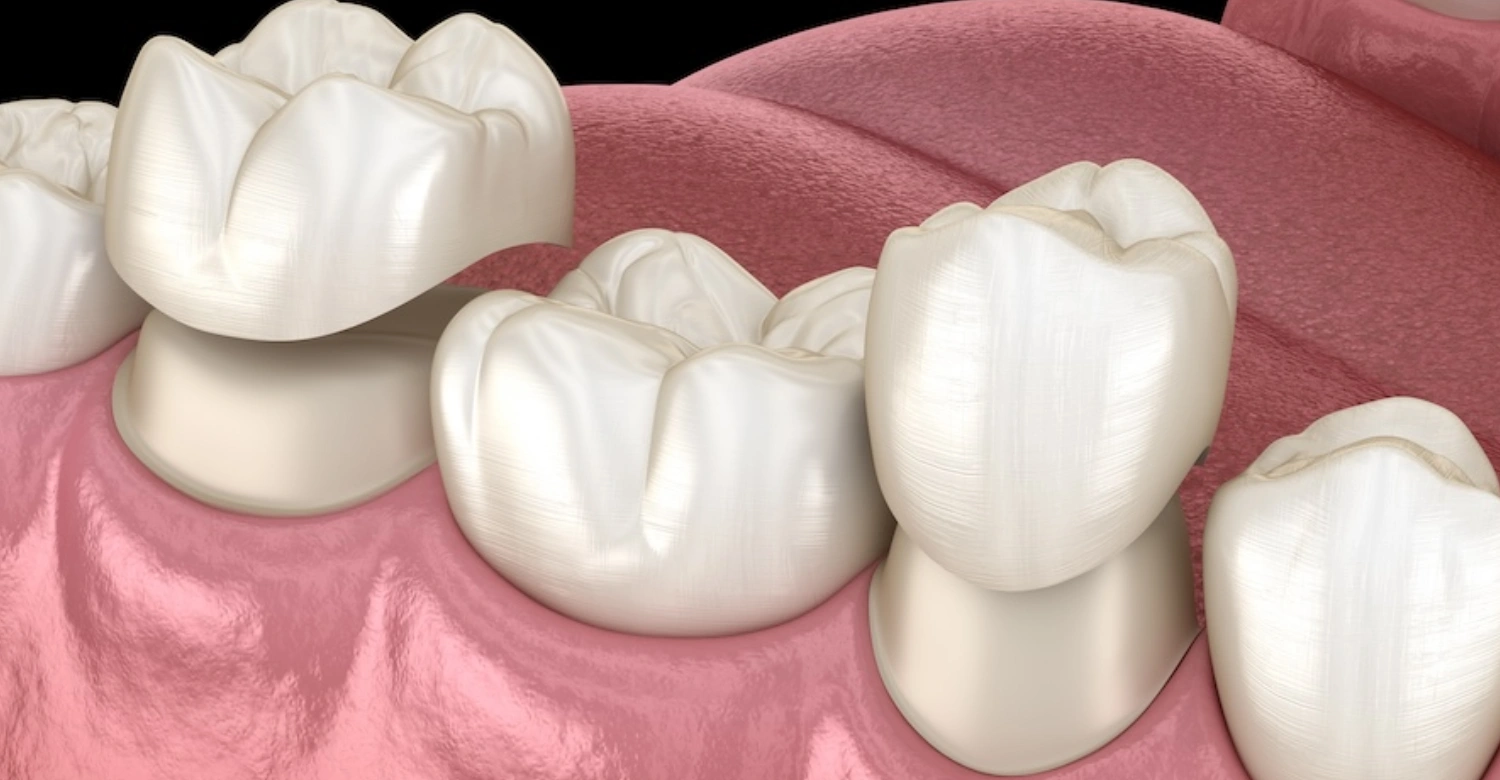
Dental crown lifespan discussions naturally begin with the dental crown purpose itself. A crown is a custom-made cap that fully covers a damaged, weakened, or discolored tooth. Its main role is protective: it shields a tooth that has lost significant structure from further cracking or decay. Crowns also restore normal chewing function after a root canal, a large filling, or a fracture.
Beyond protection, a crown recreates natural tooth shape, size, and color, so the restoration blends seamlessly with the rest of the smile. Understanding this dual purpose, protection and appearance, helps explain why the average lifespan of a dental crown matters so much to patients. A crown that fails early does not just look worse; it exposes the tooth underneath to the same risks it was meant to prevent. Vitrin Clinic designs every crown around this dual purpose from the very first consultation.
Understanding Dental Crown Lifespan and Durability
Dental crown lifespan encompasses both functional durability and aesthetic longevity throughout daily use. The average lifespan of dental crown restorations depends on material composition, placement precision, and ongoing maintenance. Modern crowns are engineered to withstand tremendous bite forces while maintaining natural appearance. However, the lifespan of a dental crown isn't infinite, even premium materials eventually degrade. Understanding these durability factors helps you appreciate the complexity of crown longevity and motivates consistent care practices that extend useful life. To maximize the lifespan of your restoration, it is crucial to learn about caring for dental crowns properly every single day.
What Is the Average Lifespan of a Dental Crown?
The dental crown average lifespan typically ranges from ten to fifteen years under normal conditions. However, the lifespan of a dental crown can vary dramatically based on individual circumstances. Some patients enjoy crowns lasting thirty years or more, while others require replacement within five years. Material choice significantly influences longevity, zirconia crowns often outlast porcelain alternatives. Bite force, grinding habits, and oral hygiene also affect outcomes. Vitrin Clinic uses premium materials and precise placement techniques to maximize dental crown lifespan for every patient.
Dental Crown Average Lifespan by Material
Different materials offer varying dental crown lifespan expectations based on their physical properties. Porcelain crowns typically last ten to fifteen years with proper care, offering excellent aesthetics but moderate durability. Zirconia crowns often achieve fifteen to twenty-five years due to superior strength and fracture resistance. Metal crowns can last twenty-five years or longer but lack aesthetic appeal. Porcelain-fused-to-metal crowns balance durability and appearance, averaging fifteen to twenty years. Vitrin Clinic helps patients select materials that optimize both the average lifespan of dental crown restorations and cosmetic goals.
What Factors Influence the Lifespan of a Dental Crown?
Multiple interconnected factors determine the lifespan of a dental crown beyond material selection alone. Your chewing habits, tooth grinding, and dietary choices create daily stress that gradually wears crown surfaces. The precision of initial crown placement affects long-term seal integrity and underlying tooth protection. Oral hygiene practices prevent decay at crown margins that could compromise longevity. Systemic health conditions like diabetes affect gum health surrounding crowns. Understanding how to extend dental crown lifespan requires addressing all these variables through comprehensive care strategies implemented consistently over time.
Bite Force, Tooth Location, and Daily Habits
Bite force dramatically affects dental crown average lifespan depending on which tooth receives the restoration. Molars endure three times more pressure than front teeth, potentially shortening crown longevity. Patients who grind teeth nocturnally accelerate wear regardless of material quality. Chewing ice, opening packages with teeth, or biting fingernails creates excessive stress. The location of the tooth significantly influences what is the average lifespan of a dental crown, anterior crowns often last longer due to reduced force. Vitrin Clinic evaluates these factors during treatment planning to recommend appropriate materials. Many patients wonder about the specific details, so understanding how long they last can help you make an informed decision for your oral health.
Quality of Dental Work and Crown Placement
The precision of crown placement directly determines the lifespan of a dental crown through proper fit and seal. Poorly fitted crowns allow bacterial infiltration at margins, causing underlying tooth decay. Inadequate tooth preparation leaves insufficient support for crown stability. Incorrect bite adjustment creates uneven pressure points that crack crowns prematurely. The dental crown average lifespan depends heavily on initial craftsmanship quality. Vitrin Clinic employs advanced digital scanning and CAD/CAM technology to ensure optimal crown fit, maximizing longevity through precision engineering and expert placement techniques.
How Long Do Dental Crowns Last? Average Lifespan in Real Life
Real-world dental crown lifespan statistics reveal that how long do dental crowns last, average lifespan outcomes often exceed clinical predictions. Studies show that fifty percent of crowns remain functional after fifteen years, while thirty percent last twenty-five years or more. Individual results vary based on maintenance commitment and biological factors. Some patients maintain crowns for forty years through exceptional oral hygiene and regular professional care. The average lifespan of dental crown restorations has improved significantly with modern materials. Vitrin Clinic's patients frequently surpass average expectations through comprehensive aftercare programs.
Dental Crown Materials and Their Average Lifespan
Material selection profoundly impacts dental crown lifespan through varying durability, aesthetics, and biocompatibility characteristics. Each crown material offers unique advantages regarding what is the lifespan of a dental crown in different clinical situations. Modern dentistry provides multiple options tailored to specific teeth, bite forces, and aesthetic priorities. Understanding material-specific longevity helps you make informed choices about dental crown average lifespan expectations. Vitrin Clinic offers premium materials including porcelain, zirconia, and hybrid options, each engineered to maximize the lifespan of a dental crown while meeting cosmetic requirements.
Porcelain Crowns Lifespan
Porcelain crowns typically achieve a dental crown average lifespan of ten to fifteen years with diligent maintenance. These all-ceramic restorations provide superior aesthetics, perfectly matching natural tooth translucency and color. However, porcelain's brittleness makes it vulnerable to fractures under excessive force. The average lifespan of dental crown restorations made from porcelain improves significantly when placed on front teeth rather than molars. Proper bite adjustment during placement prevents premature chipping. Vitrin Clinic recommends porcelain crowns for anterior teeth where appearance matters most, offering exceptional cosmetic results throughout their functional lifespan. Many patients wonder about the specific details, so understanding our clinic guarantee can help you make an informed decision for your oral health.
Zirconia Crowns Lifespan
Zirconia crowns offer exceptional dental crown lifespan, frequently lasting fifteen to twenty-five years or longer. This advanced ceramic material combines strength approaching metal crowns with excellent aesthetic properties. The lifespan of a dental crown made from zirconia benefits from superior fracture resistance and wear characteristics. Zirconia withstands tremendous bite forces without chipping, making it ideal for molar restorations. Its biocompatibility prevents allergic reactions while maintaining gum health. Vitrin Clinic extensively uses zirconia for both anterior and posterior crowns, maximizing dental crown average lifespan while delivering beautiful, natural-looking results.
Metal and Porcelain-Fused-to-Metal Crown Lifespan
Metal crowns achieve the longest dental crown lifespan, often lasting twenty-five to thirty years or more. Pure gold or metal alloy crowns withstand extreme bite forces without fracturing or wearing excessively. However, their appearance limits use to posterior teeth. Porcelain-fused-to-metal (PFM) crowns balance durability and aesthetics, averaging fifteen to twenty years. The metal substructure provides strength while porcelain layers offer natural appearance. The average lifespan of dental crown restorations using PFM technology remains impressive despite occasional porcelain chipping. Vitrin Clinic offers metal options for patients prioritizing longevity over cosmetics in posterior restorations.
Understanding Lithium Disilicate Crowns and Their Longevity
Lithium disilicate crowns, often known by the brand name e.max, add another material option to the dental crown lifespan conversation. This all-ceramic material combines a strong glass-ceramic structure with a natural, tooth-like translucency. Lithium disilicate crown longevity typically falls between twelve and twenty years, positioning it close to zirconia in strength while offering better light-transmitting aesthetics.
It suits front teeth and premolars particularly well, where appearance and moderate bite force both matter. Compared with porcelain fused to metal lifespan, which averages fifteen to twenty years but can show a visible metal line at the gum over time, lithium disilicate crowns age more discreetly. Gold dental crown durability still leads all materials for pure strength, often exceeding twenty-five years, but its color rules it out for visible teeth. Vitrin Clinic matches each material, lithium disilicate included, to the tooth's location and the patient's priorities.
Dental Crowns vs. Fillings: Which is Better for Damaged Teeth?
Patients comparing crowns vs fillings for damaged teeth often assume fillings are the simpler, cheaper choice. Fillings work well for small to moderate cavities where enough healthy tooth structure remains. Once decay or fracture removes a large portion of the tooth, a filling alone cannot support normal biting pressure.
This is where a crown becomes the stronger option. A crown covers and reinforces the entire visible tooth, distributing bite force evenly across a wider surface. Fillings, by contrast, sit inside the tooth and can crack the remaining walls under heavy pressure. For teeth with more than half their structure lost, or teeth that have had root canal treatment, a crown is generally the safer long-term choice. Vitrin Clinic assesses the extent of damage before recommending either option, since choosing incorrectly shortens the useful life of a filling or a crown alike.
How to Extend Dental Crown Lifespan Naturally and Clinically
Learning how to extend dental crown lifespan significantly increases your restoration's functional years. Simple daily habits dramatically impact the lifespan of a dental crown through consistent protection and maintenance. Clinical interventions like professional cleanings and bite adjustments further optimize longevity. The average lifespan of dental crown restorations improves substantially when patients actively participate in preservation strategies. Understanding how I can extend the lifespan of my dental crown empowers you to protect your investment. Vitrin Clinic provides comprehensive aftercare guidance, helping patients maximize dental crown average lifespan through proven techniques.
Daily Care Habits That Extend Dental Crown Lifespan
Consistent daily care habits directly influence how long do dental crowns last average lifespan outcomes. Brushing twice daily with fluoride toothpaste prevents decay at crown margins where tooth meets restoration. Flossing removes bacterial plaque accumulation that compromises gum health surrounding crowns. Using non-abrasive toothpaste protects crown surfaces from premature wear. Avoiding extremely hot or cold beverages prevents thermal stress on crown materials. Rinsing after meals reduces acid exposure that gradually degrades cement bonds. These simple practices significantly improve what is the average lifespan of a dental crown through consistent protective care.
Oral Hygiene Techniques That Protect Crowns
Specialized oral hygiene techniques maximize dental crown lifespan beyond standard brushing and flossing routines. Using interdental brushes or water flossers effectively cleans around crown margins where traditional floss misses. Gentle circular brushing motions prevent abrasive damage to crown surfaces while maintaining cleanliness. Antibacterial mouthwash reduces bacterial load without damaging crown materials or cement bonds. Regular tongue cleaning prevents bacterial reservoirs that could compromise gum health. The lifespan of a dental crown extends significantly when patients master these protective techniques. Vitrin Clinic teaches personalized hygiene protocols optimized for crown maintenance. Many patients wonder about the specific details, so understanding dental crown lifespan can help you make an informed decision for your oral health.
Foods and Habits That Shorten Dental Crown Lifespan
Certain dietary choices and habits dramatically reduce dental crown average lifespan through excessive mechanical or chemical stress. Chewing ice creates extreme forces that crack even strong zirconia crowns prematurely. Sticky candies pull crowns loose by stressing cement bonds repeatedly. Hard nuts or candies generate impact forces exceeding crown design limits. Grinding or clenching teeth accelerates wear regardless of material quality. Smoking compromises gum health, indirectly affecting crown stability. Understanding what shortens the average lifespan of dental crown restorations helps you avoid behaviors that necessitate premature replacement.
How Can I Extend the Lifespan of My Dental Crown With Professional Care?
Professional dental care proves essential for how I can extend the lifespan of my dental crown beyond home maintenance alone. Regular six-month checkups detect early problems before they compromise crown integrity. Professional cleanings remove calculus buildup that home care misses, preventing gum disease around crowns. Periodic bite adjustments correct uneven pressure distribution that could crack crowns. Fluoride treatments strengthen underlying tooth structure at crown margins. Nightguards protect against grinding damage during sleep. Vitrin Clinic's comprehensive maintenance programs help patients maximize dental crown lifespan through expert monitoring and timely interventions.
Clinical Note
Early cavities frequently cause no pain or visible change, so they are missed during self-checks at home. A dental examination with X-rays detects decay between teeth and under the enamel before it reaches the stage where a patient would feel it. This is one reason crown margins should be checked at routine visits, not only when discomfort appears.
Tips for Patients
Use a toothpaste with 1,450 ppm fluoride, and after brushing spit rather than rinse with water, so the fluoride stays on the teeth longer.
If you snack on something sugary, have it with a meal instead of spreading sweets across the day, since it is the frequency of acid attacks, not the total amount, that drives a tooth cavity.
Both habits protect the natural tooth structure surrounding a crown, which in turn protects the crown itself.
Signs Your Dental Crown Is Reaching the End of Its Lifespan
Recognizing when dental crown lifespan approaches its conclusion prevents complications from delayed replacement. The lifespan of a dental crown ends when structural integrity or seal quality compromises tooth protection. Early warning signs appear months before complete failure, allowing proactive replacement planning. Ignoring these symptoms risks underlying tooth damage requiring more extensive treatment. Understanding what is the average lifespan of a dental crown helps you anticipate eventual replacement needs. Vitrin Clinic educates patients on warning signs, ensuring timely intervention before emergency situations develop from worn crowns.
Warning Signs of Crown Wear or Failure
Multiple warning signs indicate diminishing dental crown average lifespan requiring professional evaluation. Visible cracks or chips signal structural compromise regardless of pain presence. Sensitivity to temperature changes suggests cement seal breakdown exposing underlying tooth. Rough or worn surfaces indicate material degradation affecting function and appearance. Dark lines at gum margins reveal receding gums or underlying decay. Movement or looseness indicates cement failure requiring immediate attention. Pain when chewing suggests the lifespan of a dental crown has ended, necessitating replacement. Vitrin Clinic provides prompt evaluation when patients notice these concerning symptoms.
When Dental Crown Replacement Becomes Necessary
Crown replacement becomes necessary when the lifespan of a dental crown expires through irreparable damage or function loss. Extensive fractures compromising structural integrity require immediate replacement regardless of age. Underlying tooth decay at crown margins necessitates removal, decay treatment, and new crown fabrication. Persistent pain or infection indicates crown failure threatening tooth survival. Significant aesthetic deterioration justifies replacement even when function remains adequate. Understanding when the average lifespan of dental crown restorations concludes helps you plan financially and logistically. Vitrin Clinic offers efficient crown replacement using advanced materials and techniques.
Potential Health Concerns: Can Dental Crowns Cause Cancer?
Some patients ask can dental crowns cause cancer before committing to treatment. Current dental research does not support a direct link between properly placed dental crowns and cancer. Materials used today, including zirconia, porcelain, and medical-grade metals, undergo biocompatibility testing before clinical use.
Older metal alloys containing nickel occasionally triggered allergic reactions in sensitive patients, but an allergy is not the same as a cancer risk. Chronic irritation from a poorly fitted, sharp, or overhanging crown edge can inflame gum tissue over time, and any persistent irritation in the mouth should be evaluated by a dentist. This is a hygiene and fit issue, not evidence that crowns themselves cause cancer. Vitrin Clinic uses only certified, biocompatible materials for every crown placed.
Dental Crown Lifespan vs Natural Teeth
Comparing dental crown lifespan against natural tooth longevity provides a valuable perspective on restoration expectations. Natural teeth theoretically last a lifetime with perfect care, though many require intervention eventually. The average lifespan of dental crown restorations typically ranges ten to thirty years, requiring eventual replacement. However, crowns protect compromised teeth that would otherwise fail much sooner. Understanding this comparison helps appreciate crown value despite finite longevity. Vitrin Clinic emphasizes that crowns extend overall tooth lifespan by preventing fractures, decay progression, and eventual tooth loss through protective coverage.
Comparing the Lifespan of a Dental Crown to Natural Enamel
Natural enamel theoretically lasts a lifetime, yet many teeth still require crowns due to damage or decay. The dental crown average lifespan of ten to thirty years seems limited compared to natural teeth. However, crowns protect teeth that would otherwise continue deteriorating without intervention. Natural enamel gradually wears through decades of chewing and acid exposure. Crowned teeth often survive longer than they would have without restoration. What is the lifespan of a dental crown becomes less relevant when considering alternative outcomes, extraction and implants. Vitrin Clinic helps patients understand that crowns significantly extend compromised tooth survival.
Can a Dental Crown Last a Lifetime?
While some crowns exceptionally achieve lifetime service, expecting permanent dental crown lifespan proves unrealistic for most patients. The average lifespan of dental crown restorations rarely exceeds thirty years even with optimal care and premium materials. Biological aging affects surrounding gums and underlying tooth structure regardless of crown condition. Changing bite patterns from other dental work alter forces on existing crowns over time. Most patients require crown replacement at least once during their lifetime. However, maximizing the lifespan of a dental crown through proper care dramatically reduces replacement frequency. Vitrin Clinic helps patients achieve maximum longevity through quality materials and expert placement.
Advanced Dental Techniques That Improve Crown Longevity
Modern dental technology significantly extends dental crown average lifespan through precision engineering and superior materials. Advanced techniques minimize human error during crown fabrication and placement. Digital workflows ensure optimal fit that traditional methods cannot match. Understanding how technology improves what is the average lifespan of a dental crown helps you appreciate modern dentistry's capabilities. These innovations benefit patients through longer-lasting restorations requiring fewer replacements. Vitrin Clinic invests heavily in cutting-edge technology, maximizing the lifespan of a dental crown through digital precision and advanced material science applications.
Digital Dentistry and Precision Crown Design
Digital dentistry revolutionizes dental crown lifespan through unprecedented accuracy in crown design and fabrication. Intraoral scanners capture tooth geometry within microns, eliminating impression errors that compromise fit. CAD/CAM technology designs crowns with perfect marginal adaptation preventing bacterial infiltration. Computer-guided milling produces restorations with consistent, predictable quality exceeding hand-crafted alternatives. This precision directly extends the average lifespan of dental crown restorations through superior initial fit. Vitrin Clinic's digital workflow ensures every crown achieves optimal longevity through technology-driven precision in every fabrication step from scanning through final placement. If you are experiencing unexpected issues, reading about potential issues will provide you with the necessary steps to find immediate relief.
How Expert Clinics Maximize Dental Crown Average Lifespan
Specialized clinics maximize dental crown lifespan through comprehensive protocols addressing every longevity factor. Expert evaluation determines optimal material selection based on individual bite forces and tooth location. Precise tooth preparation provides ideal crown support without compromising remaining tooth structure. Advanced bonding protocols create durable cement bonds resisting bacterial infiltration and mechanical stress. Meticulous bite adjustment prevents uneven pressure distribution causing premature crown failure. Detailed aftercare education empowers patients regarding how to extend dental crown lifespan. Vitrin Clinic's systematic approach consistently achieves superior outcomes, with patients experiencing longer average crown longevity compared to conventional practices.
What We Notice Clinically
What We Notice Clinically at Vitrin Clinic often centers on patients who return years after their original crown was placed elsewhere. Dr. Rifat Alsaman, Head of the Medical Team at Vitrin Clinic and a cosmetic dentist, notes that most premature crown failures trace back to poor initial fit rather than material choice. Dr. Rifat Alsaman observes that patients who ignore mild sensitivity around a crown margin for months usually arrive with decay already forming underneath the restoration.
In Dr. Rifat Alsaman's clinical experience, crowns placed using digital scanning technology show noticeably fewer margin problems over time compared with older impression-based methods. Dr. Rifat Alsaman, Head of the Medical Team at Vitrin Clinic and a cosmetic dentist, encourages patients not to wait for pain before scheduling a check-up, since the earliest signs of crown failure are rarely painful.
Is It Time to Invest in Your Smile's Strength?
After reviewing lifespan expectations, materials, and care habits, many patients reach the same question: is it time to invest in your smile's strength? A cracked filling, an old crown showing wear, or a tooth weakened by a root canal are all signs that waiting longer only raises the risk of losing the tooth entirely.
A well-placed crown, in the right material for your bite and budget, restores both function and confidence for many years. Delaying treatment on a compromised tooth rarely saves money in the long run, since untreated damage often spreads to surrounding teeth and bone. Vitrin Clinic offers a free consultation to help you decide whether a crown is the right investment for your smile's long-term strength.
Vitrin Clinic: Expert Care for Long-Lasting Dental Crowns
Vitrin Clinic stands as Istanbul's premier destination for durable, high-quality dental crowns that combine aesthetic excellence with exceptional longevity. Our experienced team utilizes advanced technology and premium materials to create crowns that withstand daily wear while maintaining their natural appearance. With personalized treatment plans and comprehensive aftercare, we ensure your dental crowns deliver lasting results. Choose Vitrin Clinic for crown treatments that prioritize both beauty and durability for years to come.
Why Patients Choose Vitrin Clinic for Dental Crown Treatments
International patients trust Vitrin Clinic for dental crowns because we offer exceptional quality at competitive prices compared to Western Europe and North America. Our multilingual team provides seamless communication throughout your treatment journey, from initial consultation to final placement. We combine Turkish hospitality with world-class dental expertise, ensuring comfortable experiences in our state-of-the-art Istanbul facility. Patients appreciate our transparent pricing, comprehensive care packages, and proven track record of successful crown restorations that last decades.
High-Quality Materials and Skilled Dentists for Maximum Longevity
Vitrin Clinic exclusively uses premium crown materials including zirconia, porcelain-fused-to-metal, and all-ceramic options selected for superior durability and biocompatibility. Our dentists possess extensive training in advanced crown placement techniques, ensuring precise fits that prevent decay and complications. We invest in cutting-edge CAD/CAM technology for accurate crown design and fabrication. This combination of expert craftsmanship and superior materials means your Vitrin Clinic crowns can last 15-30 years with proper maintenance, significantly outlasting inferior alternatives.
Personalized Care and Follow-Up to Ensure Crowns Last
At Vitrin Clinic, crown longevity begins with customized treatment planning based on your unique dental structure, bite patterns, and aesthetic goals. We provide detailed aftercare instructions and maintenance guidance to protect your investment. Our team schedules regular follow-up appointments to monitor crown condition and address any concerns promptly. International patients receive ongoing remote support and local referral networks for routine check-ups. This comprehensive approach ensures your dental crowns maintain optimal function and appearance throughout their lifespan.
Conclusion
Understanding dental crown lifespan empowers informed decisions about your oral health investment and maintenance commitment. The average lifespan of dental crown restorations varies significantly based on material, placement quality, and daily care habits. While crowns require eventual replacement, proper maintenance dramatically extends their functional years. Learning how I can extend the lifespan of my dental crown through proven techniques protects your investment. Vitrin Clinic combines advanced technology, premium materials, and expert care to maximize the lifespan of a dental crown for every patient through personalized treatment protocols.
Key Takeaways on Dental Crown Lifespan
The dental crown average lifespan ranges ten to thirty years depending on multiple interconnected factors. Material selection significantly influences longevity, zirconia typically outlasts porcelain in durability. Daily oral hygiene and avoiding destructive habits extend the lifespan of a dental crown substantially. Regular professional maintenance detects problems early, preventing premature crown failure. Tooth location affects how long do dental crowns last average lifespan expectations due to varying bite forces. Understanding these factors helps you maximize your crown investment through consistent protective care and professional monitoring throughout its functional years.
Making Smart Choices to Protect Your Dental Crown Investment
Protecting your dental crown investment requires commitment to proven strategies maximizing the average lifespan of dental crown restorations. Choose premium materials appropriate for your specific tooth and functional requirements. Select experienced clinics like Vitrin Clinic that employ advanced technology ensuring optimal crown placement. Maintain excellent oral hygiene targeting crown margins where problems typically develop. Schedule regular professional checkups enabling early intervention before significant damage occurs. Understanding how to extend dental crown lifespan through these practices ensures you enjoy maximum value from your restoration investment while maintaining optimal oral health for decades.
How Long Do Dental Crowns Last? Lifespan Factors and Vitrin Clinic as a Research Option
Typical Lifespan of Dental Crowns
Most dental crowns last about 5 to 15 years, depending on material and care. Longevity varies by location, bite force, and oral hygiene.
Factors That Affect How Long Crowns Last
Crown lifespan depends on material, grinding habits, oral hygiene, and regular dental checks. Good care can help a crown stay functional longer.
Researching Dental Crown Longevity with Vitrin Clinic
When comparing dental crown options, ask how material and maintenance affect expected lifespan. Vitrin Clinic can be checked as a research option for dental tourism in Turkey.
References:
https://www.healthline.com/health/how-long-does-a-crown-last
https://my.clevelandclinic.org/health/treatments/10923-dental-crowns
https://www.phelanandbell.com/how-long-do-permanent-dental-crowns-last-with-proper-care/
https://www.willowfamilydds.com/dental-health-tips/how-long-does-a-dental-crown-last-wylie-tx
FAQs
Dr. Rifat Alsaman has more than 5 years of clinical experience in dentistry and currently serves as the Head of the Medical Team at Vitrin Clinic. He is dedicated to providing exceptional patient care, overseeing treatment planning, and ensuring the highest clinical standards across the team. His expertise, attention to detail, and commitment to continuous professional development have helped countless patients achieve healthier, more confident smiles.


