Audience FAQs
May 19, 2026
How much do dental implants cost in Turkey?

Dental implants in Turkey have become a popular choice for patients seeking high-quality treatment at an affordable price. Compared to the UK, USA, or many parts of Europe, Turkey offers significantly lower costs. Clinics maintain modern standards and use internationally recognized implant systems. Many patients wonder, "how much do dental implants cost in turkey?" The answer depends on several factors. These include the implant brand, materials, and case complexity. Understanding the dental implants cost in turkey 2026 helps patients plan their budget.
On average, the cost of a single dental implant in Turkey ranges between:
$400 – $1,200 per tooth
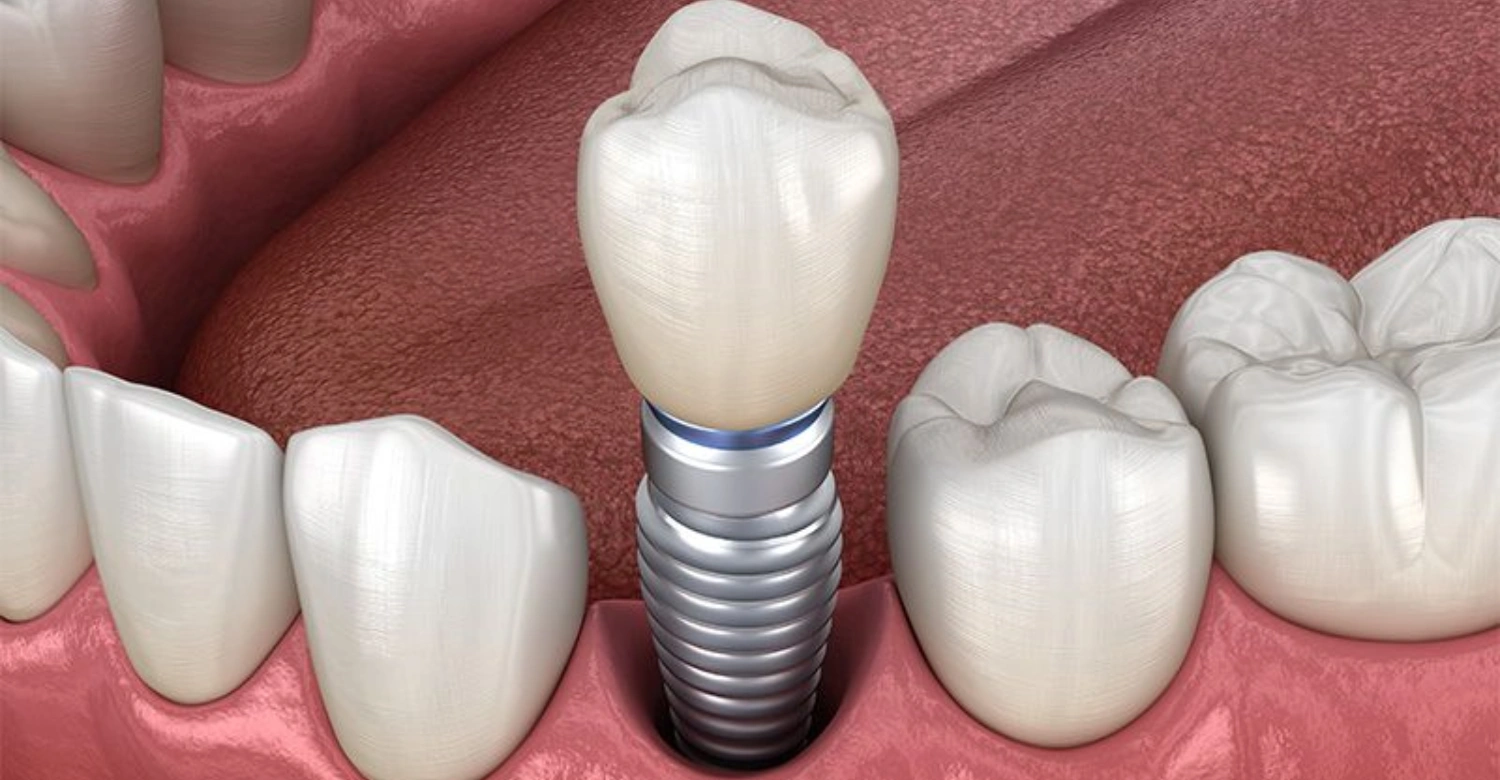
This price usually includes the implant fixture, the abutment, and the final crown. Crowns are often made from zirconia or porcelain. Zirconia crowns are popular for their durability and natural look. For more extensive treatment, Turkey also offers cost-effective full-mouth solutions like All-on-4 and All-on-6.
How Much Do Dental Implants Cost in Turkey for Full Mouth
For patients missing most or all teeth, full-arch solutions are more relevant than single-implant pricing. These treatments use fewer implants to support a full row of teeth. This keeps costs lower than replacing each tooth individually. The price depends on the number of implants, the brand, and which jaw needs treatment. Bone condition matters too. Some patients need grafting before implants can be placed. The table below shows typical price ranges in Turkey.
Treatment Type | Price Range |
All-on-4 (one jaw) | $3,000 – $8,000 |
All-on-6 (one jaw) | $4,000 – $10,000 |
Full mouth (both jaws) | $7,000 – $15,000 |
These treatments are common for patients with extensive tooth loss. They offer a fixed, permanent alternative to removable dentures. All-on-4 uses four implants per jaw. All-on-6 adds two more for extra stability. Full-mouth treatment covers both jaws in one plan. It is often the most cost-effective per tooth. Larger cases may require two trips. The final teeth are attached on the second visit. Patients should request a personalized quote based on a 3D scan. Bone volume and jaw structure vary greatly.
dental implants cost in Turkey at Vitrin Clinic
At Vitrin Clinic, implant prices are mid-range for the Turkish market. Costs depend on the brand, case complexity, and any extra procedures.
Single dental implant: approximately $500 – $700
Premium implant systems (e.g., Straumann or Nobel Biocare): $700 – $900+
All-on-4 (one jaw): around $5,000 – $7,500
All-on-6 (one jaw): around $5,500 – $7,000
NB: The final cost may vary based on case complexity. Additional procedures like bone grafting or sinus lifting can increase the total. This happens if the patient has bone loss.
A Popular Choice
Patients choose Turkey for the balance of cost and quality. Lower operational expenses and competitive pricing allow savings of 50–70% compared to Western countries. Treatment standards remain high. According to data from the Turkish Ministry of Health and dental tourism platforms, a single implant averages $400 to $800. This is far less than in the US or UK. Reports from Dental Departures list Turkey as a top affordable destination. These figures provide reliable benchmarks for patients.
dental implants cost in Turkey and what's included
Typical medical inclusions in a Turkish implant package are:
Initial consultation, 3D CT scan, and digital treatment planning
Implant placement surgery (single, All-on-4, All-on-6, or full mouth)
The implant fixture, abutment, and final crown or bridge
Local anesthesia during surgery
Post-operative check-ups during your stay
A written treatment and implant warranty document
Some clinics also include basic bone grafting in the quoted price. This applies if it is identified during planning. Larger grafting procedures are usually priced separately (see below).
Dental Implants Cost in Turkey with Luxury Services
This is what typically separates a basic quote from a true "all-inclusive" one:
Airport pickup and drop-off (VIP transfer)
Hotel accommodation for the length of your stay (often 4–5 star)
Transport between the hotel and clinic for every appointment
A dedicated patient coordinator or translator
Sometimes: a welcome package, city tour, or SIM card
Dental Implants Cost in Turkey: The Two-Trip Timeline
Dental implants are not a one-visit procedure. The jawbone needs time to fuse with the implant. This process is called osseointegration. Most patients traveling to Turkey for implants make two separate trips.
Dental Implants Cost in Turkey: First Trip Timeline
On your first visit, treatment typically follows this pattern:
Day 1–2: Consultation, 3D scans, and treatment finalization
Day 2–4: Implant placement surgery (and extractions or grafting if required)
Day 5–7: Follow-up check, suture removal if needed, and recovery review before flying home
You will usually leave Turkey with the implants placed and healing. You will also have a temporary restoration. This could be a temporary crown or denture. So you are not without teeth in the interim.
How Much Do Dental Implants Cost in Turkey: Final Crown & Abutment
Once osseointegration is complete, patients return for a shorter second trip. This usually takes 3–5 days. It happens generally 3 to 4 months later. Sometimes it can be up to 6 months for the lower jaw or in cases with bone grafting. The second trip is to:
Confirm the implant has fused successfully via scan
Attach the abutment
Fit and adjust the final crown, bridge, or denture
Some clinics factor the second trip's transfers and accommodation into the original all-inclusive price. Others charge for it separately. It is worth clarifying this at the quote stage.
Dental Implant Price Comparison: Turkey vs. UK, US, and Canada
One main reason patients look abroad is the large price gap. The same procedure can cost three to five times more in the UK, US, or Canada. This is not because Western clinics use different or superior materials. It largely comes down to differences in clinic overhead, staff costs, real estate, and local market pricing norms. For patients weighing a full-mouth or All-on-4 case, this gap becomes even more significant. It often amounts to tens of thousands of dollars in savings. The table below lays out typical price ranges for a single implant, All-on-4, and full-mouth treatment across the four countries. These are based on general market data.
Country | Single Implant | All-on-4 (one jaw) | Full Mouth (both jaws) |
Turkey | $400 – $1,200 | $3,000 – $8,000 | $7,000 – $15,000 |
UK | $2,500 – $4,500 | $12,000 – $20,000 | $20,000 – $35,000+ |
USA | $3,000 – $6,000 | $15,000 – $25,000 | $25,000 – $45,000+ |
Canada | $2,800 – $5,000 | $13,000 – $22,000 | $22,000 – $38,000+ |
Figures are general market ranges for comparison purposes. They will vary by clinic, case complexity, and implant brand.
How Much Do Dental Implants Cost in Turkey
The dental implant price Turkey vs UK gap is largely explained by lower clinical operating costs in Turkey. Competitive pricing across a large private dental sector and favorable exchange rates also play a role. It is not due to lower-quality materials. Most Turkish clinics, including Vitrin Clinic, use the same internationally recognized implant systems as Western providers. When you ask how much do dental implants cost in turkey, you are really asking about a package that often includes travel perks. Vitrin Clinic has extensive experience with international patients from Europe, North America, the Middle East, and beyond. The team, led by Dr. Rifaat Al-Samman, manages the unique needs of overseas patients. This includes language support, travel coordination, and follow-up care. Thousands of successful treatments for international patients have refined the clinic's processes. From the initial virtual consultation to post-treatment check-ins, the clinic prioritizes patient comfort and satisfaction.
This makes it a trusted choice for dental tourism.
Implant Brand Price Tiers: Standard vs. Premium Systems (Straumann & Nobel Biocare)
Not all implants are priced the same, even within Turkey. The brand of the implant fixture has a direct impact on cost:
Standard/economy systems: generally the most affordable option, with solid long-term success rates for straightforward cases.
Mid-range systems: a balance of proven clinical track record and moderate pricing.
Premium systems (Straumann, Nobel Biocare): the Straumann implant price Turkey typically runs higher than standard systems. At Vitrin Clinic this sits around $700–$900+ per implant. This reflects decades of clinical research and higher long-term survival data. It also means broader international availability of replacement parts if you ever need servicing outside Turkey.
For patients planning to stay in one country long-term, premium brands are often worth the added cost. They offer the widest global support network. For patients focused purely on value, standard systems from CE- or FDA-approved manufacturers remain a safe, well-documented choice.
Bone Condition, Grafts, and Sinus Lifts: Impact on Final Pricing
Your jawbone's condition is one of the biggest variables in your final quote. Patients who lost teeth years ago often experience bone resorption. Periodontal disease can also leave insufficient bone density to anchor an implant directly.
Two procedures commonly resolve this:
Bone grafting: adds bone material (synthetic, donor, or the patient's own) to build up the jaw before or during implant placement.
Sinus lift: raises the sinus floor in the upper jaw to create room for implants when natural bone height is too low.
The bone graft and sinus lift cost Turkey typically adds anywhere from $150 to $600+ per site for grafting. A sinus lift adds $300 to $800+. This depends on the amount of material needed and case complexity. These procedures can also extend your healing time before the second trip. Discuss bone density with your clinic during the initial scan review, ideally before you book flights.
Vitrin Clinic's Experience
Vitrin Clinic has been serving international patients for over a decade. With a team of 20+ dentists and specialists, we have successfully completed more than 10,000 dental implant procedures. Our Director of Medical Team, Dr. Rifaat Al-Samman, personally oversees complex cases and ensures that every treatment plan meets the highest standards. Our extensive experience allows us to handle even the most challenging cases with precision and care.
Patient Privacy and Data Protection
Your privacy is of utmost importance to us. Vitrin Clinic complies with the General Data Protection Regulation (GDPR) and Turkish data protection laws. We use secure, encrypted systems to store your medical records and personal information. We never share your data with third parties without your explicit consent. For more details, please review our Privacy Policy.
Titanium vs. Zirconia Implants: Material Differences and Extra Costs
The titanium vs zirconia implants Turkey decision affects both price and outcome:
Titanium implants: the industry standard, used in the vast majority of cases worldwide. Highly biocompatible, extensively researched, and generally the more affordable option.
Zirconia implants: a metal-free, tooth-colored alternative. Popular with patients who have metal sensitivities or prioritize a fully white restoration at the gumline. Zirconia typically costs 20–40% more per implant. This is due to material and manufacturing costs. Case selection is more limited because zirconia is usually placed as a single piece, which requires precise planning.
For most patients, titanium remains the recommended choice due to its long clinical track record. Zirconia is a legitimate option worth the added cost for specific aesthetic or biocompatibility needs. This is a conversation worth having directly with your treatment coordinator.
Post-Surgery Care: Recovery, Diet, and Guidelines for Flying Back Home
Good aftercare directly affects how well your implants heal and how comfortable your journey home will be. Below is Vitrin Clinic's general guidance for patients flying after dental implants surgery.
In the First 24–48 Hours
Bite on gauze as directed to control bleeding
Apply cold compresses to reduce swelling
Avoid rinsing, spitting forcefully, or using a straw
Stick to cool, soft foods (soup, yogurt, mashed potatoes)
Days 3–7
Gradually reintroduce soft, lukewarm foods
Continue any prescribed antibiotics or rinses exactly as directed
Avoid smoking and alcohol, which can slow healing and raise implant failure risk
Flying Home
Most patients are cleared to fly a few days after surgery, once initial swelling has stabilized. Always get direct sign-off from your surgeon before booking your return flight.
Cabin pressure changes can cause mild discomfort or sinus pressure, especially after sinus lift procedures. Allow extra healing days in these cases.
Keep any prescribed medication in your carry-on, along with your treatment summary. This helps if you need to see a dentist at home.
Long-term, patients should avoid very hard or sticky foods on the treated side until the implant is fully healed. Maintain regular checkups with your home dentist between trips.
Understanding Risks and Complications
Dental implants have a high success rate, but risks exist. Infection at the implant site is possible. Injury to surrounding teeth or blood vessels can occur. Nerve damage may cause pain, numbness, or tingling. Sinus problems can arise if upper jaw implants protrude into sinus cavities. Implant failure sometimes happens due to insufficient bone support, smoking, or conditions like uncontrolled diabetes. Choosing an experienced professional and following post-operative care instructions significantly minimize these risks. Dr. Rifaat Al-Samman emphasizes that a thorough pre-operative evaluation and personalized treatment plan are crucial. When considering the price of dental implants in Turkey, remember that a lower price should never compromise safety. A detailed risk assessment is part of any reputable clinic's process. Understanding potential complications helps you make an informed decision about how much do dental implants cost in Turkey. Ultimately, the true value lies in a successful, long-lasting result.
About Vitrin Clinic
Vitrin Clinic is a dental clinic based in Istanbul, Turkey. It focuses on implant, cosmetic, and restorative dentistry for local and international patients. The clinic's approach centers on transparent treatment planning. Patients receive a 3D scan and a clear breakdown of their treatment before any procedure is confirmed. This ensures no surprises once they arrive.
For international patients, Vitrin Clinic structures its dental implant packages around the realities of traveling for treatment. It coordinates the two-trip implant timeline, arranges accommodation and transfers, and keeps a single point of contact available throughout the process. The clinic works with internationally recognized implant systems, including premium brands such as Straumann and Nobel Biocare, alongside standard systems. Patients can choose the option that fits their case and budget.
Every treatment plan at Vitrin Clinic includes a written warranty document. This outlines the Turkey dental implant warranty terms specific to the implant system used. It gives patients a clear record to refer back to long after they've returned home. Many clinics offer warranties of 5 to 10 years. Patients should ask about the specific warranty terms before treatment. Dr. Rifat Alsaman advises patients to understand the warranty coverage for peace of mind.
What We Notice Clinically
This section reflects the clinical observations of Dr. Rifat Alsaman, Head of the Medical Team at Vitrin Clinic. He is a cosmetic dentist with more than five years of clinical experience. He holds a Doctor of Dental Surgery (DDS) degree from Izmir Katip Celebi University. His expertise includes full-mouth rehabilitation, implant prosthodontics, and cosmetic dentistry. He leads a multidisciplinary team committed to evidence-based, ethical practice.
According to Dr. Rifat Alsaman, one of the most common issues seen in international patients is undiagnosed bone loss. Many patients have lived with missing teeth for years without realizing how much this has affected the underlying jawbone. This only becomes clear once a 3D scan is reviewed. Dr. Rifat Alsaman stresses that scan review should always happen before a patient commits to travel dates, not after arrival.
Dr. Rifat Alsaman also notes that patients frequently underestimate the importance of the healing window between the two trips. In his clinical experience, patients who rush the second trip are more likely to run into fitting issues with the final crown. Traveling back before osseointegration is fully confirmed on a follow-up scan can cause problems. As Head of the Medical Team at Vitrin Clinic, Dr. Rifat Alsaman recommends that patients treat the 3–4 month healing period as non-negotiable. Even when travel schedules make an earlier return tempting, this period is essential.
On implant brand choice, Dr. Rifat Alsaman observes that patients who ask detailed questions tend to end up more satisfied. They ask about titanium versus zirconia or standard versus premium systems. They engage with the trade-offs upfront rather than choosing on price alone. This leads to better outcomes.
Patient Experiences and Outcomes
Many international patients have successfully undergone dental implant treatment in Turkey. For instance, Sarah from the UK received full-mouth implants at Vitrin Clinic. She shares: "I was nervous about traveling for dental work, but Dr. Al-Samman and his team made me feel completely at ease. The results are fantastic, and I've regained my confidence to smile." Similarly, John from Canada had All-on-4 implants. He notes: "The quality of care exceeded my expectations. The clinic coordinated everything, from airport transfers to follow-up appointments. I highly recommend them." These testimonials reflect the positive experiences of patients who chose Turkey for their dental needs.
Patient reviews and ratings are valuable indicators of a clinic's quality. On platforms like Google Reviews, Trustpilot, and RealSelf, Vitrin Clinic has received high ratings. Many patients praise the professionalism of Dr. Al-Samman and his team. One patient wrote: "I had 6 implants done here, and the experience was excellent. The staff was caring, and the results are amazing." Another review highlighted the clinic's modern facilities and transparent pricing. These reviews reflect the clinic's commitment to patient satisfaction and quality care.
Comparing Dental Tourism Destinations
While Turkey is a leading destination for dental tourism, other countries also offer competitive options. Hungary, particularly Budapest, is known for high-quality dental care at affordable prices. Mexico and Costa Rica are popular for patients from North America, offering significant cost savings. Thailand and India are also emerging as dental tourism hubs in Asia. However, Turkey stands out due to its combination of modern clinics, experienced dentists, and cost-effectiveness. When comparing destinations, consider factors such as travel distance, language barriers, and the clinic's international patient experience. Understanding how much do dental implants cost in Turkey helps patients see the value compared to other locations.
Financing and Payment Options
Understanding the financial aspect of dental implants is crucial. Many dental clinics in Turkey offer flexible financing options to make treatment more accessible. Some clinics provide installment plans, allowing patients to pay for their treatment over several months. Additionally, some patients use medical tourism financing companies that specialize in healthcare loans. It's advisable to inquire about payment plans during your initial consultation. At Vitrin Clinic, the patient coordinators can discuss available payment options and help you plan your budget accordingly. This makes it easier to manage the price of dental implants in Turkey.
Longevity and Warranty of Implants
Dental implants are designed to be a long-term solution. Many last 20 years or more with proper care. Longevity depends on factors such as oral hygiene, regular dental check-ups, and lifestyle habits like smoking. Most reputable clinics provide a warranty on their implant work, typically ranging from 5 to 10 years. This warranty usually covers the implant itself and sometimes the prosthetic crown. It's essential to ask about the specific warranty terms before undergoing treatment. Dr. Rifat Alsaman advises patients to understand the warranty coverage for peace of mind.
Certifications and Accreditations
When choosing a dental clinic in Turkey, check its certifications. Reputable clinics often hold JCI (Joint Commission International) or ISO accreditations. These show high standards of patient safety and care. Dentists may belong to groups like the Turkish Dental Association. Vitrin Clinic follows strict protocols. It maintains compliance with international healthcare standards. This ensures quality treatment for every patient.
Final Thoughts
Dental implants in Turkey typically cost $400 to $1,200 per tooth. Clinics like Vitrin Clinic charge around $500 to $700 for standard cases. This makes Turkey a top destination for affordable implant dentistry. When you look at dental implants cost in turkey 2026, remember to check quality of care and materials. Long-term value matters just as much as price.
References:
Understanding the price of dental implants in Turkey next year means looking beyond price. Turkey attracts patients with affordable treatment and modern technology. Clinical research shows dental implants have excellent long-term survival rates. Patient satisfaction is also high. This makes implants a reliable investment for restoring function and confidence.
https://pmc.ncbi.nlm.nih.gov/articles/PMC4982316/
https://pmc.ncbi.nlm.nih.gov/articles/PMC11870843/
https://pmc.ncbi.nlm.nih.gov/articles/PMC9880927/
https://pmc.ncbi.nlm.nih.gov/articles/PMC3936263/
FAQs

Dr. Rifat Alsaman has more than 5 years of clinical experience in dentistry and currently serves as the Head of the Medical Team at Vitrin Clinic. He is dedicated to providing exceptional patient care, overseeing treatment planning, and ensuring the highest clinical standards across the team. His expertise, attention to detail, and commitment to continuous professional development have helped countless patients achieve healthier, more confident smiles.


