
Mouth breathing happens when someone habitually breathes through the mouth instead of the nose, whether awake or asleep. Over time, this pattern can leave real, measurable dental signs of mouth breathing on the teeth, gums, and jaw. This article explains how mouth breathing dental problems develop. These range from dry mouth and cavities to gum irritation and changes in bite. It also looks at why understanding these patterns matters for both children and adults. As research from ScienceDirect (March 2025) notes, chronic mouth breathing leaves clear, measurable signs on tooth and jaw development. This is more than just a vague feeling, which is why recognizing the dental effects of mouth breathing early makes a real difference.
What Is Mouth Breathing and Why Does It Affect Your Teeth?
Mouth breathing shifts the mouth from a moist, protected environment to one that is constantly exposed to air. This single change is behind many of the oral signs dentists look for. Saliva plays a central role in keeping teeth and gums healthy. That role is disrupted the moment nasal breathing stops being the norm.
What Happens When You Breathe Through Your Mouth?
Air flows continuously across the teeth and gums instead of through the nose. As a result, saliva evaporates faster than it can be replenished. This reduces the natural rinsing and buffering action of saliva. It is one of the earliest signs of this pattern. It also sets the stage for dryness, bacterial buildup, and irritation across the oral tissues.
Can Mouth Breathing Change Your Oral Health?
Yes, chronic mouth breathing can contribute to several dental problems over time, including dryness, discoloration, cavities, and gum inflammation. Children and adults may experience different effects. Children are more likely to show changes in jaw and bite development. Adults more often notice dry mouth, bad breath, and gum disease symptoms first.
Mouth Breathing and Saliva Protection
Saliva protects enamel by neutralizing acids, washing away food debris, and controlling the bacteria that cause decay and gum disease. When mouth breathing reduces oral moisture, this protective layer weakens. Dry mouth becomes one of the clearest and most common oral signs of this habit in both children and adults. Full article on Subperiosteal Implant Complications
What Are the Dental Signs of Mouth Breathing?
The dental signs of mouth breathing tend to appear gradually and are often easy to overlook until they become persistent. Recognizing them early can help patients seek the right evaluation before the dental effects progress further.
Dry Mouth and Sticky Saliva
Persistent dry mouth is often one of the earliest and most noticeable signs. Saliva may feel thick or sticky rather than watery, and the sensation of a parched mouth upon waking is common. This ongoing dryness is a key marker of the condition and can increase general oral discomfort throughout the day.
Cavities and Increased Tooth Decay
Reduced saliva flow can create an environment where decay-causing bacteria thrive. Less saliva means less natural rinsing of sugars and acids from the tooth surface. This is one reason mouth breathers develop cavities more often. It also remains among the more common signs seen during dental exams.
Gum Inflammation and Gum Disease
Dry oral tissues are more prone to irritation, redness, and inflammation around the gumline. Reduced moisture combined with plaque accumulation can contribute to gum disease over time. This is especially true along teeth that are more exposed to airflow, such as the upper front teeth.
Bad Breath
Saliva helps wash away odor-causing bacteria. When the mouth stays dry for long stretches, breath can become noticeably worse. Persistent bad breath tied to a dry mouth is a common complaint. It is also one of the more socially noticeable signs of the condition. It often prompts people to seek an evaluation.
Cracked or Dry Lips and Irritated Oral Tissues
Chronic mouth breathing often shows up outside the teeth too. Cracked or chapped lips, a dry or reddened tongue, and irritated soft tissue at the corners of the mouth are common. These external and intraoral clues frequently accompany the condition and can help confirm the pattern.
Changes in Bite and Tooth Position
Long-term mouth breathing, especially during childhood development, may be associated with changes in how the jaw and teeth grow. A high palate, narrow arches, and altered tooth position have all been linked with chronic oral breathing. This makes malocclusion one of the more structurally significant effects to monitor during growth.
Can Mouth Breathing Cause Crooked Teeth?
Chronic oral breathing patterns are associated with crowding and misalignment in some children, particularly when paired with a narrow palate. However, tooth position is influenced by many factors. Mouth breathing alone should not be treated as the definitive cause. A proper dental and orthodontic assessment of the signs present is needed to confirm it.
Tips for the Patients
Pay attention to persistent dry mouth, snoring, an open-mouth resting posture, recurring cavities, and gum irritation. These are practical dental signs of mouth breathing worth tracking at home. If any of these symptoms persist, a professional dental evaluation is the best next step. Do not wait for them to worsen. Medical perspective on Subperiosteal Vs Zygomatic Implants
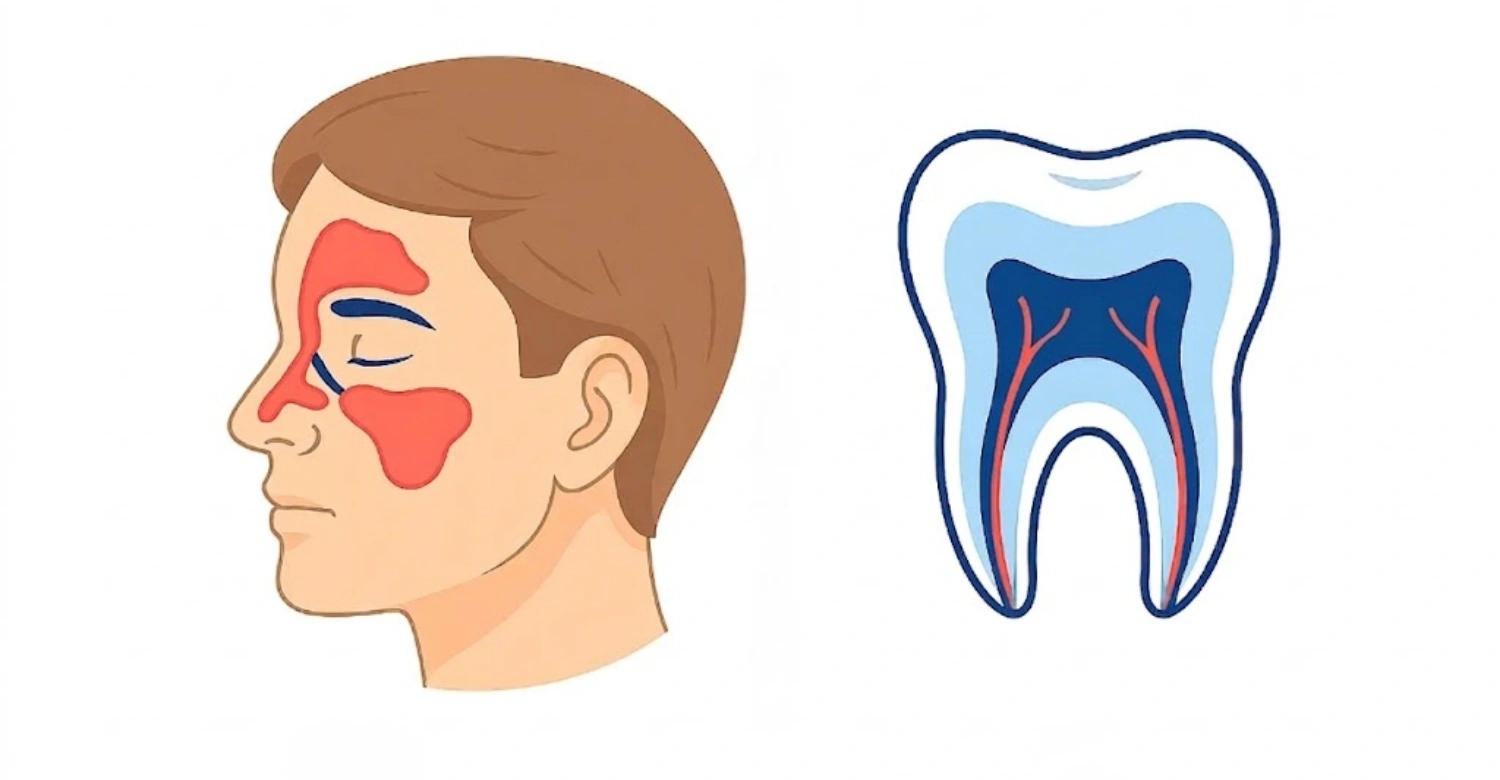
How Does Mouth Breathing Cause Dry Mouth?
Understanding why mouth breathing dries out the mouth helps explain many of the other oral signs that follow. Dryness is often the starting point for decay, gum irritation, and bad breath.
Why Does Breathing Through the Mouth Reduce Oral Moisture?
Continuous air exposure speeds up evaporation from the oral tissues, and saliva production often cannot keep pace with that loss. Unlike nasal breathing, which humidifies and filters air before it reaches the throat, mouth breathing skips this step. It bypasses the body's natural moisture-preserving process almost entirely.
Why Is Dry Mouth a Problem for Your Teeth?
Saliva protects enamel, buffers acids, and limits harmful bacteria. When it is reduced, plaque accumulates more easily and the risk of cavities and bad breath rises. This is why dry mouth is considered one of the central dental signs of mouth breathing. It is more than just an isolated discomfort.
Mouth Breathing and Tooth Enamel
The combination of reduced saliva and constant oral dryness can increase the risk of enamel-related problems. These include greater sensitivity to acids and a higher likelihood of visible decay. Over time, weakened enamel protection compounds many of the other dental effects already affecting the teeth. Common answer about Subperiosteal Implants Vs Dentures
Can Mouth Breathing Cause Cavities?
Chronic dryness sets up conditions that favor decay. This is why cavities are more frequent in people who breathe through the mouth for extended periods. This holds true whether it happens during the day or overnight.
How Mouth Breathing May Increase Cavity Risk
With less saliva, food particles and acids are not rinsed away as effectively. This lets plaque and bacteria build up more easily on the tooth surface. This shift in the oral environment is a well-recognized contributor among the oral signs linked to this habit. It matters most when dryness is present for many hours each day.
Which Teeth May Be More Affected?
The front upper teeth are most exposed to airflow when the mouth stays open. As a result, they may show greater dryness and a higher cavity risk than teeth further back. This is not universal, though, and mouth breathing does not directly cause cavities in every patient in the same way.
How Can You Protect Your Teeth From Dry Mouth?
Staying well hydrated throughout the day is one of the simplest ways to offset the dryness caused by constant airflow. A fluoride toothpaste used consistently helps strengthen enamel against the extra decay risk that comes with reduced saliva. Regular, thorough brushing and flossing remain essential. Routine dental examinations make it easier to catch small problems before they progress. Ultimately, addressing the underlying cause of mouth breathing itself is just as important as caring for the teeth day to day. What you didn't know about Subperiosteal Implant Recovery
Can Mouth Breathing Cause Gum Disease?
Gum tissue relies on moisture just as much as enamel does. Chronic dryness from mouth breathing can raise the risk of gum disease. This happens when tissues are left irritated and under-protected for long periods.
Mouth Breathing and Gum Inflammation
Chronic dryness can irritate gingival tissues, making them more prone to redness and swelling. Plaque accumulation, encouraged by reduced saliva flow, is a major contributing factor. Together, these are frequently listed among the oral signs dentists associate with mouth breathing during routine visits.
Signs of Gum Problems in Mouth Breathers
Red or inflamed gums are often one of the first noticeable signs, sometimes accompanied by visible swelling along the gumline. Bleeding during brushing or flossing is another common indicator. The gums may also feel tender or sensitive to the touch. Persistent bad breath despite regular oral hygiene can round out the picture. It often suggests that dryness and irritation are affecting the tissue rather than a simple lapse in brushing.
When Should You See a Dentist?
Gum redness, bleeding, or tenderness that lasts more than a week or two despite good oral hygiene needs attention. It is worth having a dentist assess the tissue. Early evaluation of these dental signs of mouth breathing can help prevent progression toward more advanced gum disease.
Clinical Note
Mouth breathing can be one contributing factor to gum irritation. However, gum disease has multiple causes, including plaque buildup, genetics, and overall health. A professional assessment is needed to determine how much of a role mouth breathing plays. This varies in any individual case. Importance of caring for What To Eat After Subperiosteal Implant
Can Mouth Breathing Affect Your Bite and Tooth Alignment?
Beyond dryness and decay, one of the more structural dental signs of mouth breathing involves how the jaw and bite develop. This is particularly true during childhood, when facial bones are still growing.
Mouth Breathing and Malocclusion
Malocclusion simply means the upper and lower teeth do not align or fit together properly. Chronic mouth breathing has been associated with certain patterns of malocclusion. Research published in Frontiers in Public Health (November 2024) found that 81.4% of mouth breathers in one study presented with Class II malocclusion. Increased anterior overjet was the most prominent sign.
Mouth Breathing and Facial Development in Children
Persistent mouth breathing during growth years deserves attention because the jaw and palate are still forming. A Frontiers/PMC review from late 2024 describes chronic child mouth-breathers as frequently showing several features. These include increased overjet, posterior crossbite, a high palatal plane, and narrow maxillary arches. This underscores why early dental and orthodontic assessment matters.
Can Mouth Breathing Cause an Open Bite?
An open bite is where the front teeth do not meet when the jaw is closed. It has been associated with chronic mouth breathing and altered swallowing patterns in some children. This possible association exists alongside other factors. Mouth breathing should not be assumed as the sole cause without a full evaluation.
Can Mouth Breathing Cause Crooked Teeth?
Multiple developmental and genetic factors influence how teeth come in and align, including jaw size, tongue posture, and inherited traits. Mouth breathing may contribute to crowding in some cases. It works alongside these other influences rather than acting as an isolated, guaranteed cause of misalignment. How to deal with Subperiosteal Implant Smoking
What Causes Mouth Breathing?
Identifying the root cause is essential before addressing any of the dental signs of mouth breathing. Treating the teeth alone will not resolve why the breathing pattern started in the first place.
Nasal Congestion
Allergies, colds, and chronic nasal obstruction can all make nasal breathing difficult or uncomfortable. This pushes a person toward mouth breathing as the easier alternative. It may happen only temporarily, or it can become a lasting habit if the congestion turns chronic.
Enlarged Tonsils or Adenoids
Airway obstruction from enlarged tonsils or adenoids can encourage mouth breathing, particularly in children. The historical term "adenoid face," first defined by C.S. Tomes in 1872, describes a facial pattern linked to this kind of obstruction. It can develop when the blockage persists over years of growth.
Nasal Structure and Airway Problems
Structural nasal issues, such as a deviated septum or narrowed nasal passages, can make nasal breathing physically difficult. This happens regardless of allergies or infection. In these cases, mouth breathing becomes a compensatory pattern rather than a simple habit.
Why Identifying the Cause Matters
Treating only the dental symptoms may not address the reason someone continues to breathe through their mouth. Without identifying the underlying cause, many of these oral signs are likely to return even after dental treatment. This is why a broader evaluation is often recommended. Steps and tips for Subperiosteal Implant Candidacy
How Can Mouth Breathing Be Treated?
Treatment approaches vary depending on the cause. Addressing the dental signs of mouth breathing usually works best alongside efforts to resolve the airway issue. That issue is what drives the pattern in the first place.
Treating the Underlying Cause
Treatment depends heavily on why mouth breathing is occurring. The cause might be allergies, nasal obstruction, enlarged adenoids, or a structural airway issue. Appropriate evaluation is encouraged whenever nasal obstruction or persistent mouth-breathing symptoms continue despite basic home care.
Improving Oral Hygiene
Brushing twice daily with a fluoride toothpaste remains the foundation of any oral hygiene routine. This matters especially for people prone to mouth breathing. Flossing consistently helps remove the plaque that builds up between teeth. Saliva alone may no longer be reaching this area effectively. Using fluoride treatments as recommended by a dentist adds another layer of protection for weakened enamel. Attending regular professional cleanings also ensures that plaque and early decay are caught before they become bigger problems.
Managing Dry Mouth
Maintaining adequate hydration throughout the day is a simple but effective habit. It helps offset the moisture lost to constant mouth breathing. Saliva-supporting strategies can also be used when appropriate, based on a dentist's recommendation. It also helps to avoid habits or products that increase oral dryness further. Minimizing additional dehydrating factors gives the mouth a better chance to stay protected.
Can a Dentist Help With Mouth Breathing Problems?
A dentist can identify and treat the dental consequences of mouth breathing, including cavities, gum irritation, and bite changes. When the root cause appears to be nasal or airway-related, referral to a specialist may be recommended. This works alongside ongoing dental care.
Tips for the Patients
Do not ignore persistent mouth breathing, even if it seems minor. Monitor recurring cavities, gum bleeding, dry mouth, and any changes in bite over time. Seek professional assessment rather than treating the dental signs of mouth breathing as isolated, unrelated symptoms. Quick read on Brain Fog And Oral Health
How Can You Prevent Dental Problems Caused by Mouth Breathing?
Consistent daily habits can reduce how much these signs affect the teeth and gums. This helps even while the underlying cause is being addressed separately.
Maintain Good Oral Hygiene
Brushing twice daily with a fluoride toothpaste and flossing every day form the backbone of a solid prevention routine. Together, they clear the plaque that builds up between teeth. It also helps to replace your toothbrush regularly, since worn bristles clean less effectively over time. These habits give the teeth a stronger baseline of protection. This helps even while any underlying mouth breathing pattern is still being addressed.
Keep Your Mouth Hydrated
Drinking water regularly throughout the day helps offset some of the moisture lost to constant airflow. Paying attention to persistent dry-mouth symptoms, rather than dismissing them, makes problems easier to catch. This helps address mouth breathing dental problems before they progress.
Schedule Regular Dental Checkups
Early detection of cavities and gum inflammation during routine visits helps prevent these issues from progressing. This matters most for serious dental effects. This is especially important in children whose bite and jaw are still developing.
Don't Ignore Persistent Mouth Breathing
Rather than only treating cavities or gum irritation as they appear, it is worth investigating why the mouth breathing is happening. Addressing the root cause tends to reduce how often these signs reappear over time.
How Does Vitrin Clinic Evaluate Dental Problems Related to Mouth Breathing?
As part of a broader clinical perspective on this topic, Vitrin Clinic approaches the dental signs of mouth breathing through a full oral health assessment. This is instead of treating isolated symptoms. A dental evaluation at Vitrin Clinic can assess teeth and enamel condition, plaque accumulation, and gum health. It also looks at dry-mouth signs, bite and tooth alignment, and overall smile aesthetics. From there, Vitrin Clinic can develop a personalized dental treatment plan based on the patient's actual oral condition. Treatment recommendations always depend on the individual diagnosis rather than on mouth breathing alone.
Vitrin Clinic's Approach to Mouth Breathing-Related Dental Concerns
The process begins with a comprehensive dental examination covering the teeth, gums, and bite. This is followed by an assessment of gum health and any signs of inflammation. Tooth decay and overall enamel condition are evaluated closely, and bite and alignment are reviewed as well. This matters especially for growing patients whose jaw is still developing. From there, Vitrin Clinic puts together personalized cosmetic or restorative planning when appropriate, tailored to what the evaluation actually shows.
Why Treating the Dental Symptoms Alone May Not Be Enough
Identifying contributing factors, rather than repeatedly treating the same cavities or gum irritation, leads to better long-term outcomes. Recurring dental problems linked to mouth breathing should be investigated as part of a pattern. They should not be treated over and over without considering the underlying cause.
What We Notice Clinically
Dr. Rifat Alsaman, Head of the Medical Team at Vitrin Clinic and a cosmetics dentist, has a key observation. These oral signs are rarely limited to one issue alone; dryness, decay, gum irritation, and bite changes tend to appear together. His clinical perspective emphasizes that improving the appearance of teeth should go alongside maintaining healthy gums, enamel, and bite. Overall oral function matters just as much.
Tips for the Patients
If dry mouth, bad breath, recurring cavities, or gum irritation persist, consider a full dental evaluation. This is better than addressing each symptom separately. Vitrin Clinic can help assess whether these are connected to mouth breathing and outline a plan suited to the individual case.
Clinical Note
Every patient's oral condition is different. The dental signs of mouth breathing can vary in severity, from mild dryness to noticeable changes in bite. A personalized evaluation remains the most reliable way to understand what is happening and what treatment, if any, is appropriate.
Resource:
Recognizing the dental signs of mouth breathing can help identify the problem early. These include dry mouth, gingival inflammation, crowded teeth, open bite, and a narrow upper jaw. The research highlighted in the referenced PMC article emphasizes that chronic mouth breathing may influence dentofacial development and oral health. It also notes the need for better diagnostic standards. Early assessment can help prevent or reduce potential dental complications.
https://pmc.ncbi.nlm.nih.gov/articles/PMC13299497/
https://pmc.ncbi.nlm.nih.gov/articles/PMC9498581/
https://pmc.ncbi.nlm.nih.gov/articles/PMC8191086/
FAQs

Dr. Rifat Alsaman has more than 5 years of clinical experience in dentistry and currently serves as the Head of the Medical Team at Vitrin Clinic. He is dedicated to providing exceptional patient care, overseeing treatment planning, and ensuring the highest clinical standards across the team. His expertise, attention to detail, and commitment to continuous professional development have helped countless patients achieve healthier, more confident smiles.


