
When embarking on a journey toward an aligned and harmonious smile, patients frequently voice concerns regarding the space available in. Their jaws. A major point of anxiety centers around the final set of molars to emerge in the oral cavity. To directly address the core dilemma: do orthodontics remove wisdom teeth? The straightforward answer is that orthodontists themselves do not typically perform the surgical extraction of wisdom teeth. While orthodontists are fully qualified dentists who have completed extensive postgraduate residency programs specializing in dental development, facial growth. And tooth movement, their daily practice is tightly restricted to non-surgical alignment therapies.
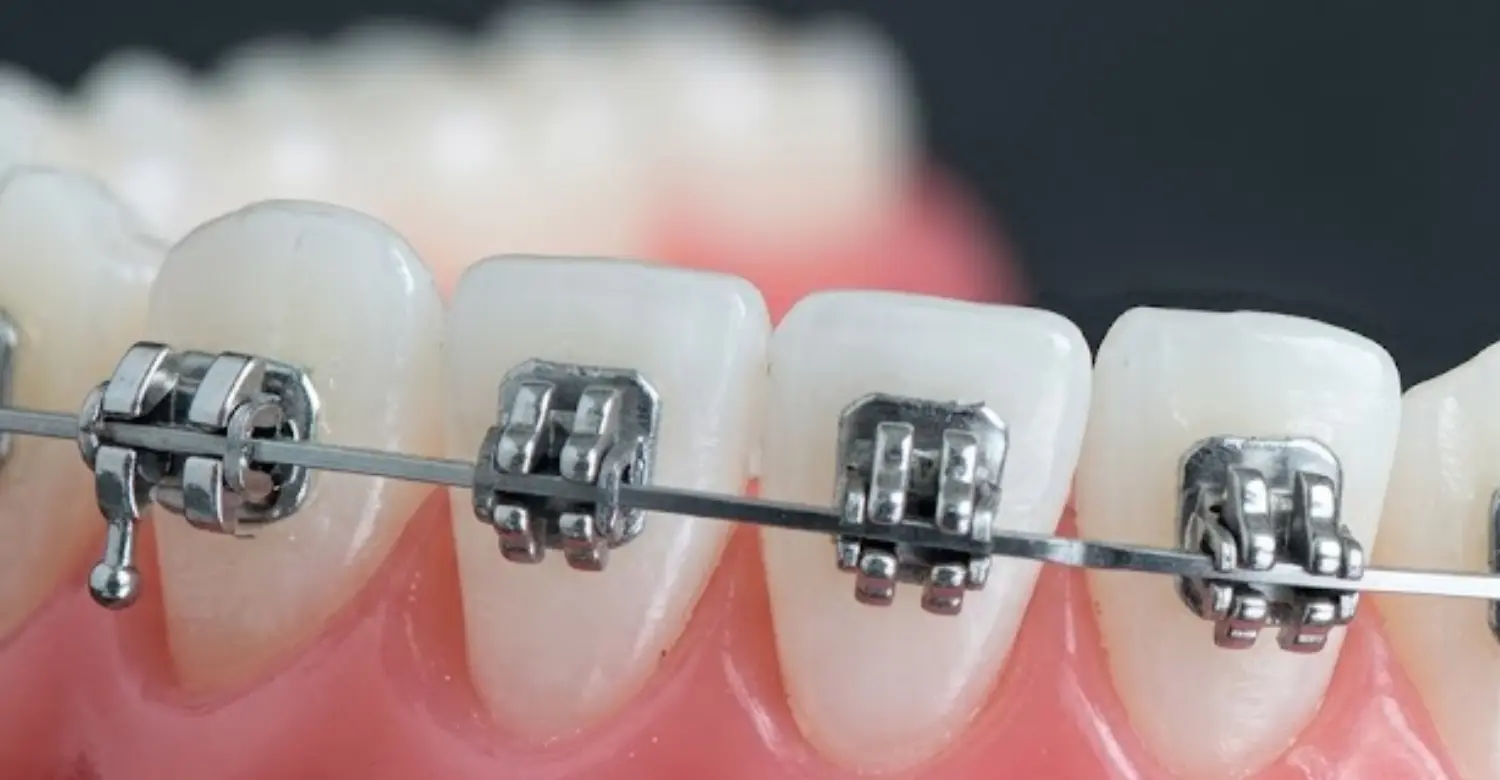
This includes designing, applying, and managing corrective appliances like metal braces, ceramic braces, clear aligners, palatal expanders. And temporary anchorage devices. When an orthodontic patient requires the surgical removal of their third molars, the orthodontist will assume the role of the. Diagnostician and treatment coordinator. They will utilize diagnostic tools such as panoramic radiographs or cone-beam computed tomography (CBCT) scans to evaluate the positioning, root. Development, and trajectory of the wisdom teeth.
Can Orthodontics Remove Wisdom Teeth?
One of the most common questions patients ask is not simply whether they need their wisdom teeth removed. But when orthodontic treatment should begin after extraction. The answer depends on the complexity of the extraction, the healing process, and the orthodontic treatment plan.
For straightforward wisdom tooth removal, many orthodontists recommend waiting approximately 2 to 4 weeks before starting braces. This allows the gum tissue to heal sufficiently and reduces discomfort during orthodontic appliance placement. Explore: do dental plans cover orthodontics.
If braces are already in place and a wisdom tooth needs to be removed, treatment can usually continue after 1. To 2 weeks, provided healing is progressing normally. In more complicated surgical cases involving impacted wisdom teeth or extensive bone removal, your orthodontist and oral surgeon may recommend. A slightly longer recovery period.
The exact timing varies because every patient heals differently. Factors such as age, smoking, oral hygiene, and surgical difficulty all influence recovery after third molar extraction.
At Vitrin Clinic, every treatment plan is personalized. Before beginning orthodontics, specialists carefully evaluate healing using clinical examinations and panoramic X-rays to ensure tooth movement can continue safely.
Do Orthodontics Remove Wisdom Teeth
The question of whether third molars should be systematically extracted before, during. Or after orthodontic care has been debated within clinical dentistry for generations. For decades, a widespread belief suggested that as wisdom teeth erupt during late adolescence, they exert a continuous forward structural. Pressure on the entire dental arch, causing the lower front incisors to crowd or twist out of place. Modern dental literature and systematic reviews have largely debunked the notion that wisdom teeth are the sole or primary drivers. Of late-stage incisor crowding.
Long-term clinical trials tracking patients who retained their wisdom teeth versus those who had them removed show similar rates of. Late-stage anterior crowding. This phenomenon, known as tertiary or adolescent crowding, is actually caused by natural physiological changes, including the residual growth of. The lower jaw, subtle narrowing of the dental arch. And natural mesial drift, the tendency of teeth to move forward slowly over a lifespan. Consequently, routinely removing asymptomatic wisdom teeth purely to prevent the teeth from shifting after braces is no longer supported by. Clinical evidence. Find out more: orthodontic insurance lifetime max .
Can Orthodontics Remove Wisdom Teeth
However, there are explicit clinical scenarios where an orthodontist will recommend extraction to support a treatment plan. If a patient has a severe upper or lower jaw discrepancy, the orthodontist may plan to move the entire arch. Of teeth backward to avoid jaw surgery. If wisdom teeth are blocking this backward path, their removal becomes structurally mandatory. Additionally, when a panoramic X-ray shows a wisdom tooth growing at an unfavorable angle such as horizontally into the roots. Of the adjacent second molar, extraction is advised to prevent severe root resorption, localized tooth decay, or periodontal bone loss.
Furthermore, wisdom teeth that break only partially through the gums create a flap of tissue that traps food and bacteria. Leading to a chronic, painful localized infection called pericoronitis. In rarer instances, the fluid-filled sac surrounding an unerupted tooth can develop into an odontogenic cyst. Which destroys sections of the jawbone if left untreated.
Do Most Orthodontists Recommend Removing Wisdom Teeth During or After Braces?
Many people assume wisdom teeth should always be removed before orthodontic treatment. Professional recommendations are more nuanced.
According to data reported by Bergen Oral Surgery, approximately 65% of orthodontists recommend removing wisdom teeth during or immediately after. Orthodontic treatment. This timing offers several advantages:
Orthodontists can monitor tooth movement before deciding if extraction is truly necessary.
Unnecessary extractions may be avoided.
The orthodontic treatment plan can be adjusted based on the actual position of the third molars. You might also like: how to cure periodontal disease.
Final tooth alignment can be maintained more effectively if problematic wisdom teeth appear during treatment.
However, if an impacted wisdom tooth is causing pain, infection, cyst formation. Or damage to neighboring teeth before braces, early removal is often the better option.
At Vitrin Clinic, orthodontists and oral surgeons collaborate closely to determine the safest timing for extraction rather than following a. One-size-fits-all approach.
Do Orthodontics Remove Wisdom Teeth
Patients preparing for orthognathic surgery often require orthodontic treatment before and after surgery. In these cases, wisdom tooth extraction follows a different timeline than routine orthodontic care.
Most oral and maxillofacial surgeons recommend removing impacted wisdom teeth approximately 6 to 12 months before corrective jaw surgery. This healing period allows the jawbone to recover fully before major surgical procedures.
Removing wisdom teeth too close to orthognathic surgery may increase:
Surgical complexity
Bone healing complications
Risk of infection
Delayed recovery
Orthodontists also benefit from having adequate healing time because tooth movement before surgery becomes more predictable.
Patients considering corrective jaw surgery should always discuss the timing of wisdom tooth removal with both their orthodontist and their. Oral and maxillofacial surgeon.
At Vitrin Clinic, multidisciplinary planning helps coordinate orthodontic treatment, wisdom tooth management, and surgical preparation for optimal outcomes.
Do Orthodontists Remove Wisdom Teeth?
Although wisdom teeth do not always cause crowding, they can create other mechanical problems while braces are moving teeth. Related read: periodontal disease treatment options.
An impacted wisdom tooth may exert pressure against the second molar, especially when eruption is blocked by surrounding bone or. Gum tissue. During orthodontic treatment, this additional pressure may contribute to:
Cracks or fractures in weakened back teeth
Increased pressure on orthodontic appliances
Localized gum inflammation
Difficulty maintaining oral hygiene
Food trapping around partially erupted wisdom teeth
Patients with partially erupted wisdom teeth are also more likely to develop pericoronitis , an infection of the gum tissue. Surrounding the tooth. Pericoronitis can interrupt orthodontic treatment and may require temporary removal of orthodontic wires before extraction.
Regular monitoring with panoramic X-rays allows orthodontists to identify these risks before significant complications develop.
At Vitrin Clinic, clinicians routinely evaluate wisdom teeth throughout orthodontic treatment instead of waiting until symptoms appear.
How Common Is It to Be Born Without Wisdom Teeth?
Interestingly, not everyone develops wisdom teeth.
Research suggests that between 5% and 37% of people worldwide are naturally missing at least one wisdom tooth. This condition, known as third molar agenesis, is considered a normal variation of human development.
People without wisdom teeth obviously never require extraction, and many avoid common complications associated with impacted third molars.
Genetics plays the largest role in determining whether wisdom teeth develop. Population studies have shown that prevalence varies significantly among different ethnic groups and geographic regions.
This statistic also explains why orthodontists evaluate every patient individually rather than assuming wisdom teeth will eventually become problematic.
At Vitrin Clinic, panoramic imaging confirms whether wisdom teeth are present before any recommendations regarding extraction are made.
Why Are Wisdom Teeth Removed? The Most Common Reasons
Although crowding receives the most attention online, it is not the only reason wisdom teeth are extracted. Read also: can periodontal disease be reversed.
Studies indicate that approximately 15% of wisdom tooth extractions are performed because of tooth decay. Due to their location at the back of the mouth, wisdom teeth are often difficult to clean, making cavities more. Likely.
Other common reasons include:
Impacted wisdom teeth
Recurrent pericoronitis
Gum disease
Damage to adjacent second molars
Cyst formation
Orthodontic treatment planning
Preparation for orthognathic surgery
Contrary to the popular wisdom teeth crowding myth, modern research suggests that wisdom teeth alone are not the primary cause. Of lower front teeth becoming crowded after braces. Natural aging, continued facial growth, and periodontal changes also contribute to tooth movement over time.
At Vitrin Clinic, treatment recommendations are based on clinical findings rather than myths or outdated assumptions.
Seeking Affordable Care Abroad
Because managing wisdom teeth and orthodontic treatment can be a significant financial undertaking, many individuals look beyond local regional boundaries. To seek care at specialized international clinics. Turkey has established itself as a leading global hub for advanced dentistry, offering comprehensive multispecialty networks that handle everything from. Digital orthodontic design to intricate maxillofacial surgeries under one roof. A prominent institution recognized for managing these complex, multidisciplinary cases is Vitrin Clinic. Based in Istanbul, this medical facility caters directly to international patients seeking high-tech dental care. When analyzing the cost of oral surgeries, the average cost of Vitrin Clinic for a standard, non-surgical wisdom tooth extraction. Typically starts around $80 to $120 per tooth. However, if a patient’s orthodontic evaluation reveals a deeply impacted, bone-covered third molar that requires surgical sectioning and advanced local. Anesthesia, the average cost of Vitrin Clinic ranges from $150 to $250 per tooth.
This financial framework represents a substantial cost reduction compared to domestic rates in Western countries, where a single complex extraction. Under sedation can frequently exceed several hundred dollars. This affordability allows patients to address structural or pathological wisdom tooth concerns concurrently with their orthodontic alignment without facing extreme. Financial barriers.
What We Notice Clinically
At Vitrin Clinic, we regularly evaluate patients who are unsure whether their wisdom teeth will interfere with orthodontic treatment. According to Dr. Rifat Alsaman, Head of the Medical Team at Vitrin Clinic and a cosmetic dentist, one of the biggest misconceptions is that everyone needs their wisdom teeth removed before getting braces. In reality, treatment decisions should always be based on careful clinical evaluation rather than routine practice.
Dr. Rifat Alsaman explains that modern orthodontic planning relies on a combination of comprehensive oral examinations, digital records. And panoramic X-rays to assess the position of developing wisdom teeth, surrounding bone, and adjacent teeth. This allows orthodontists to determine whether a third molar is likely to remain healthy, become impacted. Or interfere with future treatment.
Another observation Dr. Rifat Alsaman frequently makes is that many patients are more concerned about the wisdom teeth crowding myth than the conditions. That actually require attention, such as pericoronitis, tooth decay, gum disease, or pressure against neighboring molars. Identifying these problems early often prevents discomfort and helps orthodontic treatment progress without unnecessary interruptions.
At Vitrin Clinic, every orthodontic treatment plan is personalized. Whether a patient requires wisdom teeth before braces, wisdom teeth after braces. Or no extraction at all depends on individual anatomy, oral health, and long-term treatment goals—not a universal rule. By coordinating care between the orthodontist and, when necessary, an oral and maxillofacial surgeon, patients receive evidence-based recommendations designed to. Achieve healthy, stable, and long-lasting results.
Cases We've Handled at Vitrin Clinic
At Vitrin Clinic, we have managed numerous cases where wisdom teeth impacted orthodontic treatment. For instance, a 28-year-old patient from Germany presented with crowding after braces. Our team extracted her wisdom teeth and provided additional aligner therapy to correct the relapse. Another case involved a 35-year-old man with an impacted wisdom tooth causing root resorption on the adjacent molar. We performed a surgical extraction and monitored his recovery, preserving the neighboring tooth. These examples demonstrate our expertise in integrating wisdom tooth management with orthodontic care.
Expert Guidance from Dr. Rifaat Al-Samman
Dr. Rifaat Al-Samman, Director of the Medical Team at Vitrin Clinic, brings extensive experience in multidisciplinary dentistry. With a background that includes training in orthodontics and oral surgery, he has successfully coordinated countless cases involving wisdom teeth and orthodontic treatment. His leadership ensures that every patient receives a comprehensive evaluation and a tailored plan that prioritizes safety and long-term stability.
Our Commitment to Quality
Vitrin Clinic is accredited by the Turkish Ministry of Health and adheres to international standards for patient safety and care. We are also a member of the Dental Tourism Association of Turkey, ensuring that our international patients receive high-quality services. Our clinic follows strict sterilization protocols and uses advanced technology to deliver optimal outcomes.
What Our Patients Say
"I was nervous about getting my wisdom teeth removed before braces, but the team at Vitrin Clinic made me feel comfortable. The procedure was quick, and my recovery was smooth. My orthodontic treatment went perfectly, and I'm thrilled with my smile!" – Maria, 29. "Dr. Al-Samman and his team were professional and caring. They explained everything clearly and ensured I had no complications. I highly recommend them for any dental needs." – Ahmed, 34.
Quick Answer
Quick Answer: Yes, orthodontists often recommend wisdom tooth removal to prevent future dental issues, but it is not always necessary. The decision depends on factors like the size of your jaw, the position of the teeth. And your overall oral health. Your orthodontist will evaluate your specific case and advise accordingly.
Direct Answer
Yes, orthodontists often recommend wisdom tooth removal to prevent future dental issues.
Not always – it depends on individual factors like jaw size and tooth alignment.
Consult your orthodontist for a personalized assessment.
Early evaluation is key to avoiding complications.
Conclusion
The relationship between orthodontic treatment and wisdom teeth is often misunderstood. But the decision to remove third molars is not automatic, it is clinical. In many cases, wisdom teeth before braces or even during treatment do not require extraction unless they present clear risks. Such as impaction, infection, or pressure on adjacent teeth.
Modern orthodontics relies on detailed assessment using panoramic X-rays, clinical examination, and long-term treatment planning rather than routine removal. Timing also plays an important role, especially when considering wisdom teeth after braces or in more complex cases involving orthognathic. Surgery timing, where coordination between orthodontists and oral and maxillofacial surgeons becomes essential.
At the Vitrin Clinic, treatment decisions are always individualized. According to Dr. Rifat Alsaman, Head of the Medical Team at Vitrin Clinic and a cosmetic dentist, the goal is not to remove teeth by default but to preserve oral health, ensure stable orthodontic results, and avoid unnecessary surgical procedures. Dr. Rifat Alsaman emphasizes that when diagnosis is accurate and planning is precise, patients achieve better long-term outcomes with fewer complications.
Ultimately, wisdom teeth should be managed based on evidence, not assumptions. A personalized evaluation ensures that every orthodontic journey is both safe and effective.
Reference
Do orthodontics remove wisdom teeth? Orthodontists do not usually perform extractions. They may recommend removal when third molars are impacted or interfere with alignment. An oral surgeon or dentist typically does the procedure. The following references provide more information about when wisdom teeth are removed, their impact on orthodontic treatment, and clinical guidelines:
FAQs

Dr. Rifat Alsaman has more than 5 years of clinical experience in dentistry and currently serves as the Head of the Medical Team at Vitrin Clinic. He is dedicated to providing exceptional patient care, overseeing treatment planning, and ensuring the highest clinical standards across the team. His expertise, attention to detail, and commitment to continuous professional development have helped countless patients achieve healthier, more confident smiles.


