
There are many types of dental crowns today, each with its own characteristics, advantages and prices. Whether you need to protect a weakened tooth, restore a damaged smile or improve your dental aesthetics, the types of dental crowns available offer a solution adapted to every situation. This comprehensive guide helps you understand the differences between the types of dental crowns, their cost, their placement and their durability.
What Is a Dental Crown?
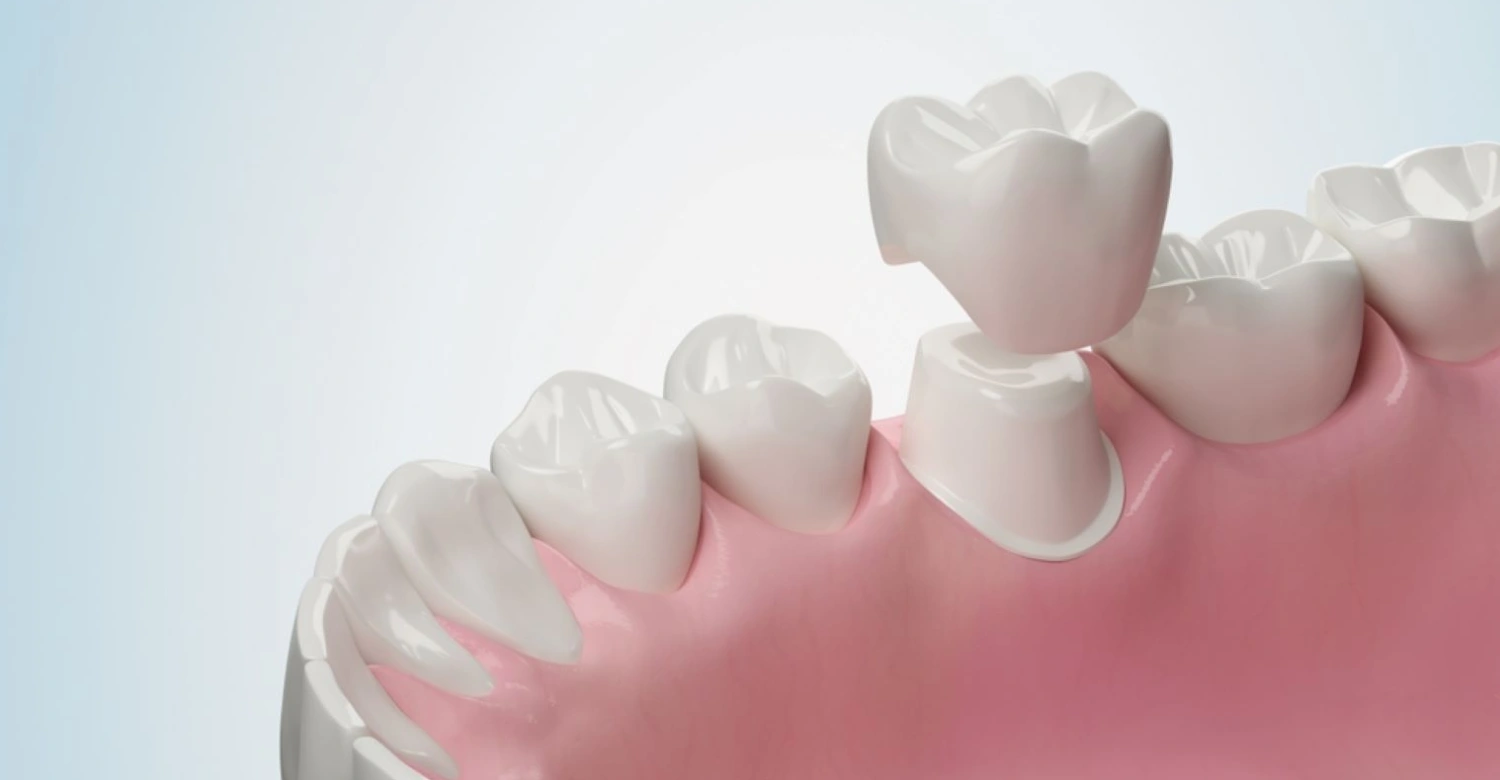
A dental crown is a fixed prosthesis that completely covers a damaged, weakened or discoloured tooth in order to restore its natural shape, size and function. It acts as a true protective cap. The types of dental crowns vary according to the materials used: ceramic, zirconia or temporary resin. The dental crown cost depends on the material chosen and the complexity of the treatment.
How Does a Dental Crown Work?
A dental crown works by completely encasing the natural tooth or dental implant on which it is fixed. After the tooth is prepared, an impression is taken to manufacture the custom crown in a laboratory. It is then permanently cemented onto the tooth. All types of dental crowns work according to this principle, but differ in their material, appearance and long-term resistance.
Why Do You Need a Dental Crown?
A dental crown is needed in several situations: a cracked tooth, deep decay, a tooth weakened after a root canal treatment, a broken or discoloured tooth. It is also used to cover a dental implant or improve the aesthetics of the smile. Among the types of dental crowns available, your dentist will recommend the one that best matches your clinical situation and your budget.
What Is the Difference Between a Crown and a Filling?
A filling restores part of the tooth, while a dental crown covers the entire visible tooth. A filling is suitable for mild to moderate cavities, whereas a crown is indicated when the tooth structure is too damaged to simply be filled. The types of dental crowns offer far more complete and lasting protection than a traditional filling, particularly for back teeth subjected to strong pressure.
What Are the Different Types of Dental Crowns?
There are several types of dental crowns, each adapted to specific needs in terms of aesthetics, strength and budget. The main types of dental crowns are: all-ceramic crowns, zirconia crowns and temporary crowns. Understanding the differences between these types of dental crowns is essential to making the right choice with your dentist and achieving a natural and durable result.
All-Ceramic Crowns: Aesthetics and Strength
All-ceramic crowns, also known as ceramic-on-ceramic crowns, are made entirely from porcelain. They offer an exceptional aesthetic result, perfectly imitating the translucency and colour of natural teeth. They contain no metal, making them ideal for people with allergies. Among the types of dental crowns, all-ceramic crowns are particularly recommended for visible teeth in the anterior smile zone.
Zirconia Crowns: The Modern and Durable Choice
Zirconia crowns are made from zirconium dioxide, an extremely resistant and biocompatible material. They combine strength and natural aesthetics, making them one of the most popular types of dental crowns today. Zirconia crowns are ideal for molars subjected to strong chewing pressure, but also for front teeth thanks to their translucent appearance. Their exceptional durability makes them a truly long-lasting dental crown.
E-Max Crowns: Superior Aesthetics and Precision
E-Max crowns are made from lithium disilicate ceramic, a high-performance material known for its exceptional translucency and strength. Among the types of dental crowns, E-Max crowns are considered the gold standard for aesthetic restorations, offering a result virtually indistinguishable from natural teeth. They are particularly recommended for front teeth and visible areas of the smile. At Vitrin Clinic, E-Max crowns are crafted with precision to deliver outstanding natural-looking results.
Temporary Crowns: What Are They For?
Temporary crowns are provisional crowns placed on the prepared tooth while the permanent crown is being manufactured in a dental laboratory. They are generally made from acrylic resin or plastic. Among the types of dental crowns, temporary crowns play an essential role: they protect the prepared tooth, maintain aesthetics and allow the patient to test comfort before the permanent crown is placed. They are removed at the second appointment.
How to Choose the Right Type of Dental Crown?
The choice among the types of dental crowns depends on several factors: the location of the tooth (front or back), the condition of the tooth, the patient's budget and aesthetic requirements. Zirconia crowns are today the most versatile choice. All-ceramic crowns are ideal for the aesthetics of visible teeth. Your dentist will guide you towards the type of dental crown best suited to your clinical and personal situation.
What Is the Price of Dental Crowns?
The price of dental crowns varies considerably depending on the country, the type of material used and the complexity of the treatment. The types of dental crowns each have their own price range. The dental crown cost is influenced by the material (zirconia or ceramic), the practitioner's fees and the equipment used. Knowing the prices charged in different countries allows for an informed decision, particularly in the context of dental tourism.
Dental Crown Prices in the UK and Europe
In the UK and Europe, the price of dental crowns is generally high. A ceramic crown costs between $800 and $1,500 depending on the country and the practitioner. A zirconia crown can reach $1,200 to $2,000. These prices are explained by the high overheads of dental practices and the costs of the healthcare system. Among the types of dental crowns, the dental crown cost in Europe remains one of the highest in the world.
Dental Crown Prices in Turkey
In Turkey, the price of dental crowns is significantly more affordable. A zirconia crown costs on average between $150 and $300, and a ceramic crown between $100 and $200. These attractive rates make Turkey a destination of choice for dental tourism. The types of dental crowns available in Turkey are of international quality, with materials identical to those used in Europe, for a much lower dental crown cost.
Why Are Dental Crowns Cheaper in Turkey?
Dental crowns are cheaper in Turkey due to the lower cost of living, reduced tax burdens for clinics and the difference in exchange rates. These factors allow Turkish clinics to offer high-quality types of dental crowns at prices well below those charged in Europe. The reduced dental crown cost in Turkey does not reflect a drop in quality, but rather a different economic structure that is favourable to international patients.
Is the Cost of a Dental Crown Covered by Insurance?
The reimbursement of the dental crown cost depends on your country and your insurance. In France, Social Security partially covers certain crowns under the 100% Santé scheme. Zirconia crowns and other premium types of dental crowns are often poorly or not at all reimbursed. It is advisable to check with your insurance the conditions of coverage before beginning your treatment.
How Is a Dental Crown Placed?
The placement of a dental crown generally takes place over two main appointments. At the first, the tooth is prepared and an impression is taken. At the second, the permanent crown is cemented. For all types of dental crowns, the process is similar, but may vary slightly depending on the material and technology used. At Vitrin Clinic, dental crown placement is carried out with precision thanks to state-of-the-art digital equipment.
First Consultation and Dental Assessment
The first step in placing a dental crown is the initial consultation. The dentist examines the tooth concerned, takes X-rays and evaluates the overall condition of the mouth. They determine the most suitable type of dental crown from among the available types of dental crowns. At Vitrin Clinic, this consultation includes a full digital analysis to plan the treatment with precision and offer the patient the best possible dental crown cost.
Tooth Preparation and Impression Taking
During preparation, the dentist slightly reduces the size of the tooth to allow the crown to fit perfectly. A digital or physical impression is then taken and sent to the laboratory to manufacture the custom crown. This step is identical for all types of dental crowns. The accuracy of the impression is decisive in ensuring a perfect fit of the crown and a natural aesthetic result.
Placement of the Temporary Crown
After the tooth is prepared, a temporary crown is placed to protect the tooth and maintain the aesthetics of the smile while the permanent crown is being manufactured. Temporary crowns are made from resin and remain in place for a few days to two weeks. For all types of dental crowns, this step is important to ensure patient comfort and test the fit before the permanent crown is placed.
Cementing the Permanent Crown
At the second appointment, the temporary crown is removed and the permanent crown is tried on the tooth. Minor adjustments may be made if necessary. The crown is then cemented onto the tooth using a special dental cement. This final step in placing a dental crown guarantees a stable and durable fixation. For all types of dental crowns, cementing marks the end of the treatment and the beginning of life with the new crown.
How Many Appointments Does It Take to Get a Dental Crown?
Placing a dental crown generally requires two appointments spaced a few days to two weeks apart. The first is dedicated to preparation and impression taking, the second to cementing the permanent crown. For certain types of dental crowns produced with CAD/CAM technology, the crown can sometimes be manufactured in a single session. At Vitrin Clinic, international patients benefit from adapted protocols allowing treatment to be completed in a minimum number of visits.
Which Dental Crown Is the Most Durable?
Among the types of dental crowns, durability varies according to the material. Zirconia crowns are generally considered the most durable among modern options. A long-lasting dental crown can last between 15 and 25 years with appropriate care. The choice of a durable dental crown also depends on the location of the tooth and the patient's habits. At Vitrin Clinic, only high-quality materials are used to guarantee maximum longevity.
Lifespan of Zirconia Crowns
Zirconia crowns are among the most durable types of dental crowns on the market. With appropriate care, they can last between 15 and 25 years, or even longer. Their resistance to wear, cracking and staining makes them a truly long-lasting dental crown. Zirconia crowns are also biocompatible and do not cause gum irritation, which contributes to their excellent clinical longevity over time.
Lifespan of Ceramic Crowns
All-ceramic crowns offer an average lifespan of 10 to 15 years. Although slightly less resistant than zirconia crowns when faced with significant impact, they remain a durable dental crown when properly maintained. Among the types of dental crowns, ceramic-on-ceramic crowns are particularly appreciated for front teeth where aesthetics take priority. Their durability depends greatly on the patient's dietary habits and oral hygiene.
How to Extend the Lifespan of Your Dental Crown?
To extend the lifespan of your durable dental crown, it is essential to maintain rigorous oral hygiene: brushing twice a day, using dental floss and regular mouthwash. Avoid biting very hard or sticky foods. Visit your dentist regularly for check-ups. For all types of dental crowns, these simple habits allow you to optimize longevity and protect your investment over the long term.
Why Choose Vitrin Clinic for Your Dental Crowns in Istanbul?
Vitrin Clinic is a reference in dental crown placement in Istanbul, Turkey. Specializing in all types of dental crowns, the clinic welcomes hundreds of international patients every year seeking high-quality treatment at a competitive dental crown cost. Thanks to an experienced team, state-of-the-art technologies and personalized support, Vitrin Clinic offers a complete and reassuring dental experience for patients coming from all over Europe and the world.
Recognized Expertise in Zirconia and Ceramic Crowns
Vitrin Clinic has in-depth expertise in placing zirconia crowns and all-ceramic crowns. These two types of dental crowns represent the majority of treatments carried out at the clinic. Thanks to rigorous clinical protocols and a highly qualified team, each dental crown placement is carried out with precision to guarantee a natural aesthetic result and a long-lasting dental crown over the long term.
High-Quality Materials and State-of-the-Art Technology
At Vitrin Clinic, all types of dental crowns are manufactured with certified high-quality materials, identical to those used in the best European clinics. The clinic uses advanced digital technologies, including computer-aided design and manufacturing (CAD/CAM), to guarantee maximum precision during dental crown placement. These technological investments allow a durable dental crown to be offered with consistent and predictable results.
Full Support for International Patients
Vitrin Clinic offers comprehensive support for international patients wishing to have a dental crown placed in Istanbul. From the first online consultation to airport transfer, including accommodation arrangements, everything is planned to make the experience simple and comfortable. The teams can advise you on the types of dental crowns suited to your situation and on the total dental crown cost of your treatment.
Before / After: Our Patients' Results
The results achieved at Vitrin Clinic speak for themselves. Our patients come from the UK, France, Europe and the Gulf countries to benefit from all types of dental crowns at accessible prices. Before and after photos bear witness to remarkable transformations: restored smiles, protected teeth and natural aesthetics regained. Each dental crown placement is personalized to meet the patient's specific expectations and guarantee a long-lasting dental crown over time.
How to Book an Appointment at Vitrin Clinic From Abroad?
Booking an appointment at Vitrin Clinic from abroad is simple and quick. Simply contact the clinic via the online form, WhatsApp or email to obtain a free consultation. The team will guide you on the types of dental crowns suited to your case, provide a detailed quote including the full dental crown cost, and organize your stay in Istanbul. Dental crown placement at Vitrin Clinic is accessible to everyone, wherever you are in the world.
Reference:
https://smiles4jonesboro.com/blog/types-of-dental-crowns-and-cost/
FAQs

Dr. Rifat Alsaman has more than 5 years of clinical experience in dentistry and currently serves as the Head of the Medical Team at Vitrin Clinic. He is dedicated to providing exceptional patient care, overseeing treatment planning, and ensuring the highest clinical standards across the team. His expertise, attention to detail, and commitment to continuous professional development have helped countless patients achieve healthier, more confident smiles.


