General Dentistry
August 26, 2026
What Foods Naturally Help Clean Your Teeth (Crunchy Fruits & Veg)?

Foods That Naturally Help Clean Your Teeth can support oral hygiene through chewing, saliva stimulation, hydration, and beneficial nutrients. Crunchy fruits and vegetables may help disturb loose food particles while chewing. However, they cannot physically remove established dental plaque like brushing and flossing. Apples, carrots, celery, and cucumbers are useful choices because they require chewing and contain substantial water or fiber. Cheese, plain yogurt, nuts, seeds, and leafy greens also provide nutrients that support teeth and gums. The American Dental Association emphasizes that diet influences caries and erosion risk, particularly through sugar and acidic food exposure. A balanced diet built around tooth-friendly foods should therefore complement fluoride toothpaste, interdental cleaning, professional care, and regular dental examinations.
What Does It Mean When Foods Naturally Clean Your Teeth?
Foods That Naturally Help Clean Your Teeth are foods that may support oral cleanliness while you chew and swallow. Their effects are mainly mechanical, hydrating, nutritional, or saliva-related. They do not scrub away mature plaque like a toothbrush. Crunchy vegetables can create gentle friction against accessible tooth surfaces during chewing. Water-rich foods can also contribute fluid that supports oral clearance. Some foods stimulate saliva, which helps dilute acids and clear food residues. Saliva additionally supplies calcium and phosphate that participate in enamel protection. The term "clean" should therefore be understood as supportive rather than literal. This distinction prevents unrealistic expectations about diet-based oral hygiene.
How Can Certain Foods Support Natural Teeth Cleaning?
Certain foods support oral cleanliness through texture, water content, fiber, and chewing activity. Crunchy produce requires more mastication than many soft processed foods. Chewing stimulates saliva, which helps clear food particles and buffer acids. Water-rich foods can also contribute to oral hydration and clearance. Nutrient-rich foods provide calcium, phosphorus, vitamins, and protein needed for maintaining oral tissues. Apples, carrots, celery, cucumbers, leafy greens, cheese, and plain yogurt can fit within a naturally cleansing diet. Their benefits depend on the overall eating pattern rather than one food. Importantly, foods cannot remove every bacterial deposit from tooth surfaces. They should therefore complement established oral-hygiene practices.
Can Foods Actually Remove Plaque From Teeth?
Foods cannot reliably remove established dental plaque from all tooth surfaces. Plaque is a structured microbial biofilm that adheres to teeth and requires deliberate mechanical disruption. Crunchy foods may disturb some loose debris during chewing. They may also increase saliva, which supports natural oral clearance. However, chewing an apple does not replace brushing or interdental cleaning. The ADA recommends brushing with fluoride toothpaste twice daily and cleaning between teeth daily. This distinction matters because plaque can remain around gumlines, between teeth, and in other difficult areas. Even the best dietary choices support prevention, but they are not a substitute for comprehensive plaque control.
Food Cleaning vs. Brushing and Flossing
Food-based cleaning and mechanical oral hygiene serve different purposes. Crunchy foods may encourage chewing and saliva production during meals. Brushing directly disrupts plaque across accessible tooth surfaces. Flossing or interdental cleaning targets areas a toothbrush cannot adequately reach. Fluoride toothpaste additionally provides fluoride exposure that supports enamel resistance against decay. Diet primarily modifies the oral environment rather than physically cleaning every surface. This means a person can eat an excellent diet while still developing plaque-related problems. The strongest strategy combines Foods That Naturally Help Clean Your Teeth with consistent brushing, interdental cleaning, fluoride exposure, and professional dental care.
How Do Crunchy Foods Help Clean Your Teeth Naturally?
Crunchy foods may support oral cleanliness through chewing and saliva stimulation. Their firm texture requires greater chewing activity than many soft foods. This activity can help move food around the mouth while stimulating salivary glands. Saliva helps dilute acids and supports oral clearance. Crunchy foods may also provide fiber and water, depending on the food. Apples, carrots, celery, and cucumbers are common examples of Foods That Naturally Help Clean Your Teeth. Their potential benefit is supportive rather than equivalent to brushing. Hard foods should also be avoided when dental restorations, cracked teeth, or other conditions make chewing risky.
How Does Chewing Crunchy Foods Affect Your Teeth?
Chewing crunchy foods increases mastication and can stimulate saliva production. Saliva is essential because it helps clear food residues and buffer acids. The mechanical movement may also disturb some loose particles around accessible tooth surfaces. This effect should not be confused with complete plaque removal. Chewing can be especially useful when meals include fibrous vegetables instead of sticky sugary snacks. However, the benefits depend on the food and individual oral condition. Patients with sensitive teeth, extensive restorations, or jaw problems may need personalized dietary advice. Overall, crunchy foods can be a helpful part of a balanced oral-health routine.
Can Crunchy Foods Help Remove Food Debris?
Crunchy foods may help dislodge some loose food debris during chewing. Their texture encourages repeated chewing movements across different areas of the mouth. Water-rich foods may further support clearance by contributing moisture. Saliva also continuously helps wash and dilute substances in the oral cavity. However, food debris and plaque are different problems. Debris may be loose and removable, while plaque adheres to tooth surfaces as a microbial biofilm. Therefore, crunchy foods should not be marketed as a complete plaque-removal method. After meals, water and routine oral hygiene remain important.
Do Crunchy Foods Reduce Plaque Buildup?
Crunchy foods may contribute indirectly to a cleaner mouth, but evidence does not justify claiming they remove established plaque. Their main potential advantages involve chewing, saliva stimulation, and replacing less tooth-friendly snacks. The ADA identifies sugar intake and dietary patterns as important factors in caries development. Choosing vegetables instead of sticky sugary snacks may reduce repeated exposure to fermentable sugars. Nevertheless, plaque remains a biofilm requiring regular mechanical removal. Therefore, crunchy foods are best viewed as supportive dietary choices. They work alongside brushing, interdental cleaning, fluoride, hydration, and professional prevention.
Why Food Texture Matters for Oral Health
Food texture influences chewing time, saliva stimulation, and how long food remains in contact with teeth. Firm fibrous foods often require more chewing than soft processed foods. Increased chewing can stimulate salivary flow, which supports acid buffering and oral clearance. Sticky foods may remain attached longer and create prolonged exposure to carbohydrates. Texture therefore becomes one factor within the broader dietary picture. However, texture alone does not determine whether a food is healthy for teeth. A crunchy acidic snack could still contribute to erosion. Tooth-friendly choices combine favorable texture with low added sugar, appropriate acidity, hydration, and nutritional value.
Clinical Note
Clinically, crunchy foods should be described as supportive rather than therapeutic. They can encourage chewing and saliva flow during meals. They may also help move loose food particles through the mouth. However, they cannot substitute for professional plaque removal or daily home care. The distinction is particularly important for patients with gingivitis, periodontitis, cavities, enamel erosion, or dental restorations. Dietary recommendations should account for the patient's dental condition and chewing ability. At Vitrin Clinic, preventive advice can be individualized according to oral findings, dietary habits, and treatment needs. A healthy food pattern works best when combined with appropriate dental monitoring and consistent home hygiene.
What Are the Best Foods for Naturally Cleaning Teeth?
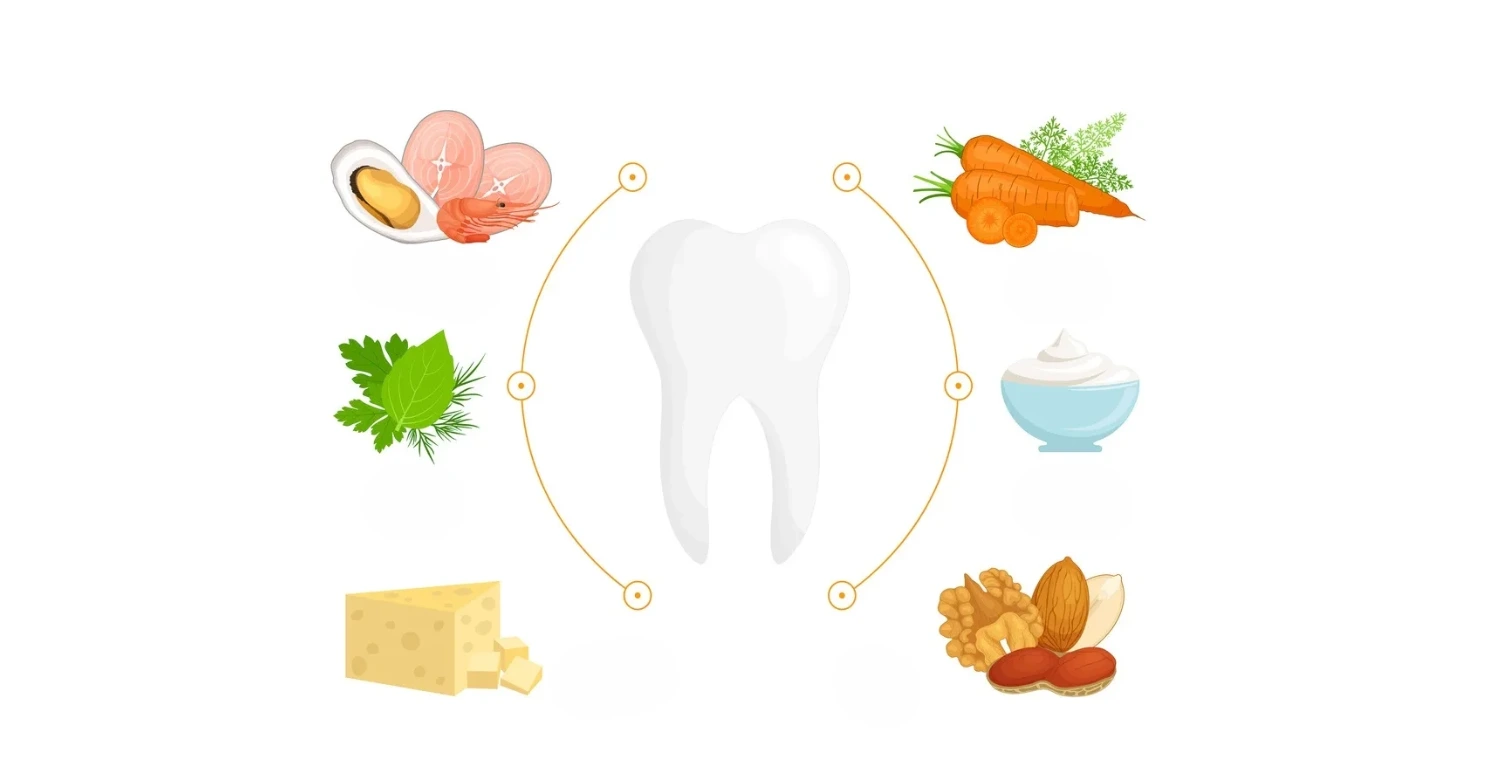
Several whole foods can support a cleaner and healthier oral environment. Apples, carrots, celery, and cucumbers provide texture and chewing stimulation. Leafy greens provide fiber and micronutrients while generally containing little free sugar. Cheese supplies calcium and phosphorus and can stimulate saliva. Plain yogurt provides protein and minerals when unsweetened. Nuts and seeds offer nutrients and require chewing, although patients should choose textures appropriate for their teeth. These foods should not be considered natural toothbrushes. Instead, they contribute to a dietary pattern that supports oral health. The ADA notes that diet influences both caries development and dental erosion.
Apples
Apples are firm, water-rich fruits that require substantial chewing, making them one of the most commonly cited Foods That Naturally Help Clean Your Teeth. Their texture can encourage salivary flow during eating. Saliva helps dilute acids and clear food residues from the mouth. Apples also provide fiber and nutrients within an overall balanced diet. However, apples contain naturally occurring sugars and are mildly acidic. Eating whole fruit is generally preferable to drinking fruit juice for oral-health considerations. The ADA notes that fruit juices can contribute to acid exposure and caries risk depending on consumption patterns. Apples therefore support a tooth-friendly diet but should never be presented as a replacement for brushing.
How Apples May Support Cleaner Teeth
Apples may support cleaner teeth through chewing, hydration, and saliva stimulation. Their firm structure encourages repeated mastication. This action can increase salivary flow and help clear some loose food particles. Their water content also contributes to the eating experience without the stickiness of many processed snacks. However, apples still contain natural sugars and acids. Eating an apple does not remove established plaque or calculus. Whole apples are therefore best used as nutritious snack choices rather than cleaning treatments. After acidic foods, rinsing with water can help reduce acid exposure.
Carrots
Raw carrots are firm, fibrous vegetables that require active chewing, and they are frequently listed among Foods That Naturally Help Clean Your Teeth. Their texture can stimulate saliva and help move food through the mouth. Carrots contain little free sugar compared with many sweet snack foods. They also provide fiber and micronutrients that support overall nutrition. Their crunch may help disturb loose food particles on accessible tooth surfaces. However, carrots cannot remove mature plaque from between teeth or along the gumline. Patients with fragile restorations or dental sensitivity may need softer preparation. At Vitrin Clinic, dietary recommendations can be adapted to individual dental conditions. Raw carrots can be a practical addition to a balanced tooth-friendly snack pattern.
Why Raw Carrots May Benefit Oral Hygiene
Raw carrots require repeated chewing, which can stimulate salivary flow. Saliva helps neutralize acids and supports oral clearance. Their fiber content also makes them more substantial than many refined snack foods. Replacing sticky sugary snacks with raw vegetables may help reduce frequent sugar exposure. The ADA emphasizes that both sugar type and consumption frequency influence caries risk. Still, carrots should not be described as plaque removers. Their role is nutritional and supportive. Patients with dental appliances, loose teeth, or chewing limitations should select suitable textures.
Celery
Celery is a water-rich, fibrous vegetable requiring repeated chewing, and it is often named among Foods That Naturally Help Clean Your Teeth. Its structure can stimulate saliva and contribute to oral clearance. Saliva contains calcium, phosphate, bicarbonate, and other components involved in oral protection. Celery also provides a low-sugar alternative to many processed snacks. Its fibrous texture may help move loose food particles while chewing. However, celery cannot replace brushing or interdental cleaning. Individual results vary according to saliva flow, diet, oral hygiene, and dental health. Celery can therefore be included as part of a broader tooth-friendly eating pattern.
How Celery May Help Clean Teeth Naturally
Celery may support oral cleanliness because it is fibrous, crunchy, and water-rich. Chewing stimulates saliva, while the vegetable's texture creates repeated contact with accessible tooth surfaces. Saliva helps dilute acids and wash substances through the mouth. Celery also provides a snack option with little free sugar. Its benefits should not be exaggerated because plaque can remain attached after eating. Daily brushing and interdental cleaning remain essential. Celery can simply become one convenient food choice within a balanced dental-health strategy.
Cucumbers
Cucumbers contain substantial water and have a crisp texture when eaten fresh. Their hydration and chewing characteristics can support oral comfort and saliva flow. Water is especially helpful because adequate hydration supports normal salivary function. Saliva naturally cleanses the oral cavity and helps buffer acids. Cucumbers are also generally low in free sugar when eaten plain. However, pickled cucumbers may contain acids and should be considered differently. Flavorings and added sugars can also change the nutritional profile. Fresh cucumber slices can therefore provide a simple tooth-friendly snack.
How Water-Rich Foods Support Oral Health
Water-rich foods contribute fluid while encouraging chewing. Adequate hydration supports normal saliva production and oral comfort. Saliva helps cleanse the mouth, clear sugars, and buffer acids. Foods such as cucumber and certain vegetables can therefore complement regular water intake. They should not be viewed as substitutes for drinking water. Hydration becomes particularly important when dry mouth reduces natural oral clearance. Patients experiencing persistent dry mouth should discuss the symptom with a dental professional. At Vitrin Clinic, preventive care can include identifying dietary habits that may influence oral comfort and hygiene.
Leafy Greens
Leafy greens are nutrient-dense foods that can support a balanced diet. Many varieties provide fiber, folate, vitamin K, and other micronutrients. They generally contain little free sugar when eaten without sweetened sauces. Fiber-rich vegetables can encourage chewing and contribute to meal satisfaction. Their nutritional value supports general health, which is closely connected with oral health. However, leafy greens do not mechanically remove established plaque. Sauces and dressings can significantly change their oral-health profile. Vinegar-heavy dressings may increase acid exposure when consumed frequently.
How Leafy Greens Support Healthy Teeth and Gums
Leafy greens support oral health primarily through nutrition and dietary quality. Their fiber content can encourage chewing and their low free-sugar profile makes them useful meal components. Nutrient adequacy supports normal tissue maintenance throughout the body. A balanced diet can therefore complement preventive dental care. However, leafy greens should not be considered plaque-removing foods. Preparation matters because acidic dressings can increase erosion exposure. The ADA recommends limiting frequent dietary acid exposure to protect enamel. Choosing greens with mild dressings can provide a more tooth-friendly option.
Cheese
Cheese can be particularly useful within a diet built around Foods That Naturally Help Clean Your Teeth because it provides calcium and phosphorus. These minerals are important components of mineralized dental tissues. Cheese can also stimulate saliva during chewing. Saliva helps buffer acids and contributes calcium and phosphate to the oral environment. Some cheeses contain little or no fermentable carbohydrate. However, processed cheese products may contain added ingredients and varying nutritional profiles. Portion size and overall diet still matter. Cheese should support, not replace, brushing and professional care.
How Calcium-Rich Cheese Supports Tooth Health
Calcium-rich cheese supplies a mineral important for maintaining hard dental tissues. Phosphorus also participates in mineral metabolism and enamel structure. Cheese can additionally stimulate salivary flow during chewing. Saliva contains calcium and phosphate that can support remineralization processes. These properties make cheese a useful component of a balanced oral-health diet. However, cheese cannot repair established cavities or remove plaque. Patients should choose suitable varieties based on general nutritional needs. Plain, minimally processed cheese can be particularly practical as a low-sugar snack.
Plain Yogurt
Plain yogurt provides protein, calcium, and other nutrients relevant to a balanced diet. Its mineral content can support normal tooth and bone metabolism. Unsweetened yogurt is generally preferable to heavily sweetened varieties. Added sugars can increase caries risk when consumed frequently. Yogurt can be included at breakfast or as a snack. Although yogurt may be acidic, its calcium content and buffering characteristics influence its erosive potential. Patients should therefore focus on the whole nutritional profile rather than acidity alone.
Yogurt and Oral Health
Plain yogurt can support oral health through calcium, protein, and its lower added-sugar profile. Calcium contributes to mineral metabolism and supports dental structures. Choosing unsweetened yogurt reduces unnecessary exposure to added sugars. The ADA notes that dietary sugar is a major driver of dental caries. Yogurt should not be used as a tooth-cleaning treatment. Instead, it can replace sweeter snacks within a balanced diet. Patients can also combine plain yogurt with nuts or low-sugar fruits for a nutrient-rich snack.
Nuts and Seeds
Nuts and seeds provide protein, minerals, healthy fats, and other nutrients, placing them among the more nutrient-dense Foods That Naturally Help Clean Your Teeth. Their texture usually requires chewing, which can stimulate saliva. Some varieties provide calcium and phosphorus that contribute to mineral nutrition. However, sticky nut products can behave differently from whole nuts. Added sugars can also alter their oral-health profile. Patients with cracked teeth or extensive restorations should choose appropriate textures. Whole nuts should be chewed carefully rather than used aggressively as a cleaning tool. They can be useful snack choices when incorporated into an overall balanced diet.
Nutrients in Nuts and Seeds for Healthy Teeth
Nuts and seeds provide nutrients that contribute to general nutritional adequacy. Depending on the variety, they can supply calcium, phosphorus, magnesium, protein, and healthy fats. Their chewing texture may also stimulate saliva. Saliva supports oral clearance and acid buffering. Plain varieties are preferable to heavily sweetened or sticky preparations. Nut butters with added sugar may have a different oral-health profile. Patients with chewing limitations should select softer options. These foods support oral health nutritionally rather than physically removing established plaque.
What Foods Help Remove Plaque Naturally?
No food can reliably remove established plaque naturally. Some Foods That Naturally Help Clean Your Teeth may support oral cleanliness by encouraging chewing, saliva production, and healthier snack choices. Crunchy vegetables can help move loose debris. Cheese can stimulate saliva and provide calcium and phosphorus. Water-rich foods contribute hydration. These benefits support the mouth's natural defenses rather than replacing mechanical plaque control. Dental plaque is a microbial biofilm that adheres to tooth surfaces. Brushing and interdental cleaning remain necessary for disrupting it. The ADA recommends brushing twice daily with fluoride toothpaste and cleaning between teeth daily.
Can Apples Help Reduce Plaque Buildup?
Apples may help support oral cleanliness during chewing, but they should not be described as plaque removers. Their firm texture encourages mastication and salivary stimulation. Saliva helps clear food residues and buffer acids. Apples also provide fiber and can replace some processed snack choices. However, apples contain natural sugars and acids. Their effects therefore depend on the broader dietary pattern. Eating whole fruit is generally more appropriate than frequent fruit juice consumption for oral health. Regular brushing remains necessary.
Can Carrots and Celery Help Clean Teeth?
Carrots and celery may support a cleaner-feeling mouth through crunch, fiber, and chewing. Their texture encourages repeated mastication and can stimulate saliva. Saliva helps dilute acids and supports natural oral clearance. They can also replace sticky or sugary snacks. However, neither vegetable removes established plaque from all tooth surfaces. Their greatest value is as part of a low-added-sugar, nutrient-rich dietary pattern. People with dental sensitivity or restorations should choose textures appropriate for their condition.
Can Fiber-Rich Foods Promote Cleaner Teeth?
Fiber-rich foods can promote a tooth-friendly dietary pattern through chewing and reduced reliance on highly processed snacks. Many fibrous vegetables contain little free sugar. Their texture may increase chewing and saliva production. Saliva supports oral clearance and acid buffering. Fiber-rich foods can therefore be useful alternatives to sticky sweets. However, fiber itself does not dissolve plaque or calculus. The benefit comes from the overall combination of food texture, nutritional quality, and dietary substitution. Regular oral hygiene remains essential.
How Does Saliva Naturally Clean Your Mouth?
Saliva is one of the mouth's most important natural defense systems. It lubricates tissues, helps swallow food, clears sugars, and buffers acids. Saliva also contains calcium and phosphate that participate in enamel mineral processes. Chewing stimulates salivary flow, making crunchy foods useful for this specific mechanism. Adequate hydration supports normal salivary function. Persistent dry mouth can increase the risk of dental decay and oral discomfort. People with ongoing dryness should seek professional assessment rather than relying solely on Foods That Naturally Help Clean Your Teeth.
Saliva as a Natural Defense Against Oral Bacteria
Saliva does more than simply wet the mouth. It helps dilute sugars, buffer acids, and support clearance of substances. It also contains proteins and antimicrobial components that contribute to the oral environment. Stimulated saliva contains higher concentrations of several protective components. Chewing can therefore strengthen this natural cleansing mechanism temporarily. However, saliva cannot eliminate established plaque or replace fluoride toothpaste. Good hydration, balanced meals, and appropriate chewing can support saliva function. Patients with reduced salivary flow may require individualized preventive strategies.
What We Notice Clinically
Clinically, dietary advice works best when it addresses habits rather than promoting individual "magic foods." Patients often confuse food debris with dental plaque. Food particles may disappear after rinsing, swallowing, or normal saliva flow. Plaque can remain attached despite a clean-looking tooth surface. Professional assessment can identify plaque accumulation, calculus, gingival inflammation, enamel erosion, and caries risk. Vitrin Clinic can use these findings to personalize preventive recommendations. A diet rich in Foods That Naturally Help Clean Your Teeth is valuable, but it works best alongside consistent oral hygiene and professional monitoring.
Why Food Debris and Dental Plaque Are Different
Food debris is usually loose material remaining after eating. Plaque is an organized microbial biofilm attached to dental surfaces. The two require different approaches. Drinking water may help clear loose food particles. Saliva can also contribute to natural clearance. Plaque requires mechanical disruption through brushing and interdental cleaning. Calculus requires professional removal because hardened deposits cannot be brushed away effectively. Understanding this difference helps patients avoid misleading "natural toothbrush" claims. Crunchy foods may help with debris but should not be presented as plaque treatment.
What Foods Promote Cleaner Teeth and Healthier Gums?
Foods That Naturally Help Clean Your Teeth generally combine strong nutritional value with low added sugar. Crunchy vegetables can encourage chewing and saliva flow. Calcium- and phosphorus-rich foods support mineral nutrition. Vitamin C-rich foods contribute to nutritional support for gingival tissues. Fiber-rich foods can encourage chewing and healthier snacking patterns. Water-rich foods support hydration and normal saliva function. The best approach is dietary variety rather than dependence on one food. The ADA emphasizes that diet influences caries and erosion risk.
Foods That Support Saliva Production
Foods requiring active chewing can stimulate salivary flow. Crunchy vegetables, firm fruits, and some cheeses are practical examples. Saliva helps dilute acids and clear food residues. Sugar-free chewing gum can also stimulate saliva after meals. The ADA notes that chewing gum increases salivary flow and can support acid neutralization. However, gum is an adjunct rather than a replacement for oral hygiene. People with jaw problems should discuss chewing-gum use with their dentist.
Calcium and Phosphorus-Rich Foods
Calcium and phosphorus are important minerals for dental hard tissues. Dairy foods such as cheese and plain yogurt can provide both nutrients. Nuts and seeds can also contribute minerals depending on the variety. Saliva naturally contains calcium and phosphate that participate in enamel mineral processes. A balanced diet can therefore support mineral availability. However, nutrition cannot reverse advanced structural tooth damage by itself. Patients with enamel loss or cavities require professional evaluation. Dietary choices should complement fluoride and appropriate dental care.
Vitamin C-Rich Foods for Gum Health
Vitamin C is an important nutrient involved in collagen formation and normal connective-tissue function. Fruits and vegetables can provide vitamin C within a balanced diet. Citrus fruits are nutritious but acidic, so consumption patterns matter for enamel. Frequent acid exposure can contribute to erosion. Less acidic vitamin C sources include several vegetables and fruits. Patients should focus on variety rather than excessive consumption of acidic juices. Whole foods are generally preferable to sugary drinks.
Fiber-Rich Foods for Better Oral Hygiene
Fiber-rich foods can support oral health by encouraging chewing and reducing dependence on refined snacks. Vegetables, whole fruits, legumes, nuts, and seeds can contribute dietary fiber. Many of these foods contain fewer added sugars than processed snack foods. Chewing can stimulate saliva, which supports oral clearance. Fiber does not mechanically remove established plaque. Its value comes from nutritional quality, texture, and substitution. Choosing fiber-rich foods regularly can therefore strengthen a diet built around Foods That Naturally Help Clean Your Teeth.
Water-Rich Foods for Oral Hydration
Water-rich foods can contribute to hydration and comfortable chewing. Cucumbers, lettuce, and many fresh vegetables contain substantial water. Adequate hydration supports normal saliva production. Saliva helps cleanse the mouth and buffer dietary acids. Drinking plain water remains the simplest hydration strategy. Water is especially useful after acidic foods and beverages because rinsing can reduce acid exposure. Patients with persistent dry mouth may need additional professional guidance.
Dr. Rifat Alsaman's Opinion
Dr. Rifat Alsaman emphasizes that food should support oral hygiene rather than replace it. Crunchy vegetables can be useful because chewing stimulates saliva and encourages healthier snack choices. However, plaque remains a biofilm that requires mechanical removal. Patients should therefore combine balanced nutrition with fluoride toothpaste and interdental cleaning. Dietary advice should also consider restorations, sensitivity, gum health, and individual caries risk. At Vitrin Clinic, preventive recommendations can be tailored around the patient's clinical findings. This approach avoids exaggerated claims about Foods That Naturally Help Clean Your Teeth while still recognizing nutrition's important role.
What Are the Best Foods for Healthy Teeth and Gums?
The strongest dietary pattern combines mineral-rich foods, vegetables, whole fruits, adequate hydration, and limited free sugars. Calcium-rich foods support mineral nutrition. Phosphorus-containing foods contribute to normal mineral metabolism. Vitamins A, C, and D support broader nutritional needs. Fiber-rich foods encourage chewing and healthier snacking. Water supports hydration and saliva function. No single nutrient guarantees healthy teeth. Oral health depends on diet, hygiene, fluoride exposure, saliva, genetics, behaviors, and access to dental care. The WHO identifies free sugars as a major dietary risk factor for dental caries.
Calcium-Rich Foods
Calcium is a major mineral in teeth and bones. Dairy foods such as cheese and plain yogurt can provide meaningful calcium. Some fortified foods can also contribute calcium. Adequate nutrition supports normal mineral metabolism throughout the body. Calcium alone cannot prevent every dental problem. Plaque control and fluoride exposure remain essential for caries prevention. The ADA notes that saliva also carries calcium and phosphate within the oral environment. A varied diet is preferable to relying on supplements without professional advice.
Phosphorus-Rich Foods
Phosphorus participates in mineral metabolism and contributes to the structure of dental hard tissues. Foods containing protein often provide phosphorus, including dairy, fish, eggs, nuts, and legumes. Saliva also naturally contains phosphate. Balanced nutrition helps maintain appropriate nutrient availability. However, more phosphorus does not automatically mean stronger teeth. Overall dietary balance matters. Patients with specific medical or nutritional conditions should seek individualized dietary advice.
Vitamin C-Rich Foods
Vitamin C-rich foods support normal connective-tissue function and nutritional health. Bell peppers, broccoli, strawberries, kiwi, and citrus fruits provide vitamin C. Acidic fruits should be consumed thoughtfully because repeated acid exposure can affect enamel. Whole fruits are preferable to frequent fruit juice exposure. Pairing acidic foods with meals may also reduce repeated between-meal exposure. Good oral hygiene remains essential even with excellent vitamin intake.
Vitamin D-Rich Foods
Vitamin D contributes to calcium and phosphate metabolism. Foods such as fatty fish, eggs, and fortified products can provide vitamin D. The ADA notes associations between vitamin D status and dental caries in observational research. However, these associations do not prove that supplementation prevents cavities for everyone. Nutritional needs vary by age, health status, diet, and sun exposure. Professional medical guidance is appropriate when deficiency is suspected.
Vitamin A-Rich Foods
Vitamin A supports normal epithelial and immune functions throughout the body. Foods containing beta-carotene include carrots, leafy greens, and orange vegetables. Animal foods such as eggs and dairy can provide preformed vitamin A. A varied diet can help meet nutritional requirements. However, vitamin A-rich foods do not directly remove plaque. Their value comes from supporting overall nutritional health. Excessive supplementation can also be harmful, so food-first approaches are generally preferable unless a clinician recommends otherwise.
Fiber-Rich Foods
Fiber-rich foods can support healthy eating patterns and encourage chewing. Vegetables, legumes, nuts, seeds, and whole fruits are useful examples. Their lower reliance on added sugars can make them practical alternatives to processed snacks. Chewing also stimulates saliva. Fiber should not be promoted as a substitute for brushing. Its oral-health benefits are indirect and depend on the overall dietary pattern.
Which Foods Should You Limit for Cleaner Teeth?
Foods high in free sugars and frequently consumed acidic products deserve particular attention. Sticky sweets can remain around teeth longer. Frequent sugary snacks repeatedly expose plaque bacteria to fermentable carbohydrates. Sugary drinks can deliver substantial sugar while also bathing teeth in liquid. Acidic foods and drinks can contribute to enamel erosion when exposure is frequent. The WHO recommends keeping free sugars below 10% of total energy intake, with less than 5% offering additional benefit. Even a diet rich in Foods That Naturally Help Clean Your Teeth cannot fully offset frequent sugar and acid exposure.
Sticky Sugary Foods
Sticky sweets can remain attached to tooth surfaces and provide fermentable carbohydrates, which is the opposite effect of Foods That Naturally Help Clean Your Teeth. Examples include chewy candies, caramel, and some sweetened snack products. Plaque bacteria metabolize free sugars and produce acids that can damage enamel. The longer and more frequently teeth experience these exposures, the greater the concern. Choosing less sticky, lower-sugar alternatives can help. Water and routine oral hygiene remain important after eating. Patients with high caries risk should discuss individualized snack strategies with their dentist.
Frequent Sugary Snacks
Frequency matters because each sugar exposure can contribute to an acidic episode within dental plaque. The ADA notes that frequent sugar consumption and between-meal snacking can influence caries risk. Consolidating sugary foods with meals may reduce repeated exposure compared with constant grazing. Tooth-friendly snacks include vegetables, cheese, nuts, and unsweetened yogurt. The goal is not necessarily eliminating every carbohydrate. The goal is reducing unnecessary and frequent free-sugar exposure.
Acidic Foods and Drinks
Acidic foods and drinks can contribute to erosive tooth wear when exposure is frequent. Soft drinks, sports drinks, fruit juices, and acidic snacks are common sources. Risk depends on acidity, frequency, contact time, and individual factors. Drinking water after acidic exposure can help reduce acid contact. Brushing immediately after an acidic challenge may be inappropriate because softened enamel can be more vulnerable. The ADA recommends rinsing with water rather than brushing immediately after acidic beverages.
Sugary Beverages
Sugary beverages are particularly concerning because they can expose many tooth surfaces to free sugars. Frequent consumption can increase caries risk. Soft drinks and other acidic beverages may create an additional erosion concern. Water is usually the simplest tooth-friendly beverage. Unsweetened drinks can also reduce unnecessary sugar exposure. Children and adults benefit from limiting sugar-sweetened beverages as part of a broader healthy dietary pattern.
How Sugar and Acid Affect Your Teeth
Sugar and acid damage teeth through different but overlapping mechanisms. Plaque bacteria metabolize free sugars and produce acids that contribute to demineralization. Dietary acids can directly dissolve dental hard tissues without bacterial involvement. Frequent exposure increases the opportunity for damage. Saliva helps buffer acids and supports mineral balance. Fluoride strengthens the tooth's resistance to acidic challenges. This is why diet, saliva, fluoride, and plaque control must work together.
Dried Fruits
Dried fruits can be nutritious but deserve careful consideration for oral health, as they behave differently from many other Foods That Naturally Help Clean Your Teeth. Their concentrated sugars and sticky texture may increase contact with tooth surfaces. Some products also contain added sugars. Frequent snacking can increase repeated carbohydrate exposure. Whole fresh fruit often provides more water and requires different chewing characteristics. Patients can enjoy dried fruit in moderation while maintaining good oral hygiene. Checking labels for added sugars can also help reduce unnecessary exposure.
Why Snacking Frequency Matters
Snacking frequency influences how often teeth experience dietary sugar and acid challenges. Repeated sugar exposures can maintain an unfavorable environment for enamel. The ADA highlights the importance of reducing frequent carbohydrate consumption and limiting sugary snacks between meals. Structured meals can therefore be easier on teeth than continuous grazing. Tooth-friendly snacks can include vegetables, cheese, nuts, or plain yogurt. Water between meals can also support oral clearance and hydration.
Can Foods Naturally Clean Your Teeth After a Meal?
Some Foods That Naturally Help Clean Your Teeth can support oral cleanliness after meals, but they cannot replace brushing. Crunchy vegetables may stimulate chewing and saliva. Cheese can provide calcium and phosphorus while encouraging salivary flow. Water can rinse away loose residues and dilute acids. The ADA recommends drinking water after acidic foods or beverages. If brushing is temporarily unavailable, these steps can provide supportive care. Once practical, normal brushing and interdental cleaning should resume. Patients with high caries risk may require more individualized strategies.
What Should You Eat After a Meal?
After a meal, choosing a low-sugar food can help avoid additional unnecessary sugar exposure. Cheese, plain yogurt, vegetables, or a small portion of nuts can be practical options. Water is often the simplest choice. Chewing sugar-free gum can also stimulate saliva after eating. The goal is not to "scrub" teeth with food. Instead, the goal is to support saliva and avoid repeated sugar exposure. A consistent eating schedule can also reduce frequent snacking.
Can Crunchy Vegetables Help After Eating?
Crunchy vegetables can encourage chewing and salivary stimulation after meals. Carrots, celery, and cucumber are practical examples of Foods That Naturally Help Clean Your Teeth. Their water and fiber content can contribute to a tooth-friendly snack. Saliva helps clear food residues and buffer acids. However, vegetables cannot remove established plaque from all tooth surfaces. They are best considered supportive foods rather than cleaning treatments.
Is Drinking Water Better Than Eating a Cleaning Food?
Water is often more reliable for immediate oral rinsing after eating. It can help dilute acids and clear loose food residues without adding sugar. The ADA recommends drinking water or rinsing after acidic foods and drinks. Water also supports hydration and normal saliva production. A crunchy vegetable can provide nutrition and chewing stimulation, but water remains the simplest post-meal oral-care choice. Both can fit into a healthy routine.
What Can You Do When You Cannot Brush Immediately?
Rinse your mouth with plain water when brushing is temporarily unavailable. Avoid adding another sugary snack immediately afterward. If appropriate, chew sugar-free gum to stimulate saliva. After acidic foods, avoid brushing immediately and rinse with water instead. Resume normal brushing with fluoride toothpaste when practical. These measures provide temporary support rather than replacing regular oral hygiene.
Tips for Patients
Choose whole foods more often than sticky processed snacks. Drink water regularly throughout the day. Limit frequent sugary snacks and sweetened beverages. Choose plain yogurt instead of heavily sweetened varieties. Include vegetables, cheese, nuts, and other nutrient-rich foods. Rinse with water after acidic foods or drinks. Avoid brushing immediately after significant acidic exposure. Brush twice daily with fluoride toothpaste and clean between teeth daily. Visit your dentist regularly for personalized prevention. At Vitrin Clinic, dietary and hygiene recommendations can be adapted to individual oral findings.
Can Natural Teeth-Cleaning Foods Whiten Your Teeth?
Foods may make teeth feel cleaner, but Foods That Naturally Help Clean Your Teeth should not be considered reliable whitening treatments. Apples and crunchy vegetables can help with saliva and food clearance. Strawberries contain compounds that have attracted interest in cosmetic whitening discussions. However, homemade whitening methods lack the predictable control of professional treatment. Abrasive substances can damage enamel when used aggressively. Professional whitening is designed to lighten tooth color using controlled materials and protocols. The correct approach depends on the cause of discoloration. Dental examination should precede whitening when stains, cavities, restorations, or enamel defects are present.
Do Apples Help Whiten Teeth?
Apples do not provide clinically predictable tooth whitening. Their crunchy texture may support saliva flow and remove some loose food residue. However, eating an apple does not bleach intrinsic tooth discoloration. Natural fruit acids can also affect enamel if exposure is excessive or frequent. The ADA identifies dietary acids as a contributor to erosive tooth wear. Apples are therefore better viewed as nutritious foods than whitening treatments. Patients seeking noticeable whitening should discuss evidence-based options with a dental professional.
Can Strawberries Whiten Teeth Naturally?
Strawberries are sometimes promoted as natural whitening foods because they contain organic acids. However, acidic fruit should not be used as an abrasive whitening treatment. Repeated acid exposure can contribute to enamel erosion. Homemade mixtures can also contain abrasive ingredients that increase enamel wear. A temporary surface appearance should not be confused with safe whitening. Professional assessment can identify whether discoloration comes from surface stains, intrinsic color, restorations, or enamel changes.
Natural Teeth Cleaning vs. Professional Teeth Whitening
Natural foods support nutrition and oral cleanliness but cannot produce controlled whitening results. Professional whitening uses regulated protocols designed to change tooth color predictably. Before whitening, dentists can assess cavities, gum health, enamel condition, and existing restorations. This assessment matters because crowns and veneers do not whiten like natural teeth. Vitrin Clinic can help patients determine whether whitening, veneers, crowns, or another cosmetic approach is appropriate. A personalized plan provides safer expectations than DIY whitening recipes.
Why Abrasive DIY Whitening Methods Can Damage Enamel
Abrasive substances can physically wear enamel when used aggressively or repeatedly. Enamel does not regenerate once significant structural loss occurs. Acidic mixtures can create another concern by softening dental tissues. The ADA identifies dietary acids as a cause of erosive tooth wear. Combining abrasion with acid can be particularly inappropriate for sensitive teeth. Patients should avoid homemade whitening recipes that have not been professionally evaluated. Evidence-based whitening provides greater control over concentration, application, and monitoring.
Can Foods That Naturally Clean Your Teeth Replace Brushing?
No, Foods That Naturally Help Clean Your Teeth cannot replace brushing. Crunchy foods can stimulate chewing and saliva while providing valuable nutrients. They cannot reliably disrupt plaque along gumlines, between teeth, or on difficult tooth surfaces. Fluoride toothpaste also provides a protective benefit that food does not provide. The WHO identifies inadequate fluoride exposure and insufficient plaque removal as important contributors to dental caries. A diet built around Foods That Naturally Help Clean Your Teeth should therefore complement, not replace, oral hygiene.
Why Foods Cannot Replace Toothbrushing
Toothbrushing provides deliberate mechanical plaque disruption across accessible tooth surfaces. Foods do not provide consistent coverage or controlled cleaning pressure. Plaque can remain around gumlines and other protected areas after eating. Fluoride toothpaste adds fluoride exposure that supports enamel resistance. Even an excellent diet cannot guarantee complete plaque removal. Brushing remains a central part of daily preventive care.
Why Flossing Is Still Important
Flossing or other interdental cleaning reaches areas that toothbrush bristles may not clean effectively. Food and plaque can accumulate between teeth without being visible. Daily interdental cleaning helps disrupt this accumulation. The ADA recommends cleaning between teeth daily as part of caries prevention. The appropriate device can vary depending on spacing, restorations, braces, and gum health. A dental professional can recommend suitable interdental techniques.
The Role of Fluoride Toothpaste
Fluoride toothpaste supports enamel resistance and is a cornerstone of modern caries prevention. The WHO notes that inadequate fluoride exposure combined with sugar intake and inadequate plaque removal increases caries risk. The ADA recommends brushing twice daily with fluoride toothpaste. Food cannot provide the same controlled topical fluoride exposure. Therefore, Foods That Naturally Help Clean Your Teeth should always complement fluoride-based oral hygiene.
Building a Complete Daily Oral Hygiene Routine
Brush twice daily with fluoride toothpaste. Clean between teeth daily using floss or another appropriate interdental method. Drink water regularly and limit frequent sugary snacks. Choose whole foods with vegetables, protein, minerals, and fiber. Limit frequent acidic drinks and rinse with water after acidic exposure. Avoid using abrasive homemade whitening mixtures. Attend dental examinations and professional cleanings according to individual risk. At Vitrin Clinic, preventive recommendations can be personalized according to clinical findings. This combination is stronger than relying on any single food or habit.
What Is the Best Daily Diet for Cleaner Teeth?
A daily diet built around Foods That Naturally Help Clean Your Teeth emphasizes whole foods, vegetables, adequate protein, calcium-rich foods, hydration, and limited free sugars. Breakfast can include plain yogurt, eggs, cheese, vegetables, or unsweetened whole-grain foods. Lunch can combine leafy greens, vegetables, protein, and water. Snacks can include cheese, nuts, carrots, celery, or fresh fruit. Water should be the main beverage whenever practical. The WHO recommends limiting free sugars below 10% of total energy intake, ideally below 5%. Eating patterns matter as much as individual foods.
Tooth-Friendly Breakfast Choices
Breakfast can combine protein, calcium, fiber, and low-sugar foods. Plain yogurt with nuts and fresh fruit can provide protein and minerals. Eggs with vegetables provide another nutrient-dense option. Cheese and vegetables can also work well for a savory breakfast. Sweetened cereals, pastries, and sugary drinks may increase free-sugar exposure. The ADA emphasizes the relationship between dietary sugars and caries development. Water or an unsweetened drink can reduce unnecessary sugar exposure.
Healthy Lunch Foods for Teeth and Gums
A tooth-friendly lunch can include leafy greens, vegetables, lean protein, legumes, cheese, or plain yogurt. Choose water instead of sugary beverages. Fiber-rich vegetables encourage chewing and can support a balanced dietary pattern. Acidic dressings should be used thoughtfully when consumed frequently. A balanced lunch can provide nutrients without creating repeated sugar exposure. Portion size and nutritional needs should still reflect individual health requirements.
Tooth-Friendly Snacks
Good snack options include carrots, celery, cucumber, cheese, nuts, seeds, plain yogurt, and whole fruit all practical examples of Foods That Naturally Help Clean Your Teeth. These foods can provide fiber, minerals, protein, or chewing stimulation. Sticky sweets and frequent sweetened snacks are less favorable choices. The ADA recommends reducing sugary snacks between meals. A planned snack can be preferable to continuous grazing throughout the day. Water is an excellent accompanying beverage.
Best Drinks for Oral Health
Plain water is generally the simplest beverage for oral health. Unsweetened drinks can also reduce unnecessary free-sugar exposure. Sugary beverages increase caries risk, while acidic beverages can increase erosion risk. Frequent sipping of acidic drinks may create repeated acid challenges. Drinking water after acidic beverages can help reduce contact. Patients should be especially cautious with soft drinks, sports drinks, and frequent fruit juices.
Simple Daily Eating Habits for Cleaner Teeth
Eat balanced meals rather than continuously grazing on sugary snacks. Choose vegetables, whole fruits, protein, dairy, nuts, and other nutrient-rich foods. Drink water regularly. Limit free sugars and sweetened beverages. Keep acidic foods and drinks from becoming frequent between-meal exposures. The WHO recommends keeping free sugars below 10% of energy intake, with lower intake preferred. Pair Foods That Naturally Help Clean Your Teeth with brushing and interdental cleaning. Small consistent habits usually matter more than one "cleaning" food.
How Can Vitrin Clinic Support Your Oral Health?
Vitrin Clinic can support oral health through preventive assessment, personalized hygiene guidance, professional cleaning, and individualized treatment planning. Diet is only one part of oral health. A dental examination can identify plaque, calculus, gingival inflammation, cavities, enamel erosion, worn restorations, and other concerns. Personalized care helps determine which dietary and hygiene habits are most appropriate. Preventive dentistry can also help patients understand how Foods That Naturally Help Clean Your Teeth interact with their individual risk factors. This approach is more reliable than following generalized claims about natural teeth-cleaning foods.
Personalized Preventive Dental Care
Preventive care begins with understanding the patient's oral condition and risk factors. A dental professional can assess plaque accumulation, gum health, cavities, enamel wear, and existing restorations. Dietary habits can then be considered alongside clinical findings, including how consistently a patient incorporates Foods That Naturally Help Clean Your Teeth into daily meals. Patients with frequent sugar exposure may need different recommendations than patients primarily experiencing erosion. Vitrin Clinic can develop preventive guidance around individual needs. The goal is to reduce avoidable risks while maintaining practical daily habits.
Professional Teeth Cleaning and Plaque Removal
Professional dental cleaning can remove deposits that normal eating cannot remove. Hardened calculus cannot be reliably eliminated through crunchy foods or routine brushing alone. Professional cleaning can therefore complement home hygiene. The appropriate cleaning interval depends on individual risk and periodontal status. Patients should not wait for visible buildup before seeking professional assessment. Vitrin Clinic can evaluate oral hygiene and recommend an appropriate maintenance schedule.
Personalized Oral Hygiene Recommendations
Oral hygiene recommendations should reflect tooth anatomy, gum health, restorations, orthodontic appliances, and individual risk. Some patients benefit from floss, while others may require interdental brushes or specialized tools. Fluoride toothpaste remains important for caries prevention. Diet recommendations can be integrated into the same plan. Vitrin Clinic can help patients understand which habits are most useful for their specific oral condition.
Why Choose Vitrin Clinic for Healthier Teeth and Gums?
Vitrin Clinic combines preventive, restorative, and cosmetic dental care within personalized treatment planning. Healthy teeth depend on more than cosmetic appearance. Patients benefit from understanding plaque control, dietary habits, gum health, enamel protection, and long-term maintenance. A comprehensive assessment can identify concerns before they become more complicated. Vitrin Clinic can also help patients coordinate preventive care with restorative or cosmetic goals. The objective is a healthier, functional, and confident smile.
Patient-Centered Dental Care
Patient-centered care considers clinical findings alongside lifestyle, preferences, concerns, and treatment goals. Dietary recommendations should be realistic enough to maintain consistently. A professional can explain which Foods That Naturally Help Clean Your Teeth may support oral health and which habits increase risk. This approach avoids unrealistic claims about individual "miracle" foods. At Vitrin Clinic, preventive guidance can be integrated with the patient's broader dental plan.
Personalized Treatment Plans
Every mouth has different needs. Existing crowns, veneers, implants, gum conditions, enamel wear, and caries risk can influence preventive recommendations. A personalized plan considers these factors rather than applying identical advice to everyone. Vitrin Clinic can coordinate preventive care with restorative and cosmetic dentistry when appropriate. The goal is long-term oral health rather than short-term cosmetic improvement alone.
Modern Preventive and Cosmetic Dentistry
Modern dentistry combines prevention with restorative and cosmetic treatment. Preventive strategies aim to control plaque, protect enamel, reduce caries risk, and maintain gum health. Cosmetic dentistry can address concerns involving tooth shape, color, alignment, or restorations. Vitrin Clinic offers an integrated approach where appropriate. Patients can therefore discuss both health and appearance during a coordinated treatment process.
Book Your FREE Treatment Plan at Vitrin Clinic
A professional assessment can turn general oral-health advice into an individualized plan. At Vitrin Clinic, patients can discuss concerns involving plaque, gums, enamel, discoloration, restorations, or smile appearance. A FREE Treatment Plan can help identify suitable next steps based on clinical evaluation. Rather than relying on Foods That Naturally Help Clean Your Teeth alone, patients can combine nutrition with professional preventive care. Vitrin Clinic New Smile, New Life.
Key Takeaways About Foods That Naturally Help Clean Your Teeth
Foods That Naturally Help Clean Your Teeth can support oral health, but food cannot replace professional or daily hygiene. Crunchy vegetables and firm fruits can encourage chewing and saliva production. Cheese and plain yogurt provide useful nutrients. Water supports hydration and helps rinse the mouth. Limiting free sugars and frequent acidic exposures is equally important. WHO data identifies dental caries as affecting approximately 2.5 billion people globally. This emphasizes why prevention requires more than individual food choices. The strongest approach combines nutrition, fluoride, plaque control, hydration, and dental care.
Choose Tooth-Friendly Whole Foods
Choose vegetables, whole fruits, cheese, plain yogurt, nuts, seeds, legumes, and other Foods That Naturally Help Clean Your Teeth. These choices can provide fiber, protein, minerals, and vitamins. Crunchy foods may also stimulate chewing and saliva. Avoid describing them as natural toothbrushes because they cannot remove established plaque. A balanced dietary pattern is more important than one specific food. Whole foods can replace many sticky, sugary, processed snacks.
Support Saliva and Healthy Gums
Stay hydrated and choose foods that encourage normal chewing. Saliva helps cleanse the mouth and buffer acids. Nutrient-rich foods support overall nutritional health. Vitamin C-containing vegetables and fruits can contribute to a balanced diet. Avoid excessive acidic drinks because repeated acid exposure can affect enamel.
Maintain Daily Brushing and Flossing
Food choices cannot replace brushing or interdental cleaning. Brush twice daily using fluoride toothpaste. Clean between teeth daily. These practices directly target plaque that food cannot reliably remove. Professional examinations can identify problems before they become advanced. Consistency is more important than relying on occasional "cleaning" foods.
Combine a Healthy Diet With Professional Dental Care
The strongest oral-health strategy combines healthy eating, fluoride, daily plaque control, hydration, and professional care. Diet can influence caries and erosion risk. Professional assessment can identify risks that food choices cannot correct. Vitrin Clinic can help create a preventive plan based on individual clinical needs. This integrated approach provides more reliable protection than any single dietary habit.
Reference
FAQs

Dr. Rifat Alsaman has more than 5 years of clinical experience in dentistry and currently serves as the Head of the Medical Team at Vitrin Clinic. He is dedicated to providing exceptional patient care, overseeing treatment planning, and ensuring the highest clinical standards across the team. His expertise, attention to detail, and commitment to continuous professional development have helped countless patients achieve healthier, more confident smiles.


