General Dentistry
August 26, 2026
Inflammatory Lesions of Oral Cavity: Causes, Symptoms, Diagnosis, and Treatment
 Dr. Rifat Alsaman
These oral lesions are among the most common reasons patients seek dental attention. The mouth is constantly exposed to bacteria, friction, and irritants that trigger a protective inflammatory response. These lesions can appear on the gums, tongue, cheeks, palate, or lips. Their causes range from simple local irritation to infections or systemic conditions. Understanding inflammatory lesions of oral cavity helps patients recognize warning signs early and seek proper diagnosis. This guide explains the types, causes, symptoms, diagnosis, and treatment for inflammatory lesions in the mouth. It also covers prevention strategies for lasting oral health.
Oral Inflammatory Lesions: What Are They?
Inflammatory lesions of oral cavity are tissue changes that occur when the mouth's soft tissues react to irritation, infection, or injury. The body's immune response causes redness, swelling, and sometimes pain in the affected area. These reactions are protective by nature. But persistent or recurring inflammatory oral mucosal lesions may signal an underlying issue. Recognizing this response early allows for timely intervention. It reduces discomfort and prevents minor irritation from developing into a more significant oral health concern.
What Is an Inflammatory Oral Lesion?
An inflammatory oral lesion is a visible tissue reaction marked by redness, swelling, or ulceration in the mouth. It develops when local tissue responds to bacteria, trauma, or irritants like sharp dental edges. Unlike lesions caused directly by infection alone, such lesions reflect the body's defensive response. They can appear suddenly or build gradually. Severity varies from mild tenderness to lesions that interfere with eating, speaking, or oral hygiene routines.
Where Can Inflammatory Lesions Develop?
Inflammatory lesions of the mouth can develop almost anywhere in the oral cavity. Common sites include the gums, inner cheeks, tongue, floor of the mouth, palate, and lips. Gum tissue is especially prone due to constant exposure to plaque. Areas near dental restorations or ill-fitting appliances are also vulnerable. Location often provides clues about the cause. It helps a dentist distinguish between local irritation, infection, or a broader inflammatory process affecting the mouth.
Inflammatory Oral Mucosal Lesions vs Gum Inflammation
Inflammatory oral mucosal lesions affect the soft lining of the cheeks, tongue, palate, or floor of the mouth. Gum inflammation, by contrast, specifically targets the tissue surrounding teeth. Both share similar triggers, such as plaque buildup or trauma. But their presentation differs. Mucosal lesions may appear as ulcers or patches. Inflammatory gum lesions typically show redness, swelling, and bleeding along the gumline. Differentiating between them helps guide accurate diagnosis and appropriate treatment for inflammatory lesions in the mouth.
What Are the Common Inflammatory Mouth Lesions?
Common inflammatory mouth lesions include gingivitis, aphthous ulcers, traumatic lesions, denture-related irritation, candidiasis-associated inflammation, and pericoronitis. Each has distinct triggers and appearances. But all involve tissue reacting to irritation or infection. Recognizing these types of inflammatory lesions in the oral cavity helps patients understand what they may be experiencing. It also helps them know when professional evaluation is warranted, since some resolve on their own while others need targeted treatment.
Common Inflammatory Mouth Lesions
Beyond the specific types, common inflammatory mouth lesions share a general pattern of redness, tenderness, and localized swelling. They may be triggered by plaque accumulation, ill-fitting dental work, biting injuries, or fungal overgrowth. Some lesions are short-lived and resolve with better hygiene. Others recur or persist, indicating a deeper issue. Understanding these patterns allows patients to describe symptoms accurately during a dental visit. This supports faster and more precise diagnosis.
Gingivitis
Gingivitis is one of the most frequent inflammatory gum lesions, caused by plaque buildup along the gumline. It presents as redness, swelling, and bleeding during brushing. Left untreated, gingivitis can progress toward more serious periodontal issues. Fortunately, it is often reversible with improved oral hygiene and professional cleaning. Early detection of gingivitis prevents progression. It also reduces the risk of long-term inflammatory damage to supporting gum tissue.
Aphthous Ulcers
Aphthous ulcers, commonly called canker sores, are small, painful lesions that appear on the inner cheeks, lips, or tongue. Their exact cause isn't always clear. Stress, minor trauma, and certain foods are frequent triggers. These inflammatory lesions of oral cavity typically heal within one to two weeks without scarring. Recurring aphthous ulcers, however, may warrant further evaluation to rule out nutritional deficiencies or immune-related factors.
Traumatic Inflammatory Lesions
Traumatic inflammatory lesions result from direct injury to oral tissue, such as accidental cheek biting, sharp tooth edges, or aggressive brushing. They often appear as localized redness or ulceration at the injury site. These lesions usually heal once the source of trauma is identified and removed. Persistent irritation from the same cause can lead to recurring inflammatory lesions of the mouth. This makes it important to address the underlying trigger.
Denture-Related Inflammatory Lesions
Denture-related inflammatory lesions develop when ill-fitting dentures rub against soft tissue, causing friction and irritation. Common signs include redness, soreness, and swelling beneath the denture-bearing area. Poor denture hygiene can worsen the condition by allowing bacteria or fungi to accumulate. Adjusting the denture fit and improving cleaning routines typically resolves these mouth lesions. Persistent cases, though, require professional assessment.
Candidiasis-Associated Inflammation
Candidiasis-associated inflammation occurs when an overgrowth of Candida fungus irritates oral tissue. It often appears as white patches or red, sore areas. It's more common in denture wearers, people with dry mouth, or those with weakened immunity. This type of oral inflammation and lesions may cause a burning sensation or altered taste. Antifungal treatment combined with improved oral hygiene generally resolves candidiasis-related inflammatory lesions of oral cavity effectively.
Pericoronitis
Pericoronitis is inflammation of the gum tissue surrounding a partially erupted tooth, most often a wisdom tooth. Food and bacteria trapped under the gum flap trigger swelling, pain, and sometimes difficulty opening the mouth. This inflammatory condition can worsen if left untreated. It can occasionally lead to infection spreading to nearby tissue. Professional cleaning or, in some cases, removal of the affected tooth resolves pericoronitis effectively.
Inflammatory Gum Lesions
Inflammatory gum lesions extend beyond gingivitis and pericoronitis. They encompass various reactions along the gumline caused by plaque, trauma, or systemic factors. These lesions may appear as localized swelling, redness, or tender nodules. Because gum tissue plays a critical role in supporting teeth, untreated inflammatory gum lesions can affect long-term oral stability. Regular dental checkups help catch these lesions early, before they progress into more complex periodontal concerns.
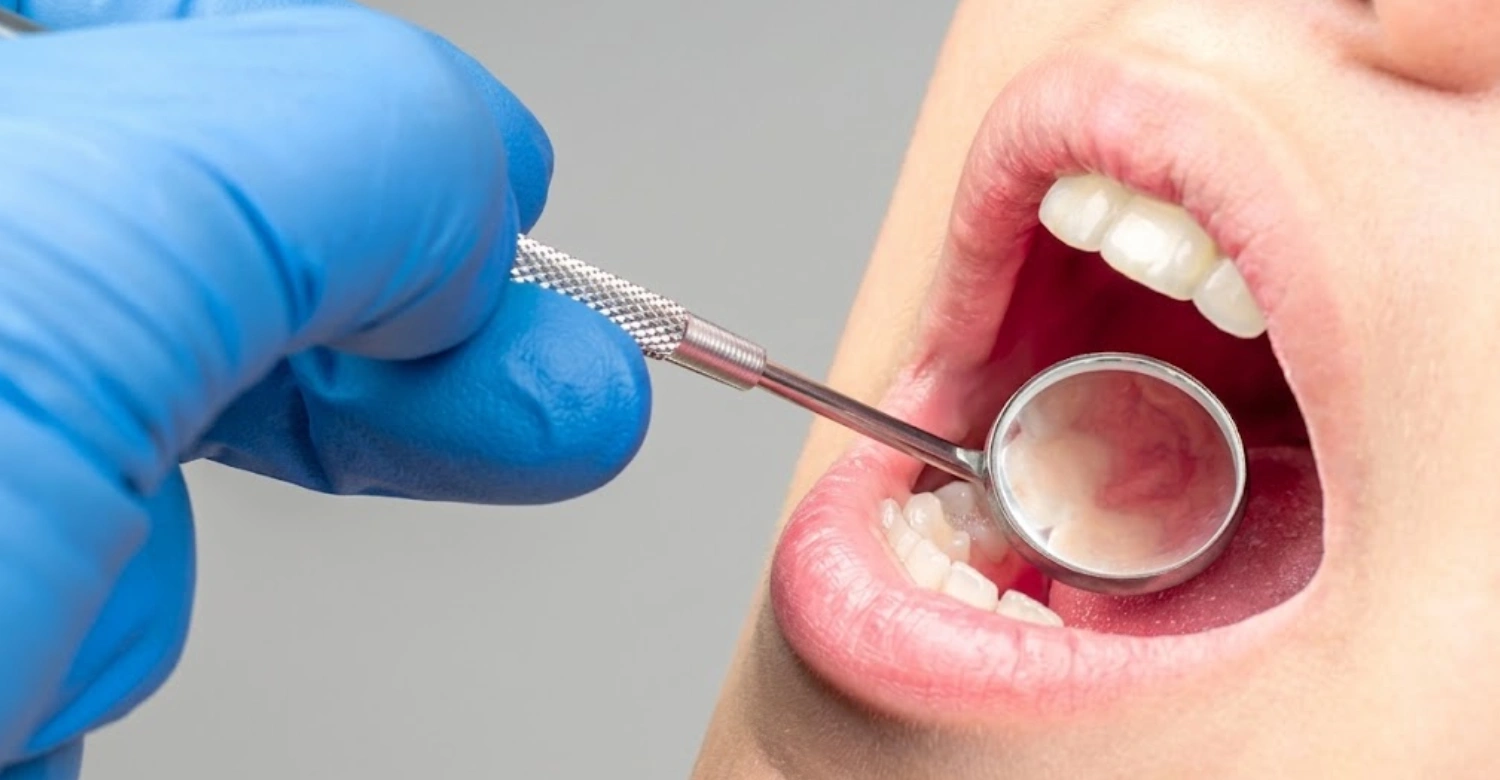
How Can Inflammatory Lesions of the Mouth Look?
Inflammatory lesions of the mouth vary widely in appearance. Some present as red, swollen patches, while others form ulcers with a white or yellow center surrounded by a red halo. Size, texture, and location differ depending on the underlying cause. Some lesions are flat, others raised or fluid-filled. This visual diversity is why professional evaluation matters, since similar-looking lesions can stem from very different underlying processes.
What Are the Causes of Oral Inflammatory Lesions?
Causes of oral inflammatory lesions fall into three broad categories: local irritation, infections, and systemic or immune-related conditions. Plaque buildup, trauma, and dental appliances are frequent local triggers. Bacterial, fungal, and viral infections also play a significant role, as do immune conditions and nutritional deficiencies. Identifying the specific cause behind this type of oral lesion is essential, since treatment approaches differ significantly depending on the underlying trigger.
Local Causes
Local causes of oral inflammatory lesions stem from direct physical or chemical irritation within the mouth. Plaque accumulation, biting injuries, and poorly fitting dental restorations are common examples. These triggers cause tissue to react defensively, producing redness and swelling. Removing the irritant, whether through improved hygiene or adjusting a dental appliance, usually resolves lesions caused by local factors. More extensive treatment usually isn't required.
Plaque and Calculus Accumulation
Plaque and calculus accumulation along the gumline is one of the most common causes of oral inflammatory lesions. Bacteria within plaque release toxins that irritate gum tissue, triggering redness and swelling. If plaque hardens into calculus, it becomes more difficult to remove through brushing alone. Professional cleaning is often necessary to fully address plaque-related inflammatory lesions of oral cavity and prevent recurrence.
Trauma and Irritation
Trauma and irritation from biting, aggressive brushing, or sharp tooth edges frequently trigger inflammatory lesions of the mouth. These injuries cause localized tissue damage, prompting an inflammatory response. Most trauma-related lesions heal once the irritating factor is removed. However, repeated injury to the same site can lead to chronic inflammation. This occasionally requires evaluation to rule out other contributing causes.
Dental Restorations and Appliances
Dental restorations and appliances, such as crowns, fillings, or orthodontic devices, can cause these lesions when they don't fit properly. Rough edges or overhanging margins irritate surrounding soft tissue with repeated contact. Adjusting or replacing the restoration typically resolves the irritation. Patients wearing dental appliances should report persistent soreness so adjustments can be made before lesions become more significant.
Infectious Causes
Infectious causes of oral inflammatory lesions include bacterial, fungal, and viral agents that trigger the body's immune response. These infections can affect gum tissue, mucosa, or both, often producing swelling, redness, and sometimes ulceration. Because infectious lesions can be contagious or progressive, proper identification is important for effective treatment. Addressing the underlying infection directly is necessary alongside managing the inflammatory symptoms themselves.
Bacterial Infections
Bacterial infections are a leading cause of inflammatory gum lesions, particularly when plaque bacteria accumulate along the gumline. Left unaddressed, bacterial buildup can escalate from mild gingivitis toward more serious periodontal inflammation. Symptoms include redness, swelling, and bleeding. Professional cleaning combined with improved home hygiene routines is typically effective. It resolves bacteria-driven inflammatory lesions of oral cavity before complications develop.
Fungal Infections
Fungal infections, most notably candidiasis, cause oral tissue reactions that appear as white patches or red, sore areas. Risk factors include dry mouth, denture use, and weakened immunity. These lesions may cause burning discomfort or altered taste sensation. Antifungal medication, combined with addressing contributing factors like denture hygiene, generally clears fungal-related oral inflammation and lesions within a short treatment period.
Viral Infections
Viral infections, such as herpes simplex, can trigger painful inflammatory lesions of the mouth. These often appear as clusters of small blisters that rupture into ulcers. These lesions may recur periodically, particularly during periods of stress or lowered immunity. While antiviral treatment can shorten outbreaks, managing triggers helps reduce recurrence. Viral-associated lesions require careful diagnosis to distinguish them from other inflammatory or infectious causes.
Systemic and Immune-Related Causes
Systemic and immune-related causes of oral inflammatory lesions arise from conditions affecting the whole body rather than the mouth alone. Immune-mediated disorders, nutritional deficiencies, and medication reactions can all manifest as inflammatory lesions of oral cavity. These cases often require broader evaluation beyond dental examination. Addressing the systemic factor is necessary to fully resolve recurring or persistent oral lesions.
Immune-Mediated Conditions
Immune-mediated conditions can cause the body's immune system to react abnormally against oral tissue, producing chronic or recurring inflammatory lesions. These lesions may appear as ulcers, white patches, or persistent redness that doesn't respond to typical local treatment. Because immune-related oral inflammation and lesions often signal broader health concerns, professional assessment is recommended. At times, collaboration with medical specialists is needed for accurate management.
Nutritional Deficiencies
Nutritional deficiencies, particularly in vitamin B12, iron, or folate, are recognized causes of oral inflammatory lesions. Deficiency-related lesions often present as recurrent mouth ulcers, a sore or inflamed tongue, or cracking at the corners of the mouth. Correcting the underlying nutritional gap, alongside supportive oral care, typically resolves these tissue reactions. It also reduces the likelihood of recurrence over time.
Medication-Related Reactions
Medication-related reactions can cause inflammatory lesions of oral cavity as a side effect of certain drugs, including some used for blood pressure, seizures, or chemotherapy. These reactions may present as gum overgrowth, ulceration, or dry mouth leading to further irritation. Reviewing medication history with a healthcare provider helps determine whether a drug reaction is contributing to persistent or unusual inflammatory lesions of the mouth.
Why Identifying the Cause Matters
Identifying the exact cause behind this kind of oral lesion matters because treatment approaches differ significantly. A lesion caused by local trauma resolves differently than one linked to infection or a systemic condition. Misdiagnosis can lead to ineffective treatment or overlooked underlying health issues. A thorough evaluation ensures that both the visible lesion and its root cause are properly addressed for lasting resolution.
Tips for Patients
Do not pick, scratch, or repeatedly touch the lesion.
Avoid foods that clearly worsen irritation.
Maintain gentle oral hygiene.
Do not stop prescribed medication without professional advice.
Take note of when the lesion appeared.
Photograph recurring lesions if they change before the dental appointment.
Tell your dentist about medications, recent dental procedures, trauma, or recurring symptoms.
Seek prompt assessment if the lesion persists, enlarges, becomes unusually painful, or is associated with other concerning symptoms.
What Are the Symptoms of Oral Inflammatory Lesions?
Symptoms of oral inflammatory lesions typically include redness, swelling, tenderness, and sometimes ulceration or bleeding. Patients may notice discomfort while eating, drinking, or brushing near the affected area. Some lesions cause a burning sensation, while others remain relatively painless despite visible changes. Recognizing these symptoms early allows patients to seek timely dental evaluation before the condition worsens or recurs.
Symptoms of Oral Inflammatory Lesions
Beyond general redness and swelling, symptoms of oral inflammatory lesions can include altered taste, sensitivity to temperature, and visible texture changes in the affected tissue. Gum-related lesions may bleed during brushing, while mucosal lesions often present as painful ulcers. Severity and duration vary depending on cause. Tracking these symptoms helps a dentist narrow down whether the lesion stems from local irritation, infection, or a systemic factor.
When Should Patients See a Dentist?
Patients should see a dentist when inflammatory lesions of oral cavity persist beyond two weeks, recur frequently, or interfere with eating and speaking. Lesions accompanied by fever, significant swelling, or spreading redness also warrant prompt evaluation. Early assessment prevents minor irritation from progressing into a more serious condition. It also allows appropriate treatment to begin sooner.
When Is an Oral Lesion Considered Concerning?
An oral lesion becomes concerning when it persists for more than two to three weeks, grows in size, changes color or texture, or bleeds without clear cause. Lesions accompanied by numbness, difficulty swallowing, or unexplained weight loss also require prompt attention. While most of these inflamed lesions are benign, these warning signs justify professional evaluation to rule out more serious underlying conditions.
How Is the Diagnosis of Oral Inflammatory Lesions Made?
Diagnosis of oral inflammatory lesions begins with a thorough clinical examination, where the dentist assesses the lesion's appearance, location, and duration. Additional diagnostic tests may be used when the cause isn't clear from visual inspection alone. Combining clinical observation with patient history allows for accurate identification. It helps determine whether a lesion stems from local irritation, infection, or a systemic condition requiring broader evaluation.
Clinical Examination
Clinical examination is the first step in diagnosing inflammatory lesions of oral cavity. The dentist visually inspects the lesion's size, color, texture, and location, while also palpating the area to check for tenderness or firmness. Patient history regarding onset, duration, and possible triggers is gathered alongside the physical exam. This combination often provides enough information to identify common inflammatory mouth lesions accurately.
Additional Diagnostic Tests
Additional diagnostic tests may be recommended when a lesion's cause isn't clear from clinical examination alone. These can include swabs to identify fungal or bacterial infections, blood tests to check for nutritional deficiencies, or, in select cases, a biopsy to rule out more serious tissue changes. These tests support accurate diagnosis of oral inflammatory lesions, particularly for persistent or unusual presentations.
What Does a Dentist Look for During Examination?
During examination, a dentist looks for the lesion's size, shape, color, border definition, and surrounding tissue condition. They also assess whether the lesion is single or multiple, and whether it correlates with a nearby local irritant like a sharp tooth or ill-fitting appliance. This detailed observation helps distinguish such inflamed tissue from infectious or potentially more serious oral conditions.
What Are the Treatment Options for Inflammatory Lesions in the Mouth?
Treatment for inflammatory lesions in the mouth depends entirely on the underlying cause. Options range from improved oral hygiene and removing local irritants to antifungal or antibacterial medication for infections. Gum-related inflammation often requires professional cleaning, while persistent or unusual lesions may need further investigation. Personalized treatment ensures that both the visible lesion and its root cause are addressed effectively.
Treatment for Inflammatory Lesions in the Mouth
Treatment for inflammatory lesions in the mouth is tailored to the specific cause identified during diagnosis. Local irritation is addressed by removing the trigger, while infections require targeted antimicrobial treatment. Gum-related inflammation often benefits from professional cleaning and improved hygiene routines. In more complex cases, treatment may involve coordinating with medical providers. This helps manage systemic contributors to oral inflammation and lesions.
Improving Oral Hygiene
Improving oral hygiene is a foundational step in treating many inflammatory lesions of oral cavity, particularly those linked to plaque accumulation. Gentle, consistent brushing and flossing reduce bacterial buildup that irritates gum tissue. Patients may also be advised to use a soft-bristled brush or antimicrobial rinse during healing. Better hygiene habits often prevent recurrence of plaque-related inflammatory gum lesions over time.
Treating Local Irritation
Treating local irritation involves identifying and removing the source, whether it's a sharp tooth edge, ill-fitting restoration, or repetitive biting habit. Once the irritant is addressed, inflammatory lesions of the mouth typically heal on their own within one to two weeks. In some cases, a protective dental adjustment or temporary appliance is used to prevent further irritation while the tissue recovers.
Treating Oral Infections
Treating oral infections that cause these irritated tissues depends on the specific pathogen involved. Bacterial infections may require antibiotics or professional cleaning. Fungal infections respond to antifungal medication. Viral infections are managed with antiviral treatment alongside supportive care. Accurate identification of the infectious cause ensures that treatment directly targets the source of oral inflammation and lesions.
Managing Gum-Related Inflammation
Managing gum-related inflammation typically starts with professional cleaning to remove plaque and calculus buildup along the gumline. Patients are guided on improved brushing and flossing techniques to maintain results at home. For more advanced inflammatory gum lesions, additional periodontal care may be recommended. Consistent follow-up helps ensure gum tissue heals properly and inflammation doesn't recur.
Managing Persistent or Unusual Lesions
Managing persistent or unusual inflammatory lesions of oral cavity requires closer investigation beyond standard treatment. If a lesion doesn't respond to typical care within the expected timeframe, further diagnostic testing may be necessary. This can include biopsy or referral for broader medical evaluation. Careful monitoring ensures that lesions with a more complex underlying cause receive appropriate, personalized attention.
Clinical Note
Clinical experience shows that these oral tissue changes are rarely identical in cause, even when they appear similar. Treating the underlying trigger, rather than the lesion alone, produces more reliable, lasting results. This clinical perspective shapes how assessment and treatment planning are approached for every patient presenting with oral inflammation and lesions.
A Dentist Should Treat the Cause, Not Just the Lesion
A dentist should treat the underlying cause of inflammatory lesions of oral cavity, not just the visible symptom. Addressing only surface-level redness or swelling without identifying the trigger often leads to recurrence. Whether the cause is local irritation, infection, or a systemic factor, resolving it directly supports genuine healing. This is more effective than temporary relief from inflammatory lesions of the mouth.
Why Similar-Looking Lesions Can Have Different Causes
Similar-looking oral lesions can stem from entirely different causes, since redness and swelling are a general tissue response rather than a specific diagnostic marker. A red, swollen area could reflect trauma, infection, or an immune reaction. This is why visual appearance alone isn't sufficient. Thorough clinical evaluation remains essential for accurate diagnosis of oral inflammatory lesions.
When Further Investigation May Be Needed
Further investigation may be needed when inflammatory lesions of oral cavity don't follow an expected healing pattern. This includes lesions that persist, recur without explanation, show unusual tissue changes, or lack an obvious local cause. In these situations, additional testing or referral ensures that no underlying condition is overlooked while managing the visible inflammatory lesion.
Persistent Lesions
Persistent lesions that last beyond the typical two-to-three-week healing window warrant closer evaluation. While many of these inflammatory lesions resolve on their own, lesions that linger may indicate an unresolved local irritant or an underlying condition. This may require more targeted intervention. Monitoring duration is a key part of determining whether further diagnostic steps are necessary.
Recurrent Unexplained Lesions
Recurrent unexplained lesions that appear repeatedly without a clear trigger raise the possibility of a systemic or immune-related cause. These inflammatory lesions of oral cavity may follow a pattern, appearing in similar locations or during specific circumstances. Documenting recurrence helps a dentist identify whether broader evaluation is needed. This can uncover the underlying contributing factor.
Unusual Tissue Changes
Unusual tissue changes, such as unexpected texture, color, or borders that don't match typical inflammatory presentations, warrant further attention. While most inflammatory lesions of the mouth follow predictable patterns, atypical features are a signal for additional diagnostic testing. Careful observation of these changes helps rule out more complex underlying causes requiring specialized care.
Lesions Without an Obvious Local Cause
Lesions without an obvious local cause, meaning no clear trauma, dental appliance, or plaque buildup nearby, may point toward systemic or immune-related origins. Such lesions require broader evaluation, since no local trigger is available to remove. Identifying a non-local cause often involves reviewing medical history and, at times, additional testing.
What Can Patients Do to Prevent Oral Inflammatory Lesions?
Preventing oral inflammatory lesions relies on consistent daily hygiene, regular professional care, and managing lifestyle irritants. Reducing plaque buildup, addressing dental issues promptly, and avoiding known triggers all lower the risk of recurring lesions. Prevention is generally more effective and comfortable than treating lesions after they develop.
Daily Oral Hygiene
Daily oral hygiene, including gentle brushing twice a day and regular flossing, is the most effective way to prevent plaque-related mouth lesions. Using a soft-bristled brush reduces trauma to gum tissue, while antimicrobial rinses can help control bacteria. Consistency matters more than intensity, since aggressive brushing can itself become a source of irritation.
Professional Preventive Care
Professional preventive care, including regular dental cleanings and checkups, helps catch early signs of inflammatory lesions of oral cavity before they progress. Professional cleaning removes calculus that home brushing cannot address. Routine exams allow a dentist to spot ill-fitting restorations or appliances early. Consistent preventive visits significantly reduce the likelihood of recurring oral inflammation and lesions.
Lifestyle and Irritant Control
Lifestyle and irritant control involves avoiding known triggers such as very spicy or acidic foods, tobacco use, and habits like cheek or lip biting. Managing stress can also reduce the frequency of certain inflammatory lesions of the mouth, such as aphthous ulcers. Small adjustments to daily habits often meaningfully lower the risk of recurring this type of oral lesion.
What Can Patients Expect Before and After Treatment?
Patients can expect a thorough assessment before treatment, a personalized approach during care, and gradual healing afterward. Recovery timelines vary depending on the lesion's cause and severity. Understanding what to expect at each stage helps patients feel more prepared and confident throughout treatment.
What Happens Before Treatment?
Before treatment, a dentist conducts a thorough evaluation of the inflammatory lesion, reviewing its appearance, duration, and any relevant medical or dental history. Additional diagnostic tests may be ordered if the cause isn't immediately clear. This assessment stage ensures the treatment plan directly targets the specific cause behind the patient's lesions, rather than addressing symptoms alone.
What Happens During Treatment?
During treatment, the approach depends on the identified cause of the inflammatory lesion. This may involve professional cleaning, adjusting a dental restoration, prescribing antimicrobial medication, or a combination of these steps. Treatment sessions are generally straightforward and well-tolerated. Patients are guided on any home-care adjustments needed to support healing.
What Happens After Treatment?
After treatment, patients typically notice gradual improvement in redness, swelling, and discomfort within days to a couple of weeks. Follow-up guidance often includes maintaining improved oral hygiene and avoiding known irritants. If a lesion doesn't respond as expected, a follow-up visit allows the dentist to reassess. The approach can then be adjusted to fully resolve the inflammatory lesion.
How Long Does Recovery Usually Take?
Recovery time for inflammatory lesions of oral cavity varies depending on cause and severity. Minor, locally caused lesions often heal within one to two weeks once the irritant is removed. Infection-related lesions may take slightly longer, depending on treatment response. Lesions linked to systemic or immune factors can take longer still, particularly if broader management is required alongside local care.
What Is the Difference Between Inflammatory Lesions and Other Oral Lesions?
These oral tissue reactions differ from infectious, traumatic, and potentially serious oral lesions in their underlying mechanism and progression. Inflammation is the body's protective response. Infectious lesions stem directly from a pathogen, traumatic lesions from physical injury, and serious lesions may involve abnormal tissue growth. Distinguishing between these categories guides appropriate diagnosis and treatment for inflammatory lesions in the mouth.
Inflammatory vs Infectious Lesions
Inflammatory lesions of oral cavity reflect a general tissue response, while infectious lesions are caused directly by a specific bacterial, viral, or fungal pathogen. Infectious lesions often show signs like discharge, characteristic patterns, or spread to nearby tissue. Though inflammation frequently accompanies infection, not every inflammatory lesion is infectious. This is why identifying the exact cause matters for effective treatment.
Inflammatory vs Traumatic Lesions
Inflammatory lesions of the mouth caused by trauma result directly from physical injury, such as biting or a sharp dental edge. They typically resolve once the source is removed. Broader inflammatory lesions may persist even without an identifiable injury, pointing toward infection or a systemic cause. Recognizing this distinction helps determine whether removing a local irritant is sufficient for resolution.
Inflammatory vs Potentially Serious Oral Lesions
These tissue reactions are generally benign and resolve with appropriate care. Potentially serious oral lesions, by contrast, may involve abnormal tissue growth, irregular borders, or persistence beyond expected healing timeframes. Warning signs include lesions that don't heal, change unexpectedly, or bleed without cause. Professional evaluation helps distinguish routine inflammatory lesions from those requiring more urgent, specialized assessment.
What We Notice Clinically
Dr. Rifat Alsaman, Head of the Medical Team at Vitrin Clinic and a cosmetic dentist, notes that inflammatory lesions of oral cavity require careful, individualized assessment rather than a one-size-fits-all approach. In his clinical perspective, evaluating a lesion's appearance, exact location, duration, associated symptoms, and possible triggers together provides a far clearer picture. This is truer than examining any single factor alone, supporting more accurate diagnosis.
Dr. Rifat Alsaman's Patient Guidance
Dr. Rifat Alsaman advises patients against repeatedly self-treating unexplained inflammatory lesions of oral cavity, since masking symptoms can delay identification of the true underlying cause. Professional assessment is recommended whenever a lesion persists, recurs, or doesn't respond to basic care. He emphasizes that personalized diagnosis and treatment planning consistently lead to more reliable, lasting outcomes for patients.
Why Choose Vitrin Clinic for Oral Health Assessment?
Vitrin Clinic offers thorough, personalized assessment for patients experiencing these inflamed lesions, supported by modern diagnostic tools and individualized treatment planning. Choosing professional evaluation over guesswork ensures that both the visible lesion and its root cause are properly addressed. This supports more effective, longer-lasting results for oral health.
Professional Assessment at Vitrin Clinic
Professional assessment at Vitrin Clinic begins with a detailed clinical examination of the inflammatory lesion, combined with a thorough review of patient history. This structured process helps accurately identify whether a lesion stems from local irritation, infection, or a broader underlying condition. It ensures the treatment plan addresses the actual cause of the patient's oral inflammation and lesions.
Technology and Treatment Planning
Technology and treatment planning at Vitrin Clinic support accurate diagnosis of oral inflammatory lesions through digital tools and imaging used when clinically indicated. This combination allows the clinical team to build an individualized treatment plan tailored to each patient's specific presentation. It avoids applying a generic approach to inflammatory lesions of oral cavity.
Digital Diagnostic Tools
Digital diagnostic tools support accurate evaluation of inflamed tissue by allowing detailed visual documentation and tracking of changes over time. This technology helps the clinical team monitor how a lesion progresses or responds to treatment. It supports more informed decision-making throughout the diagnostic and treatment process.
Dental Imaging When Clinically Indicated
Dental imaging is used when clinically indicated to investigate inflammatory lesions of oral cavity that may involve underlying structures, such as a partially erupted tooth or bone-related changes. This additional information helps confirm diagnosis and rules out other contributing factors. It ensures treatment addresses the full scope of the patient's condition.
Individualized Treatment Planning
Individualized treatment planning at Vitrin Clinic accounts for each patient's specific lesion type, cause, and health history. Rather than applying a standard protocol, the clinical team tailors treatment for inflammatory lesions in the mouth to match the individual case. This supports more effective outcomes and reduces the likelihood of recurrence.
Patient-Centred Dental Care
Patient-centred dental care at Vitrin Clinic prioritizes clear communication, thorough assessment, and personalized guidance for patients dealing with these irritated tissues. Patients are encouraged to share their full history and concerns. This supports a collaborative approach that leads to more accurate diagnosis and a treatment plan suited to their specific needs.
Final Thoughts: Understanding Inflammatory Lesions of Oral Cavity
These oral tissue changes range from simple, self-resolving irritation to signs of infection or systemic conditions requiring broader evaluation. Understanding common types, causes, symptoms, and treatment for inflammatory lesions in the mouth empowers patients to respond appropriately when lesions appear. Professional assessment remains essential for lesions that persist, recur, or present unusual features. Alongside proper treatment, consistent prevention through daily hygiene and regular dental examinations plays a central role. It helps reduce the frequency and severity of oral inflammation and lesions over time.
Book a Dental Consultation at Vitrin Clinic
Patients experiencing persistent, recurrent, painful, or unexplained inflammatory lesions of oral cavity are encouraged to arrange a consultation for a personalized free treatment plan. A thorough evaluation helps identify the underlying cause and guides an effective, tailored approach to care. Book a consultation at Vitrin Clinic today to address inflammatory lesions of the mouth with professional, individualized support.
References:
FAQs
Dr. Rifat Alsaman has more than 5 years of clinical experience in dentistry and currently serves as the Head of the Medical Team at Vitrin Clinic. He is dedicated to providing exceptional patient care, overseeing treatment planning, and ensuring the highest clinical standards across the team. His expertise, attention to detail, and commitment to continuous professional development have helped countless patients achieve healthier, more confident smiles.


.webp&w=3840&q=75)

