General Dentistry
August 26, 2026
How to Fix Dehydrated Teeth: Causes, Treatment & How to Rehydrate Teeth
 Dr. Rifat Alsaman
If you're wondering how to fix dehydrated teeth, the short answer is simple. Most cases are temporary. They resolve once your enamel is exposed to saliva again. Teeth can look chalky, dull, or unusually white after whitening treatments. This also happens after prolonged mouth opening, or sleeping with your mouth open. Understanding the causes, learning how to rehydrate teeth, and knowing when a change is more than cosmetic all matter for long-term oral health. This guide walks through the causes, practical ways to support hydration, and when a professional evaluation makes sense.
What Are Dehydrated Teeth?
Before covering treatment options, it helps to understand what the term actually describes. It's also useful to know why enamel reacts this way in the first place.
What Does Tooth Dehydration Mean?
Tooth dehydration happens when enamel temporarily loses moisture. This often follows whitening treatments that use hydrogen or carbamide peroxide. These agents open microscopic pores in the enamel and draw water out. That's part of why people search for solutions right after a whitening session. The effect is usually cosmetic rather than structural.
What Do Dehydrated Teeth Look Like?
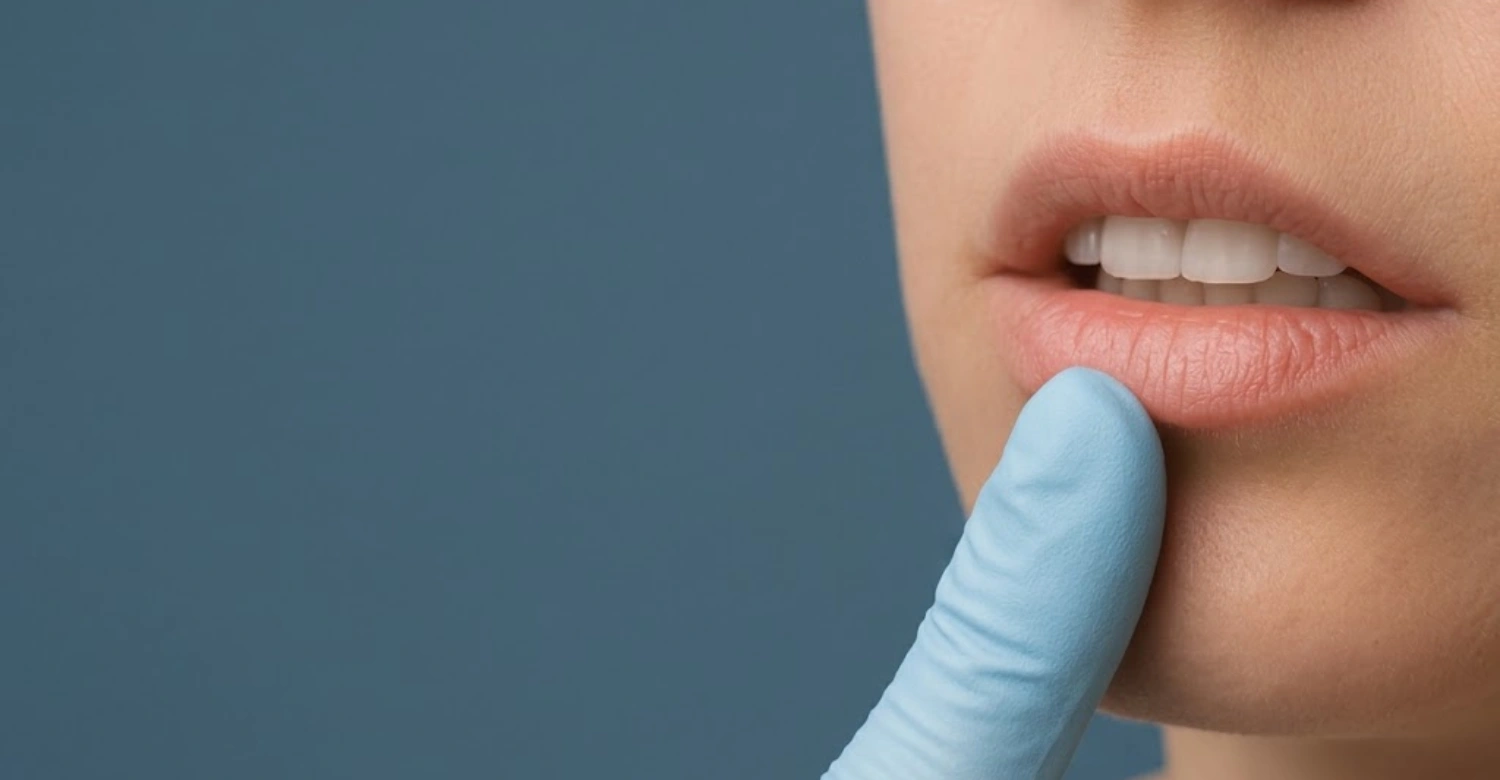
Dehydrated teeth often appear chalky, dull, or noticeably whiter in patches compared to the surrounding enamel. This can look uneven right after a dental procedure or a night of mouth breathing. The appearance is a hydration issue, not a sign that the tooth itself has changed shape or strength. It usually fades within a short window. Recognizing this pattern is often the first useful clue when researching the topic.
Is Tooth Dehydration the Same as Enamel Damage?
No. Temporary dehydration resolves on its own as saliva restores moisture. Enamel erosion or mineral loss, by contrast, is a structural change that doesn't reverse by itself. If white or chalky areas last beyond one to two weeks, or feel rough to the tongue, have them checked. Don't assume it's simple dehydration. This distinction is central to addressing the issue correctly instead of guessing.
What Causes Dehydrated Teeth?
Several everyday and clinical factors explain tooth enamel dehydration. Understanding them is the first real step toward a lasting solution.
What Are the Main Dry Teeth Causes?
Common dry teeth causes include whitening treatments, reduced saliva flow, mouth breathing, prolonged mouth opening during dental work, and dry indoor air. Saliva plays a constant, quiet role in keeping enamel hydrated. Anything that interrupts its flow, even briefly, can leave teeth looking temporarily lighter or duller than usual. Identifying which cause applies to you is a practical starting point.
How Does Dry Mouth Affect Teeth?
Saliva neutralizes acids, washes away food particles, and supplies minerals that support enamel. When dry mouth sets in, that protective layer thins out. This makes enamel more vulnerable to acid attacks. It also gives it a duller, sometimes chalky appearance that people associate with dehydration. This overlap is one reason the questions often circle back to saliva health.
Can Dry Mouth Cause Tooth Decay?
Yes. Persistent dry mouth raises decay risk because there isn't enough saliva to buffer acids or rinse away bacteria and food debris. Over time, this can lead to more cavities, particularly along the gumline. That's one reason chronic dryness shouldn't be dismissed as purely cosmetic. It also means the solution sometimes overlaps with managing a broader dry mouth condition, not just appearance.
Can Dental Procedures Make Teeth Look Dehydrated?
Whitening is the most common trigger. The same peroxide agents that lift stains also pull moisture from enamel, producing a chalky look right after treatment. Prolonged mouth opening during cleanings or restorative work can have a similar, milder effect. Neither typically causes lasting harm on its own.
Clinical Note
Persistent changes in tooth color, texture, sensitivity, or surface smoothness that don't settle after a couple of weeks deserve a professional look. They can point to something beyond simple, temporary dehydration.
How to Fix Dehydrated Teeth?
This section covers the practical part: what actually helps once you've noticed the chalky or uneven look, and what just takes time.
Fixing Dehydrated Teeth Naturally
The most reliable approach is to let saliva do its job. Drink water consistently through the day. Avoid excessive mouth breathing when possible. Give your enamel time to reabsorb moisture after any whitening session or dental appointment.
How to Rehydrate Teeth
Rehydrating teeth mostly comes down to patience and normal saliva exposure. Once your mouth returns to its usual moisture levels, typically within a day or two, enamel reabsorbs water. The chalky or overly bright patches tend to blend back into your natural tooth color. This natural process is usually the full answer after whitening.
Does Drinking Water Rehydrate Teeth?
Water supports saliva production and helps maintain a healthy oral environment. This indirectly helps hydration return to normal. However, water alone can't rebuild enamel that has already been structurally lost. It supports the process rather than repairing mineral loss on its own. Keeping this distinction clear helps set realistic expectations for hydration alone.
How Long Does It Take for Teeth to Rehydrate?
Most temporary dehydration, including the rebound effect after whitening, improves within 24 to 72 hours. Continued gradual improvement follows over the next week. The exact timeframe depends on the cause, your saliva flow, and individual oral conditions, so some variation between people is normal.
Tips for the Patients
Drink water regularly throughout the day
Avoid excessive acidic or sugary drinks
Maintain consistent brushing and flossing habits
Address ongoing dry mouth rather than ignoring it
What Is Dehydrated Teeth Treatment?
Not every case needs active treatment. Knowing when it does is part of handling this responsibly rather than guessing.
What Is the Best Dehydrated Teeth Treatment?
The right treatment depends on the underlying cause. Simple post-whitening dehydration usually needs nothing beyond time and hydration. Dry mouth, enamel erosion, or mineral loss may call for targeted care instead. A professional assessment helps determine which category a specific case falls into. That's why there isn't a single one-size-fits-all answer.
Can Fluoride Help Strengthen Dehydrated Teeth?
Topical fluoride can help strengthen enamel and improve its resistance to acid. This is particularly true in cases involving early mineral loss. It won't reverse dehydration itself, since that resolves through saliva. But it supports the enamel underneath, and is a common piece of strengthening tooth enamel over time.
How Can You Remineralize Teeth?
Remineralizing teeth starts with understanding that saliva, fluoride, and minerals like calcium and phosphate work together. They rebuild weakened enamel surfaces. Remineralizing early, minor mineral loss is different from replacing enamel that has already eroded away, which cannot be regrown.
Clinical Note
Remineralization works best when enamel loss is caught early. The underlying cause, whether diet, dry mouth, or acid exposure, should be addressed at the same time, rather than treated as a standalone fix.
How to Strengthen Tooth Enamel?
Protecting enamel makes it less reactive to whitening, dryness, or acid exposure in the first place.
What Weakens Tooth Enamel?
Enamel weakens from repeated acid exposure through diet, plaque buildup from inconsistent oral hygiene, and chronic dry mouth. Over time, these factors can lead to mineral loss that goes beyond what simple rehydration can fix. That's why prevention matters as much as treatment in the long run.
How Can You Protect and Strengthen Enamel?
Fluoride toothpaste, careful brushing technique, and limiting acidic foods and drinks all help. Staying hydrated and keeping up with regular dental checkups round out the picture. None of these reverse existing damage instantly, but together they reduce future risk significantly. They form the foundation of prevention before problems start.
Can Dehydration Permanently Damage Enamel?
Temporary dehydration on its own does not permanently damage enamel. It resolves as moisture returns. Permanent damage comes from separate processes like acid erosion or long-term mineral loss. That's why distinguishing dehydration from actual enamel damage matters before deciding on any treatment.
Tips for the Patients
Use fluoride toothpaste as directed by your dentist
Avoid brushing immediately after acidic foods or drinks
Keep saliva flowing through steady hydration
Follow personalized recommendations rather than generic advice
How to Prevent Tooth Dehydration?
Prevention is often simpler than treatment. It's a practical extension of the everyday habits behind this issue.
How Can You Prevent Tooth Dehydration?
Prevention comes down to steady hydration and supporting saliva flow. Keeping up good oral hygiene matters too. Avoid prolonged mouth dryness where possible, whether during sleep, illness, or dental appointments. These small habits make the issue a non-issue most of the time.
How Does Saliva Protect Teeth From Dehydration?
Saliva lubricates the mouth and buffers acids before they can damage enamel. It also supplies minerals that help maintain a stable, hydrated surface. This constant, low-level protection is why interruptions to saliva flow are so closely linked to visible dehydration and discoloration.
Can Mouth Breathing Cause Dry Teeth?
Yes. Breathing through the mouth, especially overnight or during a cold, dries out the front teeth. This can leave temporary dehydration spots by morning. Addressing the underlying reason for chronic mouth breathing, when there is one, helps reduce how often this happens.
Clinical Note
Ongoing oral dryness shouldn't be treated as a purely cosmetic concern. It can also raise the risk of cavities and gum irritation over time.
Dehydrated Teeth vs. Dry Mouth: What's the Difference?
These terms get used interchangeably, but the difference is useful context for anyone comparing the two conditions.
Are Dehydrated Teeth and Dry Mouth the Same Thing?
Not exactly. Tooth dehydration refers to enamel temporarily losing moisture, often after whitening. Dry mouth (xerostomia) describes an ongoing lack of saliva throughout the mouth. Reduced saliva can indirectly affect tooth surfaces, but the two are distinct conditions with different causes and timelines. Managing chronic dry mouth isn't always the same process as treating a single whitening rebound.
What Are the Signs of Dry Mouth and Teeth Problems?
Signs connecting dry mouth and teeth issues include a sticky or dry feeling in the mouth, increased thirst, and difficulty swallowing. Persistent bad breath, tooth sensitivity, and a higher rate of cavities are common too. These signs tend to be ongoing rather than resolving within a day or two.
Can Dry Mouth Increase the Risk of Tooth Decay?
Yes. Reduced saliva means less natural protection against acids and bacteria. This raises decay risk over time. It's a key reason chronic dryness is worth addressing directly, rather than only treating the cosmetic appearance of the teeth.
Vitrin Clinic: Professional Assessment for Dehydrated Teeth
For anyone still unsure how to fix dehydrated teeth in their own case, a professional assessment removes the guesswork. It points to the right next step.
How Can Vitrin Clinic Help With Dehydrated Teeth?
Vitrin Clinic assesses unusual changes in tooth appearance. The goal is to determine whether they relate to temporary dehydration, dry mouth, enamel changes, or another underlying dental concern. Rather than assuming every white or dull-looking tooth is simple dehydration, the clinic focuses on identifying the actual cause first. Guidance is then offered based on each patient's specific situation.
What Can Patients Expect at Vitrin Clinic?
A visit typically includes an examination of the teeth and gums, and an evaluation of enamel condition. The team also discusses contributing factors such as whitening history, hydration habits, or dry mouth symptoms. From there, they offer recommendations personalized to the patient's specific oral condition.
What We Notice Clinically
Dr. Rifat Alsaman, Head of the Medical Team at Vitrin Clinic and a cosmetics dentist, routinely distinguishes temporary aesthetic changes, like post-whitening dehydration, from conditions that require active treatment. This clinical approach positions the clinic around diagnosis and prevention first. Cosmetic and restorative options are considered only once the underlying cause is clear.
Clinical Note
Cosmetic treatment should only be considered after the underlying reason for a change in tooth appearance has been properly identified. Don't treat every white patch the same way.
Resource:
In conclusion, addressing tooth dehydration can help restore a healthier appearance and support overall oral health. The study published in PMC9683880 highlights that tooth dehydration can temporarily increase enamel opacity and make teeth appear whiter, particularly during dental procedures. This reinforces the importance of maintaining proper hydration. Let teeth return to their natural moisture level before evaluating their color.
https://pmc.ncbi.nlm.nih.gov/articles/PMC9683880/
FAQs
Dr. Rifat Alsaman has more than 5 years of clinical experience in dentistry and currently serves as the Head of the Medical Team at Vitrin Clinic. He is dedicated to providing exceptional patient care, overseeing treatment planning, and ensuring the highest clinical standards across the team. His expertise, attention to detail, and commitment to continuous professional development have helped countless patients achieve healthier, more confident smiles.


.webp&w=3840&q=75)

