Laser Dentistry
March 10, 2026
Laser Dentistry Recovery Time: What to Expect After Your Procedure
 Dr. Rifat Alsaman
Understanding laser dentistry recovery time helps patients evaluate modern treatments against traditional methods. The healing duration ranges from hours to days depending on procedure complexity, healing capacity, and post-care adherence. Post-treatment recovery is shorter because lasers minimize trauma, reduce bleeding, and promote faster healing.
Patients benefiting from reduced healing times experience less discomfort, minimal swelling, and quicker return to activities. This recovery period varies: soft tissue procedures heal within 24–48 hours, while extensive treatments require several days. Understanding factors affecting this process helps patients prepare, set expectations, and follow care protocols.
This guide explores post-operative recovery from immediate care to long-term healing to help patients optimize outcomes at clinics like Vitrin Clinic.
Important Note :
This article is for informational purposes only.
Vitrin Clinic does not currently offer laser treatments but provides alternative treatment options based on each patient’s individual needs.
you can check out our treatments
Understanding Laser Dentistry and Its Benefits
Understanding laser dentistry fundamentals explains why this healing timeline differs from traditional methods. Laser technology revolutionized dentistry by offering precision and reduced trauma, directly impacting the healing process. Modern lasers deliver concentrated light energy to specific tissues, minimizing damage to surrounding structures. This precision makes the overall recovery substantially shorter and more comfortable than conventional alternatives requiring extensive tissue manipulation.
What is Laser Dentistry?
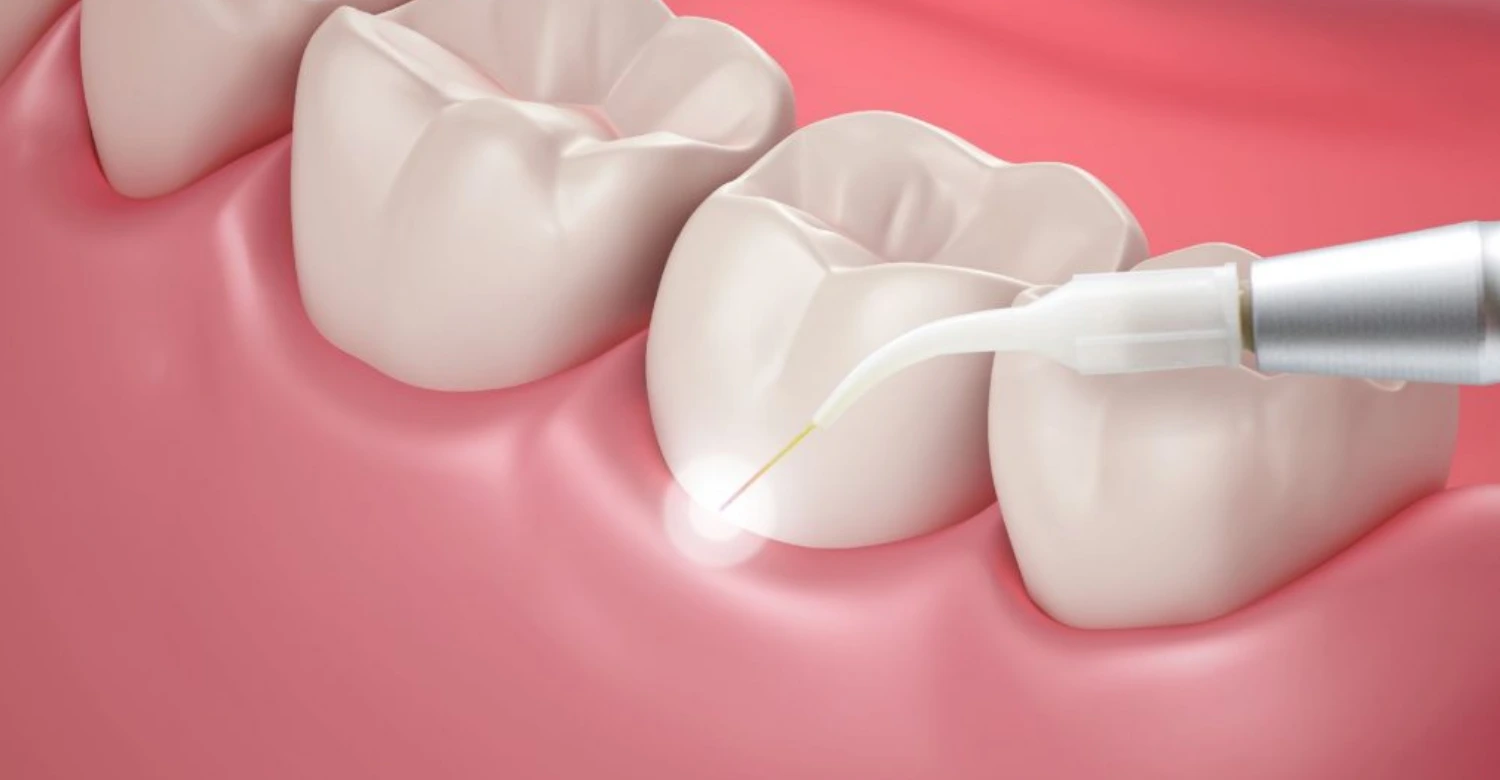
Laser dentistry uses focused light beams for gum reshaping, cavity treatment, whitening, and soft tissue surgeries. Wavelength-specific energy allows dentists to cut or vaporize tissue without traditional instruments. Hard tissue lasers treat teeth, while soft tissue lasers target gums. Learning about laser dentistry benefits reduces patient anxiety and supports informed choices.
Advantages of Laser Dentistry Over Traditional Methods
Advantages include reduced bleeding, minimized pain, lower infection risk, and a significantly shorter healing duration. Lasers cauterize tissues while cutting, improving visibility and sterilizing the area. Preserving healthy tissue creates smaller wounds that heal faster. Patients also experience less anxiety due to reduced noise and vibration compared to traditional drills.
Reduced Pain and Swelling
Reduced pain and swelling directly improve healing times by minimizing post-treatment inflammation. Lasers seal nerve endings during procedures, significantly reducing pain signals and reliance on medication. Precision treatment minimizes unnecessary trauma and swelling, enabling a faster return to normal appearance. Most patients manage residual discomfort with simple over-the-counter pain relievers.
Minimally Invasive Procedures
Minimally invasive laser procedures improve the healing process by preserving healthy tissue structures. Lasers target problem areas with microscopic precision, leaving surrounding healthy tissue intact. This selective interaction means smaller treatment sites, less bleeding, and lower infection risk. Eliminating the need for sutures further simplifies recovery. Researching recovery from therapy clarifies expectations before scheduling treatment.
Typical Recovery Time With Laser Dentistry
Typical recovery time with laser dentistry remains significantly shorter than conventional surgery. Most soft tissue procedures require 24–48 hours for initial healing, with full recovery in 1–2 weeks. Hard tissue treatments like cavity preparation involve minimal recovery beyond brief sensitivity. Understanding this typical healing period helps patients plan time off work, diet, and activities.
Detailed Gum Healing Timeline After Laser Surgery
gum healing timeline laser, laser periodontal therapy timeline, and tissue regeneration weeks 2 to 4.
First 24–48 Hours: Initial Clotting and Recovery
Tissues begin stabilizing and the initial healing response starts. Mild tenderness, redness, or swelling may occur depending on the procedure extent. Patients should protect the area, follow hygiene instructions, and avoid irritating foods.
At Vitrin Clinic, instructions are tailored to the procedure. Dr. Rifat Alsaman, Head of the Medical Team at Vitrin Clinic and a cosmetics dentist, emphasizes protecting treated tissues early to allow natural healing without irritation.
At Vitrin Clinic, recovery instructions are individualized according to the laser procedure performed and the patient's clinical condition. Dr. Rifat Alsaman, Head of the Medical Team at Vitrin Clinic and a cosmetics dentist, emphasizes that the first days are mainly about protecting the treated tissues and allowing the body's natural healing response to begin without unnecessary irritation.
Days 3–7: Early Epithelial Healing Phase
Discomfort and swelling gradually decrease as new surface tissue develops. Patients must continue following specific cleaning, diet, and medication instructions. Dr. Rifat Alsaman notes recovery should show progressive improvement; increasing pain or bleeding warrants evaluation at Vitrin Clinic.
Weeks 2–4: Deep Tissue Regeneration
Tissue regeneration weeks 2 to 4 involve deeper periodontal healing. Although surface appearance improves, underlying connective structures continue maturing.
Healing depends on condition, treatment depth, and biological response. Dr. Rifat Alsaman explains that visible improvement does not mean complete healing, making follow-up evaluations essential.
Weeks 4–6: Complete Structural Maturation
Tissues undergo final structural maturation, appearing healthier and more stable. Because timelines vary, laser periodontal therapy timeline expectations must be individualized. Vitrin Clinic conducts follow-up assessments to evaluate tissue response and determine if further care is needed.
What We Notice Clinically: How Laser-Treated Gums Usually Heal
Normal recovery shows progressive improvement. While mild tenderness or sensitivity occurs, symptoms should gradually settle over time.
At Vitrin Clinic, healing is evaluated clinically rather than relying solely on surface appearance. Dr. Rifat Alsaman emphasizes that periodontal healing occurs in stages, making professional follow-up critical.
Clinical Evaluation: Normal Healing Signs vs. Complications
Normal findings include mild tenderness, temporary redness, minor swelling, and gradual tissue changes. Symptoms should steadily diminish. Vitrin Clinic provides individualized post-operative guidance so patients know what to expect.
Red Flag Warning Signs Requiring Immediate Dental Intervention
Warning signs include severe pain, heavy bleeding, increasing swelling, fever, pus, foul odor, or worsening symptoms.
These signs require prompt professional assessment. Dr. Rifat Alsaman recommends contacting the team immediately if recovery strays from expected progress.
Clinical Note: Understanding Individual Laser Recovery
Laser dentistry lacks a universal recovery timeline. Healing depends on procedure type, treatment depth, affected tissue, laser settings, and biological response. Minor soft-tissue care heals much faster than extensive periodontal treatment.
Dr. Rifat Alsaman stresses evaluating recovery clinically rather than using a fixed schedule. Vitrin Clinic bases follow-up care on specific patient progress.
Specific Protocol Recovery: Recuperation Dynamics for Periodontal Disease
recuperation time differs from minor procedures because it addresses diseased gum tissue and deeper structures. Patients may experience sensitivity or temporary tissue changes initially.
The laser periodontal therapy timeline depends on pocket depth, tissue condition, and treatment extent. Vitrin Clinic monitors healing closely, with Dr. Rifat Alsaman emphasizing evaluation through professional follow-up rather than symptoms alone.
Specialized Endodontic Applications: How Laser Dentistry Is Used During Root Canals
Laser root canal applications target internal tooth structures and infected canal systems. Lasers are used alongside conventional endodontic procedures to manage bacteria and improve precision.
Recovery depends on underlying infection, tooth condition, and anatomical complexity. Vitrin Clinic evaluates these factors before recommending treatment, with Dr. Rifat Alsaman noting laser technology must be selected based on clear clinical indications.
Tips for Patients: How to Support Laser Dentistry Recovery
Follow the dentist's post-operative instructions exactly, especially during the first few days.
Choose soft, comfortable foods when the treated tissues are sensitive.
Avoid smoking because it can interfere with normal tissue healing.
Maintain oral hygiene using the technique and products recommended by your dental team.
Avoid touching or repeatedly checking the treated area with your fingers or tongue.
Attend scheduled follow-up appointments even if symptoms have improved.
Contact the dental team if pain, swelling, bleeding, or other symptoms become progressively worse.
Vitrin Clinic provides personalized guidance for every procedure. Dr. Rifat Alsaman recommends adhering to custom instructions rather than generic advice.
Factors Affecting Laser Dentistry Recovery Time
Factors affecting laser dentistry recovery time include procedure complexity, treatment size, individual healing capacity, age, immune function, and post-care adherence. Younger patients typically experience a faster healing process than older individuals or those with compromised health. Smoking, poor nutrition, uncontrolled diabetes, and certain medications delay tissue repair. Laser settings and duration also influence recovery, with extensive treatments requiring more time.
Immediate Post-Treatment Care
Immediate care during the first 24–48 hours influences overall post-operative healing. Following hygiene, diet, activity, and medication guidelines ensures smooth healing. Proper immediate care includes gentle saltwater rinses, avoiding hot foods, refraining from vigorous exercise, and keeping the area undisturbed. These steps shorten the recovery duration by preventing early complications. Reviewing guidance on downtime after fillings also supports overall dental wellness.
Managing Discomfort After Laser Procedures
Managing discomfort involves pain medication, cold compresses, and avoiding irritating foods. Most patients experience minimal discomfort after laser dentistry, with over-the-counter ibuprofen or acetaminophen providing sufficient relief. Applying cold compresses for 15–20 minute intervals reduces swelling during the first 24 hours. Effective pain management supports optimal healing by allowing patients to maintain proper nutrition and hygiene.
Diet and Oral Hygiene During Recovery
Diet and hygiene choices directly impact the healing period. Patients should eat soft, lukewarm foods and avoid crunchy, spicy, acidic, or hot items. Gentle hygiene techniques and prescribed antimicrobial rinses protect healing tissues. Proper hydration and nutrition support immune function and tissue repair, improving recovery speed through optimal cellular healing.
Steps to Ensure a Smooth Laser Dentistry Recovery
Ensuring smooth recovery requires adhering to post-operative instructions, maintaining hygiene, attending follow-up visits, and addressing concerns promptly. Adhering to medication schedules, dietary changes, and activity limits leads to a shorter recovery duration, fewer complications, and superior long-term results compared to neglecting post-care advice.
Following Post-Operative Instructions
Following post-operative instructions is the single most critical factor determining laser dentistry recovery time and success. Guidelines are tailored to the procedure, patient health, and expected healing trajectory. They cover medications, diet, hygiene, activity restrictions, and red flag symptoms. Strict adherence minimizes complications, reduces discomfort, and ensures the fastest healing possible.
Signs Your Recovery is On Track
Signs of healthy healing include steadily decreasing discomfort, reduced swelling, returning normal tissue color, controlled bleeding, and resuming normal eating. Patients experiencing a normal healing timeline notice continuous daily progress. While tissues may appear red or white initially, color normalizes within days. The absence of fever, foul odor, or escalating pain confirms proper healing.
When to Contact Your Dentist
Contact your dentist for severe pain, persistent bleeding past 24 hours, fever, pus, or delayed progress. Although this post-operative phase involves minimal complications, prompt intervention prevents minor issues from escalating. Patients should always reach out with concerns. Vitrin Clinic provides emergency contacts for urgent post-operative needs.
Tips for Faster Healing After Laser Dentistry
Faster healing relies on good nutrition, hydration, adequate sleep, avoiding tobacco/alcohol, managing stress, and following protocols. Protein supports tissue repair, while vitamins C and D boost immunity and collagen synthesis. Quality sleep enables cellular restoration. These lifestyle habits optimize healing by enhancing natural healing mechanisms. Exploring options like laser for oral biopsies provides further insight into advanced care.
Expert Tips to Minimize Recovery Time With Laser Dentistry
Expert tips focus on proactive measures that promote healing while avoiding substances that delay repair. Clinicians at Vitrin Clinic offer evidence-based recommendations to reduce laser dentistry recovery time through stress management, proper care, and optimal lifestyle habits. Consistently applying expert advice improves healing speed, reduces discomfort, and ensures superior outcomes.
Lifestyle Choices That Support Healing
Nutritious food, hydration, sleep, stress reduction, light activity, and avoiding tobacco/alcohol optimize immune function and tissue repair. These habits directly improve healing. Relaxation techniques like meditation lower cortisol levels, preventing immune suppression, while adequate sleep accelerates recovery by supporting cellular restoration.
Avoiding Common Mistakes That Delay Recovery
Common mistakes to avoid include smoking, drinking alcohol, touching treated tissues, and skipping prescribed medications. Smoking drastically reduces blood flow and oxygen delivery, potentially doubling or tripling the normal healing duration. Alcohol impairs immune function, dehydrates tissues, and interacts with medications. Disturbing the area introduces bacteria, causing setbacks that prolong recovery.
Recommended Products for Oral Care
Recommended oral care products include soft-bristled toothbrushes, alcohol-free antimicrobial rinses, prescribed mouthwashes, and gentle fluoride toothpastes. Patients must avoid whitening toothpastes, abrasive formulas, and alcohol rinses that irritate tissues and extend the healing process. Electric toothbrushes on sensitive settings provide safe, effective cleaning. Warm saltwater rinses offer natural antimicrobial support throughout healing.
Pain Management Techniques
Pain management includes over-the-counter relievers, cold compresses, resting with head elevated, and mental distraction. Most patients need only ibuprofen or acetaminophen for mild sensitivity; prescription opioids are rarely necessary. Cold compresses applied externally reduce swelling during initial hours. Distractions like movies or relaxation techniques reduce pain perception naturally during this recovery period. Reviewing the Vitrin Clinic laser overview helps clarify procedural details before treatment.
Will gums grow back after laser surgery?
Laser surgery treats diseased tissue and aids periodontal healing, but it does not automatically regrow lost gum tissue to its original position. Tissue regeneration depends on the cause and severity of recession or damage.
A thorough clinical examination determines appropriate care. At Vitrin Clinic, the team evaluates periodontal health before recommending treatment. Dr. Rifat Alsaman emphasizes matching laser treatment to specific clinical needs rather than assuming it reverses all forms of recession.
Laser Dentistry at Vitrin Clinic
Laser dentistry at Vitrin Clinic combines advanced technology with experienced specialists to deliver optimized outcomes and minimized laser dentistry recovery time. Vitrin Clinic invests in state-of-the-art multi-wavelength lasers and ongoing staff training to shorten recovery time with laser dentistry. Our comprehensive approach supports patients from initial consultation through complete healing.
Why Choose Vitrin Clinic for Laser Dentistry
Patients choose Vitrin Clinic for advanced technology, experienced clinicians, personalized plans, and a track record of short laser dentistry recovery time. We prioritize patient comfort and efficient healing protocols. Comprehensive pre-treatment education and post-operative care empower patients to optimize their recovery time with laser dentistry.
State-of-the-Art Technology and Experienced Team
State-of-the-art equipment and skilled professionals ensure precise treatment and minimal recovery time at Vitrin Clinic. Modern multi-wavelength lasers adapt to diverse procedures and tissue types. Having performed thousands of successful procedures, our team minimizes laser dentistry recovery time while delivering excellent clinical results through evidence-based practices.
Patient Experiences and Recovery Stories
Patient experiences at Vitrin Clinic consistently highlight rapid laser dentistry recovery time, minimal pain, and high satisfaction. Many patients resume regular activities within 24–48 hours following soft tissue procedures. These positive recovery stories reflect our commitment to gentle, effective care that simplifies healing compared to traditional surgery.
Personalized Care to Reduce Recovery Time
Personalized care at Vitrin Clinic includes custom plans, tailored instructions, flexible follow-ups, and open communication. Because individual healing rates vary, recovery protocols adapt to age, health status, and procedure complexity. Tailored care optimizes laser dentistry recovery time by supporting each patient's unique healing process.
Summary: Key Takeaways About Laser Dentistry Recovery Time
Key takeaways highlight that laser precision and minimally invasive techniques result in shorter, more comfortable healing compared to traditional surgery. Following instructions, practicing proper hygiene, and maintaining healthy habits optimize recovery time with laser dentistry. Soft tissue procedures typically heal within 24–48 hours, while complex cases fully recover in 1–2 weeks.
Understanding Recovery Expectations
Realistic expectations reduce anxiety and promote smoother healing. While laser dentistry recovery time is significantly shorter than traditional surgery, individual experiences vary. Mild discomfort and temporary dietary adjustments are normal, but severe pain is rare. Setting realistic expectations helps patients distinguish normal healing from issues requiring attention during recovery time with laser dentistry.
Following Proper Care for Faster Healing
Following post-care instructions is the most controllable factor influencing laser dentistry recovery time. Adhering to medication, diet, hygiene, and activity guidelines ensures rapid, complication-free healing. Proper nutrition, hydration, rest, and avoiding tobacco/alcohol enhance healing speed and improve overall recovery time with laser dentistry.
When to Seek Follow-Up Care
Routine follow-up visits occur 1–2 weeks post-treatment to monitor progress and optimize laser dentistry recovery time. Unscheduled visits are necessary if severe pain, persistent bleeding, or signs of infection occur. Early clinical intervention resolves minor issues before they delay overall recovery.
Final Thoughts on Laser Dentistry Recovery
Modern laser technology provides significant benefits, including reduced laser dentistry recovery time, minimal discomfort, and rapid return to routine activities. Minimally invasive laser care minimizes tissue trauma and bleeding while boosting treatment success. Choosing laser dentistry at facilities like Vitrin Clinic ensures a comfortable, efficient recovery backed by advanced technology and expert care.
Conclusion
Laser Dentistry Recovery Time varies based on procedure type, treatment extent, oral health, and personal healing response. Mild tenderness or swelling is common initially, while deep tissue regeneration continues for several weeks. Recognizing expected timelines helps patients track their recovery accurately.
At Vitrin Clinic, recovery is carefully monitored for every patient. Dr. Rifat Alsaman emphasizes that successful healing relies on appropriate aftercare and professional follow-up. Patients should follow instructions diligently and contact their care team if symptoms escalate.
Reference
FAQs
Dr. Rifat Alsaman has more than 5 years of clinical experience in dentistry and currently serves as the Head of the Medical Team at Vitrin Clinic. He is dedicated to providing exceptional patient care, overseeing treatment planning, and ensuring the highest clinical standards across the team. His expertise, attention to detail, and commitment to continuous professional development have helped countless patients achieve healthier, more confident smiles.


