Laser Dentistry
September 17, 2026
Skin Disease and Dental Health: How Are They Connected?
 Dr. Rifat Alsaman
Skin Disease and Dental Health: How Are They Connected?
Skin disease and dental health are linked in ways many patients never expect. Some dermatological disorders can show up inside the mouth, while certain oral findings may sometimes point toward an underlying systemic or mucocutaneous condition. This relationship is not identical across every skin disease, so it should never be assumed automatically. Recognizing changes in the mouth, lips, tongue, and gums matters, because oral tissue often reacts before the skin does. This guide explains the clinical picture rather than suggesting every skin condition causes dental problems. When oral and skin symptoms appear together, dentists and dermatologists often need to work as a team.
Skin Disease and Dental Health: What Is the Connection?
Skin disease and oral health connect through shared tissue biology. Skin and oral mucosa are structurally related, which is why some conditions affect both. It helps to separate direct oral manifestations of skin diseases from dental problems caused indirectly by medication, dry mouth, hygiene difficulty, or dietary change. Some disorders target keratinized skin and mucosa simultaneously, producing overlapping symptoms. Understanding skin diseases and oral health together, rather than in isolation, helps patients and clinicians avoid assuming a direct cause-and-effect link where none exists.
Why Can a Skin Condition Appear in the Mouth?
Many mucocutaneous disorders involve oral tissue because the mouth's lining shares immune and structural features with skin. Changes may appear on the cheeks, gums, tongue, palate, or lips. In some cases, oral lesions surface before visible skin symptoms develop, making the mouth an early warning site. This is one reason skin disease and dental health assessments sometimes start with a dental visit rather than a dermatology consultation, especially when a patient hasn't yet connected the two.
When Does a Skin Condition Become a Dental Concern?
A skin condition becomes a dental concern when oral involvement interferes with eating, brushing, speaking, or basic hygiene. Symptoms such as persistent soreness, bleeding, or difficulty chewing warrant a dental examination. The priority is identifying the underlying condition, not simply treating the visible oral symptom. This distinction matters for skin disease and oral health outcomes, since masking discomfort without diagnosis can delay proper treatment and allow secondary dental issues to develop unnoticed.
Which Skin Conditions Can Affect the Mouth and Oral Tissues?
Skin conditions that affect the mouth vary widely in how they present. Some involve visible lesions, others cause subtle discomfort only. Oral involvement is not universal across dermatological disease, and severity differs from patient to patient. The sections below cover conditions dentists may encounter, always with the understanding that a dental exam alone cannot confirm a dermatological diagnosis. Awareness of these skin conditions that affect the mouth supports earlier recognition and more coordinated care between dental and medical providers.
Lichen Planus and Oral Health
Oral lichen planus is one of the more recognized oral manifestations of skin diseases. It may occur with or without visible skin lesions. Common findings include white, lacy patterns or irritated, reddened areas inside the cheeks or gums. These changes can affect comfort while eating spicy or acidic foods. Professional monitoring is important, since oral lichen planus can persist over time. This is a clear example of skin disease and dental health intersecting directly inside the mouth.
Pemphigus and Other Blistering Disorders
Autoimmune blistering disorders like pemphigus can affect oral mucosa significantly. Painful erosions and blisters may appear as oral manifestations of skin diseases, often before skin symptoms are diagnosed. Fragile oral tissue can make brushing genuinely uncomfortable, which sometimes leads patients to avoid hygiene altogether. Self-treatment is not appropriate here. Medical diagnosis and management are essential, since these conditions reflect a deeper immune process rather than a routine dental problem.
Psoriasis and Oral Symptoms
Some patients with psoriasis report oral findings, though this isn't consistent across every case. Reported symptoms may include mild mucosal changes or sensitivity. It's important to distinguish an association from a direct cause-and-effect relationship. Not every psoriasis patient will experience oral involvement, and skin disease and oral symptoms should be evaluated individually rather than assumed. This distinction keeps diagnosis accurate and avoids unnecessary concern for patients without oral changes.
Other Mucocutaneous Conditions Dentists May Encounter
Several other mucocutaneous conditions can involve both skin and oral tissue. Because of this, a dentist may ask about recent skin changes, medications, allergies, or existing diagnoses during an exam. This isn't about diagnosing a skin disorder, it's about recognizing when findings fall outside routine dental disease. Referral to the right specialist becomes appropriate when oral signs suggest something broader than a typical dental issue.
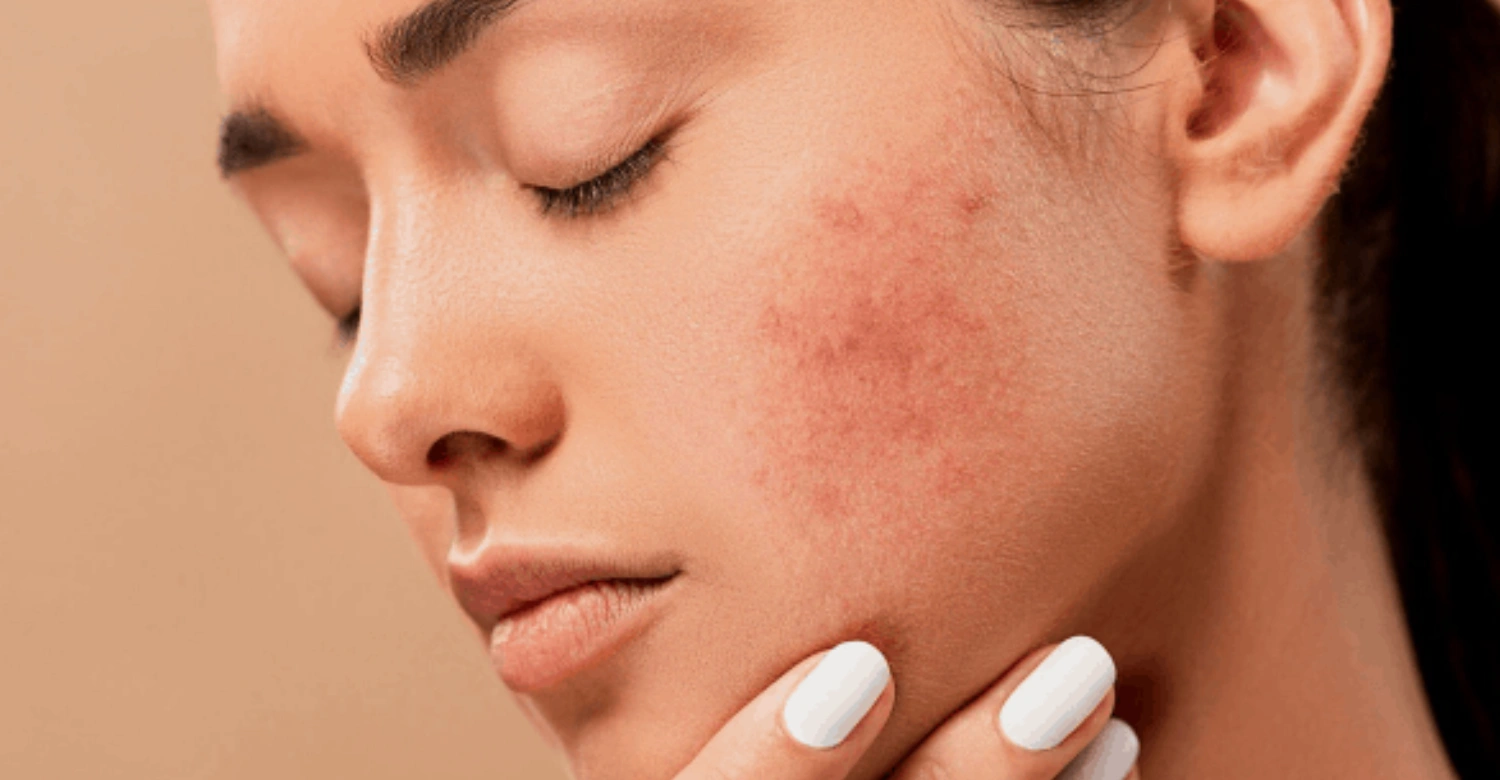
Note: All images used are for editorial and illustrative purposes only and may not originate from the original news provider or associated company.
How Can Skin Disease Affect Teeth and Gums?
Skin disease can affect teeth and gums indirectly as often as directly. Painful oral lesions may make normal hygiene routines difficult, allowing plaque to build up in ways that eventually harm gum health. Medications used to treat dermatological conditions can also alter the mouth's environment.
Skin Disease and Gum Health
Skin disease and gum health are connected mainly through hygiene disruption. When oral lesions make brushing or flossing painful, plaque control weakens, and gum inflammation can follow. This doesn't mean every case of gingivitis stems from a skin condition most don't.
Dry Mouth, Medication, and Increased Dental Risk
Certain medications used for dermatological or systemic conditions can reduce saliva flow. Saliva plays a protective role against tooth decay by neutralizing acids and clearing debris. When saliva decreases, the risk of cavities, discomfort, and difficulty wearing dental appliances increases. This connection is a quieter but significant part of the skin disease and oral health picture, since patients may not realize their medication is the underlying cause of new dental problems.
When Oral Pain Changes Daily Dental Care
Oral sensitivity can cause patients to brush less thoroughly or avoid certain areas of the mouth entirely. Choosing a softer toothbrush and gentler oral-care products can help maintain hygiene without added discomfort. Professional preventive care becomes especially important during flare-ups, when home routines are hardest to maintain. Adjusting care rather than abandoning it protects both gum health and the teeth themselves over time.
Tips for Patients
A few practical habits support oral health during a skin condition flare-up:
Keep oral hygiene consistent, even if gentler than usual
Pay attention to new oral changes as soon as they appear
Review medications with your dental team, since some affect saliva or tissue
Do not diagnose oral lesions yourself professional assessment matters more than guessing
These habits support skin disease and dental health together, reducing the chance that a manageable flare-up turns into a larger dental problem.
What Are the Common Oral Symptoms to Watch For?
Recognizing skin disease and oral symptoms early helps prevent complications. Not every oral change is serious, but patterns matter. Persistent, recurring, or worsening symptoms deserve attention rather than assumption. The categories below outline where to look first gums, tongue, cheeks, and lips since these areas often show the earliest signs when oral tissue is affected by an underlying skin condition.
Changes in the Gums
Watch for redness, swelling, tenderness, peeling, or unusual surface texture along the gumline. These signs can overlap with ordinary plaque-related gingivitis, which makes self-diagnosis unreliable. The key difference is persistence: inflammatory oral lesions tied to a skin condition often don't resolve with brushing improvements alone, while conventional gingivitis typically does. A dental exam can clarify which pattern is present.
Changes in the Tongue and Inner Cheeks
White patches, erosions, soreness, sensitivity, or unusual textures on the tongue or inner cheeks are worth noting. These changes can result from many causes, not only dermatological ones, which is exactly why persistent findings should be professionally assessed rather than left unmonitored. Early evaluation helps separate a temporary irritation from something that needs ongoing management.
Lip and Mouth Changes
Cracking, ulceration, irritation, dryness, or recurring lesions around the lips and mouth can signal several different underlying issues. Occasional dryness is common and rarely concerning, but repeated or worsening symptoms deserve further investigation. Because these changes sit at the intersection of skin conditions and dental health, a coordinated look from both a dental and medical perspective is often the most reliable path forward.
Symptoms That Should Not Be Ignored
Certain oral symptoms warrant prompt attention:
Persistent oral ulcers that don't heal within the usual timeframe
Unexplained bleeding from the gums or mucosa
Severe oral pain that disrupts eating or speaking
Difficulty eating or swallowing
Lesions that repeatedly return in the same area
Rapidly changing oral tissue
Any of these can point to a broader relationship between skin and oral health that deserves a full clinical evaluation.
How Is the Link Between Skin Conditions and Oral Health Diagnosed?
Diagnosing the skin disease and oral health connection starts with a careful history and a thorough oral exam. Dentists look for patterns that distinguish dermatological involvement from routine dental disease. This process isn't about confirming a skin diagnosis that remains a medical role but about recognizing findings that need broader evaluation and, when appropriate, referral to the right specialist.
What Your Dentist May Ask About
Expect questions about existing skin diagnoses, current medications, and recent changes in skin symptoms. Your dentist may also ask about oral pain or sensitivity, how long oral lesions have lasted, whether they recur, and any previous dental or dermatological treatment. These questions build a fuller picture, helping separate an isolated dental issue from one connected to a broader skin condition.
What Happens During the Oral Examination?
The exam covers gums, tongue, cheeks, palate, lips, and teeth. Your dentist evaluates plaque levels, inflammation, cavities, periodontal status, and any mucosal abnormalities. Photographs or additional investigations may be useful for tracking changes over time. This thorough approach reflects how seriously skin disease and dental health assessments need to be taken when oral and skin symptoms appear at the same time.
When Is a Referral Necessary?
A referral becomes necessary when oral findings suggest something beyond routine dental disease. Your dentist may recommend consultation with a dermatologist, physician, oral medicine specialist, or another healthcare professional. Coordinated care matters most when symptoms overlap, since treating only the oral component without addressing the underlying condition rarely resolves the issue long-term.
What Treatments May Be Needed for Oral Problems Linked to Skin Disease?
There is no single treatment for oral problems tied to skin disease affecting oral health management depending entirely on the underlying diagnosis. Some cases require medical treatment first, others need dental support alongside it, and some need both simultaneously. This section outlines the general categories of care patients may encounter, without suggesting a one-size-fits-all approach.
Treating the Underlying Condition
In many cases, management primarily involves a dermatologist or physician treating the root inflammatory or autoimmune condition. Controlling that underlying process can sometimes reduce oral symptoms as a secondary effect. This isn't guaranteed for every patient, but it highlights why addressing the source condition is usually prioritized over treating oral symptoms in isolation.
Managing Oral Pain and Tissue Irritation
Professional guidance can help patients maintain hygiene without worsening irritation. This may include recommending appropriate dental products suited to sensitive tissue and offering supportive care when eating or brushing becomes uncomfortable. The goal is comfort without compromising plaque control, since abandoning hygiene entirely often creates a second problem on top of the original one.
Treating Secondary Dental Problems
Cavities, gingivitis, periodontal disease, or enamel damage that develop alongside a skin condition require their own diagnosis and treatment. These secondary dental problems don't resolve simply by managing the skin disease. Treating skin disease and dental health as two connected but distinct treatment paths ensures neither issue is overlooked or undertreated.
Can Better Dental Care Prevent Oral Complications?
Preventive dentistry plays a meaningful role for patients living with chronic skin conditions. Regular dental exams and professional cleaning, when appropriate, help catch problems early. Gentle but consistent plaque control matters more than intensity. Staying well hydrated supports saliva flow, and reporting new oral symptoms early gives the best chance of managing skin disease and oral health together before complications develop.
Clinical Note
Oral manifestations tied to dermatological disease vary considerably between patients and oral lesion does not automatically indicate a skin disease. Differential diagnosis matters, because infections, trauma, medication reactions, nutritional deficiencies, and inflammatory conditions can all produce similar symptoms. A dentist should review the full oral history and clinical presentation before recommending further investigation.
Can Dental Treatment Improve the Oral Effects of Skin Disease?
Dental treatment does not treat the underlying skin disease itself, but it can meaningfully manage secondary oral problems. Dentists help patients maintain function and hygiene even while a dermatological condition is being managed elsewhere. This distinction is important for setting realistic expectations about what dental care can and cannot resolve in cases involving skin disease affecting oral health.
Professional Cleaning and Preventive Dental Care
Professional cleaning may be appropriate for patients whose home hygiene has been compromised by oral symptoms. Maintaining gum health becomes more challenging when brushing is painful, so professional support fills that gap. Regular preventive visits help catch early plaque buildup before it progresses into more significant gum or dental issues.
Restorative Treatment When Teeth Are Affected
Fillings, crowns, or other restorative procedures may be needed when independent dental disease develops. Restorative treatment is planned according to the actual condition of the teeth, not simply because a skin disease is present. This keeps treatment decisions grounded in real clinical findings rather than assumptions about cause.
Cosmetic Dentistry Considerations
Cosmetic procedures should only be considered after active oral disease and mucosal concerns have been properly evaluated. Dr. Rifat Alsaman, as a cosmetic dentist, approaches cosmetic treatment with attention to overall oral health rather than appearance alone. This sequencing matters most for patients whose skin disease and dental health history includes ongoing mucosal sensitivity.
What We Notice Clinically
Dr. Rifat Alsaman explains that patients with dermatological conditions shouldn't overlook persistent changes inside the mouth. His clinical perspective emphasizes examining the entire oral environment, not just the teeth. Changes in the gums, cheeks, tongue, and lips can be relevant during a routine dental exam. Distinguishing mucosal conditions from ordinary dental problems is central to this approach.
Vitrin Clinic's Approach to Comprehensive Dental Care
At Vitrin Clinic, treatment planning begins with assessing each patient's individual oral condition. Clinical examination and appropriate diagnostics come before any treatment recommendation. Technology such as CBCT/3D imaging, intraoral scanning, and digital treatment planning supports evaluation where clinically appropriate, though it never replaces clinical diagnosis. Dr. Rifat Alsaman, Head of the Medical Team at Vitrin Clinic and cosmetic dentist, is part of this clinical process. Patients with unexplained oral symptoms may first need assessment and, where appropriate, referral before proceeding with elective cosmetic treatment. Vitrin Clinic does not treat dermatological diseases directly, but supports patients navigating the dental side of skin disease and dental health carefully.
References:
FAQs
Dr. Rifat Alsaman has more than 5 years of clinical experience in dentistry and currently serves as the Head of the Medical Team at Vitrin Clinic. He is dedicated to providing exceptional patient care, overseeing treatment planning, and ensuring the highest clinical standards across the team. His expertise, attention to detail, and commitment to continuous professional development have helped countless patients achieve healthier, more confident smiles.


