Laser Dentistry
March 4, 2026
Laser Treatment for Gum Disease: A Modern Solution for Healthier Gums
 Dr. Rifat Alsaman
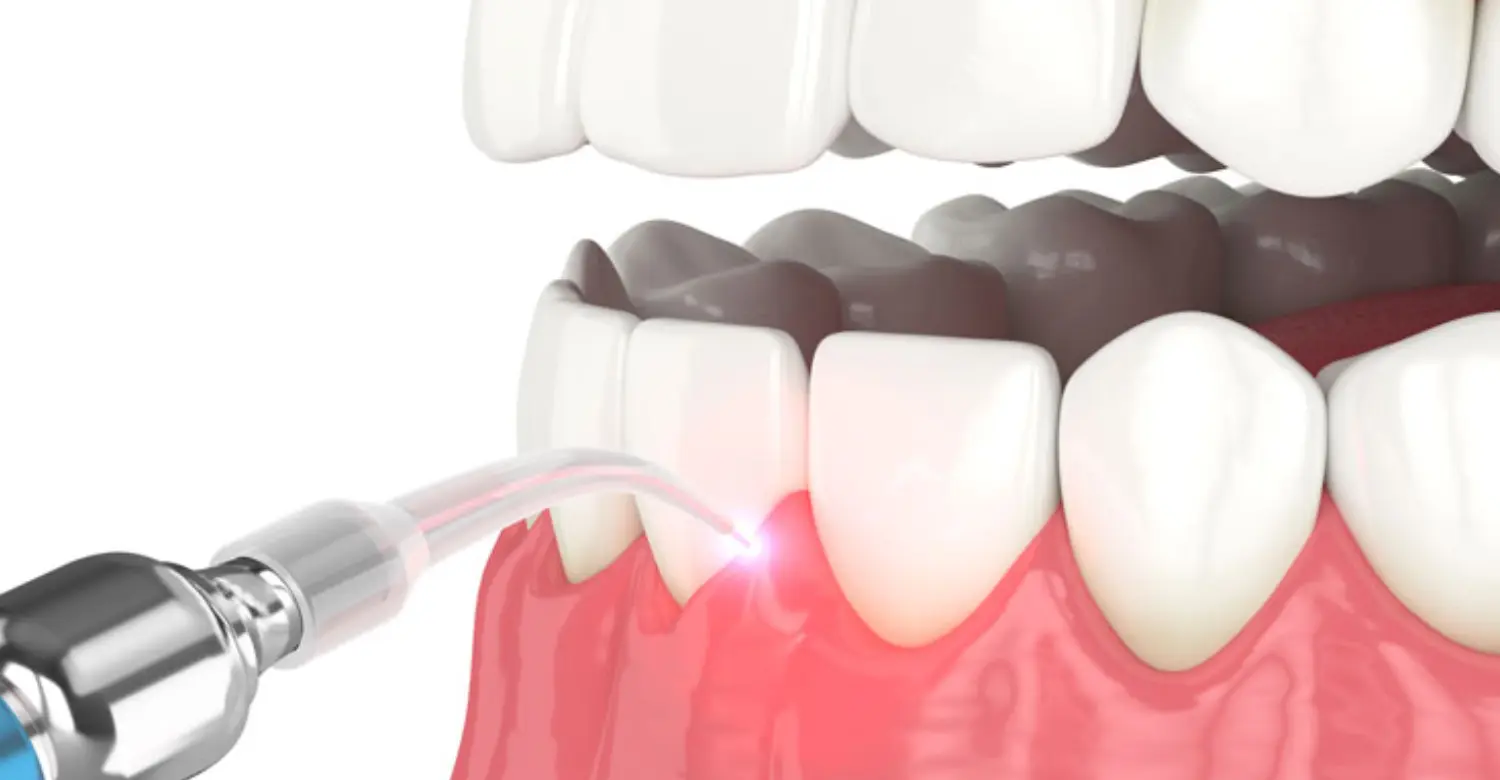
Laser Treatment for Gum Disease represents a significant advance in periodontal care, offering patients a less invasive option than traditional methods. This technology uses concentrated light beams to precisely target and remove diseased gum tissue while preserving healthy structures. The laser's energy also kills harmful bacteria deep within gum pockets, creating an optimal environment for healing. Unlike conventional periodontal therapy, which often requires cutting and stitching, laser therapy minimizes trauma to surrounding tissues. The procedure promotes faster healing, reduces bleeding, and often requires no sutures an attractive option for patients seeking comfortable, effective gum disease management.
Please note:
This article is for informational purposes only.
Vitrin Clinic does not currently offer laser treatments but provides alternative treatment options based on each patient’s individual needs.
Our Dental Treatments
Debunking Common Misconceptions: Myths vs. Facts About Laser Gum Treatment
Laser gum treatment has become increasingly popular, but many misconceptions still prevent patients from considering this advanced therapy. Understanding the facts can help you make informed decisions about your periodontal health.
Myth: Laser Gum Treatment Is Extremely Painful
Many patients assume laser treatment for gum disease is more painful than traditional periodontal procedures. In reality, most people experience significantly less discomfort, because dental lasers precisely target infected tissue while preserving healthy gums. At Vitrin Clinic, laser technology minimizes bleeding, swelling, and recovery time, making treatment much more comfortable.
Modern periodontal lasers have transformed patient comfort, allowing many procedures to be completed with minimal discomfort and little to no need for extensive anesthesia. Dr. Rifat Alsaman, Head of the Medical Team at Vitrin Clinic and cosmetic dentist
Myth: Lasers Replace Deep Cleaning
Laser therapy is not always a standalone treatment. It often works alongside professional scaling and root planing to eliminate bacteria and encourage healthy tissue regeneration. At Vitrin Clinic, every treatment plan is personalized after a detailed periodontal assessment.
"Combining conventional periodontal therapy with laser technology frequently provides the best long-term outcomes for moderate to advanced gum disease. Dr. Rifat Alsaman
Myth: Laser Treatment Guarantees Permanent Results
Laser treatment removes infected tissue and reduces harmful bacteria, but long-term success depends on excellent oral hygiene and regular periodontal maintenance. Patients who neglect brushing, flossing, or routine dental visits can still develop recurring gum disease.
Laser dentistry provides a healthier foundation, while patient commitment is what preserves the results for years. Dr. Rifat Alsaman
What Is Gum Disease Laser Treatment?
Gum disease laser treatment is a modern dental procedure that uses focused light technology to treat periodontal infections. Two primary laser types are used: soft tissue lasers for treating gums and hard tissue lasers for bone-related procedures. The wavelengths penetrate diseased tissue, vaporizing bacteria and infected cells while stimulating healthy tissue regeneration. This approach offers a level of precision that traditional methods cannot match, letting clinicians target specific problem areas. The laser's sterilizing effect reduces infection risk and inflammation, promoting better outcomes for patients with mild to severe gum disease.
Is Laser Treatment Good for Gum Disease?
Laser treatment is highly effective for gum disease across various severity levels, from early-stage gingivitis to advanced periodontitis. Clinical studies show that this approach successfully reduces pocket depths, eliminates bacteria, and promotes tissue reattachment. Patients experience significant improvements in gum health with minimal discomfort during and after treatment. The laser's precision allows for conservative tissue removal, preserving more healthy gum structure than traditional surgery. Patient comfort is notably enhanced, with reduced anxiety, less bleeding, and faster recovery times.
Benefits of Laser Treatment for Gum Disease
The advantages of laser gum treatment extend beyond clinical outcomes to include the overall patient experience. Patients benefit from reduced pain during procedures, often requiring little to no anesthesia. Minimal bleeding occurs because the laser cauterizes blood vessels as it works. Recovery time is significantly shorter than with conventional surgery, so patients can return to normal activities quickly. The precision of laser technology means less damage to healthy tissue, better preservation of tooth structure, and a reduced risk of infection. These benefits make it increasingly popular among patients seeking effective, comfortable periodontal care.
Aesthetic Restorative Preparation: Reshaping Gums with Lasers for Crowns
Healthy, symmetrical gums play a major role in the success of restorative and cosmetic dental treatments. Laser technology allows dentists to reshape excess gum tissue with exceptional precision before placing dental crowns, creating both functional and aesthetic improvements.
Why Gum Reshaping Is Sometimes Needed Before Crowns
Successful restorative dentistry depends on healthy gum architecture. When excess or uneven gum tissue covers part of a tooth, laser gum reshaping can expose more natural tooth structure before placing crowns. At Vitrin Clinic, this conservative approach improves crown fit, gum symmetry, and long-term oral health.
Proper soft tissue preparation often determines whether a crown looks natural and remains stable over time. Dr. Rifat Alsaman
Advantages of Laser Gum Reshaping
Laser contouring offers exceptional precision, minimal bleeding, and a faster healing period than traditional gum surgery. It also lets dentists sculpt the gum line for improved aesthetics while protecting surrounding healthy tissue.
Laser technology has become one of the most valuable tools for creating ideal gum contours before cosmetic and restorative procedures. Dr. Rifat Alsaman
Gum Disease Laser Treatment: Pros and Cons
The pros and cons of laser gum treatment should be carefully considered. Pros include significantly reduced pain and bleeding, since the laser seals nerve endings and blood vessels at the same time. Patients experience faster healing and recovery, often resuming normal eating within days rather than weeks. The procedure typically requires no sutures and causes minimal post-operative discomfort. However, some limitations exist: it may not be suitable for extremely advanced cases requiring bone grafting. Cost can be higher than traditional methods, and not all dental practices offer this technology, which can limit accessibility for some patients.
Laser Gum Disease Treatment vs. Traditional Gum Surgery
Comparing laser treatment to traditional surgery reveals significant differences in treatment time and patient experience. Laser procedures typically take less time because they combine multiple steps cutting, bacteria removal, and tissue stimulation at once. Traditional surgery requires incisions, flap elevation, manual cleaning, and suturing, which extends appointment duration. Recovery and post-treatment comfort differ dramatically .
laser patients experience minimal swelling and discomfort, while traditional surgery patients may face weeks of healing with dietary restrictions and pain management. The laser's precision reduces trauma to surrounding tissues, resulting in faster tissue regeneration and better overall comfort during recovery.
The Laser Gum Disease Treatment Process, Step by Step
Understanding the treatment journey helps patients prepare and know what to expect. The process begins with a comprehensive evaluation and continues through active treatment to recovery. Each phase is designed to maximize effectiveness while minimizing patient discomfort. Patients appreciate the clear timeline and predictable outcomes this procedure provides.
Diagnosis and Treatment Planning
Before laser therapy begins, a thorough diagnosis is essential. Your dental professional measures gum pocket depths using a periodontal probe to assess disease severity. Pockets deeper than three millimeters indicate gum disease requiring intervention. X-rays may be taken to evaluate bone loss and determine the extent of periodontal damage. Determining candidacy for treatment involves evaluating overall health, medication use, and specific periodontal conditions. Not all cases are suitable for laser therapy alone; severely advanced cases may require combined approaches or traditional surgery for optimal outcomes.
Laser Treatment Procedure
During the procedure, the laser fiber is inserted into gum pockets to remove infected tissue and bacteria. The concentrated light energy vaporizes diseased cells while leaving healthy tissue intact. Bacterial reduction occurs as the laser's heat destroys harmful microorganisms deep within periodontal pockets. The laser also stimulates blood clot formation and promotes gum reattachment to tooth roots. This process is typically performed with local anesthesia, though many patients report minimal discomfort. Its precision allows treatment of multiple areas in one session, improving efficiency and reducing overall treatment time.
Healing and Aftercare
Post-treatment care is straightforward and promotes optimal healing. Patients should maintain gentle oral hygiene, avoiding vigorous brushing near treated areas for the first few days. Rinsing with a prescribed antimicrobial mouthwash helps keep the area clean while tissues regenerate. Most patients experience minimal discomfort within 24 hours and can resume normal activities almost immediately. Complete healing typically occurs within one to two weeks significantly faster than traditional surgery. Follow-up appointments monitor healing progress and confirm gum tissue is reattaching properly.
Therapeutic Management: Clinical Considerations for Anesthetic Use in Laser Dentistry
One of the most common questions patients ask before laser periodontal treatment is whether local anesthesia will be necessary. The answer depends on several clinical factors, including the type of laser procedure and the extent of gum disease being treated.
Does Laser Gum Treatment Always Require Anesthesia?
Not every laser procedure requires local anesthesia. Smaller or less invasive treatments may be completed comfortably without injections, while deeper periodontal therapy may still benefit from a local anesthetic for maximum comfort. At Vitrin Clinic, each patient's treatment plan is evaluated individually to determine the most appropriate pain management approach.
Patient comfort should always guide anesthetic decisions rather than a one-size-fits-all approach. Dr. Rifat Alsaman
Factors That Influence Anesthetic Use
Several factors determine whether anesthesia is recommended, including the severity of gum disease, treatment depth, patient sensitivity, and the type of laser used. Patients with advanced periodontal pockets often benefit from local anesthesia during deeper cleaning procedures. Dr. Rifat Alsaman carefully evaluates these clinical variables before every treatment to ensure both comfort and optimal outcomes.
Immediate Post-Surgical Reality: Normal Symptoms to Expect After Laser Gum Surgery
Although laser gum treatment is less invasive than conventional surgery, patients should still expect a normal healing process during the first several days after treatment.
Common Symptoms During Healing
After laser gum treatment, patients commonly notice mild tenderness, slight swelling, temporary gum sensitivity, or minimal bleeding during the first few days. These symptoms are generally much milder than after traditional gum surgery because laser technology causes less tissue trauma. At Vitrin Clinic, patients receive personalized aftercare instructions to support comfortable healing.
These temporary symptoms are usually signs of normal tissue recovery. Dr. Rifat Alsaman
When Should You Contact Your Dentist?
Persistent severe pain, heavy bleeding, fever, increasing swelling after several days, or unusual discharge should be evaluated promptly. Although complications are uncommon, early assessment allows problems to be managed before they progress.
Report any unexpected symptoms immediately so the healing process can be monitored and adjusted if necessary. Dr. Rifat Alsaman
Cost of Laser Treatment for Gum Disease
The cost of laser gum treatment varies based on several factors, including disease severity, treatment extent, and geographic location. Advanced laser technology represents a significant investment for dental practices, which affects pricing. Many patients find the reduced pain, faster healing, and better outcomes justify the investment. Insurance coverage varies, with some plans covering treatment partially or fully when it is deemed medically necessary.
Gum Disease Laser Treatment Cost Explained
Several factors influence the cost of this treatment. The severity of gum disease directly affects pricing mild cases requiring minimal intervention cost less than advanced periodontitis affecting multiple teeth. The number of sessions required also matters: some patients achieve the desired results in one visit, while others need multiple treatments for comprehensive care. Technology type and clinic location contribute to pricing variations, and the extent of treatment whether addressing one quadrant or full-mouth therapy substantially changes the final cost. Despite higher upfront costs than traditional methods, laser treatment may reduce long-term expenses by minimizing complications and follow-up procedures.
How Much Does Laser Treatment for Gum Disease Cost?
Average costs typically range from $500 to $3,000 per quadrant, depending on disease severity and geographic location. Single-quadrant treatment for localized gum disease generally costs between $500 and $1,000. Full-mouth treatment, necessary for widespread periodontitis, ranges from $2,000 to $8,000 or more. These costs reflect the advanced technology, specialized training, and time required. Many dental practices offer payment plans or financing options to make treatment more accessible.
Laser Treatment for Gum Disease by Location
Geographic location significantly influences access to advanced periodontal care, including laser therapy. Major metropolitan areas and dental hubs typically offer more providers with laser technology expertise. Whether seeking gum disease treatment in Las Vegas or Denver, patients benefit from researching available providers, technology offered, and practitioner experience. Regional variations in cost and availability make location-based information valuable for treatment planning.
Gum Disease Treatment in Las Vegas and North Las Vegas
Patients seeking gum disease treatment in Las Vegas find numerous advanced dental practices offering laser therapy options. The city's competitive dental market ensures access to modern periodontal technologies and experienced practitioners. Those searching for care in North Las Vegas, NV, can find several clinics providing comprehensive laser-based care close to home, combining advanced technology with patient-centered care for optimal periodontal health outcomes.
Laser Treatment for Gum Disease in Other Cities
Denver laser gum disease treatment is available through multiple specialized periodontal practices offering advanced laser technologies. Those seeking care in Las Colinas can access comprehensive periodontal services in this Texas location, where dental innovation meets patient convenience. Regional availability of this treatment continues expanding as more dental professionals recognize its benefits, improving periodontal care accessibility nationwide.
Laser Treatment for Gum Disease at Vitrin Clinic
Vitrin Clinic offers state-of-the-art laser treatment for gum disease using the latest periodontal technology. The clinic's investment in advanced laser systems ensures patients receive precise, effective treatment with minimal discomfort. Expertise in minimally invasive periodontal care sets Vitrin Clinic apart, with practitioners specially trained in laser techniques for optimal outcomes. The patient-centered approach prioritizes comfort, education, and long-term gum health, ensuring each individual receives care tailored to their specific needs.
Expert Tips Before Choosing Laser Gum Disease Treatment
Determining if you're an ideal candidate for laser therapy requires a professional evaluation of your periodontal health. Patients with mild to moderate gum disease typically respond well, while those with severe bone loss may need combined approaches. Important questions to ask your dentist or periodontist include: What type of laser technology do you use? How many laser procedures have you performed? What results can I expect? Understanding when laser therapy may not be recommended is equally important — extremely advanced cases, certain medical conditions, or specific anatomical situations may call for traditional surgical approaches instead.
Conclusion: Is Laser Treatment for Gum Disease Worth It?
Laser treatment for gum disease offers compelling benefits, including reduced pain, faster healing, and excellent clinical outcomes for appropriate candidates. Patients with mild to moderate periodontitis who value comfort and quick recovery benefit most from this therapy. The technology's precision preserves healthy tissue while effectively treating infection, promoting better long-term gum health. Costs may exceed those of traditional methods initially, but the reduced recovery time, fewer complications, and improved patient experience often justify the investment.
What We Notice Clinically
During laser periodontal therapy at Vitrin Clinic, our dental team consistently observes that patients experience reduced bleeding, less post-operative discomfort, and faster soft tissue healing compared with conventional surgical approaches. Individuals who begin treatment before significant bone loss often respond especially well, because healthier supporting tissues remain available for regeneration.
Early diagnosis combined with laser-assisted periodontal therapy frequently improves both treatment efficiency and long-term gum stability. Patients who maintain excellent oral hygiene and attend regular periodontal maintenance appointments generally achieve the most predictable and lasting outcomes. Dr. Rifat Alsaman, Head of the Medical Team at Vitrin Clinic
Tips for Patients
• Schedule treatment as soon as gum disease is diagnosed to improve long-term outcomes.
• Brush gently with a soft-bristled toothbrush during the healing period.
• Avoid smoking, as it can significantly delay gum healing.
• Follow every post-treatment instruction provided by your dental team.
• Keep all periodontal maintenance appointments to reduce the risk of recurrence.
• Eat soft foods for the first few days if your gums feel sensitive.
• Stay hydrated and maintain excellent daily oral hygiene.
• Contact Vitrin Clinic if you experience severe pain, persistent bleeding, or unusual swelling after treatment.
Dr. Rifat Alsaman recommends viewing laser gum therapy as one step in a lifelong periodontal health plan, advising patients that consistent home care, professional cleanings, and routine periodontal evaluations are essential for maximizing the long-term success of treatment.
Conclusion
Laser treatment for gum disease offers a modern, minimally invasive approach to managing periodontal disease while promoting healthier gums, faster healing, and improved patient comfort. Whether used to treat gum infections, prepare the gums for restorative procedures, or support long-term periodontal health, laser dentistry has become an important advance in contemporary dental care. Achieving lasting results, however, requires more than advanced technology — it also depends on accurate diagnosis, personalized treatment planning, and consistent oral hygiene.
At Vitrin Clinic, every laser periodontal treatment plan is tailored to the patient's unique needs using advanced techniques and evidence-based care.
"Early intervention combined with regular periodontal maintenance is the most effective way to protect your gums, preserve your natural teeth, and maintain a healthy smile for years to come." — Dr. Rifat Alsaman, Head of the Medical Team at Vitrin Clinic and cosmetic dentist
If you're considering laser gum treatment, a professional consultation can determine whether this modern solution is right for you.
References
• King's College London — Dentistry
• Arbeitsgemeinschaft Alterszahnmedizin (AALZ)
• University of Bern — Clinic of General, Special and Pediatric Dentistry (zmk)
• Harvard School of Dental Medicine
Cochrane Database of Systematic Reviews — Laser therapy for treating periodontitis
FAQs
Dr. Rifat Alsaman has more than 5 years of clinical experience in dentistry and currently serves as the Head of the Medical Team at Vitrin Clinic. He is dedicated to providing exceptional patient care, overseeing treatment planning, and ensuring the highest clinical standards across the team. His expertise, attention to detail, and commitment to continuous professional development have helped countless patients achieve healthier, more confident smiles.


