
Gum recession can lead to tooth sensitivity, aesthetic concerns, and tooth loss if untreated. Laser treatment for gum recession is a modern, minimally invasive solution to restore gum tissue safely. This procedure uses precise laser technology to promote healing, reduce discomfort, and improve oral health. With advances in dental care, more patients choose this laser procedure over traditional surgery.
Important Note
This article is for informational purposes only.
Vitrin Clinic does not currently offer laser treatments but provides alternative treatment options based on each patient’s individual needs.
you can check out our treatments
What is Gum Recession?
Gum recession occurs when gum tissue pulls away from the teeth, exposing the roots. It can affect oral health, cause sensitivity, and increase cavity risks. Early detection is crucial to prevent further damage. Laser therapy addresses this issue by stimulating tissue regeneration and reducing complication risks.
Causes of Gum Recession
Gum recession can stem from aggressive brushing, gum disease, genetics, hormonal changes, or tobacco use. Poor oral hygiene also contributes to tissue loss. Understanding the cause helps dentists determine if laser care is suitable. To ensure optimal care, we suggest looking into laser treatment for deep pockets in gums for a comprehensive overview.
Signs and Symptoms of Gum Recession
Common signs include visible tooth roots, tooth sensitivity, longer-looking teeth, and gum inflammation. If left untreated, it may lead to tooth decay and loss. Patients often seek specialized treatment to relieve symptoms and prevent further damage.
What is Laser Treatment for Gum Recession?
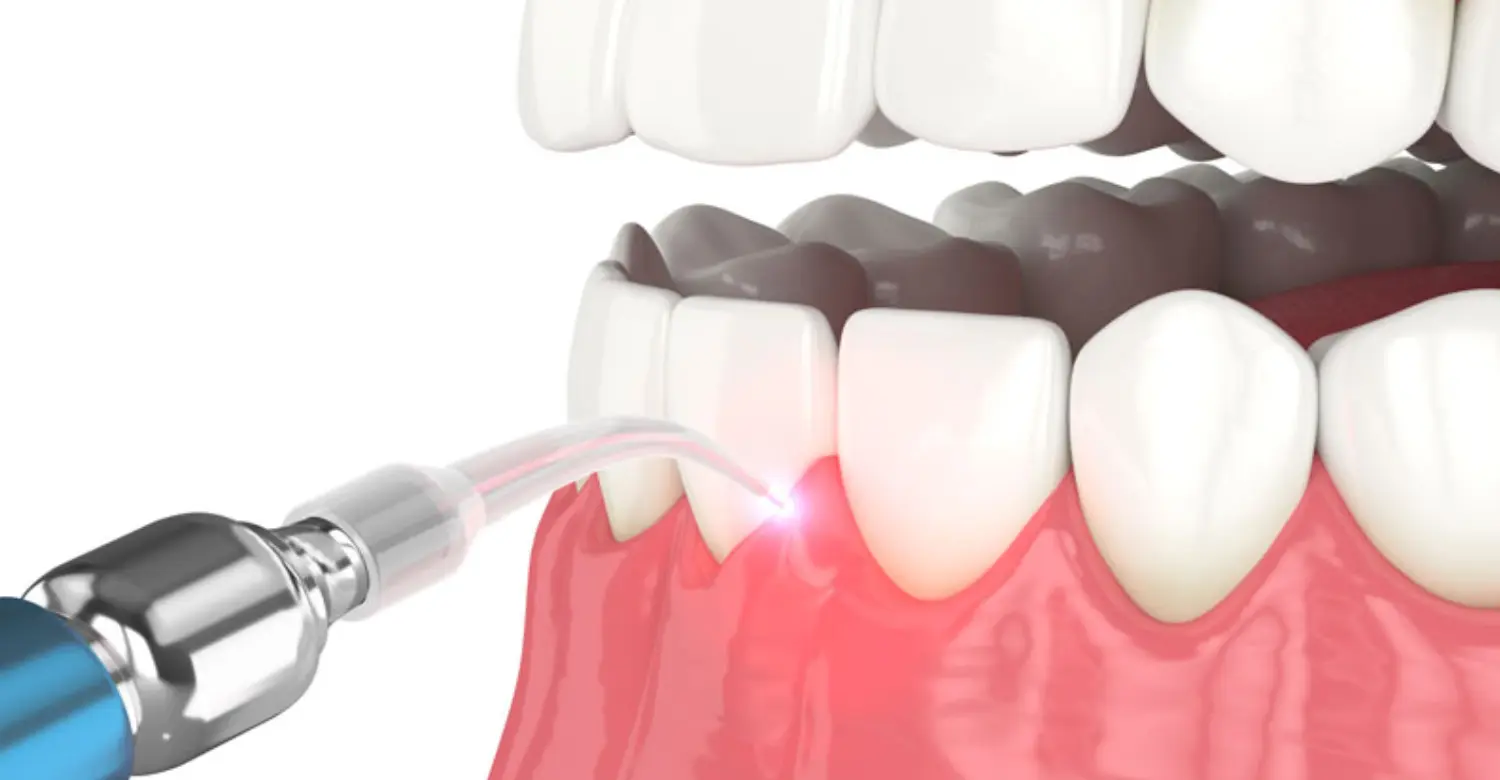
Laser treatment for gum recession is a minimally invasive dental procedure. It uses laser energy to remove diseased tissue, stimulate healing, and restore gum contours. It offers a safe alternative to traditional gum grafting with faster recovery and less discomfort.
How Laser Treatment Works
During the procedure, a specialized laser removes infected tissue and encourages new gum growth. The precise laser minimizes bleeding and discomfort while preserving healthy tissue. The procedure promotes natural healing and improves gum attachment to teeth. For those seeking better oral health, we highly recommend exploring laser treatment for gum disease to understand your options better.
Clinical Indications: Is Laser Gum Surgery Necessary and Right for You?
Laser gum surgery is not necessary for every patient with gum recession. Its suitability depends on severity, cause, gum thickness, root exposure, periodontal health, tooth position, and patient goals. Mild recession may be managed with improved hygiene, monitoring, and addressing contributing factors. Advanced cases may require periodontal or root-coverage procedures. At Vitrin Clinic, the dental team evaluates these factors before recommending laser therapy. Dr. Rifat Alsaman, Head of the Medical Team at Vitrin Clinic and a cosmetic dentist, emphasizes that treatment selection depends on the clinical condition, not just the technology.
When Is Laser Treatment Appropriate for Gum Recession?
Laser treatment may be appropriate when gum recession is associated with periodontal inflammation or diseased soft tissue. It helps when controlled laser application can support periodontal management. However, the correct procedure depends on cause, severity, tissue thickness, root exposure, bone anatomy, and overall periodontal health. Laser therapy is not automatically the best treatment for every recession defect. At Vitrin Clinic, the dental team evaluates the recession clinically before recommending laser therapy or another approach. Dr. Rifat Alsaman, Head of the Medical Team at Vitrin Clinic and a cosmetic dentist, emphasizes that treatment should fit the individual defect rather than relying solely on technology.
Is Laser Gum Surgery Necessary for Every Receding Gum?
No. Not every case of gum recession requires laser surgery. Mild recession without progressive disease, severe sensitivity, or aesthetic issues can often be managed simply. Monitoring, improved brushing, desensitizing products, and treating the underlying cause may suffice. Advanced recession may require periodontal plastic surgery for predictable root coverage. Evidence supports procedures such as connective tissue grafting and coronally advanced flap or tunnel techniques. At Vitrin Clinic, Dr. Rifat Alsaman evaluates the gums, recession pattern, root exposure, and patient goals before deciding if laser intervention is appropriate.
Factors That Determine Laser Treatment Candidacy
Several factors influence whether laser therapy is suitable. These include recession depth and location, gum thickness, periodontal inflammation, exposed root surface, bone support, sensitivity, oral hygiene, and aesthetic goals. The cause is equally important. Aggressive brushing, periodontal disease, orthodontic movement, trauma, and anatomical factors require different management. Vitrin Clinic uses an individualized assessment rather than recommending laser procedures purely because they are minimally invasive. According to Dr. Rifat Alsaman, Head of the Medical Team at Vitrin Clinic and a cosmetic dentist, identifying the cause is an essential first step.
Benefits of Laser Treatment
Benefits include reduced pain, minimal bleeding, faster healing, and lower infection risk. Patients often experience improved aesthetics and decreased tooth sensitivity. This approach is less invasive than traditional surgery, making it a popular choice.
Procedural Alternatives to Laser Therapy for Receding Gums
Laser therapy is only one approach to managing receding gums. Alternatives include connective tissue grafting, coronally advanced flap procedures, tunnel techniques, or conservative periodontal care. Connective tissue grafting increases soft-tissue thickness and covers roots. Flap and tunnel procedures reposition existing gum tissue over exposed roots. The right option depends on recession severity, tissue quality, periodontal stability, and aesthetic goals. At Vitrin Clinic, treatment options are assessed individually. Dr. Rifat Alsaman, Head of the Medical Team at Vitrin Clinic and a cosmetic dentist, recommends choosing the procedure that best addresses the cause and provides predictable stability.
Connective Tissue Grafting
Connective tissue grafting is an established procedure for covering exposed roots and increasing soft-tissue thickness. Connective tissue is typically taken from the patient's palate or an alternative material and placed over the defect. Systematic reviews identify subepithelial connective tissue grafting as a highly predictable approach for root coverage. At Vitrin Clinic, choosing between laser therapy and grafting depends on the clinical presentation. Dr. Rifat Alsaman explains that the objective is to select the procedure providing the best biological and aesthetic outcome.
Coronally Advanced Flap
A coronally advanced flap moves existing gum tissue toward the exposed root to improve coverage and aesthetics. It can be used alone or combined with a connective tissue graft. Clinical evidence supports coronally advanced flap techniques as an established option for gingival recession. At Vitrin Clinic, suitability depends on tissue thickness, recession classification, tooth position, and periodontal anatomy. Dr. Rifat Alsaman, Head of the Medical Team at Vitrin Clinic and a cosmetic dentist, stresses that predictable treatment requires careful assessment of surrounding tissue.
Tunnel Technique and Soft-Tissue Procedures
The tunnel technique preserves papillary tissue while positioning gum tissue coronally, often with a graft or biomaterial. Research shows both tunnel and coronally advanced flap procedures provide effective results. Technique selection depends on clinical factors and operator expertise. Vitrin Clinic considers different soft-tissue techniques based on the recession pattern and patient goals. Dr. Rifat Alsaman notes that treatment planning must account for tissue quality, root exposure, periodontal stability, and desired aesthetics rather than treating every case identically.
Laser Therapy as an Adjunct Rather Than a Replacement
Laser technology may be used alongside periodontal or soft-tissue procedures rather than replacing established surgery completely. Research evaluating low-level laser therapy with connective tissue grafting shows potential benefits, but evidence remains mixed. It does not establish laser therapy as universally superior. At Vitrin Clinic, laser treatment is considered within the broader clinical context. Dr. Rifat Alsaman, Head of the Medical Team at Vitrin Clinic and a cosmetic dentist, recommends matching technology to the biological problem rather than assuming laser treatment is automatically best.
Laser Treatment for Gum Recession Cost
The cost of laser treatment for gum recession varies based on case complexity and clinic location. Insurance may cover part of the cost if gum disease is present. Patients should discuss costs and payment options with their dentist beforehand.
Factors Affecting Cost
Factors include recession severity, number of teeth involved, equipment used, and dentist experience. Clinics offering advanced technology, such as Vitrin Clinic, may charge higher fees. However, patients benefit from superior care and outcomes with laser treatment for gum recession. Patients often ask about procedural differences, so it is crucial to review gum contouring and reshaping before making final medical decisions.
Average Price Range
On average, laser treatment for gum recession ranges from $500 to $3,000 per quadrant. Complex cases involving multiple teeth or extensive damage cost more. Patients should balance cost with provider quality and experience.
The Technical Process: Laser Types, Precision, and Tissue Interactions
Dental lasers use concentrated light energy to interact with soft tissues in a controlled manner. Different laser systems and wavelengths interact differently with tissue. Settings must be chosen based on the procedure and clinical goal. Laser energy provides precise soft-tissue management and coagulation, helping control bleeding during procedures. However, laser treatment does not automatically regenerate lost tissue or replace established surgery in every case. At Vitrin Clinic, treatment is planned according to periodontal anatomy and patient requirements. Dr. Rifat Alsaman, Head of the Medical Team at Vitrin Clinic and a cosmetic dentist, stresses that accurate diagnosis, correct settings, and careful tissue management are essential.
How Laser Energy Interacts With Gum Tissue
Dental lasers interact with soft tissue based on wavelength, energy settings, pulse characteristics, and tissue composition. In periodontal applications, laser energy targets soft tissue to remove diseased areas or manage the site. Clinical effects depend heavily on correct settings and technique. Vitrin Clinic uses laser technology as part of a controlled protocol rather than viewing the laser as the entire treatment. Dr. Rifat Alsaman, Head of the Medical Team at Vitrin Clinic and a cosmetic dentist, emphasizes that precision relies on diagnosis, operator experience, correct settings, and protecting healthy tissue.
Sealing Blood Vessels and Promoting Cellular Healing
A key advantage of soft-tissue lasers is providing coagulation, which controls bleeding during selected procedures. Laser energy may also influence the local healing environment. However, claims about accelerated regeneration should be interpreted carefully based on the laser type, protocol, and evidence. Laser-assisted approaches to gingival recession show mixed evidence, especially as graft adjuncts. At Vitrin Clinic, Dr. Rifat Alsaman focuses on controlled tissue management rather than claiming every laser procedure produces identical regenerative responses.
Anesthetic Use and Preparation Protocol
Laser gum procedures can be performed with local anesthesia to ensure patient comfort. Before treatment, the dentist evaluates periodontal health, recession severity, tissue thickness, root exposure, oral hygiene, and habits like traumatic brushing. Vitrin Clinic then creates a personalized treatment plan based on these findings. Dr. Rifat Alsaman, Head of the Medical Team at Vitrin Clinic and a cosmetic dentist, recommends addressing active inflammation and identifying the cause before elective soft-tissue treatment.
Why Choose Vitrin Clinic for Laser Treatment
Vitrin Clinic specializes in advanced dental procedures, offering state-of-the-art technology and expert care. Choosing Vitrin Clinic ensures professional care and optimal results for laser treatment for gum recession.
Advanced Technology at Vitrin Clinic
Vitrin Clinic uses modern dental lasers for precision, safety, and minimal discomfort. This technology allows dentists to perform laser treatment for gum recession efficiently, reducing recovery time and improving outcomes.
Experienced Dental Specialists
Vitrin Clinic’s expert team has extensive experience in gum care and laser procedures. Their expertise ensures patients receive personalized plans for laser treatment for gum recession, maximizing comfort and results.
What We Notice Clinically
Gum recession is not purely a cosmetic problem. Visible recession does not always indicate underlying tissue stability. Clinicians assess depth, tissue thickness, root exposure, inflammation, plaque control, tooth position, and bone support before choosing treatment. A patient with mild recession and healthy tissue may only need monitoring. Another with progressive recession, sensitivity, or poor support may require intervention. At Vitrin Clinic, Dr. Rifat Alsaman, Head of the Medical Team and a cosmetic dentist, emphasizes identifying why the gum receded first. Then, the dentist can choose a treatment to address the cause and protect tissues long-term.
What to Expect During and After Laser Treatment
Patients should know what to expect before, during, and after laser treatment for gum recession. Proper preparation and post-procedure care are essential for optimal healing.
Procedure Steps
The procedure begins with local anesthetic. The dentist uses a laser to remove diseased tissue and stimulate gum regeneration. The process is precise, minimally invasive, and usually takes under an hour per area receiving laser treatment for gum recession. If you want a brighter, healthier smile, learning about protecting exposed sensitive roots can provide necessary guidance.
Recovery and Maintenance
Recovery is usually quick, with mild discomfort and minimal swelling. Patients should follow hygiene instructions, avoid hard foods, and attend follow-up visits. Maintaining healthy gums reduces the risk of further recession after laser treatment for gum recession.
Tips for Patients
Patients with gum recession should use a soft-bristled toothbrush and gentle pressure to prevent margin trauma. Plaque control is vital, but aggressive brushing must be avoided. Clean between teeth daily, attend dental exams, and seek assessment if you notice bleeding, sensitivity, exposed roots, or gumline changes. After treatment, follow all post-care instructions carefully. Vitrin Clinic provides individualized guidance based on periodontal condition. Dr. Rifat Alsaman, Head of the Medical Team at Vitrin Clinic and a cosmetic dentist, recommends focusing on long-term protection rather than relying on treatment alone.
Use a Gentle Brushing Technique
Avoid aggressive horizontal brushing, as mechanical trauma contributes to gingival recession. Use a soft-bristled toothbrush and light pressure, especially around exposed roots. Good plaque control is important, but brushing harder does not mean brushing better. Vitrin Clinic offers personalized hygiene guidance based on gum health. Dr. Rifat Alsaman, Head of the Medical Team at Vitrin Clinic and a cosmetic dentist, advises focusing on effective plaque removal without damaging fragile gum tissue.
Treat Gum Inflammation Early
Do not ignore inflamed or bleeding gums, as inflammation damages supporting structures. Maintain regular dental exams and seek prompt assessment for persistent bleeding, swelling, sensitivity, or progressive recession. Vitrin Clinic evaluates periodontal health before recommending cosmetic or laser care. Dr. Rifat Alsaman emphasizes that controlling active inflammation protects gums and improves treatment predictability.
Protect Exposed Tooth Roots
Exposed roots are sensitive and vulnerable to wear and decay. Avoid abrasive brushing and discuss persistent sensitivity with your dentist instead of self-treating. Your dentist may recommend fluoride or desensitizing products. At Vitrin Clinic, Dr. Rifat Alsaman evaluates the causes of sensitivity and recession before recommending preventive or restorative options.
Maintain Long-Term Care After Treatment
Successful gum treatment does not eliminate the need for maintenance. Continue daily plaque control, attend recommended follow-ups, avoid tobacco, and address habits that trigger recession. Long-term care is critical for patients with periodontal history or multiple recession sites. Vitrin Clinic provides tailored maintenance plans. Dr. Rifat Alsaman, Head of the Medical Team at Vitrin Clinic and a cosmetic dentist, stresses that healthy gums protect natural teeth and aesthetic results.
Preventative Strategies: How to Stop Gum Recession Before It Starts
Preventing gum recession starts with protecting tissue and controlling loss factors. Maintain good hygiene without aggressive brushing, manage inflammation promptly, avoid tobacco, and get regular exams. Treat periodontal disease early to prevent tissue damage. Address habits or dental conditions that stress the gum margin. At Vitrin Clinic, preventive care focuses on identifying individual risk factors early. Dr. Rifat Alsaman, Head of the Medical Team at Vitrin Clinic and a cosmetic dentist, emphasizes that early detection and consistent maintenance protect gum health effectively.
Preventing Gum Recession With Proper Oral Hygiene
Preventing gum recession requires effective plaque control without mechanical trauma. Brush twice daily with a soft toothbrush, clean between teeth, and attend regular exams. The goal is removing plaque while protecting the gum margin. Vitrin Clinic assesses brushing techniques and identifies early recession during routine visits. Dr. Rifat Alsaman, Head of the Medical Team at Vitrin Clinic and a cosmetic dentist, recommends addressing small changes early because prevention is easier than correcting tissue loss.
Manage Periodontal Disease and Gum Inflammation
Periodontal disease damages supporting tissues and must be managed promptly. Professional treatment, improved plaque control, and ongoing maintenance help control inflammation and reduce damage risks. Do not assume laser therapy alone prevents future recession if the root cause remains untreated. Vitrin Clinic assesses periodontal health before creating plans. Dr. Rifat Alsaman emphasizes that controlling inflammation and maintaining stability are fundamental to long-term health.
Avoid Habits That Can Damage Gum Tissue
Aggressive brushing, tobacco use, poor plaque control, and certain oral habits increase gum risk or contribute to recession. Discuss persistent sensitivity, root exposure, or gumline changes with a dentist. Vitrin Clinic evaluates individual risk factors rather than applying generic prevention strategies. According to Dr. Rifat Alsaman, early identification lets patients modify harmful habits before further tissue loss occurs.
Clinical Note
Gingival recession must be diagnosed by examining the gum margin, periodontal tissues, root exposure, inflammation, tooth position, and supporting structures. Laser treatment is not a universal replacement for root-coverage procedures. For appropriate defects, connective tissue grafting, coronally advanced flaps, and tunnel techniques remain important options. Laser therapy may play a role in selected soft-tissue protocols, including as an adjunct. However, evidence for laser-assisted recession treatment varies by technique and laser parameters.
Dr. Rifat Alsaman, Head of the Medical Team at Vitrin Clinic and a cosmetic dentist, recommends focusing first on diagnosis and cause. The appropriate technology should then be selected based on periodontal condition, tissue anatomy, functional needs, and aesthetic objectives.
Conclusion
Laser treatment for gum recession can be a useful option for selected patients. However, it is not the right solution for every type or severity of recession. Treatment decisions should consider cause, gum thickness, periodontal health, root exposure, and aesthetic needs. Alternatives like gum grafting may provide more appropriate root coverage in certain cases. At Vitrin Clinic, each patient receives an individualized assessment before treatment is recommended. Dr. Rifat Alsaman, Head of the Medical Team at Vitrin Clinic and a cosmetic dentist, emphasizes that protecting healthy tissue and addressing underlying causes are essential for stable, long-term results.
Reference
FAQs

Dr. Rifat Alsaman has more than 5 years of clinical experience in dentistry and currently serves as the Head of the Medical Team at Vitrin Clinic. He is dedicated to providing exceptional patient care, overseeing treatment planning, and ensuring the highest clinical standards across the team. His expertise, attention to detail, and commitment to continuous professional development have helped countless patients achieve healthier, more confident smiles.


