Dental Crowns
February 11, 2026
Coroa Dentária Após o Tratamento de Canal: Tudo o Que Precisa de Saber
 Dr. Rifat Alsaman
A colocação de uma Coroa Dentária Após o Tratamento de Canal é frequentemente necessária para proteger o dente de fraturas e restaurar a sua função. A coroa cobre o dente enfraquecido. Proporciona resistência e previne cáries adicionais. O tempo é importante. Os dentistas normalmente recomendam esperar um curto período para a cicatrização antes de colocar a coroa permanente. Os materiais para coroas variam, incluindo porcelana, metal ou uma combinação, dependendo da durabilidade e da estética. O ajuste adequado é crucial para evitar dor, problemas de oclusão ou infeção. Check-ups dentários regulares ajudam a garantir que o dente restaurado permaneça saudável e funcional a longo prazo.
Compreender a Necessidade de uma Coroa Dentária Após o Tratamento de Canal
A colocação de uma Coroa Dentária Após o Tratamento de Canal é um dos tópicos mais importantes nos cuidados dentários. O tratamento de acompanhamento adequado impacta significativamente a saúde e a durabilidade do dente a longo prazo. Compreender por que razão uma Coroa Dentária Após o Tratamento de Canal é necessária ajuda os pacientes a tomar decisões informadas. O procedimento de colocação de uma Coroa Dentária Após o Tratamento de Canal serve como uma medida de proteção. Fortalece o dente tratado e previne complicações futuras. Este guia abrangente aborda tudo o que os pacientes precisam de saber sobre obter uma Coroa Dentária Após o Tratamento de Canal. Cobre prazos, procedimentos, custos e manutenção a longo prazo.
Por que uma Coroa Dentária Após o Tratamento de Canal é Importante
A Coroa Dentária Após o Tratamento de Canal é crucial porque o procedimento de desvitalização remove o nervo e o suprimento sanguíneo do dente. Isto torna o dente mais frágil e vulnerável. A Coroa Dentária Após o Tratamento de Canal atua como uma estrutura protetora. Restaura a força, a função e a aparência do dente tratado. Sem uma Coroa Dentária Após o Tratamento de Canal, o dente enfraquecido torna-se significativamente mais suscetível a rachar, partir e, eventualmente, falhar por completo. A Clinica Vitrin enfatiza que colocar uma Coroa Dentária Após o Tratamento de Canal é um dos passos mais importantes no processo. Ajuda a garantir o sucesso a longo prazo do tratamento endodôntico.
Precisa Sempre de uma Coroa Dentária Após o Tratamento de Canal?
Precisa sempre de uma Coroa Dentária Após o Tratamento de Canal é uma questão comum. A resposta depende do dente específico e da extensão dos danos. Precisa de uma Coroa Dentária Após o Tratamento de Canal para dentes frontais é por vezes desnecessário se o dente permanecer estruturalmente forte após o tratamento. No entanto, para dentes posteriores, como molares e pré-molares, uma Coroa Dentária Após o Tratamento de Canal é quase sempre recomendada devido à forte pressão de mastigação. Se precisa de restauração após o procedimento, isso deve ser discutido com o seu profissional de saúde oral, que pode avaliar a sua situação específica minuciosamente.
Como a Coroa Dentária Após o Tratamento de Canal Protege o Seu Sorriso
Colocar uma Coroa Dentária Após o Tratamento de Canal proporciona uma proteção essencial. Preserva tanto o dente tratado como as estruturas dentárias circundantes. A coroa sela o dente completamente. Isto previne que as bactérias reentrem e causem uma reinfeção no dente tratado. A colocação de uma Coroa Dentária Após o Tratamento de Canal também restaura a aparência natural do dente. O seu sorriso fica completo e esteticamente agradável. Optar por uma Coroa Dentária Após o Tratamento de Canal representa um investimento crítico na sua saúde oral que traz benefícios por muitos anos.
O Que Acontece ao Dente Durante o Tratamento de Canal (Compreender a Terapia)
O que acontece durante a desvitalização começa com a remoção da polpa infetada ou inflamada do interior do dente. O dentista abre o dente, limpa os canais e molda-os para remover as bactérias completamente. As etapas do tratamento endodôntico incluem tipicamente o diagnóstico com raios-X, anestesia local, remoção da polpa, limpeza e modelação dos canais e desinfeção. O canal é então selado com um material idêntico à borracha chamado gutapercha.
Assim que os canais estão selados, o dente deixa de ter um nervo vivo ou suprimento sanguíneo. É por isso que o procedimento deixa o dente mais frágil do que antes. O dente ainda funciona normalmente, mas perde a sensibilidade natural em que os dentes saudáveis se apoiam. Compreender estas etapas ajuda os pacientes a ver por que uma Coroa Dentária Após o Tratamento de Canal é frequentemente o passo seguinte necessário.
E se Não for Colocada uma Coroa? (Riscos e Complicações)
E se não for colocada uma Coroa Dentária Após o Tratamento de Canal? O dente permanece estruturalmente fraco e exposto às forças diárias de mastigação sem qualquer reforço. Podem desenvolver-se fissuras lentamente, muitas vezes sem aviso, até que o dente se frature inesperadamente durante a mastigação normal.
Um dente deixado sem proteção adequada também arrisca uma reinfeção. O selo na parte superior do dente pode desgastar-se com o tempo. Isto permite que as bactérias voltem a entrar nos canais. Em muitos casos, um dente não restaurado acaba por precisar de extração. Esse é um resultado muito mais invasivo do que a própria colocação da coroa teria sido.
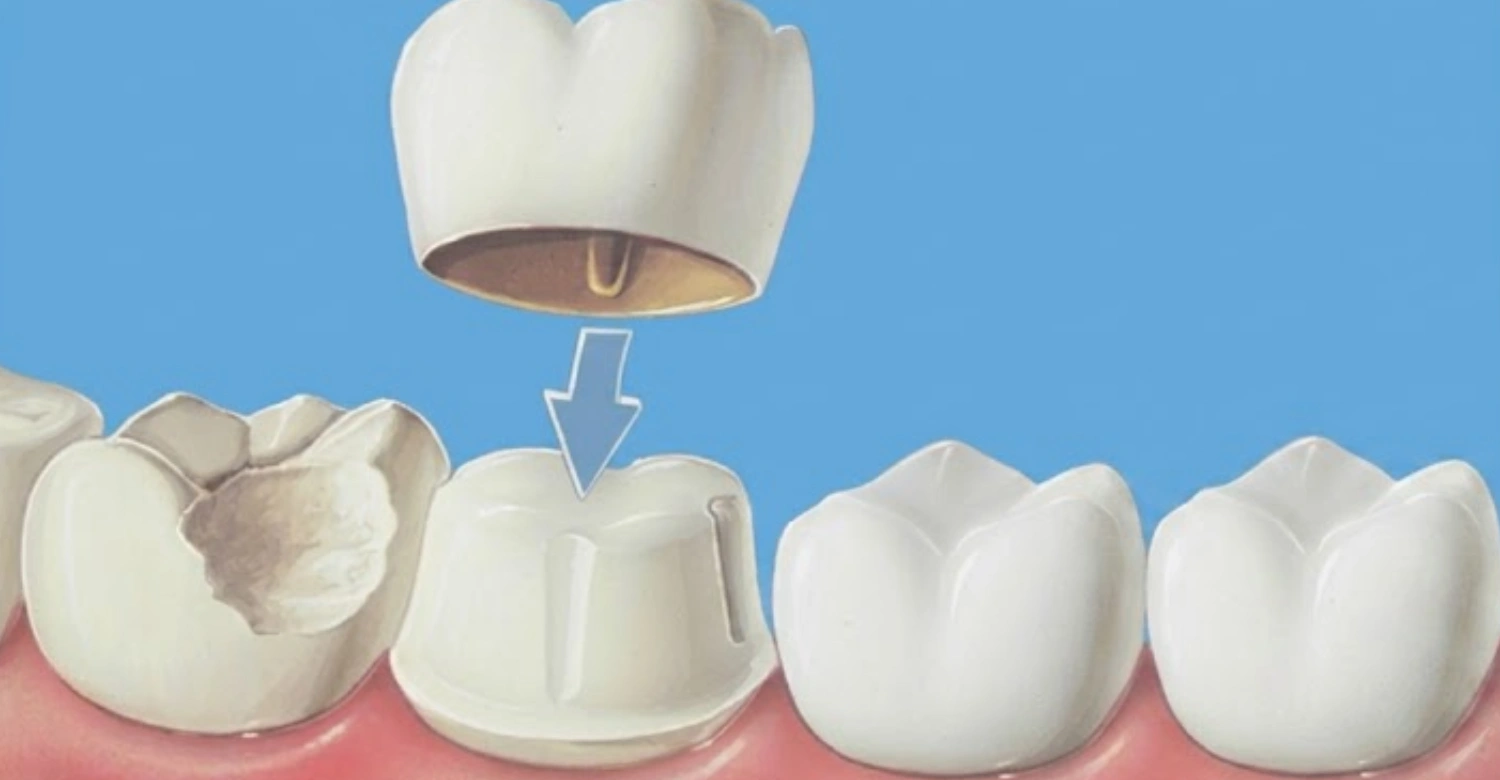
Prazos e Procedimentos para Colocar uma Coroa
O momento certo para colocar uma Coroa Dentária Após o Tratamento de Canal é essencial para obter o melhor resultado possível. O processo de cicatrização após a desvitalização deve ser considerado cuidadosamente antes de colocar uma coroa permanente no dente tratado. Compreender o cronograma recomendado ajuda os pacientes a planearem o seu calendário de tratamento e a evitarem complicações desnecessárias. O tempo para colocar uma Coroa Dentária Após o Tratamento de Canal varia com base nas taxas individuais de cicatrização, condição do dente e requisitos específicos recomendados por profissionais.
Quanto Tempo Após o Tratamento de Canal para Colocar a Coroa
O tempo recomendado varia tipicamente entre uma a duas semanas. Isto permite tempo suficiente para a cicatrização inicial. A rapidez com que se coloca a prótese depende de fatores que incluem a complexidade do procedimento e a capacidade individual de regeneração. A maioria dos profissionais recomenda esperar pelo menos duas semanas antes de colocar uma Coroa Dentária Após o Tratamento de Canal permanente para garantir uma cicatrização adequada. A Clinica Vitrin fornece orientação personalizada sobre o momento ideal para a colocação.
Posso Colocar a Coroa Imediatamente Após o Tratamento de Canal?
Posso colocar a coroa imediatamente é uma questão que muitos pacientes fazem, querendo concluir o seu tratamento rapidamente. Embora a colocação no próprio dia seja por vezes possível com tecnologia avançada, a maioria dos profissionais recomenda permitir algum tempo de cicatrização primeiro. Colocar uma prancha restauradora demasiado rápido pode levar a complicações, incluindo um risco acrescido de falha do tratamento. A Clinica Vitrin avalia cada caso individualmente para determinar se a colocação imediata ou adiada é a mais apropriada.
Por que Esperar Duas Semanas para a Coroa?
A razão para esperar duas semanas relaciona-se com o processo natural de cicatrização dos tecidos dentários. O período de espera de duas semanas permite que a inflamção diminua e os tecidos cicatrizem. Também garante que a desvitalização foi bem-sucedida antes de adicionar uma restauração definitiva. Apressar o processo pode mascarar problemas potenciais que se tornam difíceis de detetar mais tarde. A Clinica Vitrin recomenda este período de espera como prática padrão para garantir o melhor resultado possível para cada paciente.
Coroa Provisória Após o Tratamento de Canal: O Que Saber
A coroa provvisória serve como uma medida de proteção essencial entre o procedimento endodôntico e a colocação da coroa permanente. A estrutura temporária previne a entrada de bactérias no dente. Também protege o dente de danos durante o período de cicatrização. Os pacientes devem estar cientes de que as coroas provisórias são menos duráveis do que as permanentes e requerem um manuseamento cuidadoso durante o período de espera. A Clinica Vitrin fornece coroas provisórias de alta qualidade que protegem eficazmente os dentes. Se estiver a ter problemas inesperados, ler sobre a gestão da dor pós-operatória fornecerá os passos necessários para encontrar alívio imediato.
Quais os Dentes que Mais Precisam de uma Coroa Após o Tratamento de Canal?
Os dentes que precisam de uma Coroa Dentária Após o Tratamento de Canal são geralmente os que suportam a maior pressão de mastigação. Molares e pré-molares situam-se na parte de trás da boca. Eles absorvem grandes forças de cada vez que morde ou tritura. Estes dentes posteriores precisam quase sempre de uma Coroa Dentária Após o Tratamento de Canal para sobreviverem ao uso diário.
Os dentes da frente são uma história diferente. Eles suportam forças mais leves. Os casos em que se precisa de uma Coroa Dentária Após o Tratamento de Canal nos dentes frontais são menos comuns, a menos que haja danos estruturais significativos. A Clinica Vitrin avalia cada dente individualmente, visto que a decisão depende da estrutura dentária restante e não apenas da sua localização na boca.
Alimentação, Bebida e Cuidados Orais Antes da Colocação da Coroa
Hábitos adequados de alimentação, bebida e higiene oral após a desvitalização e antes da colocação da coroa impactam significativamente a cicatrização e a recuperação. Compreender as restrições alimentares e as diretrizes de higiene oral ajuda os pacientes a manterem uma saúde oral ideal durante este período crítico de recuperação. Seguir as diretrizes recomendadas garante que o dente tratado se mantenha saudável até à colocação da peça definitiva. Estas dicas práticas ajudam os pacientes a navegar no período de transição de forma confortável e segura.
Pode Comer Após o Tratamento de Canal Sem Coroa?
Comer após a desvitalização e antes de ter a coroa definitiva é possível, mas os pacientes devem ter cautela. Devem seguir diretrizes alimentares específicas cuidadosamente. Comer nesta fase requer evitar alimentos duros, crocantes e pegajosos que possam danificar ou desalojar a coroa provisória. Alimentos moles como iogurte, puré de batata, sopas e batidos são recomendados durante o período de cicatrização. A alimentação torna-se mais fácil à medida que a cicatrização progride, mas a cautela deve ser mantida.
O Que Comer Antes de Colocar a Coroa
O que comer antes de colocar a peça final é uma consideração importante para o conforto e proteção do dente tratado. Alimentos macios e nutritivos, como bananas, compota de maçã, ovos mexidos e vegetais cozinhados, fornecem nutrientes essenciais sem sobrecarregar o dente. A alimentação deve também incluir alimentos e bebidas mornos, pois temperaturas extremas podem causar sensibilidade e desconforto. A Clinica Vitrin oferece diretrizes dietéticas abrangentes adaptadas às necessidades específicas de cada paciente.
Pode Beber Após o Tratamento de Canal Sem Coroa?
Bebidas em geral são seguras, mas certas opções devem ser evitadas ou consumidas com cautela. Evite bebidas gaseificadas, bebidas ácidas como sumos de citrinos e bebidas muito quentes ou frias que possam irritar a área do dente tratado. A água à temperatura ambiente é a bebida mais segura e recomendada durante o período de recuperação. As restrições diminuem à medida que a cicatrização avança, mas manter bons hábitos é sempre recomendado.
Posso Escovar os Dentes Sem a Coroa Definitiva?
Escovar os dentes é geralmente recomendado, mas devem ser usadas técnicas suaves ao redor da área tratada. Utilize uma escova de dentes de cerdas macias. Evite pressionar com demasiada força o dente tratado e o tecido gengival circundante durante a escovagem. A escovagem suave ajuda a prevenir a acumulação de bactérias enquanto protege o dente em cicatrização e a coroa provisória. A Clinica Vitrin recomenda continuar as práticas regulares de higiene oral com modificações para garantir o conforto. O seu dentista irá sempre guiá-lo, mas saber sobre a recuperação prepara-o para o que esperar.
Gerir a Dor e as Complicações
Gerir a dor e as complicações após o procedimento requer a compreensão de problemas comuns. Também exige saber quando é necessária ajuda profissional. A colocação de uma Coroa Dentária Após o Tratamento de Canal pode por vezes envolver algum desconforto que varia de sensibilidade ligeira a dor mais significativa que requer intervenção. A gestão adequada da dor ajuda os pacientes a manterem a qualidade de vida durante a recuperação, enquanto monitorizam sinais de complicações. Compreender estes aspetos capacita os pacientes a tomar medidas proativas.
Dor Após o Tratamento de Canal e Coroa
A dor nesta fase é comum durante o período inicial de cicatrização. É tipicamente gerida com medicamentos anti-inflamatórios não sujeitos a receita médica. A dor no dente diminui gradualmente ao longo das primeiras duas semanas, à medida que os tecidos cicatrizam e se adaptam à nova estrutura. O ibuprofeno ou medicamentos semelhantes ajudam a reduzir a dor e a inflamação ao redor da área tratada. Contacte a Clinica Vitrin se a dor se intensificar ou persistir além de duas semanas para uma avaliação profissional.
O Dente Partiu Antes de Colocar a Coroa
Se o dente partir antes da restauração final, trata-se de uma situação grave. Requer atenção e avaliação profissional imediata. Dentes desvitalizados são mais frágeis e vulneráveis a fraturas. Isto torna a oportunidade de ter uma Coroa Dentária Após o Tratamento de Canal essencial para a sua proteção. Se o seu dente partir, evite comer desse lado e contacte a Clinica Vitrin imediatamente para uma avaliação de emergência. A Clinica Vitrin oferece soluções rápidas para dentes fraturados.
Dente Doloroso Após o Tratamento de Canal e Coroa
Um dente doloroso pode indicar vários problemas, incluindo desalinhamento da oclusão, infeção ou cicatrização incompleta. A dor no dente restaurado pode sugerir que a peça está demasiado alta. Isto causa pressão sobre o dente tratado ao morder. Este tipo de dor requer avaliação profissional para identificar a causa específica. A Clinica Vitrin realiza avaliações diagnósticas abrangentes para resolver eficazmente a dor dentária.
Dor Endodôntica Após a Coroa
A dor no canal radicular após a colocação da coroa pode ocorrer quando a prótese afeta os tecidos circundantes ou as vias nervosas próximas do dente tratado. Este tipo de dor requer frequentemente um ajuste da oclusão ou avaliação do ajuste da peça. A dor dente deve ser monitorizada cuidadosamente, pois a dor persistente pode indicar complicações que exigem intervenção profissional. A Clinica Vitrin oferece avaliação e tratamento especializados para pacientes que experienciam dor contínua.
Sinais de que Precisa de um Tratamento de Canal Após uma Coroa
Sinais de que precisa de desvitalizar um dente já restaurado incluem dor persistente, sensibilidade à temperatura e inchaço ao redor da área do dente. Estes sintomas podem indicar que se desenvolveu uma infeção por baixo da coroa existente, exigindo intervenção para resolver o problema subjacente. A necessidade de uma Coroa Dentária Após o Tratamento de Canal torna-se relevante novamente após o novo procedimento ser concluído com sucesso. A Clinica Vitrin realiza avaliações minuciosas.
Nota Clínica
As cáries precoces frequentemente não causam dor ou alterações visíveis. Elas são muitas vezes esquecidas durante as autoverificações em casa. Um exame dentário com raios-X deteta a cárie entre os dentes e sob o esmalte antes que atinja o estágio em que o paciente sinta dor.
Cuidados a Longo Prazo e Manutenção da Sua Coroa
Os cuidados e a manutenção a longo prazo da sua Coroa Dentária Após o Tratamento de Canal garantem que o dente tratado permaneça saudável e funcional por muitos anos. Práticas adequadas de higiene estendem significativamente a vida útil tanto da coroa como do dente desvitalizado subjacente. Compreender os requisitos de manutenção ajuda os pacientes a proteger o seu investimento e a evitar procedimentos de substituição desnecessários no futuro. Seguir estas diretrizes garante excelentes resultados com a sua Coroa Dentária Após o Tratamento de Canal.
Quanto Tempo Duram as Coroas Após o Tratamento de Canal
A duração de uma Coroa Dentária Após o Tratamento de Canal varia tipicamente entre quinze a trinta anos com os cuidados e a manutenção adequados. A longevidade da restauração depende do material utilizado, dos hábitos de higiene oral e dos cuidados dentários profissionais regulares. A vida útil da sua Coroa Dentária Após o Tratamento de Canal é maximizada através de escovagem consistente, uso de fio dentário e check-ups regulares na Clinica Vitrin. Investir em materiais de alta qualidade e seguir as orientações garante a maior durabilidade possível.
Uma Coroa Pode Ser Reutilizada Após o Tratamento de Canal?
Se uma coroa pode ser reutilizada depende da condição e integridade da estrutura existente antes do procedimento. Se a peça foi removida sem danos durante o tratamento, a recolocação pode ser possível em certas circunstâncias. No entanto, os profissionais recomendam frequentemente colocar uma nova Coroa Dentária Após o Tratamento de Canal para garantir o melhor ajuste e selagem. A Clinica Vitrin avalia as estruturas existentes para determinar se a reutilização é apropriada ou se uma nova peça oferece melhores resultados a longo prazo.
Colocação de Coroa no Dente: Dicas para Longevidade
A colocação da peça requer práticas de cuidado específicas para maximizar a longevidade de ambos os tratamentos combinados. Evite mastigar objetos duros como gelo, nozes e rebuçados duros. Estes podem danificar a prótese e comprometer a desvitalização abaixo. Mantenha uma excelente higiene oral escovando duas vezes ao dia, usando fio dentário regularmente e utilizando elixir antisséptico para prevenir a acumulação de bactérias.
Extração Dentária Após Tratamento e Coroa: Quando é Necessária
A extração do dente torna-se necessária quando o dente já não pode ser salvo, apesar dos esforços de tratamento. As situações que exigem extração incluem fratura radicular grave, perda óssea extensiva ou falha repetida do tratamento de canal. Quando a extração é necessária, a Clinica Vitrin oferece opções de substituição abrangentes, incluindo implantes dentários e pontes, para ótimos resultados estéticos e funcionais.
Que Tipos de Coroas São Usados Após o Tratamento de Canal?
Os tipos de restauração incluem vários materiais, cada um adequado a necessidades diferentes. Uma restauração de metalocerâmica combina a resistência de uma base metálica com uma camada de porcelana para um aspeto natural. Coroas totalmente cerâmicas e de zircónia são também escolhas populares, especialmente para dentes visíveis onde a aparência é fundamental.
O tipo de peça necessária depende frequentemente de qual dente foi tratado. Os dentes posteriores podem beneficiar de materiais mais fortes e menos estéticos. Os dentes da frente usam tipicamente opções totalmente cerâmicas para um sorriso perfeito. A Clinica Vitrin ajuda os pacientes a escolher a Coroa Dentária Após o Tratamento de Canal certa com base na função, aparência e orçamento.
Custo e Considerações sobre a Coroa Dentária Após o Tratamento de Canal
O custo associado a uma Coroa Dentária Após o Tratamento de Canal é uma consideração importante para os pacientes que planeiam o seu tratamento e gerem o seu orçamento de saúde. Compreender os vários fatores de custo ajuda os pacientes a tomar decisões informadas sobre as suas opções de tratamento. Colocar uma Coroa Dentária Após o Tratamento de Canal representa um investimento significativo, mas valioso, na saúde oral a longo prazo e na preservação dos dentes. A Clinica Vitrin oferece preços transparentes e opções de pagamento flexíveis.
Custo de uma Coroa Dentária Após o Tratamento de Canal
O valor da Coroa Dentária Após o Tratamento de Canal varia dependendo do material da coroa, localização do dente, área geográfica e complexidade do caso específico. As coroas de porcelana geralmente custam mais do que as coroas de metal, mas proporcionam uma estética superior e uma aparência natural. O custo total para obter uma Coroa Dentária Após o Tratamento de Canal deve ser discutido detalhadamente durante a sua consulta inicial. A Clinica Vitrin oferece orçamentos detalhados. Escolher o material certo é incrivelmente importante para obter os melhores resultados funcionais e estéticos.
A Coroa Dentária Após o Tratamento de Canal é Necessária?
Saber se a Coroa Dentária Após o Tratamento de Canal é necessária é algo fortemente recomendado por profissionais de saúde oral para dentes posteriores, devido às fortes forças exercidas durante a mastigação. A necessidade de uma Coroa Dentária Após o Tratamento de Canal depende da localização, tamanho e integridade estrutural do dente restante. Ignorar a colocação de uma Coroa Dentária Após o Tratamento de Canal aumenta significativamente o risco de fratura do dente e falha do tratamento ao longo do tempo. A Clinica Vitrin ajuda os pacientes a compreender a real necessidade na sua situação específica.
Dor na Coroa Dentária Após o Tratamento de Canal
Sentir dor na Coroa Dentária Após o Tratamento de Canal é uma preocupação comum que muitos pacientes experienciam durante o período de cicatrização e adaptação. Este tipo de dor é tipicamente temporário e gerível com medicação adequada e cuidados pós-procedimento. Compreender que a dor na Coroa Dentária Após o Tratamento de Canal é normal nos primeiros dias ajuda os pacientes a manterem a calma. A Clinica Vitrin oferece orientação abrangente sobre a gestão da dor para garantir uma recuperação confortável.
Dicas para Pacientes
Utilize uma pasta de dentes com 1.450 ppm de flúor e, após a escovagem, cuspa em vez de enxaguar com água, para que o flúor permaneça nos dentes por mais tempo. Se consumir algo açucarado, faça-o durante uma refeição em vez de espalhar doces ao longo do dia. É a frequência dos ataques ácidos, e não a quantidade total, que causa as cáries dentárias.
O Que Notamos Clinicamente
O Dr. Rifat Alsaman é Chefe da Equipa Médica na Clinica Vitrin e dentista estético. Ele nota que os pacientes que adiam a colocação da Coroa Dentária Após o Tratamento de Canal são os que mais frequentemente regressam com um dente fraturado. O Dr. Rifat Alsaman explica que o intervalo entre a conclusão da desvitalização e a colocação da coroa é quando o dente está mais vulnerável.
Segundo o Dr. Rifat Alsaman, os pacientes que cumprem o cronograma recomendado raramente enfrentam complicações. Aqueles que adiam o tratamento acabam frequentemente por precisar de reparações mais extensas e dispendiosas mais tarde.
Visitar os Especialistas: Clinica Vitrin
A Clinica Vitrin é especializada em fornecer procedimentos excecionais para a colocação de Coroa Dentária Após o Tratamento de Canal com tecnologia avançada e profissionais experientes. A nossa abordagem abrangente aos cuidados dentários garante que os pacientes recebam o tratamento de maior qualidade, desde a consulta inicial até ao acompanhamento a longo prazo. A Clinica Vitrin compreende a importância da correta colocação da restauração e compromete-se a entregar resultados excelentes. A nossa filosofia de cuidados centrados no paciente garante atenção personalizada.
Por que Escolher a Clinica Vitrin para Coroas Dentárias
A Clinica Vitrin oferece procedimentos superiores de Coroa Dentária Após o Tratamento de Canal, apoiados por uma vasta experiência e tecnologia dentária de ponta. A nossa clínica utiliza sistemas de impressão digital, tecnologia CAD/CAM e materiais de coroa de primeira qualidade, garantindo resultados precisos, confortáveis e duráveis. A satisfação do paciente e a saúde oral a longo prazo permanecem como as nossas maiores prioridades durante todo o processo. A reputação de excelência da Clinica Vitrin torna-nos a escolha de confiança.
Cuidados Dentários Especializados e Tecnologia Avançada
A Clinica Vitrin emprega tecnologia avançada, incluindo raios-X digitais, imagiologia 3D e capacidades de fabrico de coroas no próprio dia para um tratamento eficiente. Os nossos profissionais possuem vasta experiência no planeamento e colocação de Coroa Dentária Após o Tratamento de Canal, garantindo resultados ideais para cada paciente. Técnicas avançadas de anestesia garantem o mínimo desconforto durante todo o processo. A Clinica Vitrin investe continuamente na mais recente tecnologia dentária.
Histórias de Sucesso e Testemunhos de Pacientes
Inúmeros pacientes na Clinica Vitrin concluíram com sucesso os seus procedimentos com excelentes resultados duradouros e elevada satisfação. As histórias de sucesso destacam como o planeamento adequado, técnicas avançadas e cuidados pós-operatórios profissionais contribuem para resultados positivos. Os pacientes elogam consistentemente a Clinica Vitrin pela sua experiência confortável, equipa profissional e qualidade percetível. Estes testemunhos demonstram o nosso compromisso em oferecer os melhores resultados em cada Coroa Dentária Após o Tratamento de Canal.
Referências:
FAQs
O Dr. Rifat Alsaman possui mais de 5 anos de experiência clínica em odontologia e atualmente atua como Chefe da Equipe Médica da Vitrin Clinic. Ele é dedicado a oferecer um atendimento de excelência aos pacientes, supervisionando os planos de tratamento e garantindo os mais altos padrões clínicos em toda a equipe. Sua experiência, atenção aos detalhes e compromisso com o desenvolvimento profissional contínuo têm ajudado inúmeros pacientes a conquistar sorrisos mais saudáveis e confiantes.


