Periodontics
March 18, 2026
Compreender a Infeção Periodontal: Causas, Tratamentos e Prevenção
 Dr. Rifat Alsaman
A infecção periodontal é uma doença bacteriana comum que afeta os tecidos de suporte dos dentes, tornando essencial o seu entendimento para qualquer pessoa preocupada com a saúde gengival a longo prazo. Afectando milhões de pessoas em todo o mundo, esta condição pode levar a graves complicações de saúde oral e sistémica se não for tratada. Varia desde uma ligeira inflamação gengival até à perda óssea avançada e mobilidade dentária, que podem exigir um tratamento abrangente. Reconhecer os primeiros sinais é crucial, pois a intervenção precoce pode prevenir a progressão da doença e reduzir a necessidade de tratamentos extensos ou extrações dentárias. Desde a compreensão do que é uma infecção gengival até à exploração das opções de tratamento, passando pelo reconhecimento da infecção localizada no sulco periodontal e pelo conhecimento do seu impacto na saúde geral, este guia completo oferece informações valiosas para prevenir e gerir a infecção periodontal.
Este artigo aborda antibióticos para infecção periodontal, tratamento natural e codificação CID-10. Também explica o significado da infecção periodontal em termos claros. Os leitores que procuram infecção periodontal em Coeur d'Alene ou que se perguntam se a doença periodontal é uma infecção bacteriana encontrarão respostas aqui. Este guia oferece informações baseadas em evidências para os pacientes, ajudando-os a tomar decisões informadas sobre o tratamento da infecção gengival por periodontite e condições correlatas.
O que é uma Infecção Periodontal?
A infecção periodontal é uma doença bacteriana que afeta as gengivas e as estruturas de suporte dos dentes. É causada principalmente por microrganismos patogénicos que colonizam as áreas abaixo da linha da gengiva. Compreender o que é uma infecção periodontal ajuda os pacientes a reconhecer os sintomas precocemente e a procurar tratamento antes que a condição progrida. A natureza bacteriana desta doença torna-a prevenível através de uma higiene adequada e tratável através de abordagens médicas e naturais quando diagnosticada atempadamente. Reconhecer precocemente os sintomas de um abscesso periodontal é vital para prevenir a disseminação de bactérias orais pelo corpo.
Definição e Significado da Infecção Periodontal
O significado de infecção periodontal abrange condições inflamatórias que afetam os tecidos ao redor dos dentes, incluindo gengivas, ligamentos periodontais e osso de suporte. Estas condições são causadas pela invasão bacteriana e pela resposta imune do organismo. A doença começa quando bactérias patogénicas colonizam o espaço entre as gengivas e os dentes, desencadeando reações inflamatórias que destroem progressivamente as estruturas de suporte se não forem tratadas. A intervenção profissional ajuda a controlar as populações bacterianas e previne danos irreversíveis aos dentes e tecidos circundantes.
Infecção Localizada no Sulco Periodontal
A infecção localizada no sulco periodontal ocorre quando as bactérias se acumulam no pequeno espaço entre o dente e a gengiva, criando bolsas que abrigam organismos patogénicos. Esta infecção localizada representa o estágio inicial da doença gengival. A colonização bacteriana começa aqui antes de se espalhar para estruturas mais profundas. A detecção e o tratamento precoces das bactérias localizadas previnem a progressão para formas mais graves, ajudando a evitar a perda óssea e a perda dentária.
A Doença Periodontal é uma Infecção Bacteriana?
A doença periodontal é uma infecção bacteriana? Sim, esta condição é fundamentalmente uma doença bacteriana. É causada por microrganismos patogénicos específicos que colonizam as áreas subgengivais e produzem toxinas que danificam o tecido gengival. Esta natureza bacteriana explica por que razões os antibióticos e tratamentos antimicrobianos se mostram eficazes, especialmente quando combinados com procedimentos de limpeza mecânica. Eliminar a fonte bacteriana e manter uma excelente higiene oral previne a recolonização.
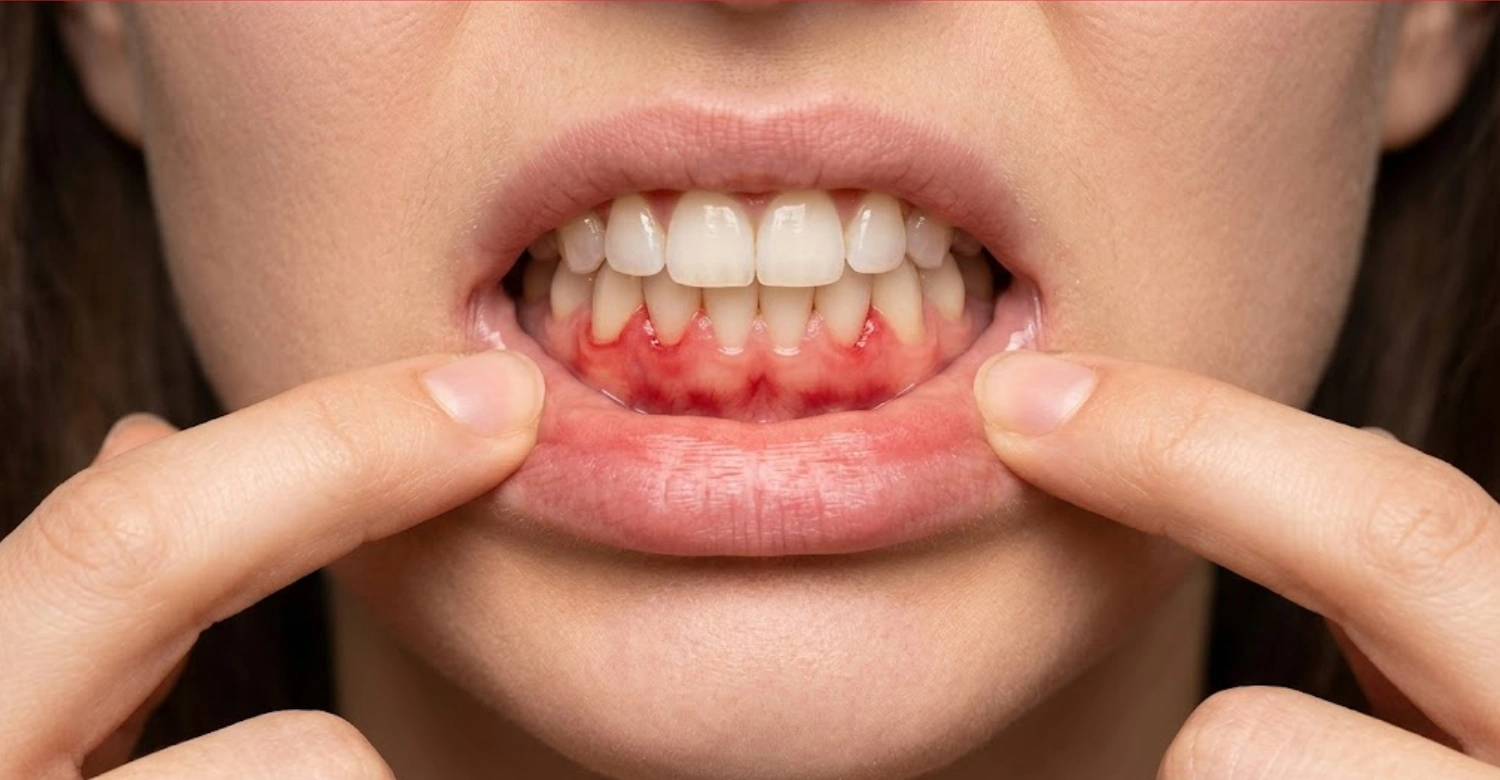
Causas e Fatores de Risco da Infecção Periodontal
A doença gengival desenvolve-se através de interações complexas entre bactérias patogénicas e as respostas imunes individuais. Fatores ambientais e genéticos também influenciam a suscetibilidade e a progressão da doença. Compreender as causas e os fatores de risco ajuda os pacientes a identificar vulnerabilidades pessoais e a implementar estratégias que reduzam a probabilidade de desenvolver uma infecção gengival por periodontite. Alguns fatores são modificáveis através de mudanças no estilo de vida, enquanto outros exigem gestão profissional. As infecções frequentemente se originam e multiplicam-se rapidamente dentro de bolsas gengivais profundas
Moor Hygiene Oral e Acúmulo de Placa
Uma má higiene oral que permite o acúmulo de placa bacteriana representa a causa primária. Os biofilmes bacterianos colonizam as superfícies dentárias e áreas subgengivais sem a remoção mecânica regular. A escovagem e o uso do fio dental inadequados permitem que bactérias patogénicas estabeleçam infecções nos tecidos periodontais, iniciando processos inflamatórios que destroem progressivamente as estruturas de suporte ao longo do tempo. Práticas de higiene oral consistentes previnem o acúmulo de placa e protegem os tecidos.
Genética e Condições de Saúde Sistémica
A predisposição genética influencia a suscetibilidade individual à doença gengival. Algumas pessoas apresentam formas mais agressivas da doença, mesmo com higiene adequada, devido a padrões de resposta imune herdados. Condições sistémicas, incluindo diabetes, doenças cardiovasculares e distúrbios imunes, aumentam significativamente o risco ao alterar a função imune e a capacidade de cicatrização dos tecidos.
Fatores do Estilo de Vida que Aumentam o Risco
Fatores do estilo de vida como tabagismo, estresse, nutrição inadequada e sono insuficiente elevam significativamente o risco ao comprometer a função imune. O tabagismo representa o fator de risco modificável mais significativo: aumenta drasticamente a gravidade da doença, a taxa de progressão e a probabilidade de falha do tratamento. Mudar hábitos de vida reduz os riscos e melhora os resultados clínicos.
Sintomas e Diagnóstico
O reconhecimento precoce dos sintomas permite uma intervenção atempada, prevenindo a progressão para estágios avançados que exigem tratamentos extensos ou resultam na perda dentária. Os sintomas variam desde sinais de alerta iniciais até manifestações avançadas evidentes que indicam destruição tecidual e perda óssea significativas. O diagnóstico profissional combina exame clínico, análise radiográfica e, por vezes, testes microbiológicos.
Primeiros Sinais de Alerta de Infecção Periodontal
Os primeiros sinais incluem sangramento gengival durante a escovagem ou uso do fio dental e mau hálito persistente. Outros sinais são vermelhidão, inchaço gengival e ligeira retração das gengivas. Estes sintomas iniciais indicam o desenvolvimento da doença e exigem avaliação profissional. Tratar a condição precocemente previne a evolução para periodontite e preserva os dentes naturais.
Infecção Gengival por Periodontite: Sintomas Avançados
Os sintomas avançados de infecção por periodontite incluem bolsas periodontais profundas e pus visível entre dentes e gengivas. Outros sinais incluem dentes moles ou desalinhados e retração gengival significativa com exposição das raízes. Tais manifestações requerem intervenção profissional imediata para evitar a extração dentária. Compreender a alta prevalência da doença gengival mostra por que as consultas dentárias regulares são essenciais para os adultos.
Como os Dentistas Diagnosticam a Infecção Periodontal (Incluindo Códigos CID-10)
Os dentistas fazem o diagnóstico através de um exame minucioso, incluindo sondagem periodontal e análise radiográfica. Avaliam a mobilidade dentária e os padrões de sangramento ou supuração. O sistema de codificação CID-10 para infecção periodontal classifica as várias formas da doença, facilitando o faturamento de seguros e o acompanhamento epidemiológico. O diagnóstico orienta a escolha do tratamento ideal.
Opções de Tratamento para Infecção Periodontal
O tratamento abrange abordagens que vão desde a limpeza mecânica não cirúrgica até terapias a laser avançadas e cirurgia, dependendo da gravidade. O cuidado eficaz combina a intervenção profissional para eliminar as fontes bacterianas com o cuidado doméstico do paciente para manter o ambiente oral limpo e evitar a reinfecção.
Tratamento da Infecção Periodontal: Métodos Convencionais
O tratamento convencional começa com métodos não cirúrgicos, como raspagem e alisamento radicular. Estes procedimentos removem mecanicamente os depósitos bacterianos e tecidos afetados das superfícies dentárias. A limpeza profissional elimina os focos bacterianos, criando condições favoráveis para que o tecido se adira novamente às raízes dentárias.
Raspagem e Alisamento Radicular
A raspagem e alisamento radicular representam o padrão-ouro do tratamento não cirúrgico. Removem mecanicamente a placa, o tártaro e as toxinas bacterianas acima e abaixo da linha da gengiva. Essa limpeza profunda alisa as superfícies das raízes, promovendo a recuperação e cicatrização do tecido gengival.
Antibióticos para Infecção Periodontal
Os antibióticos atuam como terapia complementar à limpeza mecânica para controlar populações bacterianas resistentes. Medicamentos comuns como doxiciclina, amoxicilina e metronidazolo podem ser prescritos por via sistémica ou aplicados localmente dentro das bolsas periodontais. São muito úteis em casos agressivos ou com complicações sistémicas.
Tratamento Natural para Infecção Periodontal
Os métodos naturais incluem enxaguantes bucais antimicrobianos, bochecho com óleo (oil pulling), modificações na dieta e suplementos fitoterápicos para apoiar a imunidade. Os tratamentos naturais complementam, mas não substituem, os cuidados profissionais. Recomenda-se orientação profissional ao utilizar remédios naturais.
Terapias Avançadas e Tratamentos a Laser
As opções avançadas incluem a terapia a laser, que atinge precisamente o tecido infectado enquanto preserva a gengiva saudável. Os tratamentos a laser oferecem alternativas minimamente invasivas à cirurgia tradicional, reduzindo o desconforto, o sangramento e o tempo de recuperação, alcançando excelente eliminação bacteriana.
Impacto da Infecção Periodontal na Saúde Geral
O impacto da infecção periodontal na saúde sistémica estende-se muito além da cavidade oral. Pesquisas relacionam a doença gengival a problemas cardiovasculares, complicações do diabetes, infecções respiratórias e complicações na gravidez. Se ocorrer perda dentária devido à infecção, pode explorar os implantes dentários de boca completa da Vitrin Clinic para restaurar completamente o seu sorriso.
Riscos à Saúde Sistémica Associados à Doença Gengival
Os riscos à saúde sistémica incluem maior risco de doenças cardiovasculares, complicações no diabetes, infecções respiratórias e desfechos adversos na gravidez. A disseminação de bactérias e a inflamação sistémica afetam órgãos distantes, tornando o tratamento periodontal essencial para a saúde integral do corpo.
Prevenindo Complicações Através do Cuidado Precoce
A prevenção de complicações através do tratamento precoce reduz os riscos à saúde sistémica, preserva os dentes naturais e protege as estruturas orais. O cuidado proativo representa um investimento inteligente na saúde geral e evita procedimentos complexos e dispendiosos no futuro.
O Elo Bidirecional: Infecção Periodontal e Controle Glicémico no Diabetes
A infecção periodontal e o diabetes partilham uma relação bidirecional muito próxima. Uma infecção periodontal não controlada aumenta a inflamação sistémica, dificultando a ação da insulina no controle da glicose no sangue. Ao mesmo tempo, o diabetes mal controlado enfraquece a resposta imune, permitindo que a infecção avance de forma mais agressiva. Tratar uma condição ajuda a controlar a outra.
Suscetibilidade Periodontal em Pacientes Diabéticos
A suscetibilidade periodontal em pacientes diabéticos é significativamente maior devido à cicatrização comprometida e à glicose elevada que alimenta as bactérias orais. Diabéticos enfrentam maior risco de infecções graves e cicatrização lenta, necessitando de acompanhamento constante e limpezas frequentes.
Compreendendo a Carga Metabólica: Como a Inflamação Oral Crónica Prejudica a Sensibilidade à Insulina
A infecção periodontal crónica dispara a liberação contínua de moléculas inflamatórias na corrente sanguínea, contribuindo para a resistência à insulina. Estes marcadores interferem na capacidade das células de absorver a glicose. O tratamento da infecção periodontal reduz essa carga metabólica e apoia um melhor controle glicémico.
O Que Observamos Clinicamente
O Dr. Rifat Alsaman, Chefe da Equipe Médica da Vitrin Clinic e dentista estético, nota que muitos pacientes diabéticos desconhecem a relação entre os seus níveis de glicose e a saúde gengival. Segundo o Dr. Rifat Alsaman, os pacientes que tratam a infecção periodontal relatam frequentemente maior facilidade no controle glicémico em poucos meses. Ele reforça a importância de coordenar os cuidados dentários com o médico do paciente.
Nota Clínica
Pacientes com diabetes mal controlado costumam apresentar resposta mais lenta ao tratamento periodontal padrão, geralmente refletida por uma HbA1c acima de 9%. Nesses casos, a Vitrin Clinic recomenda o tratamento em etapas: iniciando com uma limpeza profunda inicial e uma reavaliação seis a oito semanas depois. Essa abordagem permite avaliar a cicatrização tecidual antes de decidir por tratamentos adicionais, como antibióticos locais ou terapia a laser.
Conselhos de Especialistas e Dicas de Prevenção
Os conselhos de especialistas para prevenir doenças gengivais enfatizam a higiene oral diária rigorosa e consultas profissionais regulares. Um estilo de vida saudável e atenção rápida aos primeiros sinais de alerta também são fundamentais. A prevenção é incomparavelmente mais simples e económica do que tratar a doença instalada.
Hábitos Diários de Higiene Oral
Os hábitos diários incluem escovar os dentes duas vezes ao dia com a técnica correta e usar fio dental uma vez ao dia. O uso de enxaguantes antimicrobianos recomendados e a limpeza da língua também ajudam. A remoção mecânica e frequente da placa previne a colonização bacteriana e protege as gengivas.
Consultas Dentárias Regulares
As consultas dentárias regulares permitem a detecção precoce antes que ocorram danos graves. As limpezas profissionais removem o acúmulo de placa e tártaro inacessíveis com a escovagem em casa, eliminando reservatórios bacterianos que poderiam iniciar a doença.
Recomendações sobre Estilo de Vida e Dieta
As recomendações incluem cessação do tabagismo e controle do estresse. Nutrição equilibrada, hidratação adequada e sono suficiente fortalecem a função imune e a capacidade de regeneração tecidual.
Dicas para Pacientes
Passos práticos para pacientes gerirem a infecção periodontal juntamente com o diabetes:
Monitore a glicose no sangue rigorosamente, pois picos glicémicos pioram a infecção e atrasam a cura.
Agende limpezas dentárias a cada três ou quatro meses, em vez dos habituais seis meses.
Mantenha escovagem e uso do fio dental diários para reduzir a carga bacteriana.
Informe a sua equipe dentária sobre o seu diagnóstico de diabetes para adaptar o tratamento.
Evite o fumo, que agrava tanto as complicações do diabetes quanto a gravidade da infecção periodontal.
Infecção Periodontal na Vitrin Clinic
Vitrin Clinic oferece tratamento abrangente para infecções periodontais, combinando diagnóstico avançado, tratamentos baseados em evidências e atenção personalizada. Escolher a Vitrin Clinic significa contar com profissionais dedicados à preservação dos seus dentes naturais e saúde geral.
Diagnóstico Completo e Planos de Tratamento Personalizados
O diagnóstico completo da Vitrin Clinic inclui exames clínicos minuciosos, exames de imagem avançados e testes microbiológicos quando indicados, além de avaliação dos fatores de saúde sistémica para elaborar tratamentos sob medida.
Tratamento Avançado para Periodontite e Infecções Gengivais
A Vitrin Clinic oferece tratamentos avançados, incluindo terapia a laser e tratamentos antimicrobianos, além de procedimentos cirúrgicos regenerativos quando necessário. Opções inovadoras como o tratamento periodontal a laser oferecem uma alternativa minimamente invasiva para erradicar infecções orais persistentes.
Depoimentos de Pacientes e Histórias de Sucesso
Os depoimentos de pacientes da Vitrin Clinic destacam resultados excelentes, recuperação da saúde gengival, dentes preservados e melhoria no bem-estar geral após cuidados abrangentes.
Perguntas Frequentes
Como curar a doença periodontal?
A recuperação começa com uma limpeza profunda profissional para remover os depósitos bacterianos abaixo da gengiva, seguida de uma rigorosa higiene oral diária em casa. O dentista pode recomendar enxaguantes antimicrobianos ou antibióticos. A cicatrização progride ao longo de várias semanas.
Qual é a aparência de uma infecção periodontal?
Geralmente apresenta-se com gengivas vermelhas, inchadas e que sangram facilmente ao escovar. Conforme progride, pode haver presença de pus, retração gengival deixando os dentes aparentando estar mais longos, mobilidade dentária e mau hálito persistente.
Quais são os quatro sinais da doença periodontal?
Os quatro sinais clássicos incluem: sangramento gengival durante a escovagem, mau hálito persistente, retração gengival expondo as raízes e dentes moles ou desalinhados.
Conclusão: Mantendo Gengivas Saudáveis e Prevenindo Infecções
Manter as gengivas saudáveis exige compromisso com uma excelente higiene oral e consultas profissionais regulares. O investimento na prevenção e no diagnóstico precoce preserva os dentes naturais e protege a saúde geral a longo prazo.
Principais Pontos sobre a Infecção Periodontal
É essencial reconhecê-la como uma doença bacteriana prevenível e tratável. A detecção precoce permite tratamentos conservadores, sendo indispensável tratar as gengivas para proteger todo o organismo.
Como o Cuidado Regular e a Intervenção Precoce Fazem a Diferença
O acompanhamento constante previne a progressão para estágios graves, preserva os dentes naturais e reduz significativamente os custos com procedimentos complexos no futuro.
Sobre a Vitrin Clinic
A Vitrin Clinic é uma clínica dentária internacional localizada em Istambul, Turquia, conhecida por combinar tecnologia de ponta com atendimento personalizado. Liderada pelo Dr. Rifat Alsaman, a equipe é especializada em odontologia restauradora, estética e tratamento avançado de infecções periodontais.
Referências:
FAQs
O Dr. Rifat Alsaman possui mais de 5 anos de experiência clínica em odontologia e atualmente atua como Chefe da Equipe Médica da Vitrin Clinic. Ele é dedicado a oferecer um atendimento de excelência aos pacientes, supervisionando os planos de tratamento e garantindo os mais altos padrões clínicos em toda a equipe. Sua experiência, atenção aos detalhes e compromisso com o desenvolvimento profissional contínuo têm ajudado inúmeros pacientes a conquistar sorrisos mais saudáveis e confiantes.


