General Dentistry
September 19, 2025
Why Temporary Crowns Are an Essential Solution in 2026?
 Dr. Rifat Alsaman
As coroas provisórias continuam a ser uma solução dentária essencial em 2026. Protegem os dentes preparados contra a sensibilidade, bactérias e danos enquanto os pacientes aguardam pelas suas restaurações definitivas. Também ajudam a manter a mastigação normal, a fala e a aparência natural do sorriso durante o período de tratamento. Os avanços nos materiais dentários melhoraram a sua durabilidade e conforto, tornando-as mais fiáveis do que nunca. Além disso, as coroas provisórias preservam o alinhamento dentário e suportam resultados restauradores bem-sucedidos a longo prazo.
O que são coroas provisórias e por que são necessárias?
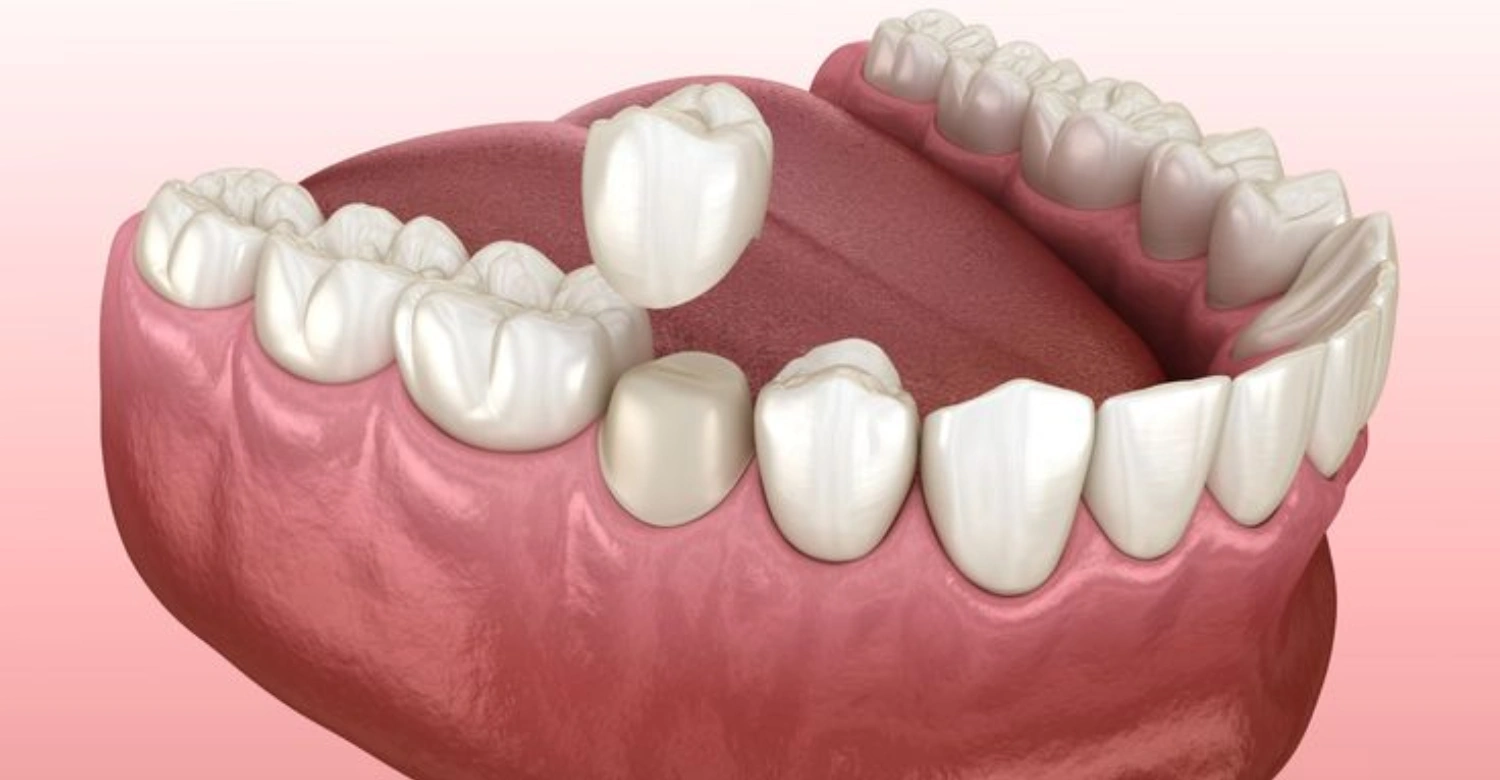
Uma coroa provisória é uma cobertura protetora de curto prazo colocada sobre um dente enquanto se aguarda por uma restauração definitiva. A definição de coroa provisória descreve-a como uma solução funcional e estética. Protege o dente após a preparação, mantendo-o seguro até que a coroa definitiva esteja pronta.
São frequentemente necessárias após procedimentos dentários importantes, tais como tratamentos de canal ou implantes dentários. Nesses casos, servem como uma ponte entre as etapas do tratamento.
Como se diferenciam as coroas provisórias das coroas definitivas?
A distinção mais significativa entre uma coroa provisória e uma definitiva reside no seu material, durabilidade e função. Uma coroa definitiva é uma restauração duradoura e feita à medida, concebida para durar muitos anos. É frequentemente feita de materiais como porcelana, zircónia ou ligas metálicas.
Estas são confecionadas com precisão para se ajustarem perfeitamente e suportarem os rigores da mastigação diária. Em contrapartida, uma coroa provisória é feita de um material mais macio e menos durável, tipicamente acrílico ou resina composta.
A função principal de uma coroa provisória é a proteção a curto prazo, não a resistência a longo prazo. É por isso que o procedimento para uma coroa provisória é muito mais rápido e simples do que o processo para uma definitiva. Uma limpeza suave com um irrigador oral é ideal para gengivas sensíveis
Que materiais são utilizados para as coroas provisórias?
O material mais comum para coroas provisórias é a resina composta ou o acrílico. O seu dentista pode moldá-lo facilmente no consultório. Estes materiais são escolhidos pela sua facilidade de utilização e baixo custo. Também podem ser rapidamente adaptados para se ajustarem ao dente preparado. Uma coroa definitiva é fabricada num laboratório dentário. Por outro lado, o seu dentista pode criar uma coroa dentária provisória diretamente no consultório. Isto permite a colocação e proteção imediatas do dente, o que é essencial para evitar complicações enquanto espera.
Por que os dentistas recomendam coroas provisórias antes das definitivas?
Os dentistas recomendam coroas por diversas razões. Em primeiro lugar, protegem o dente após este ter sido preparado para a coroa definitiva. O processo de preparação envolve a remoção de uma quantidade significativa da estrutura externa do dente. Isto deixa a dentina e a polpa internas e sensíveis expostas. Sem uma cobertura protetora, isto pode levar a uma sensibilidade extrema e a potenciais infeções. Em segundo lugar, mantêm a integridade estrutural da mordida. Uma coroa dentária provisória impede que os dentes vizinhos se desloquem, garantindo que a coroa final se ajuste perfeitamente.
Quais são os principais objetivos das coroas provisórias?
O propósito de uma coroa provisória vai além da simples proteção. É uma parte crítica do plano de tratamento global. Proporcionam uma superfície estável para mastigar, permitindo-lhe comer de forma relativamente normal enquanto aguarda pela sua restauração definitiva. Também ajudam a manter a saúde do tecido gengival ao redor do dente. Uma coroa dentária provisória evita que partículas de alimentos e bactérias se acumulem ao redor da margem do dente. Esse acúmulo poderia, de outra forma, causar inflamação e doença gengival.
As coroas provisórias protegem dentes sensíveis?
Sim, uma coroa dentária provisória protege a dentina e os nervos expostos, reduzindo a dor na coroa provisória causada pela sensibilidade ao quente, ao frio ou à pressão.
As coroas provisórias podem ajudar a manter a saúde das gengivas?
Uma coroa provisória devidamente ajustada suporta o tecido gengival, mantendo-o estável antes da colocação da solução definitiva.
Como é feita e colocada uma coroa provisória?
O processo para obter uma coroa dentária provisória é simples e geralmente ocorre numa única consulta. Após o dentista ter preparado o dente, remodelando-o, irá criar e colocar a coroa provisória. Este passo crucial garante o seu conforto e protege a estrutura dentária subjacente. Enquanto isso, o laboratório dentário fabrica a sua coroa final.
Quais são as etapas envolvidas na preparação de um dente para uma coroa provisória?
O dentista anestesia a área com um anestésico local para o manter confortável.
É utilizada uma broca dentária para remover cuidadosamente a camada externa de esmalte do dente.
O dente é remodelado e reduzido em tamanho para dar lugar à coroa.
O dentista alisa e ajusta a estrutura do dente para um encaixe adequado.
Esta preparação garante que a coroa provisória fique bem ajustada sem parecer volumosa ou desconfortável.
Como é que o dentista faz um molde para uma coroa provisória?
Após a preparação do dente, o dentista fará um molde da área. Existem duas formas principais de fazer isto. O primeiro método, mais tradicional, envolve a utilização de um material macio, semelhante a uma massa, onde você morde. A segunda abordagem, mais moderna, utiliza um scanner digital para criar uma imagem 3D da sua boca. Este molde é utilizado para criar uma coroa provisória que se adapta à nova forma do seu dente. Isso também fornece ao laboratório dentário as informações necessárias para criar a sua coroa definitiva final. Oferecemos reparação estética para sorrisos afetados pelo tempo ou trauma
Que ferramentas e materiais são utilizados durante a colocação?
Para o processo de colocação de uma coroa provisória, os dentistas utilizam um molde feito à medida ou uma concha de coroa pré-formada. Preenchem este molde com um material de coroa provisória, como acrílico ou resina composta. Em seguida, colocam-no sobre o dente preparado. À medida que o material endurece, o dentista molda e apara as bordas. Isto garante um encaixe suave que se alinha perfeitamente com a sua mordida. Por fim, é utilizado um cimento dentário provisório para fixar a coroa no lugar
Quanto tempo demora a colocar uma coroa provisória?
A colocação real de uma coroa dentária provisória é um processo rápido. Normalmente, demora apenas cerca de 15 a 20 minutos após o dente ter sido preparado. A consulta completa, incluindo a preparação do dente, o molde e a colocação, pode durar de 60 a 90 minutos. Esta eficiência é um dos principais benefícios do procedimento de coroa provisória, pois permite proteção e conforto imediatos. Se tiver uma urgência dentária, agende uma consulta de urgência imediatamente
O processo de colocar uma coroa provisória é doloroso?
Uma pergunta frequente é: “É doloroso colocar uma coroa provisória?” A resposta é geralmente não. A área é anestesiada com um anestésico local antes do dente ser preparado. Isto significa que não deverá sentir qualquer dor durante o procedimento em si. Posteriormente, é normal sentir algum desconforto leve ou sensibilidade, mas isso é geralmente controlável com analgésicos de venda livre.
Quanto tempo duram as coroas provisórias?
Compreender a vida útil da sua coroa dentária provisória é importante para gerir as expectativas. Também o ajuda a saber quando é altura para a sua próxima consulta. Uma coroa provisória é, por definição, uma solução a curto prazo. Ainda assim, a sua durabilidade é crucial para o sucesso do seu tratamento global.
As coroas provisórias aumentam o custo total das coroas dentárias?
Na maioria das clínicas dentárias, as coroas provisórias estão incluídas no valor total do tratamento com coroas. Esta abordagem simplifica a faturação e garante que os pacientes compreendem o custo total do tratamento desde o início.
No entanto, algumas clínicas podem cobrar as coroas provisórias separadamente, particularmente se for necessário um uso prolongado ou substituição. Discutir a estrutura de custos durante o planeamento do tratamento ajuda a evitar cobranças inesperadas.
As coroas provisórias são cobertas pelo seguro dentário?
O seguro dentário normalmente cobre coroas provisórias como parte do benefício geral para coroas. No entanto, os níveis de cobertura variam consoante o plano, e os pacientes devem verificar os seus benefícios específicos antes de iniciar o tratamento.
A maioria dos planos de seguro que cobrem coroas definitivas também inclui as restaurações provisórias associadas. Contudo, copagamentos e franquias podem aplicar-se de acordo com os termos da apólice individual. Se a sua coroa definitiva se perder, oferecemos serviços rápidos de substituição de coroa definitiva
Como varia o custo das coroas provisórias entre as clínicas na Turquia?
As coroas provisórias na Turquia são geralmente mais acessíveis em comparação com muitos outros países, tornando o turismo dentário atrativo para tratamentos completos de coroas. A diferença de custos reflete variações nos custos fixos, mão de obra e despesas com materiais.
As coroas provisórias de alta qualidade na Turquia custam tipicamente significativamente menos do que tratamentos semelhantes nos países ocidentais. Os padrões de qualidade e segurança permanecem comparáveis.
Quais são as alternativas às coroas provisórias?
A vida útil média de uma coroa dentária provisória é normalmente de algumas semanas a um par de meses. A duração exata depende de vários fatores, incluindo o tipo de cimento utilizado e os seus hábitos alimentares. O objetivo de uma coroa provisória é fazer a ponte até que a sua coroa definitiva esteja pronta. Este processo demora normalmente cerca de duas a quatro semanas. Embora sejam projetadas para durar esse tempo, não se destinam ao uso permanente.
Pode optar por não colocar uma coroa provisória?
Dispensar uma coroa provisória geralmente não é recomendado e é considerado uma escolha de alto risco. O propósito de uma coroa provisória é proteger o seu dente e prevenir complicações. Sem ela, o dente preparado ficaria exposto, levando a uma sensibilidade extrema, potencial infeção e ao deslocamento dos dentes adjacentes.
Quais são os riscos de evitar uma coroa provisória?
Evitar uma coroa dentária provisória expõe o dente a bactérias e ao risco de infeção. Também deixa o dente suscetível a danos causados pela mastigação. Mais importante ainda, pode fazer com que os dentes de cada lado se desloquem. Este deslocamento pode fazer com que a coroa definitiva não encaixe corretamente, exigindo um novo molde ou mais preparação. O resultado é um custo e tempo adicionais.
Existem alternativas modernas às coroas provisórias na medicina dentária?
A alternativa mais comum é a coroa no mesmo dia, uma inovação moderna que elimina completamente a necessidade de uma coroa provisória. Esta tecnologia, frequentemente chamada CEREC (Restauração Económica Chairside de Cerâmicas Estéticas), utiliza tecnologia CAD/CAM. Ela projeta e fresa uma coroa definitiva diretamente no consultório dentário.
Como se comparam as coroas no mesmo dia com as coroas provisórias?
As coroas no mesmo dia são feitas de um material cerâmico resistente ou porcelana, tornando-as muito mais duráveis do que o material das coroas provisórias. O principal benefício é a conveniência: obtém a sua coroa final numa única consulta. Isto evita a necessidade de uma coroa dentária provisória e de uma segunda consulta. No entanto, nem todas as clínicas dentárias dispõem desta tecnologia e ela pode não ser adequada para todos os casos.
O que deve esperar após colocar uma coroa provisória?
As expectativas pós-tratamento ajudam os pacientes a prepararem-se para o período de adaptação após a colocação da coroa provisória. Compreender as sensações normais e os potenciais problemas permite aos pacientes responder adequadamente à sua experiência. A maioria dos pacientes adapta-se rapidamente às coroas provisórias e experiencia uma perturbação mínima nas suas atividades diárias quando as instruções de cuidados adequados são seguidas. O processo de reparação dentária é explicado em detalhe durante a sua consulta
É normal sentir desconforto com uma coroa provisória?
É muito comum sentir algum desconforto leve ou sensibilidade após o processo de colocação de uma coroa provisória. Isto deve-se geralmente à preparação do dente e à colocação da coroa. O desconforto deve diminuir em poucos dias. Se sentir dor significativa ou persistente, deve contactar o seu dentista.
Quanto tempo dura a sensibilidade?
A sensibilidade dura geralmente alguns dias, especialmente ao comer ou beber alimentos quentes ou frios. Esta é uma parte normal do processo de cicatrização. A coroa dentária provisória está a cumprir o seu papel de proteger o dente. Ainda assim, alguma sensibilidade pode persistir até que o nervo acalme.
Que opções de gestão da dor estão disponíveis?
Para dores ligeiras, analgésicos de venda livre, como o ibuprofeno ou o paracetamol, são geralmente suficientes. O seu dentista também pode recomendar uma pasta de dentes dessensibilizante para ajudar com qualquer sensibilidade persistente. Se a dor for forte ou não passar, é importante contactar o seu dentista.
Como afetam as coroas provisórias a sua rotina diária?
Com uma coroa dentária provisória, a sua rotina diária deve permanecer maioritariamente a mesma. Pode continuar a trabalhar, fazer exercício e conviver. No entanto, deve ter cuidado com a sua alimentação e higiene oral, como mencionado anteriormente, para evitar problemas.
Pode comer normalmente após colocar uma coroa provisória?
Pode comer, mas com cuidado. É melhor evitar mastigar do lado com a coroa provisória durante as primeiras horas após o procedimento. Isto permite que o cimento seque completamente. Depois disso, prefira alimentos macios e evite qualquer coisa pegajosa ou dura.
Pode continuar a praticar desporto ou atividades físicas?
Sim, não há razão para evitar desportos ou atividades físicas após colocar uma coroa dentária provisória. Apenas tenha em mente os riscos associados a potenciais impactos no rosto e na boca. Um protetor bucal pode fornecer proteção adicional se praticar um desporto de contacto.
Se está a considerar coroas provisórias para implantes, ou precisa de orientação especialista sobre procedimentos de coroas provisórias, visite vitrinclinic.com. Saiba mais sobre os nossos serviços dentários abrangentes no site.
A nossa equipa experiente oferece cuidados personalizados e explicações detalhadas para todas as suas necessidades de coroas dentárias. Agende a sua Consulta Gratuita hoje para discutir a sua situação específica e explorar as melhores opções de tratamento para o seu sorriso. Focamo-nos em tratar cáries com métodos conservadores e de preservação dentária
O que acontece se a sua coroa provisória se soltar ou cair?
Uma coroa provisória que caiu é uma das razões mais comuns pelas quais os pacientes ligam para uma linha de urgência dentária. Geralmente acontece por causa do cimento dentário provisório, frequentemente um cimento de óxido de zinco e eugenol escolhido especificamente porque liberta a coroa sem danificar o dente. Às vezes o cimento simplesmente faz o seu trabalho um pouco bem demais. Outras vezes, alimentos pegajosos ou duros puxam a coroa até a soltar. Saber o que fazer se uma coroa provisória se soltar importa. Pode fazer a diferença entre um ajuste simples e uma consulta de reparação mais complicada.
Passos imediatos em casa antes de chegar à sua clínica dentária
Localize e guarde a coroa. Não a deite fora, mesmo que pareça danificada o seu dentista poderá voltar a cimentá-la.
Enxague suavemente a coroa e o dente exposto com água morna para remover qualquer resto de cimento ou resíduos de alimentos.
Se puder, uma pequena quantidade de cimento dentário provisório de venda livre ou adesivo para próteses pode segurar a coroa no lugar até à sua consulta. Use isto apenas para conforto a curto prazo. Nunca use cola de contacto ou adesivos domésticos.
Evite totalmente mastigar do lado afetado prefira alimentos macios do lado oposto da sua boca.
Contacte a sua clínica dentária no mesmo dia. Uma coroa provisória deslocada é considerada uma prioridade para o próprio dia, não algo a deixar até à sua próxima consulta agendada.
Dicas para os pacientes
Mantenha uma pequena caixa de viagem ou um lenço de papel limpo na sua mala se a sua consulta para a coroa definitiva ainda faltar semanas. Isto torna mais fácil guardar uma coroa solta se ela sair inesperadamente.
Evite doces pegajosos, chicletes e frutos secos duros ao redor da coroa provisória. Estas são as causas mais frequentes de falha do cimento dentário provisório.
Se a coroa parecer "alta" ou se a sua mordida parecer irregular, mesmo antes de cair, ligue para o seu dentista. Este é frequentemente um sinal de aviso precoce de desaperto.
Esta mesma orientação aplica-se quer a coroa se tenha soltado completamente ou esteja apenas a balançar no lugar. De qualquer forma, trate isso como uma urgência. Fazer isso reduz as chances de ela cair completamente antes da sua consulta.
Os riscos de deixar um dente preparado exposto após a soltura
Assim que uma coroa provisória cai, o dente preparado subjacente fica exposto. Os riscos da preparação do dente exposto incluem:
Sensibilidade aguda ao quente, ao frio e ao ar, visto que a camada protetora de dentina está descoberta.
Infiltração bacteriana, que pode progredir para a polpa e aumentar o risco de infeção quanto mais tempo o dente permanecer descoberto.
Movimentação dentária, pois os dentes vizinhos podem começar a deslocar-se para o espaço aberto em questão de dias. Este deslocamento pode impedir que a coroa definitiva final se encaixe corretamente.
Risco de fratura, uma vez que a estrutura do dente preparado é mais fina e frágil sem o suporte da coroa durante a mastigação.
Quanto mais tempo um dente preparado permanecer descoberto, mais prováveis se tornam estas complicações. É por isso que a recimentação ou substituição imediata é sempre recomendada em vez de esperar. Na maioria dos casos, a causa subjacente remonta a como a coroa foi originalmente colocada. Uma camada fina ou aplicada de forma irregular de cimento provisório de óxido de zinco e eugenol desgasta-se mais rapidamente. Isto aumenta a probabilidade de a coroa se voltar a soltar.
Qual será a aparência da coroa provisória em comparação com os dentes naturais?
Os pacientes perguntam frequentemente sobre a estética da coroa provisória antes do início do tratamento, especialmente quando a coroa envolve um dente frontal. Uma coroa provisória é projetada principalmente para proteção e função. Os materiais modernos parecem razoavelmente naturais à primeira vista, mas não se destinam a ser uma correspondência perfeita e a longo prazo com os seus dentes vizinhos.
Textura da superfície, translucidez ótica e limitações de tonalidade das resinas acrílicas
Ao comparar a aparência do acrílico vs. cerâmica, algumas diferenças destacam-se clinicamente:
Translucidez: O esmalte natural, juntamente com as coroas definitivas de cerâmica ou zircónia, permite a passagem da luz. Isto dá aos dentes a sua profundidade subtil. As resinas acrílicas usadas nas coroas provisórias são mais opacas, pelo que podem parecer ligeiramente mais planas sob certas iluminações.
Textura da superfície: Uma coroa provisória recém-colocada tem uma superfície lisa e polida. Este acabamento pode perder o brilho mais rapidamente do que a cerâmica, adquirindo por vezes um aspeto mais baço após algumas semanas.
Estabilidade da cor: O acrílico é mais poroso do que a cerâmica. Isto torna-o mais propenso a absorver pigmentos de café, chá, vinho tinto ou tabaco, levando a alterações crescentes na tonalidade que uma restauração definitiva resistiria.
O que notamos clinicamente
O Dr. Rifat Alsaman, Chefe da Equipa Médica e dentista cosmético na Vitrin Clinic, nota que os pacientes ficam geralmente satisfeitos com a aparência de uma coroa provisória bem feita imediatamente após a colocação. Ele acrescenta que os pacientes devem esperar que ela envelhece de forma diferente da restauração final. De acordo com o Dr. Rifat Alsaman, definir essa expectativa cedo, antes mesmo de a coroa provisória ser colocada, ajuda os pacientes a sentirem-se confiantes em vez de preocupados. Isto é especialmente importante quando notam pequenas alterações na cor ou textura enquanto aguardam pela coroa definitiva. Discutir esta estética é uma parte de rotina das suas consultas.
Compreender a diferença de aparência entre o acrílico e a cerâmica com antecedência também ajuda os pacientes a evitar desilusões a meio do tratamento. A coroa definitiva final restaurará a translucidez e a correspondência de cor que o material provisório não consegue replicar totalmente.
Vantagens e desvantagens abrangentes das restaurações a curto prazo
Vantagens | Desvantagens |
Protege o dente preparado contra a sensibilidade e a exposição bacteriana | Feita de material mais macio que se desgasta mais rapidamente do que as restaurações definitivas |
Preserva a posição do dente e o alinhamento da mordida enquanto espera | Mais propenso a falhas no cimento dentário provisório do que a adesão de uma coroa definitiva |
Rápida de fabricar e colocar, muitas vezes na mesma consulta da preparação | Limitações estéticas, incluindo menor translucidez e estabilidade de cor |
Mantém o contorno gengival saudável ao redor do dente preparado | Requer precaução alimentar para evitar descolamento ou fratura |
Geralmente mais acessível do que uma segunda restauração definitiva caso ocorram danos | Não projetada para forças de mastigação a longo prazo ou uso prolongado |
No geral, as restaurações a curto prazo são um compromisso calculado. Sacrificam alguma resistência e estética em troca de rapidez, acessibilidade e proteção durante a janela de tratamento. Para a maioria dos pacientes, os benefícios superam significativamente as desvantagens. Isto é verdade desde que a coroa provisória seja devidamente cuidada e substituída dentro do prazo recomendado.
Sinais de alarme de um dente infetado sob uma coroa provisória
Embora as complicações sejam incomuns com os cuidados adequados, é importante reconhecer precocemente os sinais de dente infetado sob a coroa. Fique atento a:
Dor persistente ou pulsátil que não melhora após os primeiros dias
Inchaço ou sensibilidade no tecido gengival ao redor da coroa provisória
Um mau hálito ou odor desagradável persistente vindo da área
Aumento da sensibilidade à pressão ao morder, além da sensibilidade normal pós-preparação
Descoloração visível da linha da gengiva ou, em casos mais avançados, febre baixa
Nota Clínica
O Dr. Rifat Alsaman, Chefe da Equipa Médica na Vitrin Clinic e dentista cosmético por especialidade, enfatiza uma distinção importante. A dor que piora após os primeiros dias, em vez de melhorar gradualmente, nunca deve ser ignorada como sensibilidade normal. O Dr. Rifat Alsaman aconselha os pacientes a contactarem a sua clínica dentária de imediato se algum destes sinais aparecer. Detetar uma infeção precocemente significa tipicamente um caminho de tratamento mais simples e menos invasivo.
O Dr. Rifat Alsaman também aponta que muitos sinais de infeção relatados redefinem-se a um pequeno espaço despercebido deixado por falha do cimento dentário provisório na margem da coroa. Esta é outra razão pela qual as consultas de acompanhamento de rotina são importantes, mesmo quando uma coroa provisória parece estável.
Por que a abordagem da Vitrin Clinic ao cuidado da coroa provisória se destaca
Na Vitrin Clinic, o cuidado da coroa provisória é tratado como uma parte essencial do plano geral de tratamento de coroas. Nunca é uma reflexão tardia entre consultas. A equipa clínica dá ênfase à preparação precisa do dente, a uma restauração provisória bem ajustada e a uma orientação clara ao paciente. Isto garante que as semanas entre a preparação e a colocação final passem de forma tranquila e segura.
O Dr. Rifat Alsaman, que atua como Chefe da Equipa Médica na Vitrin Clinic e pratica como dentista cosmético, supervisiona o planeamento do tratamento. Ele garante que cada coroa provisória colocada na clínica cumpre um padrão clínico consistente: devidamente selada, confortável ao morder e moldada para proteger o tecido gengival até que a coroa definitiva esteja pronta.
Dicas para os pacientes
Peça à sua equipa dentária da Vitrin Clinic instruções por escrito sobre os pós-cuidados específicos para o material da sua coroa provisória.
Mantenha a sua consulta de acompanhamento agendada, mesmo que a coroa provisória pareça totalmente confortável. O ajuste e o selamento são mais bem avaliados clinicamente, não apenas pelo tato.
Se estiver a viajar para tratamento, guarde os contactos de emergência da sua clínica antes da viagem. Isto ajuda se surgir um problema com a coroa provisória enquanto estiver longe da clínica.
Referências:
Em conclusão, as coroas provisórias desempenham um papel vital na proteção dos dentes preparados. Também preservam a função e mantêm a estética até que a restauração final seja colocada. Pesquisas recentes destacaram a importância de escolher materiais provisórios duráveis com fortes propriedades mecânicas para melhorar o desempenho clínico e o conforto do paciente. Coroas provisórias bem concebidas contribuem significativamente para o sucesso a longo prazo do tratamento dentário restaurador.
https://www.nature.com/articles/4801443
FAQs
O Dr. Rifat Alsaman possui mais de 5 anos de experiência clínica em odontologia e atualmente atua como Chefe da Equipe Médica da Vitrin Clinic. Ele é dedicado a oferecer um atendimento de excelência aos pacientes, supervisionando os planos de tratamento e garantindo os mais altos padrões clínicos em toda a equipe. Sua experiência, atenção aos detalhes e compromisso com o desenvolvimento profissional contínuo têm ajudado inúmeros pacientes a conquistar sorrisos mais saudáveis e confiantes.


